
Collector's Guide
Step-by-step instructions for beginners. Term dictionaries, storage guides, legal and tax advice.
Articles (310)
Page 12 of 16
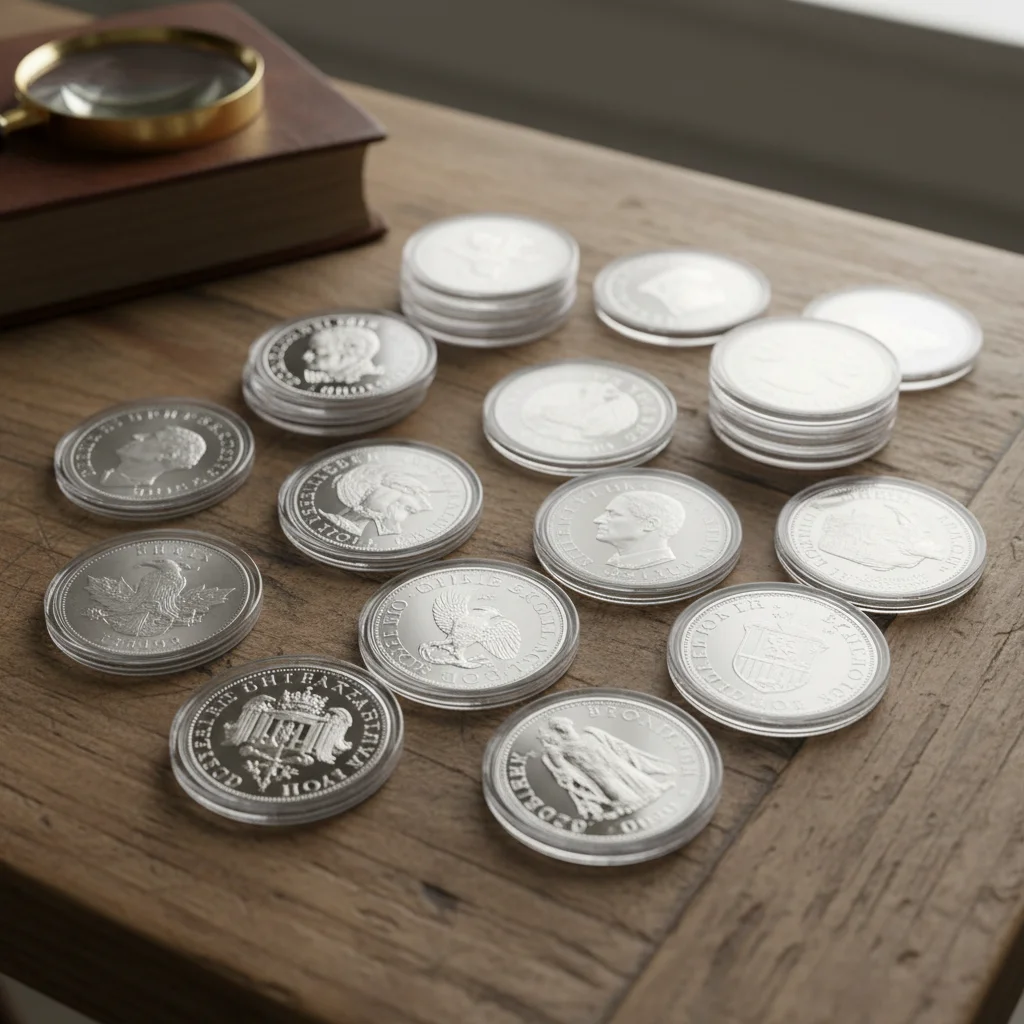
Silver Coins: Pros, Cons, and Pitfalls for the Investor
The question of buying silver coins requires consideration of several key aspects. One of the main advantages of such assets is their liquidity. Silver coins can be quite easily sold to various organizations.
InvestmentsCollector's Guide
Read More →
Investing in Antique Furniture: From a Personal Story to Practical Advice
An interest in antique furniture can begin in early childhood. For instance, a passion for carpentry started with conversations with a grandfather, Luft Philipp Philippovich, who was of German descent.
InvestmentsCollector's Guide
Read More →
All About Gold and Silver Investment Coins
An investment coin is a special type of coin issued by central banks. Their main purpose is for investment and creating a personal savings fund. Unlike regular money, their value is determined not by their face value, but by their precious metal content.
InvestmentsCollector's Guide
Read More →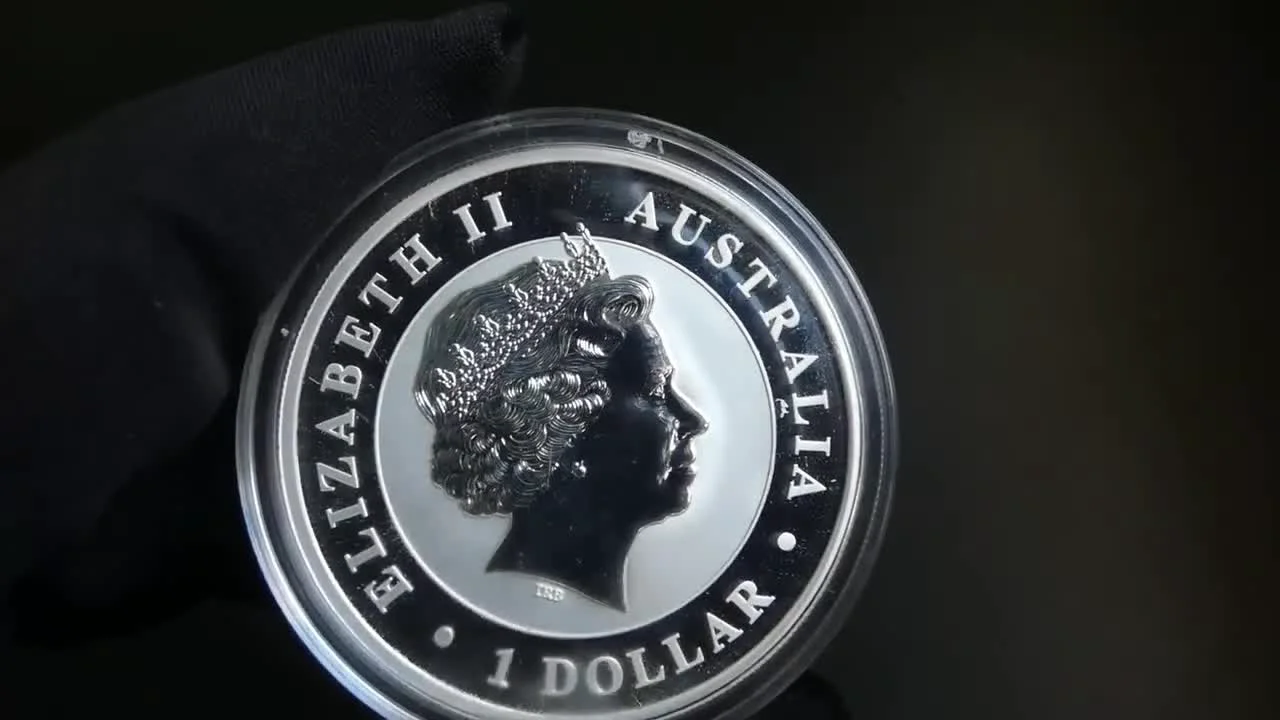
Rules for Importing and Exporting Investment Coins Across the Border
The question of the rules for transporting silver and gold coins across the border often causes difficulties. For example, when crossing the border between Estonia and Russia, one might find that the prices for investment coins in Russia are significantly higher than in Europe. This is due to a shortage of popular coins, such as Australian or British ones, as their supply is limited.
InvestmentsCollector's Guide
Read More →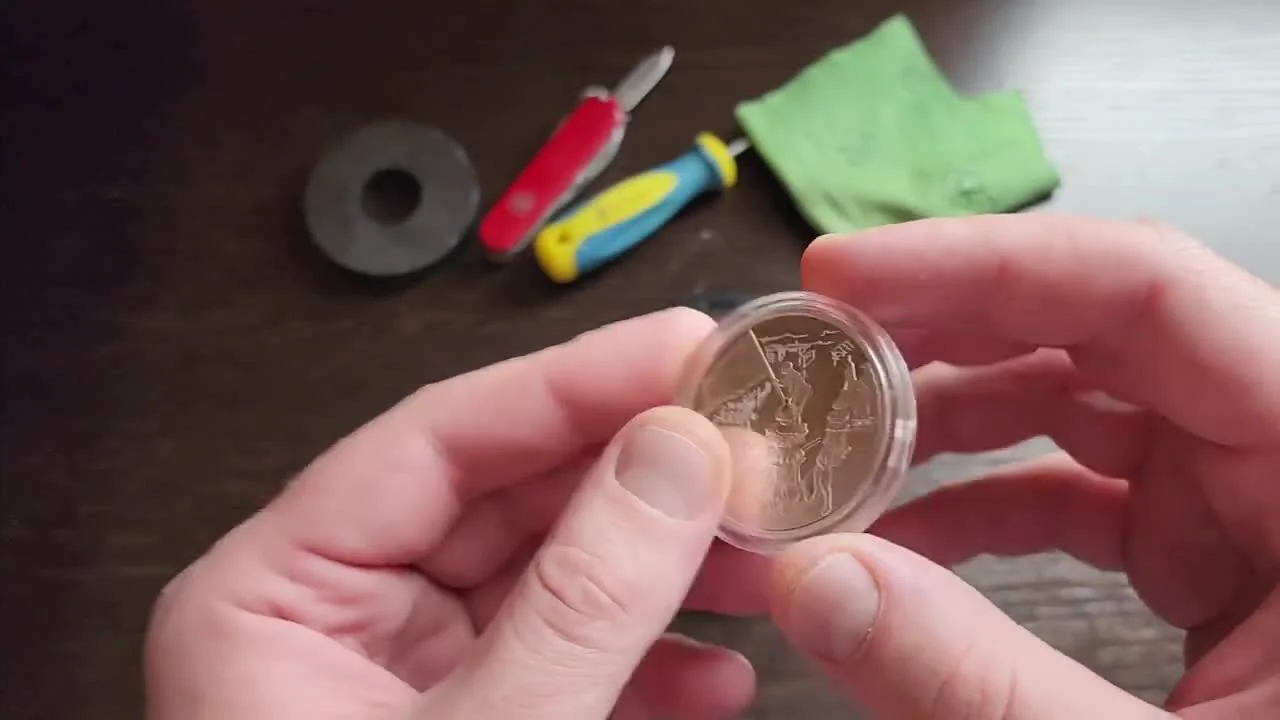
Counterfeit Modern Russian Silver Coin: How to Distinguish It from the Original
Counterfeits of modern Russian three-ruble silver ounce coins have appeared on the numismatic market. While copies of Tsarist, Soviet, and some modern coins have been seen before, counterfeits of this type of silver bullion coin are a new phenomenon. As an example, a counterfeit of the '70th Anniversary of Victory' coin was intentionally purchased for analysis.
ExpertiseCollector's Guide
Read More →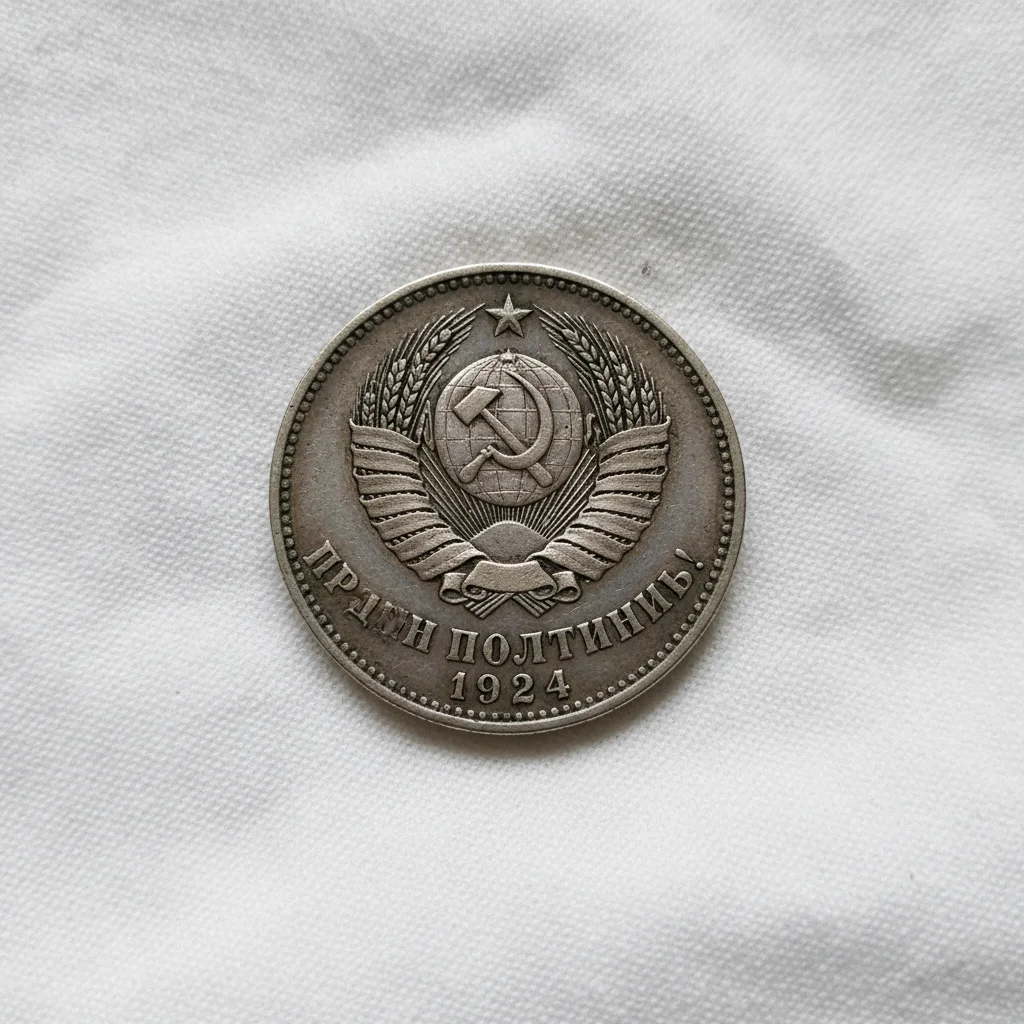
What Are Dealers Actually Paying for a Soviet Silver Poltinnik?
The story began with an unusual incident: a man came to a buy-up shop wanting to sell a 1924 Soviet poltinnik. The coin was in mediocre condition, yet its owner asked a whopping 150,000 rubles for it.
ExpertiseCollector's Guide
Read More →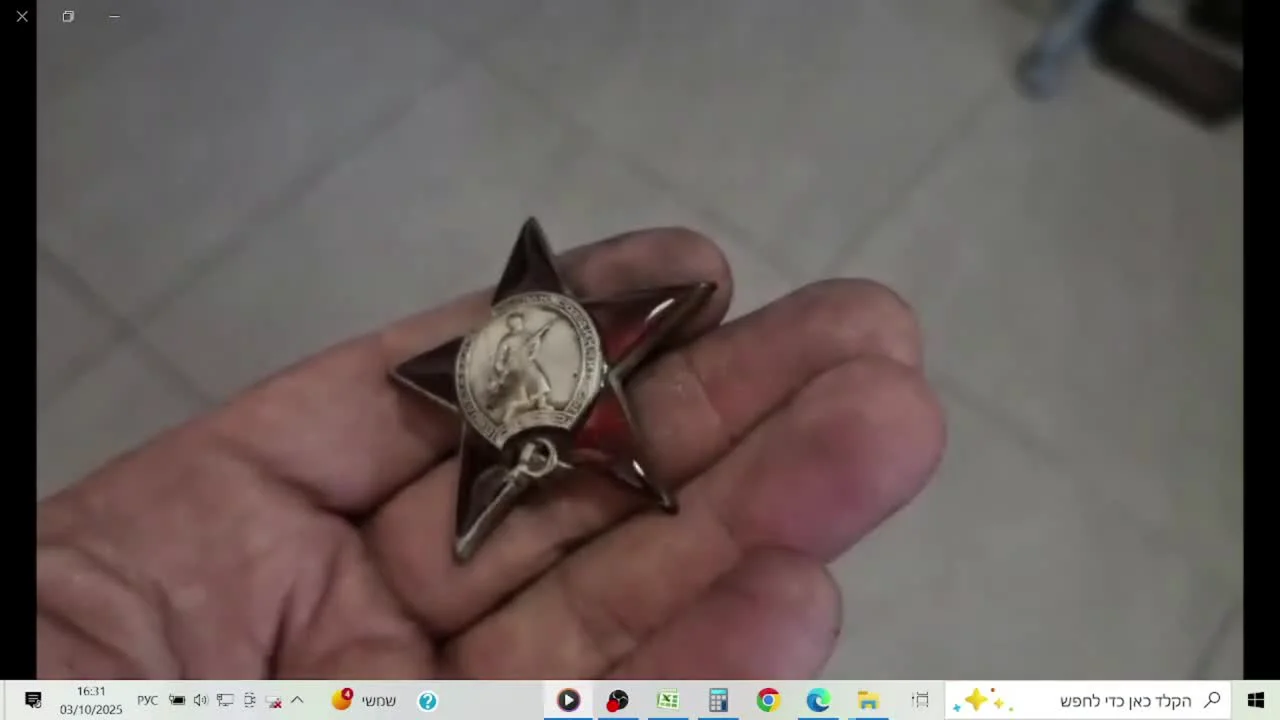
Restoration of Enamel on USSR Orders: Restore or Preserve History?
The question of whether to restore orders and medals is a subject of eternal debate in phaleristics circles. There is no single opinion on this matter, and each collector approaches this dilemma in their own way.
ExpertiseCollector's Guide
Read More →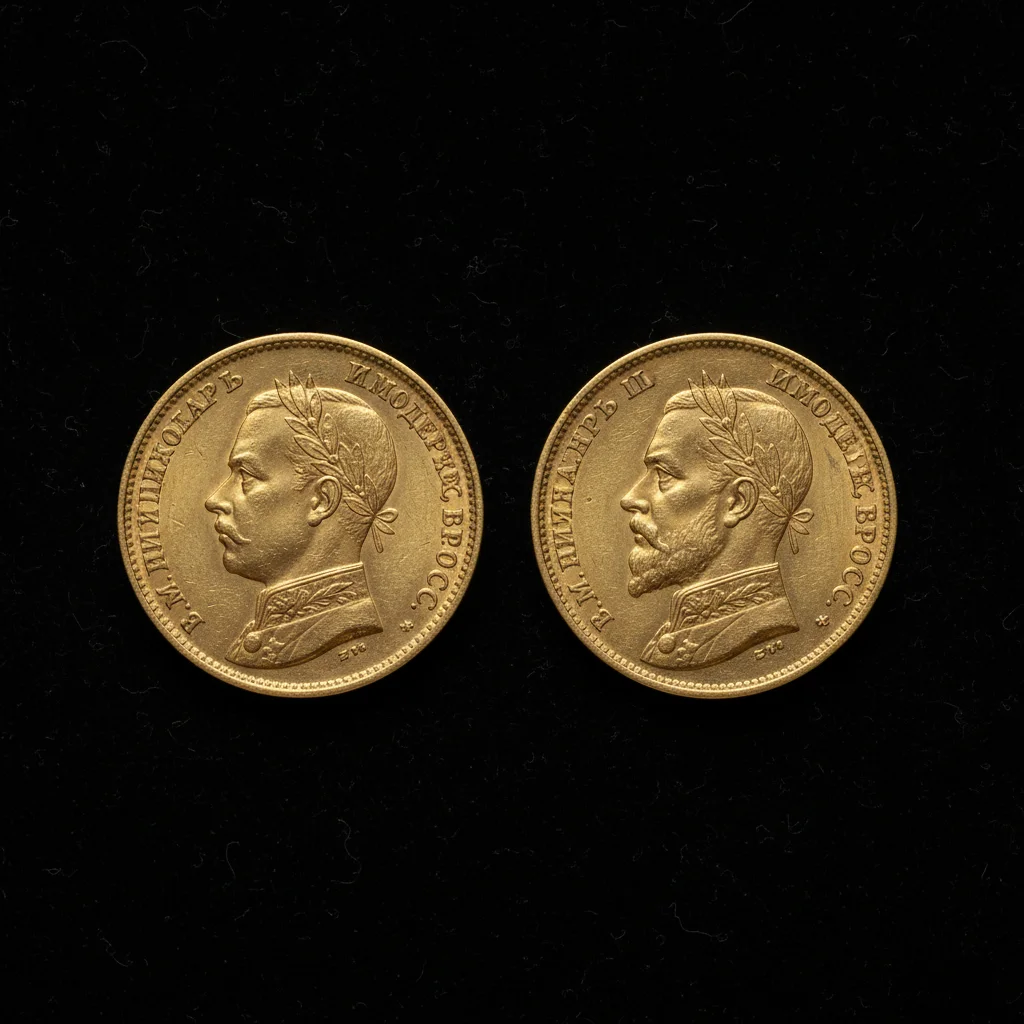
Collector or Investor: How to Approach Buying Coins
Many people who are passionate about coins ask themselves: are they numismatists, building a collection for pleasure, or investors, counting on future profits? Almost every collection owner has thought about its value and how it might change in a year, five, or ten years.
InvestmentsCollector's Guide
Read More →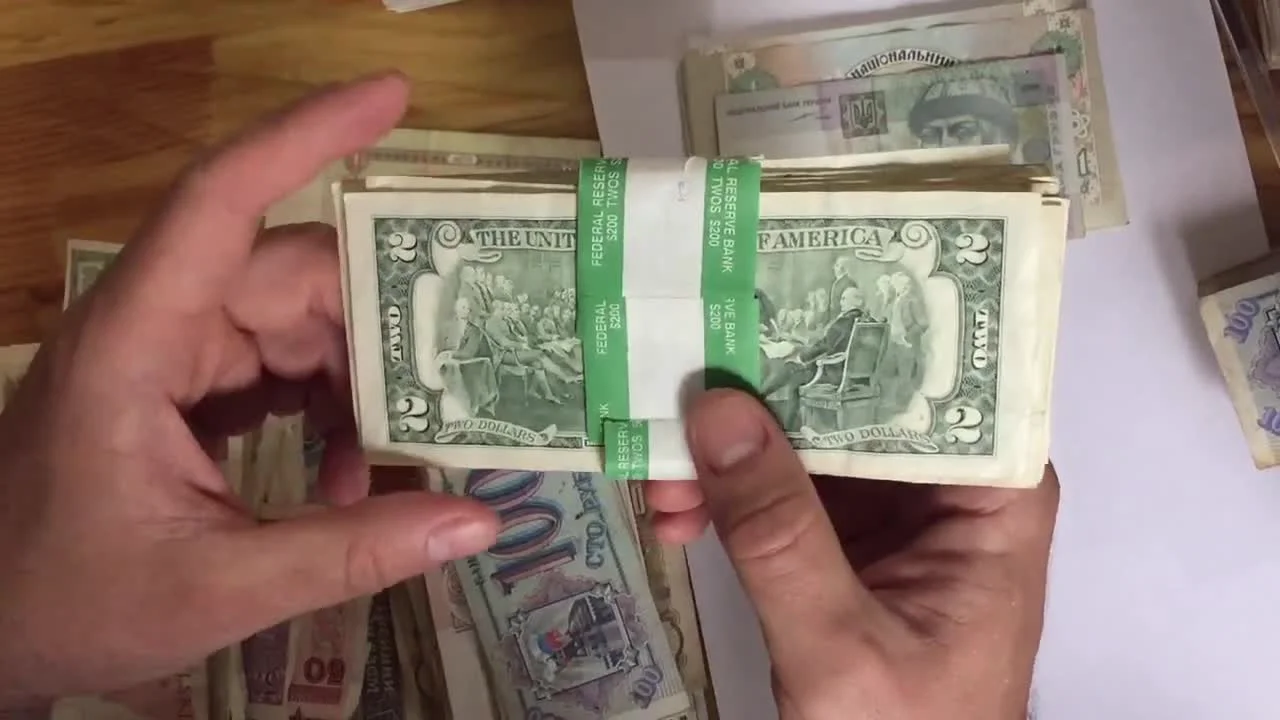
The US Two-Dollar Bill: Myths, History, and Real Value
The US two-dollar bill is a unique banknote with a rich history and numerous myths and legends. Contrary to a common misconception, it has never been taken out of circulation and remains legal tender to this day.
Collector's GuideHistory of Things
Read More →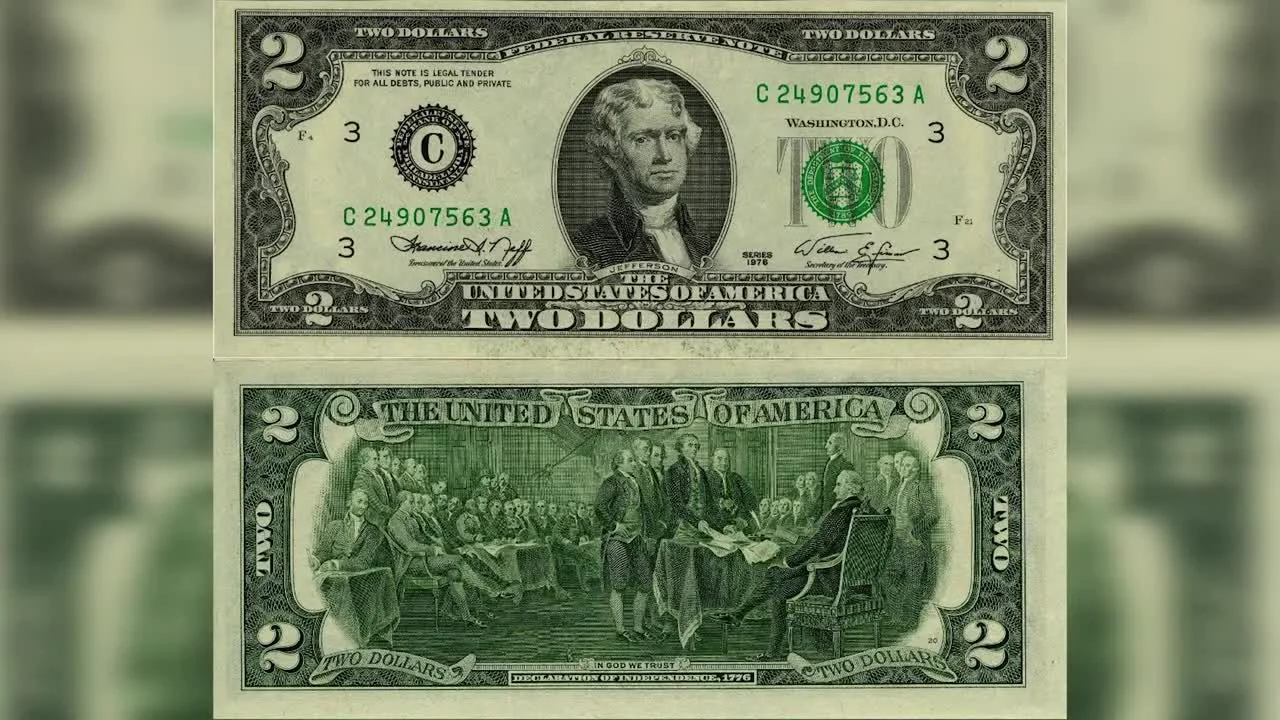
The US $2 Bill: History, Value, and Myths
There are many myths surrounding the 2-dollar bill. Many foreigners and even Americans are convinced that it is not in common use and has long been out of circulation. However, this is a misconception, as the bill is still being issued and is legal tender.
History of ThingsCollector's Guide
Read More →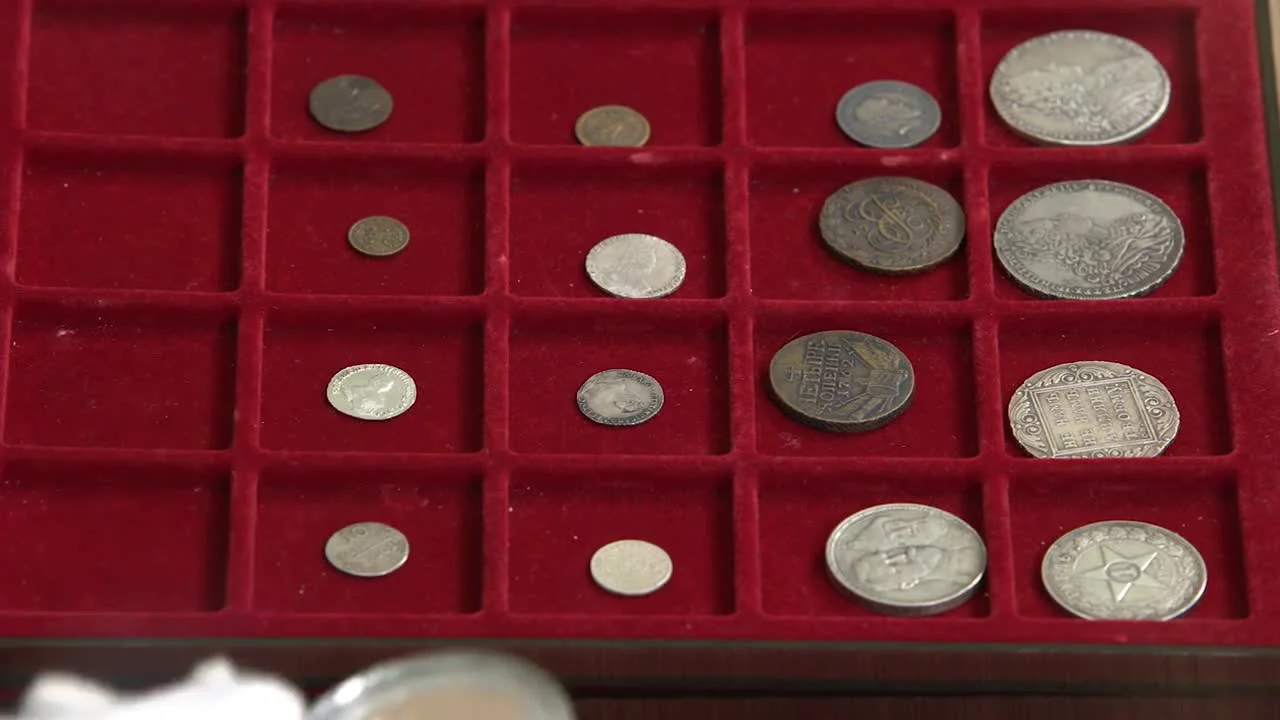
A New Level of Forgeries: How to Identify Dangerous Copies of 18th-Century Coins
In the world of numismatics, forgeries and copies of coins have emerged that are a level above primitive variants. These more dangerous specimens can be encountered by collectors both online and at club trading rows or in antique shops.
ExpertiseCollector's Guide
Read More →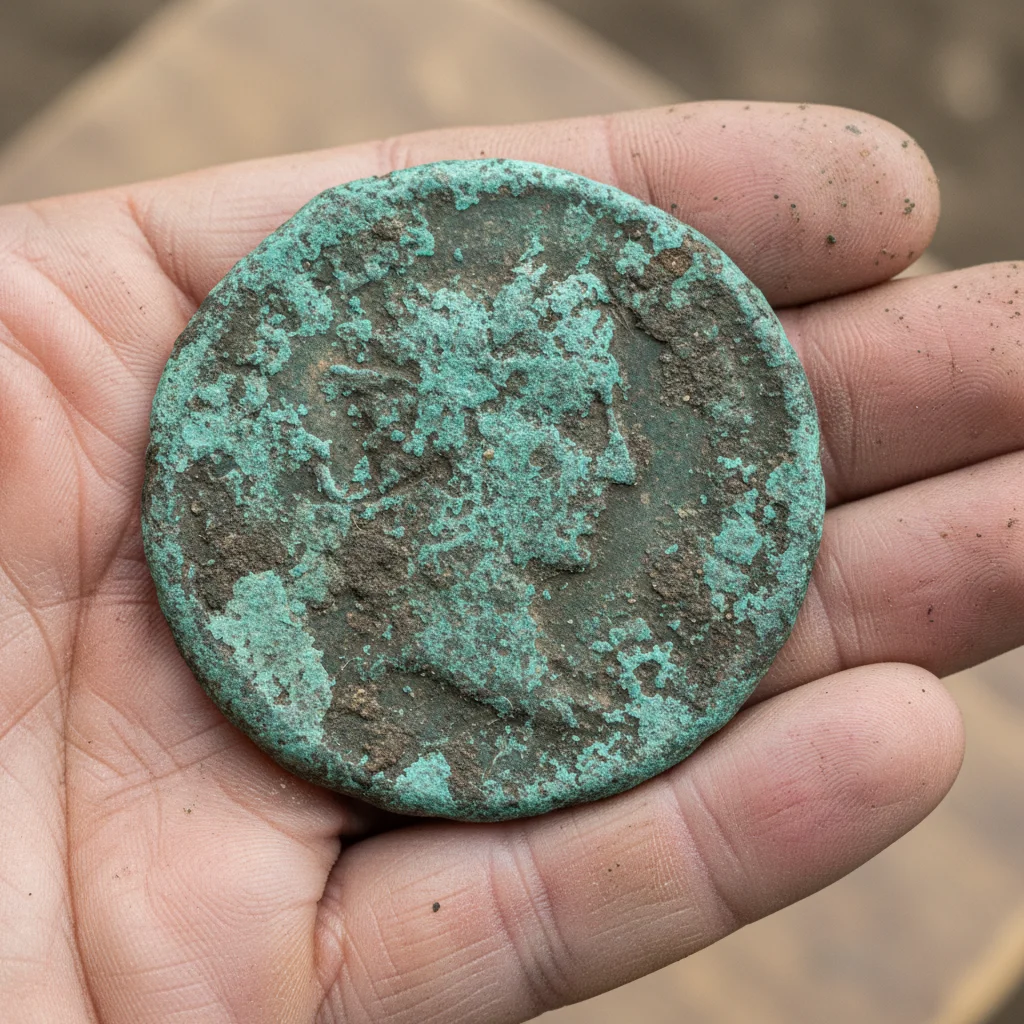
Why Heating is the Worst Way to Clean Coins: A Visual Experiment
Many beginner collectors face the problem of dirty coins covered in green oxides. In search of a solution, they often turn to online resources, where one can find numerous cleaning tips: from washing and rinsing to soaking in various solutions and even heating.
Collector's Guide
Read More →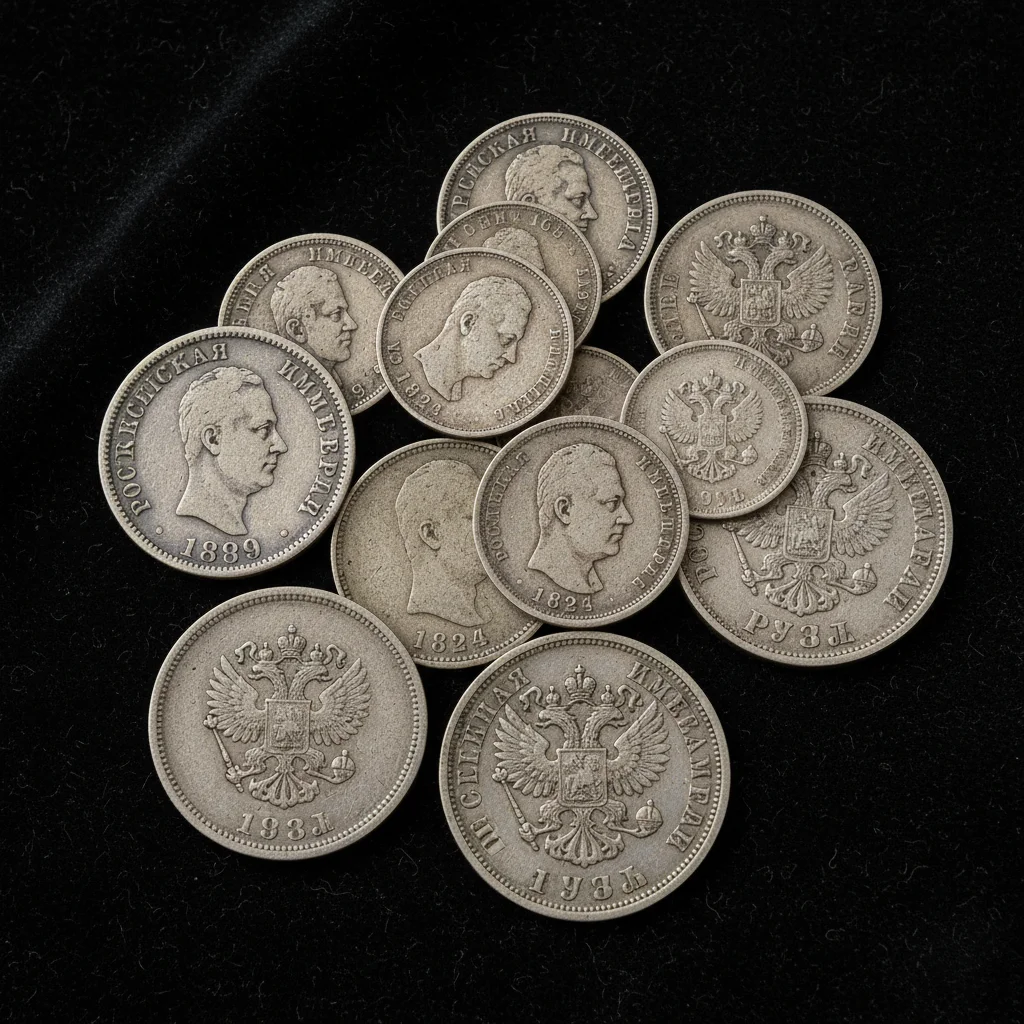
Patina on Coins: A Collector's Guide
Many new and even experienced collectors wonder what to look for when choosing a coin. One of the most common and complex questions is the evaluation of patina. Is it worth acquiring a coin with patina, how does it affect its value, and what potential pitfalls might be associated with it?
Collector's GuideExpertise
Read More →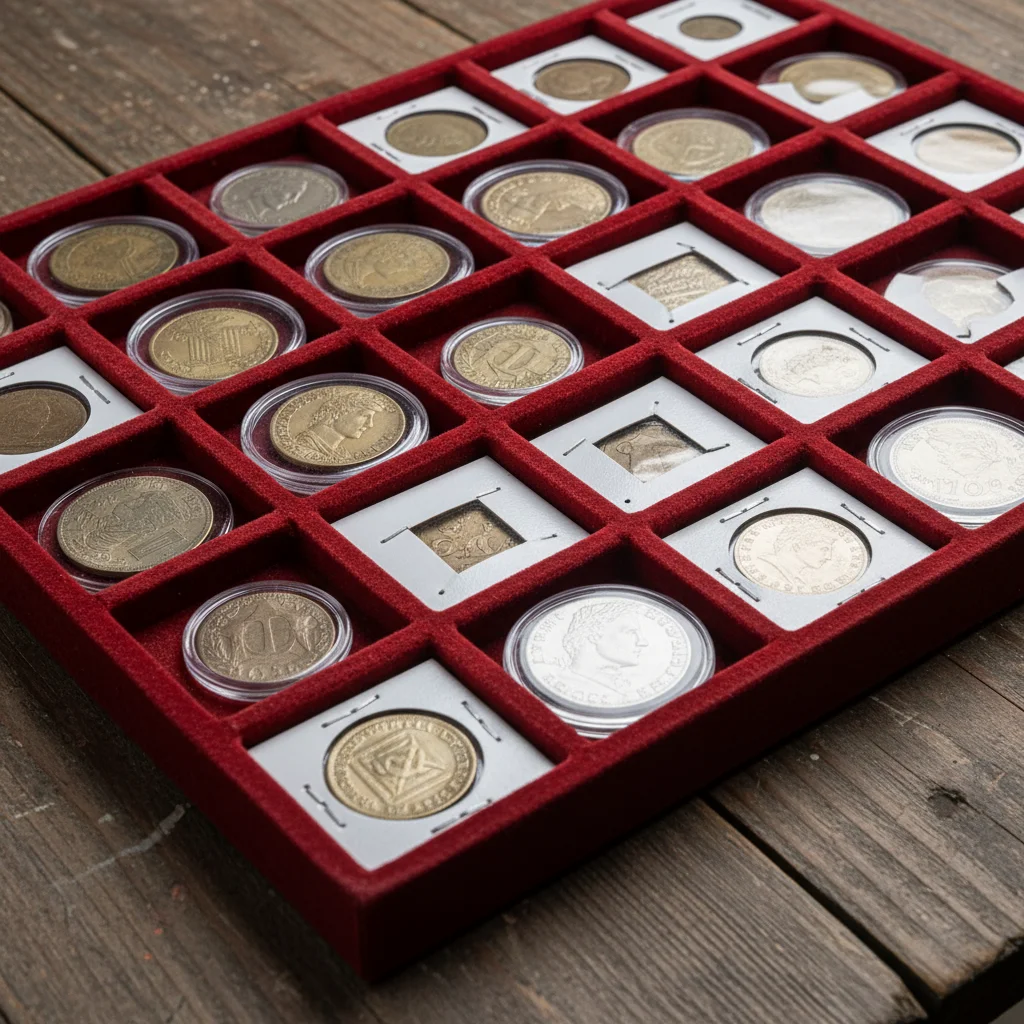
What is a Numismatic Collection: Principles and Differences from a Simple Accumulation of Coins
Many beginner numismatists ask themselves: what really constitutes a collection? One often sees large, impressive albums filled with coins, but such an assembly cannot always be called a collection in the full sense of the word.
Collector's Guide
Read More →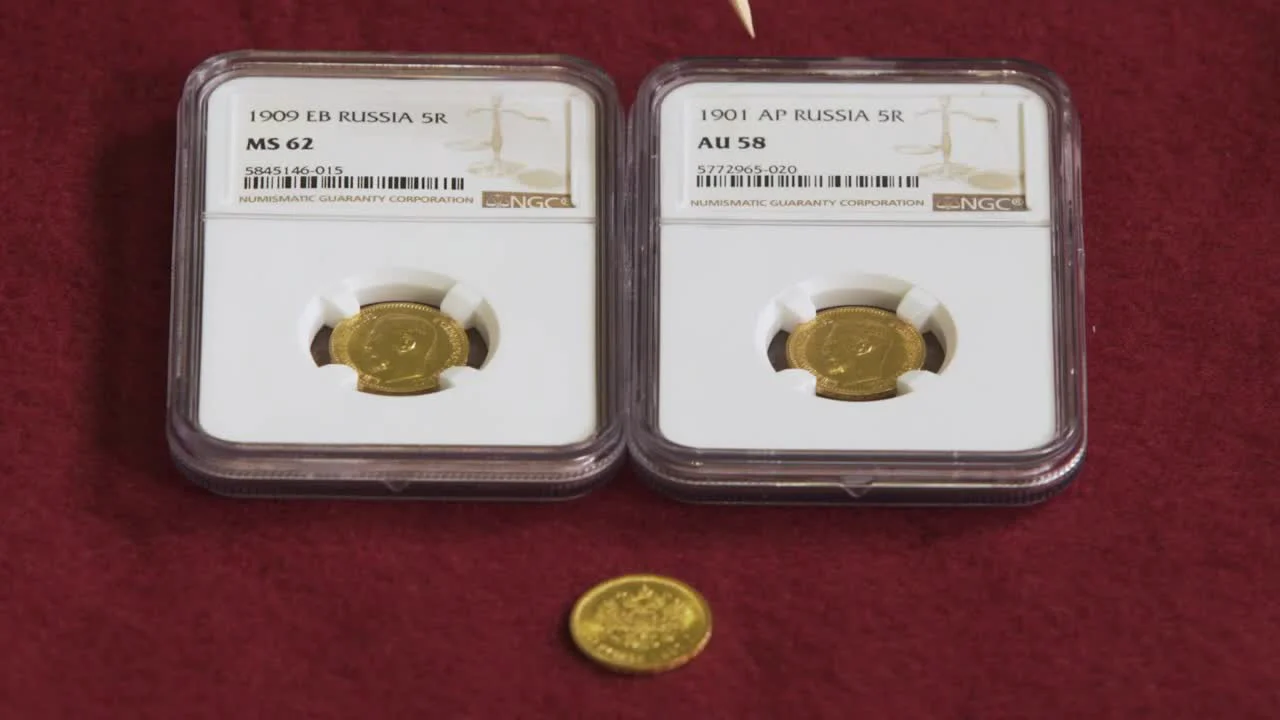
Hidden Rarities Among the Gold Coins of Nicholas II
Among the gold coins of Nicholas II, there are both recognized and hidden rarities. The former include, for example, the 5-ruble coin of 1909. It is traditionally considered rare and is marked with the letter 'R' in most catalogs, including the Bitkin catalog.
Collector's GuideHistory of Things
Read More →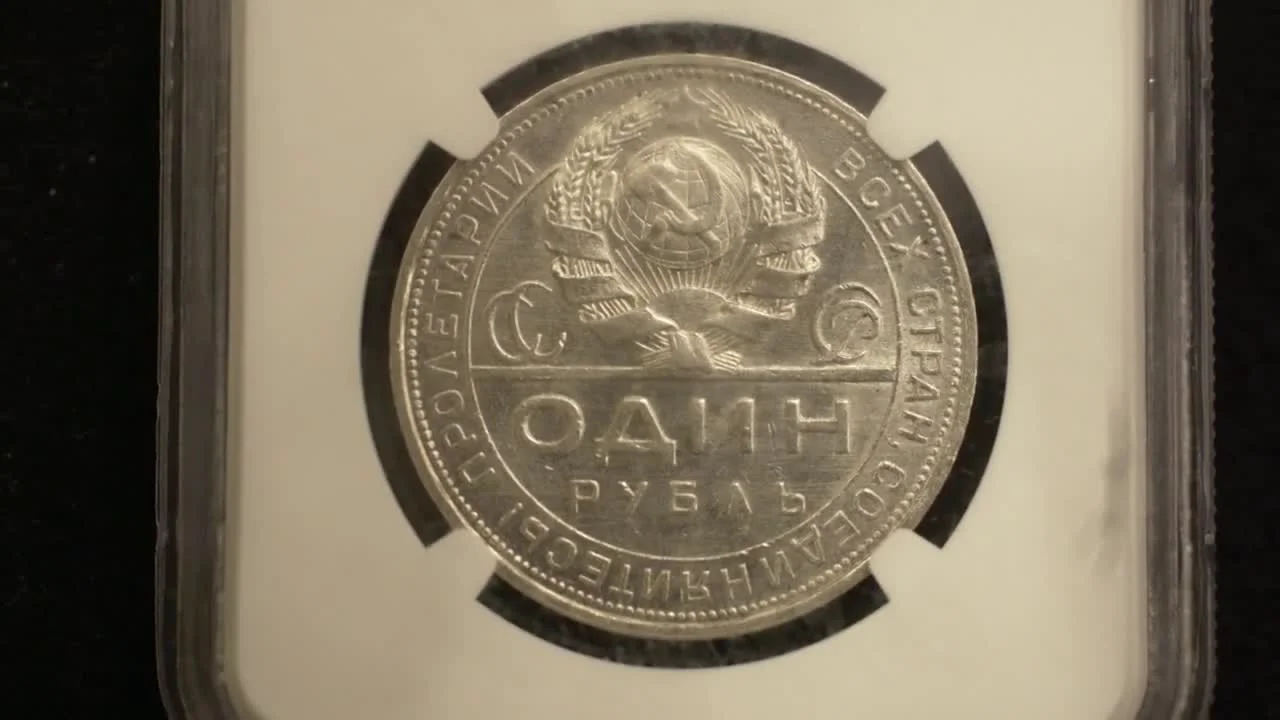
Coins in Slabs: Why Grading is More Important Than Packaging
When discussing the storage and valuation of collectible coins, the topic of slabs—special plastic containers—often comes up. However, it is important to understand that the key process is not the act of placing the coin in the packaging itself, but the grading that precedes it.
Collector's GuideExpertise
Read More →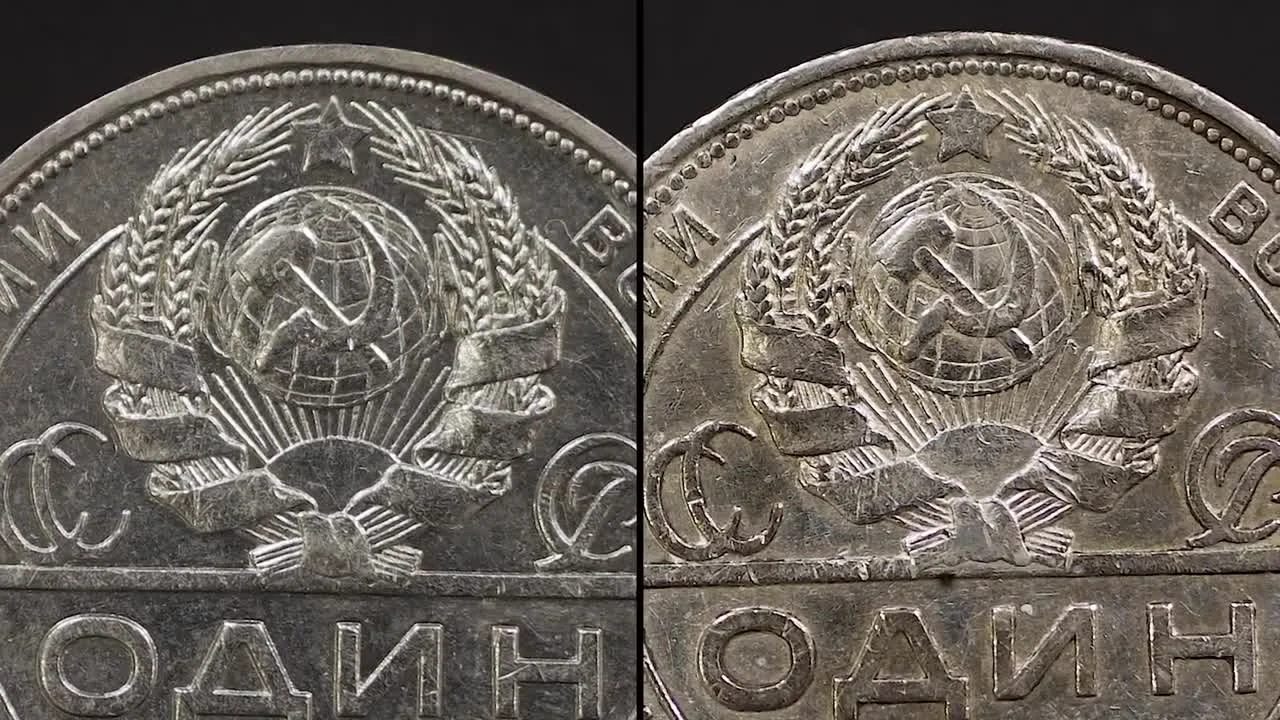
Varieties of the 1924 Ruble: From 'Spike' to 'Square Windows'
The 1924 silver ruble has a design characteristic of its time. The obverse of the coin depicts the figures of a worker and a collective farmer, symbolizing the union of the proletariat and the peasantry. In the background, fields, factories, and a rising sun are visible, reflecting the ideology of the new state.
ExpertiseCollector's Guide
Read More →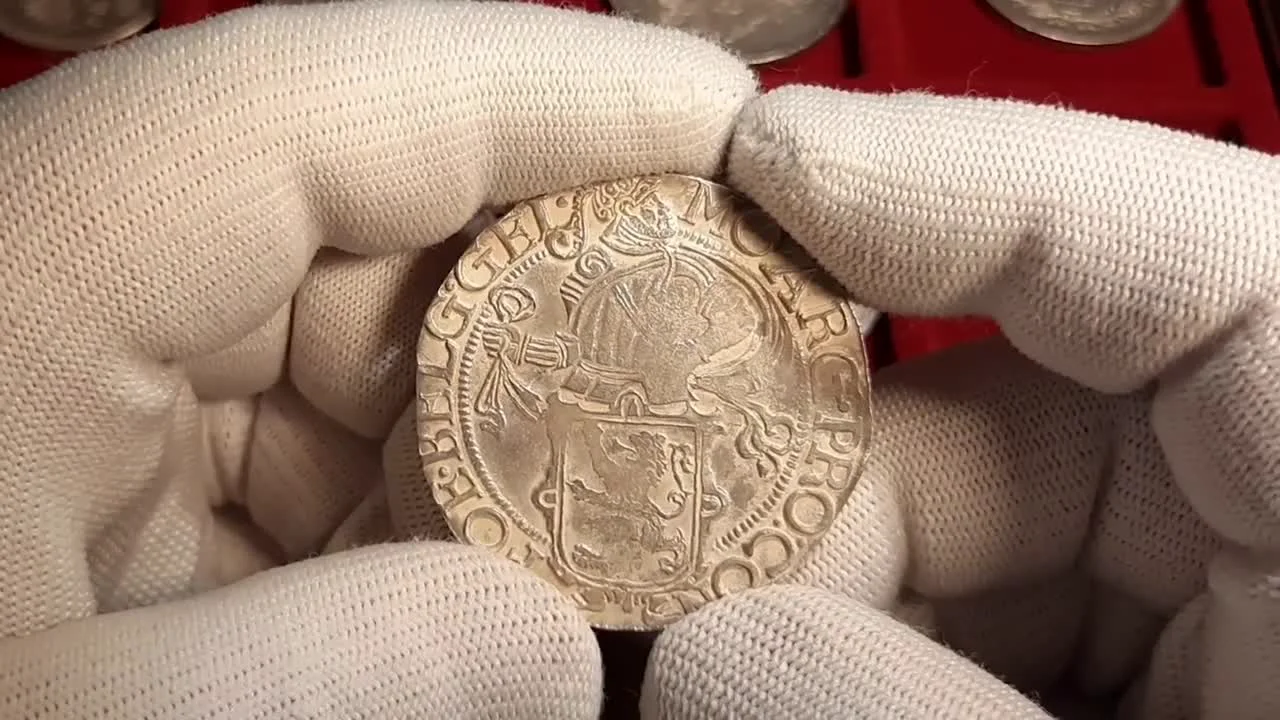
Authenticating Counterfeit Thalers: How to Distinguish a Copy from an Original
There is a misconception that primarily domestic coins are counterfeited. In reality, absolutely everything in demand by collectors is subject to forgery, regardless of its country of origin.
ExpertiseCollector's Guide
Read More →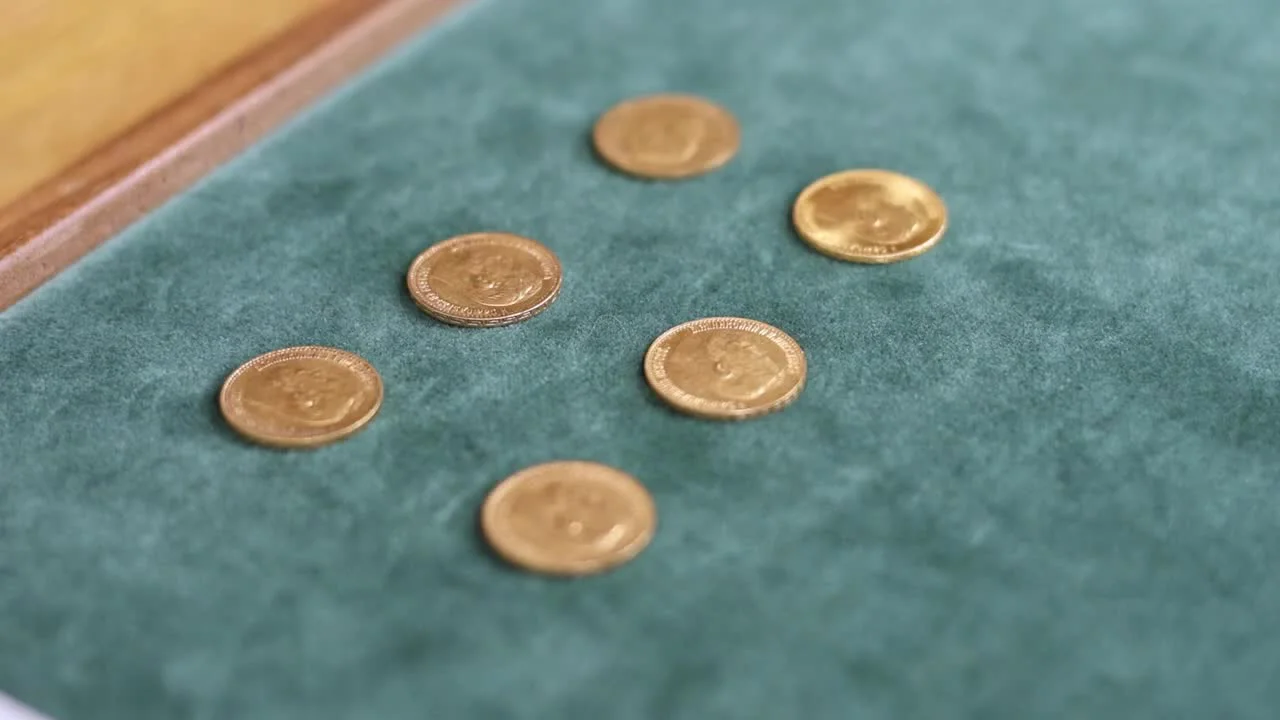
Gold 5 Rubles: How to Spot a Near-Perfect Counterfeit
Three types of counterfeit 5-ruble gold coins, made in three different workshops, are presented for analysis. Three genuine coins are also used for comparison. One of the counterfeits is of very high quality, making it difficult to identify, yet it cannot be called perfect.
ExpertiseCollector's Guide
Read More →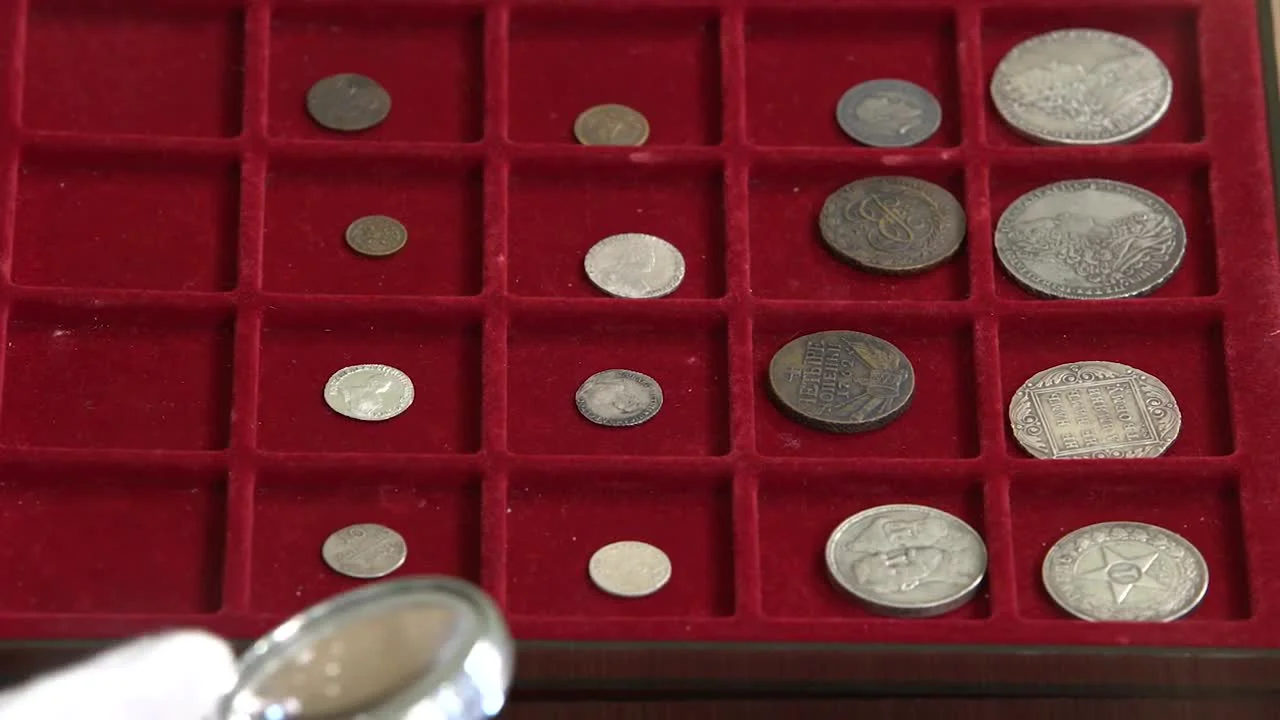
A New Level of Forgery: How to Identify Dangerous Copies of 18th-Century Coins
Simple and primitive copies of ancient coins are being replaced by more dangerous forgeries. These specimens are made at a high level and can be found both online and in the trading stalls of clubs and antique shops.
ExpertiseCollector's Guide
Read More →