Investing in Antique Furniture: From a Personal Story to Practical Advice - AUCBURG | AUCBURG
Investing in Antique Furniture: From a Personal Story to Practical Advice
An interest in antique furniture can begin in early childhood. For instance, a passion for carpentry started with conversations with a grandfather, Luft Philipp Philippovich, who was of German descent.
A Personal Story and Connection to the Craft of Furniture Making
An interest in antique furniture can begin in early childhood. For instance, a passion for carpentry started with conversations with a grandfather, Luft Philipp Philippovich, who was of German descent.
Due to historical events, he was relocated from the Chernihiv lands to the Karaganda steppes during the war. In the city of Karaganda, in the Old Town, he organized a construction artel with other exiled Germans.
In this artel, he worked as a carpenter and a 'tischler' (joiner). Spending time in his workshop allowed me to absorb a love for wood from childhood and gain initial woodworking skills.
Education and Professional Path in Germany
After moving to Germany, in addition to a higher education in law, I also acquired economic knowledge. Studying at a business school in Hamburg opened up new horizons.
Practical experience was gained during an internship at an auction house that, among other things, dealt with the sale of antique furniture. This provided a deeper immersion into the world of antiques.
The restoration workshops were of particular interest, where one could observe the process of restoring old items. This experience, combined with childhood memories and skills, formed a deep understanding of the subject.
Education and Professional Path in Germany
The Practice of Investing: First Steps and Specifics
Investing in antique furniture has its nuances. When buying at an auction, a fee, which can be as high as 30%, is added to the final lot price. This additional expense must be considered when planning a budget.
However, such investments have a unique advantage: the furniture can be used for its intended purpose while it is part of the investment portfolio. This allows one to combine utility and aesthetic pleasure with potential value growth.
A collection can begin with a single piece, such as an antique chest of drawers. For example, purchasing a Gründerzeit-era chest for the family was the first step. This piece was later sold successfully, demonstrating the liquidity of such assets.
The Practice of Investing: First Steps and Specifics
Developing the Collection and the Need for Storage
Storage Condition
Requirements
Temperature
Normal room temperature
Humidity
Avoid high humidity and dryness
Space
Sufficient space for placement without risk of damage
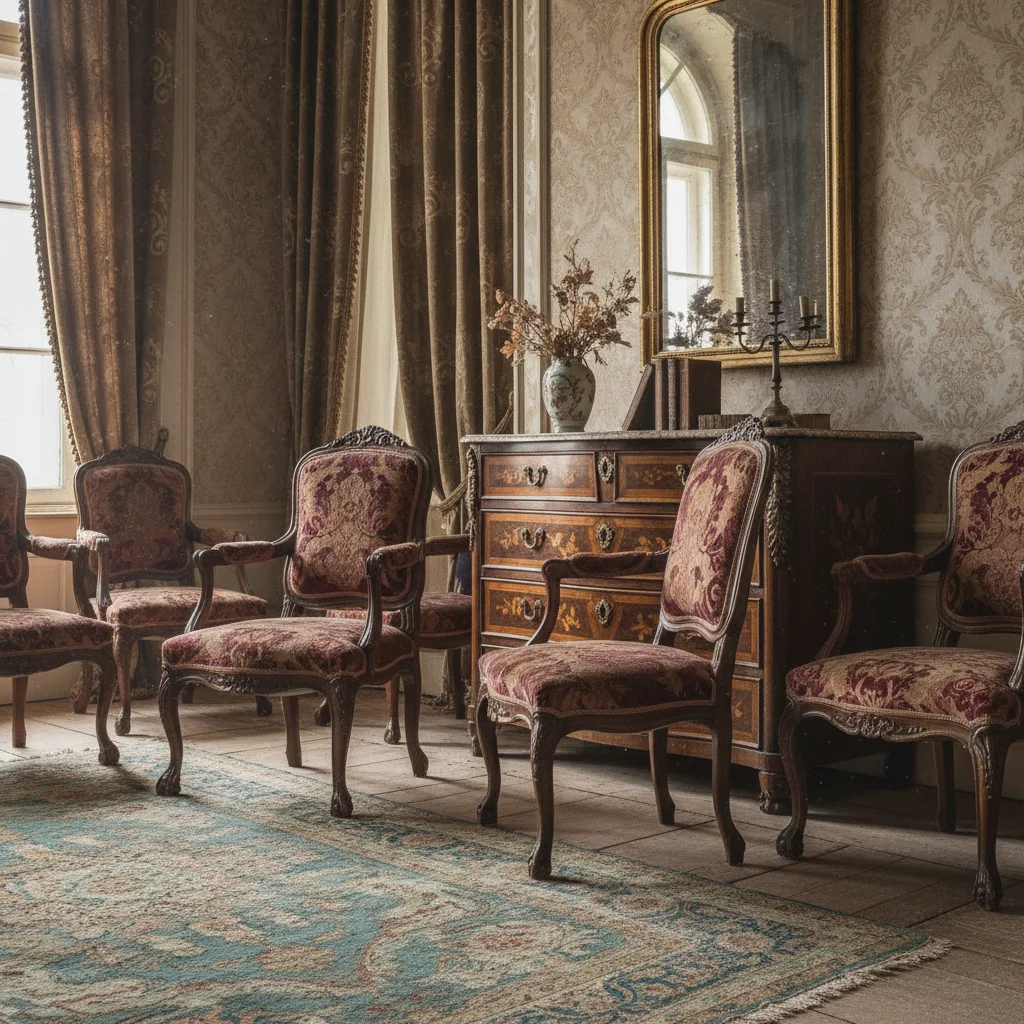
Over time, a collection of antique furniture can grow significantly. Starting with a single chest of drawers, it can expand to include display cabinets, chairs, tables, and other items, gradually filling up the living space.
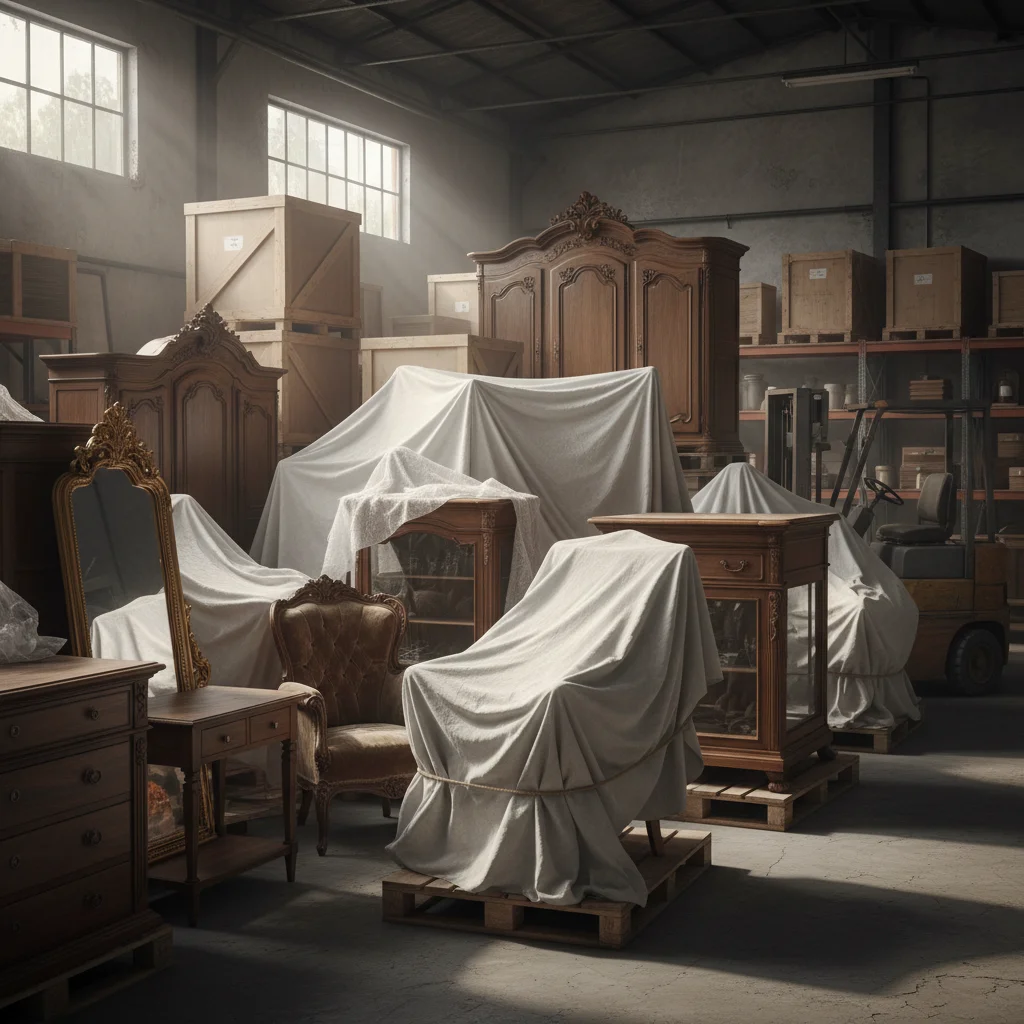
At a certain stage, the need for storage facilities arises to house the collection. It is important to ensure the right conditions to keep the items in good condition.
Storage in a warehouse differs from home use. The furniture is usually packed and not on display, making the warehouse a purely functional space rather than a showroom.
Developing the Collection and the Need for Storage
Strategies for Working with Furniture: Restoration
There are two main approaches to buying antique furniture. The first is to acquire pieces that need restoration. Their purchase price is significantly lower, which opens up opportunities to increase their value after restoration.
However, finding a good restorer, especially in Germany, is difficult and expensive. An alternative could be to find craftsmen in other countries, for example, in Belarus, where strong traditions of the furniture craft have been preserved.
Initially, you can do the restoration yourself if you have the necessary skills. This allows you to control the process and save money. However, as the volume grows, it becomes more profitable to delegate this work to specialists and direct your own time towards marketing and finding new items.
Strategies for Working with Furniture: Restoration
Examples of Successful Auction Purchases
Item
Description
Purchase Price
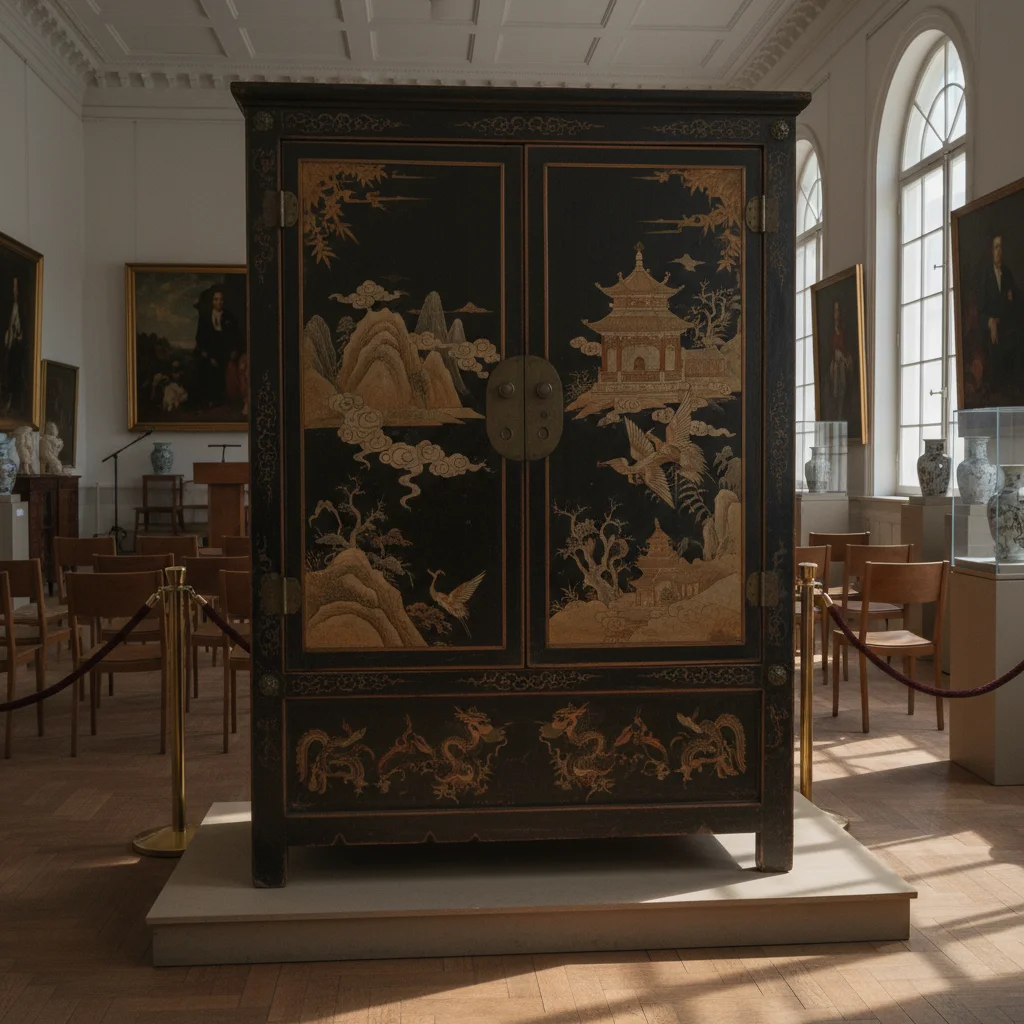
Chinese Cabinet
18th century, mahogany, painted
€600
Carved Panel
2.5x3.5 m, mahogany
€375
Chinese Chest
Carved wood
€70
Newlywed Chairs
2 pcs., antique, German
€35
At auctions, you can find unique and valuable items at favorable prices. For example, several interesting lots were acquired at one of the auctions in Hamburg.
An 18th-century Chinese cabinet made of mahogany with a military-themed painting.
A large carved mahogany panel, 2.5 by 3.5 meters, depicting a banana harvest scene.
A small carved Chinese chest of drawers.
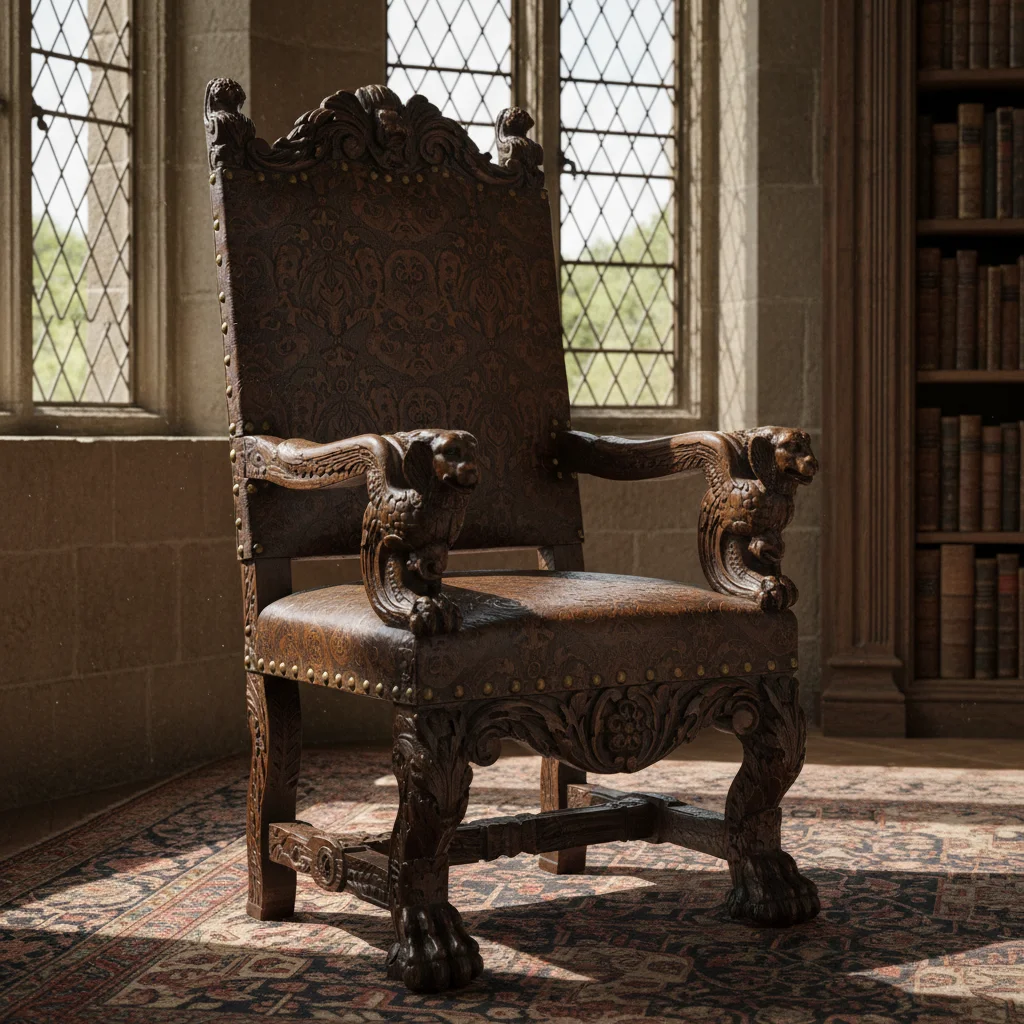
Two antique German chairs for newlyweds.
These examples show the variety of items and price ranges available at auctions, making them attractive to investors and collectors.
Examples of Successful Auction Purchases
Criteria for Evaluating Antique Furniture
When buying antique furniture, it is important to pay attention to a number of key points to determine its authenticity and value. There are several rules for evaluation.
Determining the era and style. It's necessary to understand whether the piece is a distinct expression of its time or a mass-produced item.
Analyzing the construction. Furniture was often modified. For example, only the lower part of a display cabinet or secretaire might be left, turning it into a chest of drawers. In this case, the top surface will be a later addition.
Hardware. Original handles and locks, as well as their method of attachment (e.g., old-fashioned screws), indicate authenticity. The hardware should match in metal color, for example, brass handles and brass screws.
Condition of the wood. The presence of fine wood dust in drawers is a good sign, indicating wood-on-wood friction. This distinguishes old furniture from that infested with woodworm.
Legs and lower part. The legs are often replaced or damaged due to contact with moisture from floor washing. It is important to check their condition and originality.
Criteria for Evaluating Antique Furniture
Recommended Literature for the Collector
Successful work with antique furniture requires knowledge that can be gained from specialized literature. There are several useful publications for both beginner and experienced collectors.
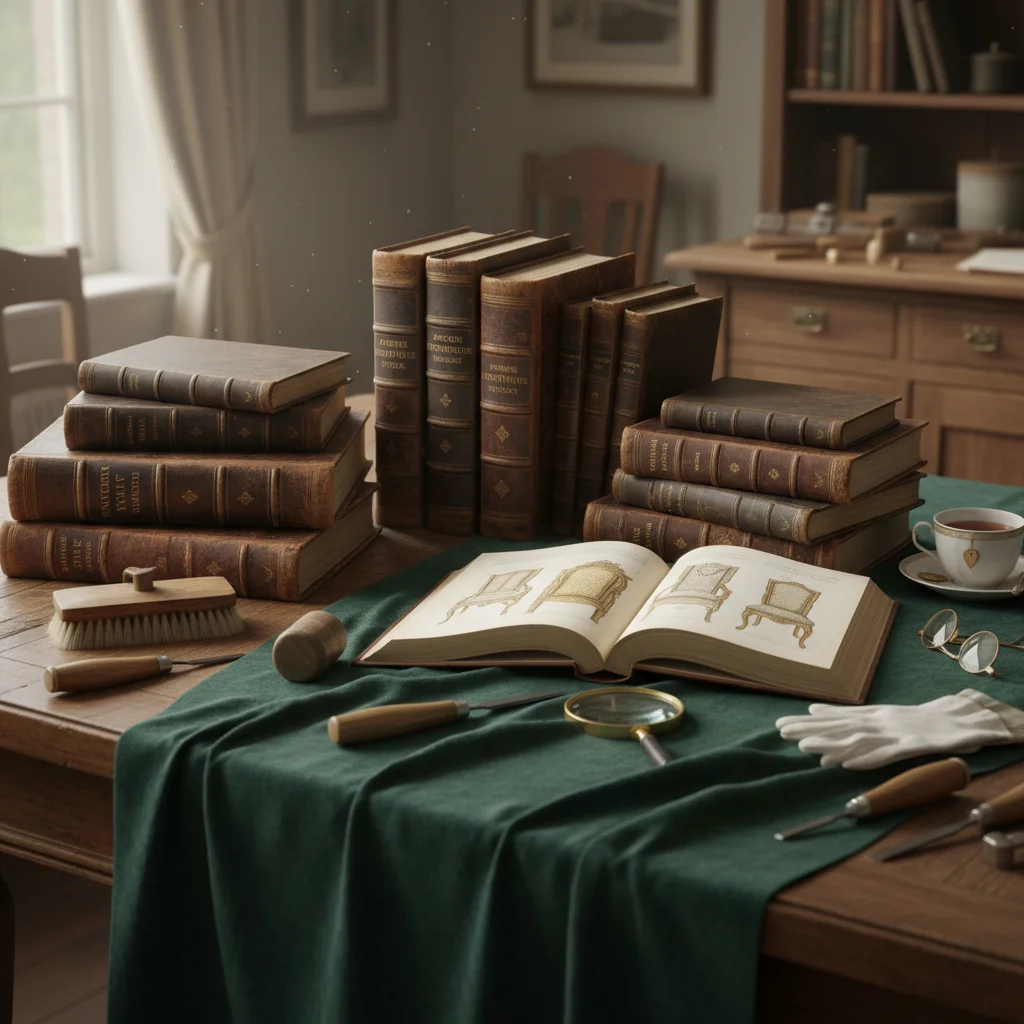
For a general introduction and evaluation of items, Judith Miller's anthology 'Schöne Alte Sachen' (Beautiful Old Things) is recommended. A significant part of this book is devoted to furniture, where styles are analyzed in detail and advice is given to collectors.
Specialized catalogs are also useful, for example, from the 'Battenberg' series, which are dedicated exclusively to furniture. They help in navigating styles, eras, and prices.