Rules for Importing and Exporting Investment Coins Across the Border - AUCBURG | AUCBURG
Rules for Importing and Exporting Investment Coins Across the Border
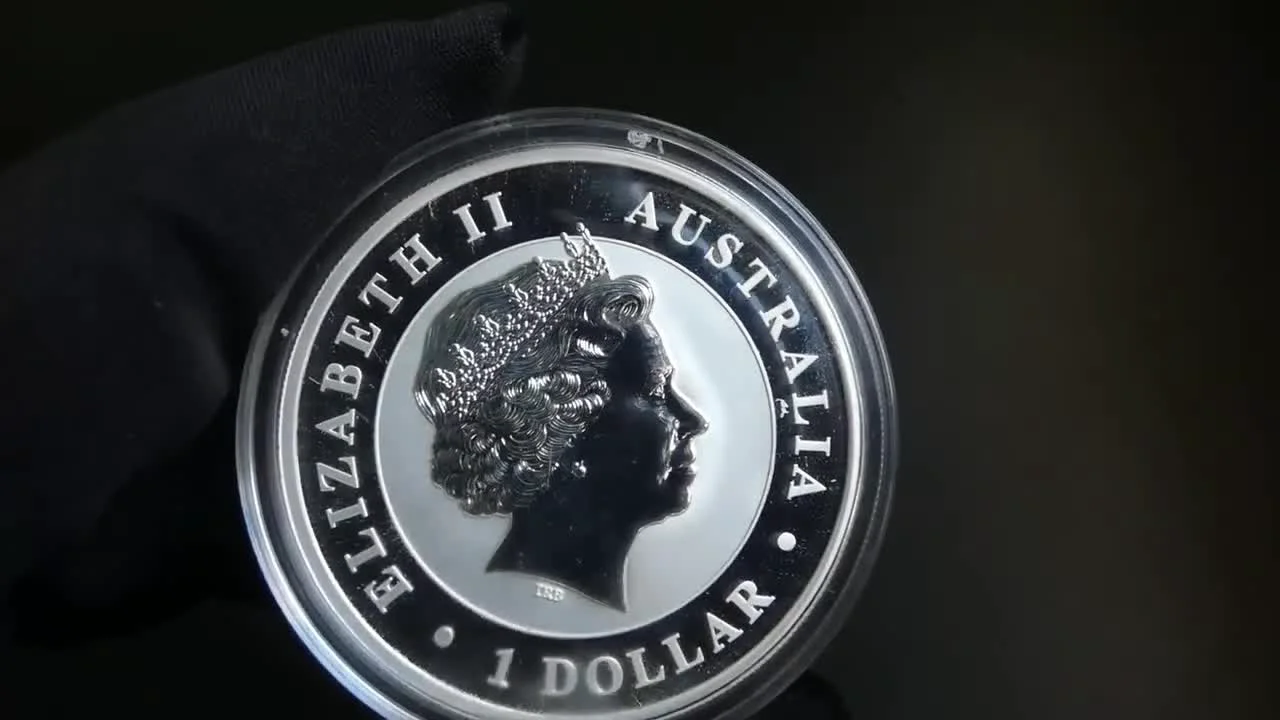
The question of the rules for transporting silver and gold coins across the border often causes difficulties. For example, when crossing the border between Estonia and Russia, one might find that the prices for investment coins in Russia are significantly higher than in Europe. This is due to a shortage of popular coins, such as Australian or British ones, as their supply is limited.
The Problem of Obtaining Reliable Information at the Border
The question of the rules for transporting silver and gold coins across the border often causes difficulties. For example, when crossing the border between Estonia and Russia, one might find that the prices for investment coins in Russia are significantly higher than in Europe. This is due to a shortage of popular coins, such as Australian or British ones, as their supply is limited.
Attempts to find out the rules directly from customs officers at the border often prove fruitless. Officers may provide conflicting information: some claim they don't know the rules, others say transportation is prohibited, and still others demand documents from experts. Customs officers, like most people, are not always knowledgeable about the specifics of investment coins, which creates confusion and legal uncertainty for travelers.
Official Rules for Importing Coins from Russia to the European Union
To obtain accurate information about the rules for transporting precious metals, one should contact official bodies, such as the tax and customs department. According to clarifications received from Estonian customs, there are strict restrictions, especially concerning gold.
The import of gold items from Russia into European Union countries is completely prohibited due to current sanctions. This applies to investment coins and bars, as well as jewelry, if they are not transported as personal belongings (for example, a second chain in a bag). Violating this rule can lead to confiscation and a fine.
For silver investment coins, the rules are more lenient. They can be imported for personal use without paying duties, but a certain limit must be observed. The value must not exceed 300 euros.
Official Rules for Importing Coins from Russia to the European Union
Rules for Exporting Coins from the European Union to Russia
When exporting investment and collectible coins from EU countries to Russia, there are also restrictions. To avoid problems at customs, it is important to comply with the established limits and have supporting documents.
Main rules for exporting from the EU to the Russian Federation:
Value limit. The total value of exported silver and gold coins for personal use must not exceed 300 euros.
Documentary proof. It is advisable to have documents confirming the value of the coins, such as purchase receipts or printouts from online platforms like eBay.
Prohibition on exporting cash euros. It is strictly forbidden to export cash euros in any amount from the European Union to Russia. The discovery of even a small amount, such as 5 euros, will lead to its seizure and a fine of several hundred euros.
Rules for Exporting Coins from the European Union to Russia
Customs Rules for Postal Shipments
Destination
Duty-free limit
Taxation rules above the limit
Russia
200 euros
For amounts exceeding 200 euros, VAT (20%) and a 15% duty are charged.
European Union
0 euros
VAT is charged from the first euro. For parcels valued over 150 euros, an additional customs duty is levied.
Sending coins by mail is also regulated by customs rules, which differ for Russia and European Union countries. The duty-free import limits and fee amounts vary significantly.
For example, when sending coins worth 300 euros to Russia, taxes will be levied on the difference, i.e., on 100 euros. At the same time, any parcel arriving in the EU from outside its borders is subject to VAT. In Estonia, for example, the VAT rate is 24%.
Customs Rules for Postal Shipments
Restrictions on the Export of Antique Coins
In addition to the rules concerning precious metals, there are separate strict restrictions on the export of cultural property, which includes antique coins. The export of such items from Russia is strictly regulated.
It is prohibited to export coins that are more than 50 years old without a special permit. Specifically:
Coins older than 100 years. The export of such coins is completely prohibited, as they are considered cultural heritage.
Coins between 50 and 100 years old. A special permit from the relevant authorities is required for their export.
For example, the 1924 silver ruble, popular with collectors, already falls into the category of cultural property, and attempting to export it without a permit will lead to serious problems at customs.