A New Level of Forgeries: How to Identify Dangerous Copies of 18th-Century Coins - AUCBURG | AUCBURG
A New Level of Forgeries: How to Identify Dangerous Copies of 18th-Century Coins
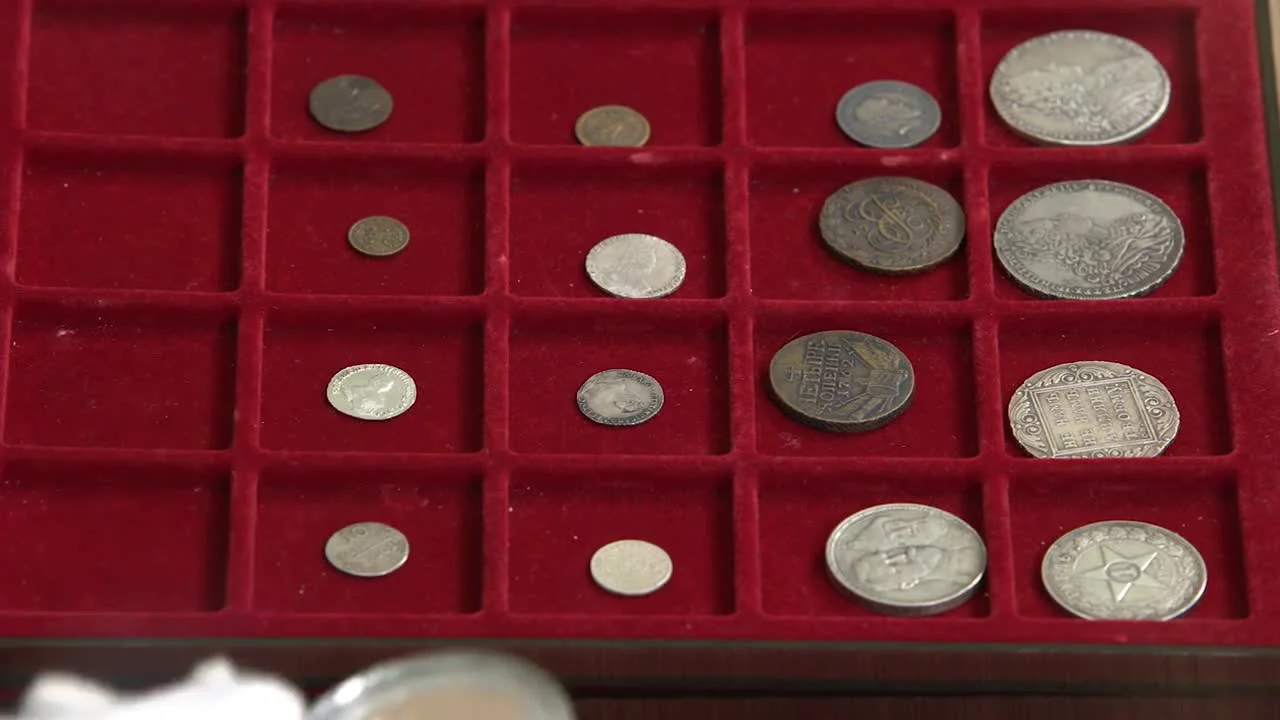
In the world of numismatics, forgeries and copies of coins have emerged that are a level above primitive variants. These more dangerous specimens can be encountered by collectors both online and at club trading rows or in antique shops.
In the world of numismatics, forgeries and copies of coins have emerged that are a level above primitive variants. These more dangerous specimens can be encountered by collectors both online and at club trading rows or in antique shops.
Unlike simple copies that are easy to identify, these forgeries are made with significantly higher quality. They pose a serious threat to collectors as they can mislead even people with some experience.
In the Spotlight – Rubles of Peter II
Coin Type
Characteristic Features
Moscow type
Edge with inscribed letters (lettered)
Petersburg type
Edge with a cord-like pattern
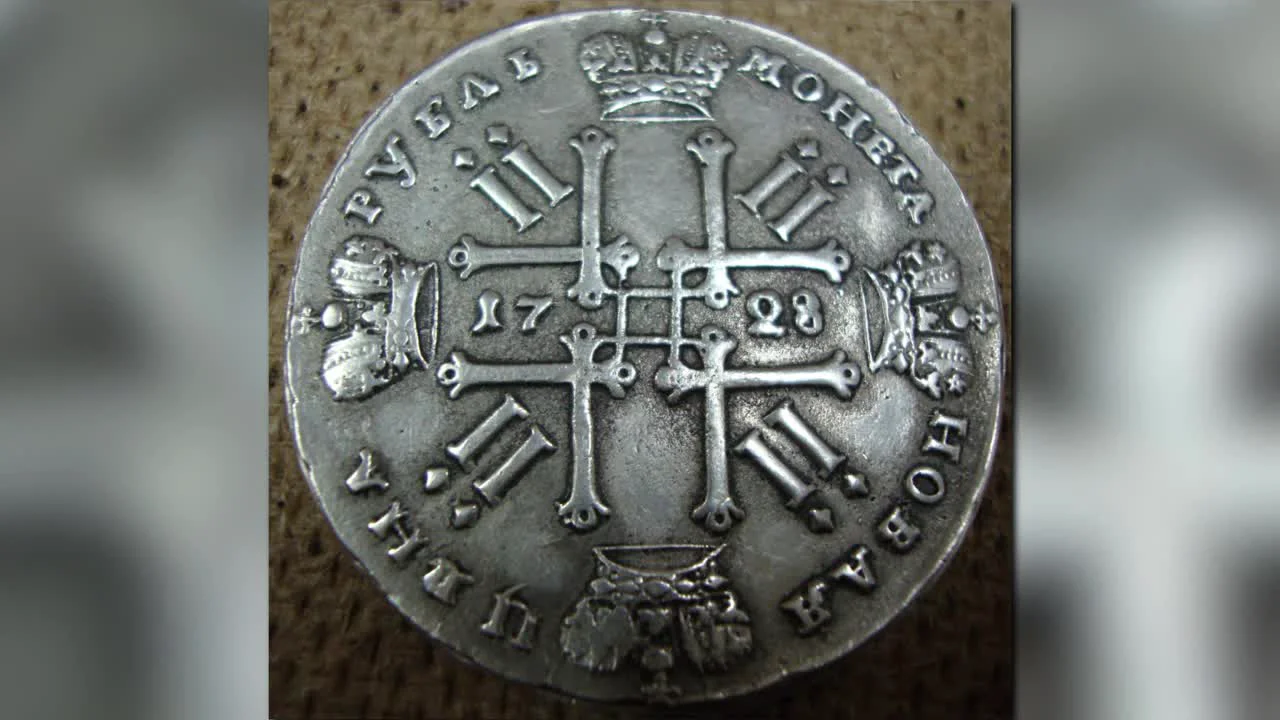
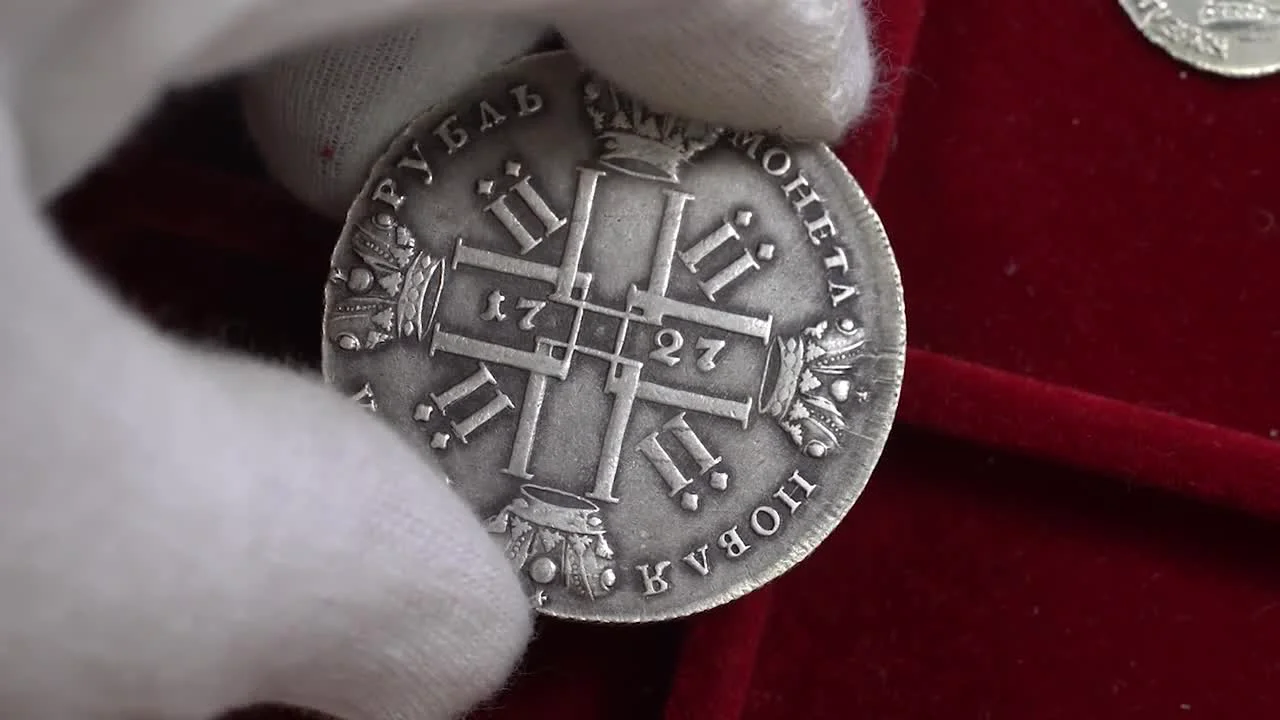
Recently, fairly well-made copies of early 18th-century rubles have been appearing more frequently on various trading platforms. These are mainly coins from the reign of Peter II, presented in various die variations.
There are several types of such forgeries, imitating coins from different mints. To study them, we can examine two characteristic examples that differ in the details of their edge design.
Despite being copies, they can have a very convincing silver ring, which adds to the difficulty of identifying them without a thorough inspection.
In the Spotlight – Rubles of Peter II
Characteristic Signs: Patina and Camouflage
When examining several such forgeries at once, a common feature stands out — a specific type of patina. A gray patina is observed on the coin's field, while a thick, dark patina runs along the contours of the design. This technique creates a kind of camouflage.
Analysis of photographs from various online platforms confirms that this clever camouflage is a recurring feature of this type of forgery. When you see several such coins together, the similarity in execution becomes obvious.
However, the situation changes dramatically when a collector encounters such an item individually. A lack of information and the natural desire to expand one's collection can play a cruel trick.
Characteristic Signs: Patina and Camouflage
Imitation of Lamination and Deception in Photos
Another feature of these forgeries is the imitation or complete absence of metal lamination flaws, which are often found on genuine coins of that period. Upon examination under magnification, this deception is revealed quite quickly.
The problem is that it is not always possible to examine the coin in person. Scammers sometimes take such clever and high-quality photographs that they can confuse even an experienced professional, let alone a novice collector.
Although these copies are not top-tier forgeries, they can easily deceive a beginner or a numismatist with little experience. This is confirmed by frequent requests from collectors to assess the authenticity of such purchases. It is important to remember that not only coins of Peter II are copied, but the entire 18th-century period.
Imitation of Lamination and Deception in Photos
Three Rules for Detecting a Forgery
To protect yourself from buying such copies, you should follow a few simple rules.
Dark patina halo along the contour. The presence of this sign should be a signal to stop the purchase. Although this can also occur on a genuine coin, it is safer for a novice collector to refrain from the transaction until consulting with a specialist, as the probability of encountering a forgery is extremely high.
Check for lamination flaws. Examine the coin under a high-quality, powerful magnifying glass. If the coin is being sold remotely, ask for detailed photographs of specific areas. In areas of lamination, the metal flakes should be raised above the coin's field and cannot have smooth transitions.
Study genuine examples. Carefully examine images of unquestionably authentic coins. The archives of past auctions from auction houses are publicly available and contain high-quality photographs that can be used as references.