Collector or Investor: How to Approach Buying Coins - AUCBURG | AUCBURG
Collector or Investor: How to Approach Buying Coins
Many people who are passionate about coins ask themselves: are they numismatists, building a collection for pleasure, or investors, counting on future profits? Almost every collection owner has thought about its value and how it might change in a year, five, or ten years.
Two Sides of the Same Hobby: Collection or Investment?
Many people who are passionate about coins ask themselves: are they numismatists, building a collection for pleasure, or investors, counting on future profits? Almost every collection owner has thought about its value and how it might change in a year, five, or ten years.
Thus, the passion for coins is viewed not only from numismatic, aesthetic, and historical perspectives, but also from an investment one. It's important to understand how rational this approach is and how to properly combine these two aspects.
Gold Coins as the Primary Investment Tool
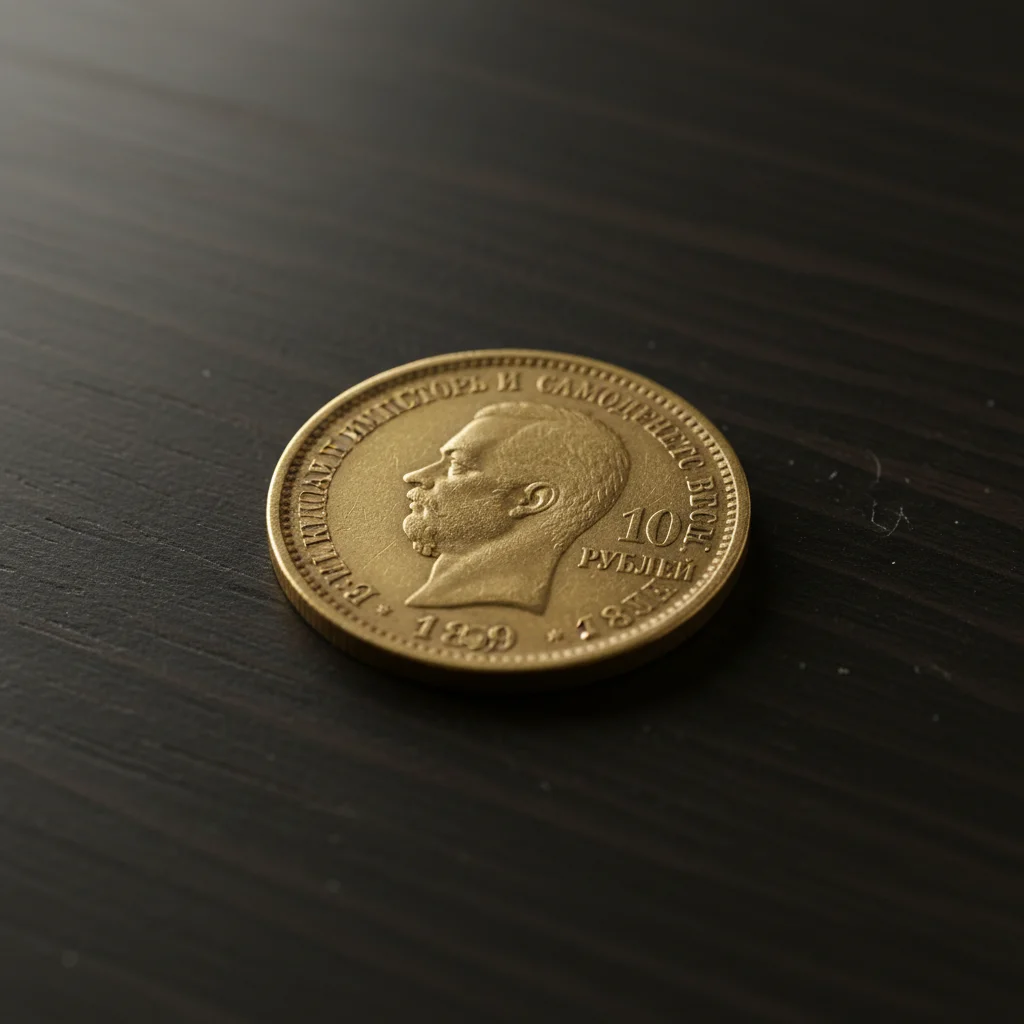
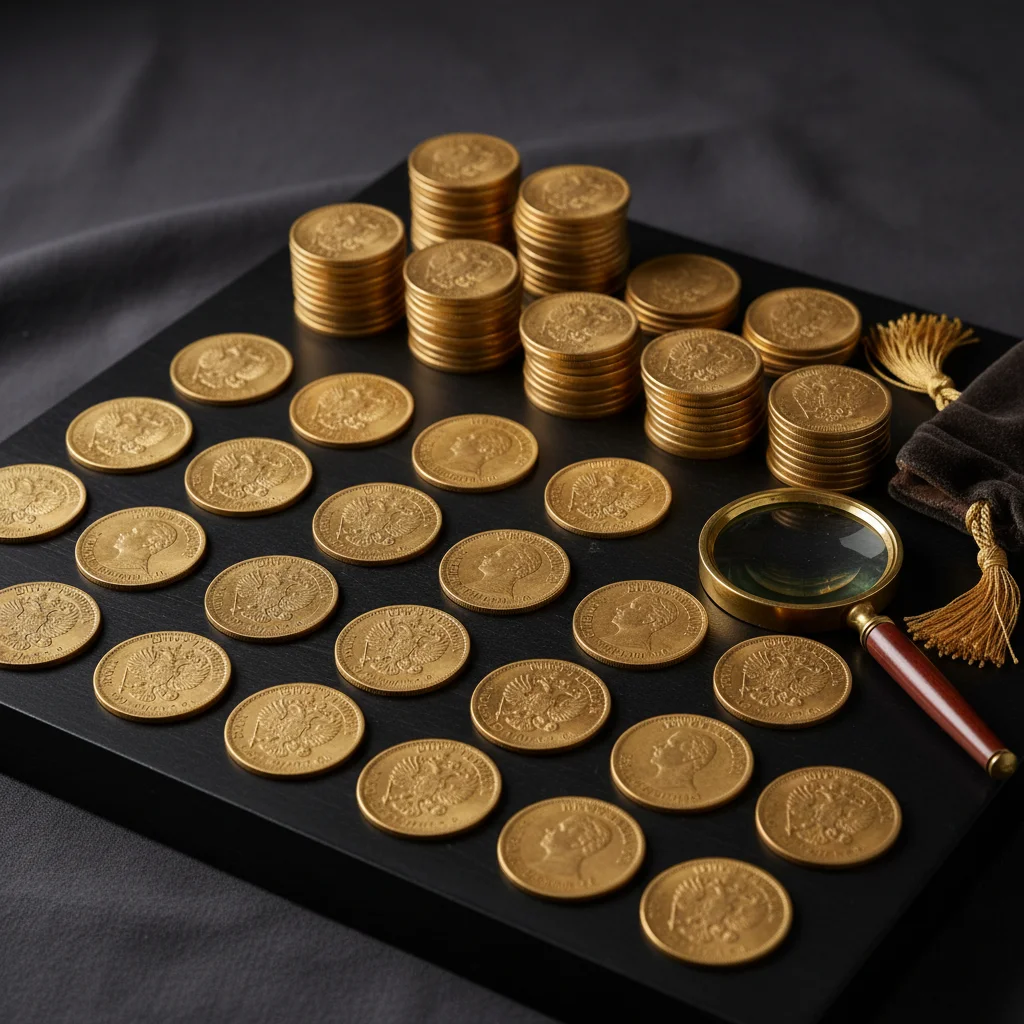
Historically, gold has always been one of the main investment tools, and gold coins are still popular as a way to invest funds. Before investing money in gold coins, it is necessary to clearly define your goal.
You should decide for yourself whether you are a collector or an investor. Are your acquisitions an addition to your collection or a conversion of cash into metal? The strategy for choosing coins depends on the answer to this question.
Gold Coins as the Primary Investment Tool
Numismatic Value vs. Metal Price: The Example of Two Coins
Characteristic
5 Rubles of Nicholas II
5 Rubles of Alexander III
Average Price (April 2019)
12,000 - 13,000 rubles
Significantly more than 30,000 rubles
Main Value Factor
Price of gold on the market
Numismatic value (low mintage, rarity)
Type of Purchase
Investment / Numismatic
Primarily Numismatic
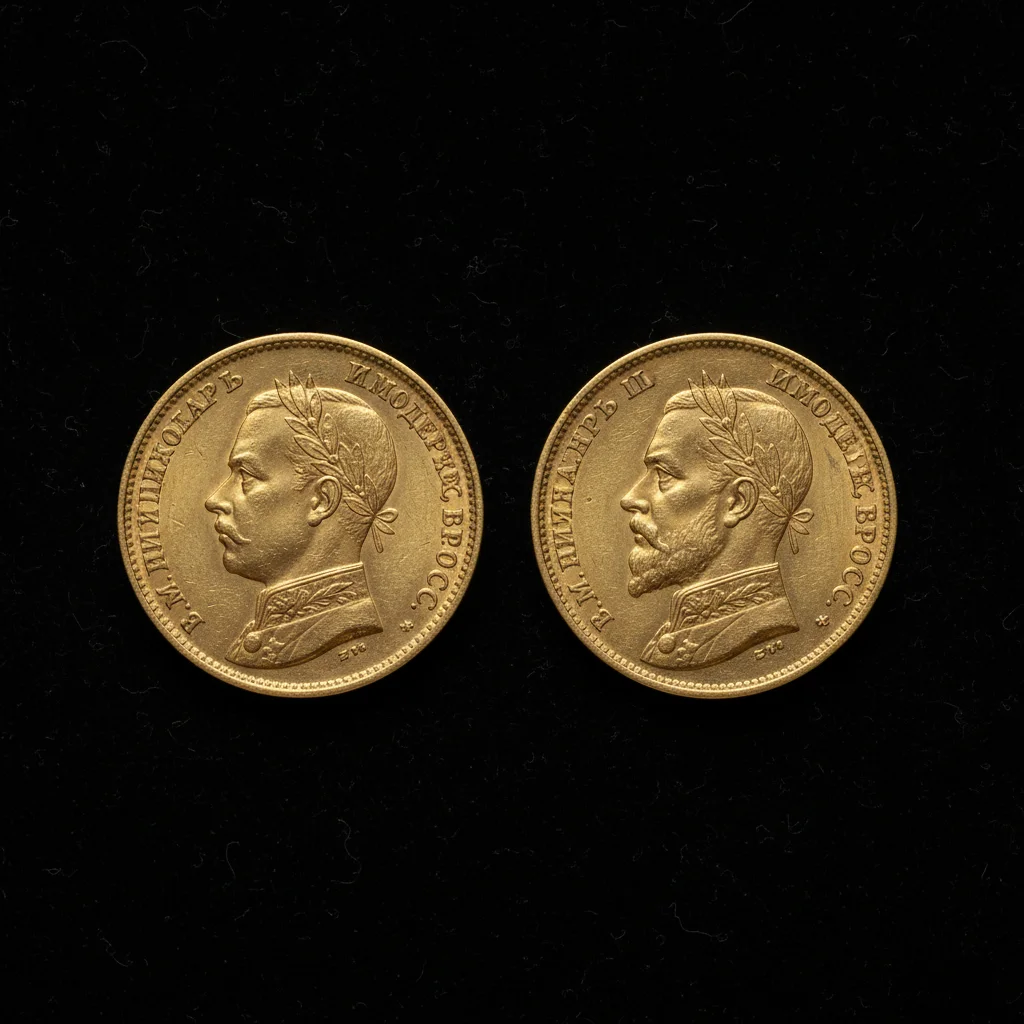
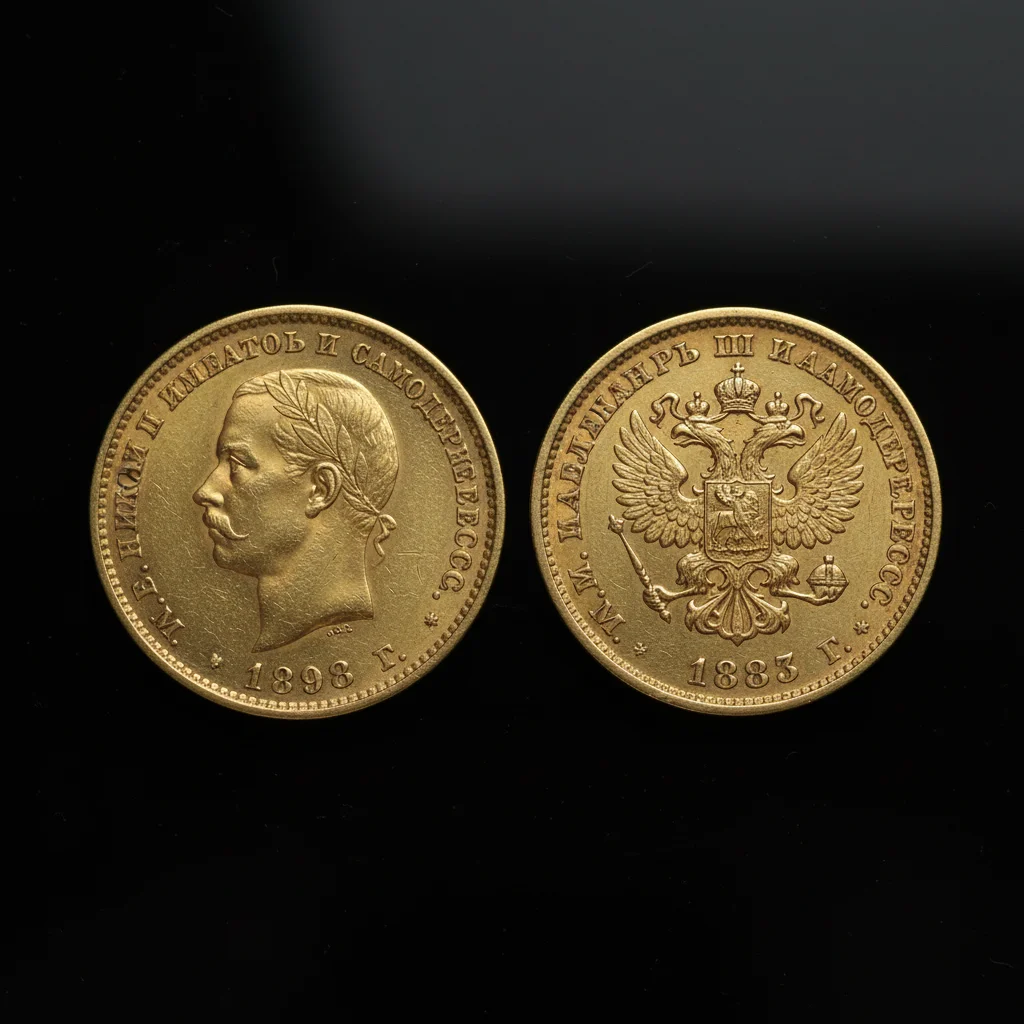
The difference between collecting and investing approaches is well illustrated by comparing two gold five-ruble coins. One was issued during the reign of Nicholas II, the other during the reign of Alexander III.
Despite having a similar face value, their costs in April 2019 were drastically different. The price of the coin from Alexander III's time is significantly higher due to its numismatic value, while the value of the Nicholas II coin is mainly tied to the price of gold.
In the case of the Alexander III coin, its rarity, due to low mintage, plays a key role. The price of the common Nicholas II coin is formed from the value of the metal with a small percentage premium.
Numismatic Value vs. Metal Price: The Example of Two Coins
Specifics of Investing in Silver Coins
Buying silver coins is, in essence, pure numismatics. Unlike gold, the value of silver coins is extremely unpredictable, and there are no guarantees of its stable growth. This makes them a risky asset for pure investment.
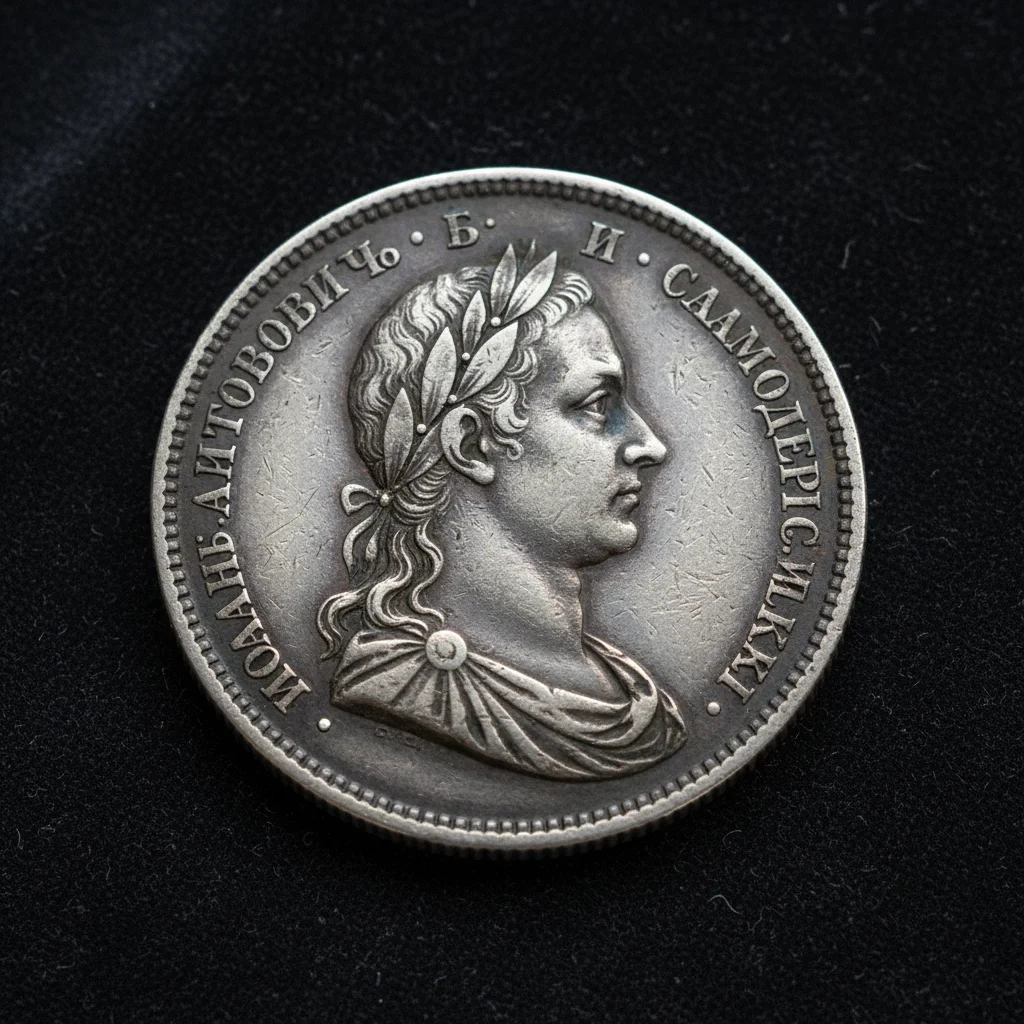
A striking example is the price dynamics of 18th-century silver rubles. In 2012-2013, their value reached its peak. For example, a ruble of Ivan Antonovich in average condition cost from 600,000 rubles, and the price for a high-quality specimen could exceed a million.
However, prices later dropped significantly. Currently, a good ruble of the same ruler can be purchased for 300,000-500,000 rubles. It is impossible to predict whether this trend will change in the near future.
Specifics of Investing in Silver Coins
How to Choose a Coin Correctly Depending on Your Goal
Based on the differences between collecting and investing, several key conclusions can be drawn. The choice of strategy depends solely on your goals.
For the collector. If you are a collector, always pay attention to the quality of the item. The better the coin's preservation, the higher the probability of its price increasing in the future. However, you should not consider such a purchase as a pure investment.
For the investor. If your goal is to preserve and grow capital, your choice is gold coins. In this case, the simpler the coin and the lower its collectible quality, the more profitable the acquisition.
For an investor, the metal is what matters most. Numismatic, historical, and artistic value only increase the initial cost, which is not advantageous when investing in the precious metal itself.
How to Choose a Coin Correctly Depending on Your Goal