What Are Dealers Actually Paying for a Soviet Silver Poltinnik? - AUCBURG | AUCBURG
What Are Dealers Actually Paying for a Soviet Silver Poltinnik?
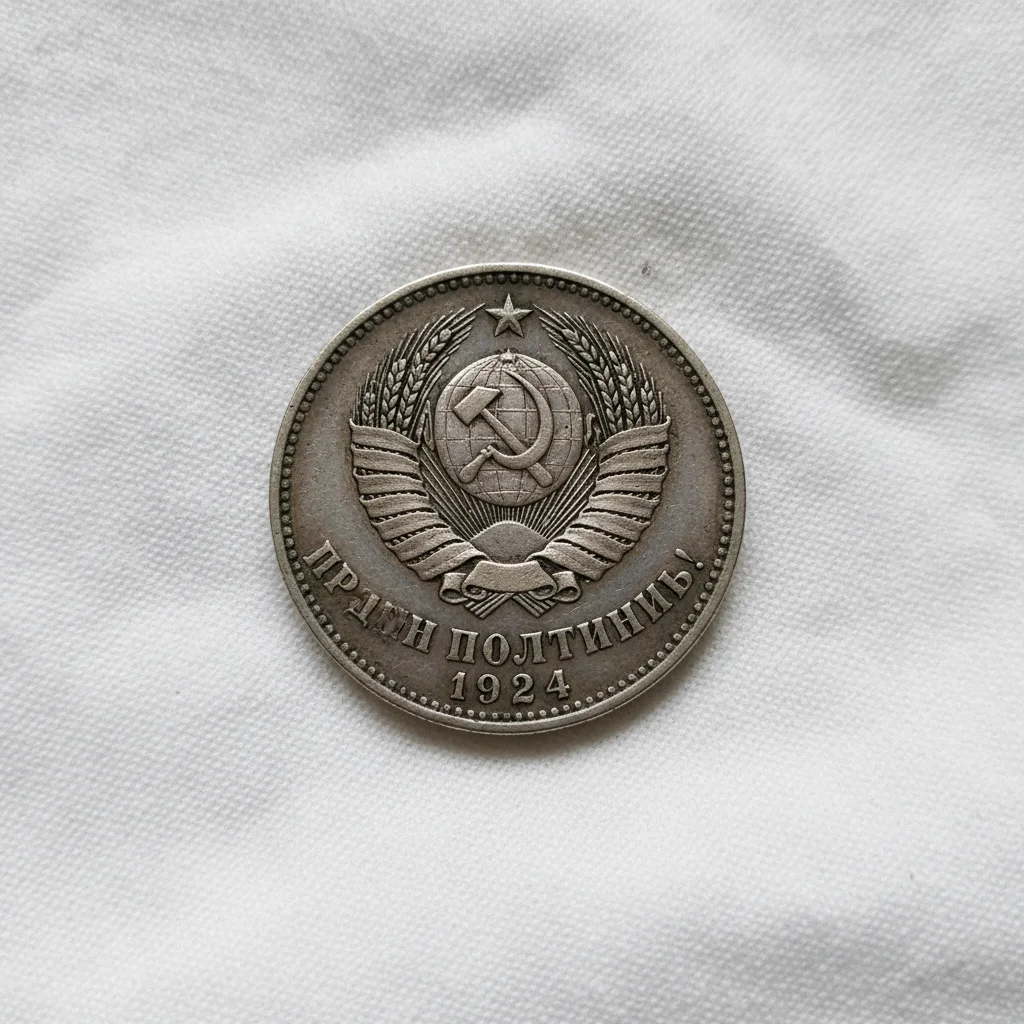
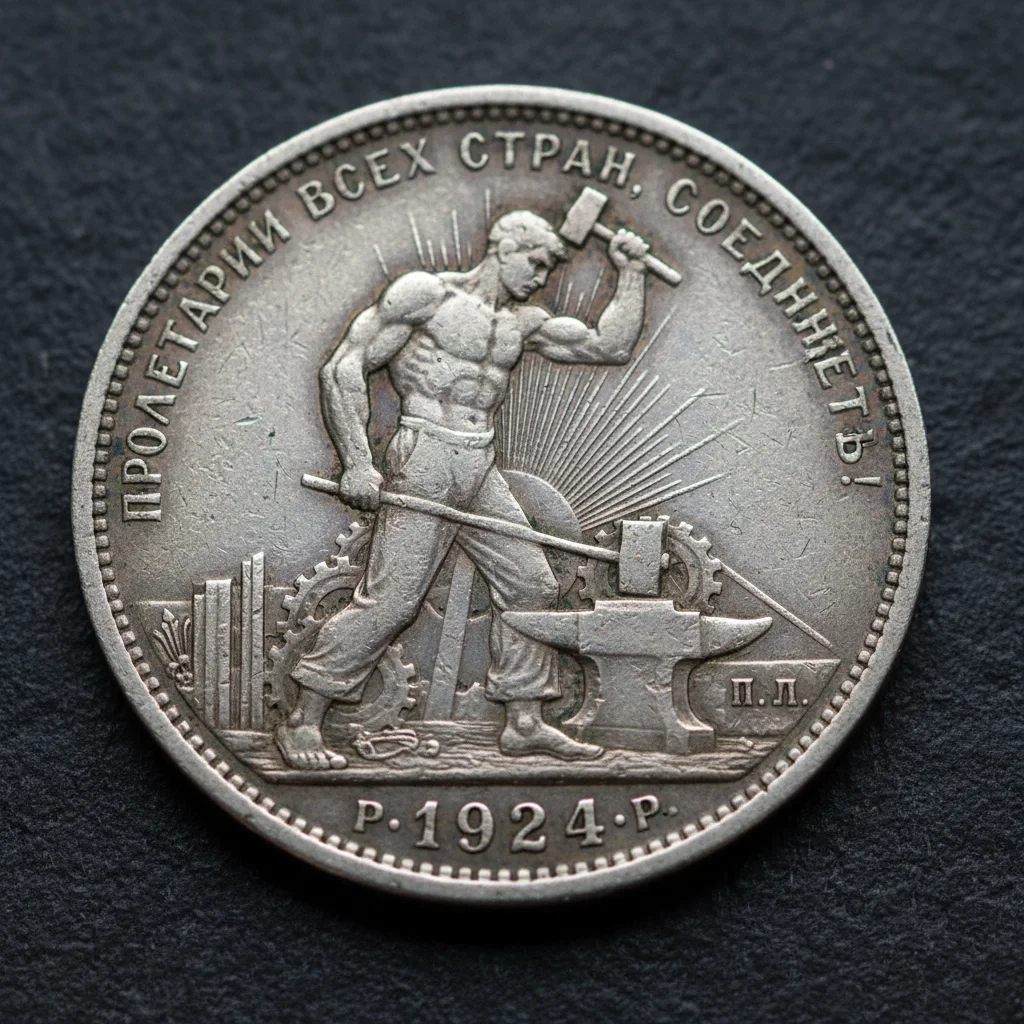
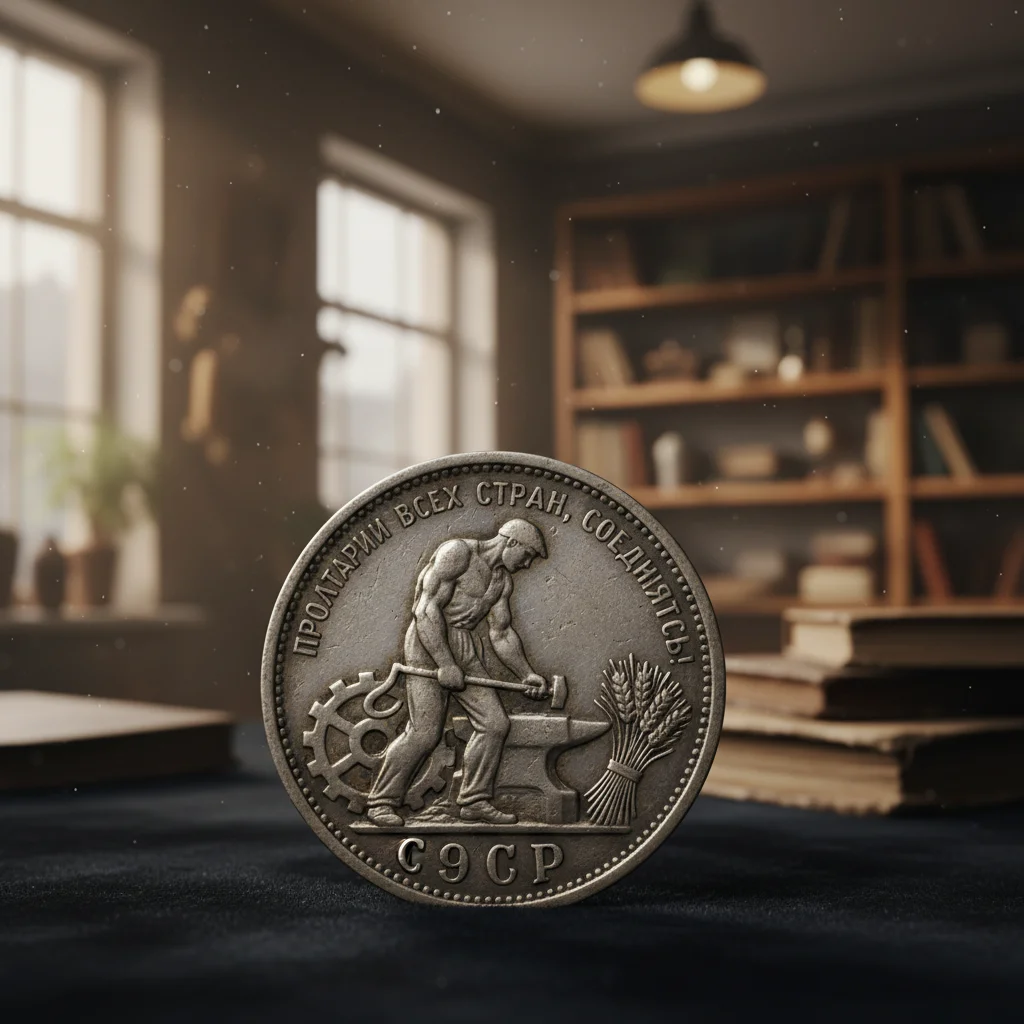
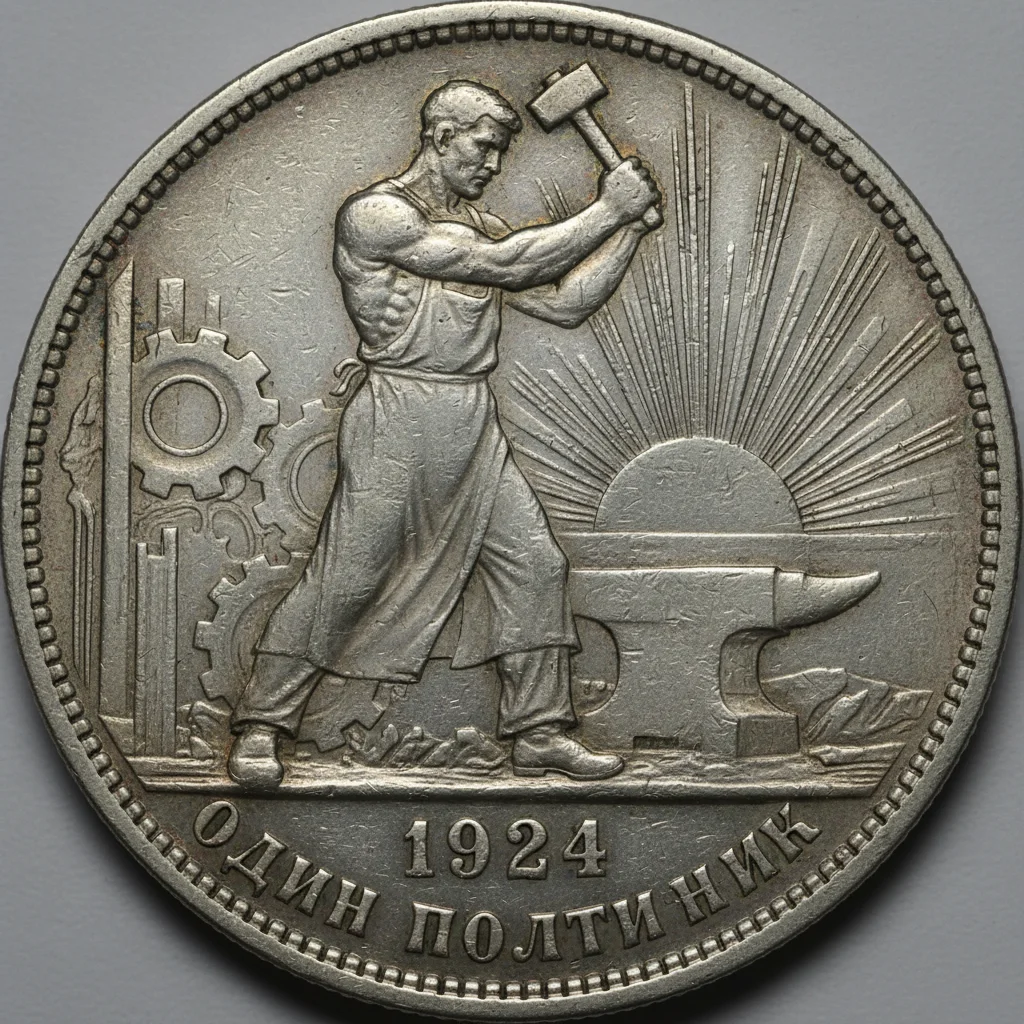
The story began with an unusual incident: a man came to a buy-up shop wanting to sell a 1924 Soviet poltinnik. The coin was in mediocre condition, yet its owner asked a whopping 150,000 rubles for it.
The story began with an unusual incident: a man came to a buy-up shop wanting to sell a 1924 Soviet poltinnik. The coin was in mediocre condition, yet its owner asked a whopping 150,000 rubles for it.
In reality, the market value of such a poltinnik averages between 1,000 and 1,500 rubles, not hundreds of thousands. The coin's owner was offered 500 rubles, which he refused.
This case prompted an experiment. The question arose: how much would other antique shops and dealers offer for the same coin? Perhaps the initial appraisal was mistaken.
The Experiment: A Tour of St. Petersburg's Buy-Up Shops
To find out the real purchase price of the coin, a decision was made to visit several antique shops in St. Petersburg. The goal of the experiment was to understand how much offers from different appraisers could vary and whether a unified approach to valuing such items exists.
For the sake of the experiment's integrity, the very same 1924 silver poltinnik was used. The results of this tour were quite unexpected and revealed the full extent of the differences in approaches to dealing with antiques.
The Experiment: A Tour of St. Petersburg's Buy-Up Shops
First Visit: Appraisal by Silver Weight
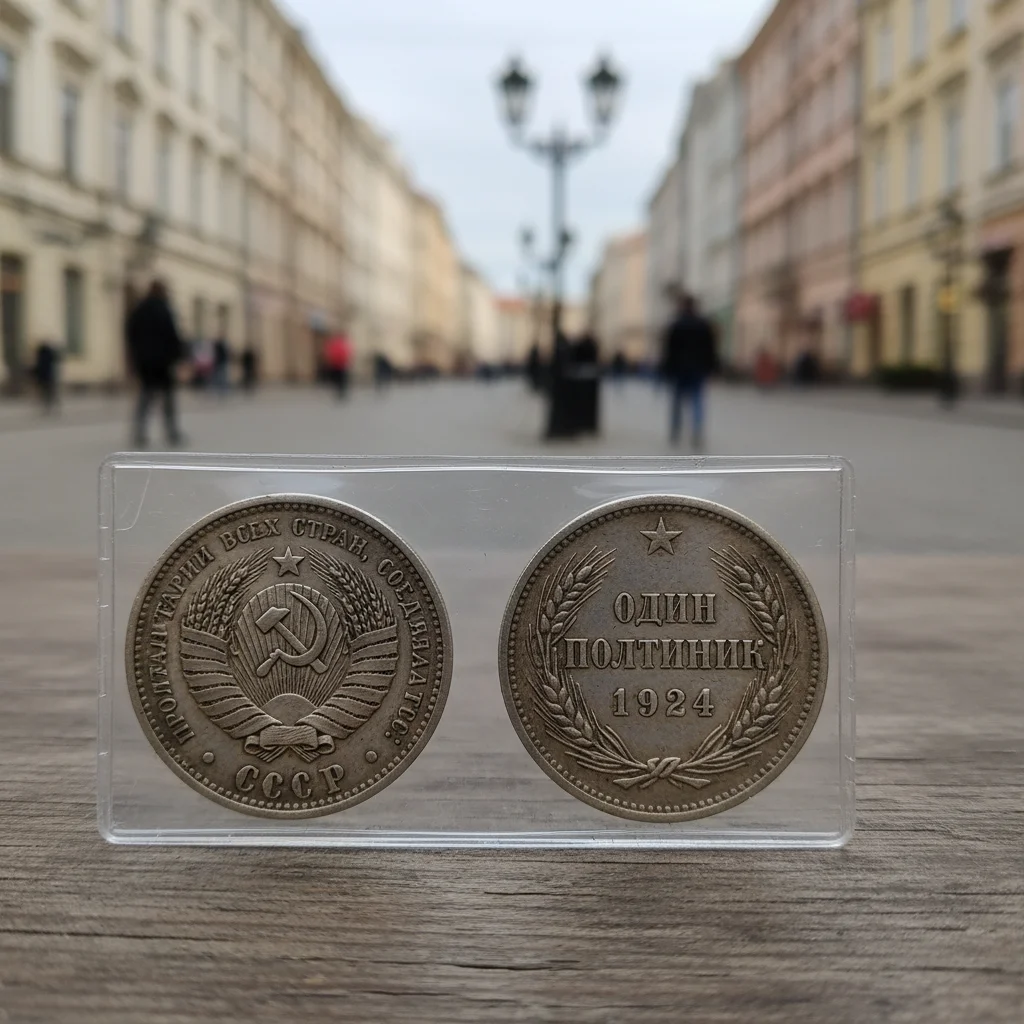
The first stop was an antique shop, crammed to the ceiling with various old items. The owner, an elderly man, carefully examined the coin through a magnifying glass and immediately noted that it was in a plastic holder, which, he said, is unusual for such coins.
The appraiser criticized the coin's condition, calling it 'dinged up' and noting that the details of the image were barely visible. He also added that 1924 is considered a 'cheap' year for poltinniks. In the end, he offered only 300 rubles for the coin, valuing it almost purely by its silver weight.
In addition to the poltinnik, a 2000 British 'Britannia' investment coin was also presented for appraisal. The appraiser noted that it was scratched and offered around 1,500-2,000 rubles for both coins together.
First Visit: Appraisal by Silver Weight
Opinions on the Street and Rejections from Dealers
Goods in the USSR
Price
Ice cream
19 kopeks
Beer
32 kopeks
Liter of milk
28 kopeks
Besides visiting dealers, a small survey was conducted among passersby on the city streets. People's opinions about the coin's value and its purchasing power in Soviet times varied greatly. Some guessed that a poltinnik could buy two ice creams, while others thought the coin was a fake.
One of the passersby recalled the prices of that era, which helped to form a rough idea of the value of 50 kopeks in the USSR.
The next few visits to dealers were fruitless. One shop simply refused to buy coins, as it was not their specialty. At another location, they claimed the coin was most likely a copy and worthless.
Opinions on the Street and Rejections from Dealers
An Honest Appraisal and an Unexpected Purchase
The last visit turned out to be the most successful. A seller at an antique shop immediately and honestly assessed the coin's condition as poor but offered 700 rubles for it. She explained that they sell similar poltinniks for 1,000 rubles.
Another employee at the shop explained in detail what the price depends on: the preservation of small details, such as an eye or the hair in the portrait, is important. The honesty and professionalism of the appraisers were so impressive that a decision was made not to sell the coin, but instead, to buy all the poltinniks they had in stock.
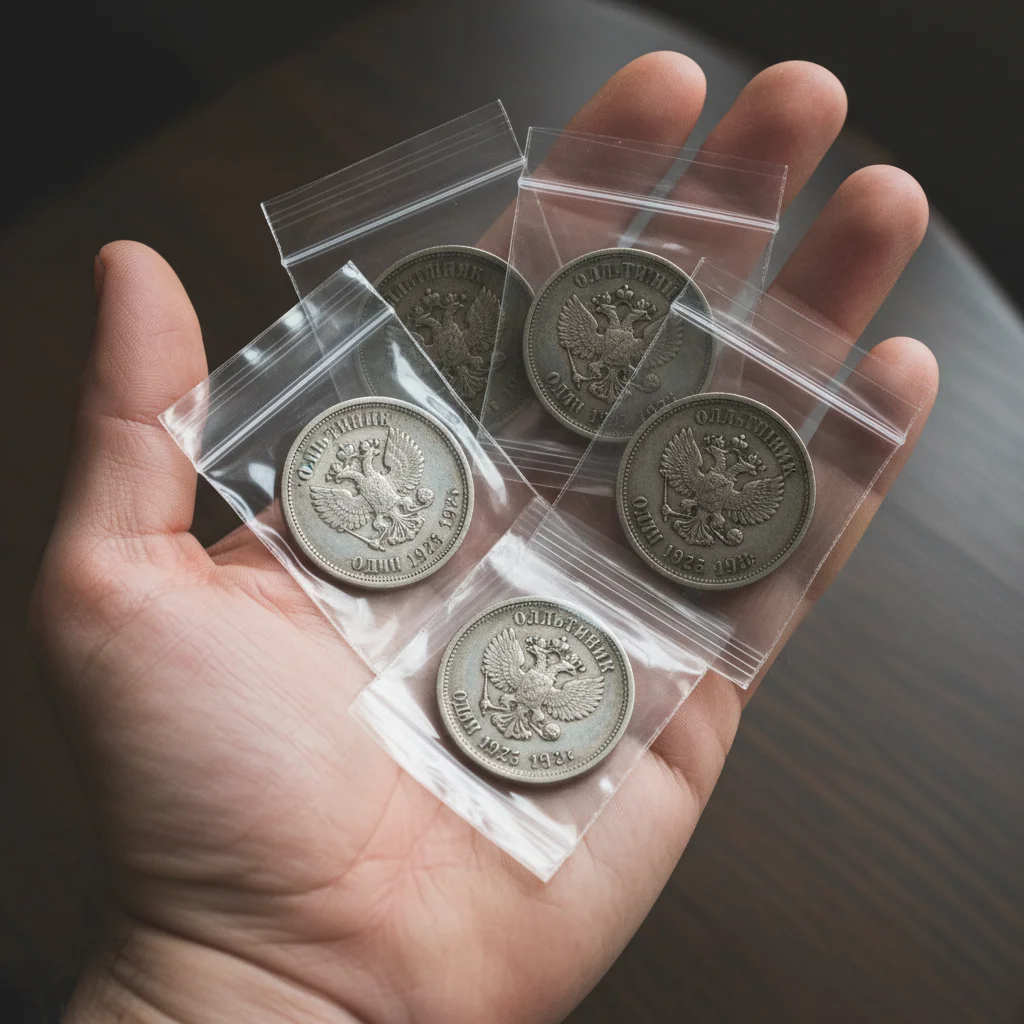
In the end, six coins were purchased for 1,000 rubles each. One of the customers in the shop also advised investing money in silver, as unlike paper money, it only appreciates over time.
An Honest Appraisal and an Unexpected Purchase
Experiment Results: From 300 Rubles to a Fair Deal
Dealer
Offered price for the 1924 poltinnik
Dealer #1
300 rubles
Dealer #2
Refused to buy
Dealer #3
Refused, suggested it was a fake
Dealer #4
700 rubles
The experiment showed a huge range in appraisals for the very same coin. Offers ranged from a symbolic amount to a completely fair price. This indicates different levels of professionalism and work approaches among the owners of antique shops.
The results of visiting different dealers can be summarized in a table:
Some appraisers were frankly uninterested or incompetent, while others demonstrated deep knowledge and an honest approach. The most pleasant experience was the visit to the last dealer, where they not only correctly valued the item but also explained all the nuances of pricing in detail.
Experiment Results: From 300 Rubles to a Fair Deal