A New Level of Forgery: How to Identify Dangerous Copies of 18th-Century Coins - AUCBURG | AUCBURG
A New Level of Forgery: How to Identify Dangerous Copies of 18th-Century Coins
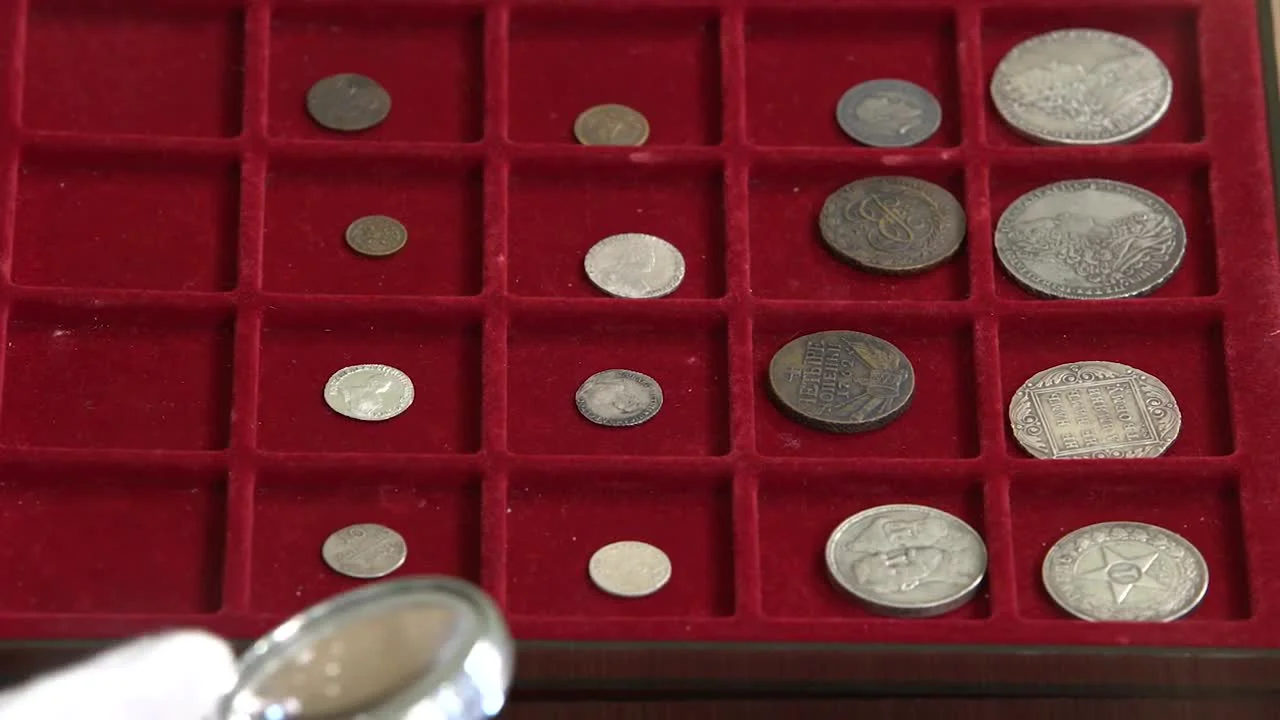
Simple and primitive copies of ancient coins are being replaced by more dangerous forgeries. These specimens are made at a high level and can be found both online and in the trading stalls of clubs and antique shops.
Simple and primitive copies of ancient coins are being replaced by more dangerous forgeries. These specimens are made at a high level and can be found both online and in the trading stalls of clubs and antique shops.
Such forgeries pose a serious threat to collectors, as their quality can deceive not only beginners but also numismatists with limited experience. There is a specific type of these copies that requires special attention and study.
In Focus — Rubles of Peter II
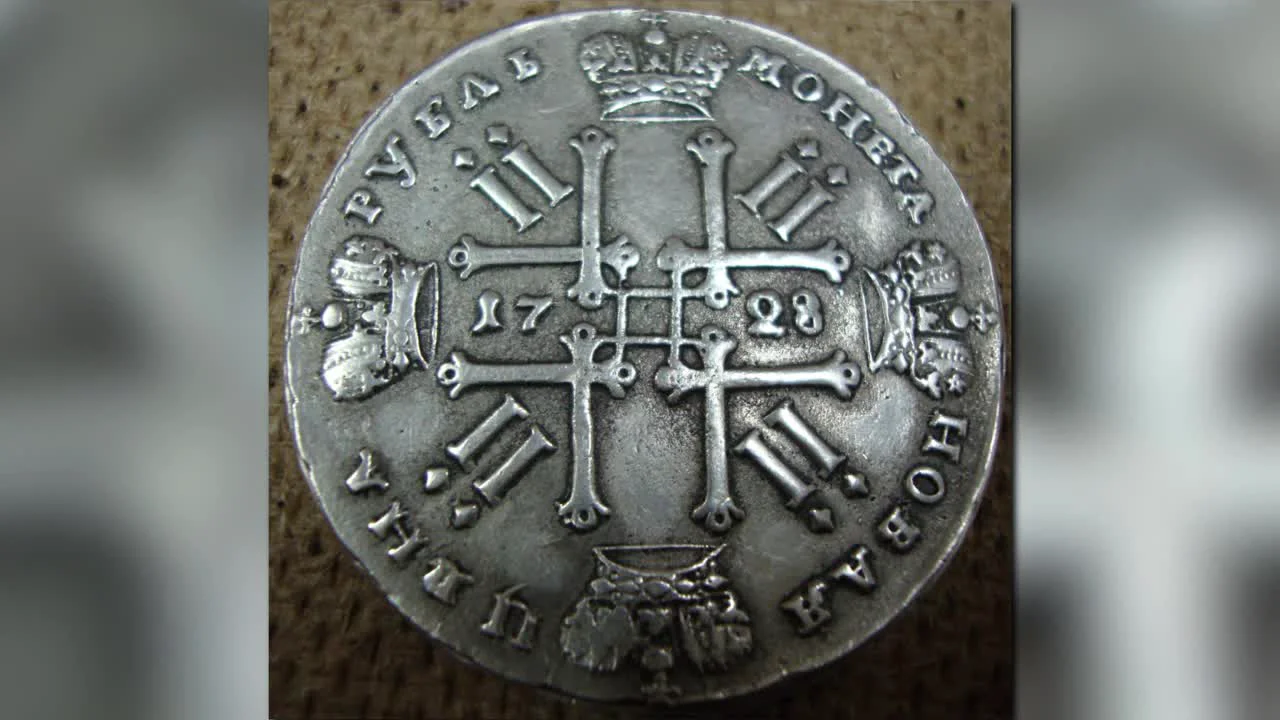
Recently, high-quality copies of early 18th-century rubles have been appearing more frequently on various trading platforms. Forgers primarily counterfeit coins from the time of Peter II in various die variations.
There are at least two types of such forgeries. One imitates Moscow-type coins with a lettered edge, and the other imitates St. Petersburg-type coins with a corded edge. Notably, these copies can have a very convincing silver ring, which makes them difficult to identify by sound.
In Focus — Rubles of Peter II
Characteristic Signs of Forgeries: Patina and "Camouflage"
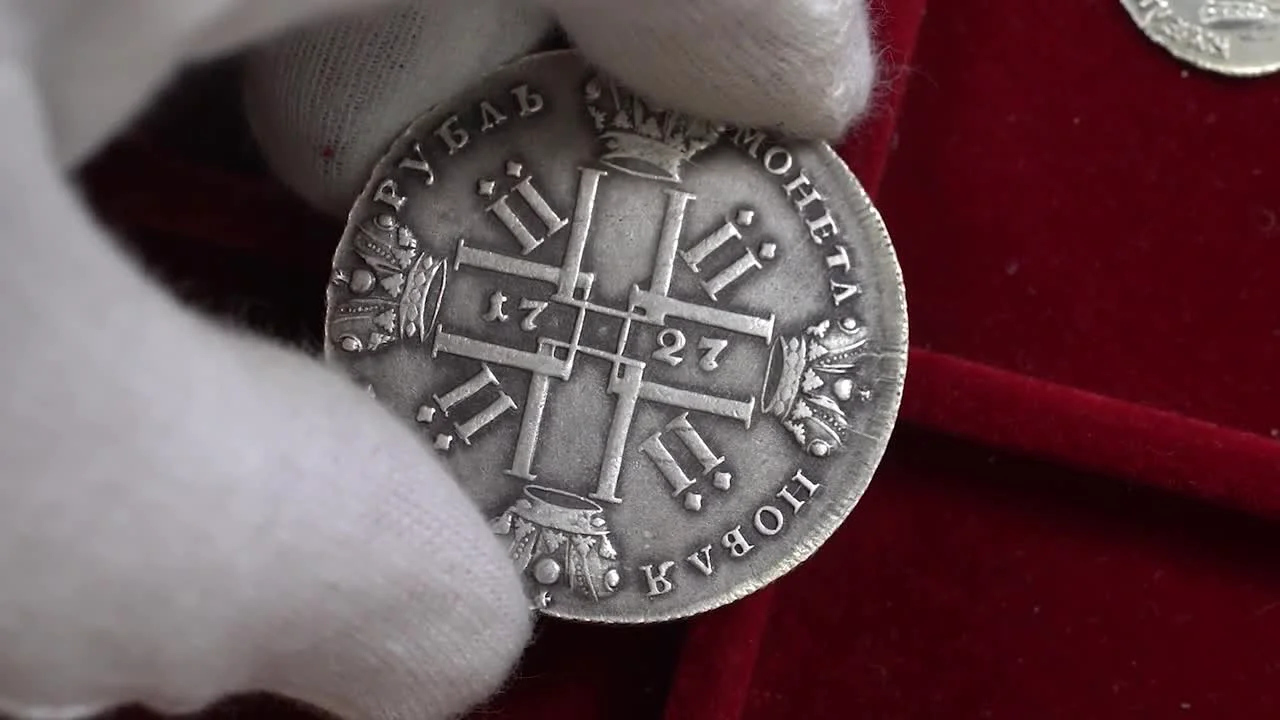
The first thing that catches the eye when examining several such coins at once is a specific gray patina on the field. A thick, dark layer of patina along the outline of the design is also characteristic. This technique creates a kind of "camouflage" that conceals the forgery.
When you see only one such item, the deception is not so obvious. A lack of information and the desire to quickly acquire a coveted coin for one's collection can play a cruel trick on the buyer. However, when comparing several specimens, the similarity of the artificial patination becomes apparent, which gives the forgery away.
Characteristic Signs of Forgeries: Patina and "Camouflage"
Three Rules for Detecting a Forgery
Despite the high quality of execution, such forgeries can be identified if you are attentive and follow a few rules. These relate to analyzing the patina, the structure of the metal surface, and comparing with reference examples.
Dark patina halo. If you see a dark layer of patina along the outline of the image, it is a serious reason to stop the purchase. Although this can also be found on genuine coins, the risk for a novice collector of encountering a forgery is extremely high. It is better to postpone the transaction until consulting with a specialist.
"Flakes" on the surface. Carefully examine any metal delamination under a quality magnifying glass. On genuine coins, metal flakes should be above the field level. On forgeries, you can often see an imitation of lamination with smoothed transitions, or no flakes at all.
Comparison with genuine coins. Thoroughly study images of unquestionably authentic coins. The archives of past sales from major auction houses are publicly available and contain high-quality photographs that can be used as a reference for comparison.