Gold 5 Rubles: How to Spot a Near-Perfect Counterfeit - AUCBURG | AUCBURG
Gold 5 Rubles: How to Spot a Near-Perfect Counterfeit
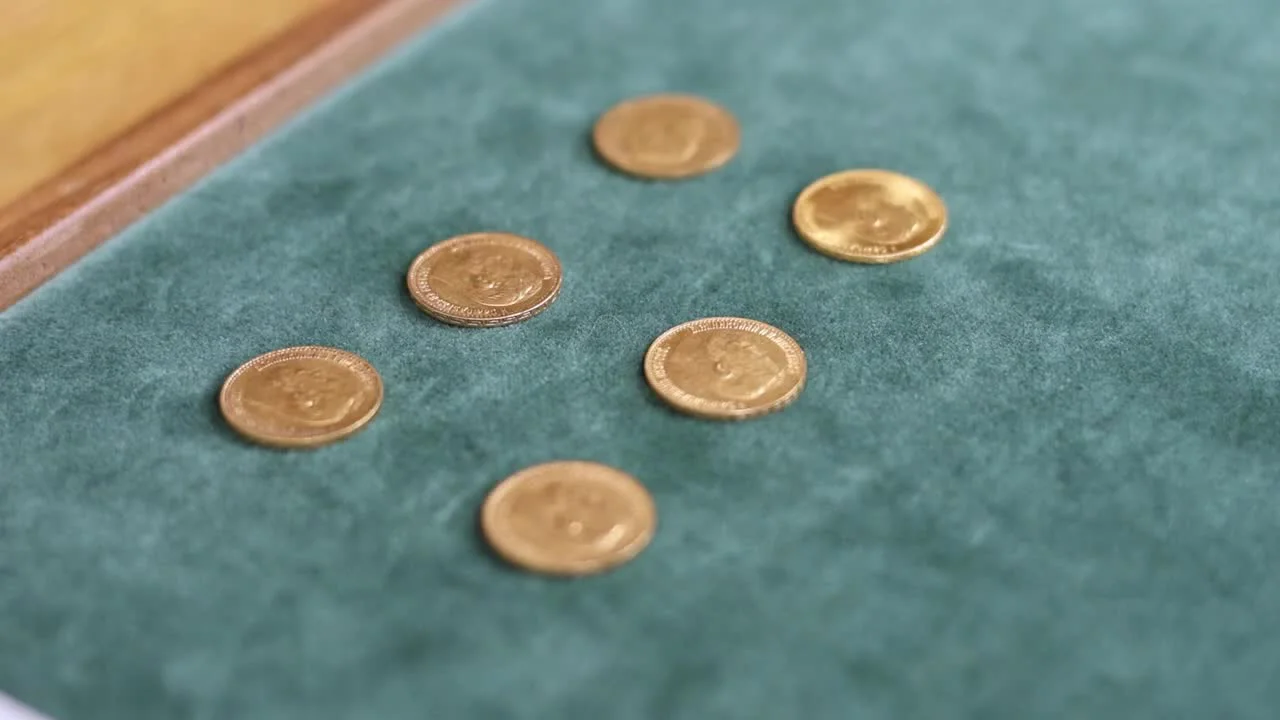
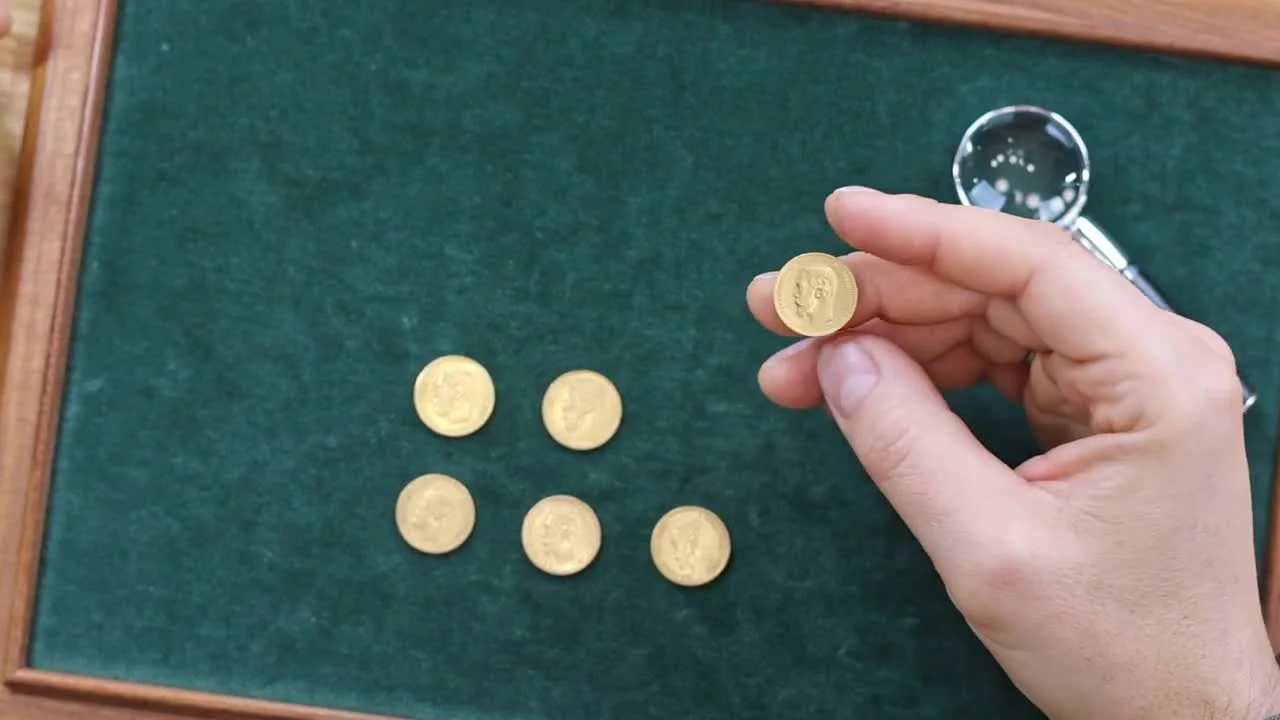
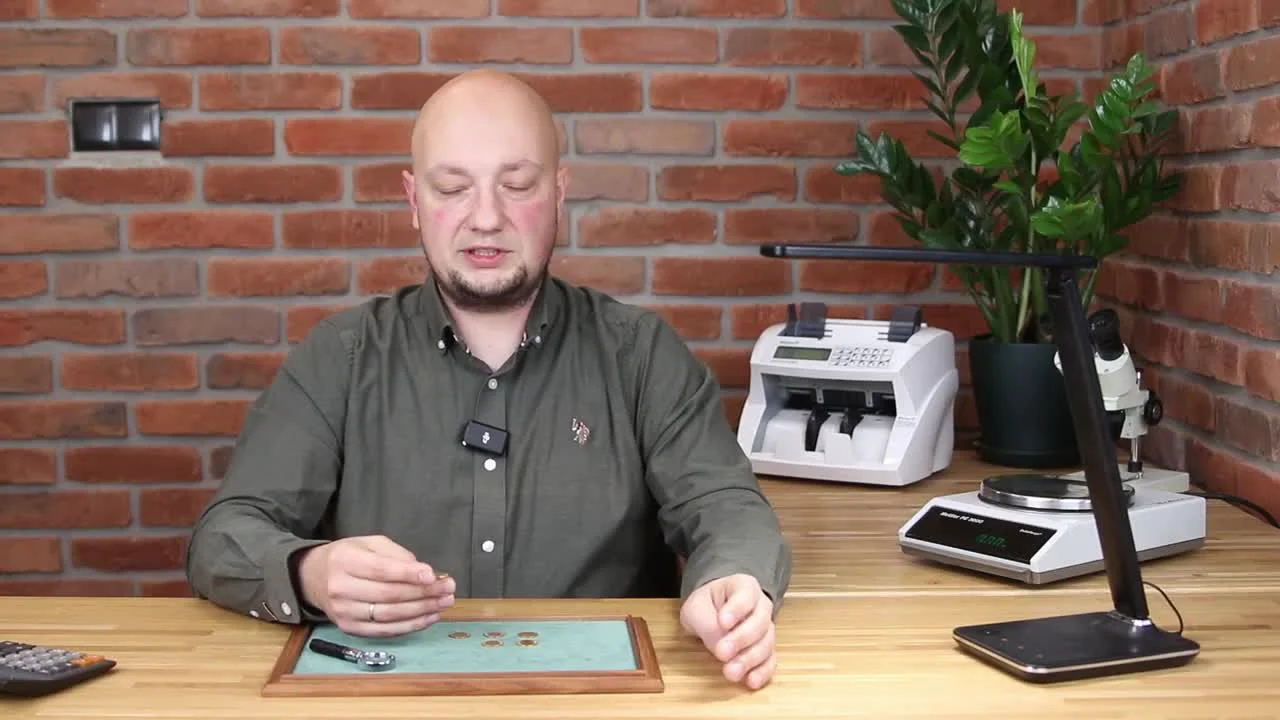
Three types of counterfeit 5-ruble gold coins, made in three different workshops, are presented for analysis. Three genuine coins are also used for comparison. One of the counterfeits is of very high quality, making it difficult to identify, yet it cannot be called perfect.
Three types of counterfeit 5-ruble gold coins, made in three different workshops, are presented for analysis. Three genuine coins are also used for comparison. One of the counterfeits is of very high quality, making it difficult to identify, yet it cannot be called perfect.
Before proceeding with the comparison, it is important to know the standard physical parameters of the genuine coin.
These characteristics serve as a starting point for identifying any deviations that may indicate a counterfeit.
Counterfeit #1: 5 Rubles 1897
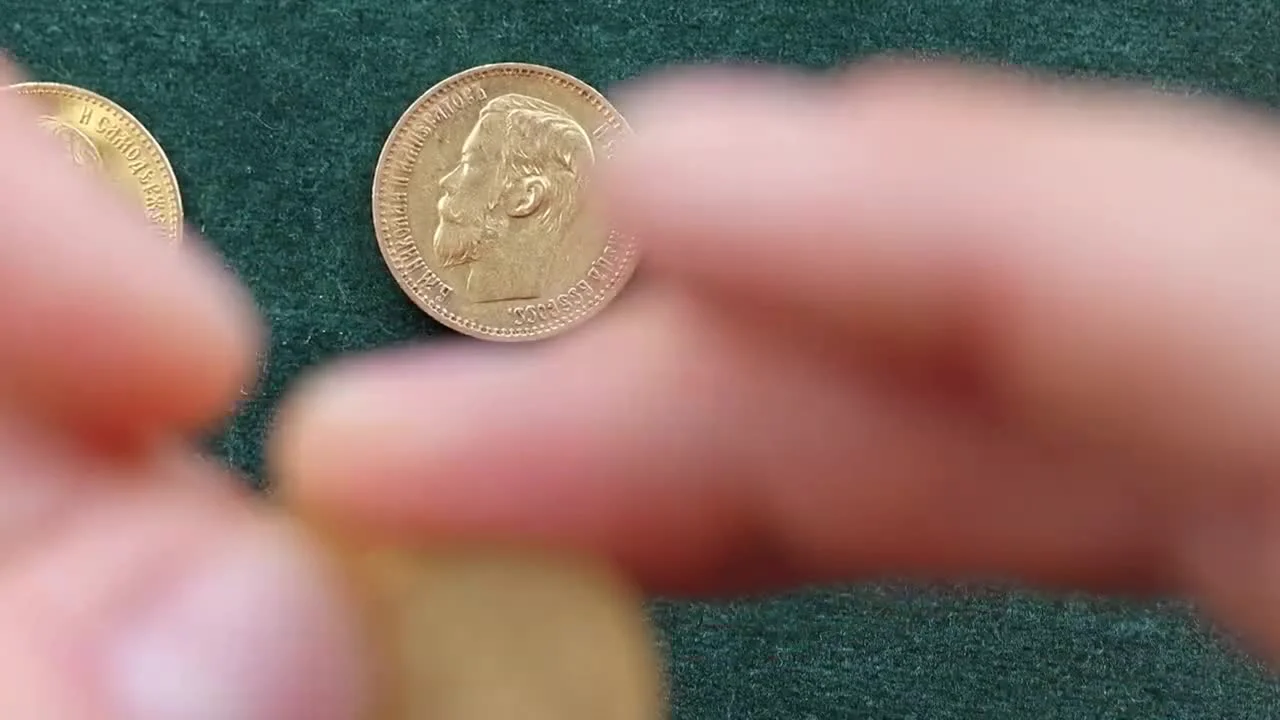
The first counterfeit under review is a 5-ruble coin from 1897. A genuine coin from the same year is used for comparison. Upon visual inspection, the differences are immediately noticeable.
The main signs of this counterfeit are:
Color. The fake coin has a noticeably lighter and more yellowish hue compared to the original.
Weight. The counterfeit weighs 4.27 grams, which is within the acceptable margin of error and is not a clear sign of a fake by itself.
Diameter. The fake coin is approximately 1 mm larger in diameter. Such an increase in size with a weight close to the standard indicates that gold of a lower fineness was used to make it.
Counterfeit #1: 5 Rubles 1897
Counterfeit #2: 5 Rubles 1898
The second counterfeit is a 5-ruble coin from 1898. At first glance, its color is very close to the original, with minimal differences. However, other parameters immediately give it away as a fake.
The characteristic features of this counterfeit are:
Weight. The coin weighs only 4.15 grams. Such a significant deviation from the standard (4.3 g) is convincing proof that the coin is not genuine.
Minting quality. The design on the fake is less precise and clear than on the original. It looks somewhat crude and clumsy.
Edge. The pattern on the coin's edge is poorly and carelessly executed, which is also a clear sign of a counterfeit.
Counterfeit #2: 5 Rubles 1898
Counterfeit #3: A Near-Perfect 1898 Copy
The third specimen is the most difficult to identify. This counterfeit 5-ruble coin from 1898 has almost perfect physical parameters: its weight (4.25-4.26 g), diameter, and thickness match the standard. This suggests that the coin is likely made of 900-fineness gold.
This counterfeit can only be identified by very subtle details:
Relief depth. The fake coin appears to be struck slightly shallower, and the letters seem a bit lower than on the original.
Details of the coat of arms. On the reverse, in the central shield with the image of St. George, the background on the original is covered with clear vertical lines. On the counterfeit, these lines are visible but disappear on a significant part of the shield.
Edge. The pattern on the edge is well-executed, but its style differs from the original. Additionally, the edge itself is slightly convex and rounded, whereas the original has a flat edge.
Counterfeit #3: A Near-Perfect 1898 Copy
The Counterfeiters' Motivation: Why Fake Gold with Gold?
When producing counterfeit gold coins, the main goal is to make a profit. In the case of the first two fakes, which used lower-fineness gold, the counterfeiter's profit came from saving on the pure precious metal.
However, in the case of the high-quality counterfeit, which likely has the correct fineness, the motivation was different. For many years, 5-ruble coins had a very high numismatic premium relative to the value of the gold they contained. At times, this premium reached 30-40%.
Thus, by creating a nearly identical copy from gold of the same fineness, the counterfeiter profited specifically from this numismatic markup. Today, when the premium on such coins is only a few percent, such production would be unprofitable.
The Counterfeiters' Motivation: Why Fake Gold with Gold?
Further Examination: Analysis at the Assay Office
Although visual and physical analysis can identify most counterfeits, the exact gold content can only be determined through laboratory methods. To obtain definitive data on the metal composition of the presented fake coins, it was decided to send them for examination at an assay office.
Not only will these three 5-ruble coins be analyzed, but also the 10-ruble counterfeits discussed earlier. The results of the examination will show the exact gold fineness in each of the fakes.