Restoration of Enamel on USSR Orders: Restore or Preserve History? - AUCBURG | AUCBURG
Restoration of Enamel on USSR Orders: Restore or Preserve History?
The question of whether to restore orders and medals is a subject of eternal debate in phaleristics circles. There is no single opinion on this matter, and each collector approaches this dilemma in their own way.
The question of whether to restore orders and medals is a subject of eternal debate in phaleristics circles. There is no single opinion on this matter, and each collector approaches this dilemma in their own way.
On one hand, there is the opinion that restoration significantly improves the appearance of the award, returning it to its original beauty. This allows the item to look as it did at the moment of presentation, which is an important aesthetic factor for many.
On the other hand, opponents of restoration argue that any intervention destroys the 'combat spirit' and historical value of the item. Chips and scuffs on the enamel are often evidence of the events the award has been through, whether it's combat or long years of service. These defects are part of the history that restoration erases.
Ultimately, the decision rests with the owner. Some prefer not to touch the awards, preserving them in their original state, even with damage. However, there are cases where an order is so severely damaged that without restoration, it would simply turn into fragments. In such situations, the intervention of a master allows for the salvation of a historical artifact that might otherwise be lost forever.
Restoration Example: The Order of the Red Star
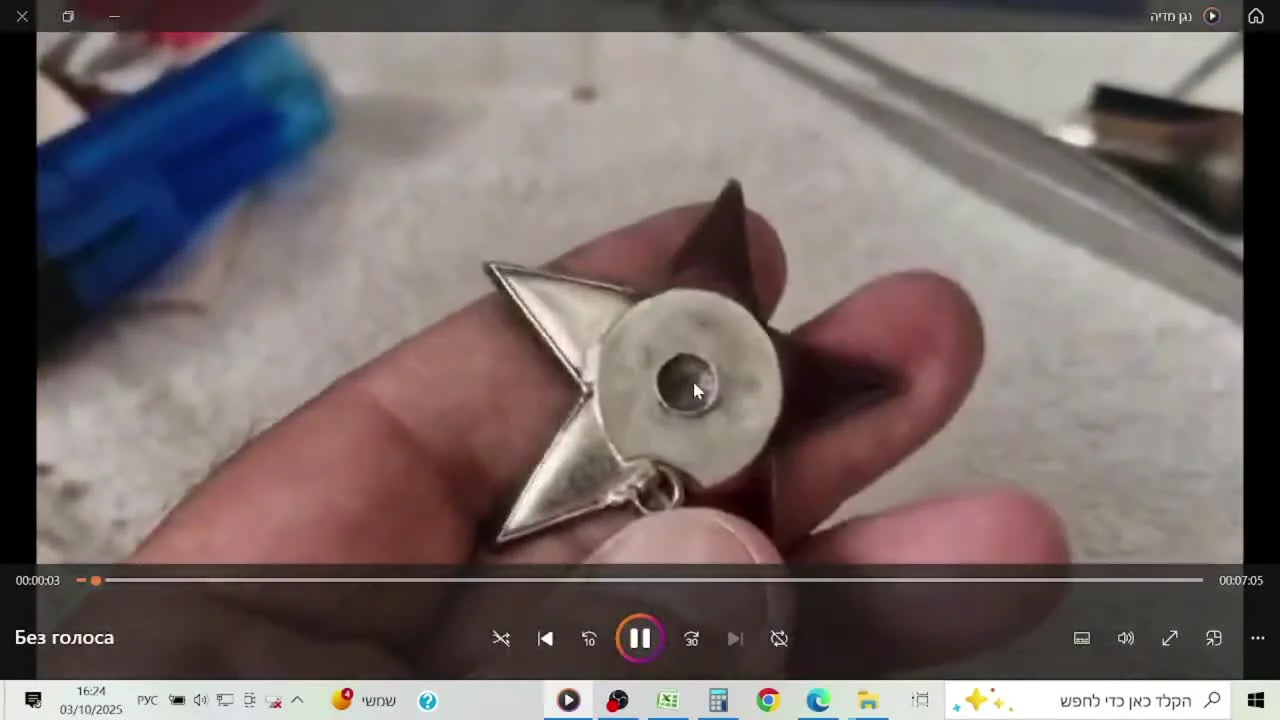
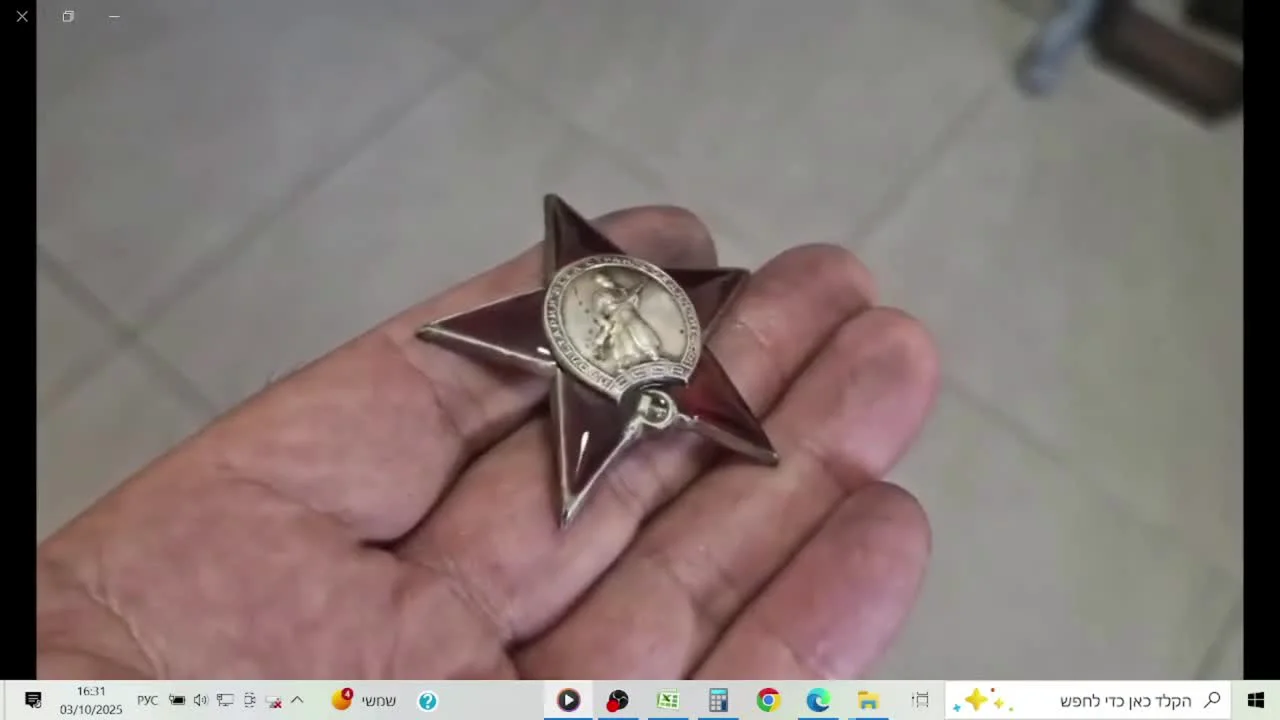
Let's consider the restoration process on a specific example—the Order of the Red Star, number 487991. Initially, the award had two damaged rays, located at the 7 and 9 o'clock positions, while the other three rays retained their original enamel.
The restorer was faced with a choice between two approaches to restoration:
Complete enamel replacement. This method involves removing all the enamel, both damaged and intact, followed by applying a new coating to all five rays. The main advantage of this approach is a perfect color match across the entire surface of the order.
Partial restoration. In this case, only the damaged areas are restored, and the original enamel on the intact rays is preserved. The main difficulty is to select a shade of new enamel that matches the color of the old one as closely as possible.
In this case, the decision was made to preserve the three rays with the original enamel from the Mint and to restore only the two damaged ones. This allowed for the maximum preservation of the award's authenticity, despite the risk of a slight difference in shades.
Restoration example: The Order of the Red Star
The Enamel Restoration Technology
The restoration process begins with a thorough cleaning of the damaged areas. It is necessary to completely remove the remnants of the old enamel, as well as any defects on the metal base, such as black spots or 'pimples.' This stage is critically important for the quality of the final result.
If the cleaning is not done well enough, the new enamel will lie unevenly and will not adhere firmly. Over time, bubbles may form underneath it, leading to cracking and peeling of the coating. In such a case, all the work will be in vain, and the process will have to be started all over again.
The application of enamel occurs in several stages. First, a base layer is applied to the prepared surface. At this stage, the appearance of the order may still be far from ideal, looking 'unimpressive.' After the first layer dries, a second, finishing layer is applied, which gives the enamel depth, shine, and its final color.
The enamel restoration technology
The Finer Points of Craftsmanship and the Final Result
The restoration uses the hot enamel technique, which requires special equipment, particularly a small kiln for firing. This is a labor-intensive process that takes a lot of time and does not always succeed on the first try. Sometimes the enamel cracks or flakes off after a few days, and then the entire job has to be redone.
The quality of the materials plays a key role. To achieve the best result, expensive and high-quality enamel is used, often ordered from abroad. There are different grades of enamel, and the choice determines how well the coating will hold and how accurately its color will match the original.
After the enamel work is completed, the central medallion is set in place. As a result, the Order of the Red Star regains its 'vibrant' appearance. Despite a possible slight difference in enamel shades, which can only be noticed upon close inspection, the award looks complete and aesthetically pleasing, which is incomparably better than its damaged state.
The finer points of craftsmanship and the final result