The US Two-Dollar Bill: Myths, History, and Real Value - AUCBURG | AUCBURG
The US Two-Dollar Bill: Myths, History, and Real Value
The US two-dollar bill is a unique banknote with a rich history and numerous myths and legends. Contrary to a common misconception, it has never been taken out of circulation and remains legal tender to this day.
The US two-dollar bill is a unique banknote with a rich history and numerous myths and legends. Contrary to a common misconception, it has never been taken out of circulation and remains legal tender to this day.
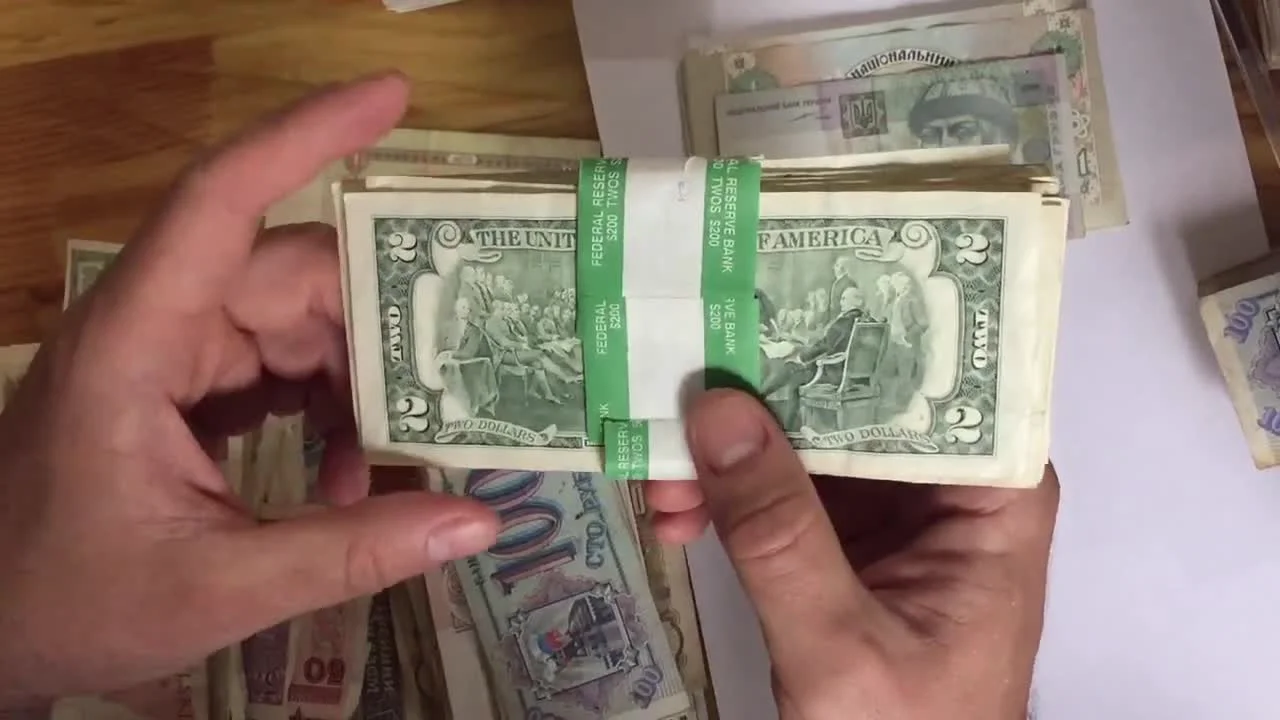
Many foreigners and even Americans themselves seriously believe that this banknote is no longer in use. However, this is not the case. For example, in 2018, a bank strap of 100 two-dollar bills, totaling $200 at face value, was freely purchased at an American bank.
Although some people face difficulties when trying to acquire these banknotes, they are still being issued and are absolutely legal tender in the United States.
A Brief History of Issuance
The two-dollar bill is a traditional banknote that has been issued for almost the entire history of American paper money. The first banknotes of this denomination appeared in 1862, at the same time as one-dollar bills.
In 1966, the issuance of two-dollar banknotes was suspended for a full ten years. Production resumed only in 1976 to commemorate the bicentennial of US independence. This commemorative series caused a great deal of excitement.
Many people believed it was a temporary issue and began saving the bills as souvenirs. As a result, a significant portion of the print run ended up in collections and did not enter wide circulation, which became one of the reasons for its rarity.
A Brief History of Issuance
Why the Banknote Became Rare and Its Collectible Value
The main reason two-dollar bills are so rare is that their print run accounts for only about 1% of the total volume of money issued in the US. Because of this, many people who receive such a banknote prefer to keep it as a memento rather than spend it.
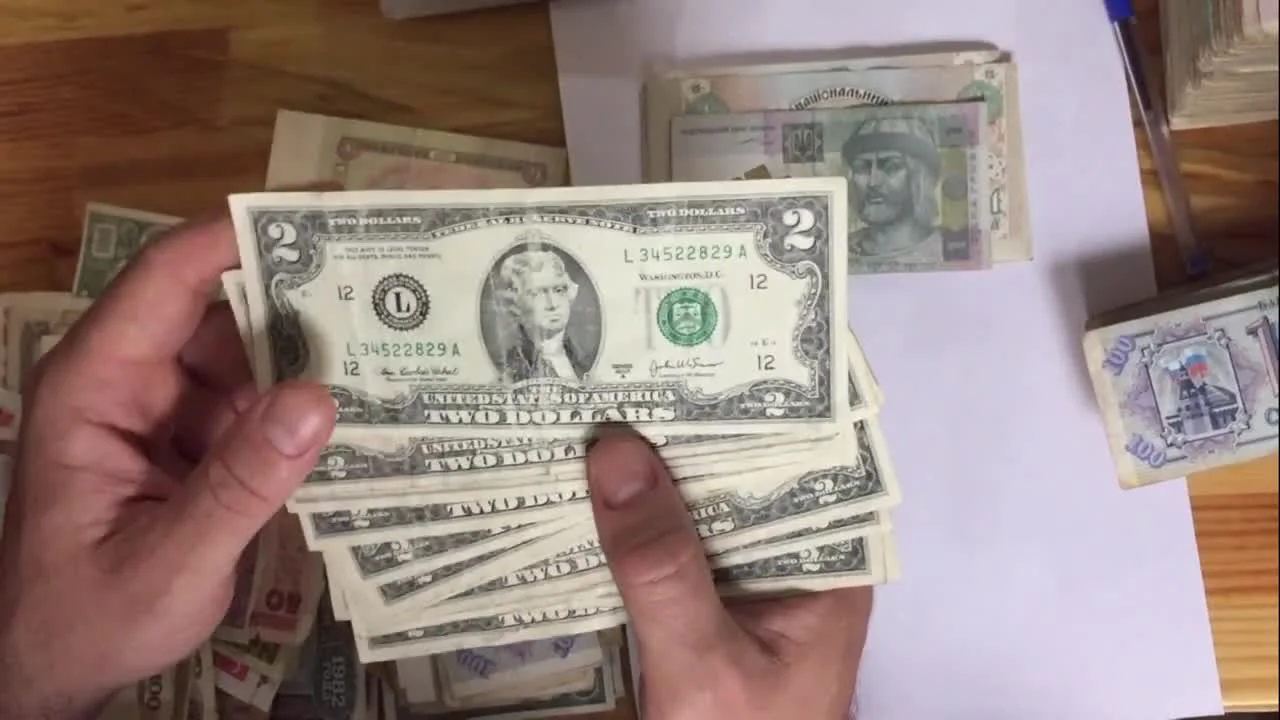
The value of collectible specimens can significantly exceed their face value. The value depends on the year of issue, series, mint, and, of course, condition. Even modern bills from 1995, 2003, or 2009 can be of interest to collectors who gather banknotes from different series and with various serial numbers.
1862: value can reach $30,000.
1874-1875: price ranges from $1,500 to $18,000.
1869 ('Rainbow Series'): sold at auctions for over $30,000.
1880 ('Double Dollar'): can also be worth over $30,000.
1917: valued in the range of $200 to $1,000.
Why the Banknote Became Rare and Its Collectible Value
A Good Luck Charm or 'Bad' Money?
The two-dollar bill has developed a dual reputation. On one hand, due to its rarity, it is considered a good luck charm. Many believe that carrying such a banknote in your wallet will attract money. Receiving one as change is considered a good omen.
On the other hand, for some Americans, this bill is associated with negativity. Historically, they were often used for payment in gambling establishments, at horse races, and in shady places. There was also a belief that two-dollar bills were used for bribing voters.
Nevertheless, a positive perception prevails today. The bill is often purchased as a souvenir or placed in a wallet 'for luck,' as a symbol of financial well-being.
A Good Luck Charm or 'Bad' Money?
Modern Banknotes and Their Value
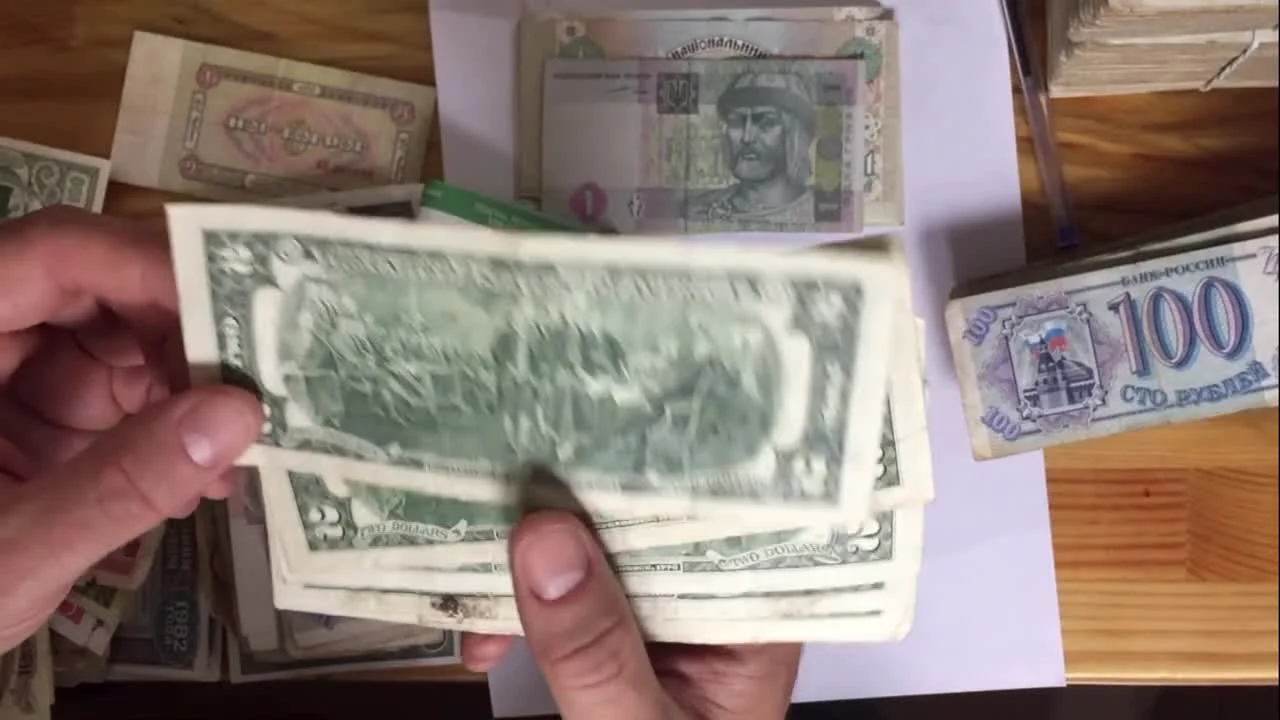
A distinctive feature of the two-dollar bill is the image on its reverse side—a reproduction of the painting 'Signing of the Declaration of Independence,' created in 1776. This makes its design particularly appealing.
Modern issues, such as those from 2009 and 2013, are generally not of great interest to serious collectors. Their value rarely exceeds $3-4. The 1976 commemorative banknotes are valued slightly higher—around $10, and specimens with special stamps and seals can be worth up to $30.
Despite the low collectible value of modern specimens, they are in demand as gifts and good luck charms. People willingly purchase them to add to their collection or simply to carry in their wallet for good luck.