Counterfeit Modern Russian Silver Coin: How to Distinguish It from the Original - AUCBURG | AUCBURG
Counterfeit Modern Russian Silver Coin: How to Distinguish It from the Original
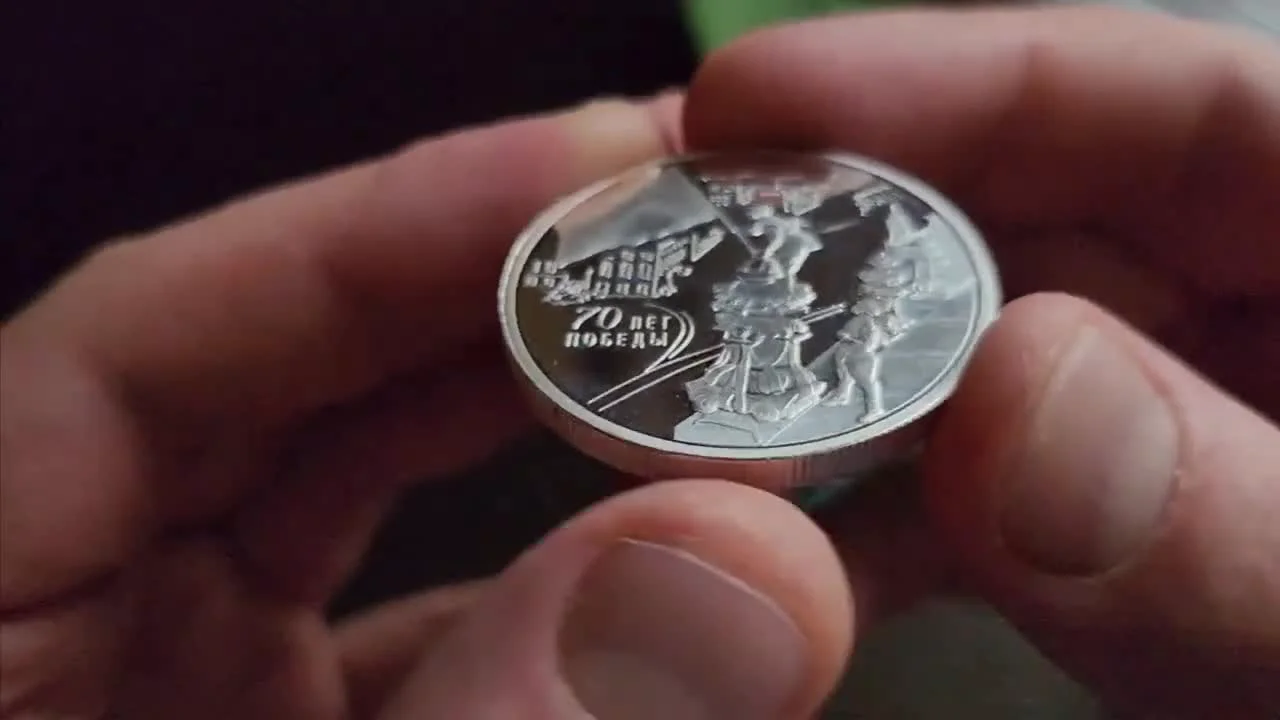
Counterfeits of modern Russian three-ruble silver ounce coins have appeared on the numismatic market. While copies of Tsarist, Soviet, and some modern coins have been seen before, counterfeits of this type of silver bullion coin are a new phenomenon. As an example, a counterfeit of the '70th Anniversary of Victory' coin was intentionally purchased for analysis.
A New Threat for Collectors: Counterfeit Ounce Coins
Counterfeits of modern Russian three-ruble silver ounce coins have appeared on the numismatic market. While copies of Tsarist, Soviet, and some modern coins have been seen before, counterfeits of this type of silver bullion coin are a new phenomenon. As an example, a counterfeit of the '70th Anniversary of Victory' coin was intentionally purchased for analysis.
The cost of such a copy is low—about 650 rubles including delivery. This is a small price to pay for the opportunity to study the counterfeit in detail, to avoid falling victim to scammers in the future and purchasing a similar item at the price of the original, which can reach 30,000 rubles. The original mintage of this coin is only 5,000 pieces.
Initial Inspection: The Capsule and Coin Surface
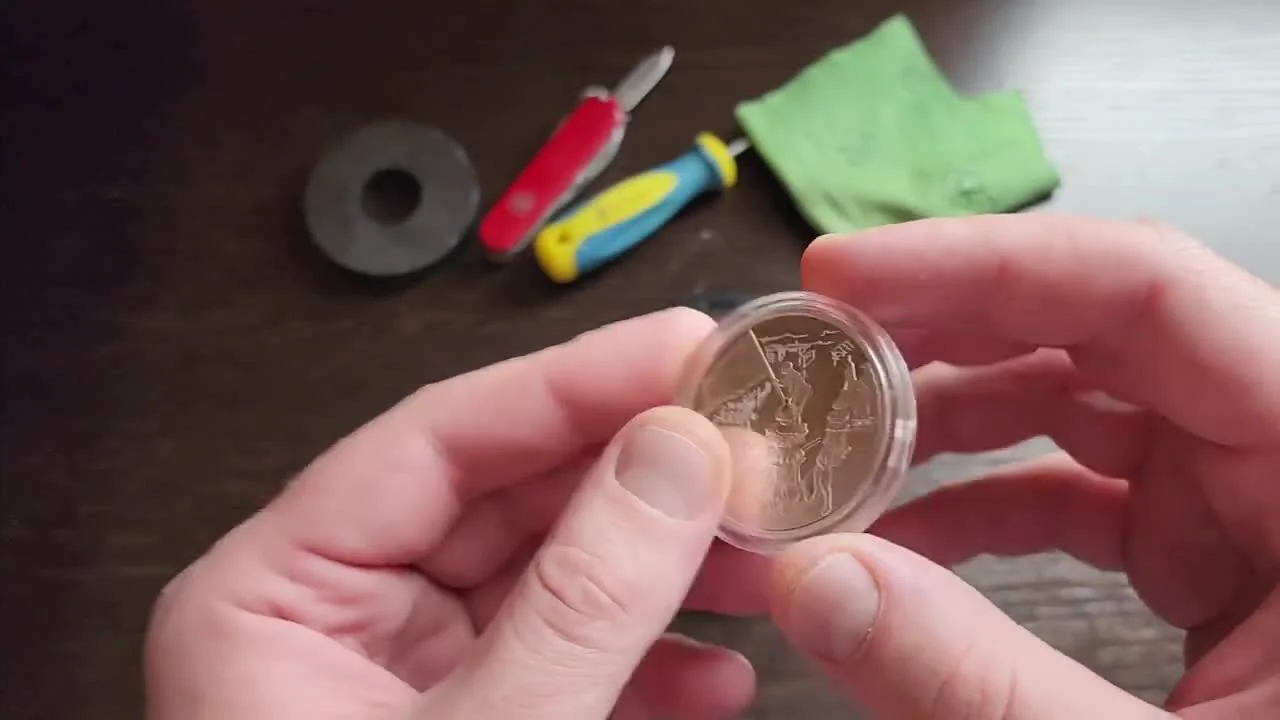
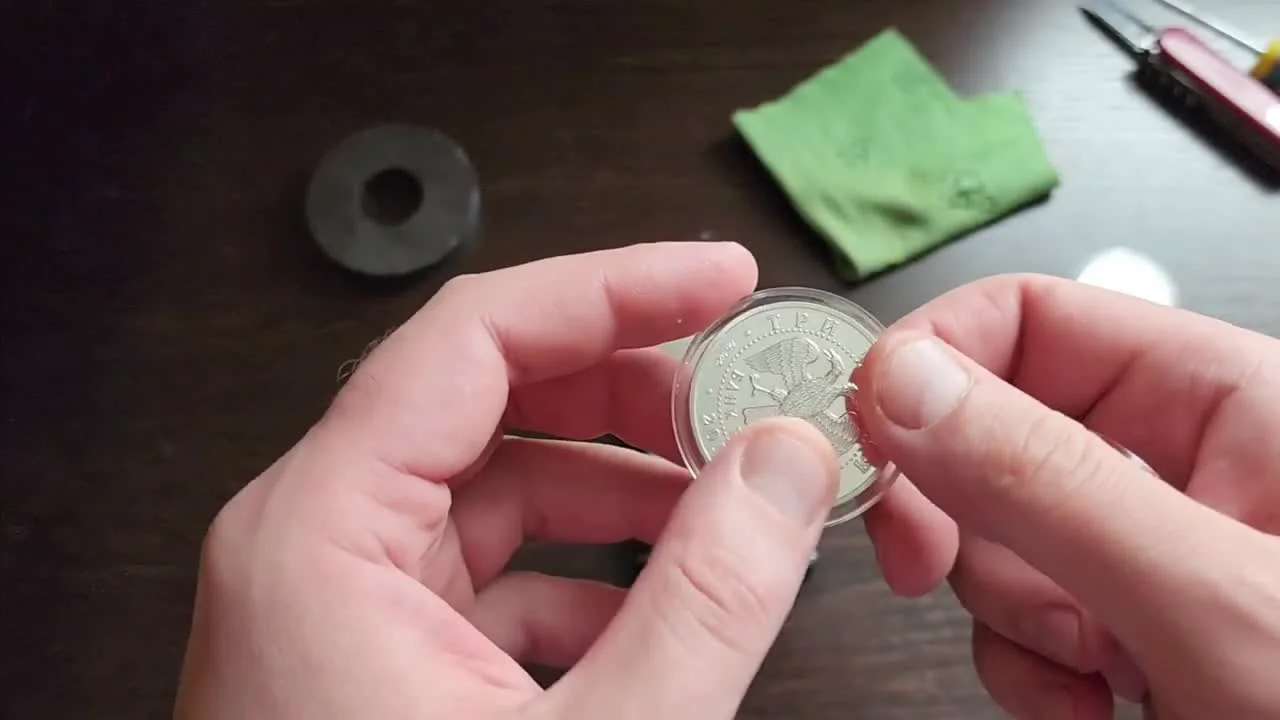
The first thing that gives away the counterfeit is the capsule. It is made of terrible quality plastic and is so tightly sealed that opening it without tools like a screwdriver or a knife is practically impossible.
After removing the coin, you can assess the quality of its surface. When handling the copy, you can forgo gloves to see how fingerprints are left on the 'proof' quality field. On this counterfeit, they are. Moreover, attempting to wipe the surface even with an old, worn cloth causes scratches to appear.
Initial Inspection: The Capsule and Coin Surface
Visual Comparison: Key Differences in Details
Element
Counterfeit
Original (for comparison)
---
---
---
Beaded rim
The dots are sloppily made, the circle looks 'crude'.
Clear, even dots forming a perfect circle.
Fonts
Inscriptions may have slight differences in the style and thickness of the letters.
Standard mint font, clearer.
Silver mark and weight
The font may be less clear, 'blurry'.
Perfectly clear and legible engraving.
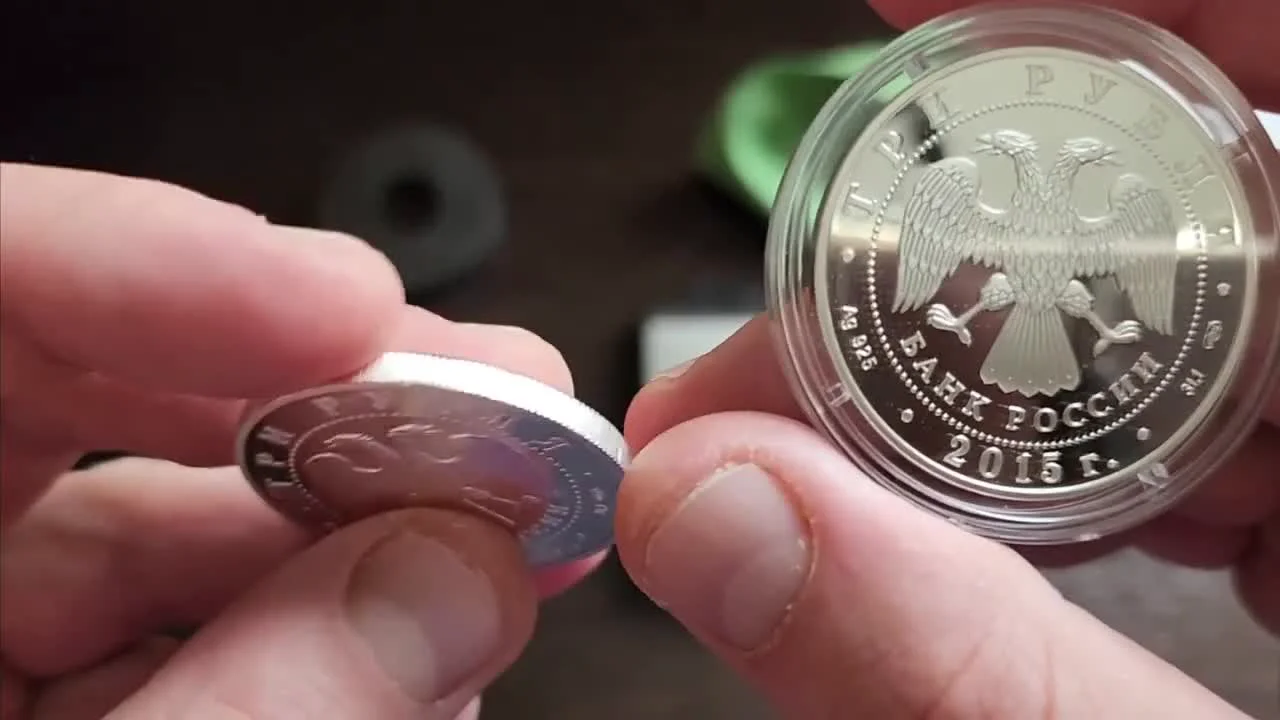
When comparing the counterfeit with a photograph of the original coin, a number of differences can be noticed. Although at first glance the copy looks very convincing and could easily deceive an inexperienced collector, the details give away its origin.
The key visual discrepancies are noticeable on the obverse (the side with the eagle). First and foremost, you should pay attention to the elements that are most difficult to copy with high precision.
The image of the double-headed eagle on the copy is surprisingly well-made, and it's hard to find fault with its details. However, it is the combination of minor flaws in the design of the obverse that raises suspicion of a counterfeit.
Visual Comparison: Key Differences in Details
Physical Tests: Magnetism and Weight
The most reliable verification methods are physical tests. The first and simplest is the magnet test. A real silver coin should not be magnetic. The counterfeit, however, sticks instantly and strongly to a magnet, which indicates it is made of steel.
Most likely, it is a steel blank coated with a copper-nickel spray to imitate the color of silver. On the edge (reed) of the coin, reddish spots can be seen—this is the copper showing through from under the thin outer layer.
The second critical test is weighing. Original one-ounce coins made of 925 sterling silver weigh about 34 grams (including impurities, with the pure silver weight being 31.1 g). The counterfeit, however, weighs significantly less—only 28.5 grams, which is a gross deviation from the standard.
Physical Tests: Magnetism and Weight
Edge Analysis and Sound Test
Another important element to check is the coin's edge. All genuine Russian silver coins of this type have 300 reeds, forming a clear and neat pattern. On the counterfeit, the edge is crudely made, 'rough', and the reeds are uneven and sloppy.
The authenticity of a silver coin can also be checked by its sound. If you gently tap it with a fingernail, a real silver coin will produce a pleasant, ringing sound. A steel counterfeit will sound dull. However, this test is not always possible to perform at the time of purchase, especially with proof-quality coins, which are sensitive to any touch.
Edge Analysis and Sound Test
Conclusion: How to Avoid Buying a Counterfeit
Chinese manufacturers have learned to make very high-quality copies that are not marked as souvenirs anywhere. In essence, this is counterfeiting, as an official means of payment is being copied. Even an experienced collector can be deceived if making a purchase in a hurry.
To protect yourself when buying expensive modern coins, it is necessary to conduct a comprehensive check.
Magnet test. Silver is not magnetic.
Weighing. The weight must match the catalog value with minimal tolerance (for one-ounce coins - about 34 g).
Edge inspection. The reeds should be clear and even (300 reeds).
Detail analysis. Compare the fonts and the beaded rim with an image of a known genuine coin.
Be especially vigilant when buying coins without color coating, as they are easier to counterfeit. Remember that a low price for a rare coin is almost always a sign of a fake.