Authenticating Counterfeit Thalers: How to Distinguish a Copy from an Original - AUCBURG | AUCBURG
Authenticating Counterfeit Thalers: How to Distinguish a Copy from an Original
There is a misconception that primarily domestic coins are counterfeited. In reality, absolutely everything in demand by collectors is subject to forgery, regardless of its country of origin.
There is a misconception that primarily domestic coins are counterfeited. In reality, absolutely everything in demand by collectors is subject to forgery, regardless of its country of origin.
Forgeries cover a wide range of numismatic material: from ancient coins to specimens from Europe, Asia, and Eastern countries. The greater the interest in a particular type of coin, the higher the probability of encountering high-quality and dangerous copies on the market, capable of misleading even experienced numismatists.
Example 1: Authentication of a Fake Leeuwendaalder
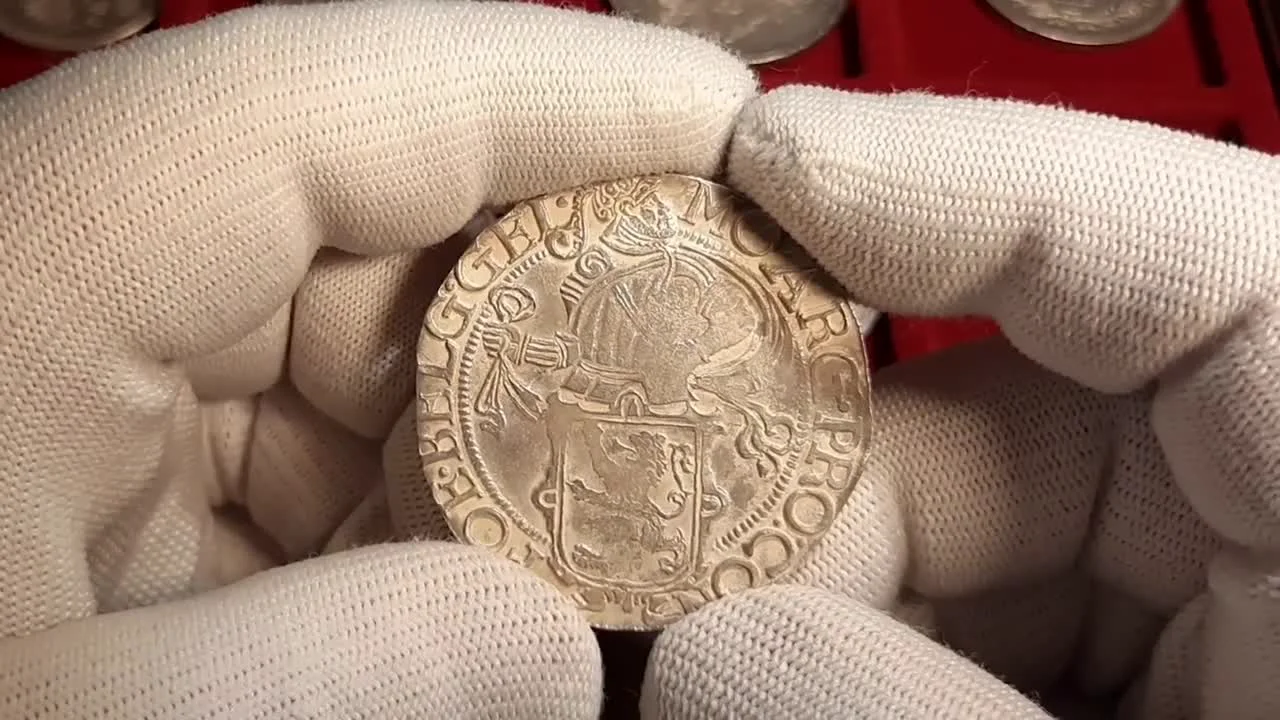
Let's consider a specific example—a counterfeit Leeuwendaalder. This coin was purchased at a numismatic fair and was initially covered with a dense, uneven dark patina and dirt. After the owner decided to clean it before adding it to their collection, it became obvious that it was a copy.
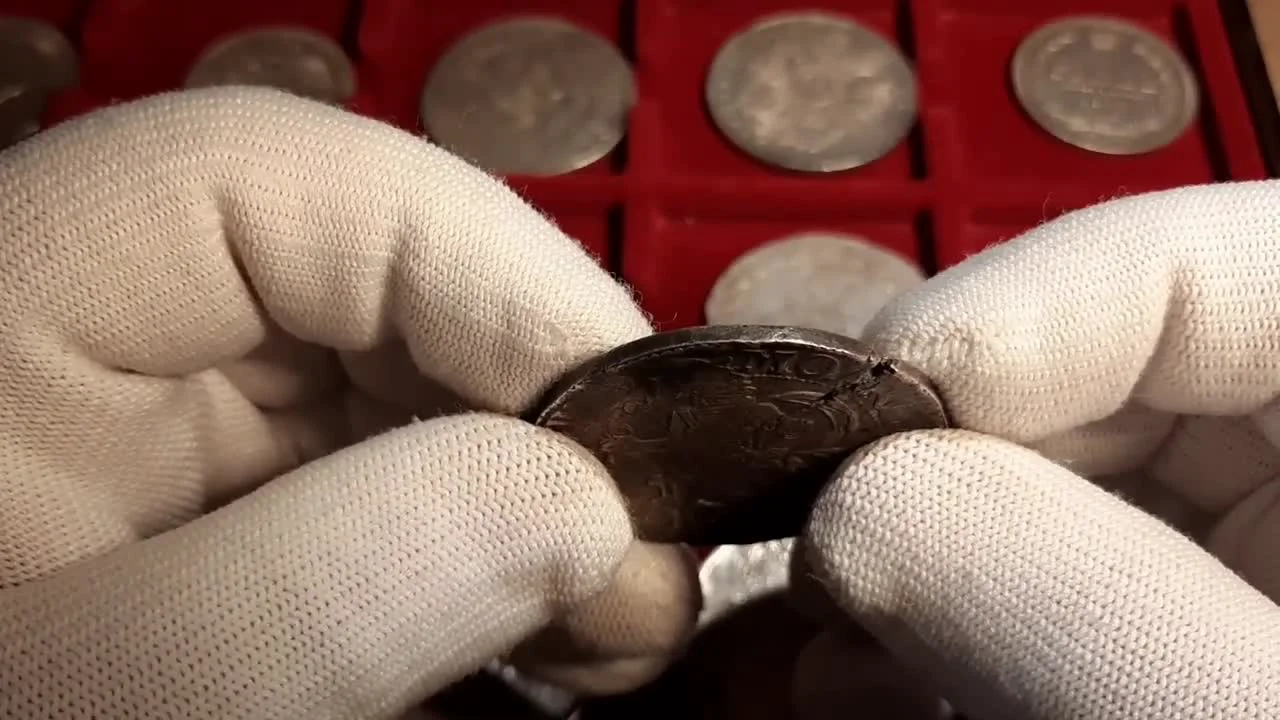
The counterfeiters tried to give it an authentic look by imitating corrosion on the coin's field. However, the main telltale sign of a copy is the edge (gurt). On this specimen, it was unnaturally sharp, which is uncharacteristic of coins from that period.
When compared with a genuine Leeuwendaalder, the difference becomes obvious. A real coin bears the marks of its time: small cracks that occurred during striking and some weakness in the details, which actually attests to its authenticity. The edge of the original also corresponds to the technology of its time and lacks such perfect sharpness.
Example 1: Authentication of a Fake Leeuwendaalder
Example 2: Copy of a Saxon Thaler 'The Three Brothers'
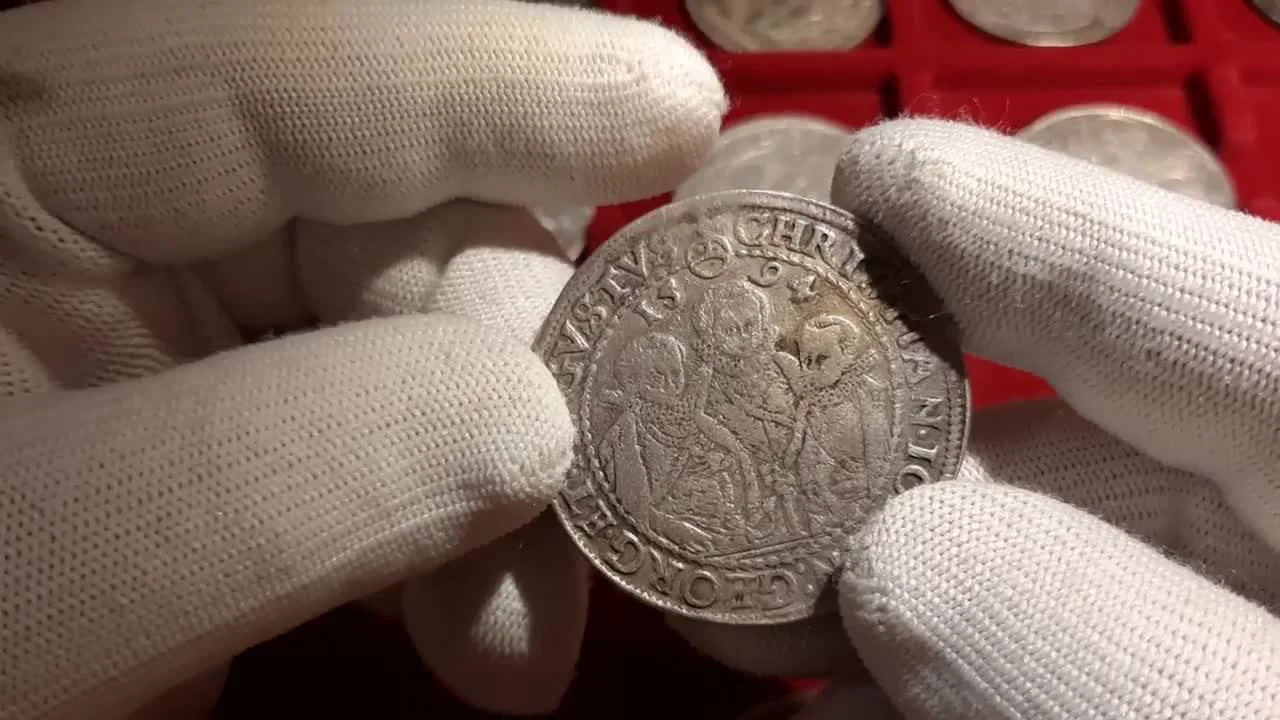
The second object for analysis is a copy of a coin imitating a 1524 Saxon thaler, known in collector circles as 'The Three Brothers.' This specimen gives itself away almost immediately, although the image on the obverse and reverse is reasonably well-done and could deceive a novice.
The main sign of forgery here is the edge and the shape of the coin. The copy has an almost perfect circumference and a smooth edge surface. For genuine coins of that period, this is impossible, as the coin blanks were cut by hand, which resulted in imperfect geometry.
Furthermore, the color of the copy's metal does not match the original. These details, related to the production technology, are key to determining authenticity and immediately point to the item's modern origin.
Example 2: Copy of a Saxon Thaler 'The Three Brothers'
Comparing the Original and the Copy: Key Differences
Characteristic
Genuine Coin
Counterfeit Coin
Edge (gurt)
Uneven, consistent with manual cutting
Perfectly even and smooth
Shape
Imperfect circle
Almost perfect circle
Metal Color
Consistent with silver of the period, with natural patina
Inconsistent, unnatural hue
Surface
Natural wear, may have cracks and weak strike
Artificially aged, lacks signs of genuine circulation
A direct comparison of a genuine 'Three Brothers' thaler and its copy clearly demonstrates the fundamental differences. Even if the original coin was in circulation for a long time and shows signs of wear, it retains the correct metal color and may have residual mint luster in the fields.
The copy, on the other hand, looks unnatural. The main differences can be summarized in a table for clarity.
These combined features make it possible to confidently distinguish a historical artifact from a modern imitation, even if the forgery is of high quality.
Comparing the Original and the Copy: Key Differences
Coin Weight: Why It's Not the Main Criterion for Authenticity
One of the most common questions that concerns collectors is the role of weight in determining a coin's authenticity. Contrary to popular belief, weight is not always a decisive factor, especially for antique coins.
For specimens from the 17th–18th centuries, such as thalers or rubles from Peter I to Paul I, weight fluctuations were colossal. This is due to the peculiarities of minting technologies of that time. If you weigh several genuine coins of the same year and mint, their weights will likely differ. Therefore, catalog weight values are averages.
As for later coins from the 19th–20th centuries, the situation is different. Counterfeiters have learned to copy not only the image but also the standard weight with high precision. For example, a high-quality copy of the '300th Anniversary of the House of Romanov' ruble will weigh the required 20 grams. Therefore, to determine the authenticity of such coins, it is necessary to pay attention to other, more subtle minting nuances.
Coin Weight: Why It's Not the Main Criterion for Authenticity