
Expertise
Methods for determining authenticity, analysis of marks and signatures. Expert and restorer advice.
Articles (97)
Page 5 of 5
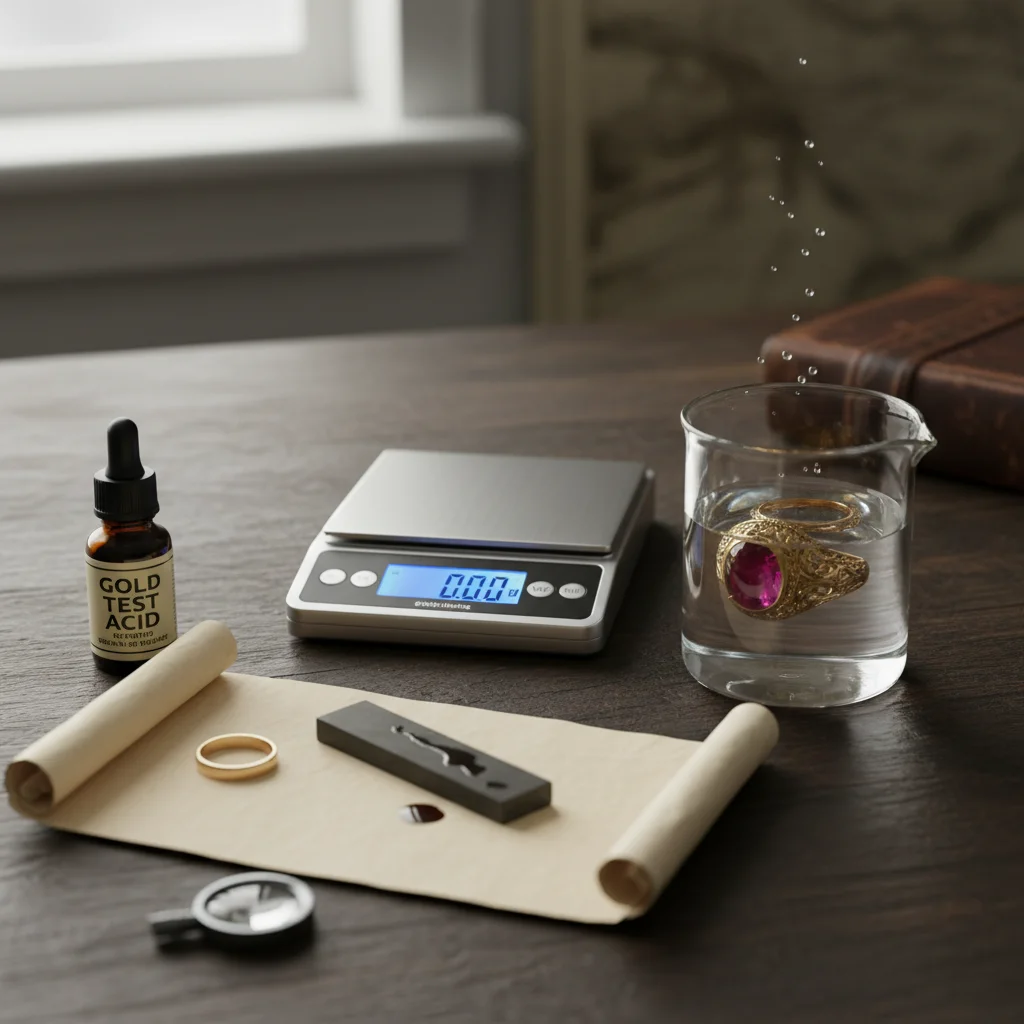
How to Determine Gold Purity at Home: The Hydrostatic Weighing Method
There is a simple method that allows you not only to verify the authenticity of gold but also to determine its purity at home. This method is known as hydrostatic weighing. It doesn't require complex equipment—all you need are accurate scales, a glass of water, a thread, and a piece of paper for notes.
ExpertiseCollector's Guide
Read More →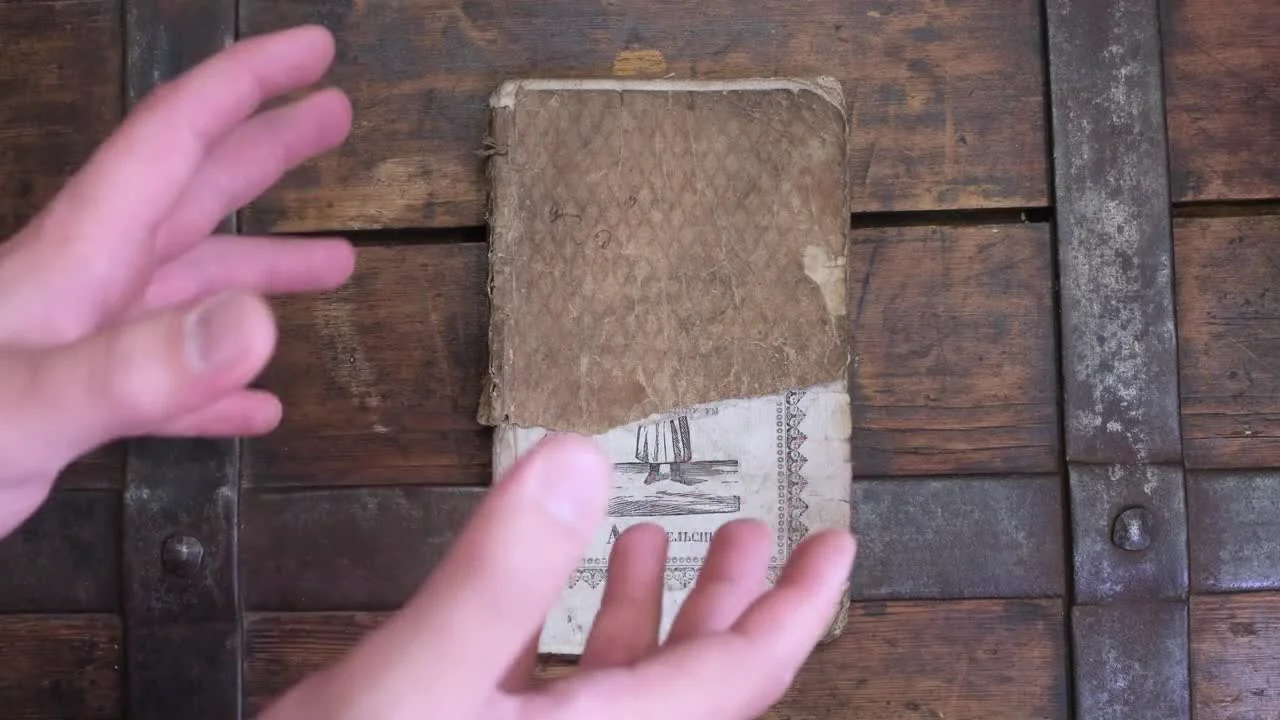
Restoration of the 1853 'Russian Alphabet': From Ruins to a Readable State
Alphabet books are valuable and rare publications that occupy a special niche in the world of antiquarian books. Their rarity is due to the fact that they were intended for children and were actively used, which is why most copies survive to this day in very poor condition.
History of ThingsExpertise
Read More →
Restaurierung des 400 Jahre alten 'Apostels': Die Wiedergeburt eines Buches von 1621
Zur Restaurierung kam ein einzigartiges Buch – der im Jahr 1621 gedruckte 'Apostel'. Zu Beginn der Arbeiten war sein Zustand kritisch: Der Einband war zerstört und die Seiten zerfielen buchstäblich in den Händen. Dieses Artefakt ist von besonderem historischen Wert, da es im frühen 17. Jahrhundert, noch vor der Kirchenreform des Patriarchen Nikon, gedruckt wurde.
History of ThingsExpertise
Read More →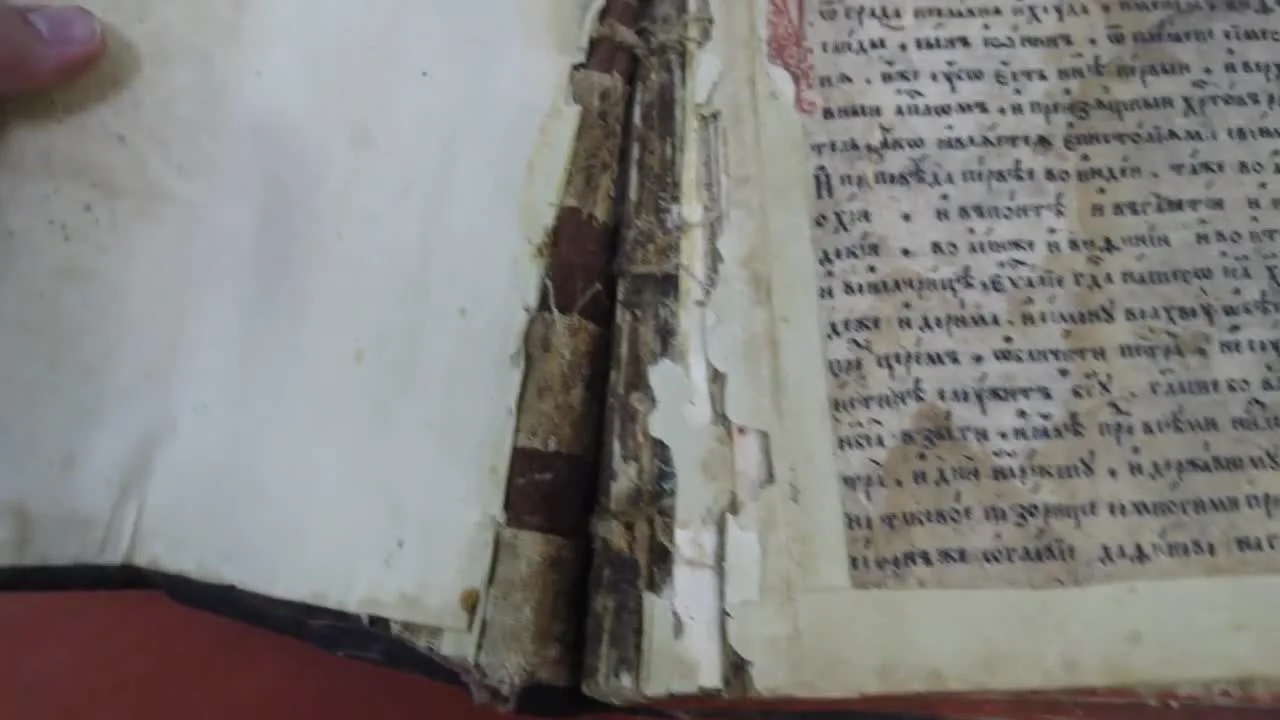
Restoration of the 1648 Apostle: The Rebirth of an Antique Book
A 17th-century church publication was brought in for restoration, its condition could only be described as deplorable. The book had undergone more than one repair, which left numerous and not always high-quality traces of intervention. The initial inspection revealed a number of serious damages.
History of ThingsExpertise
Read More →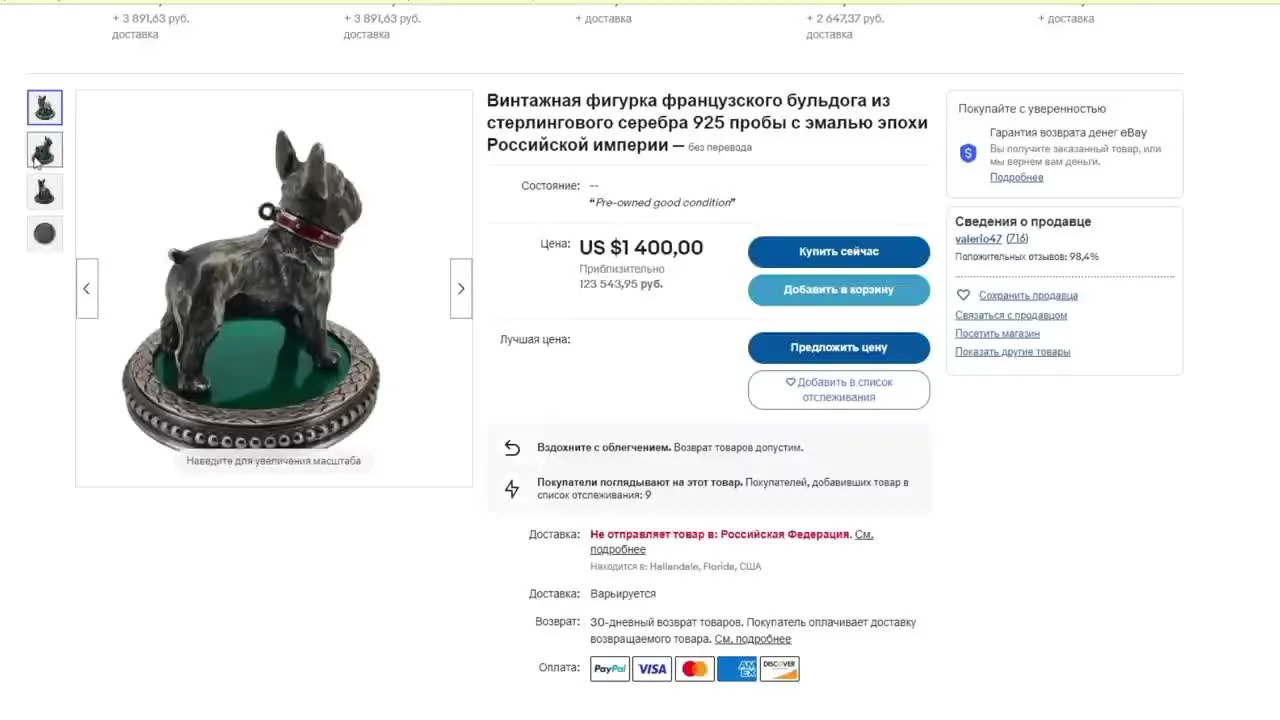
Fakes & Forgeries: How to Spot Fakes in the Antiques Market
The antiques market is flooded with composite fakes and outright junk. Therefore, the main task of an antiques dealer is not just to admire the elegance of an item, but to be able to recognize a forgery in its details, find inconsistencies in materials and technologies, and identify hidden traces of restoration.
ExpertiseCollector's Guide
Read More →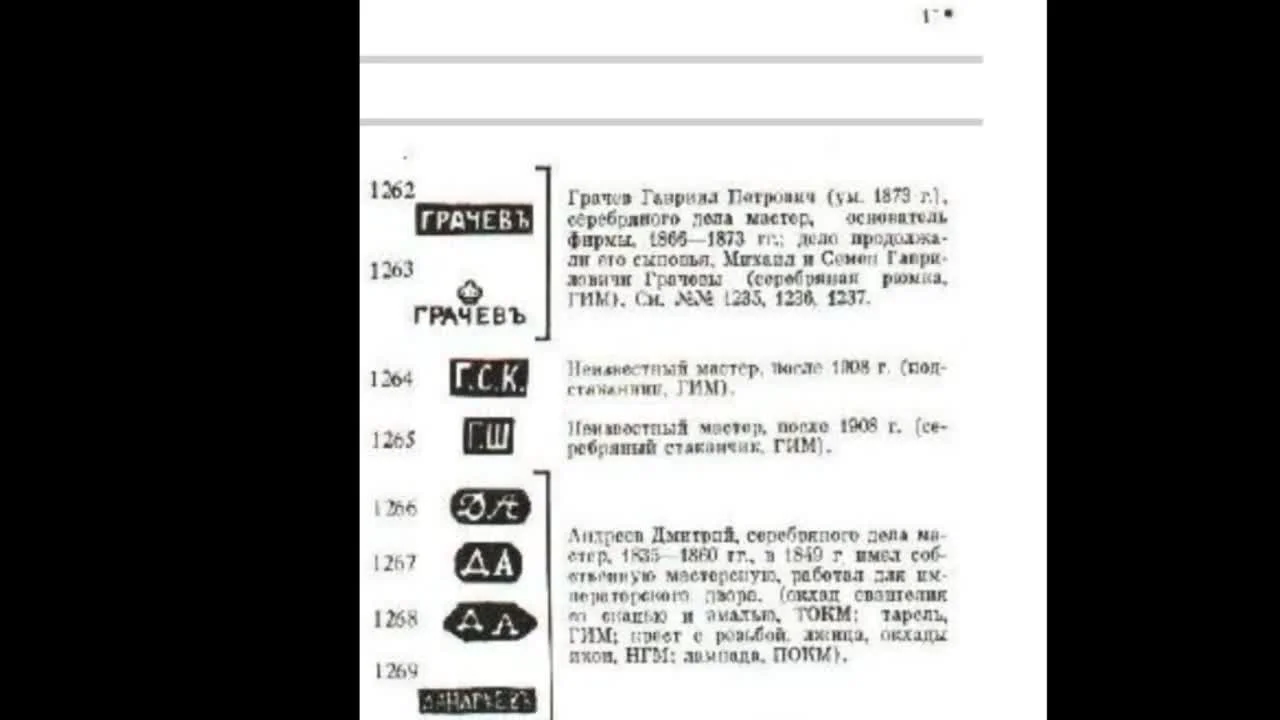
Gefälschte Punzen „Grachev“ und „Gebrüder Grachev“: Wie man eine Fälschung erkennt
Antiquitäten mit den Punzen „Grachev“ und „Gebrüder Grachev“ erfreuen sich großer Beliebtheit, was Fälscher aktiv ausnutzen. Um zu lernen, wie man Fälschungen erkennt, muss man einige wichtige historische Fakten kennen, die als dokumentarisch belegte Axiome gelten.
ExpertiseCollector's Guide
Read More →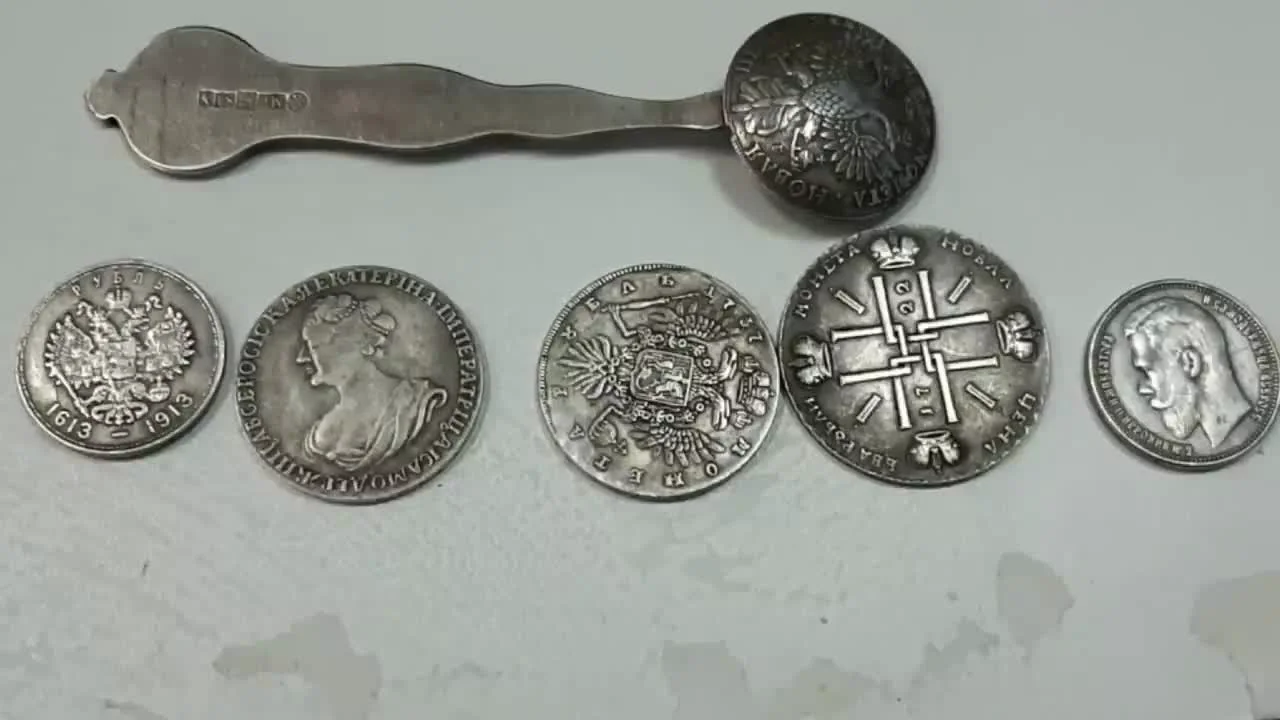
Signs of Fake Hallmarks on Antique Silver: A Complete Guide
The modern antique market is flooded with fake items. This problem has become particularly acute after a more than 15-year epidemic of counterfeit rare silver coins of the Russian Empire. When the demand for fake coins dropped, their manufacturers switched to producing counterfeit tsarist spoons with 84 zolotnik hallmarks.
ExpertiseCollector's Guide
Read More →
Antiques, Vintage, Junk: How to Distinguish and Determine Value
To quickly understand the categories of old items, you can use a simple 'generational' method. It helps to perform an initial sorting and understand what you are dealing with, whether it's an item from the recent past or a piece with a century of history.
Collector's GuideExpertise
Read More →
Buying Antiques at Fairs and Flea Markets: Tactics and Legalization of Goods
Purchasing antiques from private individuals or at flea markets often occurs without accompanying documents, such as a sales contract or receipt. This creates problems with the subsequent legalization and accounting for the item, especially for those conducting official business activities. The lack of documentary proof can raise questions from the tax authorities (Finanzamt) and law enforcement agencies.
Collector's GuideExpertise
Read More →
Legal Aspects of Exchanging Collectibles
The issue of properly formalizing an exchange transaction for antiques and antiquities is directly linked to the security of the collectibles business. This security rests on two foundations: the first is the personal safety of the collector and their family, and the second is the protection of the collection itself from encroachments, whether from criminal organizations or law enforcement agencies.
Collector's GuideExpertise
Read More →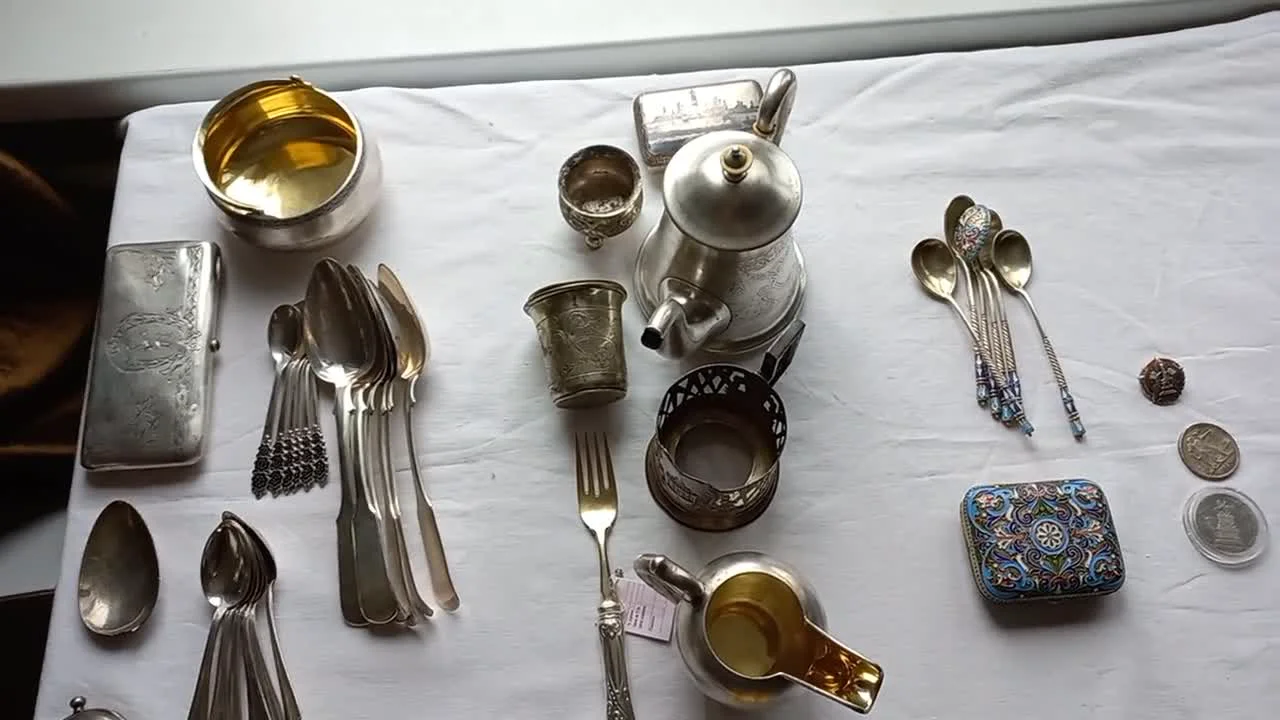
How to Determine the Value of Antique Silver: From Scrap to Treasure
The value of some silver items is determined solely by their weight and the current price of the metal. Today, the price of scrap silver fluctuates, but on average, it is about 50 rubles per gram. This category usually includes items of common fineness marks, such as 875, 900, and the tsarist 84 zolotnik.
Collector's GuideExpertise
Read More →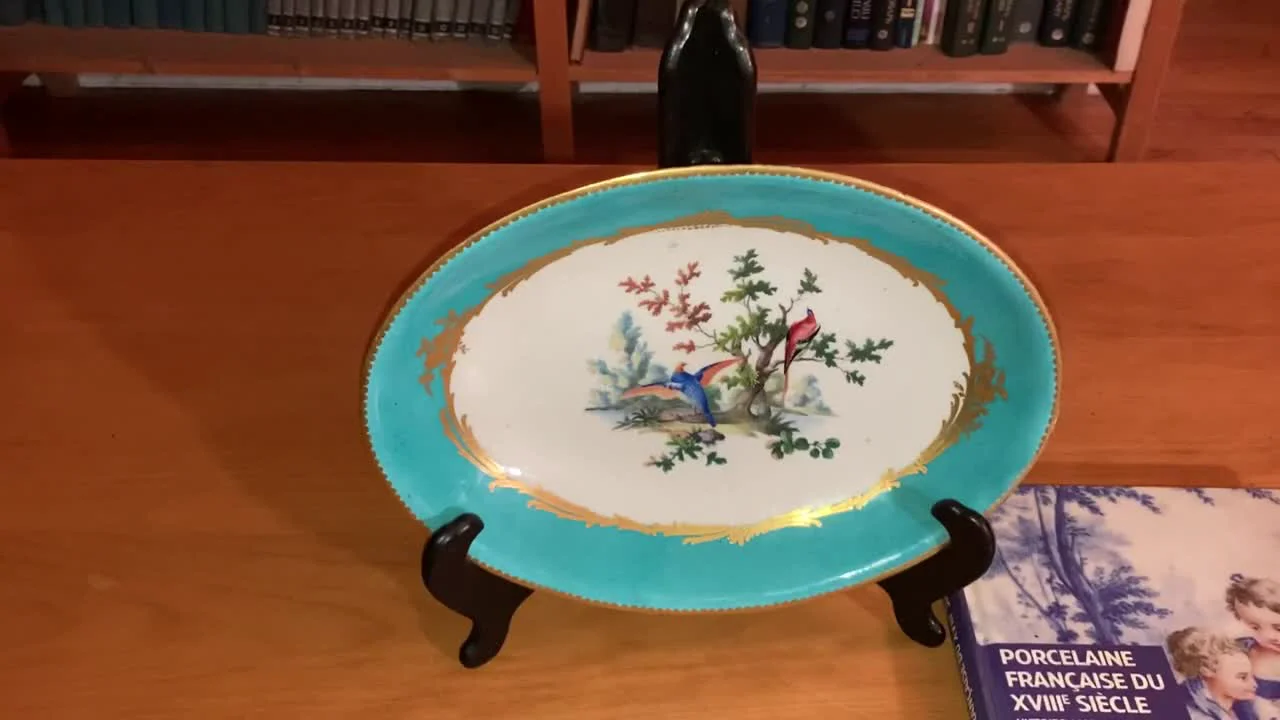
Sèvres Porcelain Attribution: From Theory to Practice
The identification and attribution of Sèvres porcelain is one of the most complex and interesting topics in the world of antiques. This is because the antiques market is literally flooded with forgeries passed off as genuine items from the Sèvres Manufactory.
ExpertiseCollector's Guide
Read More →
Gifting Cultural Property: Legal Aspects and Collection Management
Receiving an antique item as a gift from relatives, friends, or acquaintances is always a pleasant event. However, to ensure the legal validity of the transaction, it's important to properly document the transfer of ownership. This will protect the new owner from potential questions in the future, for instance, from law enforcement agencies.
Collector's GuideExpertise
Read More →
How to Determine the Value of an Antique Book
Book collecting is a field of collecting centered around books. The main question faced by both novice and experienced collectors is determining the real value of a particular edition. The market forms its own valuations, but how can one understand what a specific book is actually worth?
Collector's GuideExpertise
Read More →
How to Appraise an Antique Book: From Economics to Ex-Libris
Antiquarian book collecting is a sub-field of collecting centered around books. However, determining the value of an old edition is no simple task. The market operates by its own rules, and to understand how much a particular book might be worth, one must turn to basic economic principles.
Collector's GuideExpertise
Read More →
How to Determine the Value of Antiques: From Material to History
Why do some antique items cost a fortune, while others, similar in appearance, are valued at pennies? This question often arises for those who encounter the world of antiques. For example, two samovars might look almost identical, but one will be worth $100, and the other — $1000.
Collector's GuideExpertise
Read More →
Where and How to Profitably Sell Antiques: A Collector's Guide
The sale of antiques is geared towards three main groups of people: professionals for whom it is a source of income; collectors who sell surplus items to expand their collections; and ordinary people who want to sell items they have at home. Regardless of the category, it is essential to pay attention to security issues before listing an item for sale.
Collector's GuideExpertise
Read More →