How to Determine the Value of Antiques: From Material to History - AUCBURG | AUCBURG
How to Determine the Value of Antiques: From Material to History
Why do some antique items cost a fortune, while others, similar in appearance, are valued at pennies? This question often arises for those who encounter the world of antiques. For example, two samovars might look almost identical, but one will be worth $100, and the other — $1000.
Why do some antique items cost a fortune, while others, similar in appearance, are valued at pennies? This question often arises for those who encounter the world of antiques. For example, two samovars might look almost identical, but one will be worth $100, and the other — $1000.
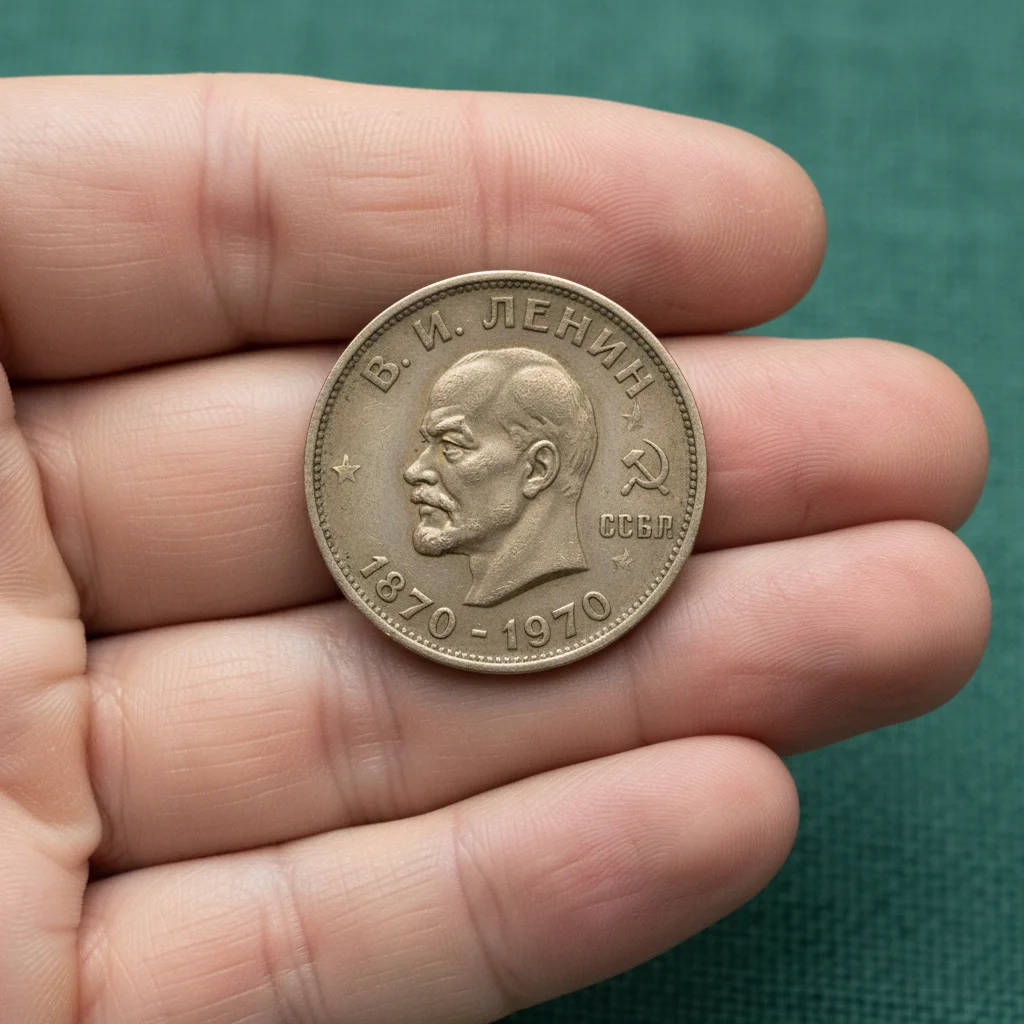
Another example is the commemorative ruble with Lenin's image. Online, you can find information about it selling for $60,000, but in reality, such an item is often bought for just one hryvnia and sold for three. Despite the coin being over 50 years old, its value remains minimal. The price difference is explained by a combination of various factors that shape the final value of an antique item.
What Constitutes the Value of an Antique
Type of Value
Description
Material
The cost of precious metals or other materials from which the item is made.
Historical and Cultural
The connection of the item to significant historical events or a cultural context.
Artistic
Aesthetic value and craftsmanship, often determined by demand.
Collectible
Value determined by rarity and interest from collectors.
Decorative
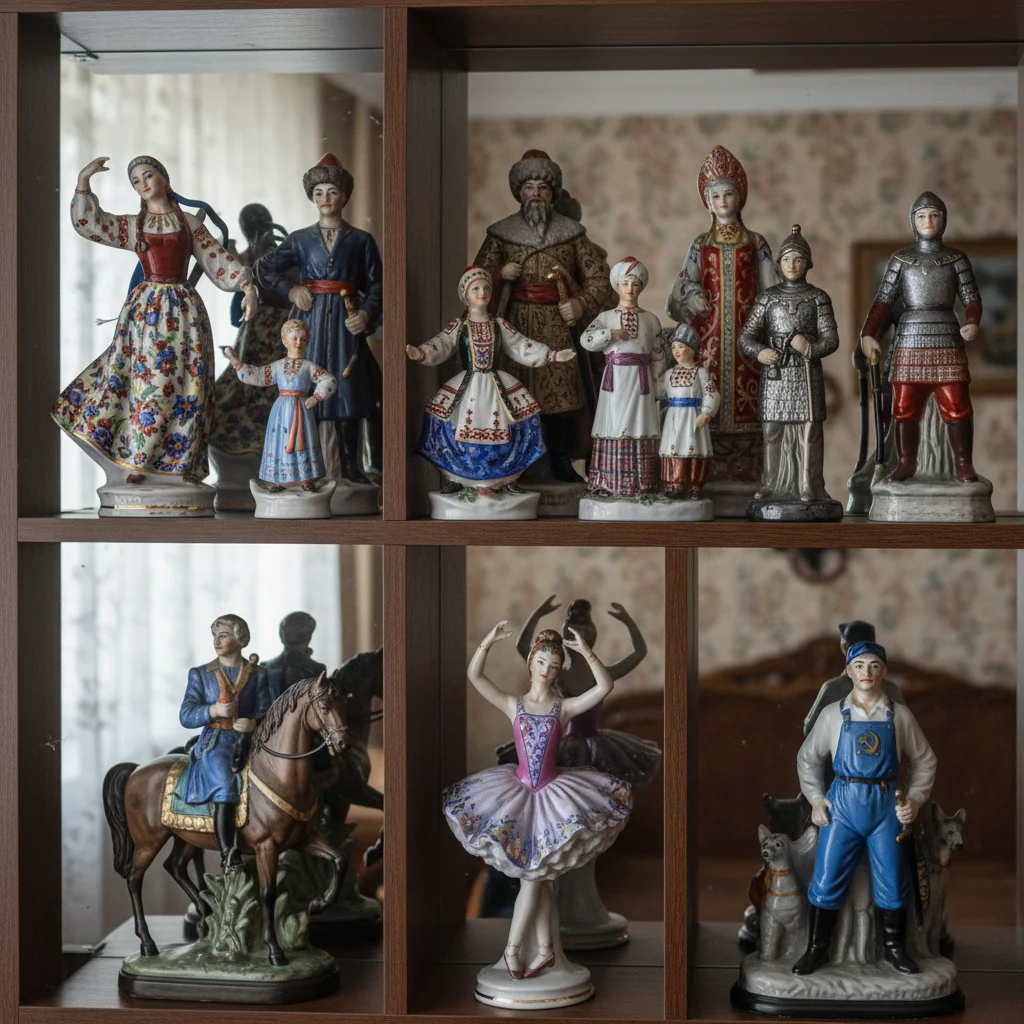
The ability of the item to serve as a decorative element to create a specific atmosphere.
Emotional and Energetic
Intangible value associated with a famous personality or personal memories.
Auction
The final price formed as a result of bidding between buyers.
The value of an antique item is not just a number, but the result of combining several types of value. Rarely does an item possess all types at once, but the more of these components it has, the higher its final price. Understanding these criteria helps to correctly appraise an item and see its true potential.
There are several key types of value that influence the final cost.
It is the combination of these values that explains why some items increase in price over time, while others remain cheap.
What Constitutes the Value of an Antique
Material Value: Gold and Silver
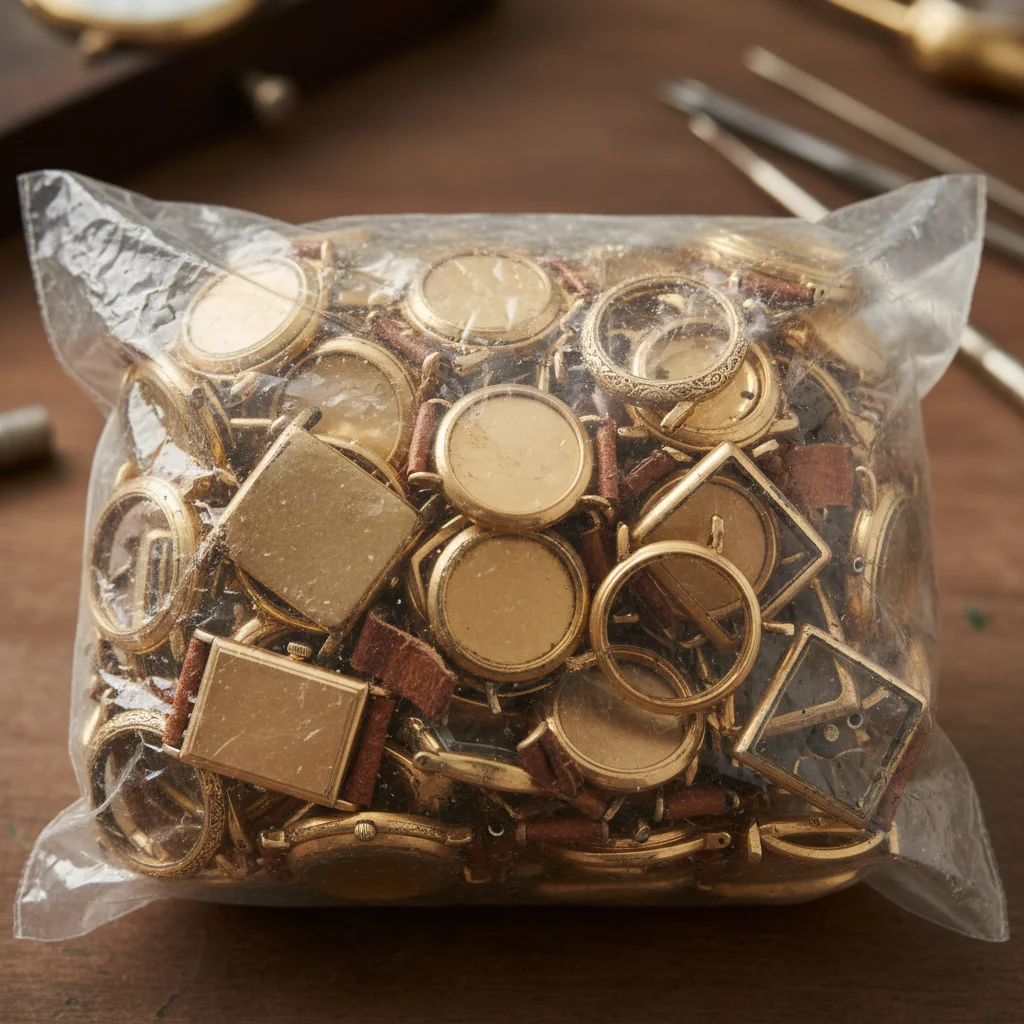
The first and most obvious factor is material value. It is determined by the cost of the materials from which the item is made, primarily precious metals. A striking example is gold-plated watches. Even if they are broken and heavily worn, their cases are bought for their gold content, and the price of such watches is 200–300 hryvnias.
However, if collectible value is added to the material value, the cost increases. For example, the same gold-plated watches, but in good condition and a rare model, can be worth around 1000 hryvnias. Here, the price is formed not only by the gold but also by the interest from collectors.
A similar situation occurs with silver coins. A heavily worn ruble of Nicholas II will be worth its silver weight—about 400 hryvnias. At the same time, a ruble from the time of Catherine II in perfect condition, possessing historical, collectible, and investment value, can be appraised at $1000.
Material Value: Gold and Silver
Historical Value: A Mug with Traces of Tragedy
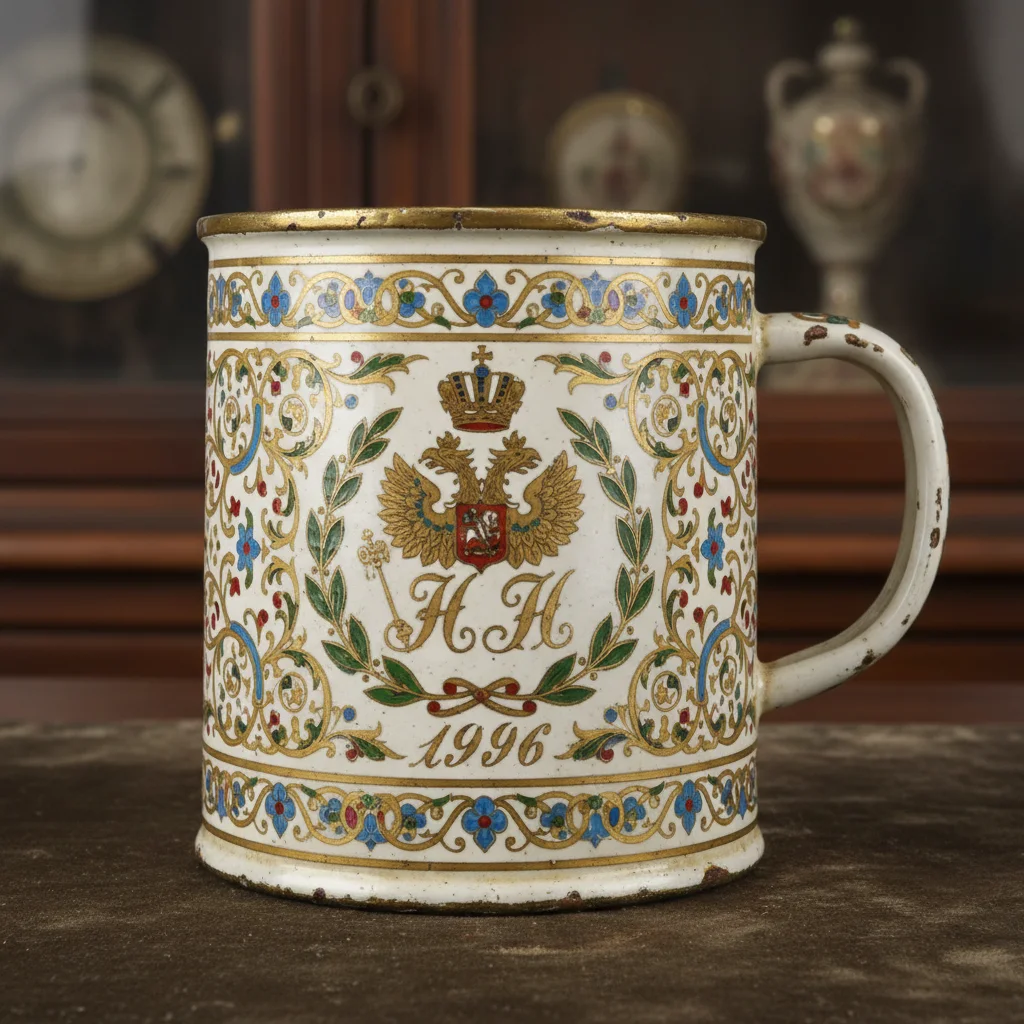
Sometimes an item with almost no material value can be expensive due to its history. An example is the coronation mug issued for the coronation of Nicholas II in 1896. By itself, it is an ordinary enameled tin mug, with the metal value not exceeding 5 hryvnias.
However, this mug is directly linked to the tragedy at Khodynka Field. During the distribution of royal gifts, which included this mug, a terrible stampede occurred, claiming the lives of over 2000 people. This tragic history gives the item immense historical and emotional value, thanks to which its market price today is about $100.
Historical Value: A Mug with Traces of Tragedy
Artistic and Religious Value
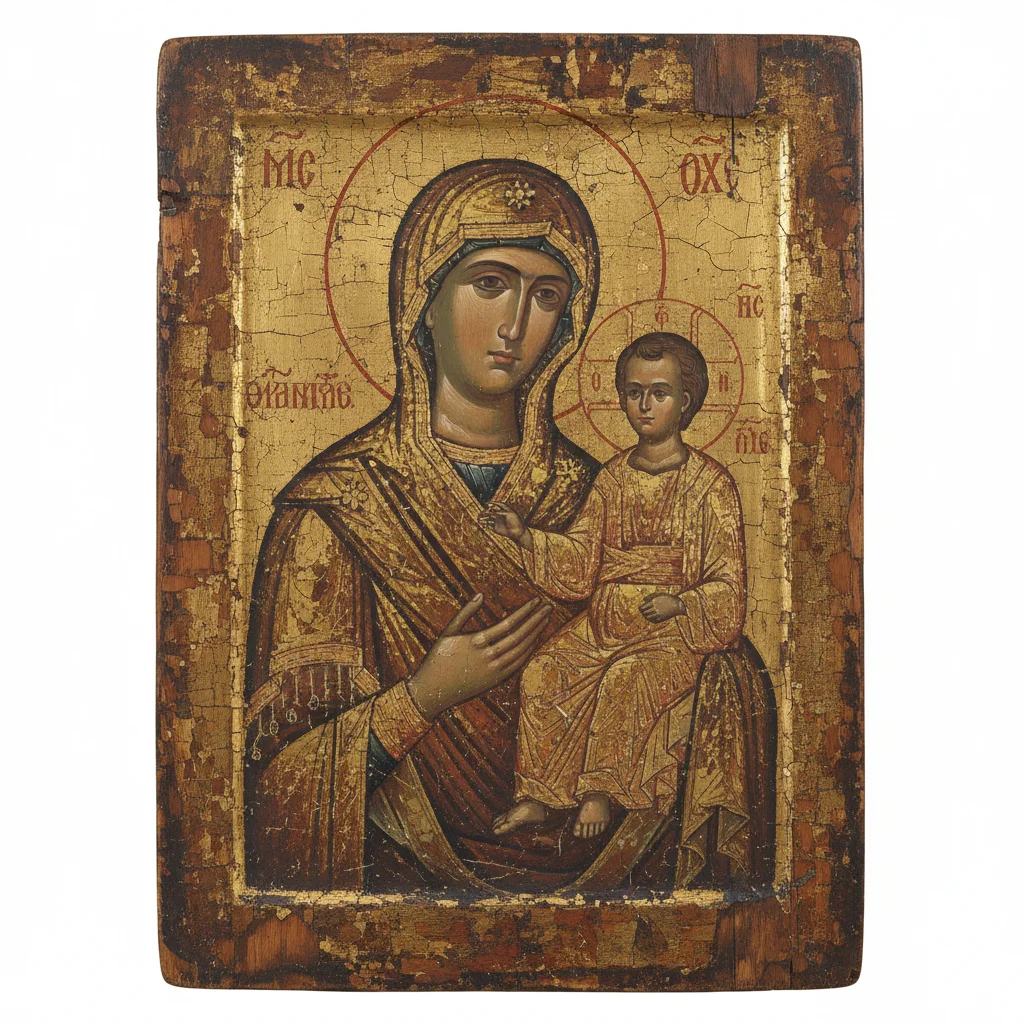
Artistic value is a more subjective parameter. Officially, it can only be determined by experts with specialized education, but on the market, it is often formed based on demand and auction sales. A good example is antique icons.
A 19th-century icon, painted on a wooden board, is not expensive from a material standpoint. However, it possesses a combination of values: cultural, religious, emotional, and artistic. All of this together forms its price, which can reach $300 or more.
For comparison, a simple family icon from the same period, but made by lithography (printing), will only have religious and emotional value for that specific family. On the antique market, such an item would be worth no more than 50 hryvnias.
Artistic and Religious Value
Decorative Value: A Second Life for Old Technology
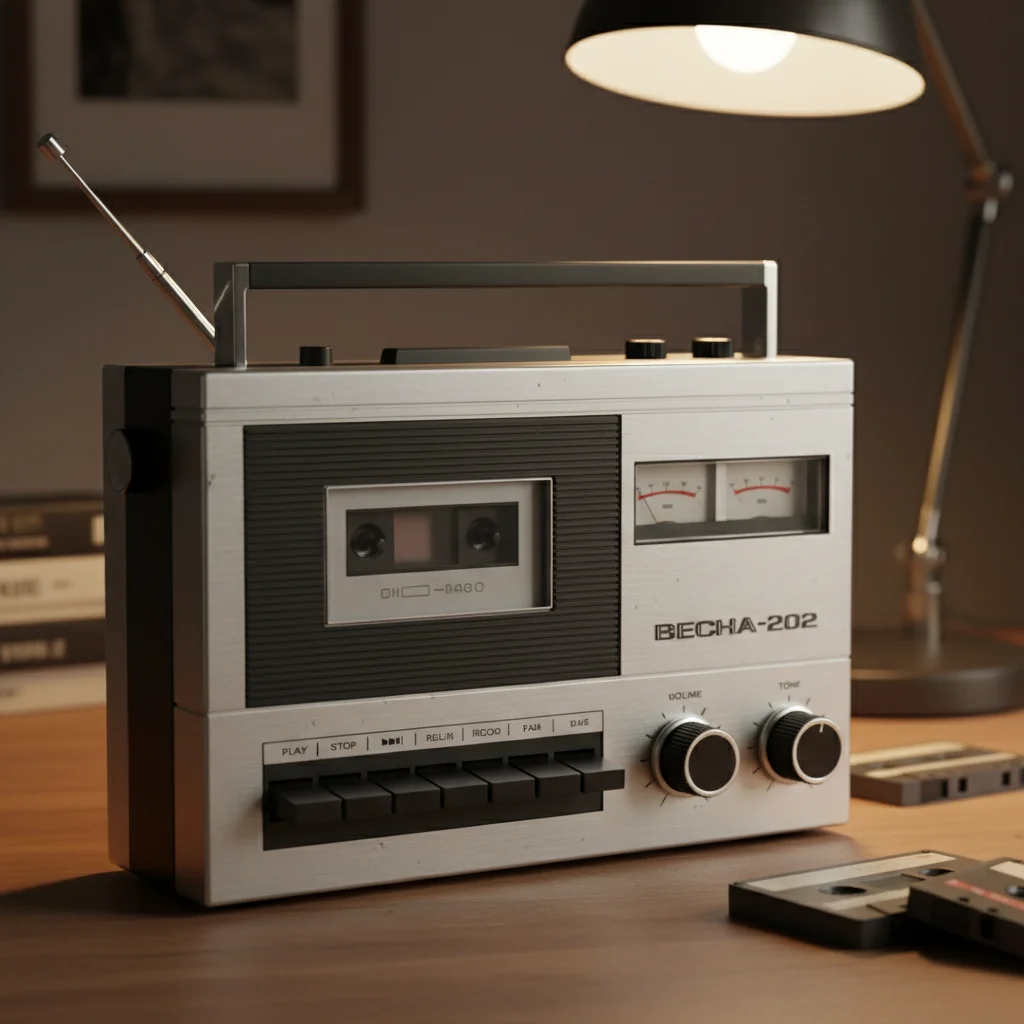
Some antiques find their value as decorative elements. This is called decorative value. As an example, consider the Soviet cassette recorder 'Vesna-202'. It contains no precious metals, so its material value is zero.
The collectible value of such a recorder in used condition is also low, and from a technical standpoint, it is long obsolete. However, such items are actively bought to create a Soviet-era atmosphere in films, for photoshoots, or for interior design. It is this decorative value that determines its price, which is around 100 hryvnias.
Decorative Value: A Second Life for Old Technology
The Energy of an Autograph: Emotional Value
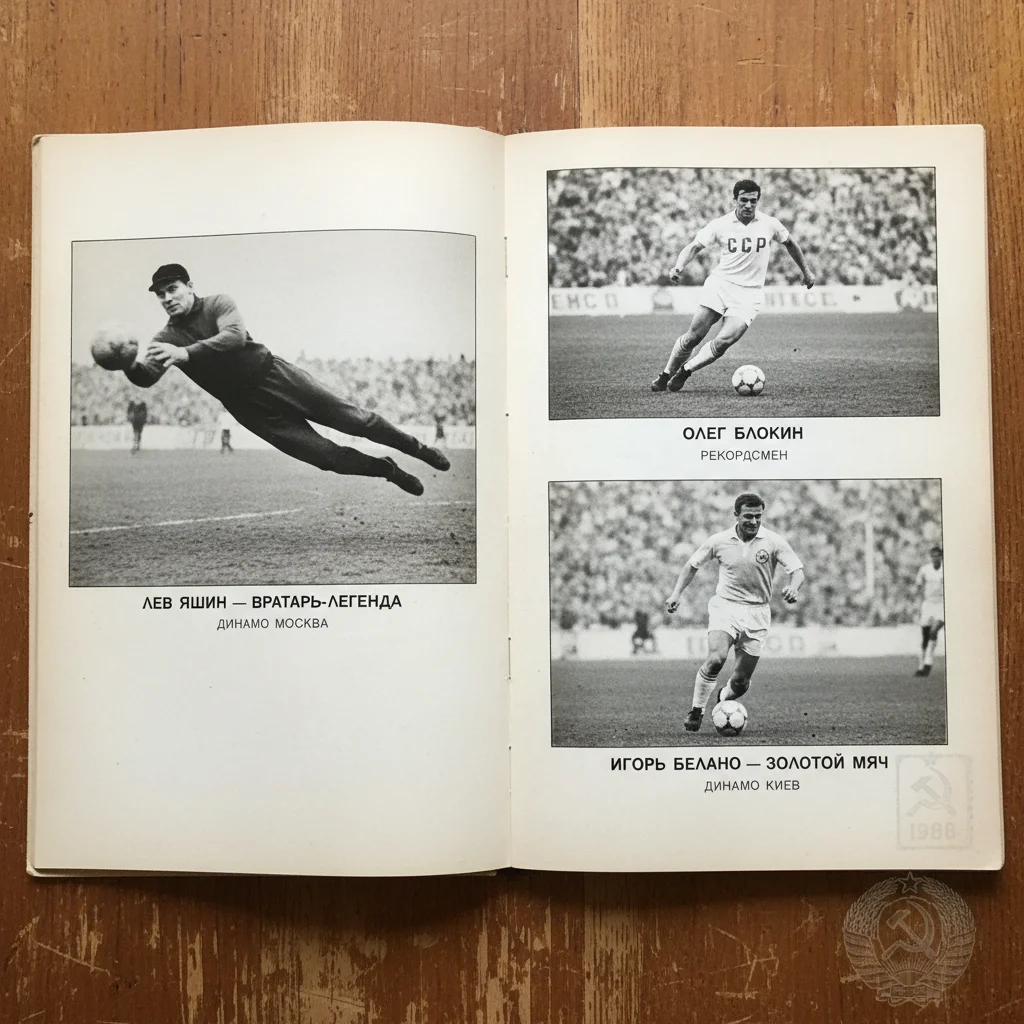
A special type of value is emotional and energetic. It arises when an item is connected to a famous person. For example, the book 'Ballon d'Or Winners' is essentially scrap paper and has no material value on its own. But if it comes with postcards bearing the authentic autographs of Lev Yashin, Oleg Blokhin, and Igor Belanov, the situation changes drastically.
Such a lot acquires immense historical, cultural, and emotional value. An autograph is a piece of a great person's energy. Since it's no longer possible to get Lev Yashin's autograph, and the autographs of Blokhin and Belanov are also rare, the value of such a set can reach several hundred dollars. This is a prime example of how intangible factors create a high price.
The Energy of an Autograph: Emotional Value
Auction Value: When Excitement Decides
The final price of an antique item is often determined by an auction. Auction value is the amount that buyers are willing to pay under competitive conditions. It can significantly exceed the initial appraisal.
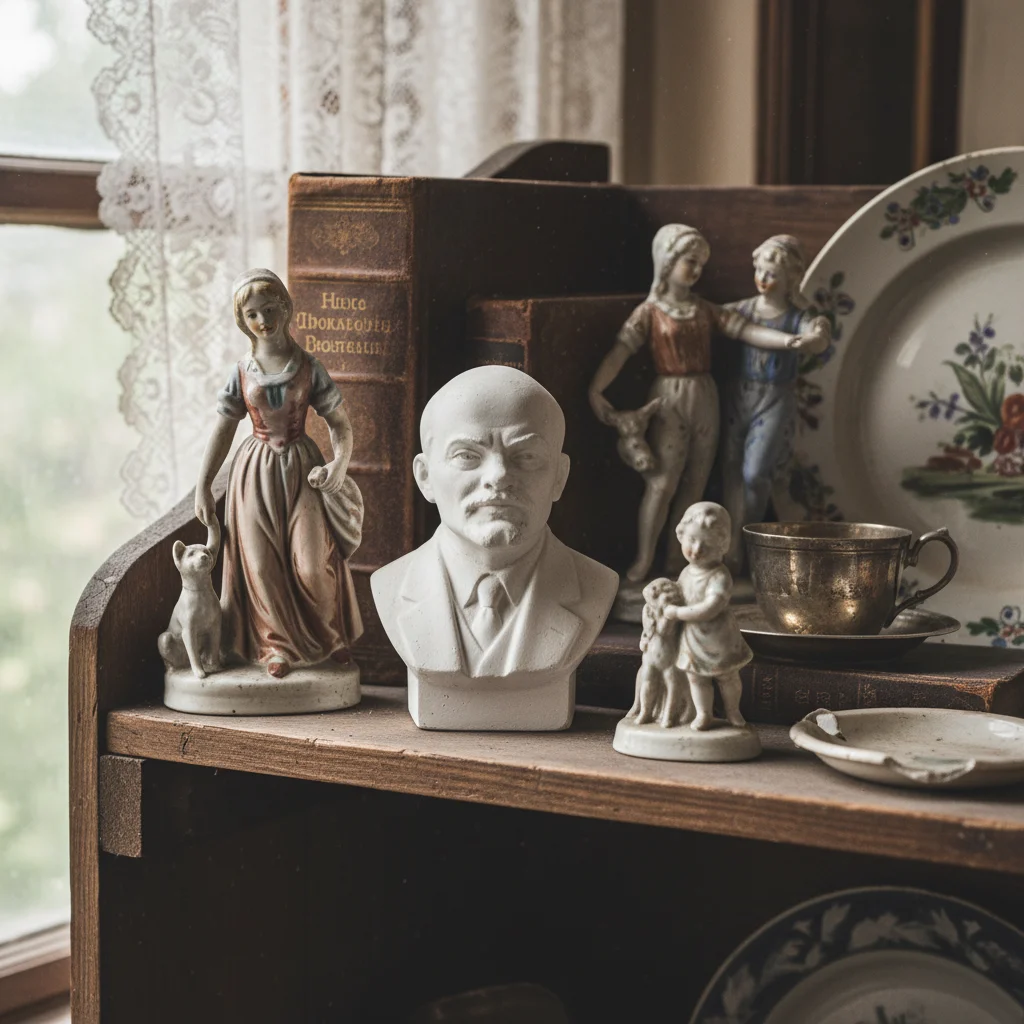
For example, a bronze bust of Lenin might cost between 500 and 1000 hryvnias on the market. However, if the same bust goes to auction and two or more collectors start bidding for it, the excitement of the auction can drive the price up to 5000 hryvnias or more.
Thus, the value of an antique is a complex combination of many factors. An item may have almost no material worth but possess immense historical, cultural, or collectible value, which is what makes it truly expensive.