Where and How to Profitably Sell Antiques: A Collector's Guide - AUCBURG | AUCBURG
Where and How to Profitably Sell Antiques: A Collector's Guide
The sale of antiques is geared towards three main groups of people: professionals for whom it is a source of income; collectors who sell surplus items to expand their collections; and ordinary people who want to sell items they have at home. Regardless of the category, it is essential to pay attention to security issues before listing an item for sale.
The sale of antiques is geared towards three main groups of people: professionals for whom it is a source of income; collectors who sell surplus items to expand their collections; and ordinary people who want to sell items they have at home. Regardless of the category, it is essential to pay attention to security issues before listing an item for sale.
There are three key aspects to check to avoid legal problems, especially when operating in Europe, particularly in Germany.
Item's Origin. First and foremost, you must be certain of the item's legal origin. If there are doubts that the item may have been stolen or acquired through criminal means, it is best to refrain from selling it, even if you are a bona fide purchaser.
Archaeological Finds. Items that could be classified as archaeological finds should be treated with extreme caution. In Germany, the legislation in this area is very strict, and the sale of such artifacts, especially those related to the activities of 'black diggers,' can lead to serious consequences.
Items Confiscated Between 1933-1945. This category concerns items that were acquired by the Nazis in occupied territories and brought into Germany. There are special databases for checking such objects.
Verifying the Legal Status of an Item
Resource
Description
www.kulturgutschutz-deutschland.de
Database of items acquired by the Nazis during World War II.
www.kulturgutverlust.de
Police database containing a list of stolen or reported lost items.
In Germany, there are specialized online resources for checking items with questionable origins. Before listing a valuable item for sale, it is recommended to check these databases to protect yourself.
These resources help determine if an item is listed as a lost or illegally seized cultural asset.
Checking these two lists is an important step for any seller operating in the German antiques market. It helps to avoid potential legal issues and confirm the legitimacy of the transaction.
Verifying the legal status of an item
Creating the Perfect Listing: Description and Photos
The foundation of a successful online sale, for example on a platform like eBay, is a high-quality and detailed presentation of the item. The two main elements are the description and the photographs. The more complete and reliable the information, the more professional you appear to the buyer, and the greater the interest in the lot.
Before selling, you must thoroughly research the item. For a coin, for example, it is important to specify at least ten characteristics: denomination, condition, catalog number, material, fineness, diameter, thickness, weight, year of issue, mint, edge description, and mintage. Do not hide flaws—honestly describe and photograph all imperfections.
Photographs are the first thing a buyer notices. They must be high-quality and detailed.
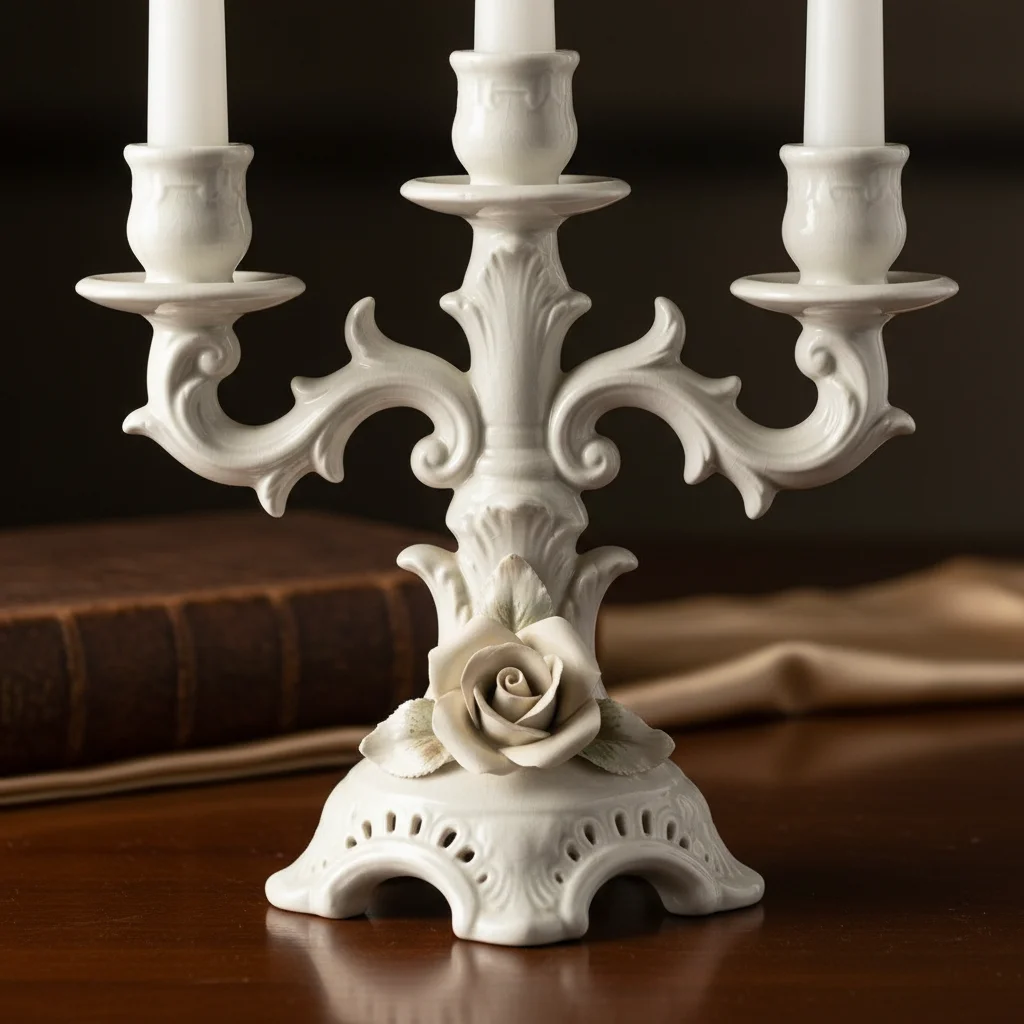
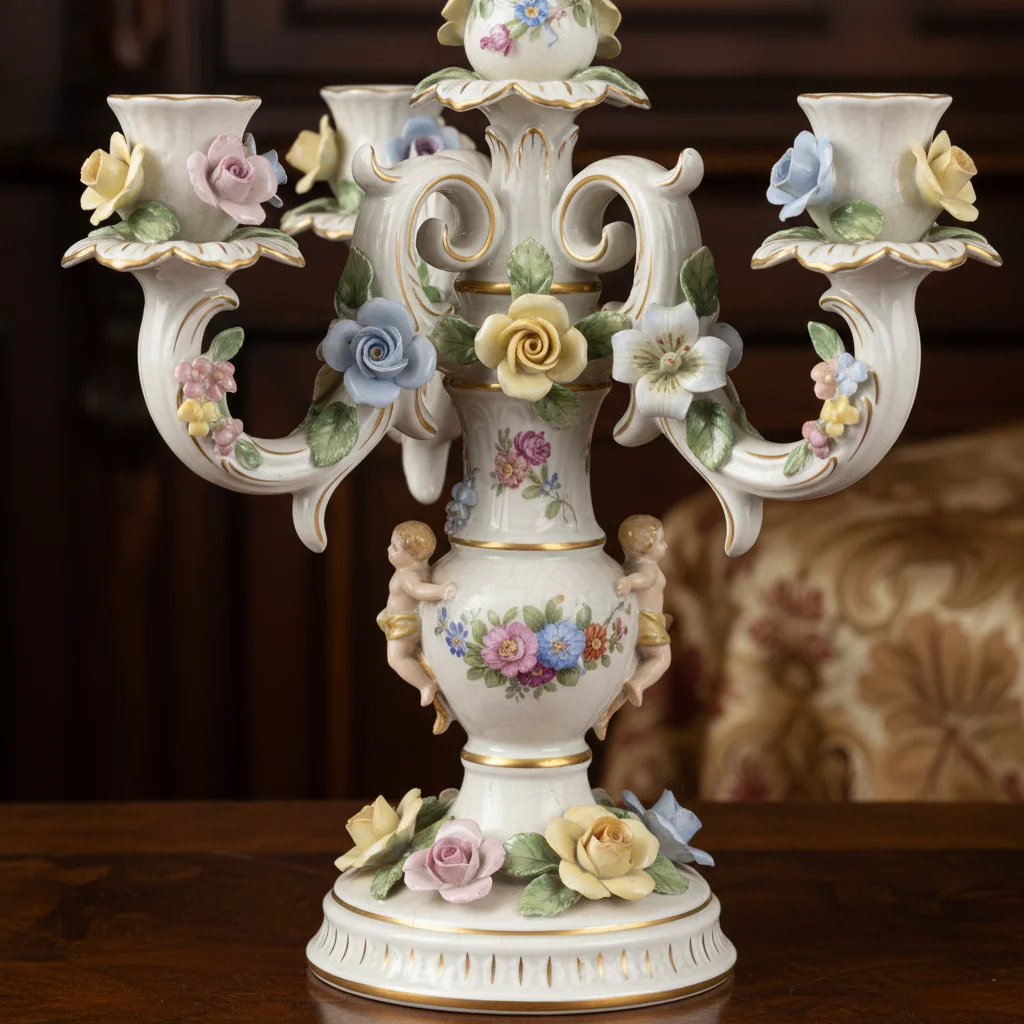
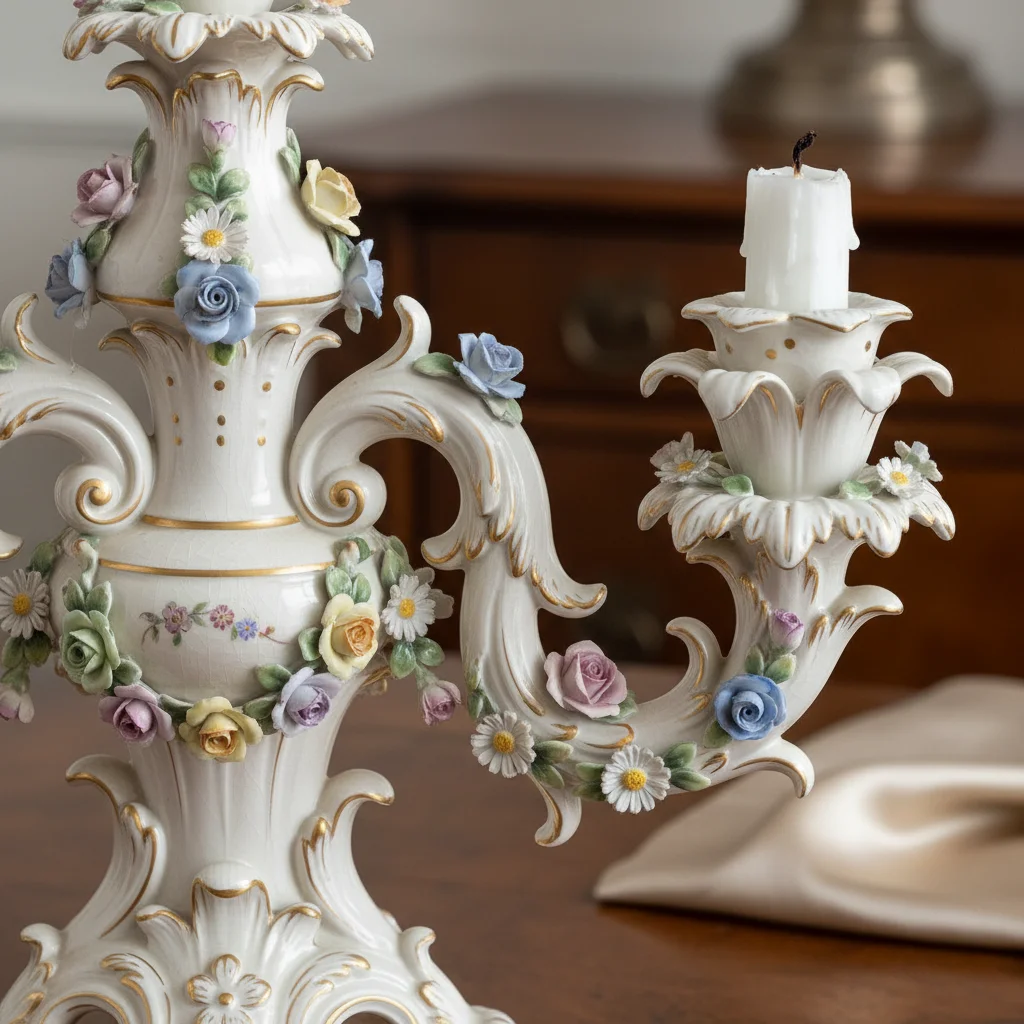
For interior items (vases, candlesticks), it's useful to take both detailed shots (maker's mark, chips) and a panoramic photo in a setting so the buyer can imagine how the item will look in their home.
For jewelry, it is recommended to take photos on a mannequin or a person (on a hand, on the neck) to show how the piece looks when worn.
For coins, high-quality images of the obverse, reverse, and edge are sufficient. You can also take a photo at an angle to demonstrate the relief.
Creating the perfect listing: description and photos
Successful Sales Strategy: From Service to Platform Choice
To compete with professional sellers, a private individual should adopt their best practices. Buyers trust professionals more because they offer guarantees, good service, and convenient terms.
To increase trust, a private seller can:
Guarantee a 14-day return policy.
Guarantee authenticity (e.g., that a ring is genuinely gold).
Offer free shipping (by including its cost in the price beforehand).
Accept secure payment methods, such as PayPal.
Offer combined shipping for the purchase of multiple lots.
A nice addition would be a small bonus with the purchase, such as a discount on the next item or a themed souvenir. It's also useful to maintain contact with buyers: after some time, you can send an email offering new items related to their interests, thereby building a base of regular customers.
The most expensive and valuable items are best sold at specialized auctions. To get the maximum price, you need to thoroughly research the subject, visit forums, and consult with antique shops. However, remember the rule: do not sell where you received an appraisal or consultation. On classifieds sites, such as eBay Kleinanzeigen, prices are usually 10-15% lower because there are no commission fees.
Successful sales strategy: from service to platform choice