How to Appraise an Antique Book: From Economics to Ex-Libris - AUCBURG | AUCBURG
How to Appraise an Antique Book: From Economics to Ex-Libris
Antiquarian book collecting is a sub-field of collecting centered around books. However, determining the value of an old edition is no simple task. The market operates by its own rules, and to understand how much a particular book might be worth, one must turn to basic economic principles.
The Basics of Pricing: Supply, Demand, and the Antiquarian Market
Antiquarian book collecting is a sub-field of collecting centered around books. However, determining the value of an old edition is no simple task. The market operates by its own rules, and to understand how much a particular book might be worth, one must turn to basic economic principles.
In economics, there is the concept of an equilibrium price, which is formed at the intersection of the supply and demand curves. This principle, known as the 'Marshallian Cross,' determines the ideal value of a good. However, in the antiquarian market, it can be extremely difficult to determine the existence and volume of supply and demand, especially when dealing not with world masterpieces, but with more common items.
Common Misconceptions Among Book Owners
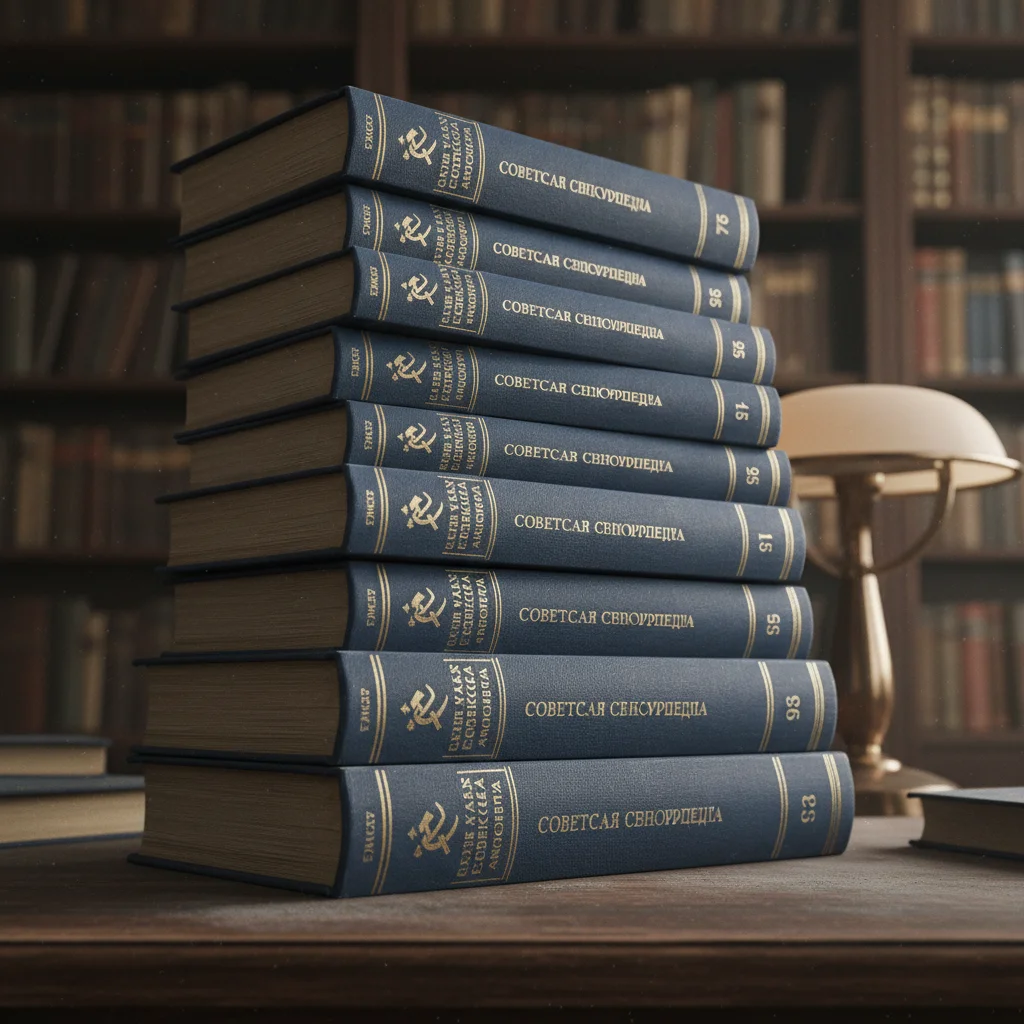
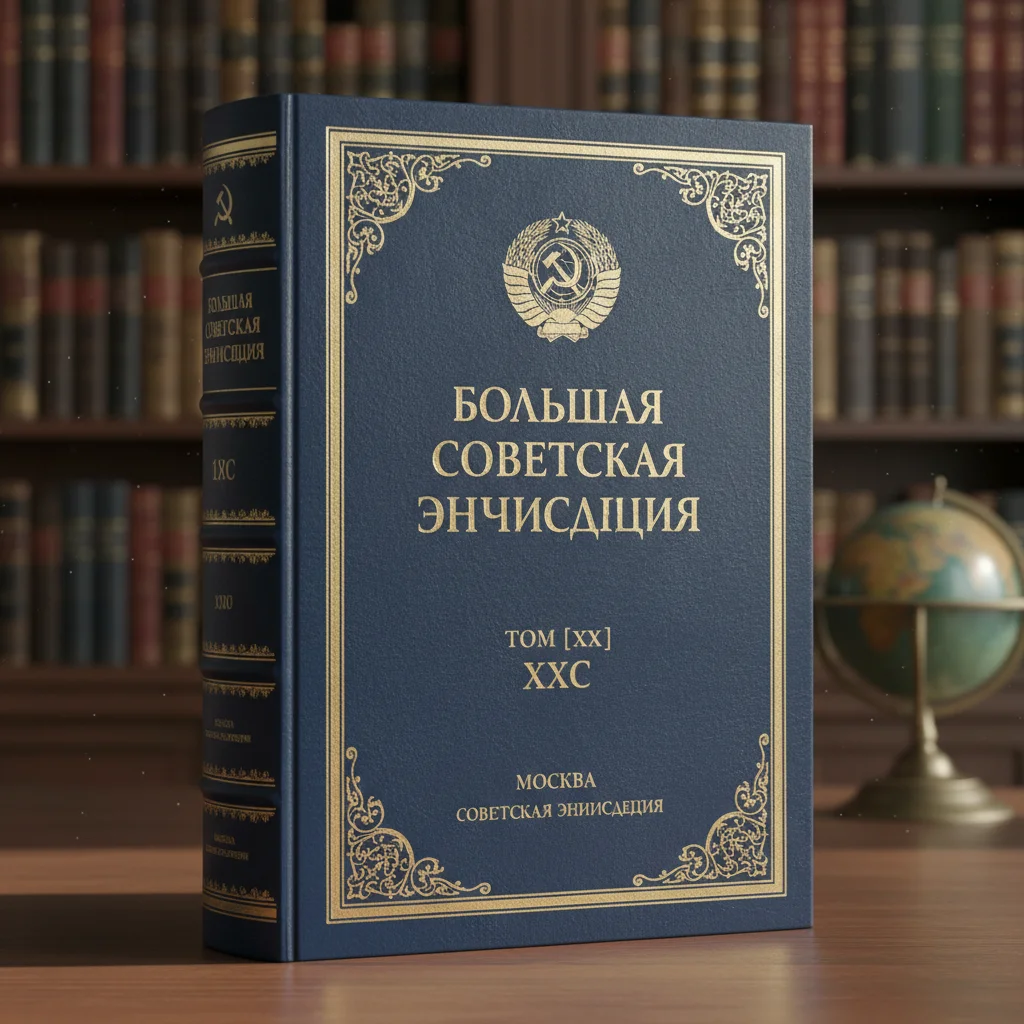
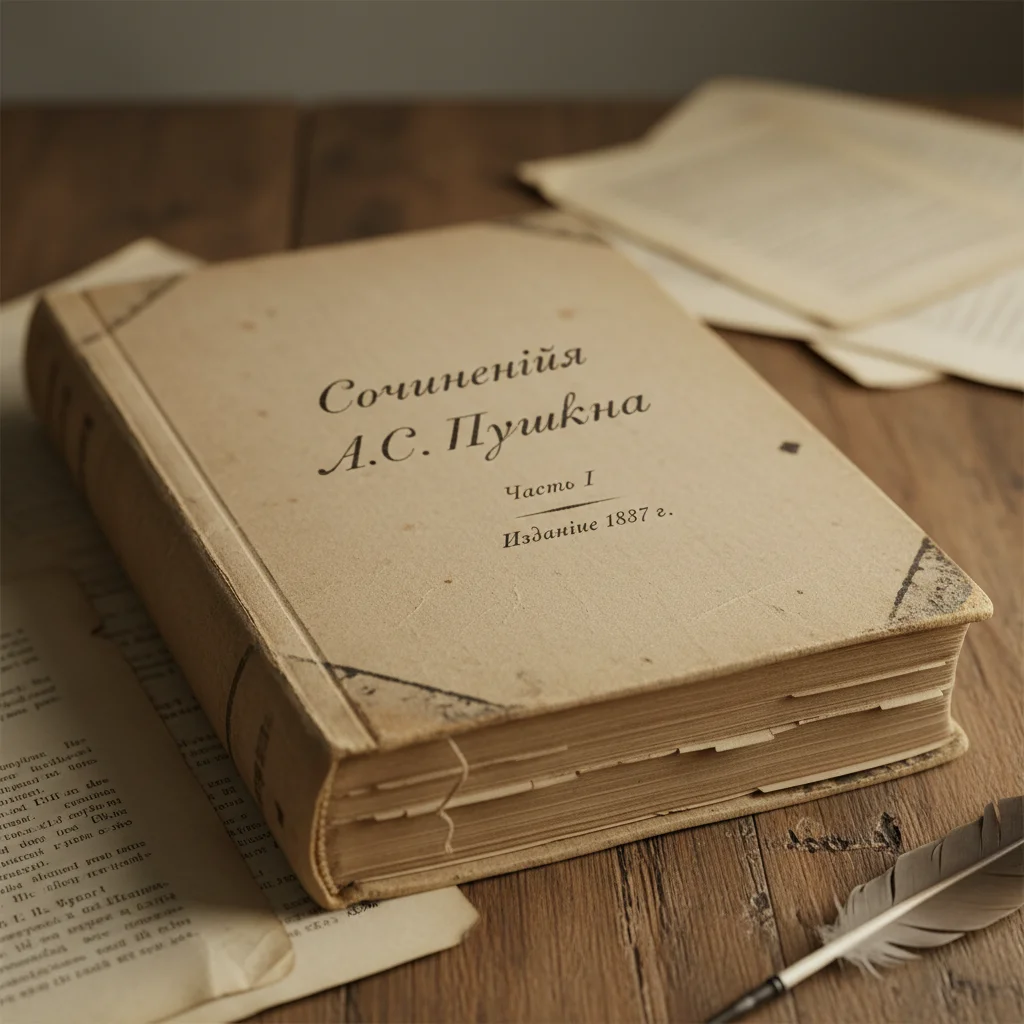
Many owners of old books wonder about their value. For example, how much might a lifetime edition of Pushkin or a Soviet encyclopedia from the 1950s be worth? More emotional stories are also common: "I inherited a Bible from my grandmother, why won't anyone buy it for a million rubles?"
Such questions arise from common misconceptions. Often, owners who discover an old book in their possession hope to solve all their financial problems with a single sale, without having a clear idea of its real market value. This leads to inflated expectations and disappointment when no buyer is found.
Common misconceptions among book owners
The Two Sides of the Market: Buyers and Sellers
The antiquarian market consists of two key parties: those who want to sell and those who want to buy. Buyers can be broadly divided into two categories. On one hand, there are collectors who are knowledgeable about the subject and seek specific, rare items to add to their collections. On the other hand, there are ordinary people looking for an unusual gift or who simply want to own an object with a history.
At the same time, sellers often lack sufficient knowledge to adequately appraise their items. For example, on popular online marketplaces, one can find listings for a "16th-century antique handwritten Bible." However, genuine rarities of this level require expensive expert appraisal (around 60,000-70,000 rubles) and are sold at specialized auctions, exhibitions, or through art dealers, where there is always a demand for them.
The two sides of the market: buyers and sellers
Factors That Increase a Book's Value
Several key factors can significantly increase the value of an antique book. It's important to pay attention not only to the year of publication but also to the unique features of the specific copy.
These factors include:
First edition. The very first issue of a work is always valued more highly than subsequent reprints.
Author's autograph. An inscription or a simple signature from the author, especially if they are a significant figure (like Nobel laureate Boris Pasternak), can increase the price into the millions.
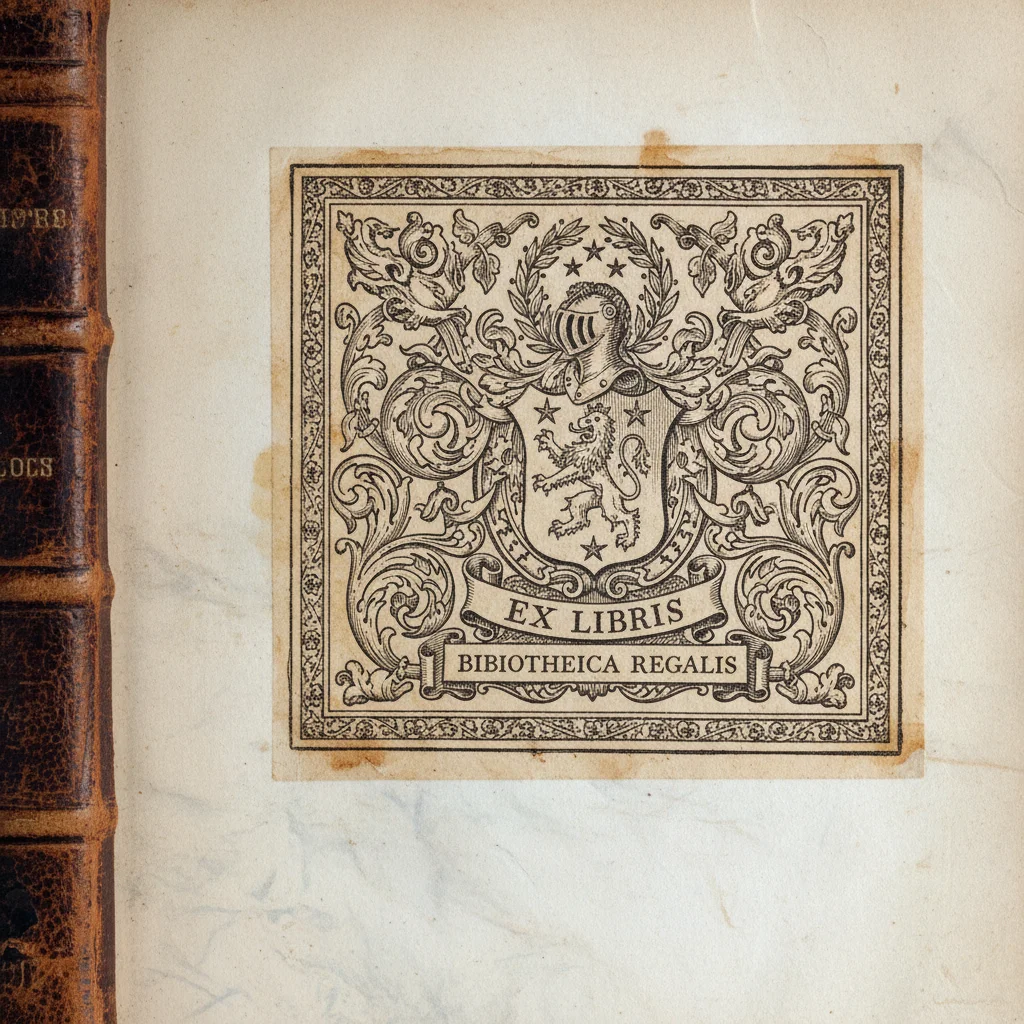
Provenance. The presence of an ex-libris (bookplate) indicating the book belonged to the library of a famous person (for example, Count Orlov) significantly increases its value.
Quality binding. A good, original cover, especially with embossing or gilding, is also an important pricing factor.
Factors that increase a book's value
What Decreases a Book's Value?
Along with factors that increase the price, there are also those that decrease it. Even a very old book can be inexpensive if it has certain flaws or is a mass-produced edition.
The value of a book can be reduced by:
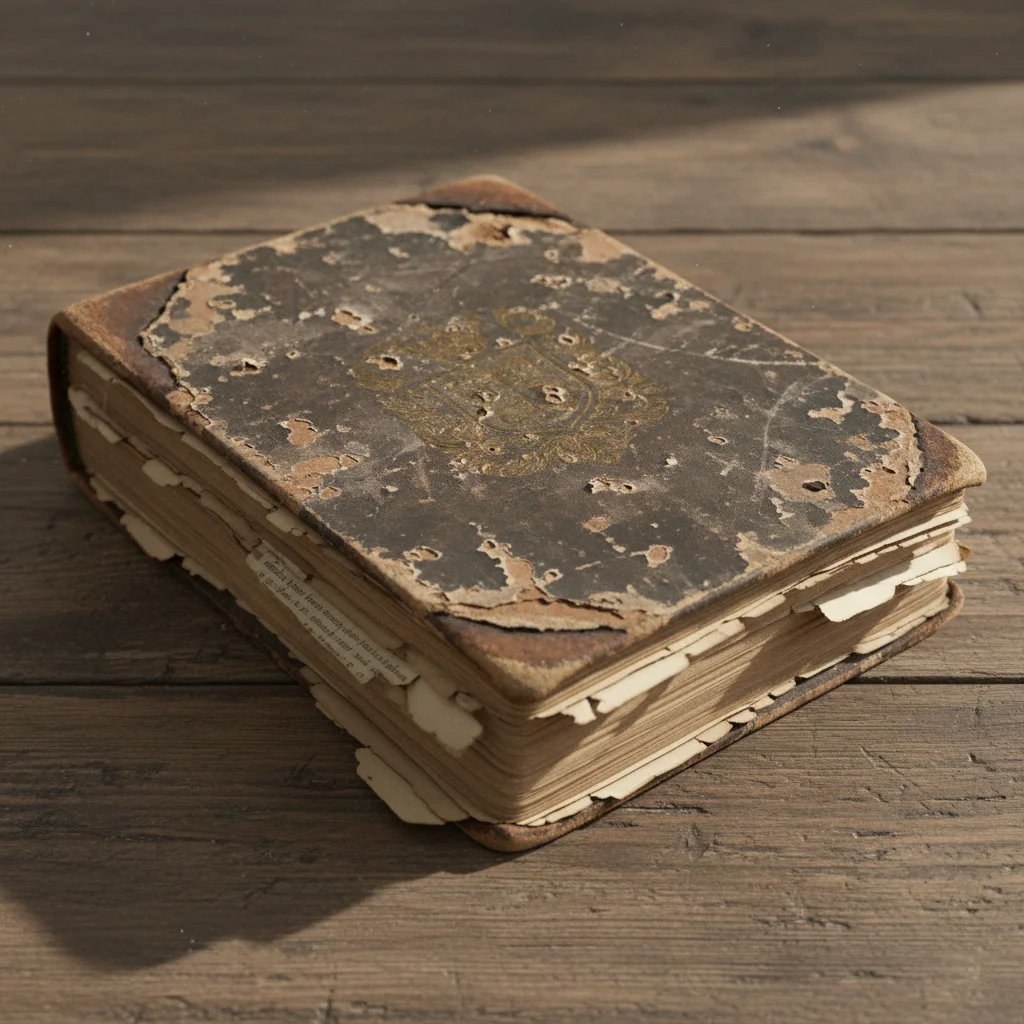
Poor condition. A worn or torn cover, a damaged endpaper, signs of mice or moisture—all of these negatively affect the price.
Replaced binding. If the original cover was lost and replaced with a new one, even a high-quality one, the edition's value drops. Books from rural libraries with soft covers were often rebound in more durable ones, but this is no longer the original.
Mass production. Some types of books, such as most editions of the Bible, Soviet encyclopedias, or lives of the saints, were published in large print runs and are widely available, so their price is not high.
What decreases a book's value?
Illustrations and Dating
Technique
Description
Woodcut (Xylography)
An engraving on wood. The image is carved into a wooden block, from which a print is then made.
Lithography
An engraving on stone. The principle is the same as with a woodcut, but stone is used as the base.
Metal engraving
The image is carved onto a metal plate, often followed by acid etching.
The presence of engravings, especially original ones created by the author, can make a book more valuable. It is important to understand that these are not handwritten drawings, but prints. There are different techniques for creating them.
The exact publication year of an old book in Old Church Slavonic can be determined in several ways. Often, at the end of the book, in a section with a blessing, the name of the reigning sovereign is mentioned (for example, Nikolai Alexandrovich — Nicholas II). Additionally, on the title page, the date may be indicated by letters of the Old Slavonic alphabet, which had numerical values (Az - 1, Buki - 2, Vedi - 3, etc.).
Illustrations and dating
Examples of Real Market Value
The value of books varies greatly depending on many factors. For example, common church books, such as the 'Trebnik' (a priest's service book) or 'Slovnik' (a book of general knowledge), are inexpensive.
A typical Soviet book is valued in the range of 100 to 500 rubles. A complete set of the Soviet encyclopedia in good condition can cost around 5,000-6,000 rubles. This is due to their large print runs.
A lifetime edition of Pushkin, despite its significance, can be found for sale for 15,000 rubles. This is not as much as it might seem and is explained by a fairly large print run. However, some rare editions of Pushkin, depending on their condition and format, can cost 100,000 or even 200,000 rubles.