Buying Antiques at Fairs and Flea Markets: Tactics and Legalization of Goods
Purchasing antiques from private individuals or at flea markets often occurs without accompanying documents, such as a sales contract or receipt. This creates problems with the subsequent legalization and accounting for the item, especially for those conducting official business activities. The lack of documentary proof can raise questions from the tax authorities (Finanzamt) and law enforcement agencies.

Legalizing Purchases Without Documents: The Legal Basis
Purchasing antiques from private individuals or at flea markets often occurs without accompanying documents, such as a sales contract or receipt. This creates problems with the subsequent legalization and accounting for the item, especially for those conducting official business activities. The lack of documentary proof can raise questions from the tax authorities (Finanzamt) and law enforcement agencies.
There is a legal way to document such a purchase so that it is recognized by official authorities. This not only allows for proper accounting but also provides legal protection, allowing the owner to "sleep soundly." Proper documentation confirms your ownership rights to the acquired item.
Antique Fairs (Messe): A Meeting Place for Professionals
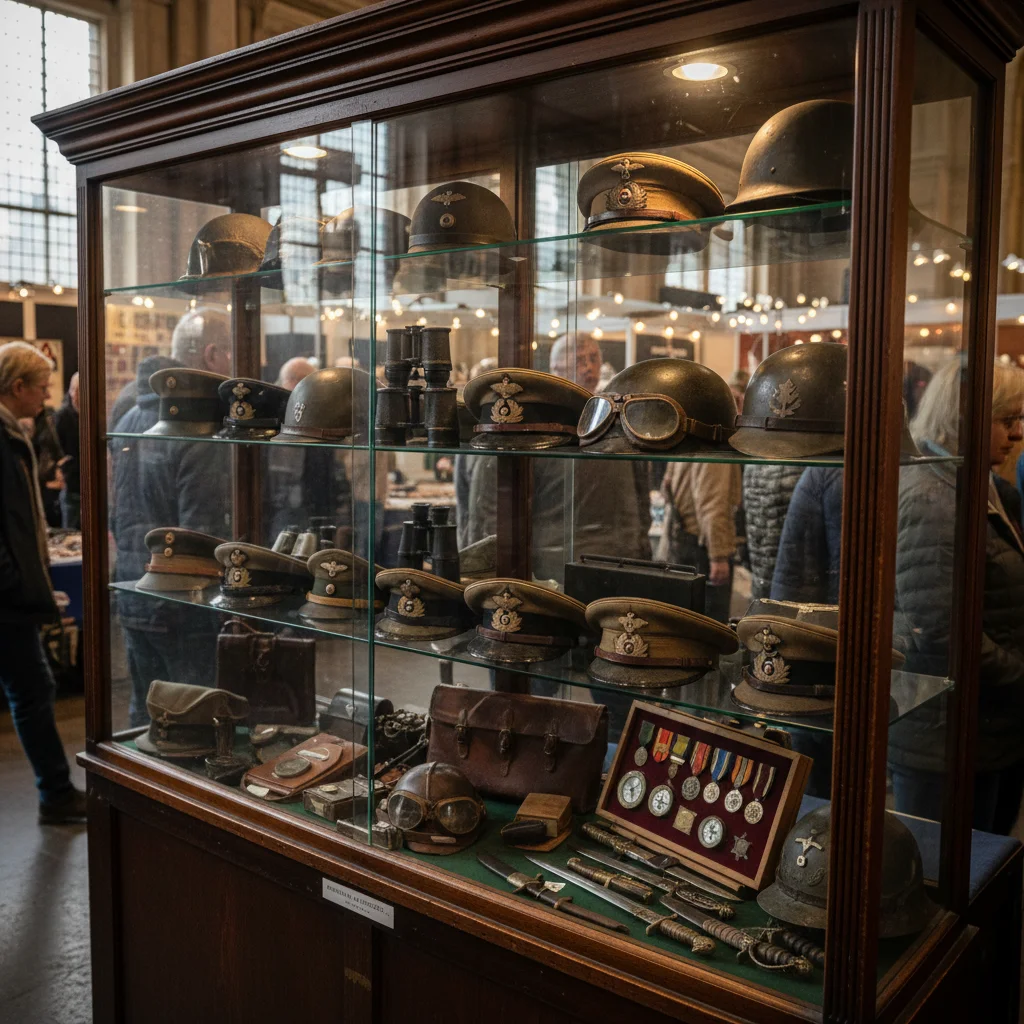
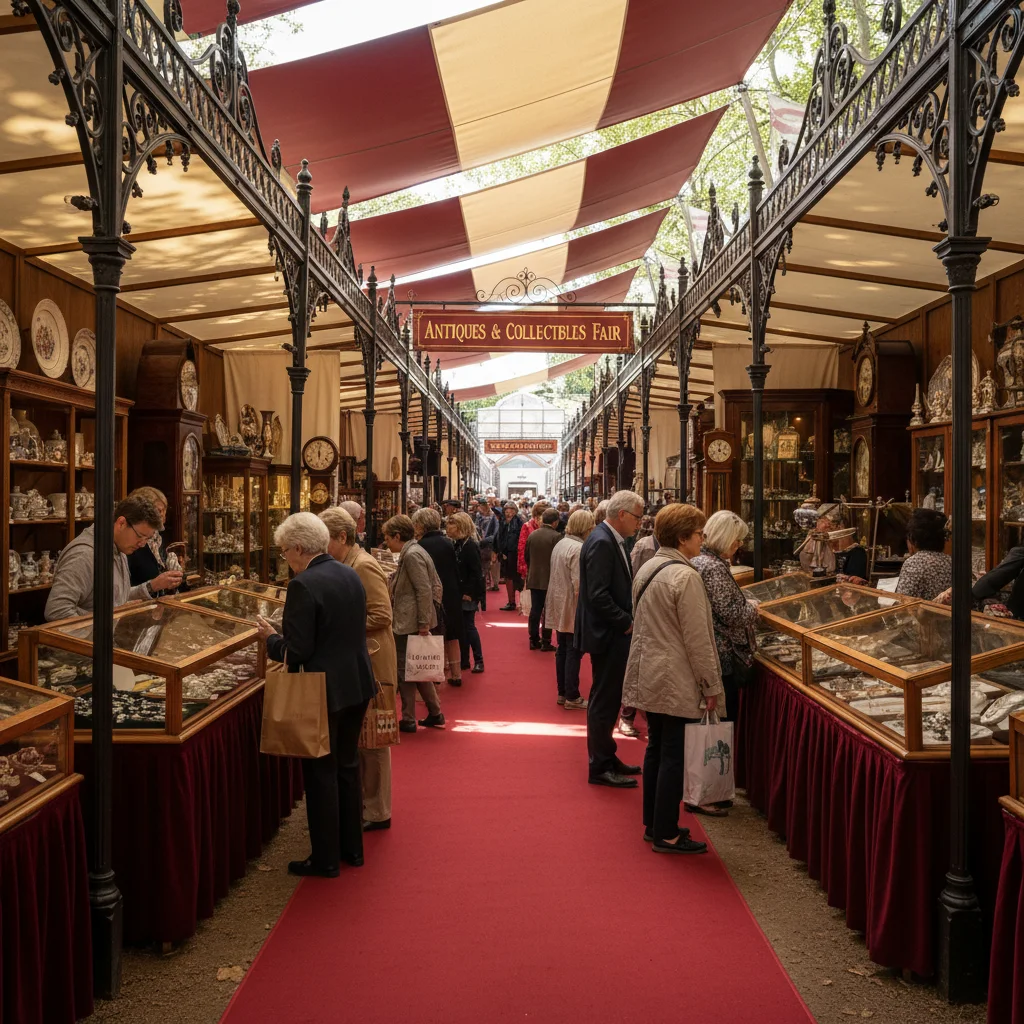
Besides auctions, a significant venue for acquiring antiques are specialized fairs and exhibitions, known in Germany as Messe. They serve as a platform for profitable and interesting finds, gathering many participants of the antique market under one roof.
Antique fairs can be divided into two main types:
- General fairs, which feature a wide range of items, from coins to furniture.
- Specialized exhibitions dedicated to specific areas, such as numismatics, weapons, or antique furniture.
All the necessary information about upcoming fairs throughout Germany—schedules, locations, participant lists, and admission fees (Eintrittsgeld)—can be found on the specialized website messe.de. This allows you to plan your visits a year in advance.
Tactics for Visiting Fairs: How to Get the Most Value
Visiting an antique fair is not just an opportunity to buy something at a good price, but also a way to have a great time, immersing yourself in a special atmosphere. Sellers, buyers, experts, and dealers meet here, creating a unique environment for exchanging news and knowledge. At such events, you can get free catalogs and literature, which usually cost 10-30 euros, and also consult with experts.
Purchases at fairs are considered safer in terms of counterfeits, as most sellers are professionals. Additionally, you can see how collections are properly displayed and acquire the necessary accessories. If an item has a red dot sticker on it, it means it has already been sold.
For maximum effectiveness, it is recommended to visit the fair twice. The first time is right at the opening (usually on a Friday or Saturday) to find the best items before competitors do. The second time is near closing (for example, on Sunday afternoon), when sellers become more willing to negotiate and are ready to lower prices to avoid taking the goods back with them.
Flea Markets (Flohmarkt): Hunting for Treasures Among Junk
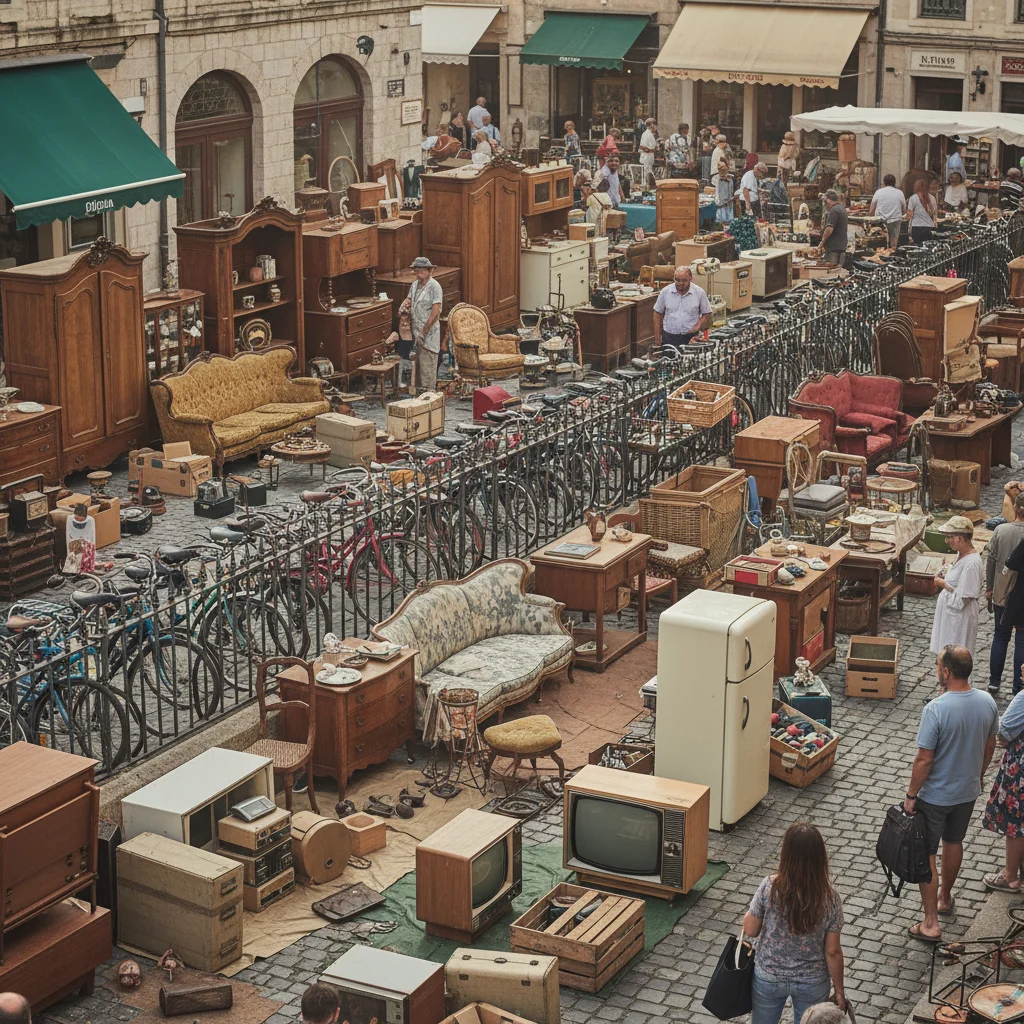
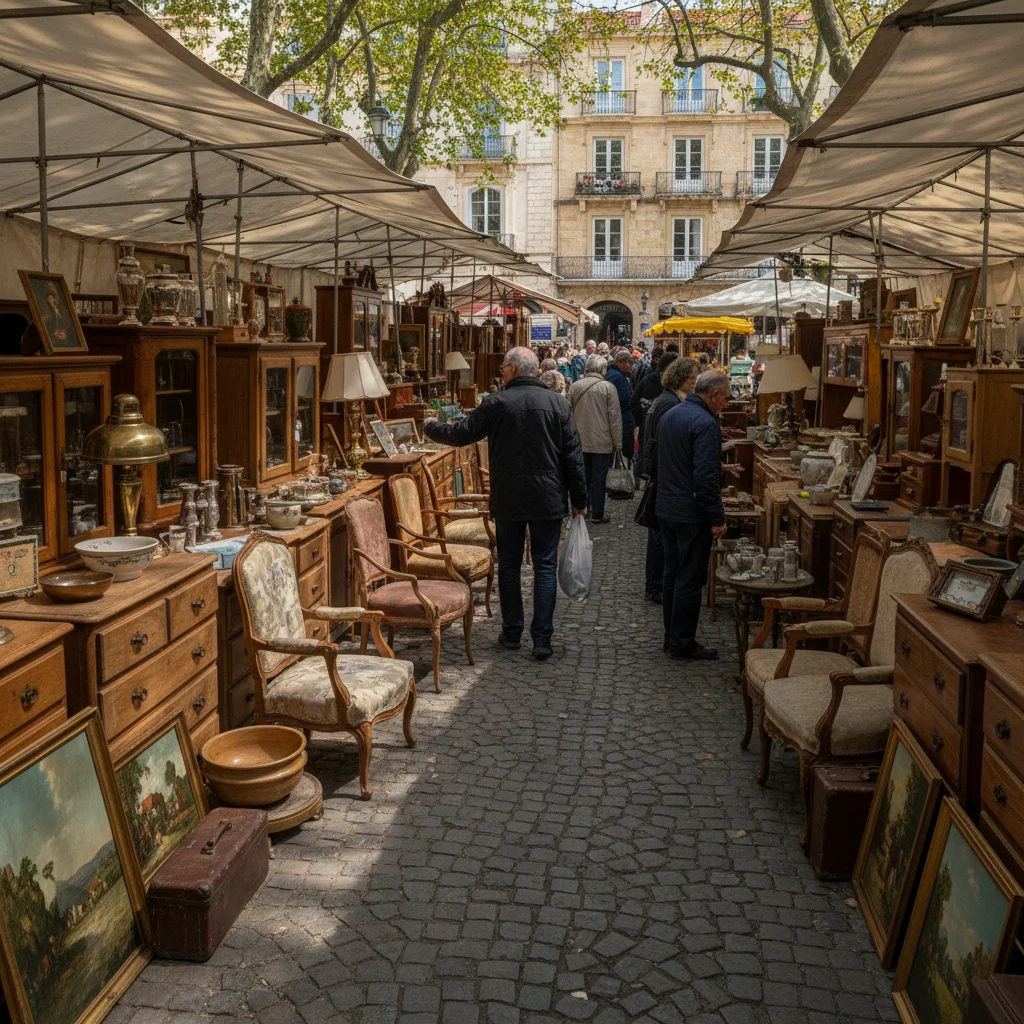
Flea markets, or Flohmarkt, are another important place to search for antiques. They have changed a lot over the past 20 years: more professional sellers have appeared, which has led to higher prices. Many now also use online platforms, such as eBay Kleinanzeigen, to sell their goods.
Despite this, it is still possible to make good deals at flea markets by following certain rules. Like fairs, they can be general or thematic, even purely antique-focused. Information about their schedules and locations can be found online for your region.
In Hamburg and other German cities, there are also permanent stall markets that operate seven days a week. Here you can find many used items, including household appliances and tools. Among this variety, you can often find worthy antique items.
Flea Market Strategy: From Bargaining to Buying
The tactic for visiting a flea market is similar to the strategy for fairs. It is recommended to go twice: the first time right at the opening (at 6-8 AM) to quickly look around and find the most interesting items. The second time is towards the end of the day, when sellers are more willing to bargain.
Success at a flea market largely depends on your bargaining skills. It's important to be friendly (freundlich), especially with German sellers, and approach the dialogue with humor. Always have cash in small bills with you. It is customary to start bargaining by offering one-third of the asking price. Don't believe the words "this is my final price"—keep haggling.
If you come with a companion, don't approach the seller together. Let one person go first, and the second can later casually remark that the price is too high. The main rule is to never show your excitement about a find. To lower the price, you can first buy a small, inexpensive item as a distraction, and then, as if by the way, inquire about the desired object.
Eigenbeleg: Legal Documentation for a Purchase Without a Receipt
| Term | Description |
| Flohmarkt | Flea market. |
| Finanzamt | The tax authority in Germany. |
| Steuerberater | A tax consultant who often performs accounting functions. |
| Eigenbeleg | A self-created document (receipt) to prove an expense when the original is missing. |
| Glaubwürdig | Trustworthy, credible, plausible. |
In Germany, ownership of an item is determined by the fact of its possession. However, if you don't have a document confirming the purchase, complications arise. Firstly, if someone claims the item was stolen, you will have to prove the legality of your acquisition. Secondly, without a receipt or contract, an accountant (Steuerberater) cannot book the item, and the tax authority (Finanzamt) will not recognize the expense.
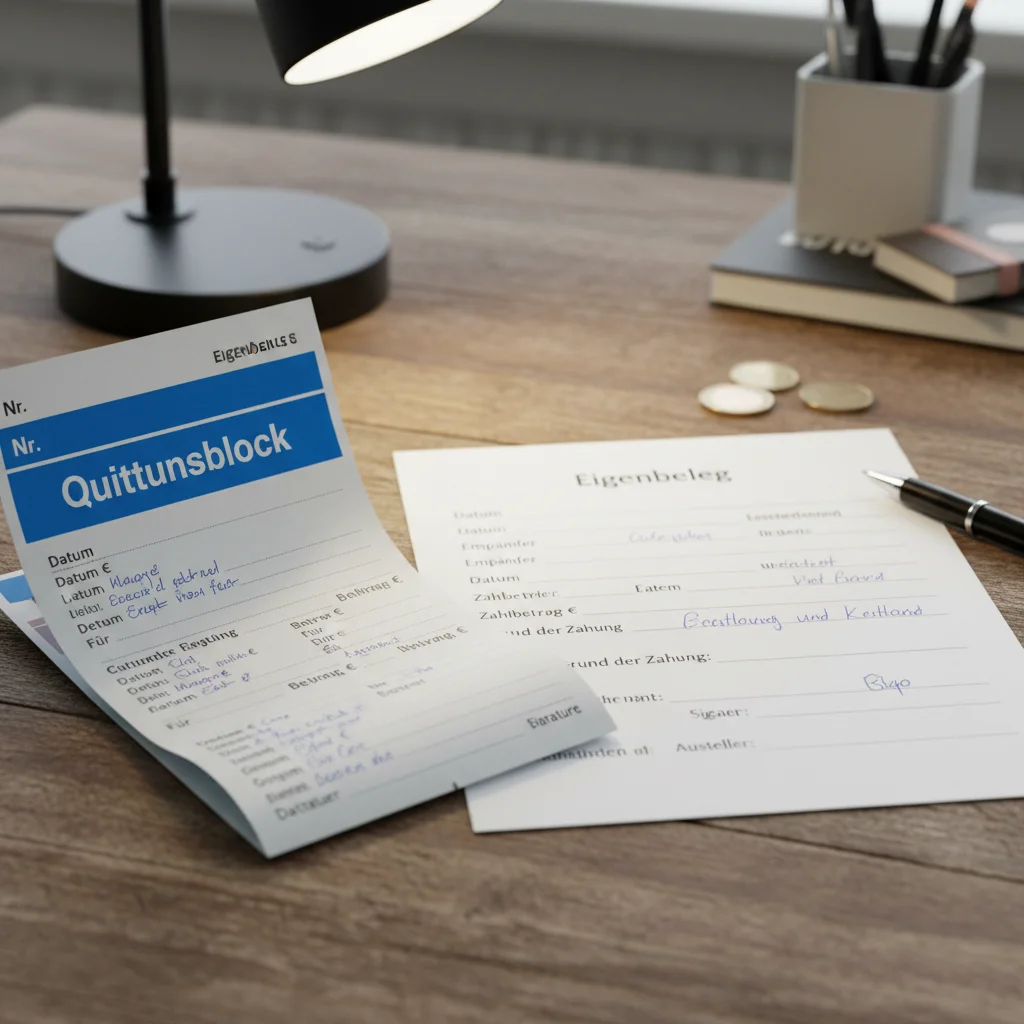
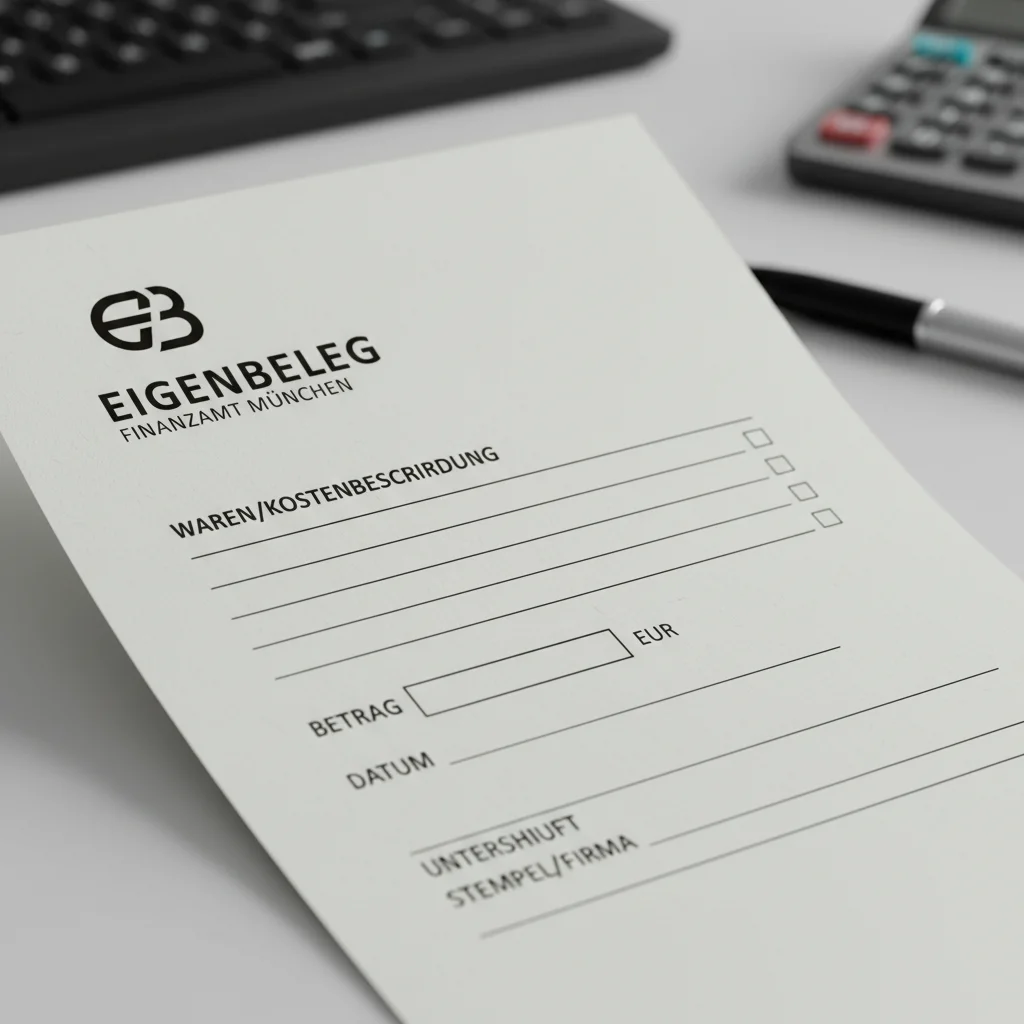
For such situations, German law provides for the concept of an Eigenbeleg—a self-created document that confirms a purchase. You have the right to create one if the original receipt was lost, damaged, or the seller refused to issue one.
This document serves as the legal basis for booking the item and confirming your ownership rights.
Creating an Eigenbeleg: A Step-by-Step Guide
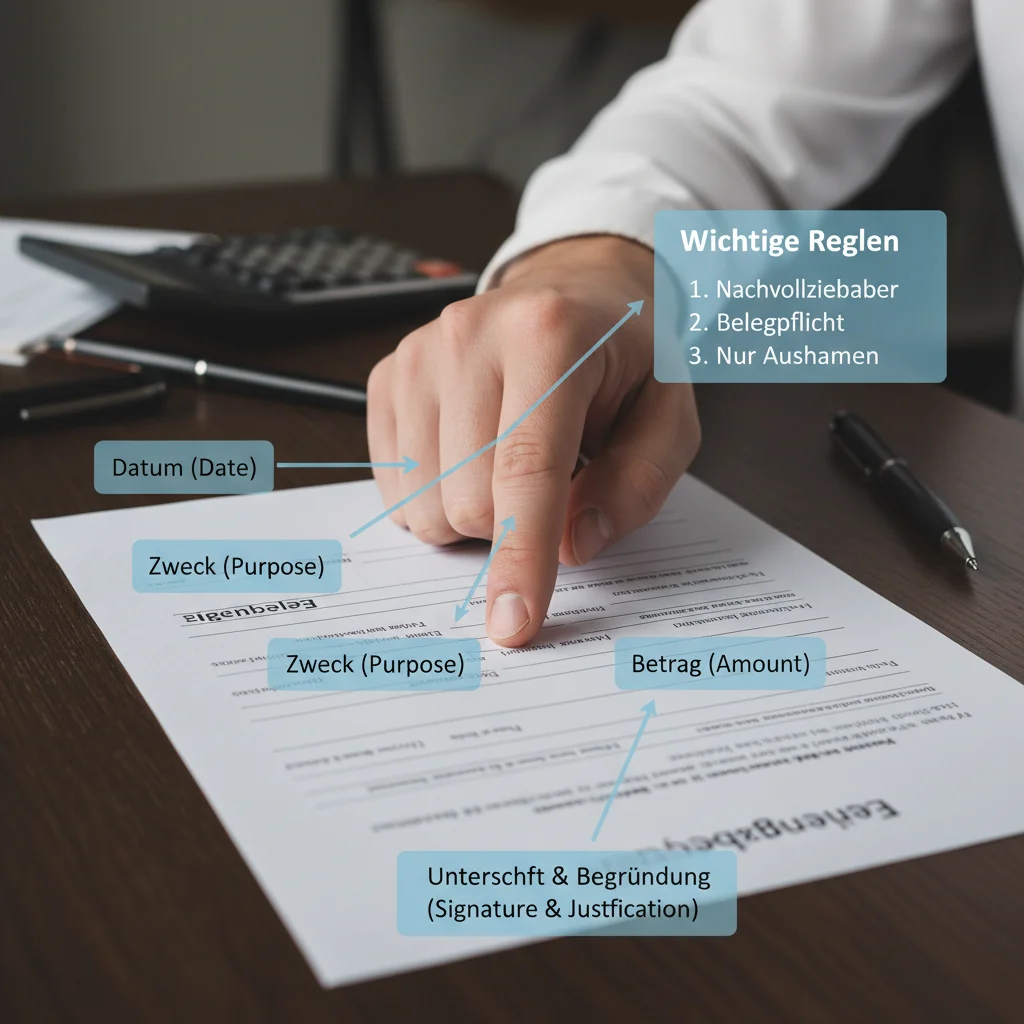
Although there is no strict format for an Eigenbeleg, the law specifies what information it must contain. For the document to be recognized, you must include the following details:
- Your details: your company's information or your personal information as a private individual.
- Document number and date: assign it a unique number (e.g., 17/2020) and specify the date of creation.
- Purchase amount: state the amount in numbers and words.
- Seller's details: if the seller is unknown (e.g., at a flea market), specify the place and time of purchase ("gekauft auf dem Flohmarkt," date, time, stall number, if any).
- Description of the item: this is the most important part. The description should be as detailed as possible—type of item, materials (marble, bronze), dimensions, manufacturer, serial numbers, and any existing defects (e.g., "broken leg").
- Reason for creation: state the reason, for example, "original receipt was not issued" (Originalbeleg wurde nicht erstellt).
- Your signature.
It is important not to artificially inflate the purchase amount to reduce taxable income, as tax authorities can detect this. The more detailed and honest the Eigenbeleg is, the more trustworthy it will be.
Additional Evidence: How to Secure Your Purchase
To make the Eigenbeleg even more convincing, you can supplement it with other evidence. It is recommended to attach a photograph of the purchased item to the document and indicate your internal inventory number, if you have one.
When buying at a flea market, it is useful to carry a receipt book (Quittungsblock) and ask the seller to at least sign under the amount and the item's name. It's also a good idea to discreetly take a panoramic photo or a short video of the stall, showing your item, the seller, and their surroundings. Although photographing people without their consent is forbidden in Germany, in the event of an ownership dispute, such a photo can become significant proof of a legal acquisition.
If the purchase is made through eBay Kleinanzeigen, be sure to print out the listing. When you go to pick up the item from a private individual, take a photo of the nameplate on their doorbell or mailbox in the entryway and write down the address. All these steps create a paper trail and make your position credible (glaubwürdig) in the eyes of official authorities.