Antiques, Vintage, Junk: How to Distinguish and Determine Value - AUCBURG | AUCBURG
Antiques, Vintage, Junk: How to Distinguish and Determine Value
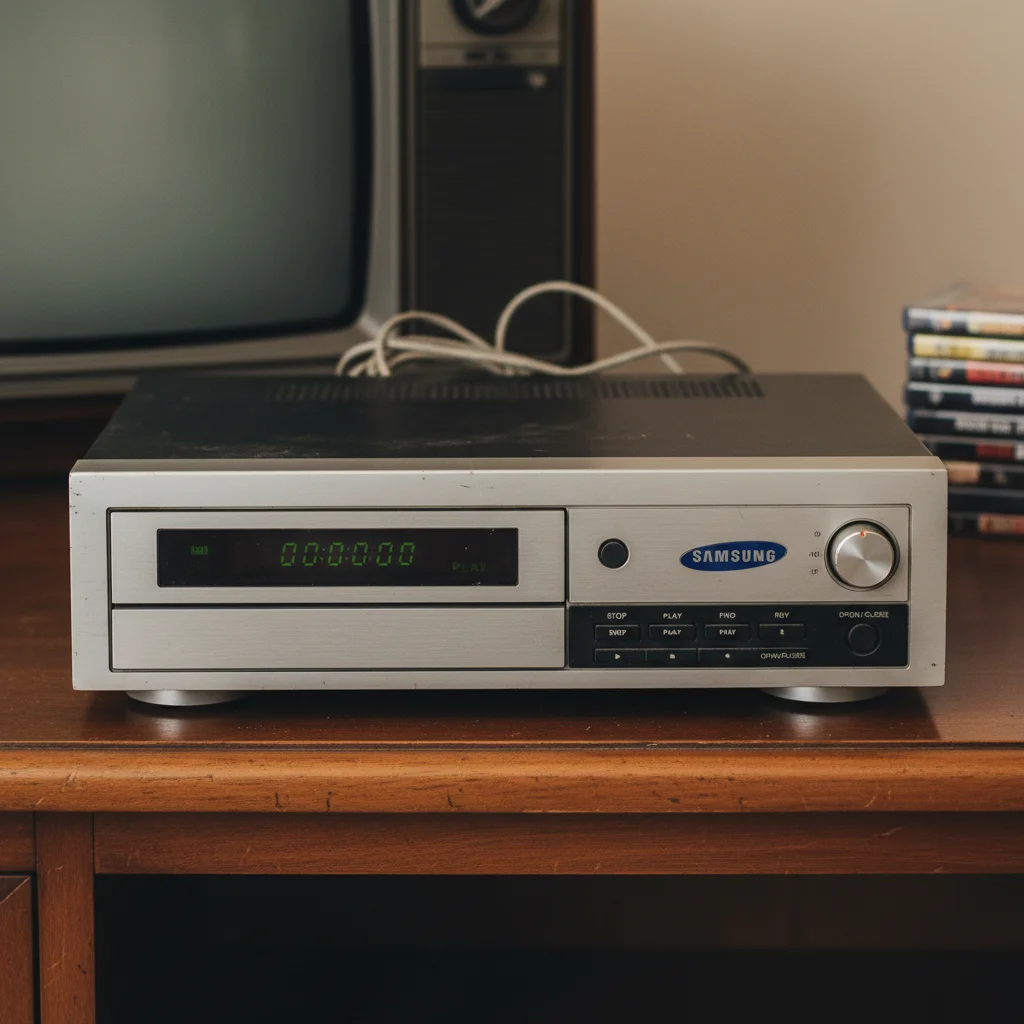
To quickly understand the categories of old items, you can use a simple 'generational' method. It helps to perform an initial sorting and understand what you are dealing with, whether it's an item from the recent past or a piece with a century of history.
To quickly understand the categories of old items, you can use a simple 'generational' method. It helps to perform an initial sorting and understand what you are dealing with, whether it's an item from the recent past or a piece with a century of history.
The main principle is to determine which generation of your family the original owner of the item belonged to. This allows you to intuitively divide items into three main categories.
The Formal Definition of Antiques
Besides the simple method, there are stricter definitions. It's important to distinguish between the terms 'antiquarian' and 'antique,' as the former refers to an expert person, and the latter to the items themselves.
An antiquarian is a person who is knowledgeable about old items and can professionally determine their purpose, value, and market price. An antique, on the other hand, is a category of items that meet certain criteria.
The key formal characteristic of an antique is its age—it must be over 50 years old. However, age alone is not enough. A mandatory condition is the possibility of identification: determining the author, date, and place of production.
The Formal Definition of Antiques
Hidden Treasures in Everyday Life
Many antique items are so ingrained in daily life that their owners may not even suspect their true value. Ordinary-looking items inherited from ancestors can turn out to be real treasures.
Often, people pay no attention to old furniture or decorative items, considering them just part of the decor. However, it is among such things that rare and expensive pieces of interest to collectors and connoisseurs can be hidden.
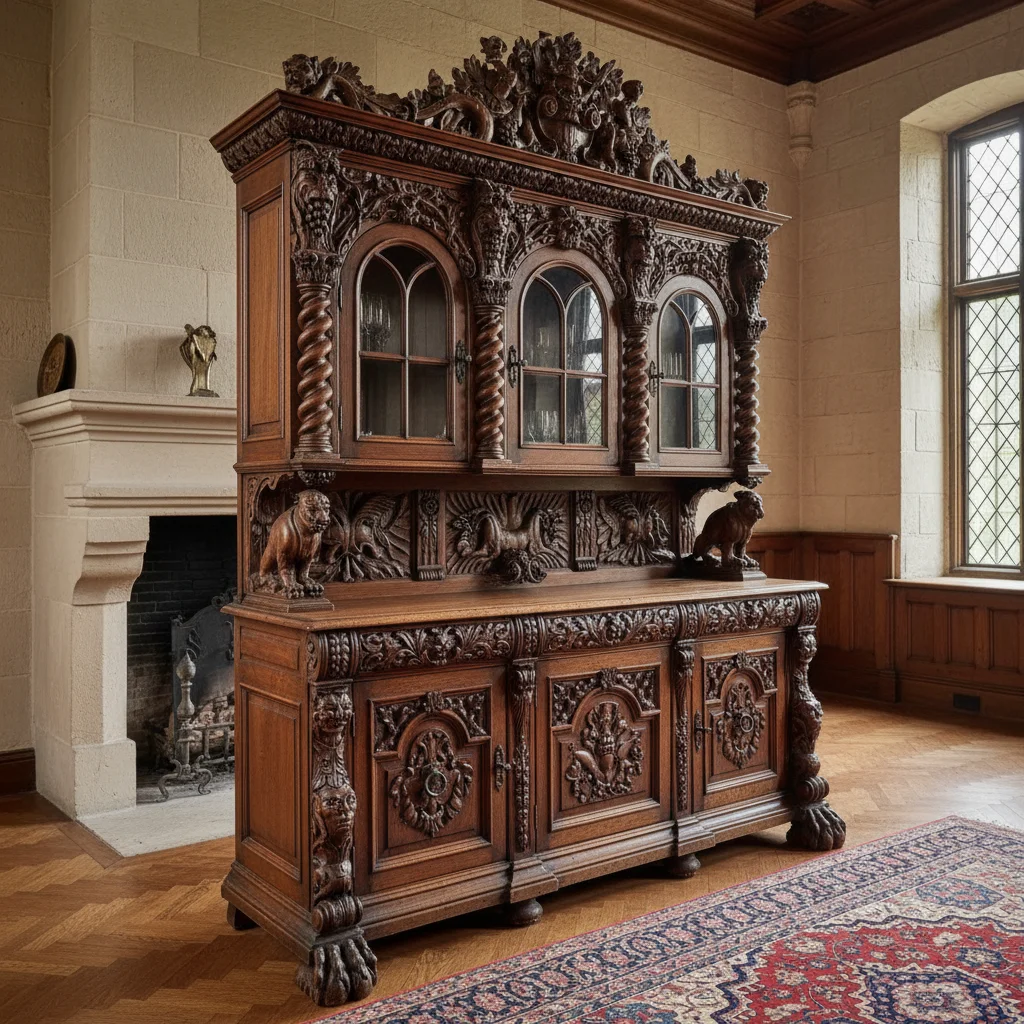
A great-grandmother's cabinet, taken to the dacha, might turn out to be a rare late 19th-century Russian buffet worth 400,000 ₽.
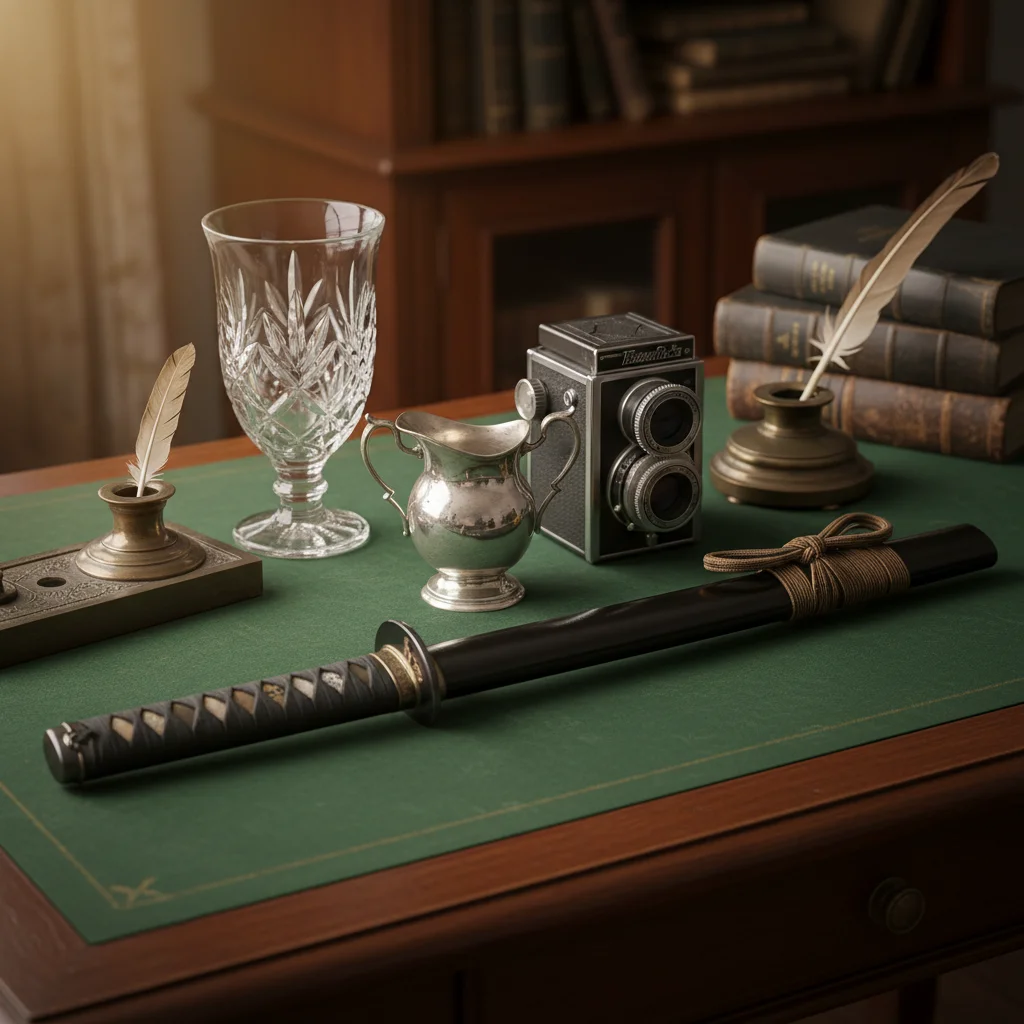
A great-grandfather's saber from the attic could be a shashka with a 'Gurda' mark, known in the Caucasus since the 18th century, and be worth 250,000 ₽.
A child's toy in the shape of a shiny animal could be a rare Russian bronze 'Bulldog' by E. Naps from 1894, valued at 150,000 ₽.
A stone weight on a cabbage barrel might turn out to be a marble bust by the Florentine sculptor P. Barranti from 1899, worth 500,000 ₽.
Hidden Treasures in Everyday Life
The Seven Elements of Antique Value
The antique value of an item is not a random quantity. It is formed from a combination of several key factors, each contributing to the final appraisal. Understanding these elements helps to determine the potential of an old item.
The final antique value and, consequently, the market price of an item are formed from various combinations of these components. For a comprehensive assessment, each of these points must be analyzed.
Material Value
Date of Production
Manufacturer
Difficulty of Replication
Edition Size
Provenance (legend)
Condition
The Seven Elements of Antique Value
Analyzing the Value of 1894 Shoes
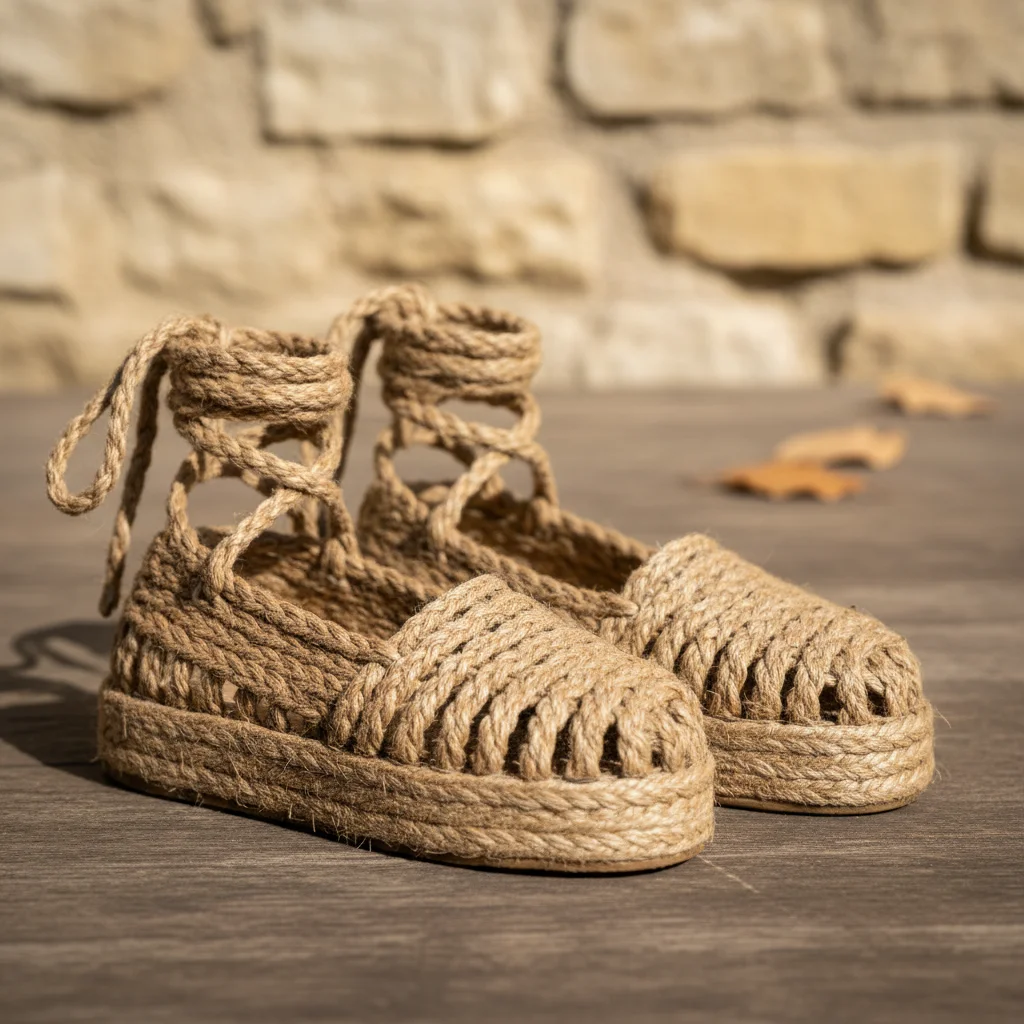
Let's consider antique value using a specific example: shoes from 1894. The material value, in this case, is almost zero, as it's likely just leather and wood. The date of production, of course, adds historical value to the item.
A well-known manufacturer's brand might slightly increase its collectible value. The difficulty of replication is not a significant factor for shoes, as modern technology can recreate any model. The edition size, however, plays a key role: were the shoes custom-made or mass-produced? Uniform army footwear is of the greatest interest to collectors.
Provenance becomes the key factor. If a photograph of a historical figure wearing similar shoes can be found, it creates a legend and significantly increases the historical value. For shoes over 100 years old, their condition has little impact on their practical or decorative value. The circle of potential buyers is very narrow: clothing collectors, a shoe workshop for decoration, or a museum.
Analyzing the Value of 1894 Shoes
Value and Price: What's the Difference?
It's important to understand that not every old item is an antique in the full sense of the word. True antiques are typically valuable items originally made from expensive materials. Old shoes, cast-iron irons, or sewing machines most often fall into the category of 'everyday items.'
Any old item has a certain value, whether it's historical, cultural, or memorial. However, not every one of them has a market price. Old shoes might be interesting to a narrow circle of specialists but will not have a high monetary valuation on the broader market.
Using a classification scheme based on types of value allows one to quickly distinguish antiques from vintage items and junk. This approach also helps identify the circle of potential buyers and, after monitoring the market, form an approximate price for the item.