Sèvres Porcelain Attribution: From Theory to Practice - AUCBURG | AUCBURG
Sèvres Porcelain Attribution: From Theory to Practice
The identification and attribution of Sèvres porcelain is one of the most complex and interesting topics in the world of antiques. This is because the antiques market is literally flooded with forgeries passed off as genuine items from the Sèvres Manufactory.
The identification and attribution of Sèvres porcelain is one of the most complex and interesting topics in the world of antiques. This is because the antiques market is literally flooded with forgeries passed off as genuine items from the Sèvres Manufactory.
Many items presented on online platforms and in antique shops under the guise of Sèvres porcelain actually have no connection to it. This problem is global in scale and poses serious challenges for collectors and experts alike.
The Scale of the Problem: 95% Are Fakes
According to leading specialists, art historians, and auction house experts dealing with Sèvres porcelain, up to 95% of the items sold on the market as Sèvres are not. This means that the vast majority of pieces marked with the famous manufactory's brand are imitations or outright forgeries.
This vast number of forgeries has emerged for historical reasons. For nearly three hundred years, numerous manufactories, both large and small, as well as private workshops, have resorted to various tricks to pass off their products as those of Sèvres.
The Scale of the Problem: 95% Are Fakes
Systematizing Knowledge about Antiques
For an in-depth study of the world of antiques, a project was created in the format of a video encyclopedia, consisting of separate volumes, each dedicated to a specific topic. The first three volumes have already been released, providing fundamental knowledge about European porcelain.
Volume 1: 18th-Century French Porcelain.
Volume 2: The Sèvres Manufactory.
Volume 3: 'Geniuses of Imitation and Kings of Forgery'.
The final volume is crucial for understanding the porcelain market, as it delves into the subject of forgeries and imitations, a topic essential for navigating this field.
Systematizing Knowledge about Antiques
Specifics of Sèvres Identification
The attribution of Sèvres porcelain has its own unique specifics, distinguishing it from working with products of other manufactories, for example, Meissen. However, it is not the most difficult—identifying an unmarked item from a little-known English or German manufactory of the 18th century can be much harder.
The main secret to successfully identifying Sèvres lies in having specific knowledge. If a person possesses it, they can distinguish a genuine piece from a fake. The Sèvres manufactory followed its own unique path of development, facing difficulties that gave rise to many nuances important for attribution.
Specifics of Sèvres Identification
Soft-Paste and Hard-Paste Porcelain: The Key Difference
Type of Porcelain
Production Period at Sèvres
Features
Soft-paste porcelain
until 1802
The main type of production in the 18th century.
Hard-paste porcelain
from 1769
Produced simultaneously with soft-paste for over 30 years.
One of the most important aspects in attributing Sèvres items is the ability to distinguish soft-paste porcelain from hard-paste. In the 18th century, the Sèvres manufactory produced specifically soft-paste porcelain, which differed greatly in composition and properties from the hard-paste porcelain produced, for example, at Meissen.
From 1769, the manufactory began to produce hard-paste porcelain as well, and for over 30 years, both types were produced in parallel. The production of soft-paste porcelain was discontinued only in 1802 by the decision of the manufactory's director, Alexandre Brongniart. Understanding these differences is critically important for correct dating and determining authenticity.
Soft-Paste and Hard-Paste Porcelain: The Key Difference
'Whiteware': The Fate of Undecorated Porcelain
The identification of Sèvres porcelain is further complicated by the existence of so-called 'whiteware'—undecorated porcelain items. During the French Revolution, the manufactory faced financial difficulties and, to improve its situation, sold off its undecorated blanks.
More than 20,000 such items accumulated in warehouses and were sold to anyone who wanted them. These blanks ended up in other workshops and with private artists, where they were decorated. They were painted in England, Germany, Russia, and at other French manufactories.
As a result, items appeared on the market that are Sèvres in form and material, but their decoration was done elsewhere. In fact, such pieces are not considered authentic items from the Sèvres manufactory, which creates significant difficulties in attribution.
'Whiteware': The Fate of Undecorated Porcelain
A Practical Approach to Attribution
The fourth volume of the video encyclopedia is built on a practical approach. Initially, various items are shown—from auctions, shops, flea markets, and museums. Viewers are invited to try to attribute these items themselves, applying the knowledge they have gained.
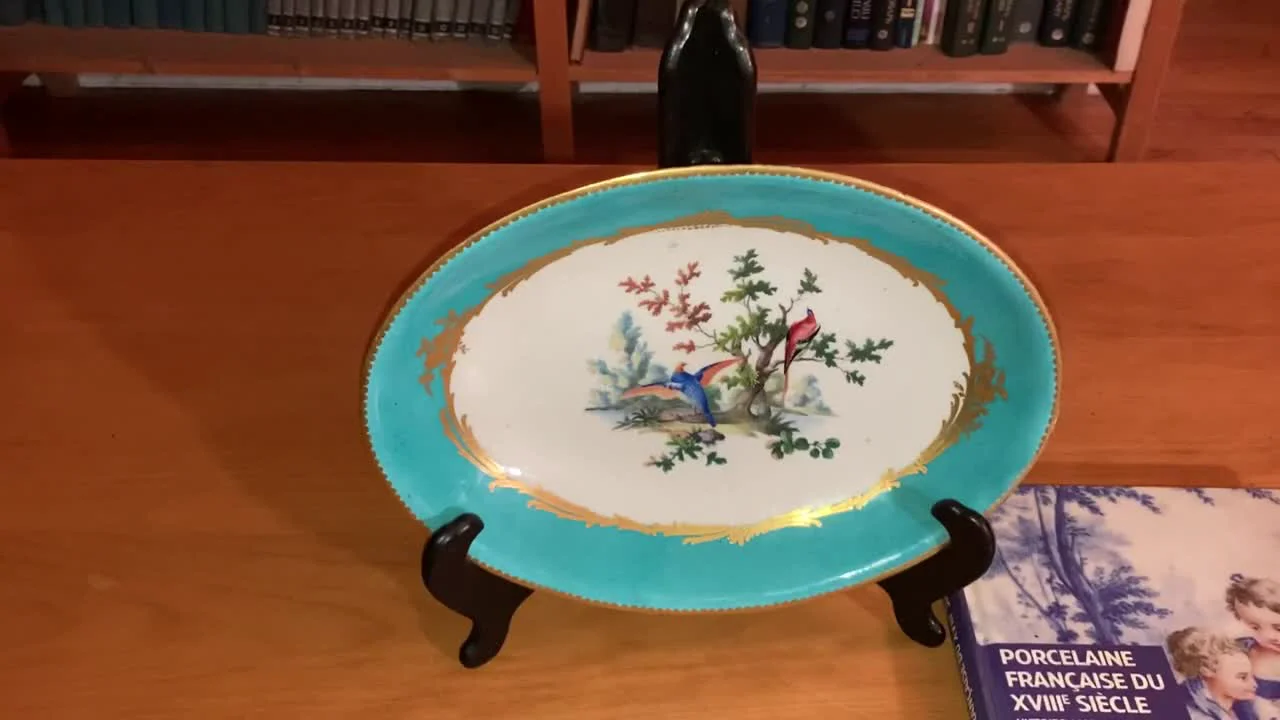
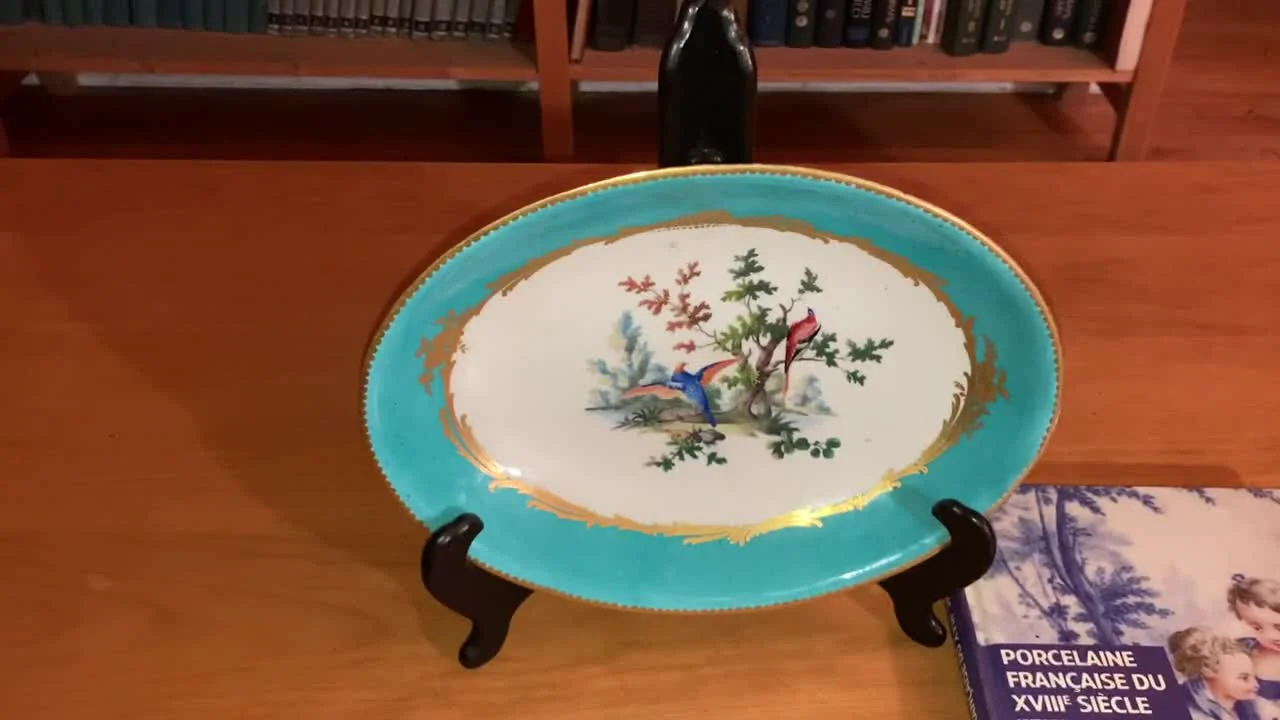
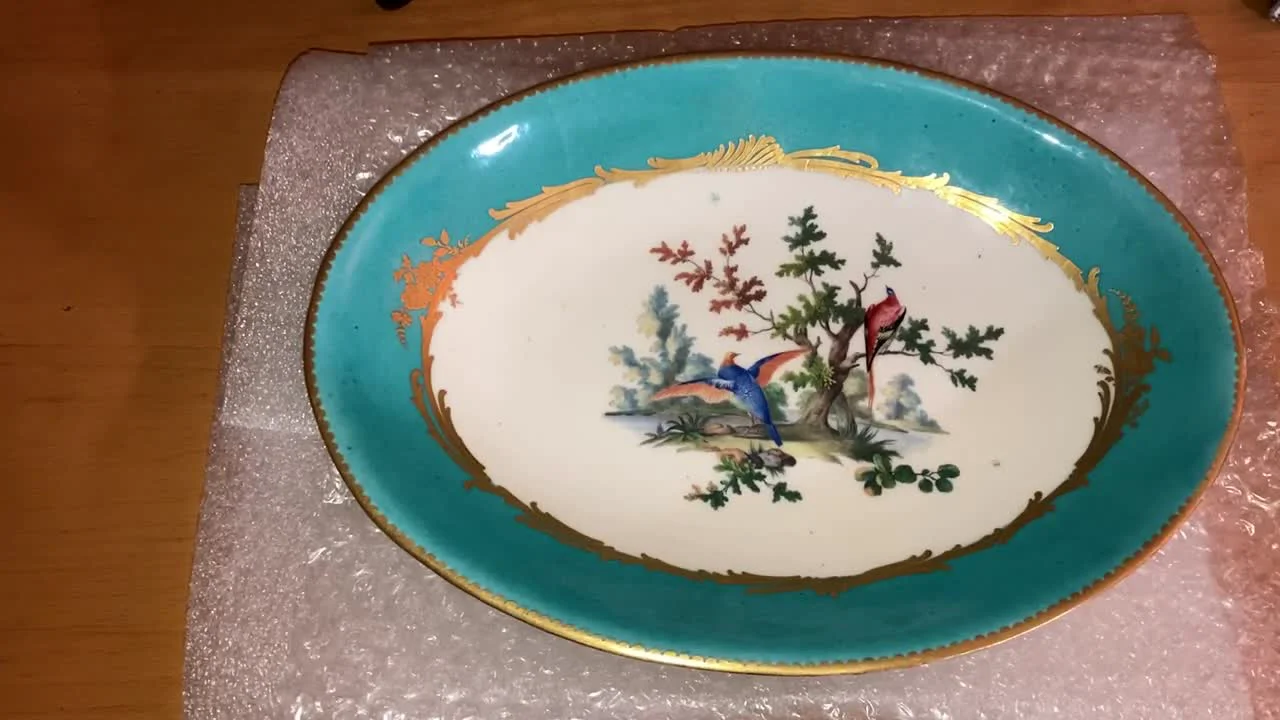
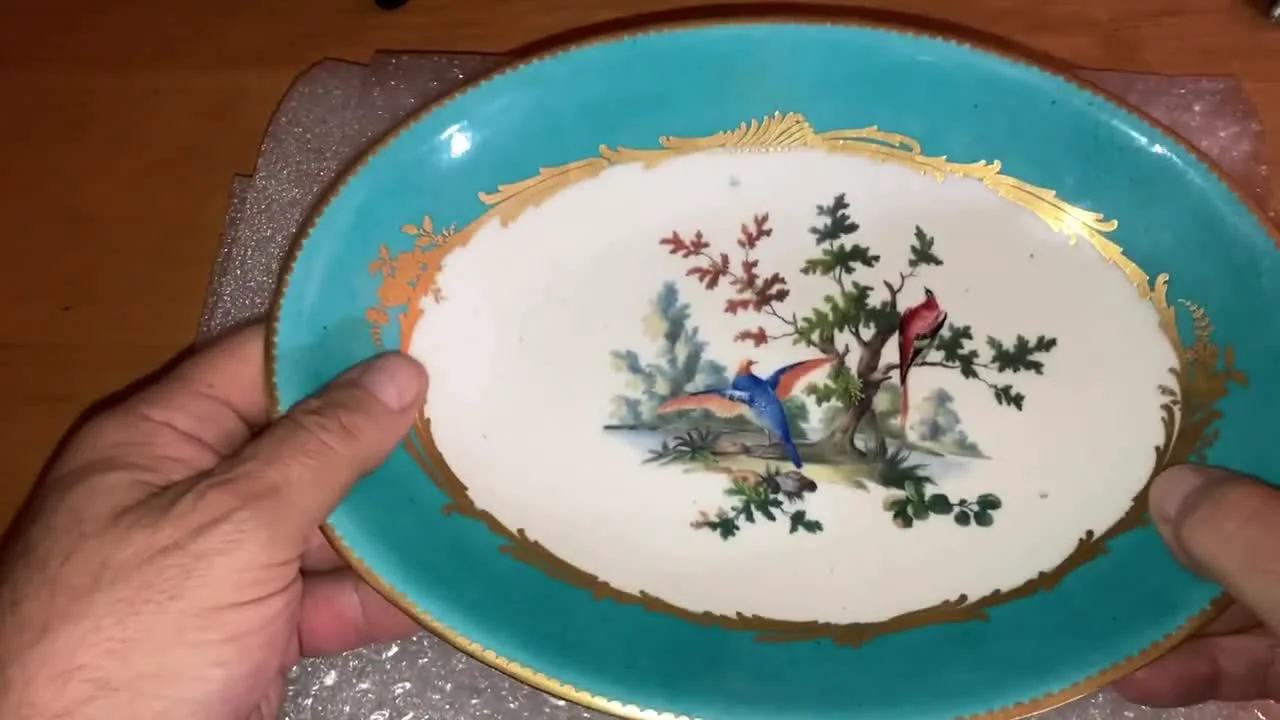
Subsequently, a detailed analysis and correct attribution are provided for each item. For example, a Sèvres-style plate with characteristic painting and a mark on the back can turn out to be either genuine or a skillful imitation. Only a detailed analysis of all technical aspects, from the type of porcelain paste to the features of the decoration, allows one to draw the correct conclusion.
Interestingly, the Sèvres manufactory, unlike Meissen, did not produce polychrome porcelain figurines, focusing instead on the production of its famous unglazed 'biscuit' porcelain. Knowledge of its manufacturing technology also helps distinguish authentic sculptures from numerous forgeries.