
Collector's Guide
Step-by-step instructions for beginners. Term dictionaries, storage guides, legal and tax advice.
Articles (310)
Page 14 of 16
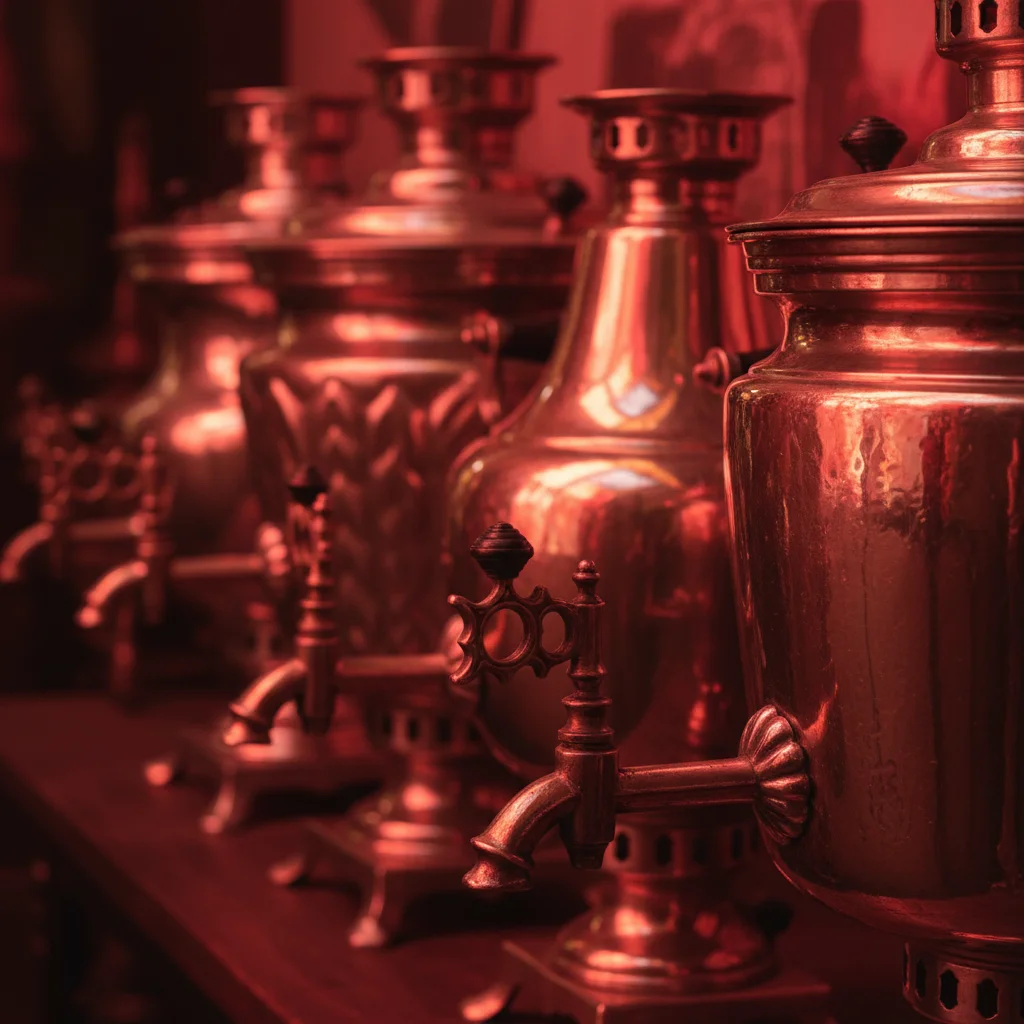
How an Antique Shop Works: Value, Stories, and Risks
Antique shops house items that have escaped the landfill and been given a second life. Here, you can find a gramophone from the turn of the 19th-20th centuries that still works, and its crackling record lets you feel the taste of time, unlike modern studio recordings.
History of ThingsCollector's Guide
Read More →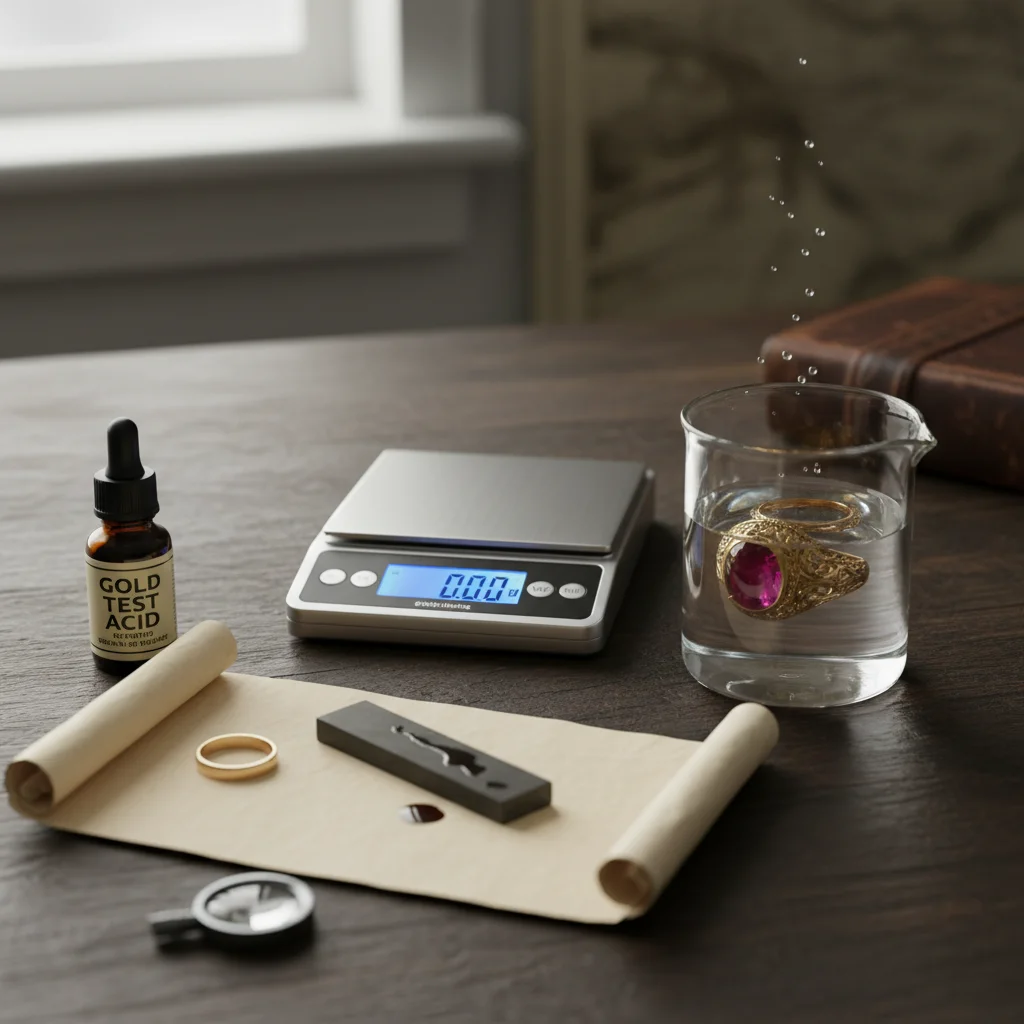
How to Determine Gold Purity at Home: The Hydrostatic Weighing Method
There is a simple method that allows you not only to verify the authenticity of gold but also to determine its purity at home. This method is known as hydrostatic weighing. It doesn't require complex equipment—all you need are accurate scales, a glass of water, a thread, and a piece of paper for notes.
ExpertiseCollector's Guide
Read More →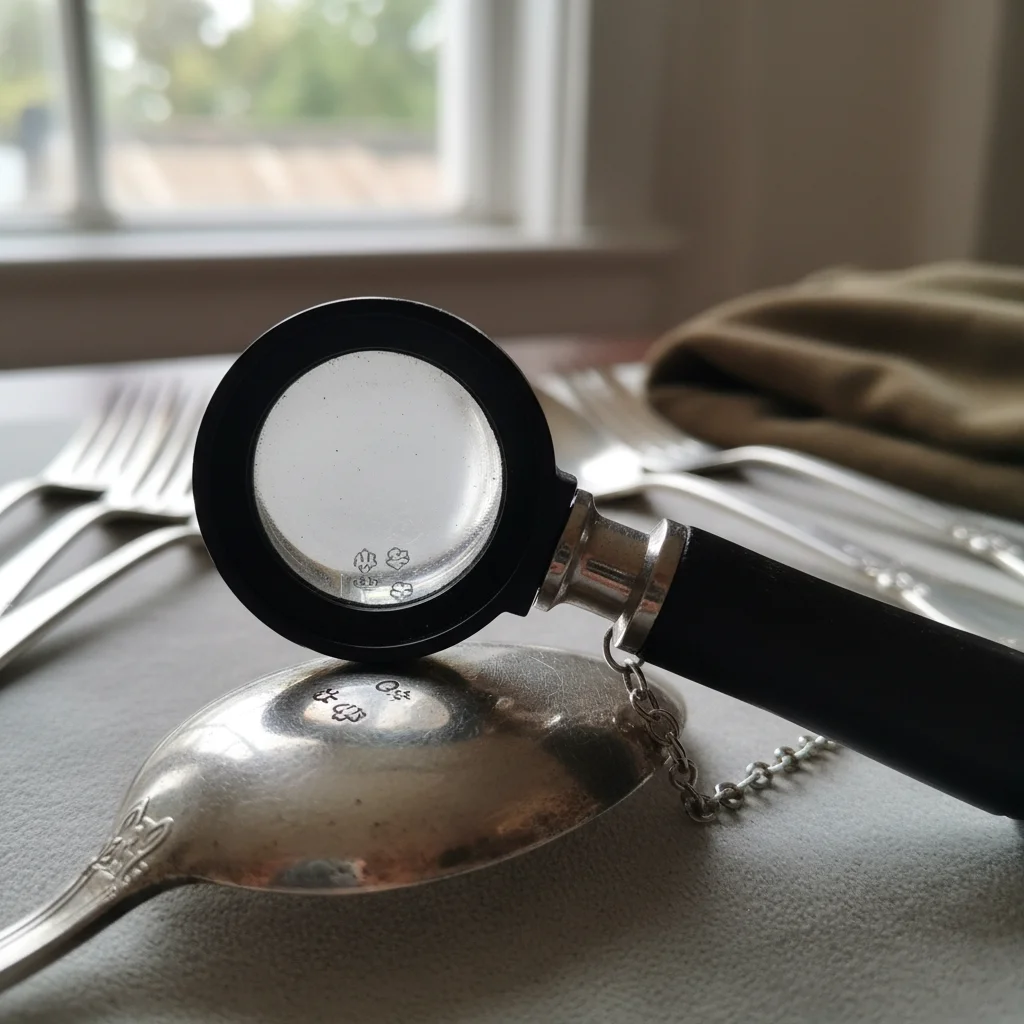
Der Wert von Besteck vom Flohmarkt: Von der Geschichte bis zur Investition
Um zu lernen, auf Flohmärkten Silberbesteck von Stücken aus anderen Metallen zu unterscheiden, genügt es, die Punzen lesen zu können. Dafür werden jedoch spezielle Werkzeuge benötigt, die bei der Identifizierung und Bewertung der Gegenstände helfen.
Collector's GuideHistory of Things
Read More →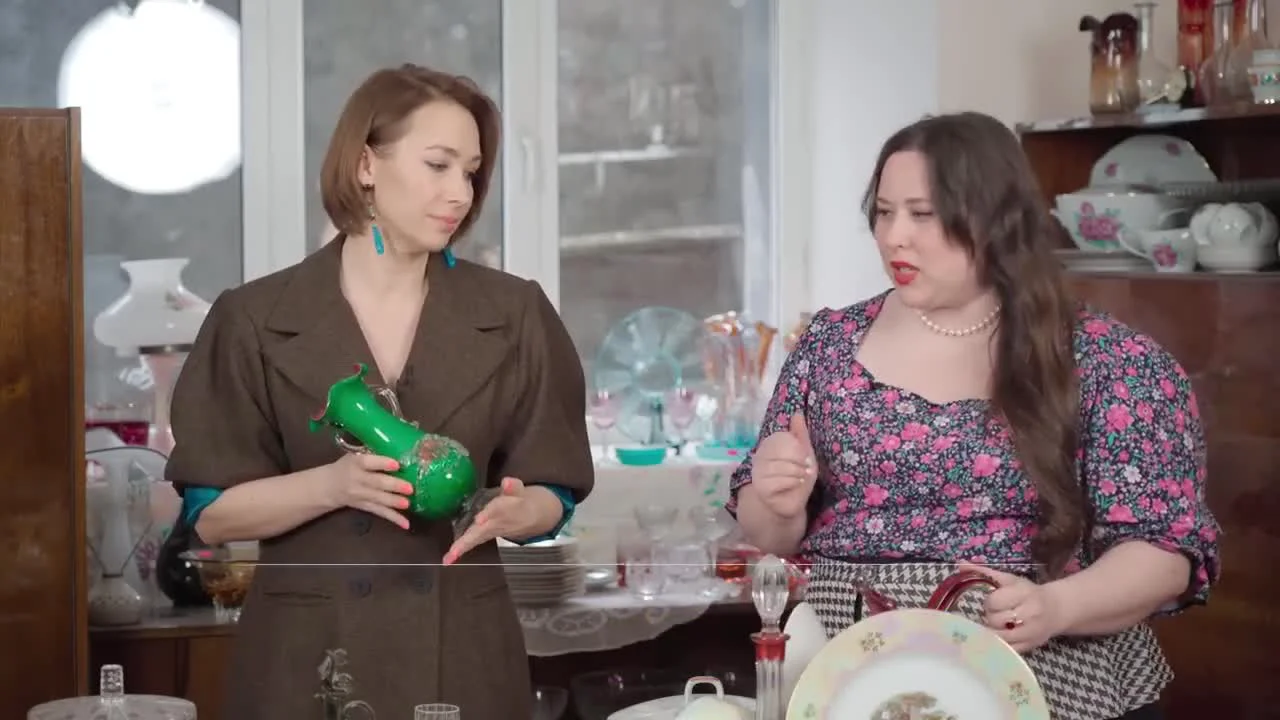
Wie man Antiquitäten von Ramsch unterscheidet: Ein Leitfaden zur Bewertung alter Gegenstände
Eine der Techniken, die antiken Glaswaren Wert verleihen, ist die ‚Hüttentechnik‘. Sie war besonders in der Tschechoslowakei in den 1950er Jahren beliebt und bezeichnet das freie Glasblasen, bei dem das Produkt von Hand und ohne den Einsatz von Formen geformt wird. Es handelt sich immer um hundertprozentige Handarbeit, weshalb es keine zwei absolut identischen Vasen gibt, die in dieser Technik gefertigt wurden.
Collector's GuideHistory of Things
Read More →
The Art of Bookbinding: From Board to Board
Unlike modern standard publications, where content is valued above all, in the 17th-19th centuries, a book's 'attire' could say a lot about its owner. A luxurious binding was not only a work of art but also an indicator of material wealth.
History of ThingsCollector's Guide
Read More →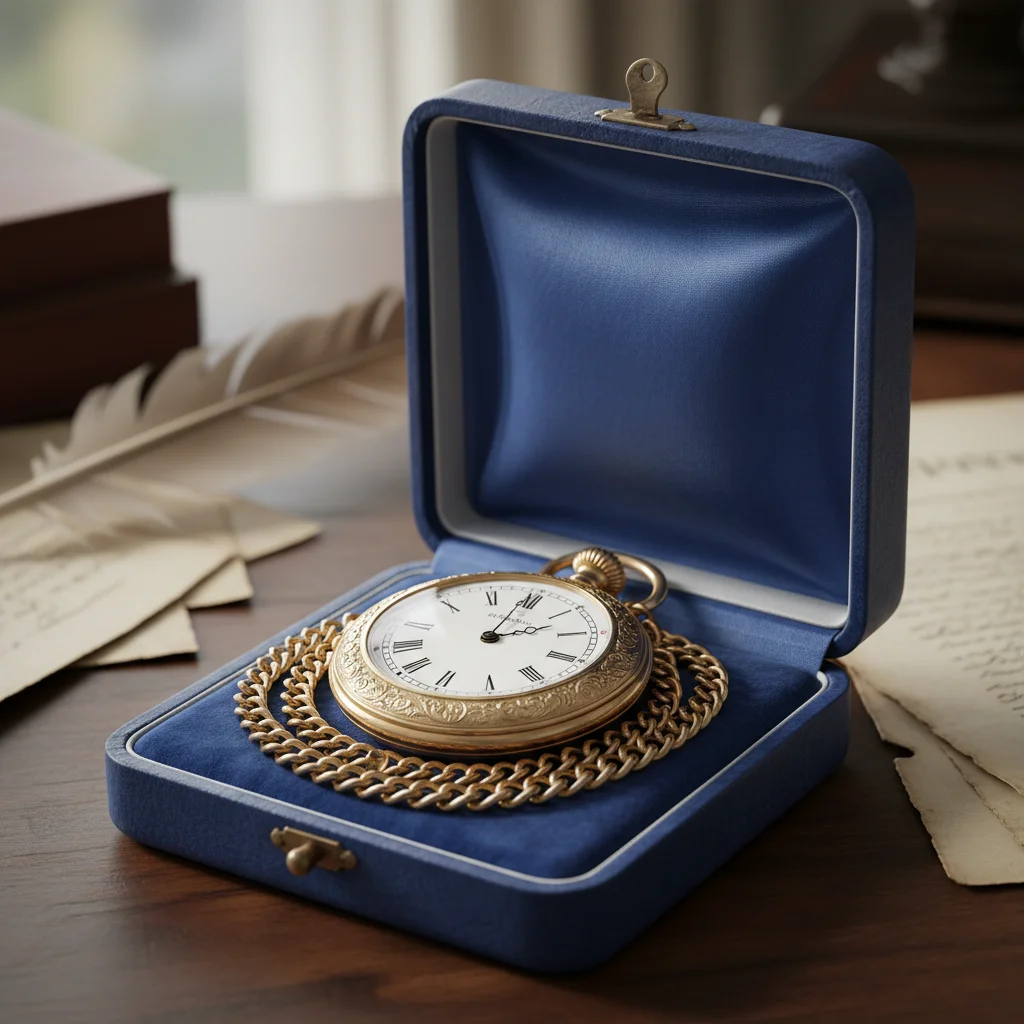
An Antique Dealer's World: From 100-Year-Old Clocks to 70-Year-Old Wine
The most expensive item in the Pskov antique dealer's collection is a restored gold Swiss watch. It was made 100 years ago, but its mechanism is in perfect condition. The item's value is increased by an individual number on the case. In the shop, such a watch sells for almost 200,000 rubles.
History of ThingsCollector's Guide
Read More →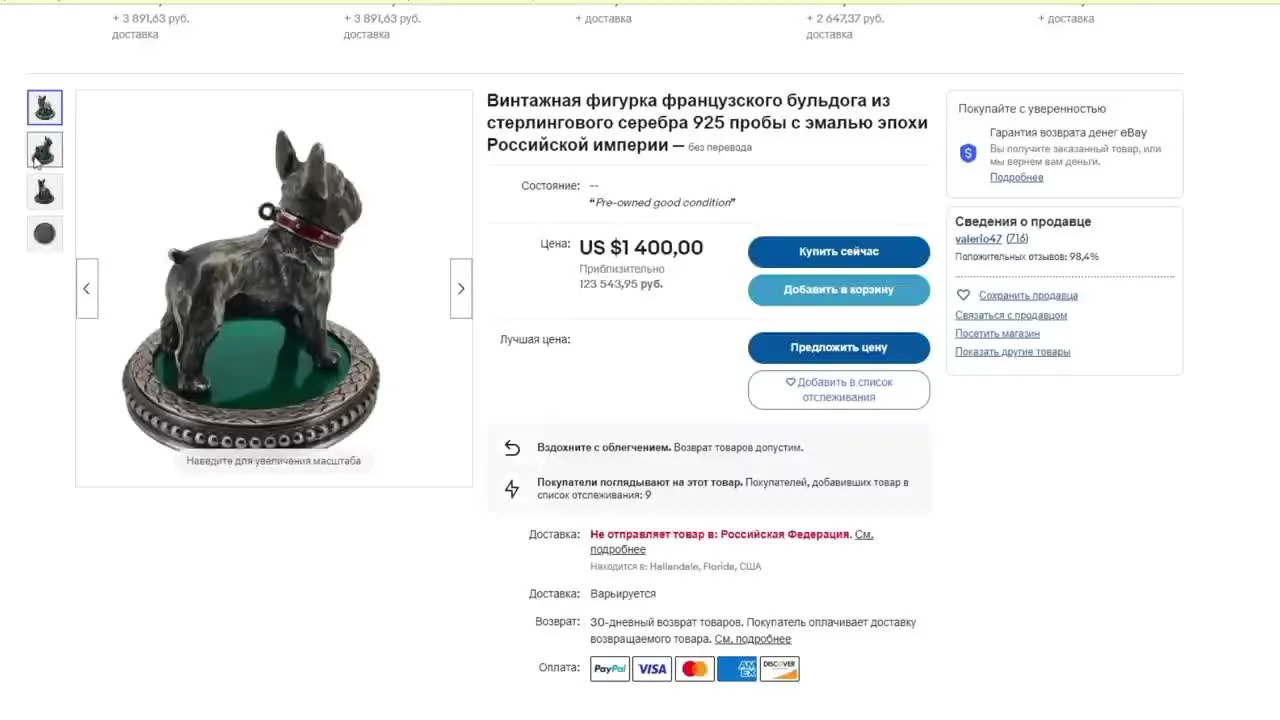
Fakes & Forgeries: How to Spot Fakes in the Antiques Market
The antiques market is flooded with composite fakes and outright junk. Therefore, the main task of an antiques dealer is not just to admire the elegance of an item, but to be able to recognize a forgery in its details, find inconsistencies in materials and technologies, and identify hidden traces of restoration.
ExpertiseCollector's Guide
Read More →
Investing in Antique Wood Carvings: From Europe to Asia
Wood carving is an ancient art form widely represented on different continents. Despite the geographical diversity, the main differences lie in the motifs, subjects, and methods of craftsmanship, whether for figures, panels, or tableware.
InvestmentsCollector's Guide
Read More →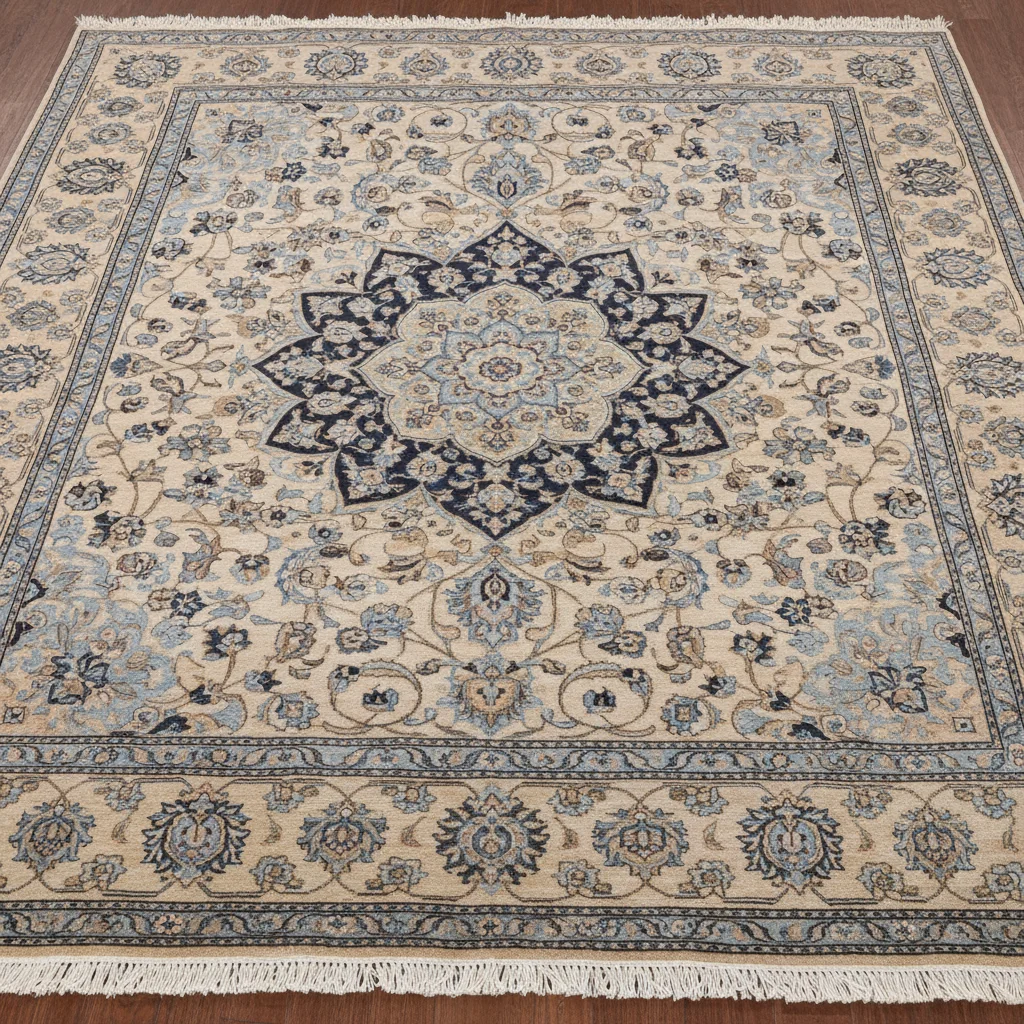
Antique Carpets as an Investment: History, Types, and Valuation Criteria
Historically, a carpet has been a sign of wealth and high prosperity. It accompanied a person throughout their life: from birth to marriage, where it served as part of the dowry, and even after death. This tradition is reflected in the history and culture of various peoples.
InvestmentsCollector's Guide
Read More →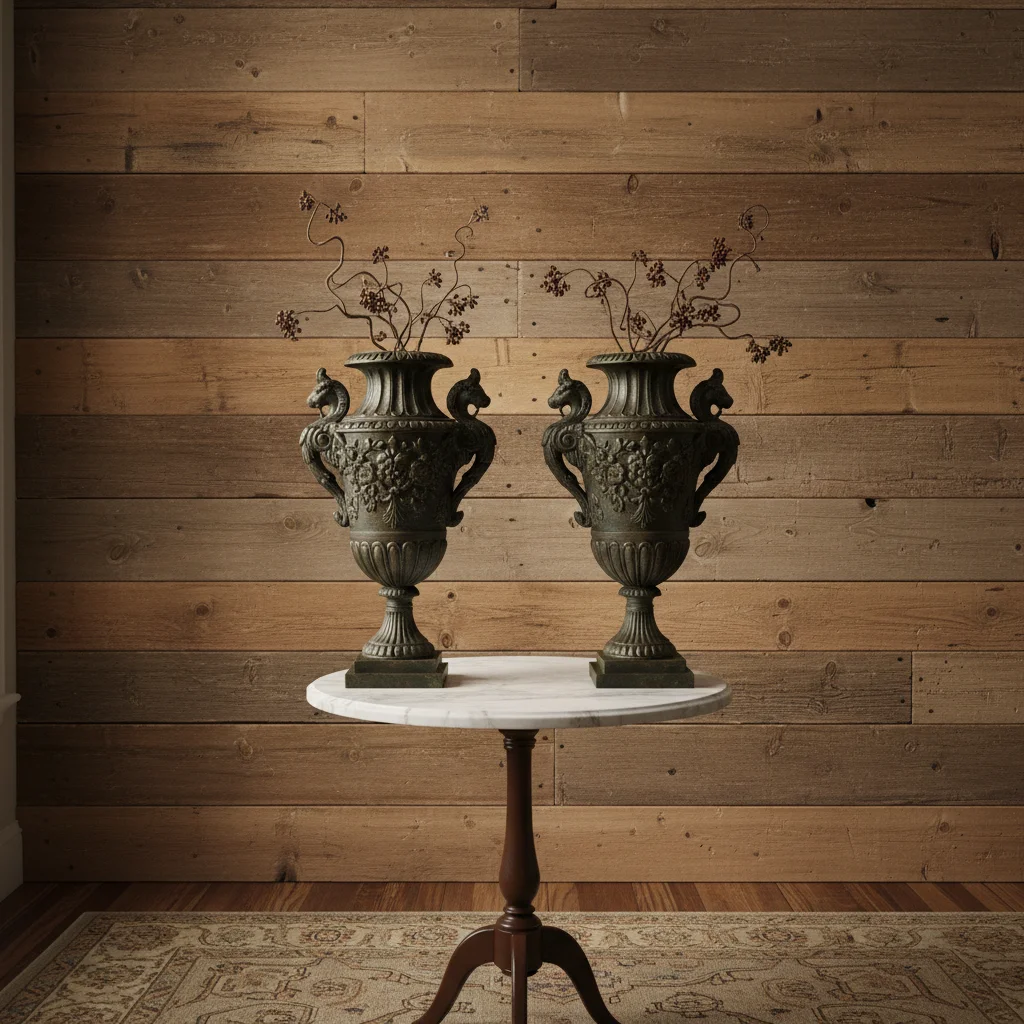
Art in Metal: A Guide to Cast Iron Art
In the art of cast iron casting, German masters hold a dominant position. Initially, before the 18th century, their production was focused on utilitarian objects. These were mainly small, ornate stoves (Ofen) and fireplaces for wealthy homes, decorated with cast doors and portals.
InvestmentsCollector's Guide
Read More →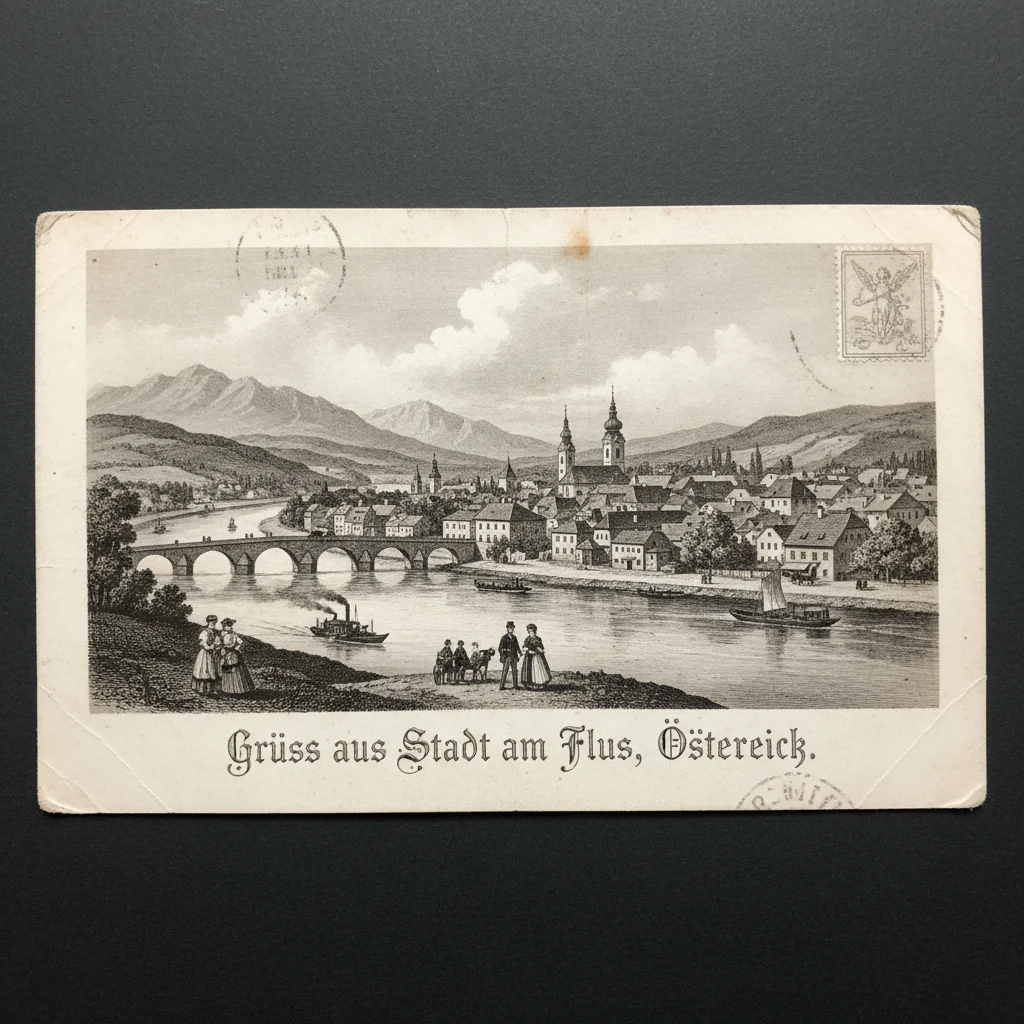
Investing in Deltiology: From History to Valuable Specimens
Investing in antique postcards, known as deltiology, is a niche in the world of antique investments. The history of the postcard begins in Austria in the mid-19th century, around the 1830s-1840s. Initially, it was called an 'open letter'.
InvestmentsCollector's Guide
Read More →
Reviving the Shine: How Silverware Restoration Generates Income
You can set up a small workshop for restoring silver items right at home, for example, on a table in front of the TV. The initial cost for all the necessary supplies will be around 3000 rubles.
InvestmentsCollector's Guide
Read More →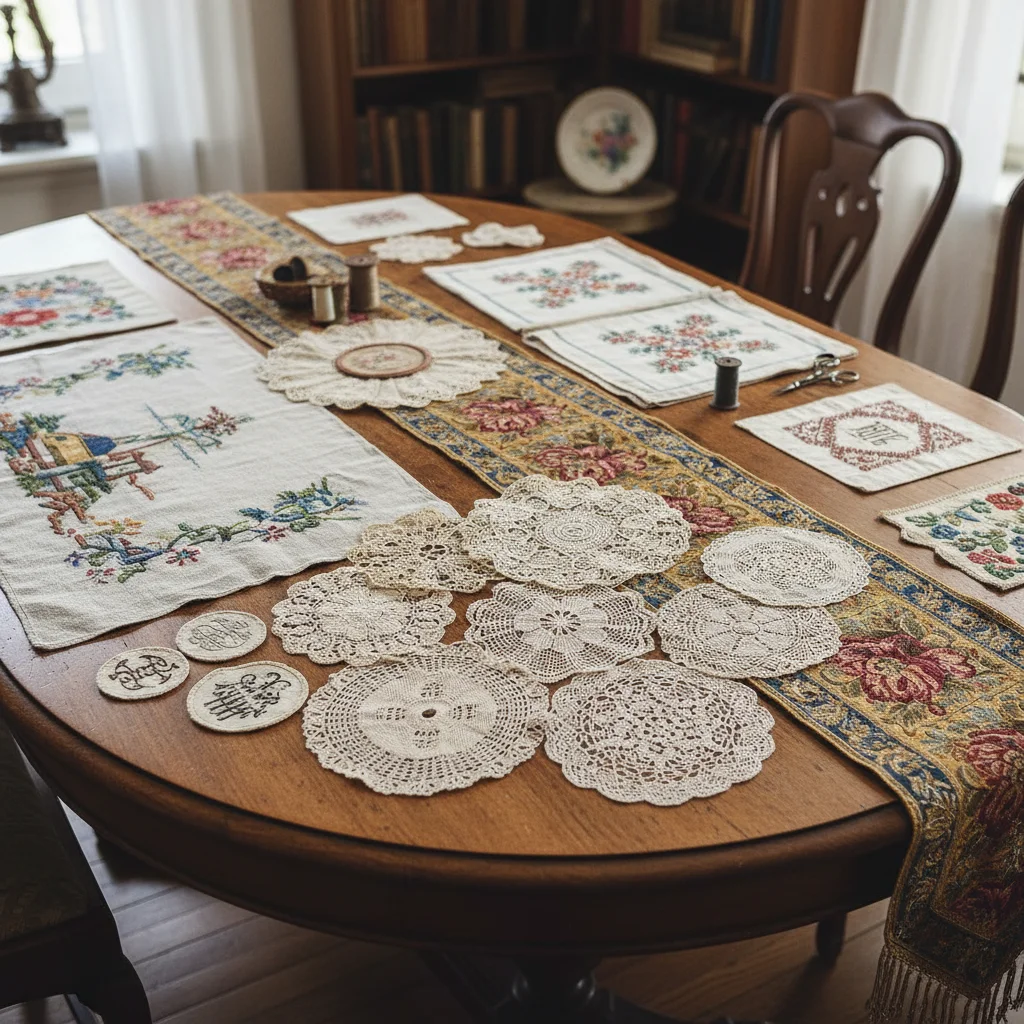
Investing in Antiques: The Value of Vintage Textiles and Lace
When searching for antiques, one often comes across old lace and vintage textiles. Many people pass by such items without paying them any attention. However, it's worth exploring whether these objects are of interest from the perspective of collecting and investing.
InvestmentsCollector's Guide
Read More →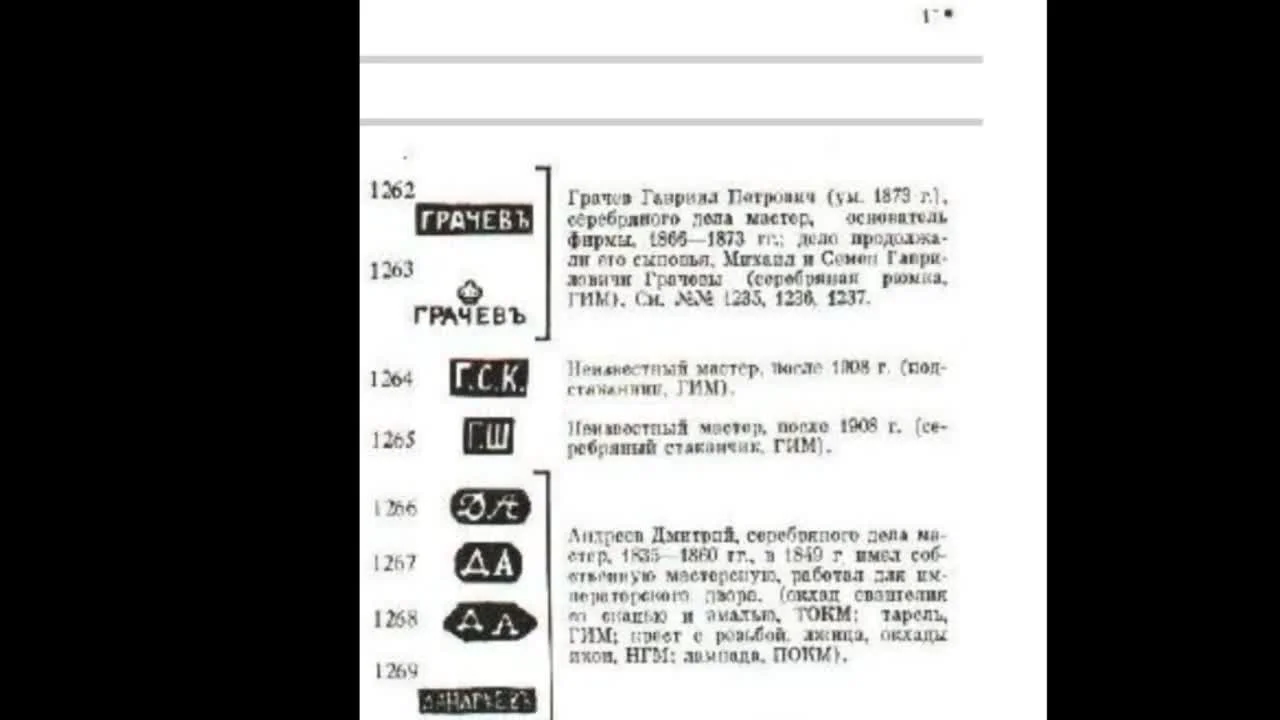
Gefälschte Punzen „Grachev“ und „Gebrüder Grachev“: Wie man eine Fälschung erkennt
Antiquitäten mit den Punzen „Grachev“ und „Gebrüder Grachev“ erfreuen sich großer Beliebtheit, was Fälscher aktiv ausnutzen. Um zu lernen, wie man Fälschungen erkennt, muss man einige wichtige historische Fakten kennen, die als dokumentarisch belegte Axiome gelten.
ExpertiseCollector's Guide
Read More →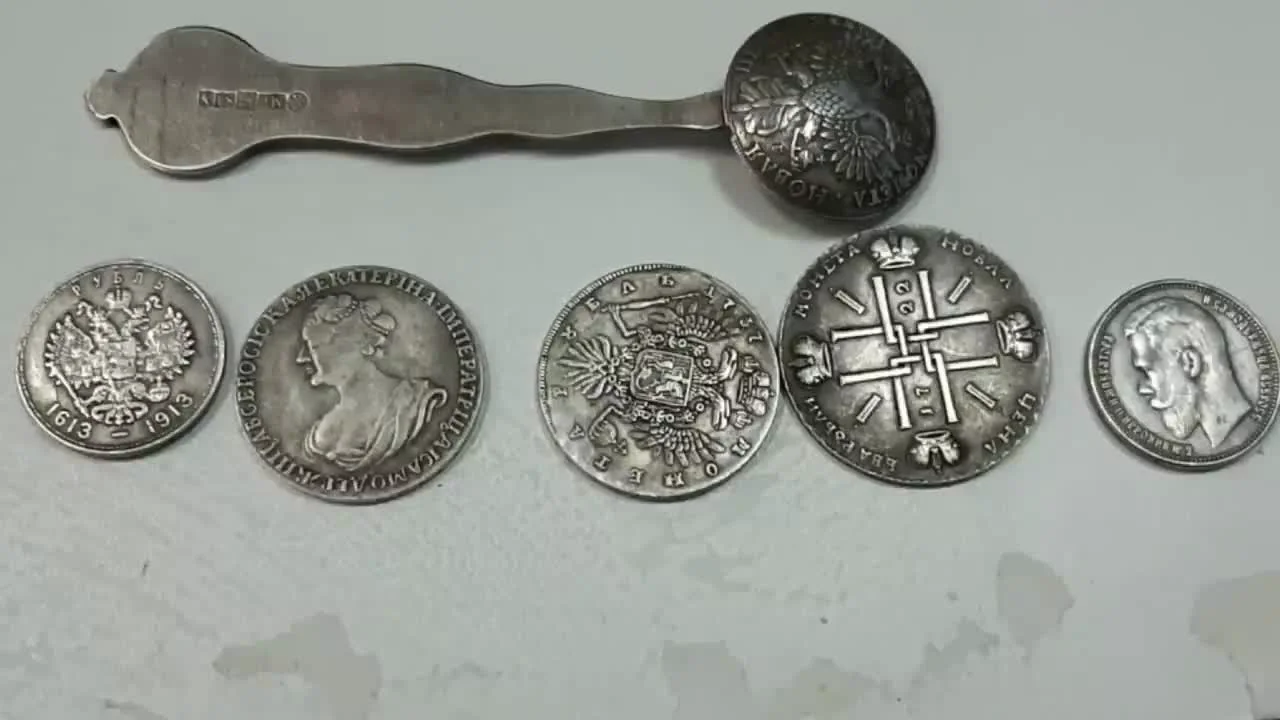
Signs of Fake Hallmarks on Antique Silver: A Complete Guide
The modern antique market is flooded with fake items. This problem has become particularly acute after a more than 15-year epidemic of counterfeit rare silver coins of the Russian Empire. When the demand for fake coins dropped, their manufacturers switched to producing counterfeit tsarist spoons with 84 zolotnik hallmarks.
ExpertiseCollector's Guide
Read More →
Antiques, Vintage, Junk: How to Distinguish and Determine Value
To quickly understand the categories of old items, you can use a simple 'generational' method. It helps to perform an initial sorting and understand what you are dealing with, whether it's an item from the recent past or a piece with a century of history.
Collector's GuideExpertise
Read More →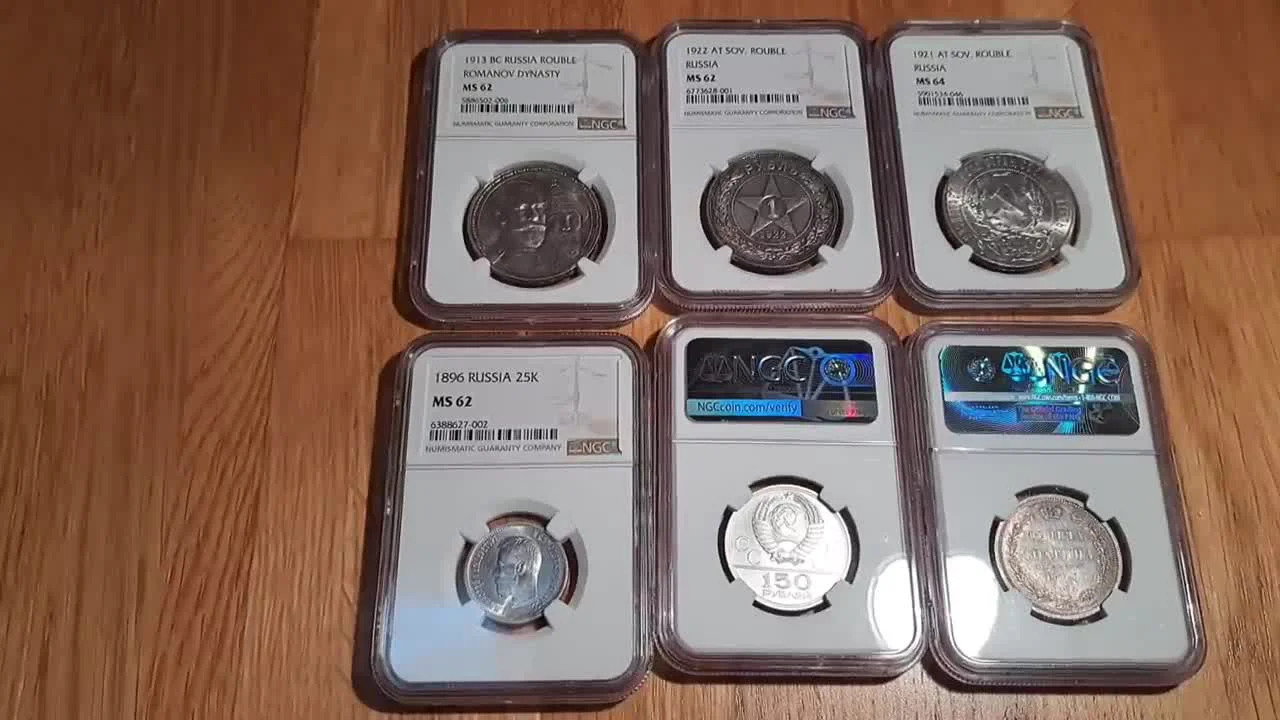
The 'Bubble' in Russian Numismatics: Myth or Reality?
Recently, the Russian numismatics market has seen a significant price increase, raising concerns among some collectors about the formation of a 'bubble.' After observing another auction where prices reached high marks, the question arises: what will happen to collections if this supposed bubble bursts?
InvestmentsCollector's Guide
Read More →
Buying Antiques at Fairs and Flea Markets: Tactics and Legalization of Goods
Purchasing antiques from private individuals or at flea markets often occurs without accompanying documents, such as a sales contract or receipt. This creates problems with the subsequent legalization and accounting for the item, especially for those conducting official business activities. The lack of documentary proof can raise questions from the tax authorities (Finanzamt) and law enforcement agencies.
Collector's GuideExpertise
Read More →
Legal Aspects of Exchanging Collectibles
The issue of properly formalizing an exchange transaction for antiques and antiquities is directly linked to the security of the collectibles business. This security rests on two foundations: the first is the personal safety of the collector and their family, and the second is the protection of the collection itself from encroachments, whether from criminal organizations or law enforcement agencies.
Collector's GuideExpertise
Read More →
Investing in Old Engravings: From Appraisal to Collecting
Old engravings are a vast and multifaceted area for collecting, often unjustly overlooked by many antique dealers. However, a deeper dive reveals significant opportunities for both investment and resale. This market is very interesting and can be quite profitable.
InvestmentsCollector's Guide
Read More →