Antique Carpets as an Investment: History, Types, and Valuation Criteria - AUCBURG | AUCBURG
Antique Carpets as an Investment: History, Types, and Valuation Criteria
Historically, a carpet has been a sign of wealth and high prosperity. It accompanied a person throughout their life: from birth to marriage, where it served as part of the dowry, and even after death. This tradition is reflected in the history and culture of various peoples.
The Carpet as a Symbol of Status and Cultural Heritage
Historically, a carpet has been a sign of wealth and high prosperity. It accompanied a person throughout their life: from birth to marriage, where it served as part of the dowry, and even after death. This tradition is reflected in the history and culture of various peoples.
A striking example is the grave of the famous dancer Rudolf Nureyev in France. It is designed as his favorite carpet, draped over the top, highlighting his passion for antiques and, in particular, carpets. Another example is the Carpet Museum in Baku, whose building is designed in the shape of a rolled-up carpet, paying homage to this art form.
Historically, carpets also had diplomatic significance. For example, after the assassination of Griboyedov, the Russian tsar was presented not only with the 'Shah' diamond as compensation but also with several dozen magnificent Persian carpets. This underscores their high value, on par with precious jewels.
Persia — The Center of Carpet Art
It is believed that global carpet production and creativity revolve around Persia (modern-day Iran). Although producers from the Caucasus, Turkmenistan, Turkey, Pakistan, and India have also made significant contributions, Persian carpets hold a special place. Some argue that other regions borrowed technologies from Persia, engaging in a form of 'industrial espionage.'
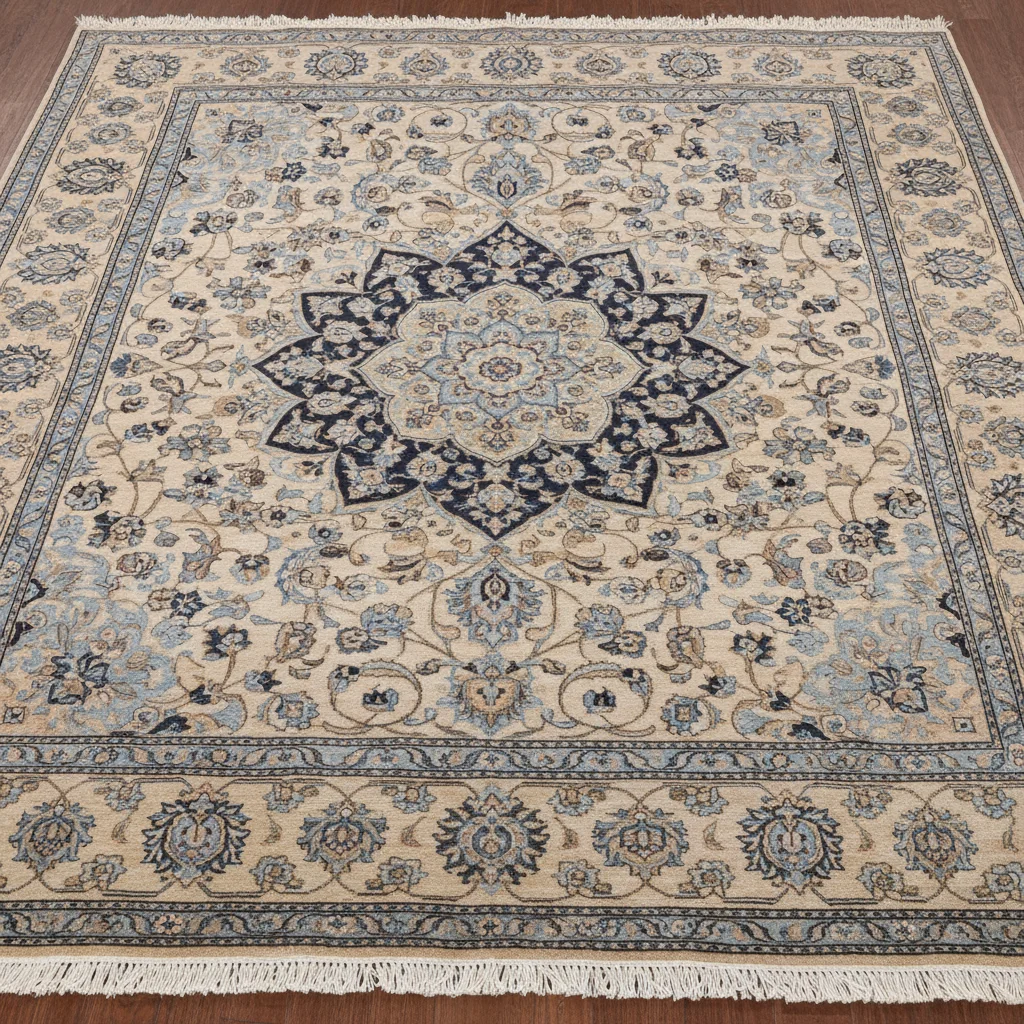
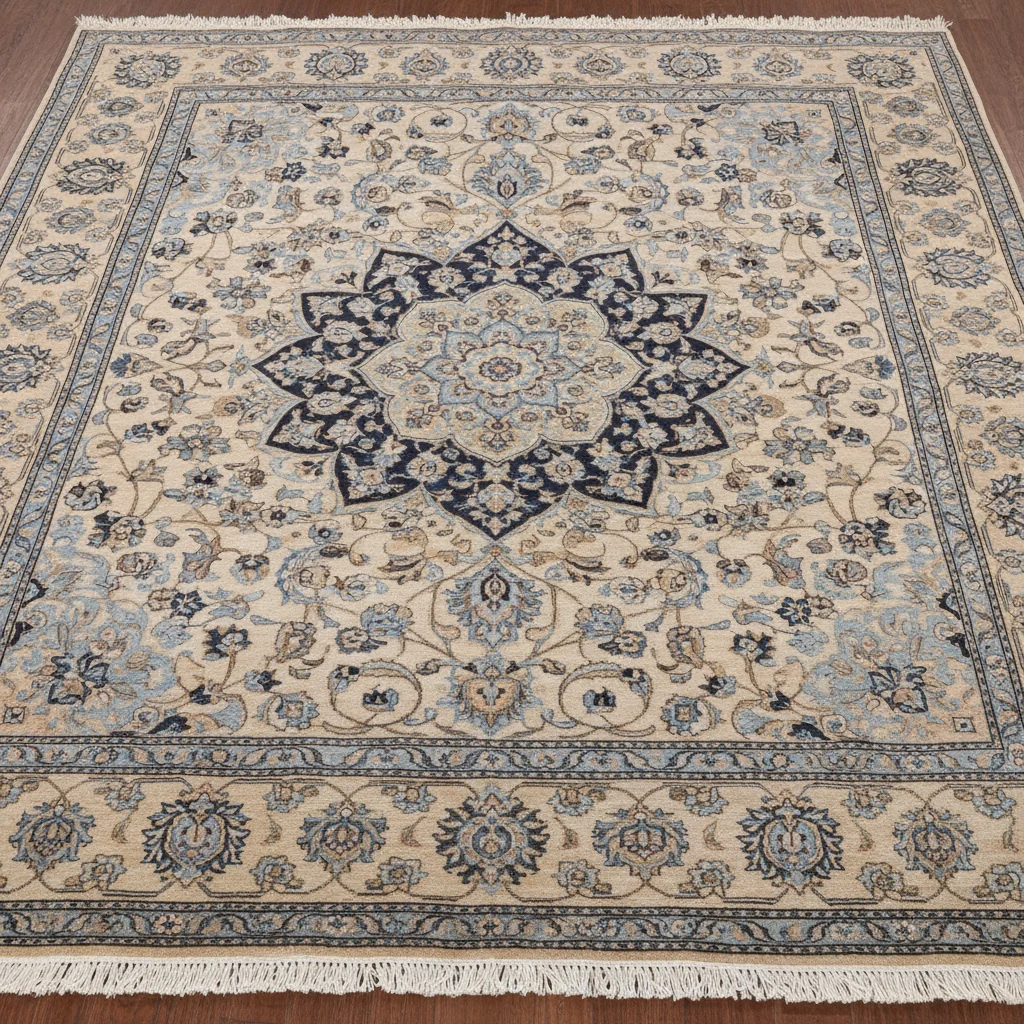
The key centers of Persian carpet weaving are Isfahan and Tabriz. Carpets from these regions are distinguished by their high quality, intricate patterns, and rich history. They often become objects of collection and investment.
Persia — The Center of Carpet Art
Three Criteria of a Natural Carpet
Color
Natural Dye Source
Brown
Walnut
Green
Olives
Blue
Turquoise
To determine if a carpet is authentic and valuable, it must be checked against three main criteria. These prerequisites help distinguish a genuine antique from a mass-produced item.
Natural materials. The base and pile of the carpet must be made from natural fibers. These include wool, cotton, and silk. A carpet can be made from a single material or a combination, for example, with a cotton base and a wool or silk pile.
Natural dyes. Dyes of natural origin must be used to color the threads. Artificial dyes reduce the value of the item. Traditionally, plant-based components were used to obtain different colors.
Handmade. The most valuable carpets are those woven by hand, not on a machine. There are several ways to distinguish handmade from machine-made work.
Three Criteria of a Natural Carpet
How to Distinguish Handmade from Machine-Made
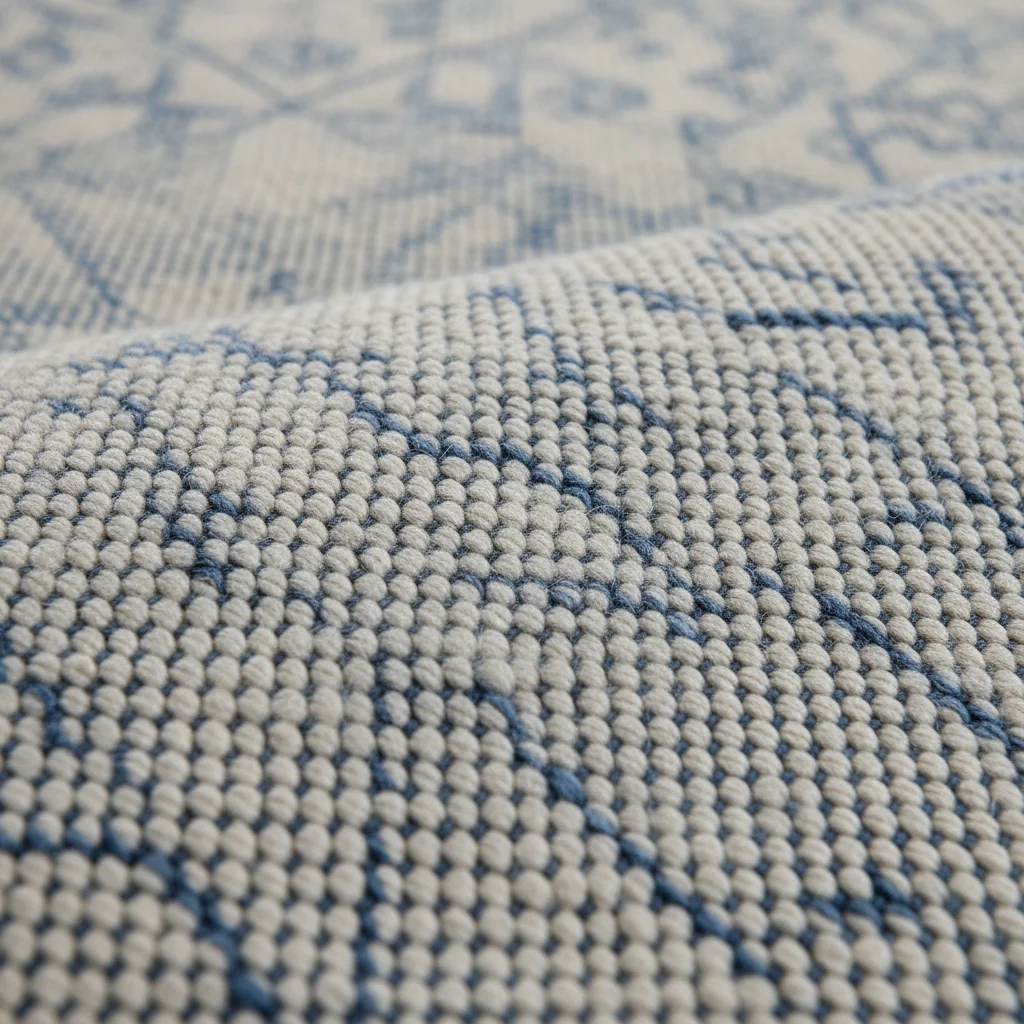
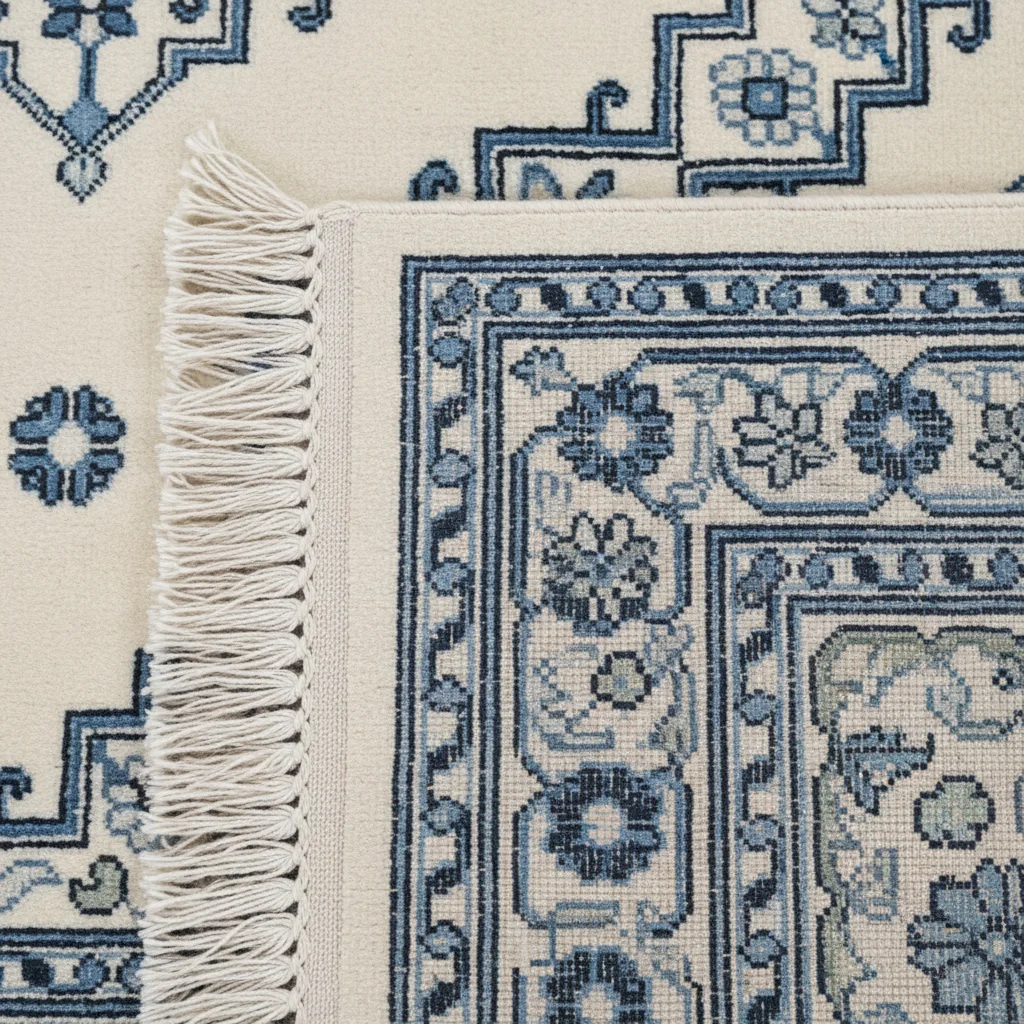
The main way to determine a carpet's authenticity is to examine its back, which is considered the 'face' of the item for an expert. On a handmade carpet, the rows of knots will never be perfectly straight, unlike in machine weaving, where the lines are flawless.
Another method is to compare two identical pattern elements on the carpet. In handmade work, they will always differ slightly in size or shape. On a machine-made item, all repeating ornaments are absolutely identical.
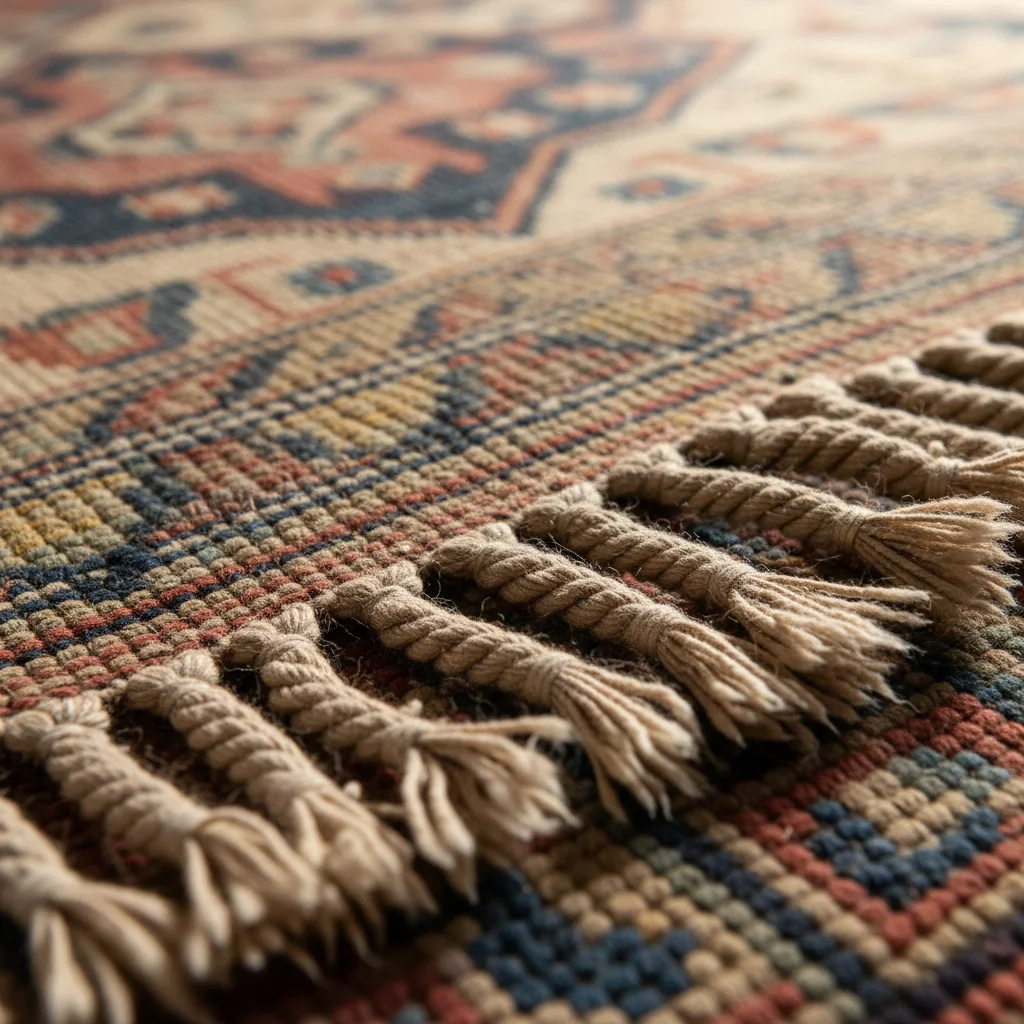
It is also worth paying attention to the fringe. On a handmade carpet, it is a natural extension of the foundation threads. If the fringe is sewn on separately, it is a sign of machine production. Finally, the edges of a handmade carpet are rarely perfectly straight; there is always a slight imperfection.
How to Distinguish Handmade from Machine-Made
Knot Density and Geography of Production
An important quality indicator is the knot density (Knoten) per square meter. An average carpet has a density of 200,000–250,000 knots. However, high-quality examples, such as those from the Persian province of Isfahan, can reach a density of almost a million knots per square meter.
The higher the density, the more detailed and clear the pattern becomes, allowing the artisan to use halftones and complex color transitions. This can be compared to the number of pixels in a digital image. The geography of production also plays a key role in determining the carpet's style and value.
Iran (Persia)
Afghanistan
India
Pakistan
Caucasus
Turkmenistan
Turkey
Knot Density and Geography of Production
Determining Age and Origin
The age of a carpet is one of the key factors affecting its price. The older and better preserved it is, the more expensive it is. Pieces from the 15th-18th centuries are practically not found on the open market and are held in museums or private collections. Carpets from the late 18th and 19th centuries can be found and are of great value even with some damage.
Age can be determined by the materials and dyes. Wool was predominantly used in the past, with cotton later being used for the foundation. Dyes fade over time (abgenutzt), which also indicates age.
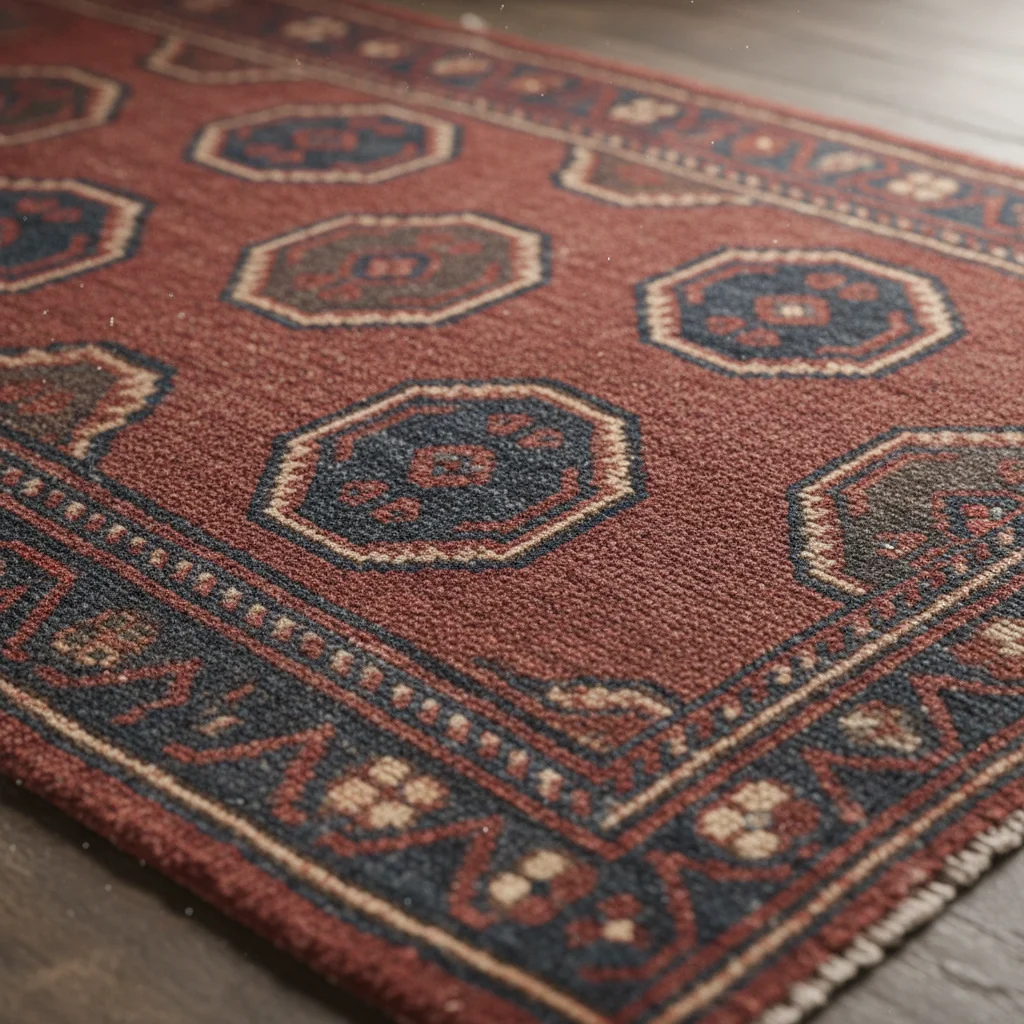
Determining the country of origin is the most difficult task, requiring experience. Patterns and ornaments can reveal a lot. For example, nomadic tribes often used geometric shapes or animal figures (horses) to symbolize movement. Settled peoples, in contrast, depicted floral motifs, gardens, or architectural elements, such as a mosque dome.
Determining Age and Origin
Which Carpets Are of Investment Interest
Not all antique carpets are equally valuable. For example, items from the Soviet period, which were mass-produced on collective farms (kolkhozes), are not of investment interest. However, there are categories that deserve special attention.
All silk Turkish carpets from the Hereke province.
All Iranian (Persian) carpets, especially from Isfahan and Tabriz.
Caucasian and Turkmen carpets (excluding mass-produced Soviet items).
Recently, there has been a re-export trend: traders from the East come to Europe and buy back carpets at auctions that were once taken from their homeland. This indicates that the demand for genuine antique items is growing in their historical homeland.