Investing in Deltiology: From History to Valuable Specimens - AUCBURG | AUCBURG
Investing in Deltiology: From History to Valuable Specimens
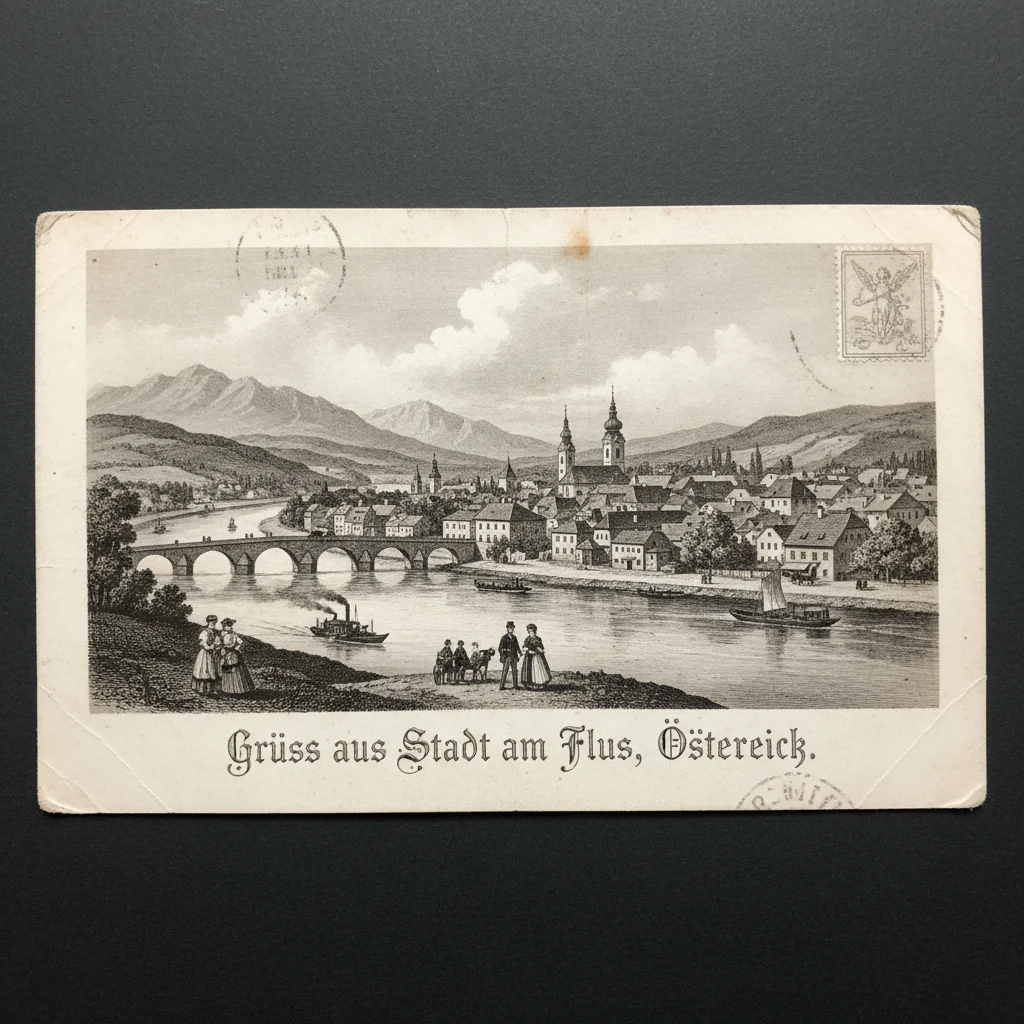
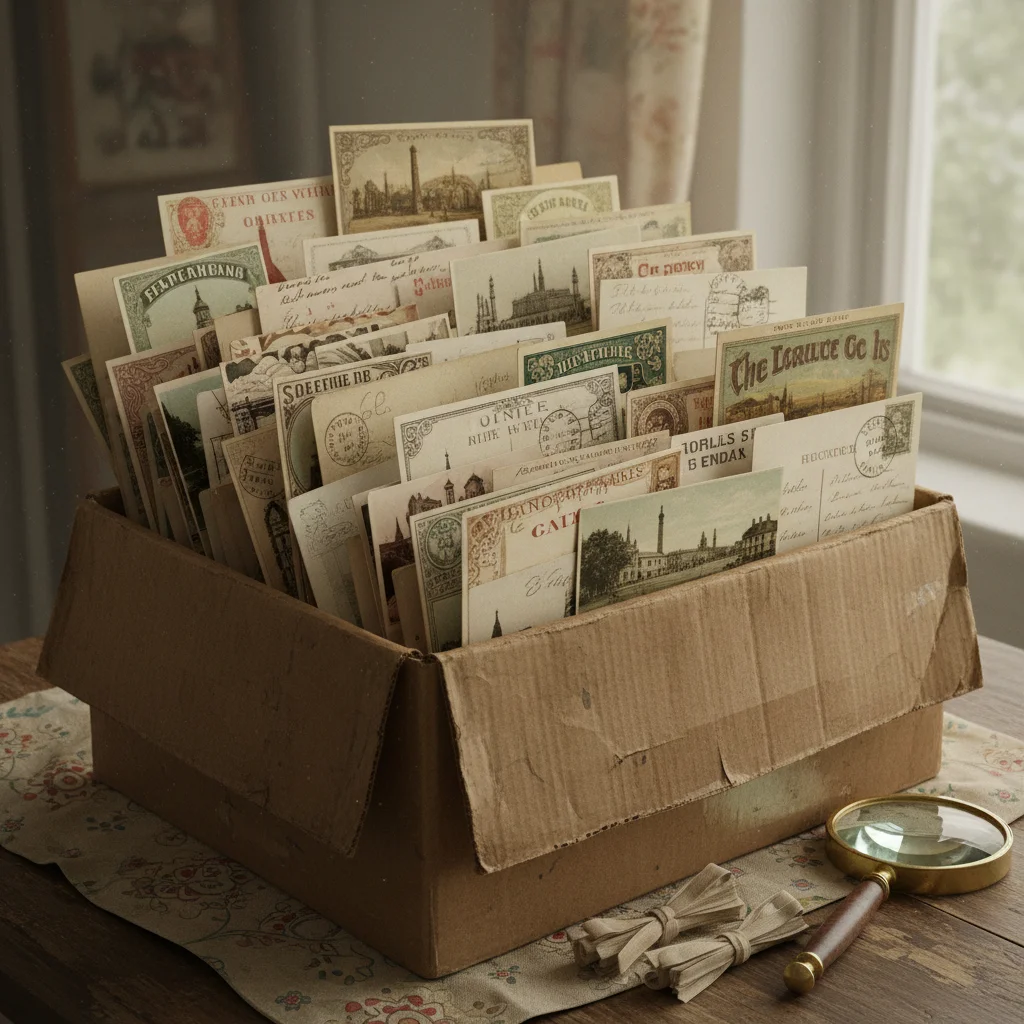
Investing in antique postcards, known as deltiology, is a niche in the world of antique investments. The history of the postcard begins in Austria in the mid-19th century, around the 1830s-1840s. Initially, it was called an 'open letter'.
The Beginning of Deltiology: From 'Open Letter' to Worldwide Popularity
Investing in antique postcards, known as deltiology, is a niche in the world of antique investments. The history of the postcard begins in Austria in the mid-19th century, around the 1830s-1840s. Initially, it was called an 'open letter'.
Initially, the idea was met with skepticism due to concerns about the confidentiality of correspondence, as anyone could read the text. However, despite this, 'open letters' quickly came into common use and became widespread.
The Germans had a particularly strong passion for postcards. Their attitude towards collecting and sending postcards could be described as obsessive. The British writer Jerome K. Jerome noted in one of his stories that a German would only believe he had been on vacation when he returned and reread the postcards he had sent himself, as he had been busy buying and sending them the whole time.
Rare Specimens and Collecting Strategy
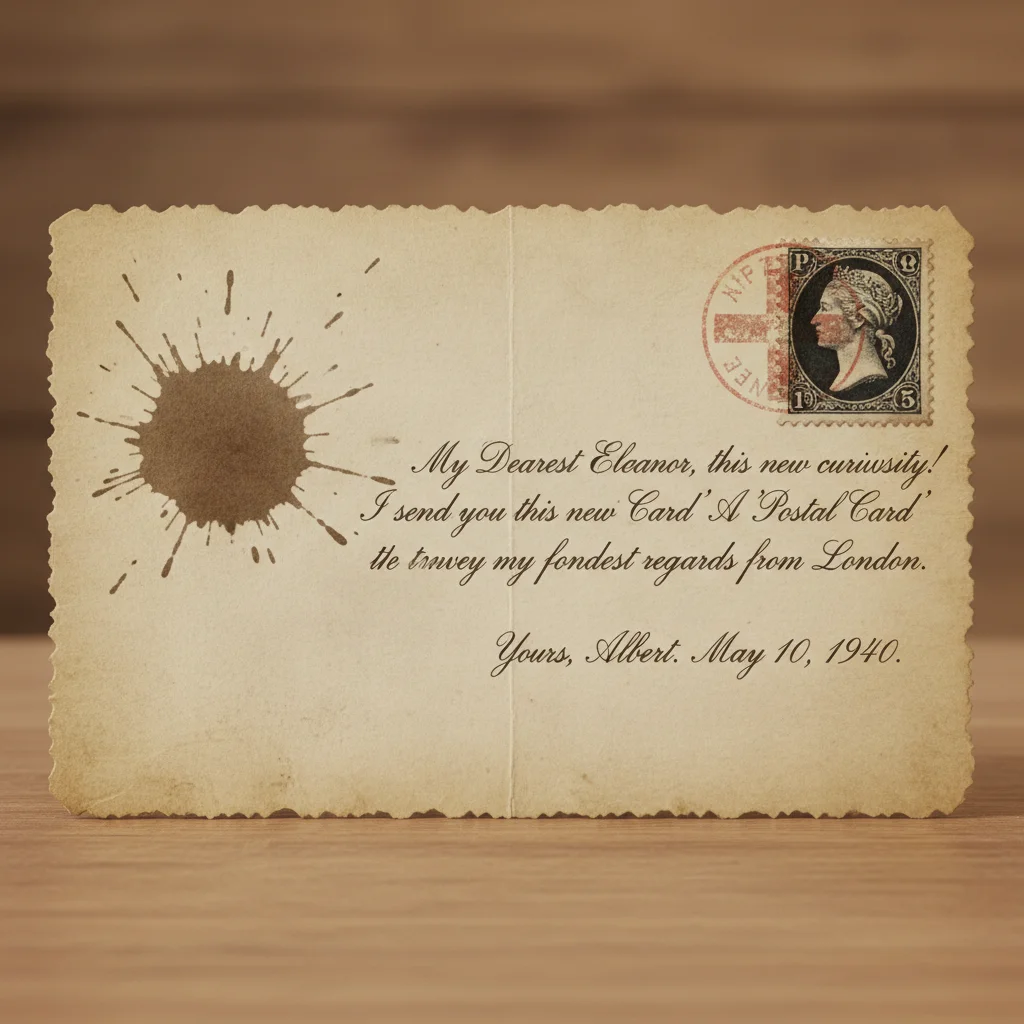
The value of some postcards can reach impressive sums. For example, one of the most expensive postcards was sold at a British auction in 2005 for €50,000. Its value was due to the presence of a rare postage stamp and the fact that it had been postally used.
However, such sales are isolated cases. A more preferable strategy for an investor is to purchase entire collections or thematic sets rather than individual expensive items. This approach allows for the creation of a more liquid and diversified portfolio.
Rare Specimens and Collecting Strategy
The Principle of 'Multiple Interests': How to Increase a Postcard's Value
One of the key principles when selecting a postcard for investment is the diversity of interest it can attract. The more collectors a specimen is potentially interesting to, the higher its liquidity and value. This broadens the circle of potential buyers.
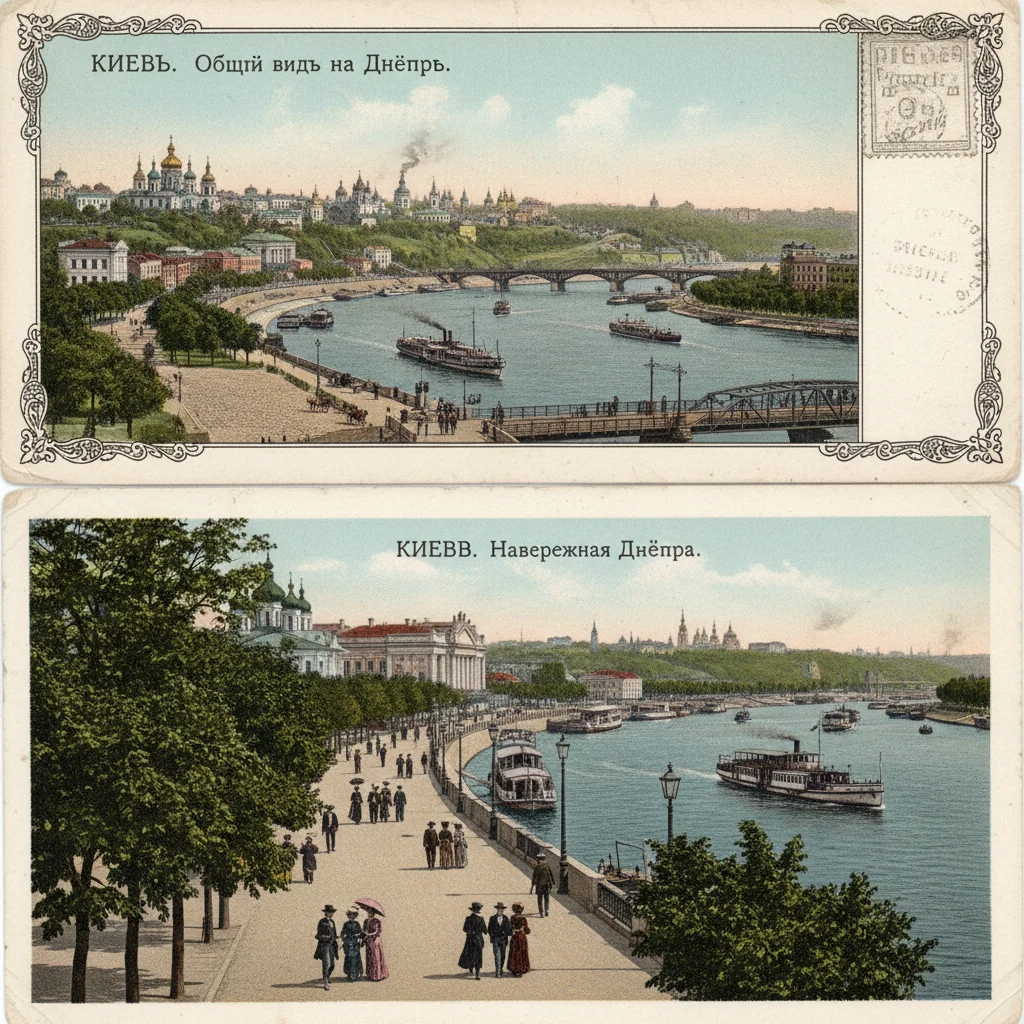
Let's consider an example of a postally used postcard depicting Kyiv. It could be of interest to several groups of collectors at once:
Germans who collect postcards from former occupied territories.
Residents of Kyiv who collect items related to the history of their city.
Collectors who exclusively gather postally used postcards.
Philatelists interested in the postage stamps affixed to the postcard.
The Principle of 'Multiple Interests': How to Increase a Postcard's Value
In-Demand Themes: Territories, Events, and Military History
There are several sure-fire areas for investing in deltiology, especially in the European antiques market. One of them is postcards related to German colonies and occupied territories (Deutsche Besatzungszonen). Examples include postcards with views of Grodno or Kyiv, which are eagerly bought by German collectors. Prices for such items can range from €5 to €60. Postcards with Judaica themes, such as those depicting synagogues or Jewish ghettos, are in particularly high demand.
Another popular area is historical events, including negative ones. For example, a postcard dedicated to an explosion at a factory in Hamburg, describing the details of the disaster, can be worth €15-€20.
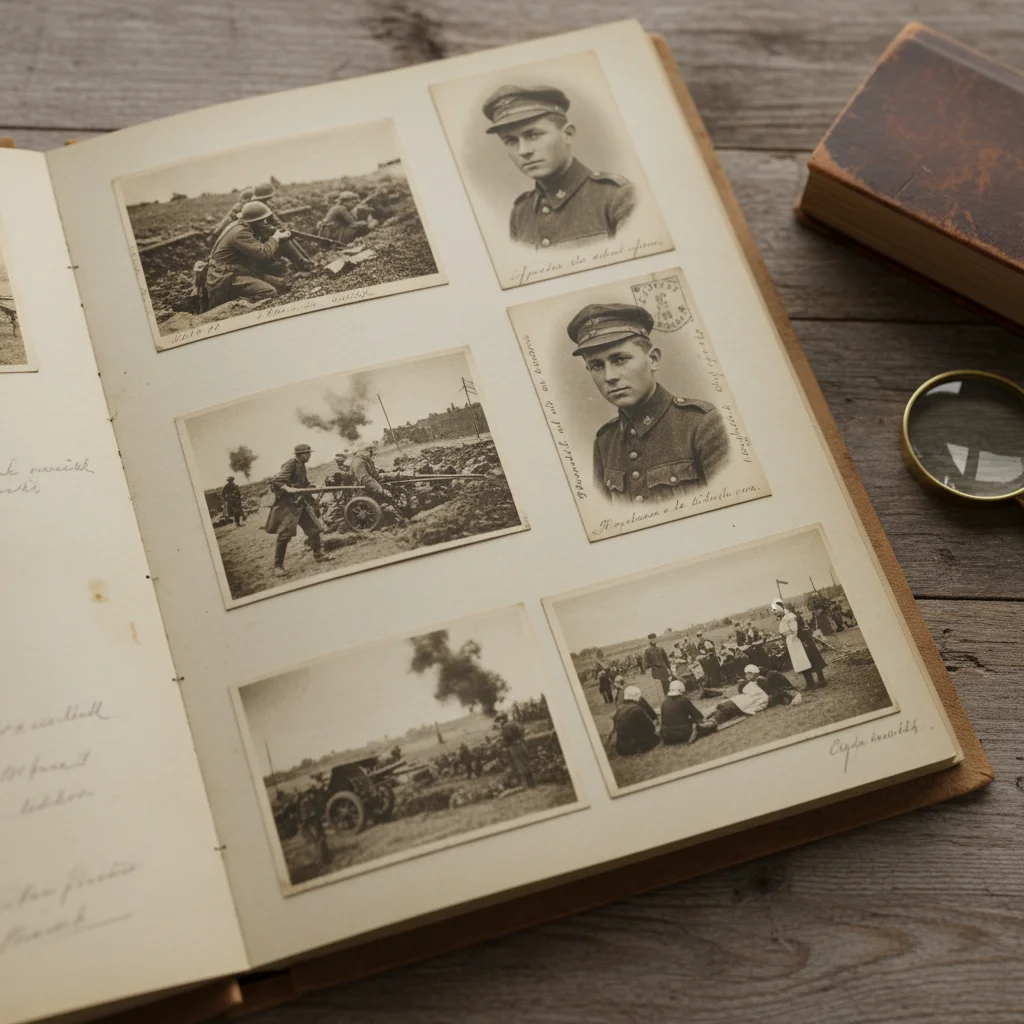
Military themes hold a special place, particularly World War I. Both propaganda postcards and real photographs taken by soldiers at the front and sent home as postcards are valued. Romantic and everyday scenes from military life are also of collectible interest.
In-Demand Themes: Territories, Events, and Military History
Art Postcards, Lithography, and Rare Photographs
Art postcards ('Künstlerkarten') represent a separate field. These can be reproductions of paintings by famous artists. For example, postcards with Russian themes printed in Germany or Russia, although inexpensive individually (€2-€5), can be of significant value as part of a well-curated collection. Postcards with erotic subjects are also in demand.
Lithographic postcards, distinguished by their high print quality, are highly valued. Views of cities such as Paris, Berlin, Dresden, or Salzburg, made using the lithography technique, can cost €15-€20 each.
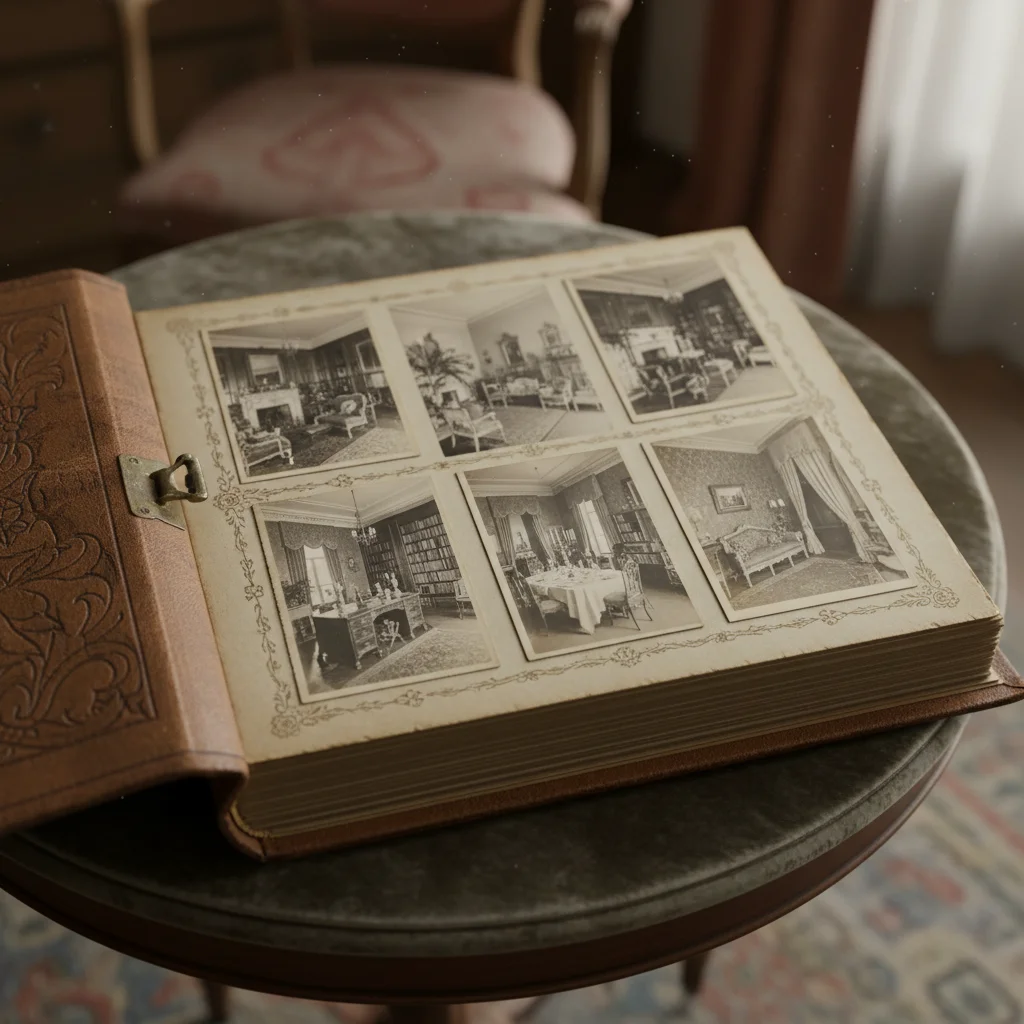
A topic closely related to deltiology is the collection of antique photographs. Although ordinary family photos are not very expensive, a whole album covering the period from the early 20th century to the 1950s can be worth €70-€80. Albums with interior photographs, which belonged to architects, for example, are valued even more highly—up to €200 or more.
Art Postcards, Lithography, and Rare Photographs
Key Pricing Factors
Grade
Description
M
Mint (ideal). A completely new postcard.
EX
Excellent. Near-mint condition.
G
Good. A postcard with minor defects.
FR
Fair. A postcard with damage, creases, and bent corners.
The final value of an antique postcard depends on several key factors. Understanding these criteria helps to correctly assess the investment potential.
The main factors influencing the price are:
Print Run. The smaller the print run of the postcard, the rarer and, consequently, more expensive it is.
Artist. If the postcard was created by a famous artist, its value increases.
Image. The subject depicted on the postcard plays a crucial role. Military themes, city views, and historical events are in particularly high demand.
Condition. The preservation of the postcard is graded on a special scale. The better the condition, the higher the price.
Complexity. The presence of postmarks, stamps, handwritten text, and relevance to multiple themes at once significantly increases its value.
The condition of postcards is typically classified as follows: