Investing in Old Engravings: From Appraisal to Collecting - AUCBURG | AUCBURG
Investing in Old Engravings: From Appraisal to Collecting
Old engravings are a vast and multifaceted area for collecting, often unjustly overlooked by many antique dealers. However, a deeper dive reveals significant opportunities for both investment and resale. This market is very interesting and can be quite profitable.
Old engravings are a vast and multifaceted area for collecting, often unjustly overlooked by many antique dealers. However, a deeper dive reveals significant opportunities for both investment and resale. This market is very interesting and can be quite profitable.
One of the advantages is the wide availability of engravings. They can be found in antique shops, at auctions, and on other marketplaces. Since many dealers do not specialize in this area, there is a real opportunity to find valuable and interesting pieces at a favorable price.
Thus, engravings are a promising area for investment. Their accessibility, combined with potentially high returns, makes them an attractive asset for collectors and investors willing to delve into the intricacies of this art form.
What is an Old Engraving and Its Historical Role
Term
Description
Woodcut
Engraving on wood, one of the earliest forms of printmaking.
Etching
A type of engraving on metal where the image is etched with acid.
The term 'old engraving' broadly refers to any prints created using printing techniques. This includes various types of printed products that are important to distinguish.
Historically, engraving played a key role in the dissemination of art. Thanks to printed copies, the works of many famous artists, such as Rubens, became known and accessible to a wide audience. The reproduction of engravings contributed to the growing popularity of many masters.
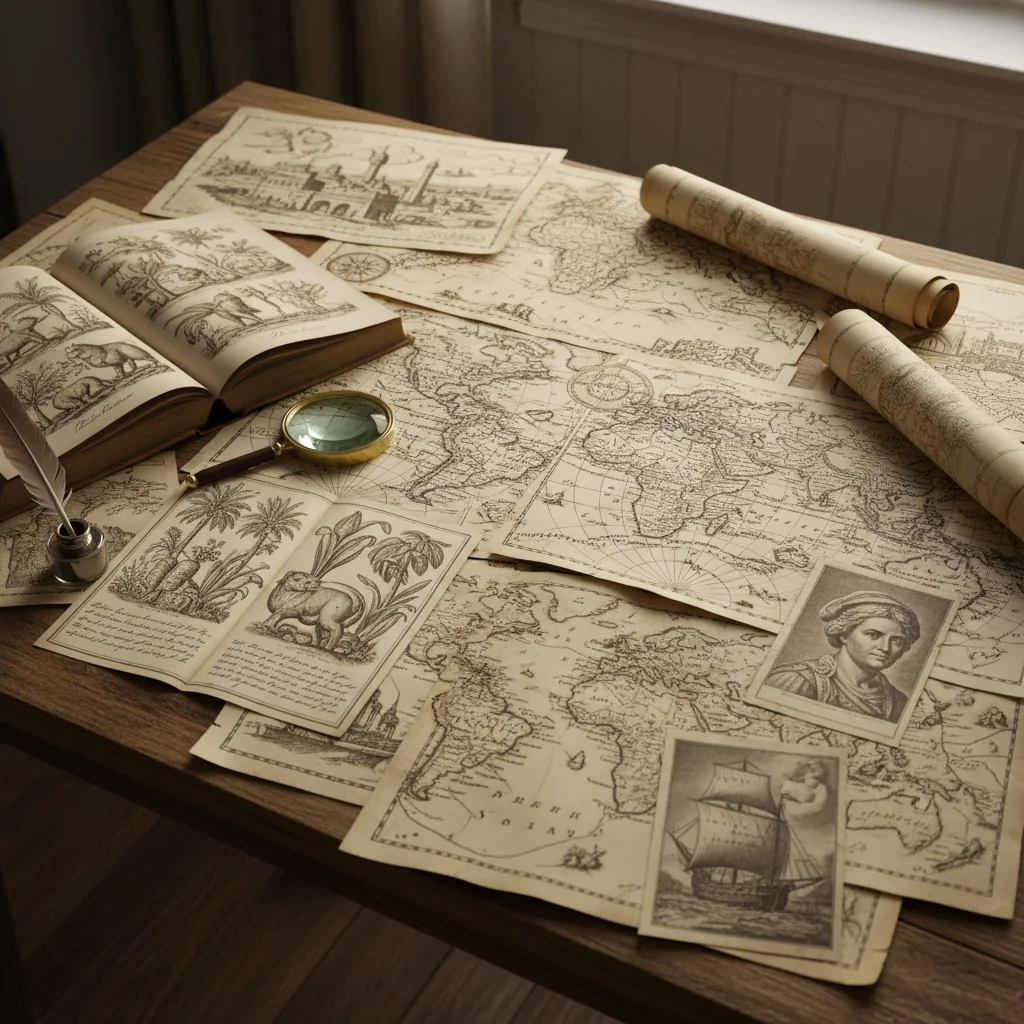
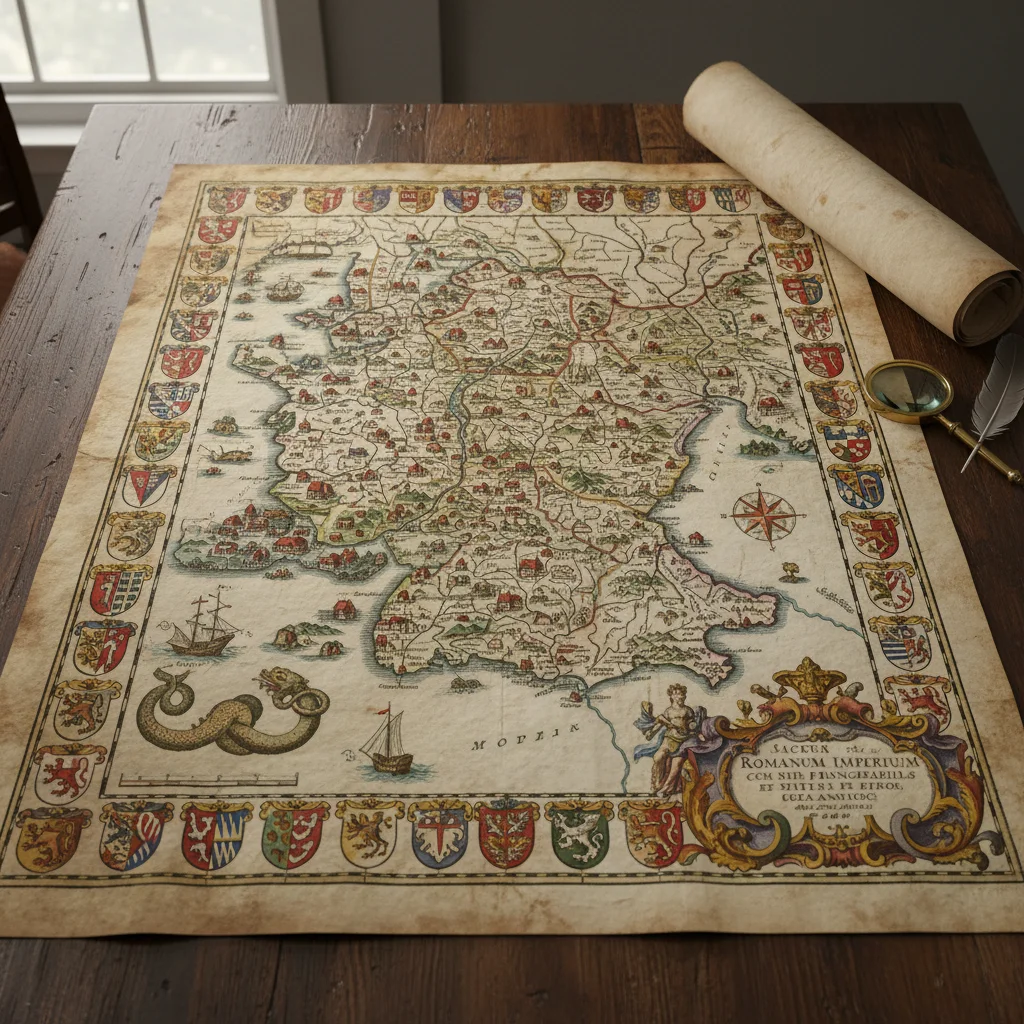
Furthermore, engravings are invaluable historical documents. They have preserved for us images of old maps showing past geographical concepts, and views of cities that have since changed beyond recognition. Although artists might have made their own adjustments to the images, engravings remain an important informational layer of their era.
What is an Old Engraving and Its Historical Role
Collecting Focuses: Documentary and Artistic
Two main directions can be identified in engraving collecting. The first is informational-documentary. This includes old maps, city plans, and other images whose value lies in the historical information they capture.
The second direction is decorative-artistic. This includes engravings of biblical subjects, mythological scenes, portraits, and copies of famous paintings. The main value of such works lies in their aesthetic appeal and the skill of their execution.
The choice of direction depends on the collector's personal preferences. Informational engravings serve as a kind of documentation of the era, allowing us to see what various places looked like in ancient times. Decorative works, on the other hand, are valued primarily as works of art.
Collecting Focuses: Documentary and Artistic
Authorship and Print Condition
When appraising an engraving, the question of authorship arises: who is the author—the artist who created the sketch, or the engraver who executed the work on the printing plate? In some cases, like with Rembrandt or Dürer, it was the same person. Most often, both names are indicated on the engraving, but the engraver who technically realized the image is generally considered the author.
Another crucial aspect is the condition and timing of the print. Engravings were printed from a matrix (a wooden or metal plate). The first prints, made from a fresh, unworn plate, are the sharpest and most valuable. Over time, the matrix would wear down, fine details would fade, and the quality of subsequent prints would decline.
There are three main types of prints based on when they were created: lifetime impressions, made by the author himself or under his supervision; later impressions, made from the original plate years or even centuries later; and modern restrikes, often from museum collections. The difference in their value can be colossal, so determining the printing time is a key aspect of authentication.
How to Determine Authenticity and Avoid Fakes
Old engravings are relatively protected from forgeries, especially in the mid-price range. This is due to two main factors: the paper and the specifics of the printing process.
First, finding authentic 16th-18th century paper of the right format is an extremely difficult and expensive task. The composition and texture of old paper are noticeably different from modern equivalents.
Second, the printing method leaves characteristic marks. Modern printers, even the most high-tech ones, cannot reproduce the impression left by the printing plate (matrix) as it presses into the paper. This plate mark, especially noticeable around the edges of the image, is an important sign of authenticity. Additionally, old inks settle differently on the rough surface, creating lines with a unique texture that is difficult to imitate.
How to Determine Authenticity and Avoid Fakes
The Three Pillars of an Engraving's Value
The value of an old engraving is determined by three main factors that are important for any collector or investor.
Authorship. Works by famous masters, such as Rembrandt or Dürer, will always be significantly more expensive. The name of the artist or engraver is the first and most obvious criterion of value.
Edition size and rarity. The fewer prints were made, or the fewer that have survived to this day, the higher the price of each copy. Proof prints, which were made during the process of working on the engraving and exist in single copies, can be particularly valuable.
Subject matter. For most collectors, this is a key factor. Even if an engraving is not by a famous master and was produced in a large edition, an interesting subject can significantly increase its value. Battle scenes, copies of famous paintings, views of major cities (Paris, Rome, St. Petersburg), portraits of historical figures, or thematic images, such as weapons or hunting, are in particularly high demand.
The Three Pillars of an Engraving's Value
Examples from a Collection: From Hunting to Cartography
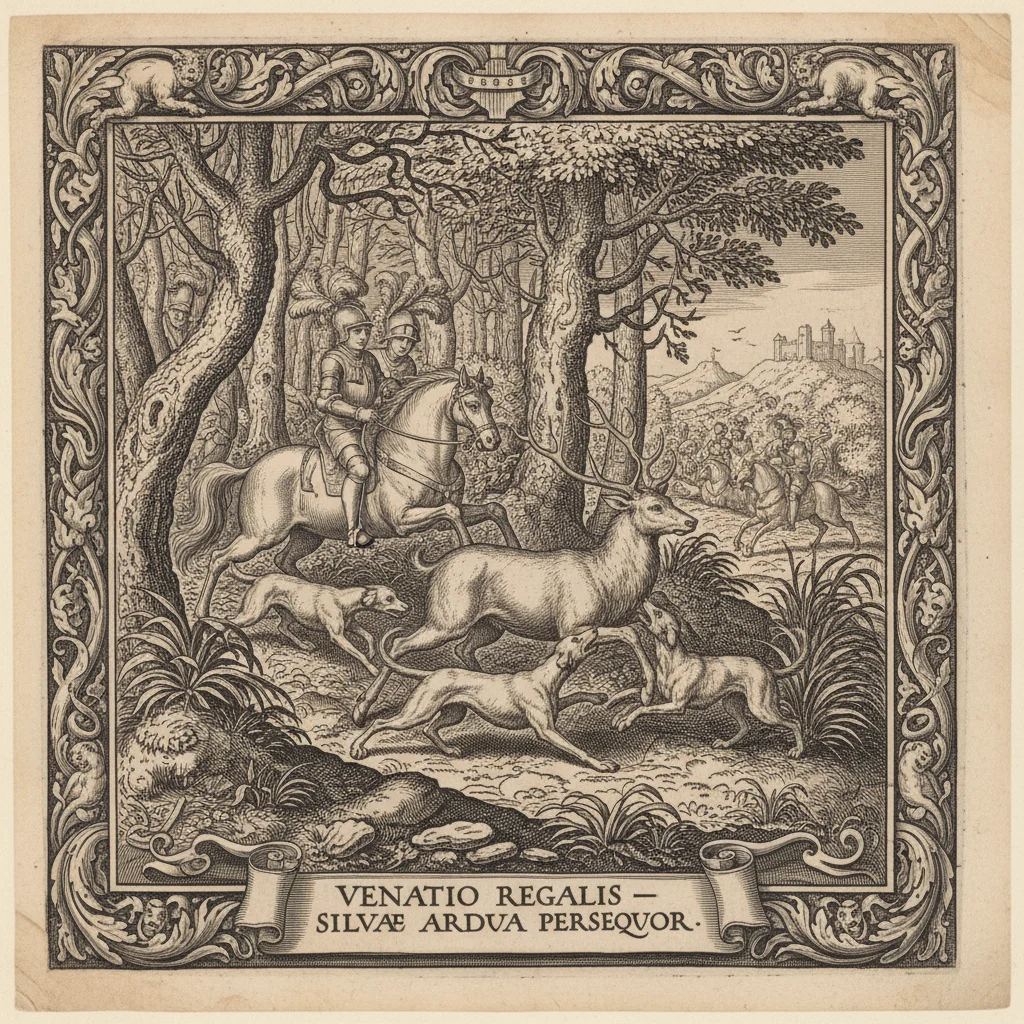
The diversity of subjects and styles in engraving can be illustrated with specific examples. For instance, a 16th-century engraving of a par force hunt scene, signed by the engraver Jean Le Pautre and the Parisian publisher Jean Le Blond, conveys the dynamics and mythological motifs of the time.
Another example is a more realistic English engraving from the early 18th century, depicting the paying of a tithe to a vicar. Such works are valuable for their full attribution, including the names of the artist, engraver, and publisher, which allows for precise dating and determination of the sheet's origin.
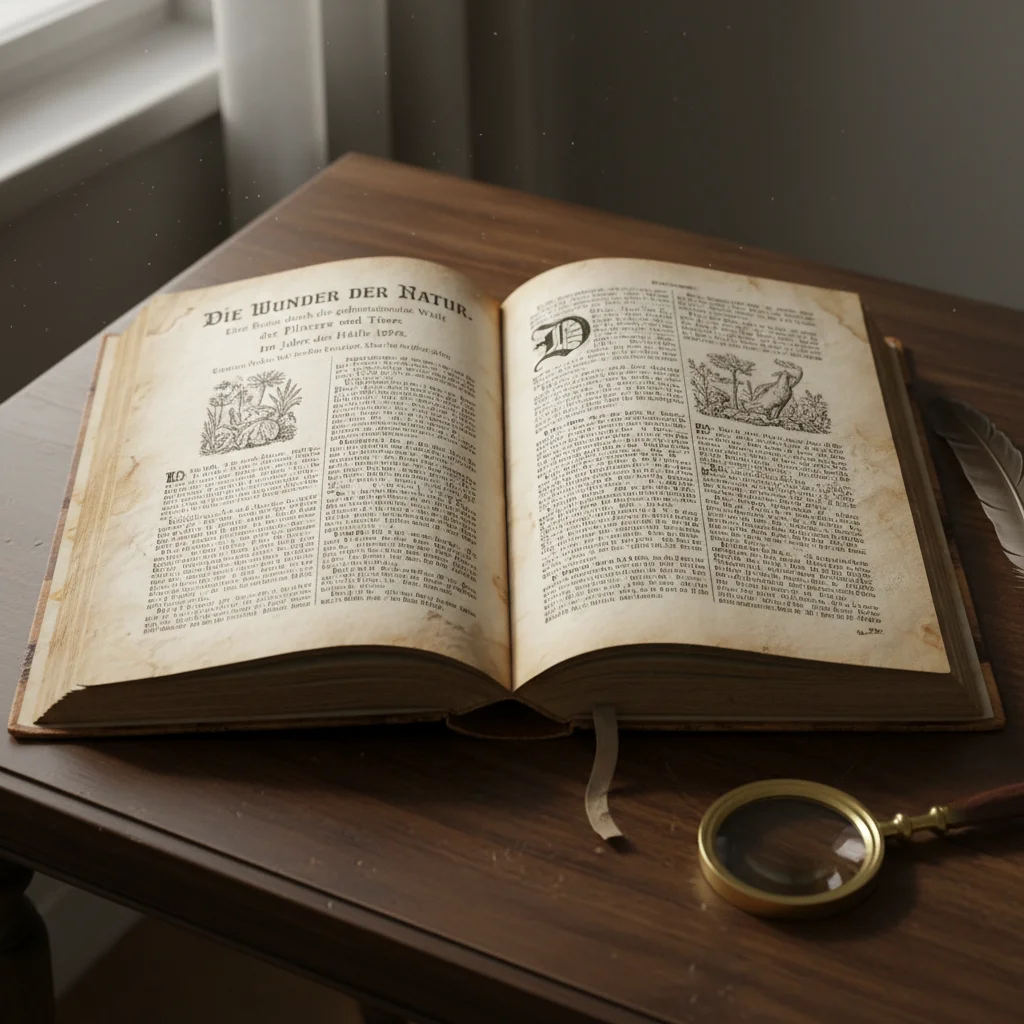
Engravings from old scientific books are of particular interest. An illustration from an 18th-century German natural history publication, showing a finch and its skeleton, is in high demand among collectors. Such works combine scientific accuracy with artistic expression.
Old maps are also a popular collecting item. A map of the Holy Roman Empire from the 1710s-1720s, covering the territory from Paris to Bohemia, is not only artistically designed but also striking in its detail, allowing one to examine even small settlements.
Examples from a Collection: From Hunting to Cartography