
History of Things
Fascinating stories about cult objects, brands and their creators. Emotional longreads about things with soul.
Articles (119)
Page 5 of 6
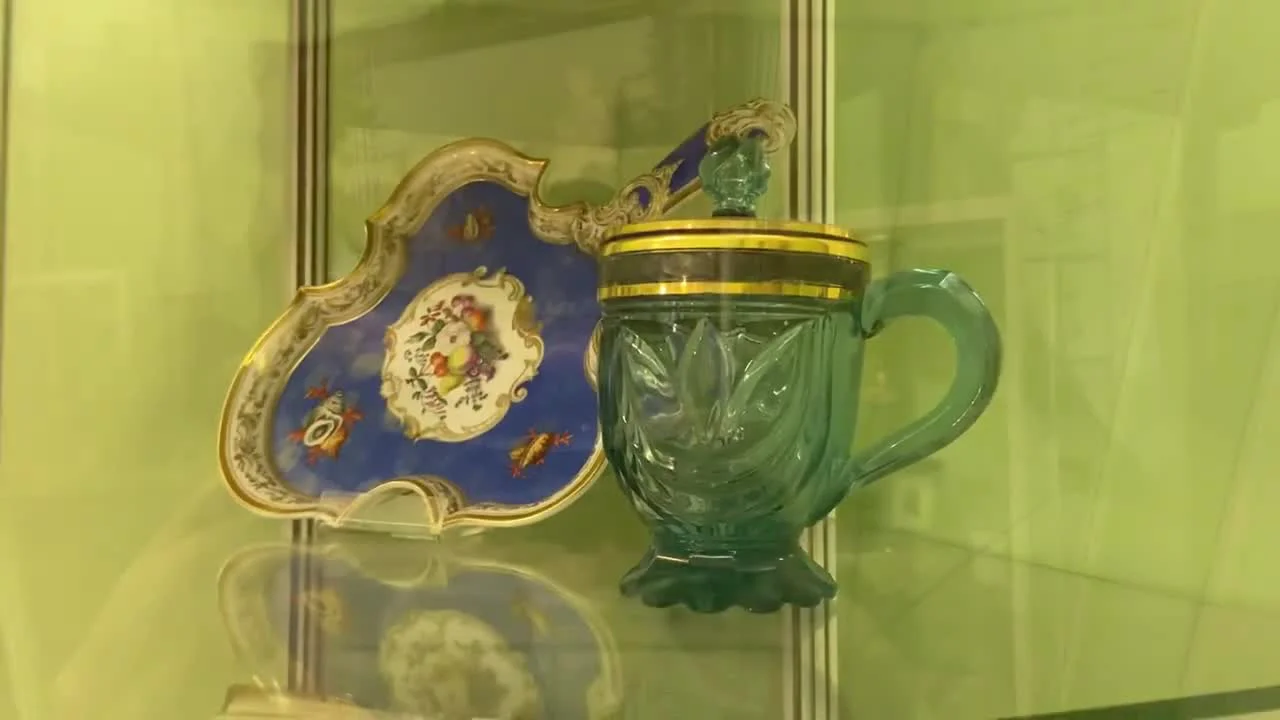
Treasures of the Golitsyn Estate in Bolshiye Vyazyomy
The history of the estate in Bolshiye Vyazyomy begins in 1694, when it was granted by Peter I to Prince Golitsyn. 90 years later, a palace was erected here, the interiors and items from which have partially survived to this day.
History of ThingsCollector's Guide
Read More →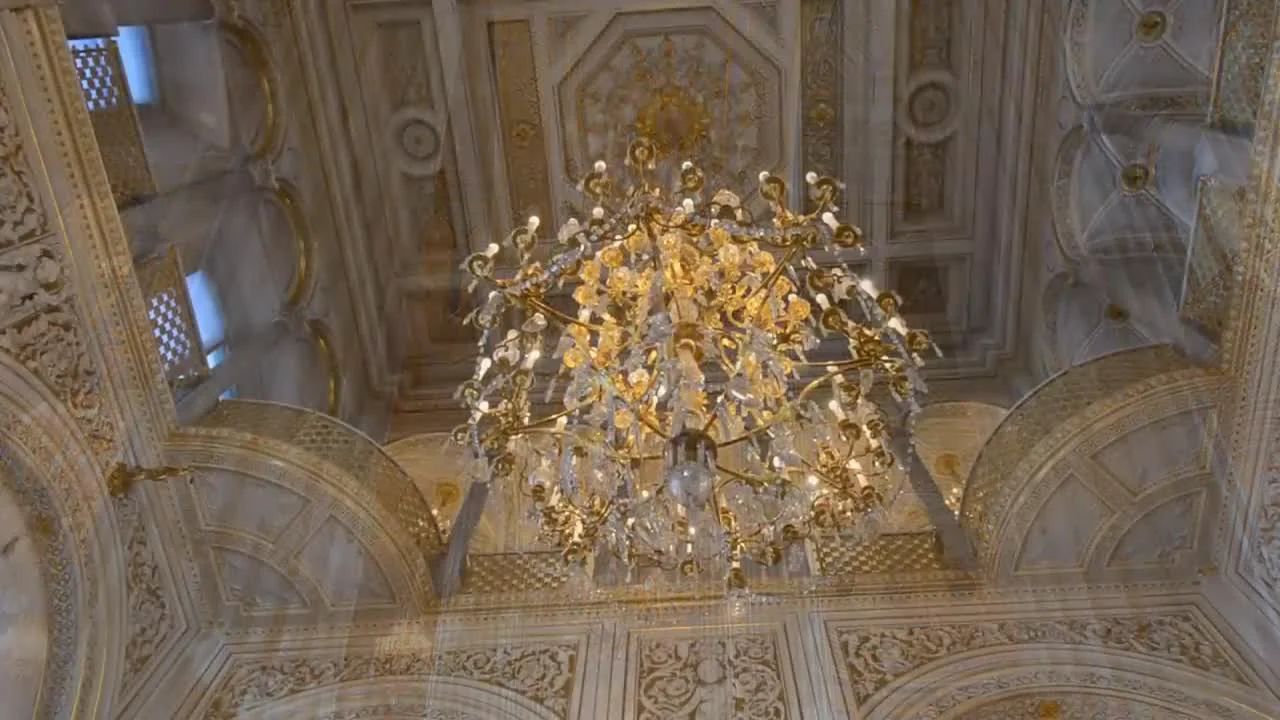
The Peacock Clock: A Masterpiece of 18th-Century Mechanics from the Hermitage
For over two centuries, the collection of the State Hermitage Museum in St. Petersburg has housed a unique exhibit that never fails to delight the public. This is the amazing Peacock Clock, created in the 1770s.
History of Things
Read More →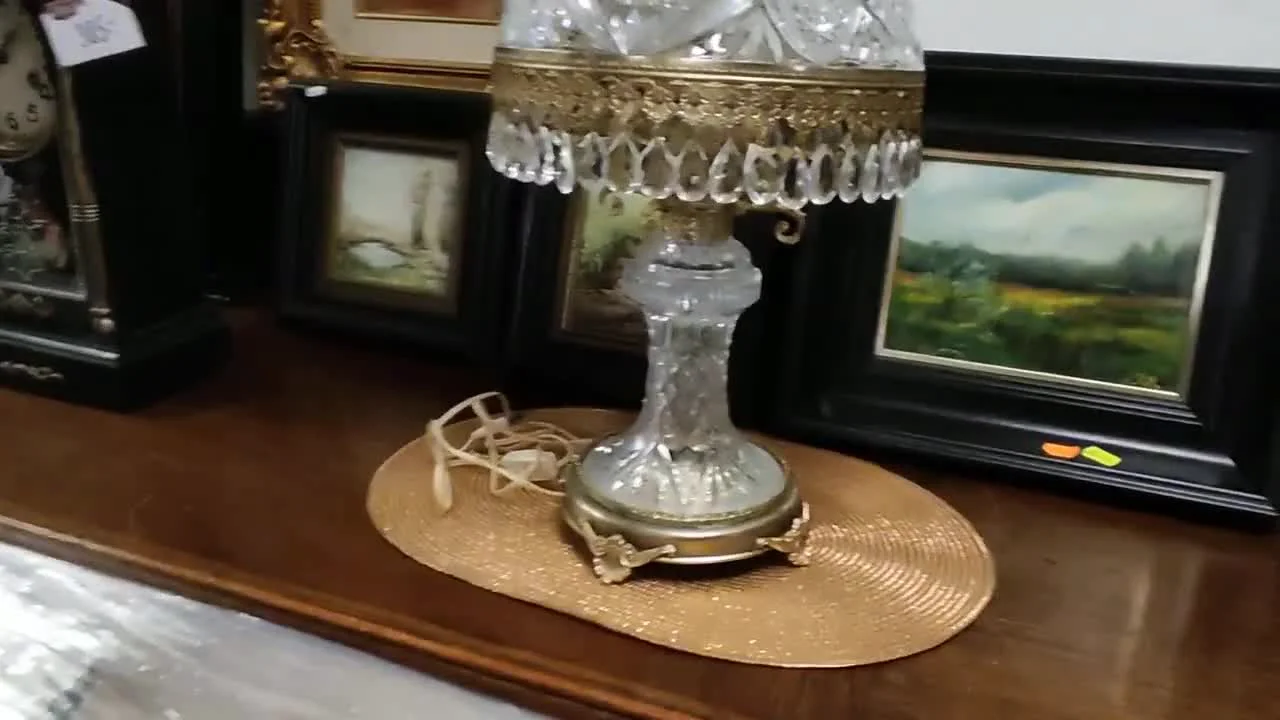
Treasures of a Tallinn Antique Shop: Luxury and Elegance
In Tallinn, within the 'KADAKA keskus' shopping center, there is an amazing furniture store specializing in antiques. It cannot be called an ordinary retail outlet—it is more like a museum where every exhibit tells its own story. At the entrance, visitors are greeted by two majestic lion statues, as if guarding the treasures within.
History of ThingsCollector's Guide
Read More →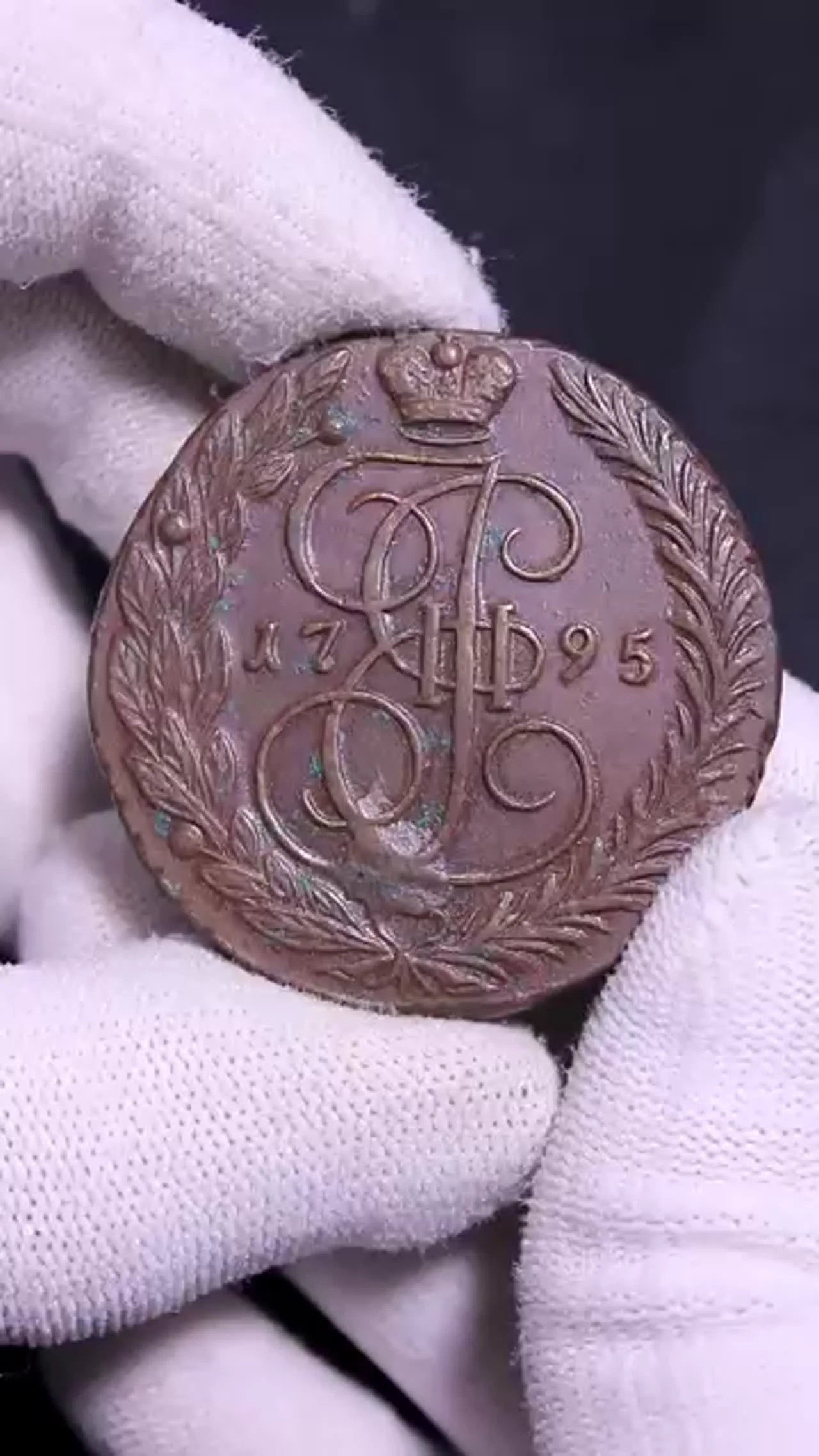
What Could You Buy for 5 Kopecks of Catherine II?
In the history of Russian numismatics, the copper 5-kopeck coins from the reign of Catherine II hold a special place. These coins are considered some of the largest and are among the most collected specimens in Russia.
History of ThingsCollector's Guide
Read More →
The History of the Gold Chervonets: From Ivan III to the Soviet 'Sower'
Chervonets is the traditional Russian name for large gold coins, both domestic and foreign. The name comes from the word 'chervonny,' which means red or crimson. The ancient minting technology involved using an alloy of gold and copper, which gave the coins a reddish hue.
History of ThingsInvestments
Read More →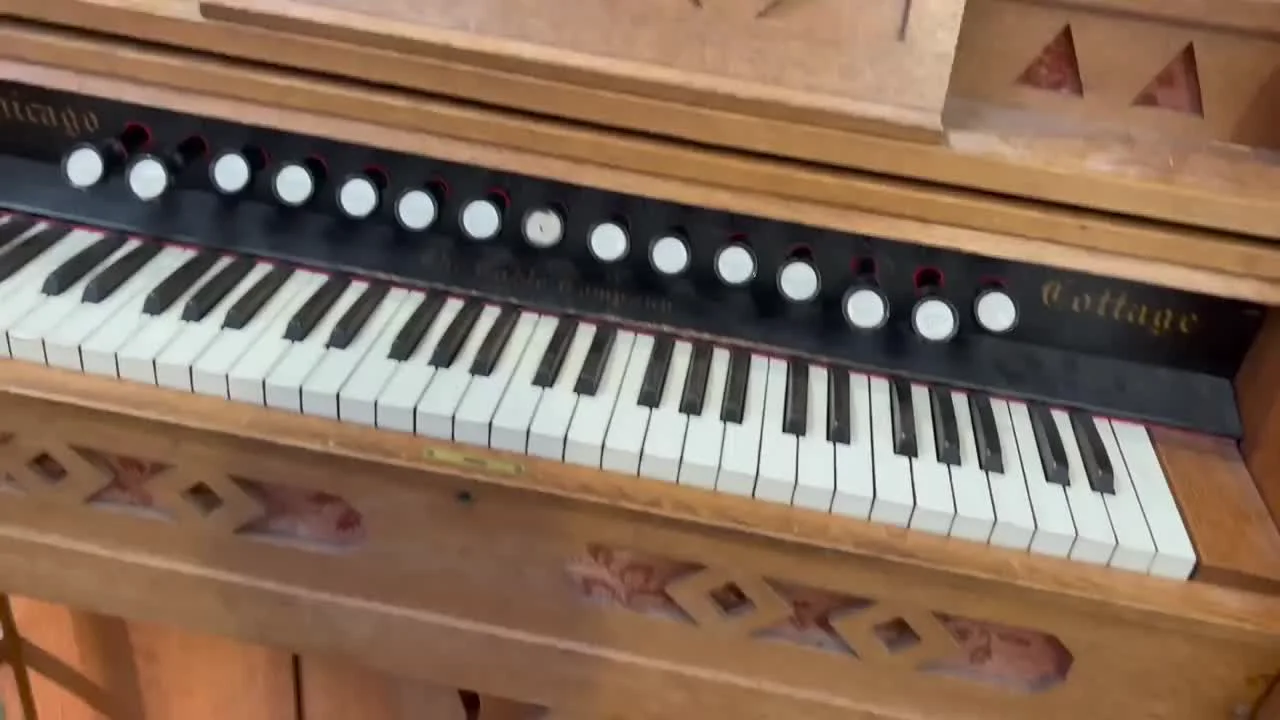
Review of a Vintage Furniture Warehouse in Riga
In Riga, at 25 Pushkina Street, there is a huge vintage furniture warehouse store. This place is well-known among connoisseurs of antiquity, and visiting it was a long-held goal. Inside, you'll find an impressive collection of interior items from different eras.
History of ThingsCollector's Guide
Read More →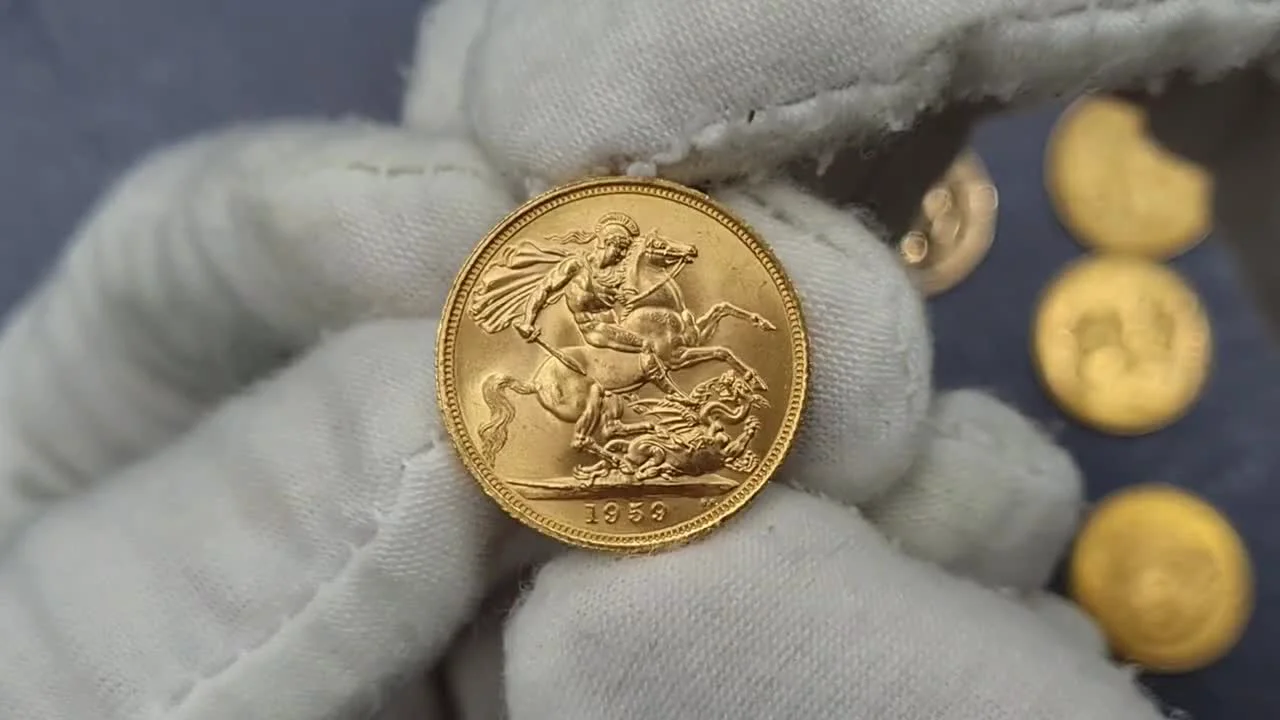
Sovereigns: The History and Investment Value of the Most Recognizable Gold Coins
Gold British Sovereigns are among the most famous coins in the world. They have a long and rich history, having once had a significant impact on global monetary circulation. Thanks to their recognizability, these coins are found in the collections of both novice and experienced numismatists.
History of ThingsInvestments
Read More →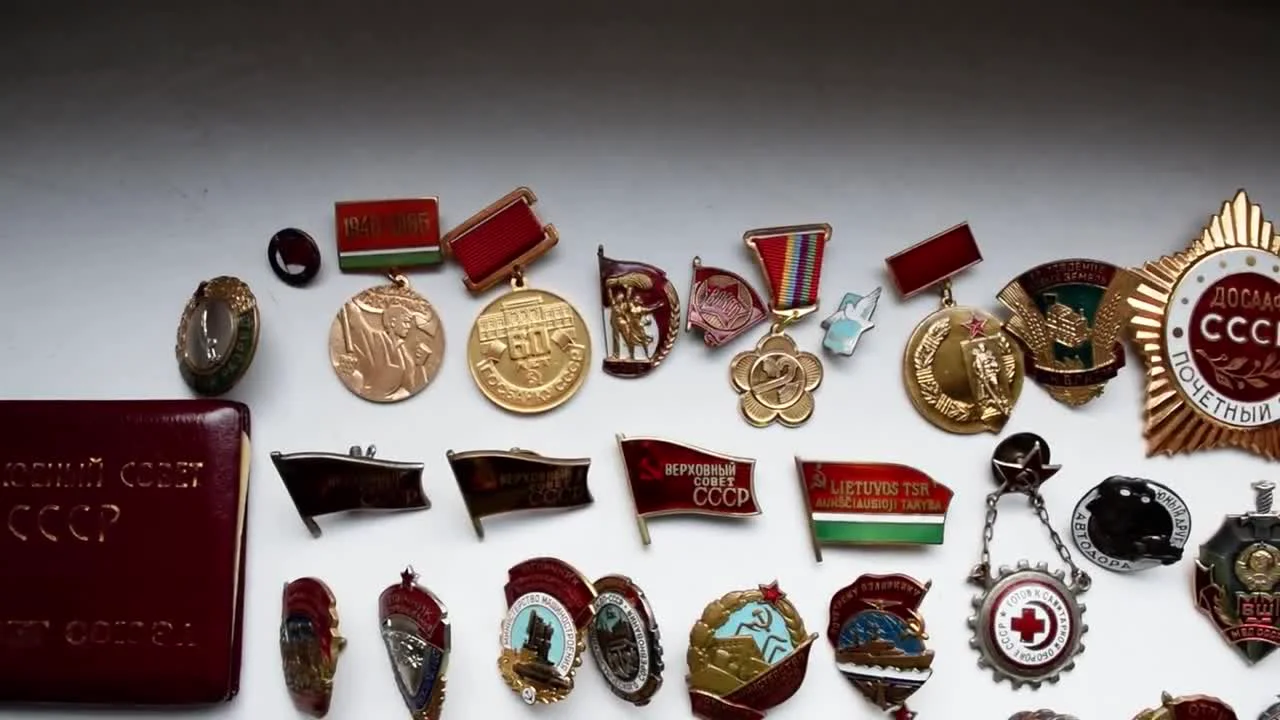
An Overview and Valuation of Soviet Badges: From Mass-Produced to Rare
A collection of Soviet badges, primarily from the 1950s-60s, represents a broad slice of history. However, not all so-called 'heavy' badges from this period are expensive. It's important to be able to distinguish mass-produced items from genuinely valuable ones, as well as to recognize fakes.
Collector's GuideHistory of Things
Read More →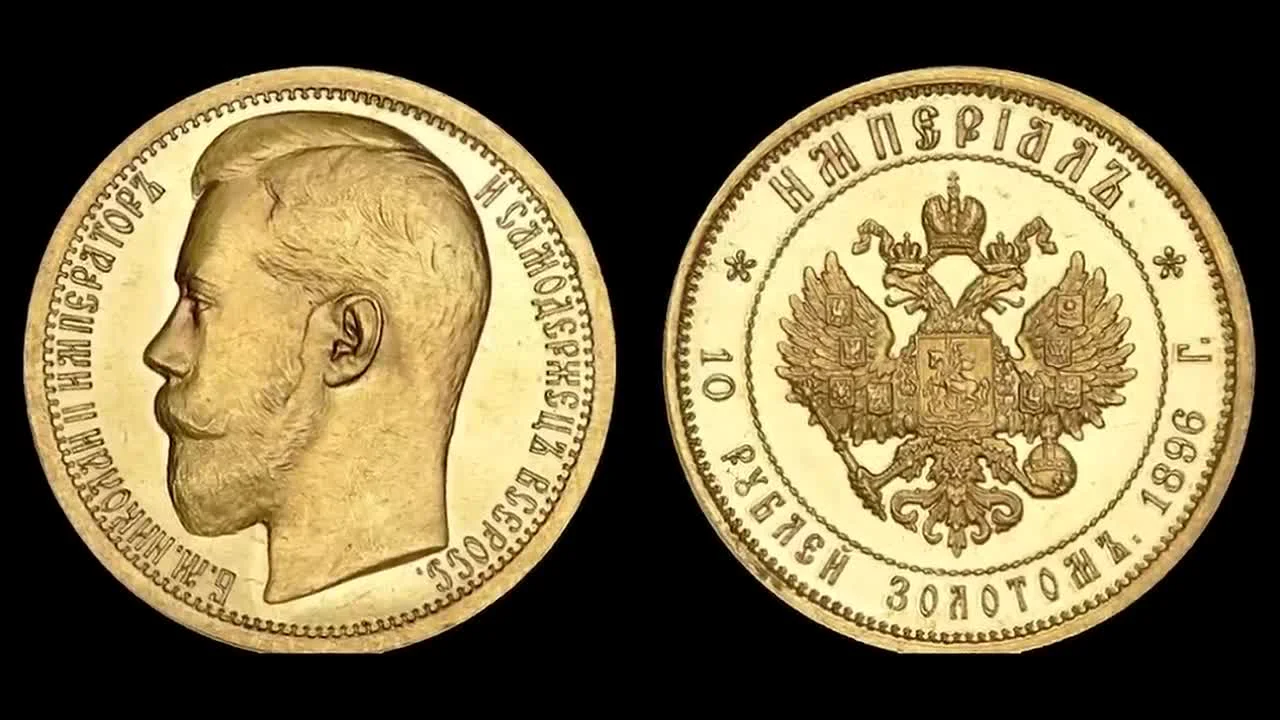
The Gold Standard of the Russian Empire: From Witte's Reform to World War I
From January 3, 1897, the Russian Empire, following most countries in the world except Mexico and China, introduced the gold standard, placing the ruble on a gold basis. Although gold coins had circulated in Russia before, they traditionally served more as a means of saving rather than payment.
History of ThingsInvestments
Read More →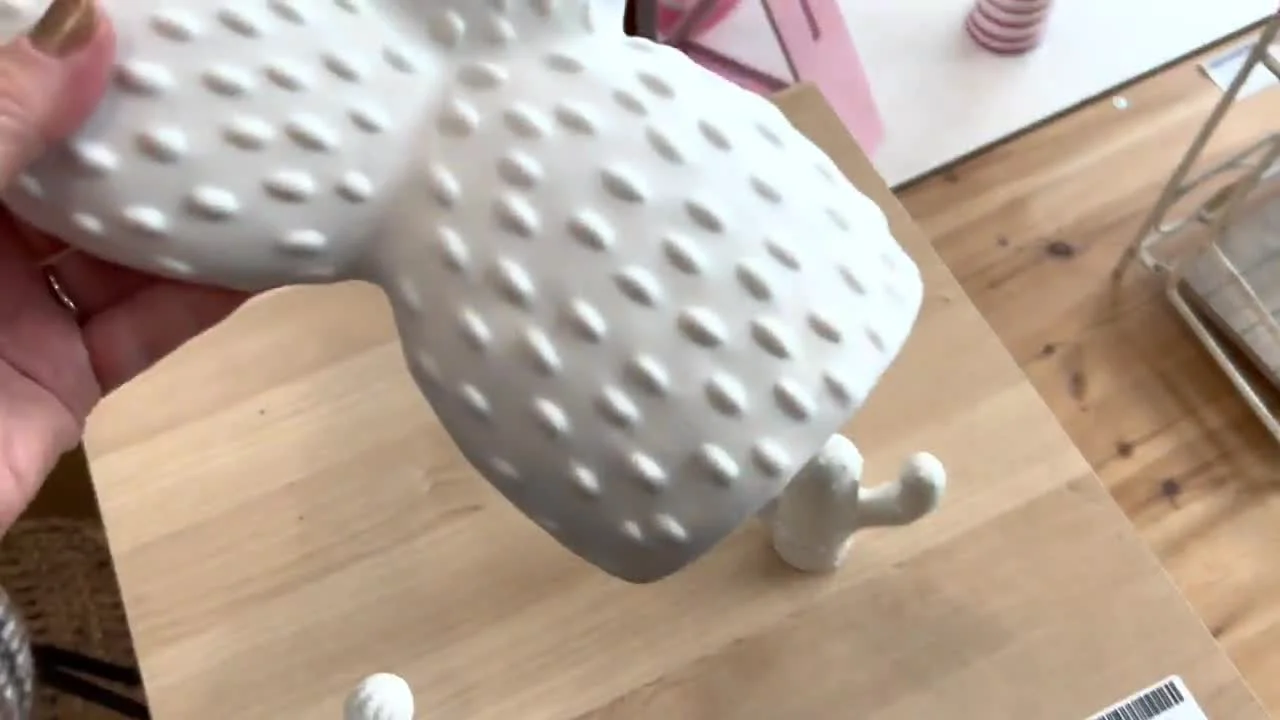
Treasures of a French Flea Market: From Vintage Tableware to Furniture
In a consignment shop near Paris, you can discover many interesting items. Among the finds are white ceramic cacti, which were once a very fashionable decorative element. One large piece was on sale for €2.50.
Collector's GuideHistory of Things
Read More →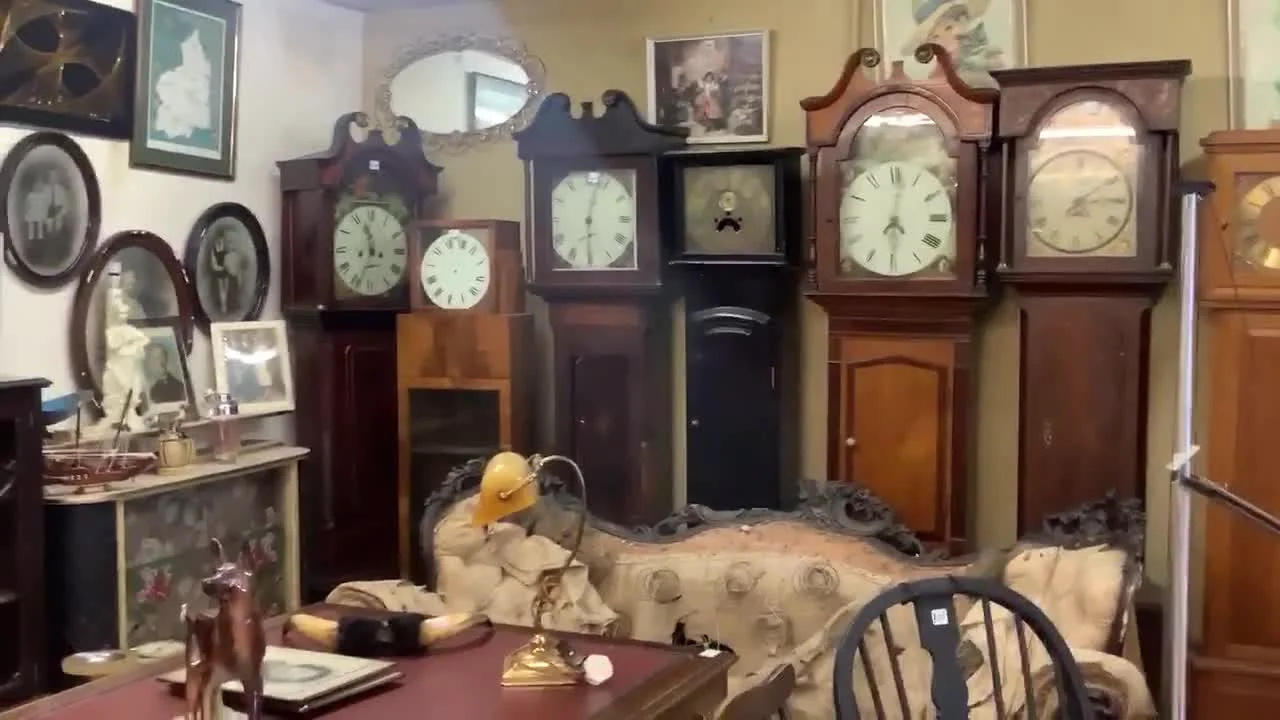
Treasures of an Antique Warehouse: A Review of Unrestored Furniture and Clocks
In the city of Newcastle, there is a huge two-story warehouse store specializing in the sale of antique furniture, clocks, and other antiquities. The unique feature of this place is that all items are sold in their original, unrestored condition. It is a real 'Klondike' for restorers and connoisseurs of authenticity.
Collector's GuideHistory of Things
Read More →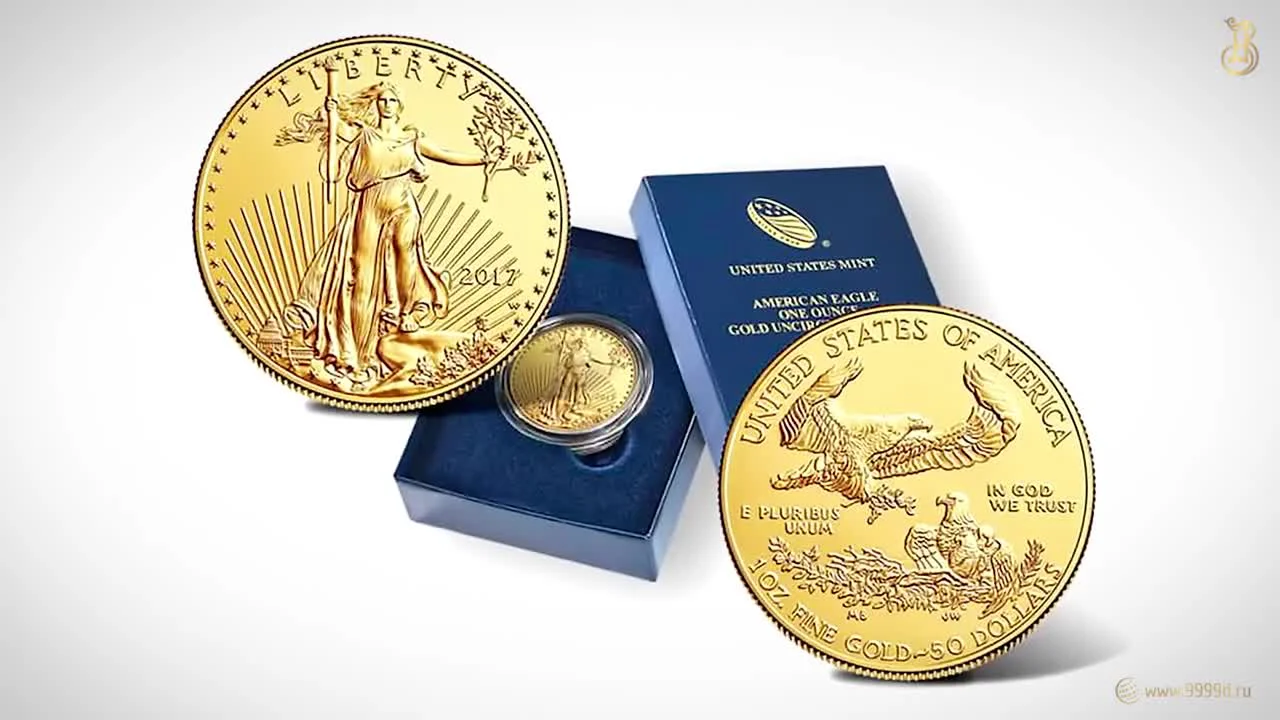
US Gold Coins: History and Features
American gold coins are an integral part of the global precious metals market. Thanks to their rich history, high liquidity, and recognizability, they have always been a reliable component of any investment portfolio.
InvestmentsHistory of Things
Read More →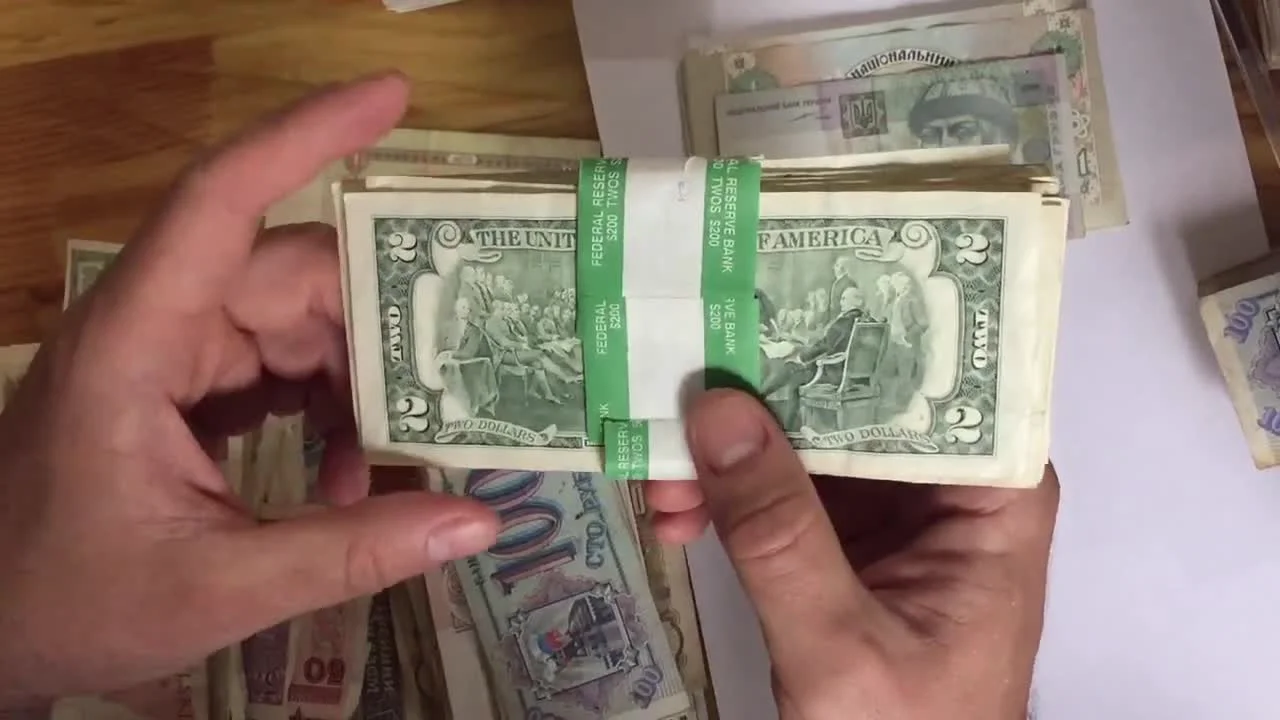
The US Two-Dollar Bill: Myths, History, and Real Value
The US two-dollar bill is a unique banknote with a rich history and numerous myths and legends. Contrary to a common misconception, it has never been taken out of circulation and remains legal tender to this day.
Collector's GuideHistory of Things
Read More →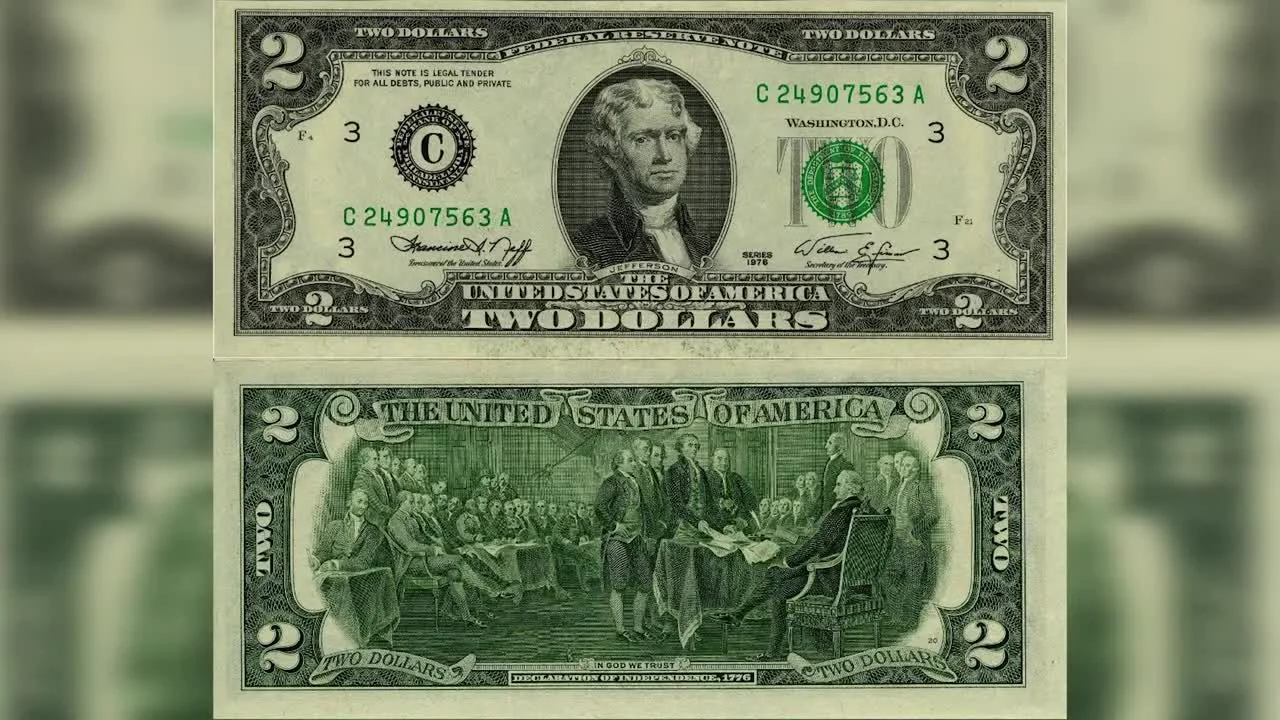
The US $2 Bill: History, Value, and Myths
There are many myths surrounding the 2-dollar bill. Many foreigners and even Americans are convinced that it is not in common use and has long been out of circulation. However, this is a misconception, as the bill is still being issued and is legal tender.
History of ThingsCollector's Guide
Read More →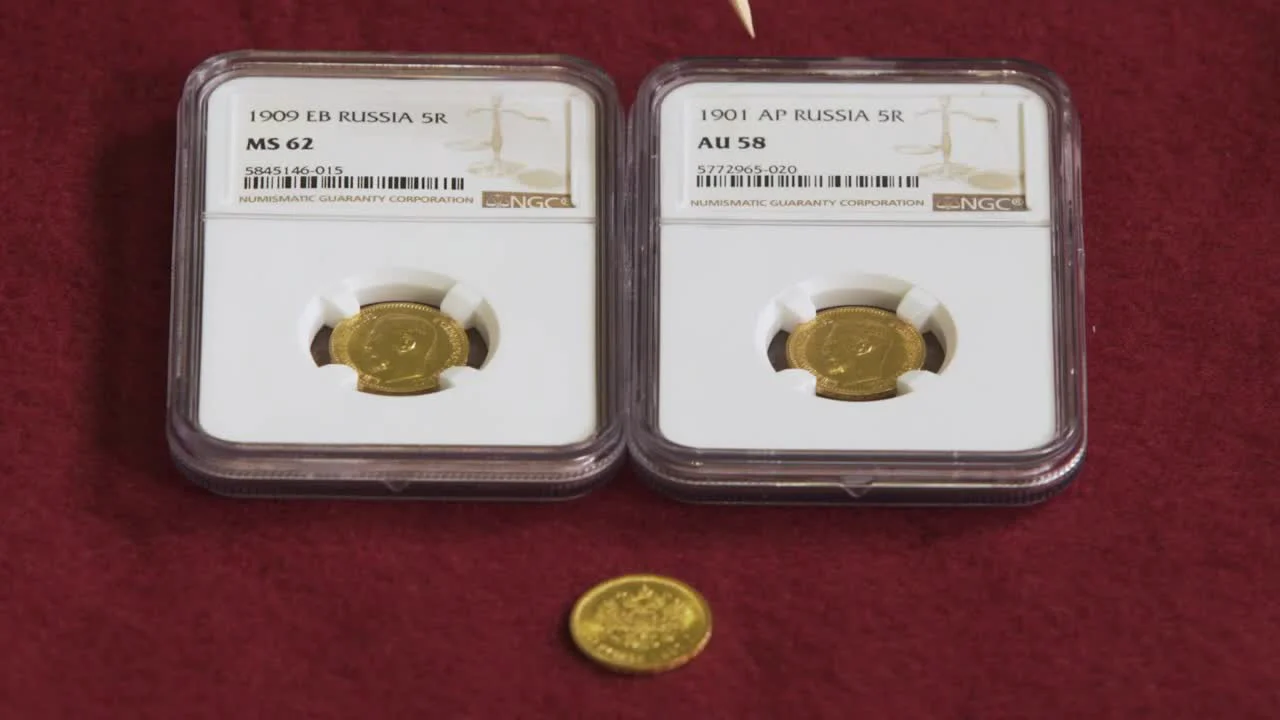
Hidden Rarities Among the Gold Coins of Nicholas II
Among the gold coins of Nicholas II, there are both recognized and hidden rarities. The former include, for example, the 5-ruble coin of 1909. It is traditionally considered rare and is marked with the letter 'R' in most catalogs, including the Bitkin catalog.
Collector's GuideHistory of Things
Read More →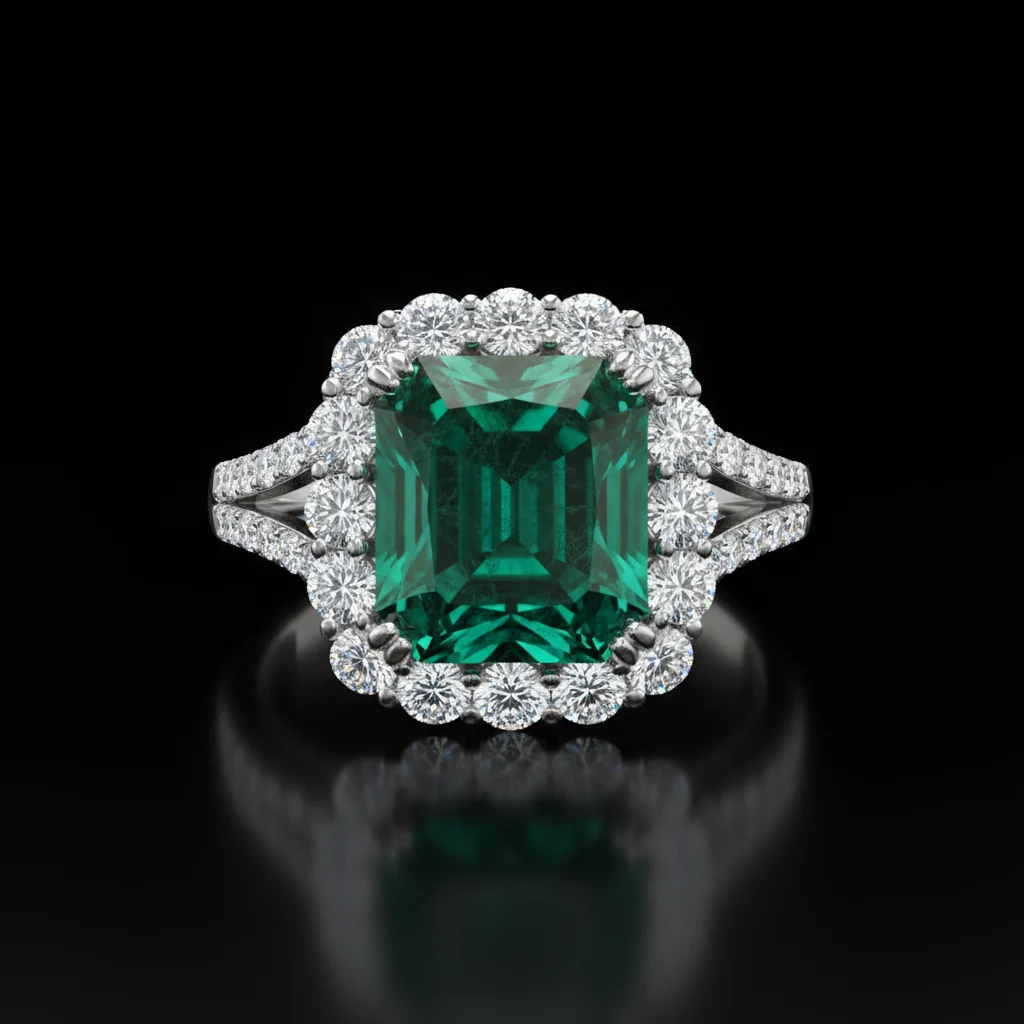
Platin: Geschichte, Eigenschaften und Wert der „Königin der Buntmetalle“
Platin gehört zu den wertvollsten und seltensten Edelmetallen. Seine edle silbrig-weiße Farbe verblasst auch über Jahre nicht, was es zu einem idealen Material für Schmuckstücke macht, die ihr ursprüngliches Aussehen lange bewahren.
History of ThingsCollector's Guide
Read More →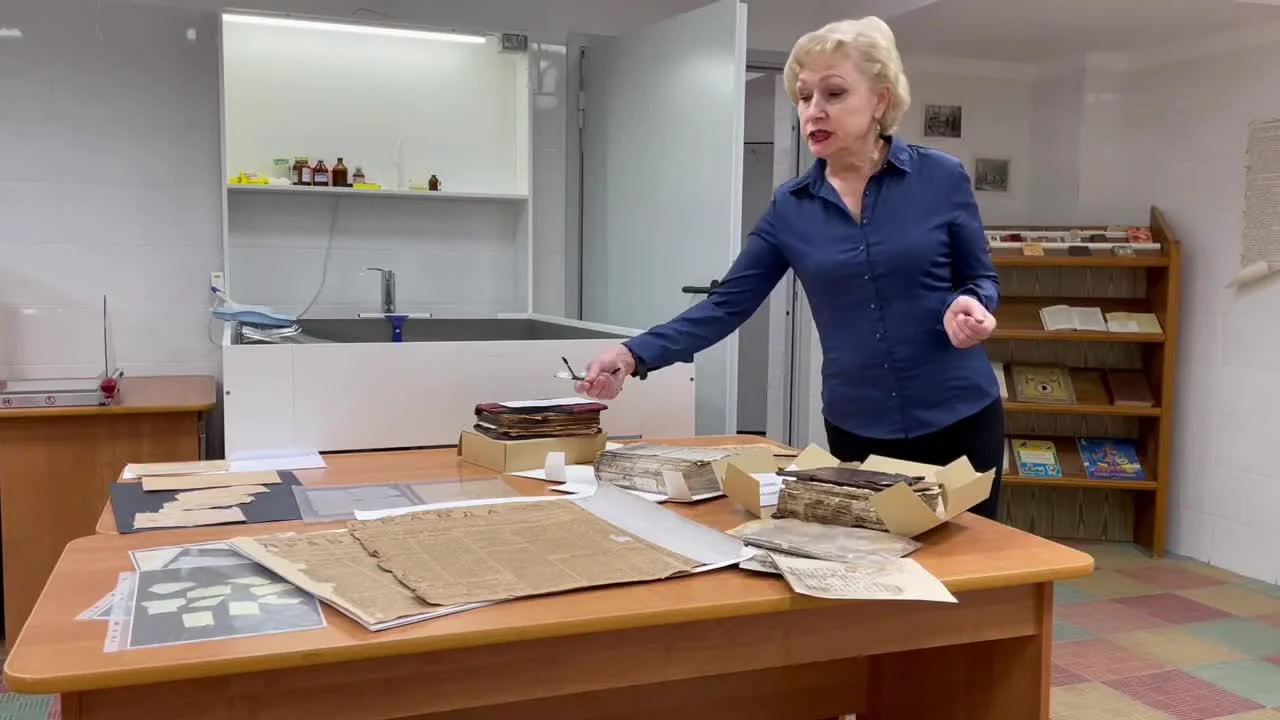
Restoration of Rare Documents: From Cleaning to Recovery
For 11 years, the Regional Center for Conservation and Preservation of Documents has been preserving library collections. The main focus is on documents of special value. In addition, the center actively consults with the republic's collection custodians and participates in various projects, such as the regional 'Digital Culture' project.
History of ThingsExpertise
Read More →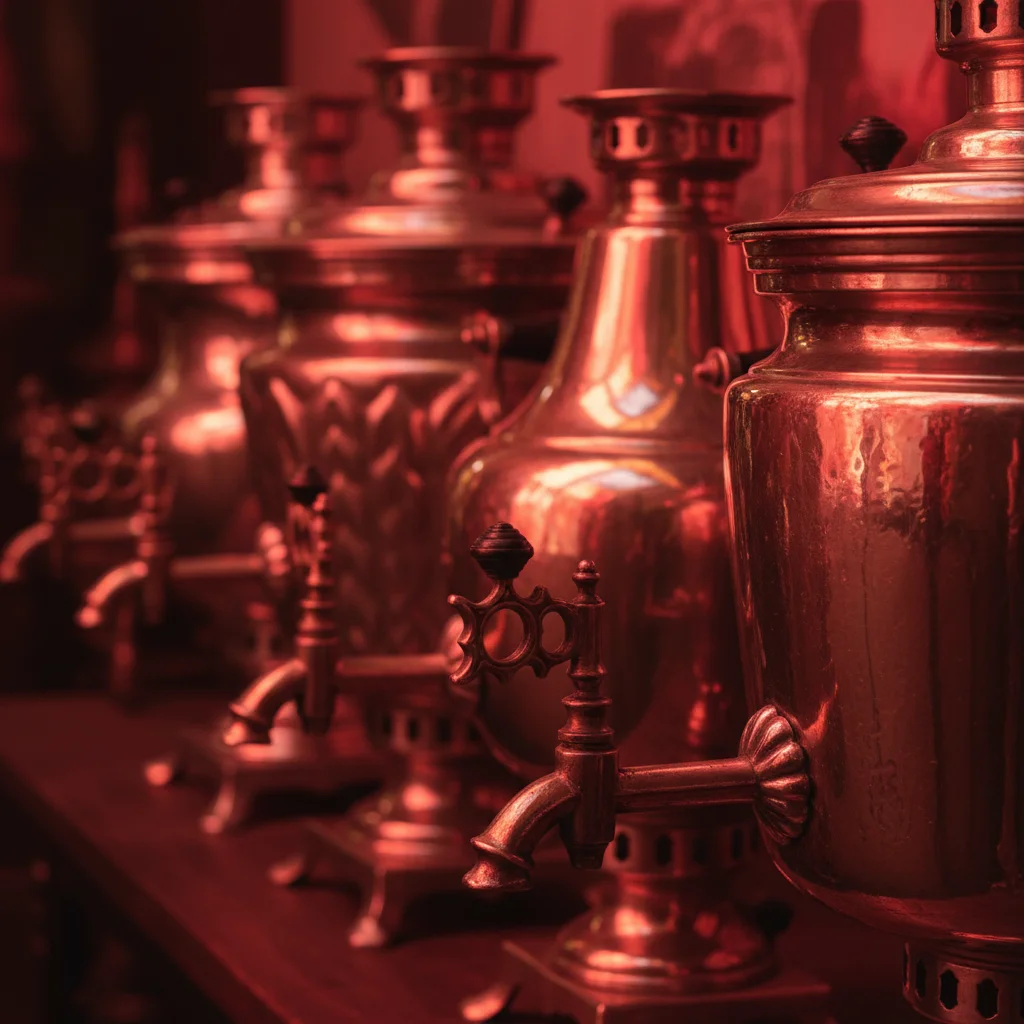
How an Antique Shop Works: Value, Stories, and Risks
Antique shops house items that have escaped the landfill and been given a second life. Here, you can find a gramophone from the turn of the 19th-20th centuries that still works, and its crackling record lets you feel the taste of time, unlike modern studio recordings.
History of ThingsCollector's Guide
Read More →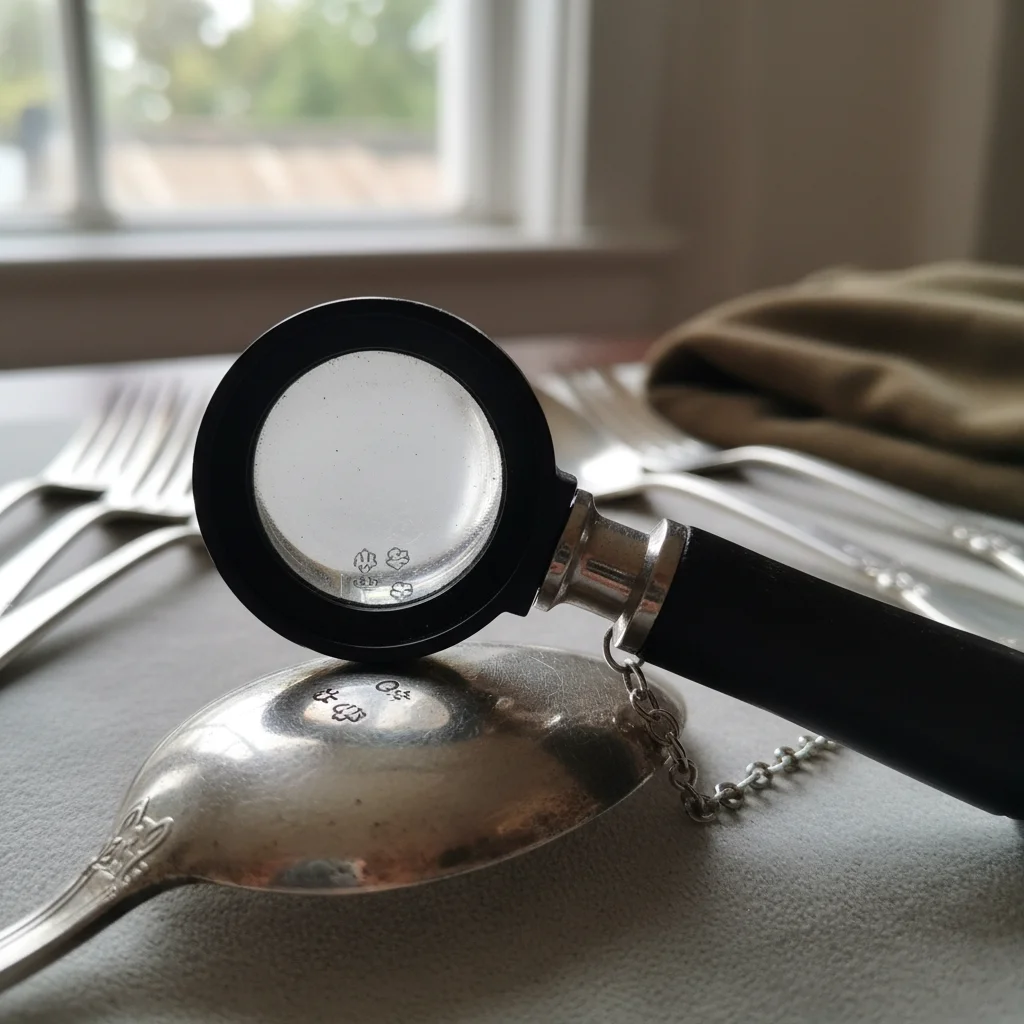
Der Wert von Besteck vom Flohmarkt: Von der Geschichte bis zur Investition
Um zu lernen, auf Flohmärkten Silberbesteck von Stücken aus anderen Metallen zu unterscheiden, genügt es, die Punzen lesen zu können. Dafür werden jedoch spezielle Werkzeuge benötigt, die bei der Identifizierung und Bewertung der Gegenstände helfen.
Collector's GuideHistory of Things
Read More →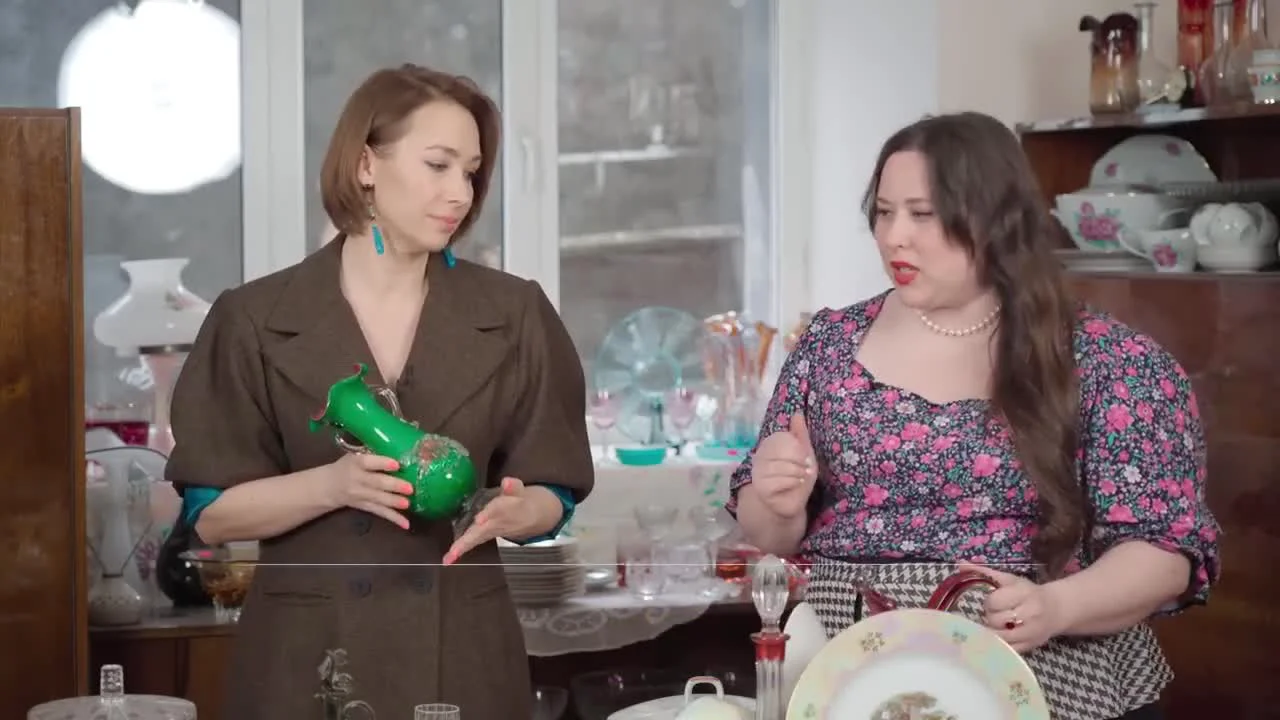
Wie man Antiquitäten von Ramsch unterscheidet: Ein Leitfaden zur Bewertung alter Gegenstände
Eine der Techniken, die antiken Glaswaren Wert verleihen, ist die ‚Hüttentechnik‘. Sie war besonders in der Tschechoslowakei in den 1950er Jahren beliebt und bezeichnet das freie Glasblasen, bei dem das Produkt von Hand und ohne den Einsatz von Formen geformt wird. Es handelt sich immer um hundertprozentige Handarbeit, weshalb es keine zwei absolut identischen Vasen gibt, die in dieser Technik gefertigt wurden.
Collector's GuideHistory of Things
Read More →