The Peacock Clock: A Masterpiece of 18th-Century Mechanics from the Hermitage - AUCBURG | AUCBURG
The Peacock Clock: A Masterpiece of 18th-Century Mechanics from the Hermitage
For over two centuries, the collection of the State Hermitage Museum in St. Petersburg has housed a unique exhibit that never fails to delight the public. This is the amazing Peacock Clock, created in the 1770s.
For over two centuries, the collection of the State Hermitage Museum in St. Petersburg has housed a unique exhibit that never fails to delight the public. This is the amazing Peacock Clock, created in the 1770s.
The creator of this complex mechanism is the famous English master James Cox. Even during his lifetime, he gained great fame as an inventor of unique automatons, and the "Peacock" became one of his most famous creations.
The Composition of the "Magic Garden"
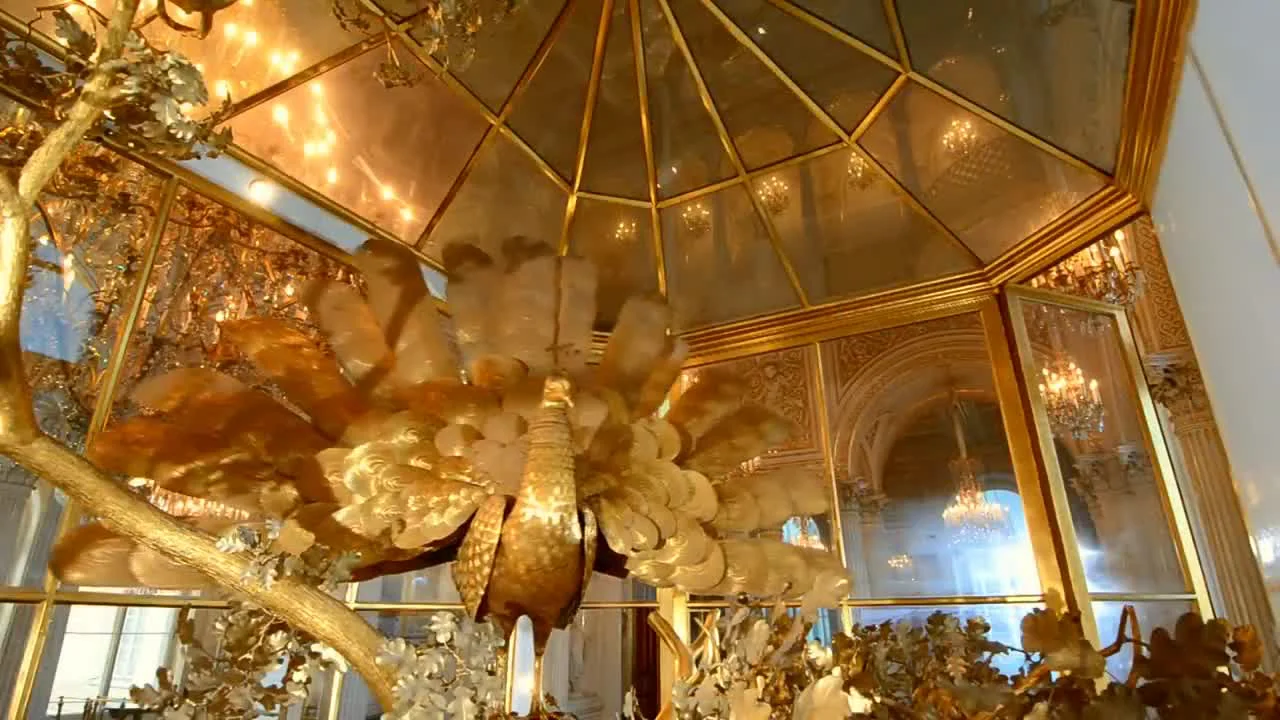
The clock is not only a skillful mechanism but also a true work of art, designed as an entertaining toy, which was fashionable for its time. The entire composition is housed in a large glass case and represents a scene with several figures.
When the special mechanisms are wound, the figures come to life, creating a whole performance. The main elements of the composition are:
Peacock
Cockerel
Owl
Squirrels
The Composition of the "Magic Garden"
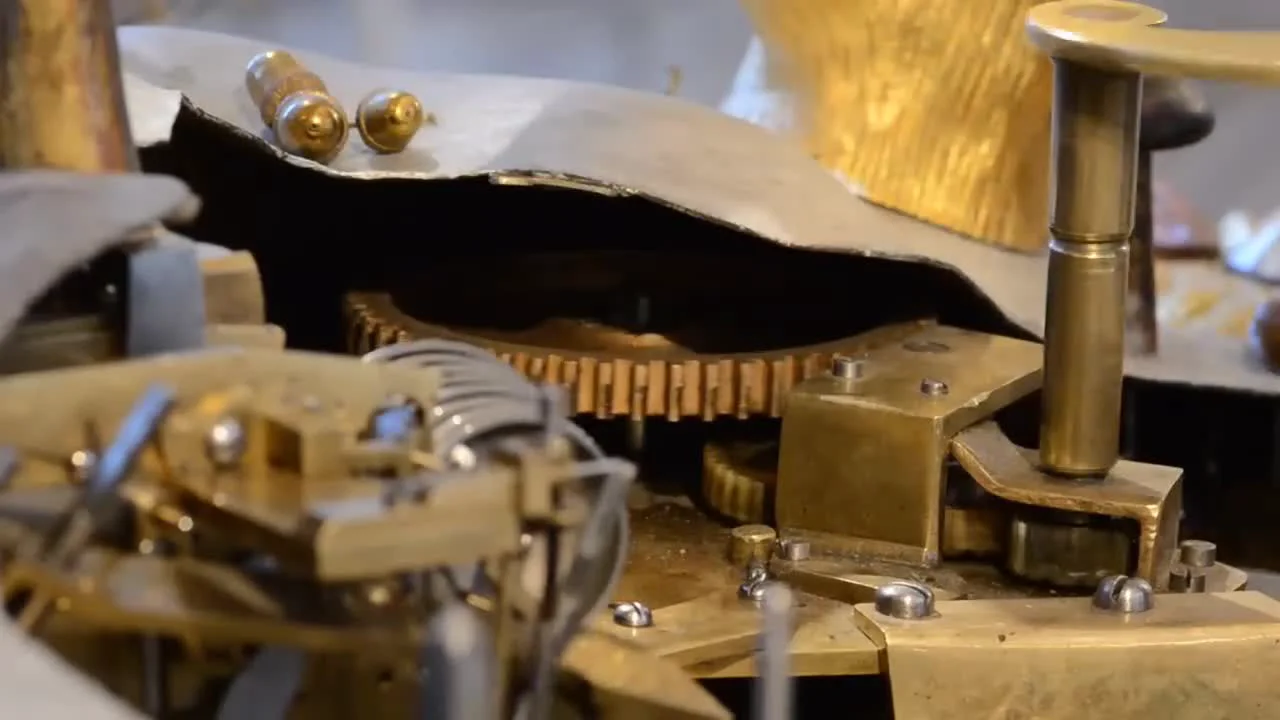
Secrets of the Clockwork Mechanism
Element
Function
Slot in the mushroom
Displays Roman and Arabic numerals for hours and minutes
Dragonfly figure
Serves as the second hand
The main clock face is cleverly hidden from view. It is concealed in the cap of a large mushroom growing at the foot of an oak tree. Through a special slot in the cap, dials with Roman and Arabic numerals indicating the hours and minutes are visible.
The second hand, played by a small dragonfly figure perched on top of the mushroom, deserves special attention.
Secrets of the Clockwork Mechanism
The Story of its Journey to Russia
The Peacock Clock was commissioned by Prince Potemkin-Tavrichesky for the Hermitage of Empress Catherine the Great. In 1781, it was delivered to St. Petersburg, but in a disassembled state, which posed a serious problem for its assembly.
It was not until 1794 that the talented Russian mechanic Ivan Petrovich Kulibin managed to assemble the complex mechanism and "bring it back to life." Three years later, in 1797, the clock was moved from the Tauride Palace to the Small Hermitage building, where it remains to this day.
The Story of its Journey to Russia
The Legacy of James Cox
To create this automaton, James Cox used four independent mechanisms. Three of them set the figures in motion, while the fourth is the clock itself, ensuring the passage of time.
The Hermitage's Peacock Clock is of special value as it is the only large-scale, operational mechanism by James Cox that has survived to our time. Every Wednesday in the Pavilion Hall, the magical birds come to life, delighting visitors.