Treasures of the Golitsyn Estate in Bolshiye Vyazyomy - AUCBURG | AUCBURG
Treasures of the Golitsyn Estate in Bolshiye Vyazyomy
The history of the estate in Bolshiye Vyazyomy begins in 1694, when it was granted by Peter I to Prince Golitsyn. 90 years later, a palace was erected here, the interiors and items from which have partially survived to this day.
The history of the estate in Bolshiye Vyazyomy begins in 1694, when it was granted by Peter I to Prince Golitsyn. 90 years later, a palace was erected here, the interiors and items from which have partially survived to this day.
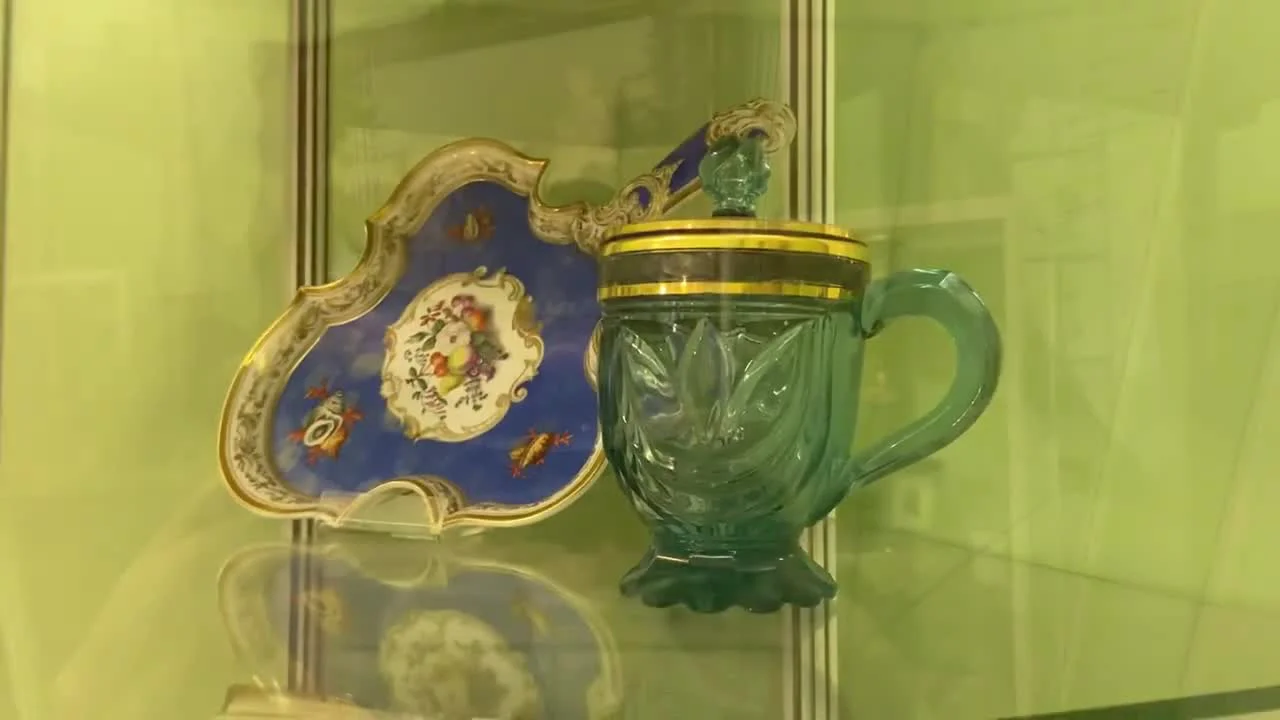
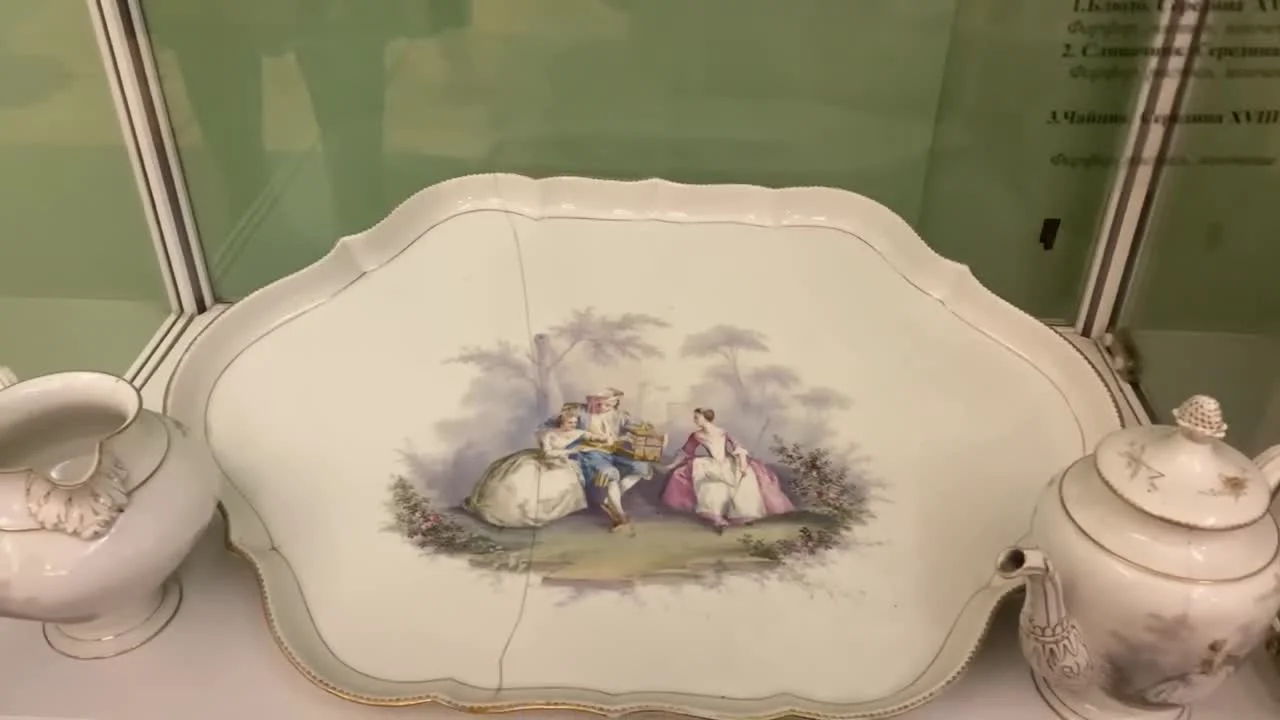
Little remains of its former splendor. One of the most valuable exhibits is a plate—the only surviving item from a dinner service made for the wedding of Sofia Golitsyna and Stroganov. Next to it, one can see an unusual umbrella-shaped device used to cover bread on the dining table.
The Art of Porcelain: From Sèvres to Russian Manufactories
Item
Manufacturer
Period
Dish and teapot
Royal Manufactory of Sèvres
Mid-18th century
Saucers, mug, milk jug
Popov Factory
Not specified
Gilded set
Batenin Factory
1820s
The estate's collection features exquisite examples of porcelain from the mid-18th century. Among them are a French dish and a teapot from the famous Royal Manufactory of Sèvres, founded in 1740. This manufactory was renowned throughout Europe.
Interestingly, one of the dinner services from the Sèvres manufactory, known as the 'Egyptian' service, was gifted by Napoleon I to Emperor Alexander I and is now housed in the Hermitage. In addition to French items, the exhibition also features pieces from Russian factories.
These items demonstrate the high craftsmanship and artistic taste characteristic of aristocratic homes of that era.
The Art of Porcelain: From Sèvres to Russian Manufactories
Attributes of Noble Life and Masonic Secrets
The museum's display cases are filled with numerous items that were an integral part of noble life but have since fallen out of use. Many exhibits are related to the world of women's beauty and social entertainment.
Various perfume bottles.
Masks for masquerade balls.
An elegant fan made of carved ivory.
Clippings from old French fashion magazines.
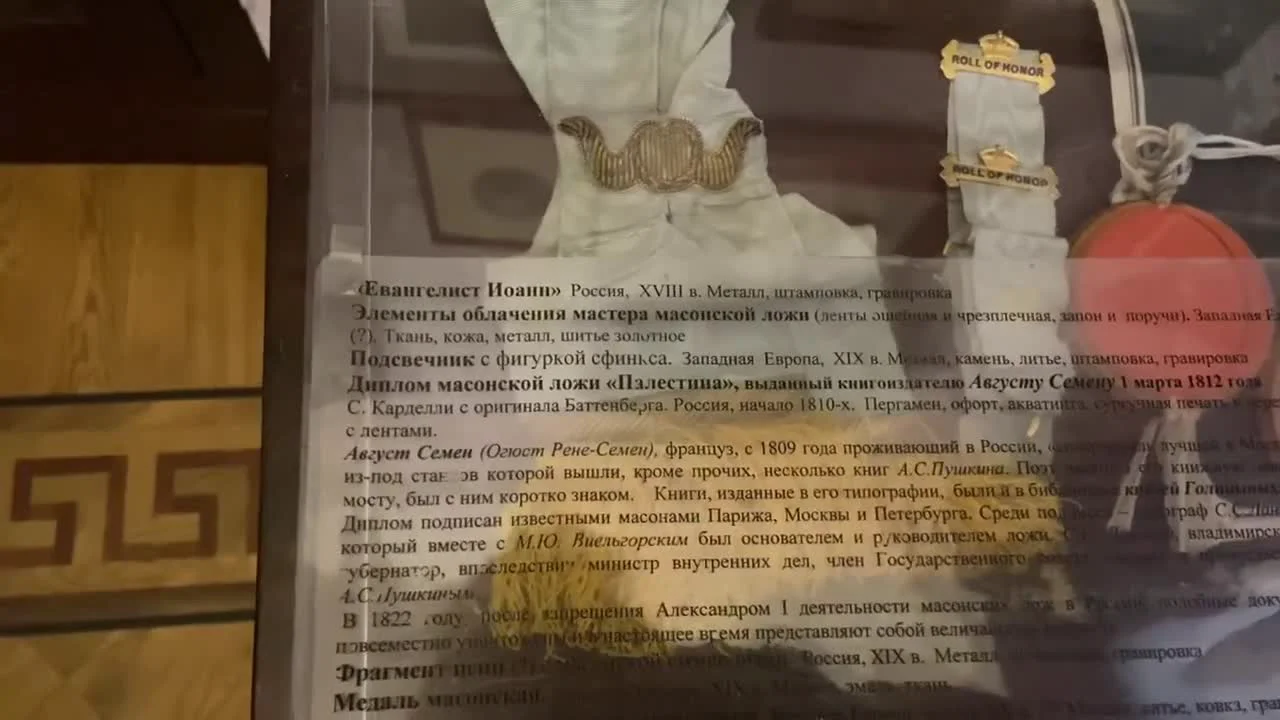
One of the estate's halls is dedicated to Masonic paraphernalia. Although it is not known for certain if this hall was Masonic, the vaulted ceiling and the exhibits on display, including books and journals with Masonic symbols, suggest it. This adds an aura of mystery to the estate.
Attributes of Noble Life and Masonic Secrets
Surviving Interiors and Their History
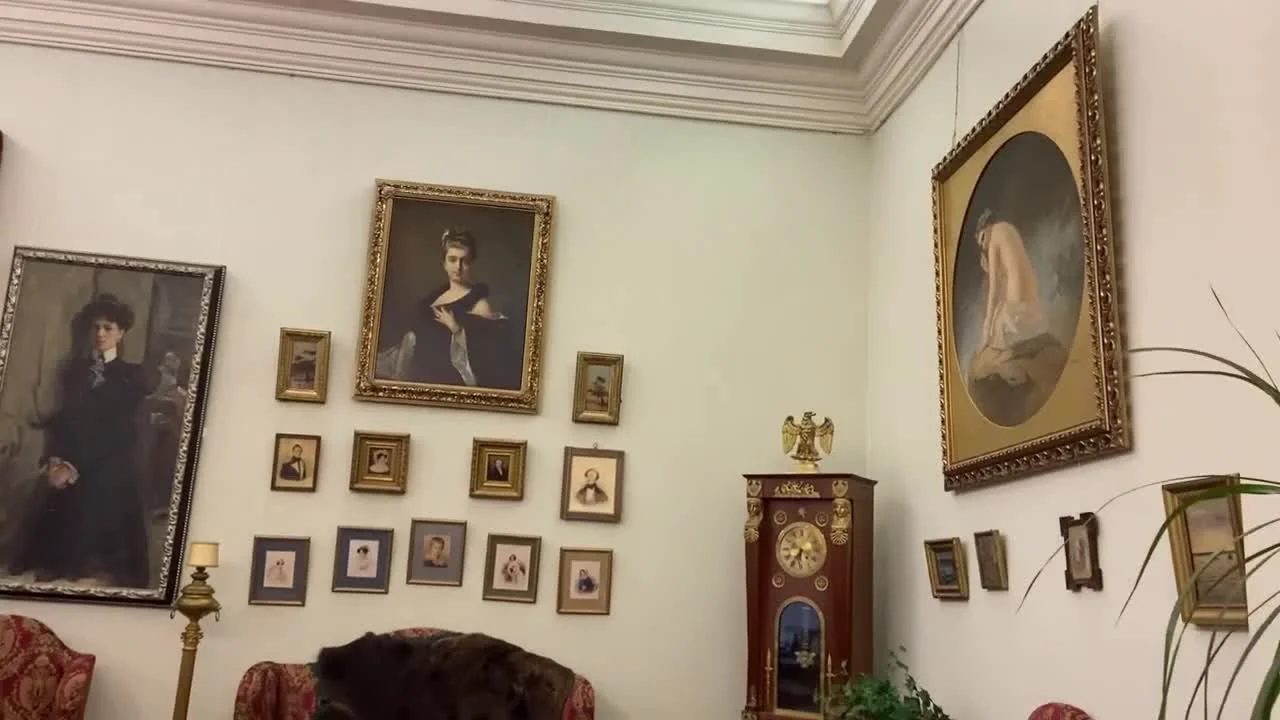
The Golitsyn Palace was mainly intended for receptions and balls, while the owners themselves lived in neighboring houses. Despite this, one of the rooms has preserved authentic items used by the princes. Here, you can see one of the original chandeliers from that era—the rest are later copies.
In this room with a grand piano, there is furniture that belonged to the Golitsyns. The set, made of ash and Karelian birch, including a quartet card table and a folding converter table, has been meticulously restored to its original appearance.
This furniture owes its preservation to an unexpected turn of events. During the Soviet era, the estate building housed a phytotherapy institute, and this very room served as the director's office. He treated the historical items with care and preserved them for posterity.
Surviving Interiors and Their History
The World of Women and Children in the 19th Century
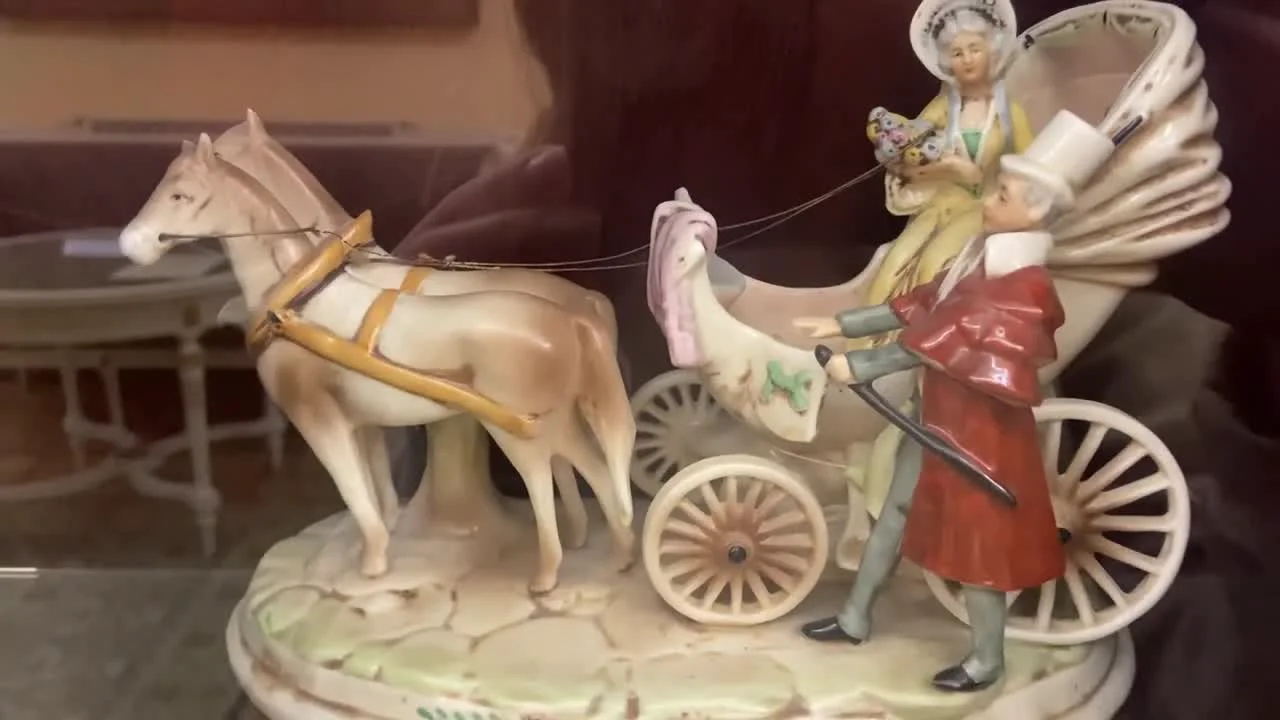
Separate exhibitions are dedicated to the women's wardrobe and the world of children. Here, you can see clothing embroidered with glass beads, shoes made of velvet and leather, and a fan with embroidery from the 19th to early 20th century. A humorous porcelain figurine of a lady with a 'secret'—a part of her skirt opens—attracts particular attention.
The children's room features antique games and toys, such as dollhouses with furniture made from natural materials: wood, brass, and porcelain. It also houses children's furniture from the late 19th to early 20th century, which immerses visitors in the atmosphere of a noble childhood.
The World of Women and Children in the 19th Century
The Satirical 'Monkey Orchestra'
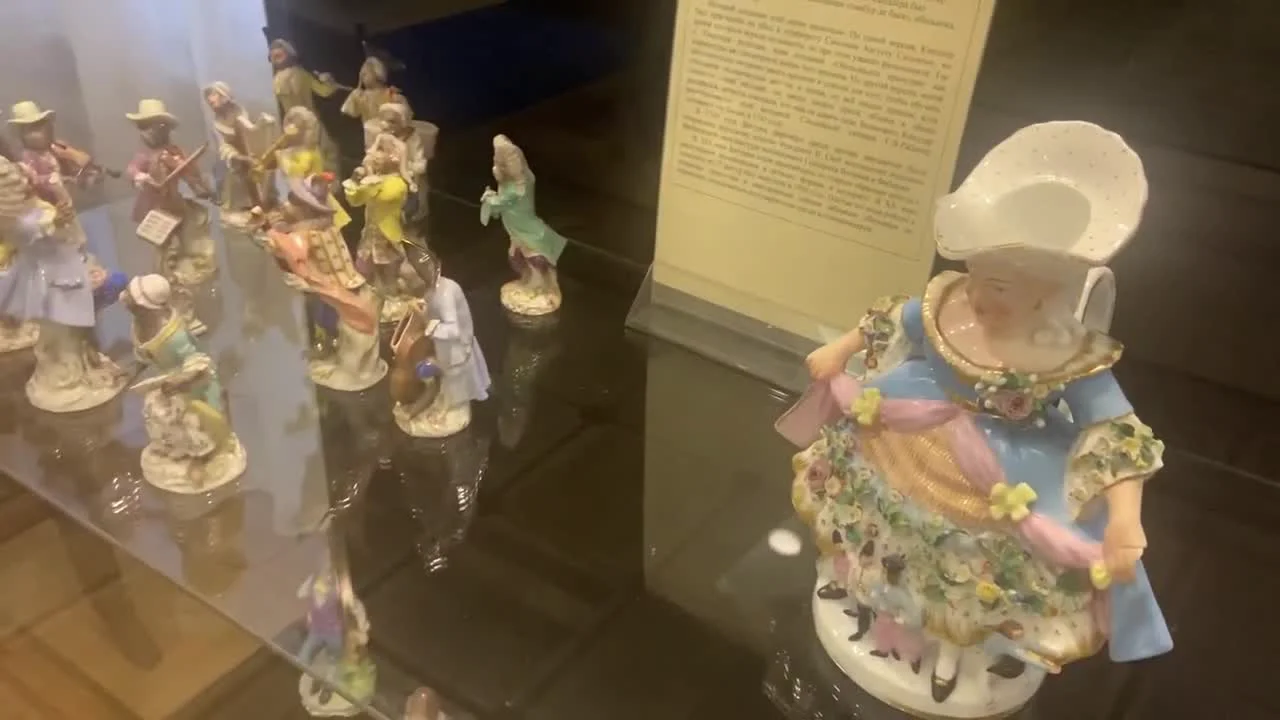
One of the most notable exhibits is the famous 'Monkey Orchestra'—a set of 22 porcelain figurines from the Meissen manufactory. This satirical ensemble was created by sculptor Johann Joachim Kändler in 1750.
The composition is a humorous allegory mocking the vices and flaws of human society, much like Krylov's fables. In this collection, the monkey serves as a symbol of base human passions, and the entire orchestra grotesquely parodies court life and the customs of the time.
The Satirical 'Monkey Orchestra'
Empire Style Fashion at an Exhibition in Estonia
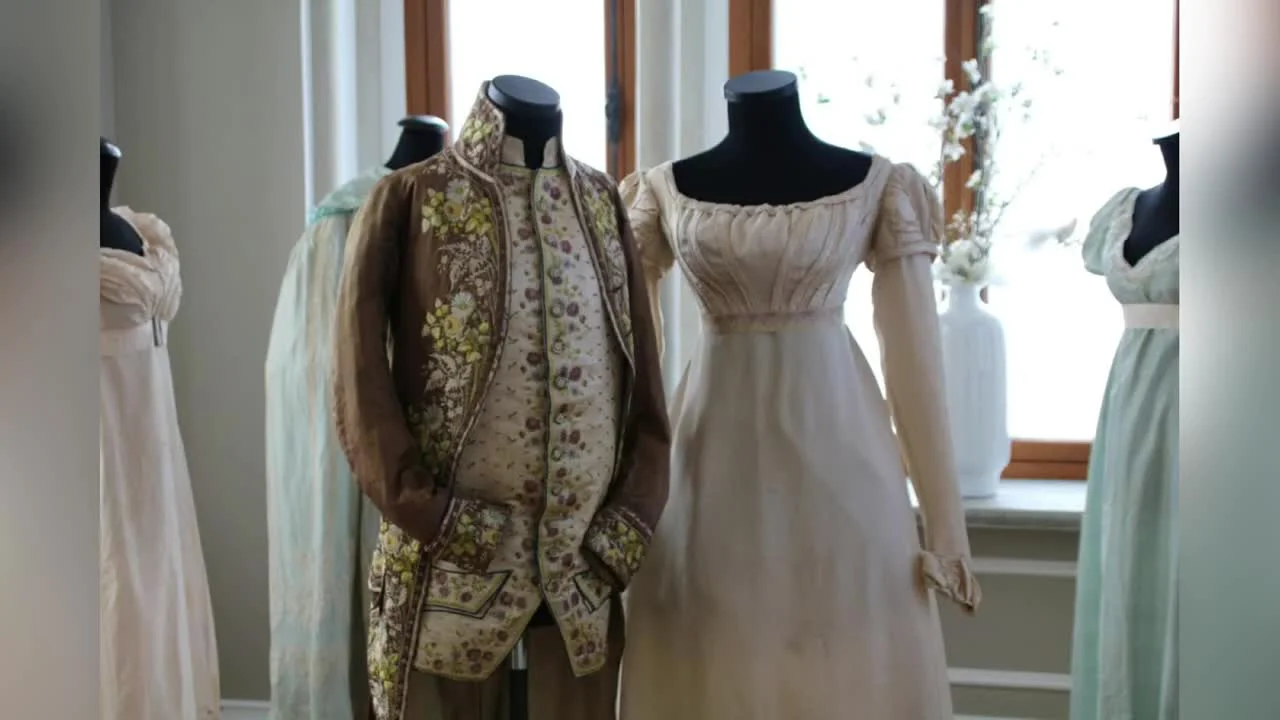
In addition to the main exhibition at the estate, photographs from an exhibition of ball gowns from the collection of the famous fashion historian Alexandre Vassiliev are also of interest. This exhibition took place in Estonia, at Fall Castle, located in the town of Keila.
It featured unique outfits created by world-renowned couturiers in the late 19th and early 20th centuries. These dresses are true works of art. It took up to four weeks to sew one such gown, with most of the work done by hand, demonstrating the highest level of craftsmanship of that era.