
History of Things
Fascinating stories about cult objects, brands and their creators. Emotional longreads about things with soul.
Articles (119)
Page 2 of 6
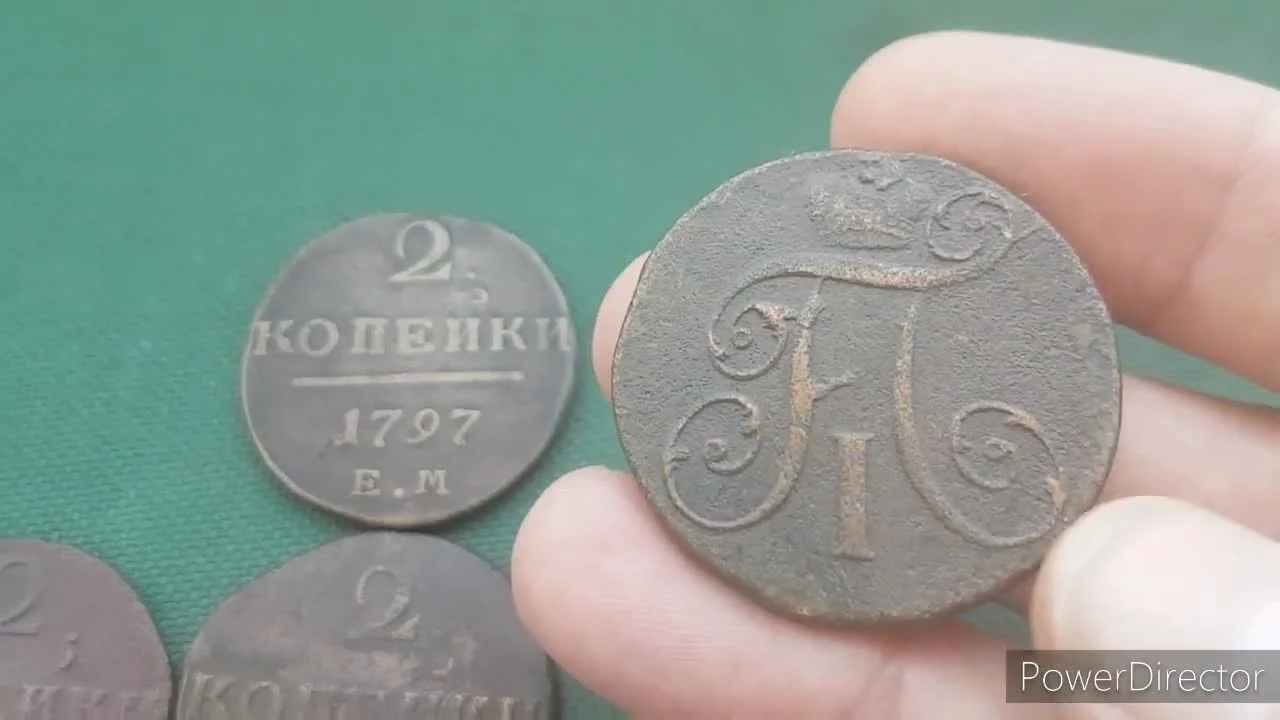
Copper 2 Kopeks of Paul I's Reign: Varieties and Value (1797-1801)
The two-kopek copper coins from the reign of Paul the First are among the most beautiful and interesting for collectors. Their mintage began in 1797 and continued for five years, up to and including 1801.
Collector's GuideHistory of Things
Read More →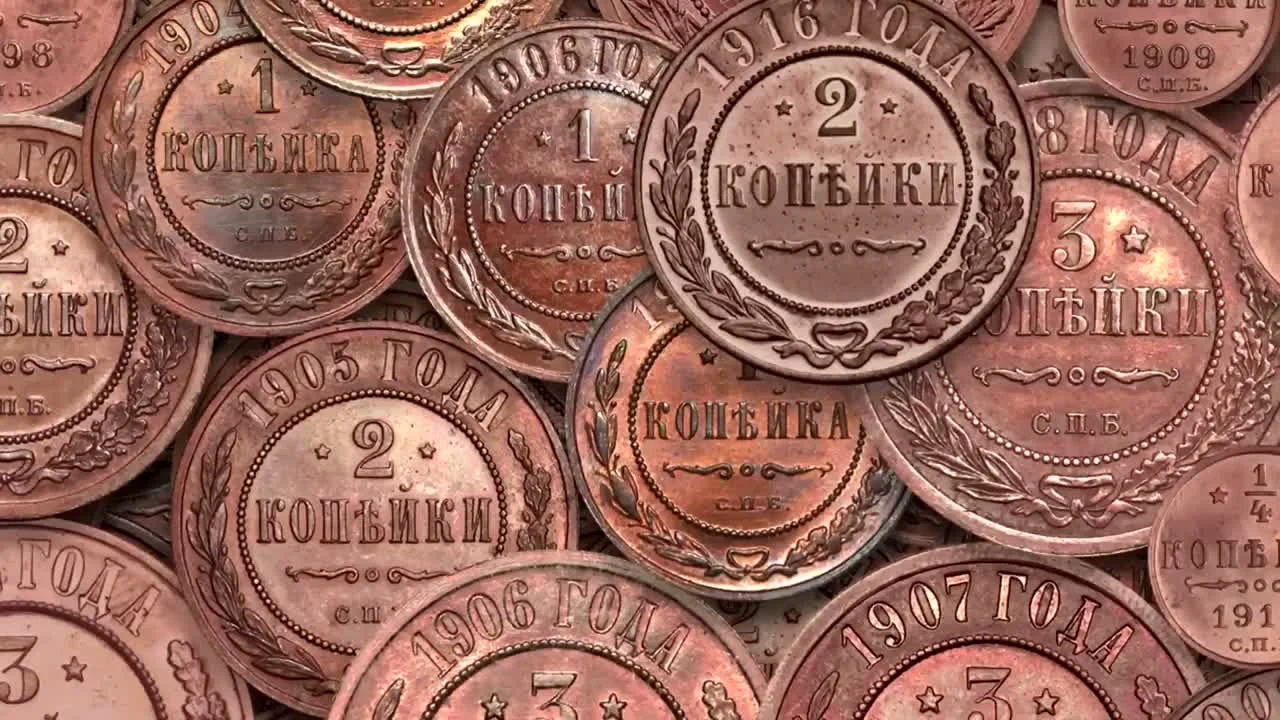
The Value of Copper Coins from the Era of Nicholas II: 1894–1917
When evaluating copper coins from the time of Nicholas II, several key factors must be considered. The main one is condition. The price is highly dependent on the coin's state, and specimens in superb condition can be worth 10 to 100 times more than coins in good condition.
Collector's GuideHistory of Things
Read More →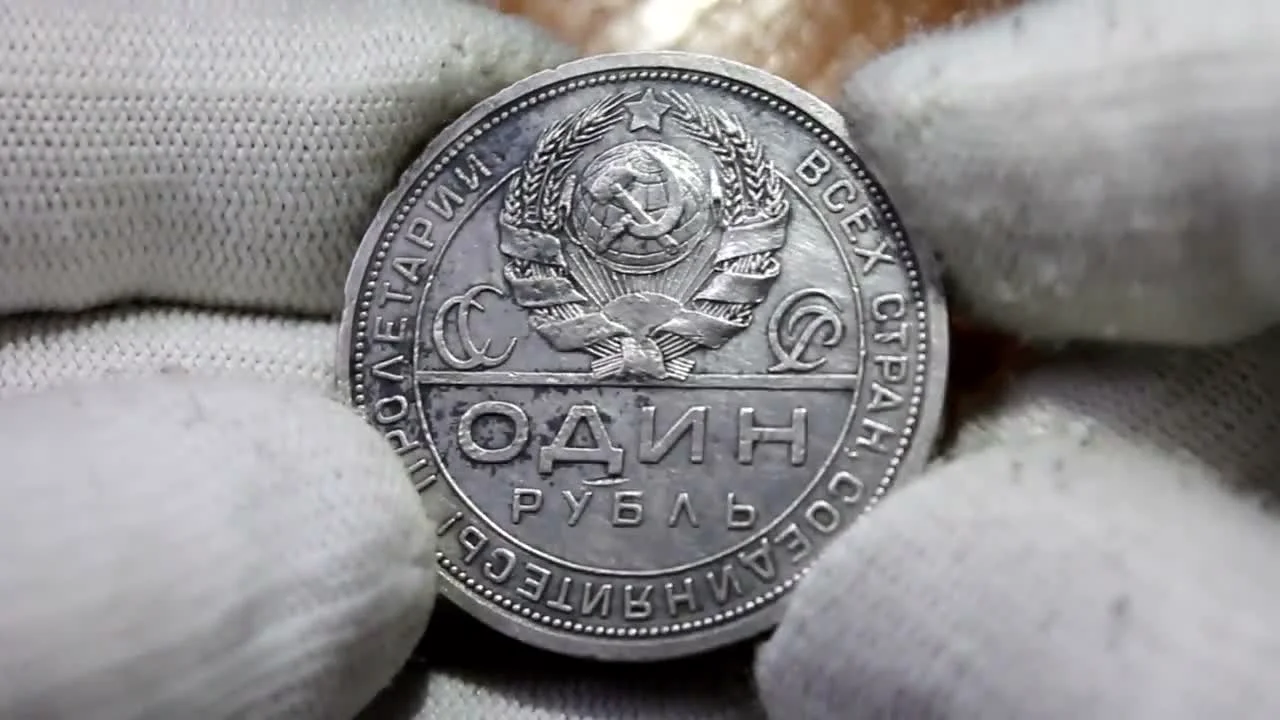
Varieties and Value of the 1924 USSR Silver Ruble
The 1924 silver ruble is an iconic coin of the early Soviet period. This genuine currency is made of 900-fineness silver and weighs exactly 20 grams.
Collector's GuideHistory of Things
Read More →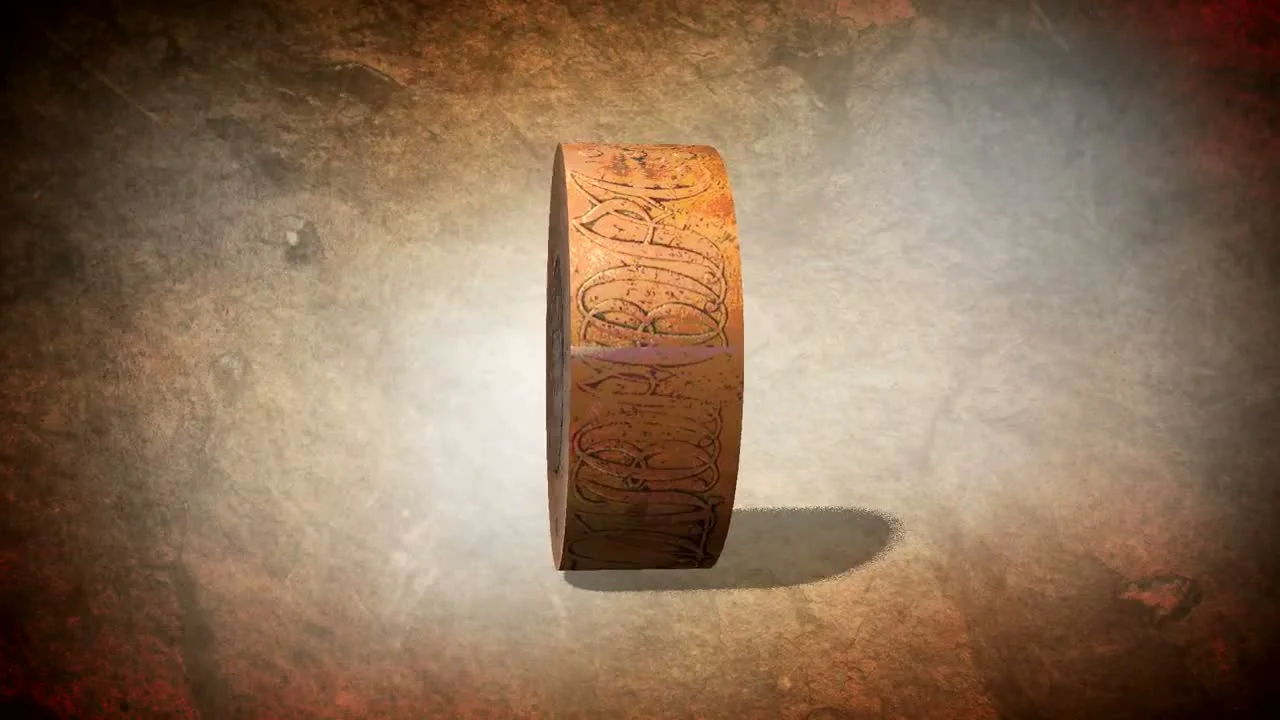
The Sestroretsk Ruble: History of the Largest Coin of the Russian Empire
Among the millions of diverse coins in the world, there are specimens that are striking in their size and weight. One of these is the Sestroretsk ruble — the largest coin of the Russian Empire, weighing up to one kilogram. This coin is a true dream for treasure hunters and collectors, but the chances of finding it are extremely slim due to its exceptional rarity.
History of ThingsCollector's Guide
Read More →
Finnish Armored Vehicles in World War II: From Trophies to Unique Designs
The history of Finnish armored vehicles during World War II is a story of ingenuity amidst a severe shortage of resources. Lacking a developed tank industry, the Finnish army faced superior forces, relying on obsolete tanks and, to a greater extent, on captured equipment.
History of Things
Read More →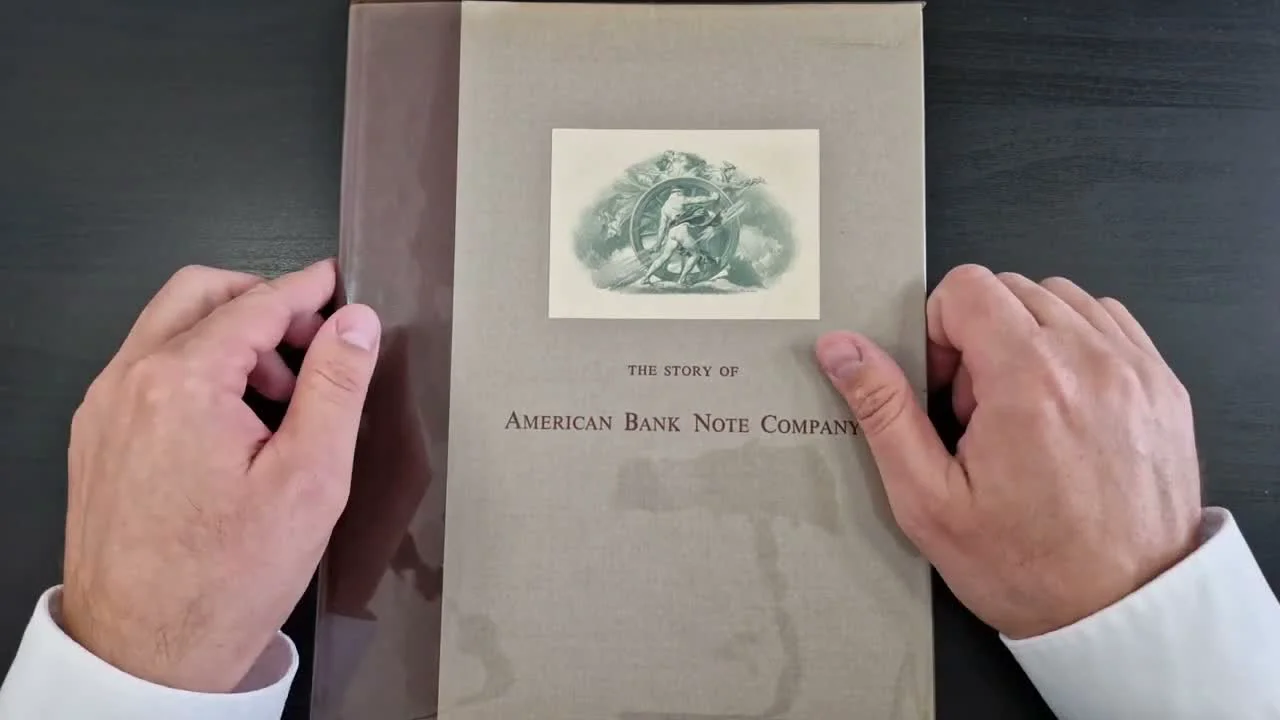
The History of American Bank Note Company in a Rare 1959 Edition
This is about the book 'The Story of American Bank Note Company.' It is a corporate publication released in 1959 to commemorate the centennial of the company, which was founded in 1859 through the merger of several smaller American banknote manufacturers.
History of ThingsCollector's Guide
Read More →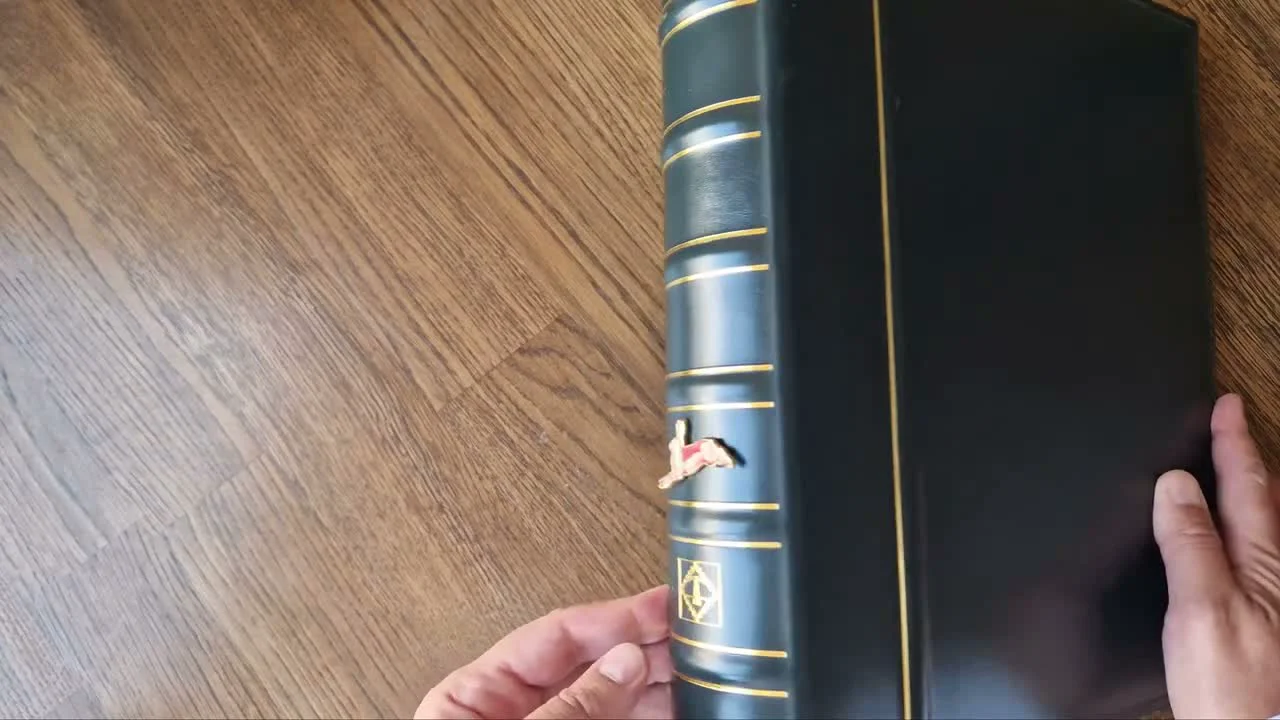
Belarusian Banknote Collection of the 1990s: From 'Zaychiki' to Millions
The core of the Republic of Belarus banknote collection is a 'Grande' format album. To identify the album, a special symbol is placed on its spine—a pin in the shape of a hare. This pin is part of the 'Pins from Minsk' series, which was released based on the motifs of the first Belarusian banknotes.
Collector's GuideHistory of Things
Read More →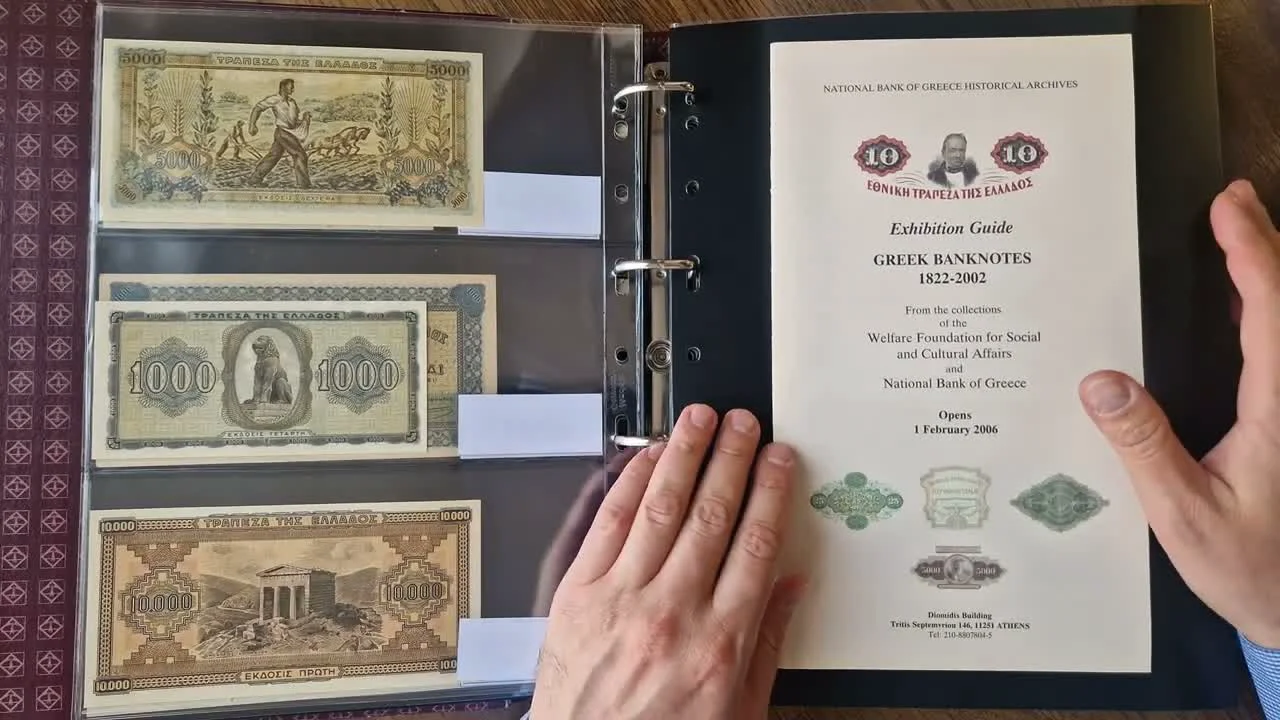
Greek Banknotes 1822–2002: A Review of the Athens Exhibition
In Athens, at the historical archive of the National Bank of Greece, an exhibition dedicated to Greek banknotes is being held. The exposition covers a significant historical period from 1822 to 2002. Opened on February 1, 2006, it continues to be an important cultural site for anyone interested in the history of money.
History of ThingsCollector's Guide
Read More →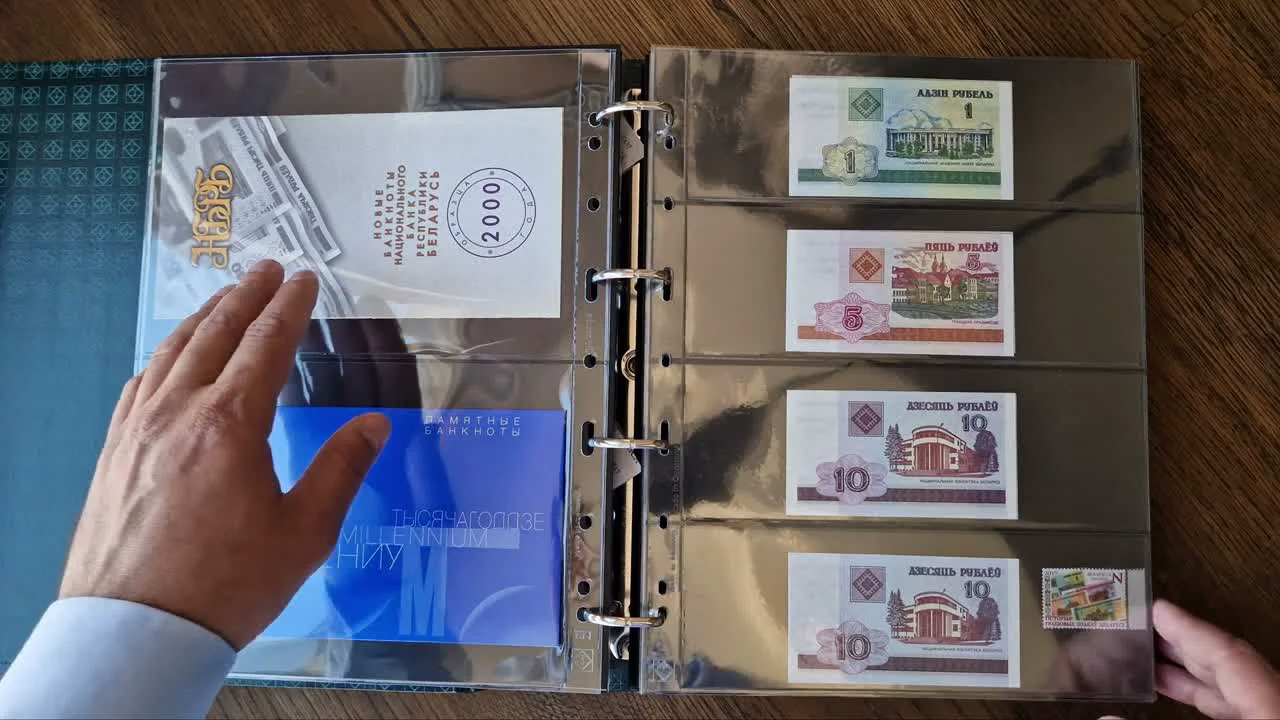
Banknotes of Belarus of the 2000s: Millennium, Commemorative Issues, and Rare Varieties
The collection of Belarusian banknotes from the 2000s begins with commemorative issues dedicated to the new millennium. This period was marked by the release of a special brochure from the National Bank, announcing the transition to new currency notes.
Collector's GuideHistory of Things
Read More →
The Actual Value and Rare Varieties of the 1924 Poltinnik
In early 1924, during the final stage of a monetary reform, new silver coins featuring the USSR coat of arms were issued. The goal of the reform was to restore the ruble's purchasing power to its pre-revolutionary level. These coins supplemented the existing stocks from 1921-1923 and entered circulation alongside them.
Collector's GuideHistory of Things
Read More →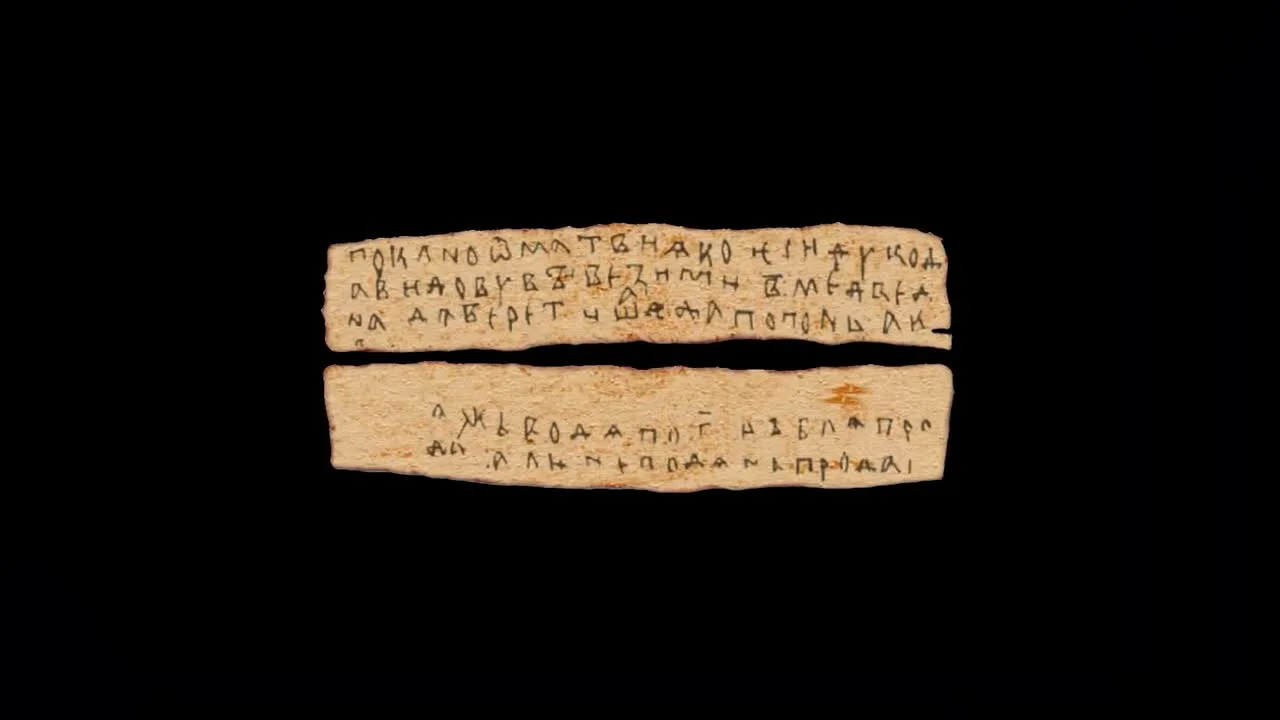
The History of the Ruble: From Ingot to Coin
The history of the ruble spans almost 7.5 centuries. It appeared in Novgorod in the last quarter of the 13th century, and the first written mention of it dates back to 1281, found in one of the birch bark manuscripts.
History of Things
Read More →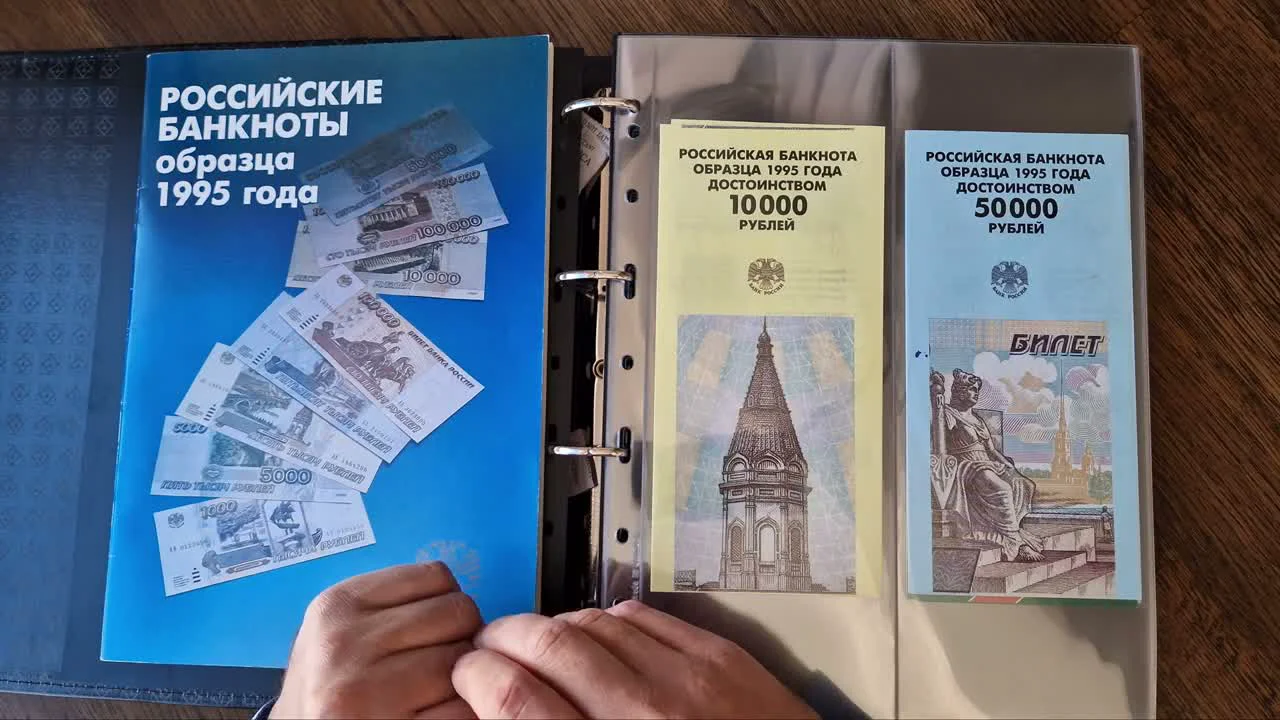
A Collection of Modern Russian Banknotes: From Central Bank Booklets to the 5 Ruble Note of 1997
The collection of modern Russian banknotes, presented in the album, begins in 1995 with the introduction of the so-called "city series." In addition to the banknotes themselves, the collection is supplemented with official printed materials from the Bank of Russia, such as brochures and booklets, which gives it additional informational value.
Collector's GuideHistory of Things
Read More →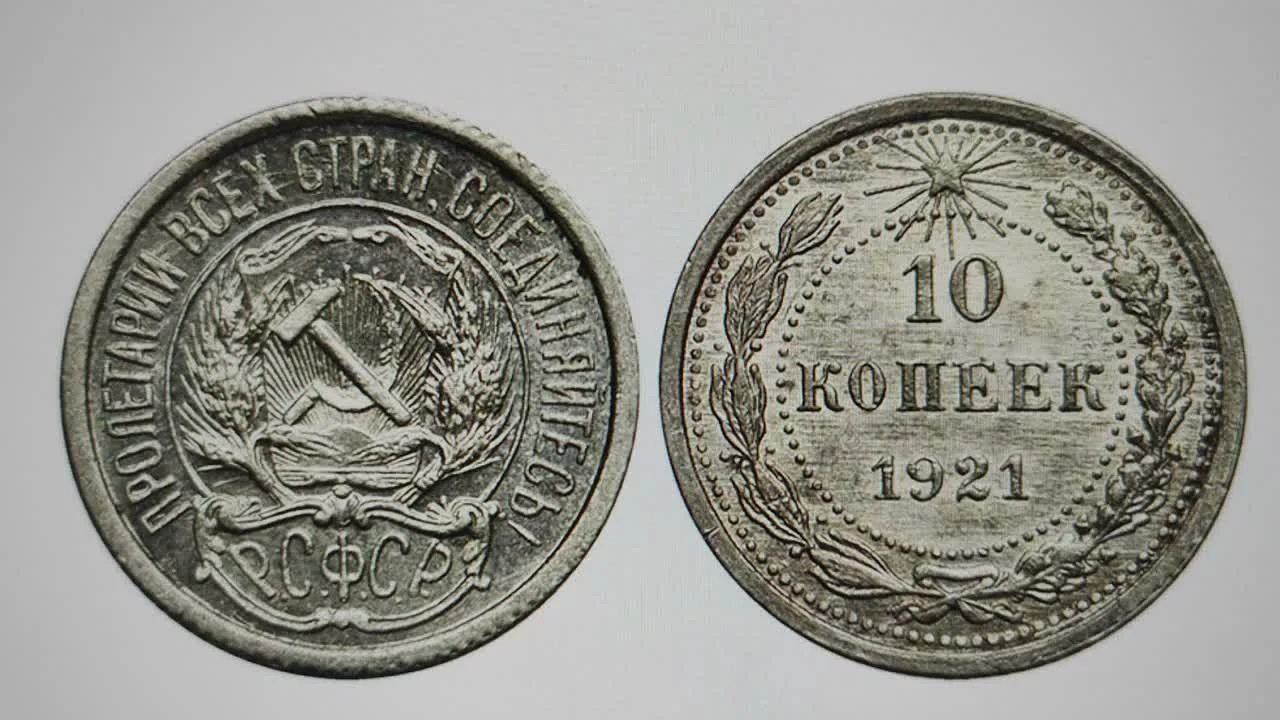
10 Kopeks 1921: Silver Symbol of a New Era for the RSFSR
The 10 kopek coin of 1921 has a kind of 'dual soul.' On the one hand, its design still carries the legacy and 'breath' of the bygone empire, while on the other, it is a full-fledged symbol of the new government, a coin of the RSFSR.
Collector's GuideHistory of Things
Read More →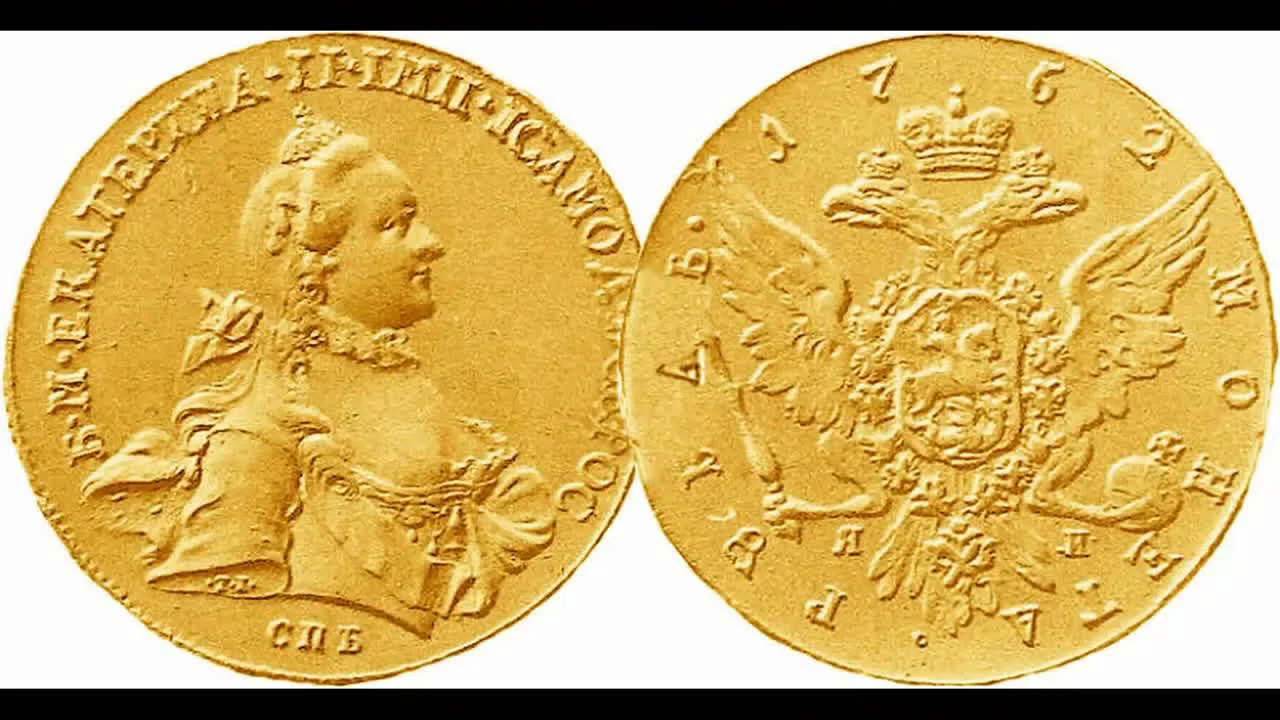
Gold Rubles of Catherine II: Varieties and Prices of 1762 and 1779 Coins
In 1762, a one-gold-ruble coin was issued, intended for the participants of the palace coup that brought Catherine II to power. The coin has several varieties, differing mainly in the mintmaster's initials and the mint mark.
Collector's GuideHistory of Things
Read More →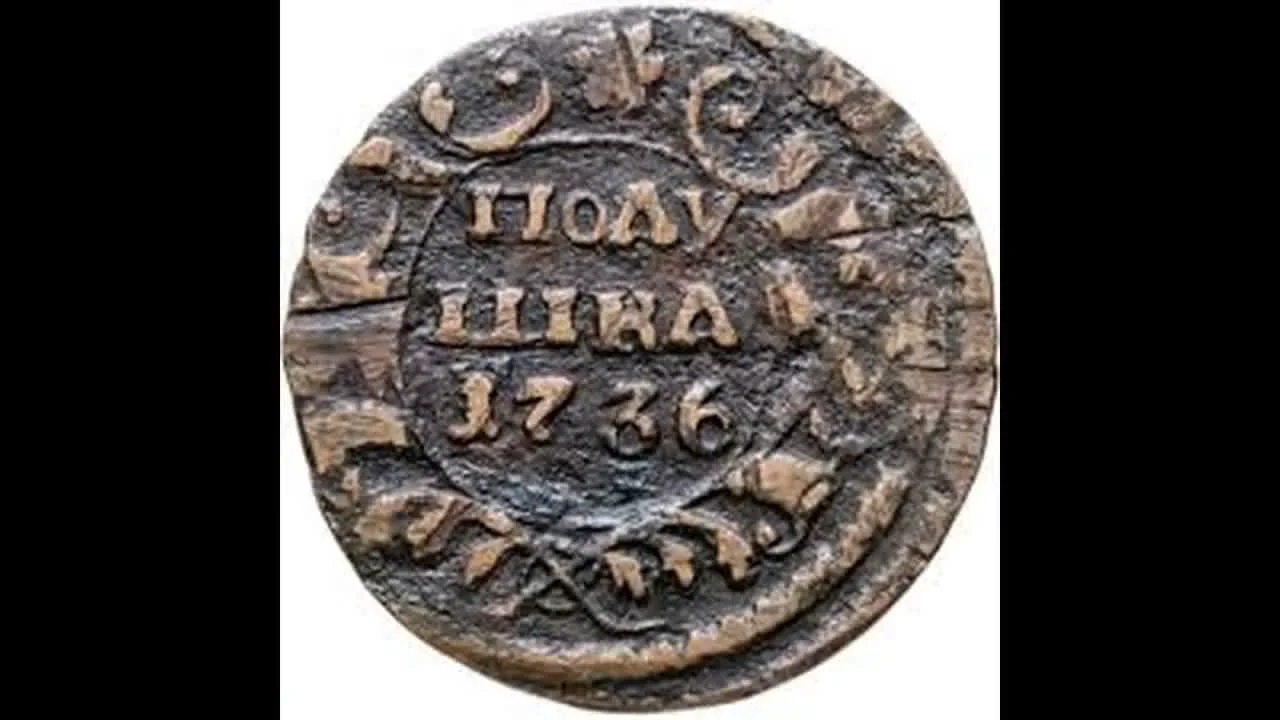
Value and Varieties of Polushka Coins of the Russian Empire from 1736–1745
In 1736, two main types of Polushka coins were issued, minted at different mints and distinguished by the depiction of the eagle on the reverse. These differences significantly affect the collectible value and market price of the coins.
Collector's GuideHistory of Things
Read More →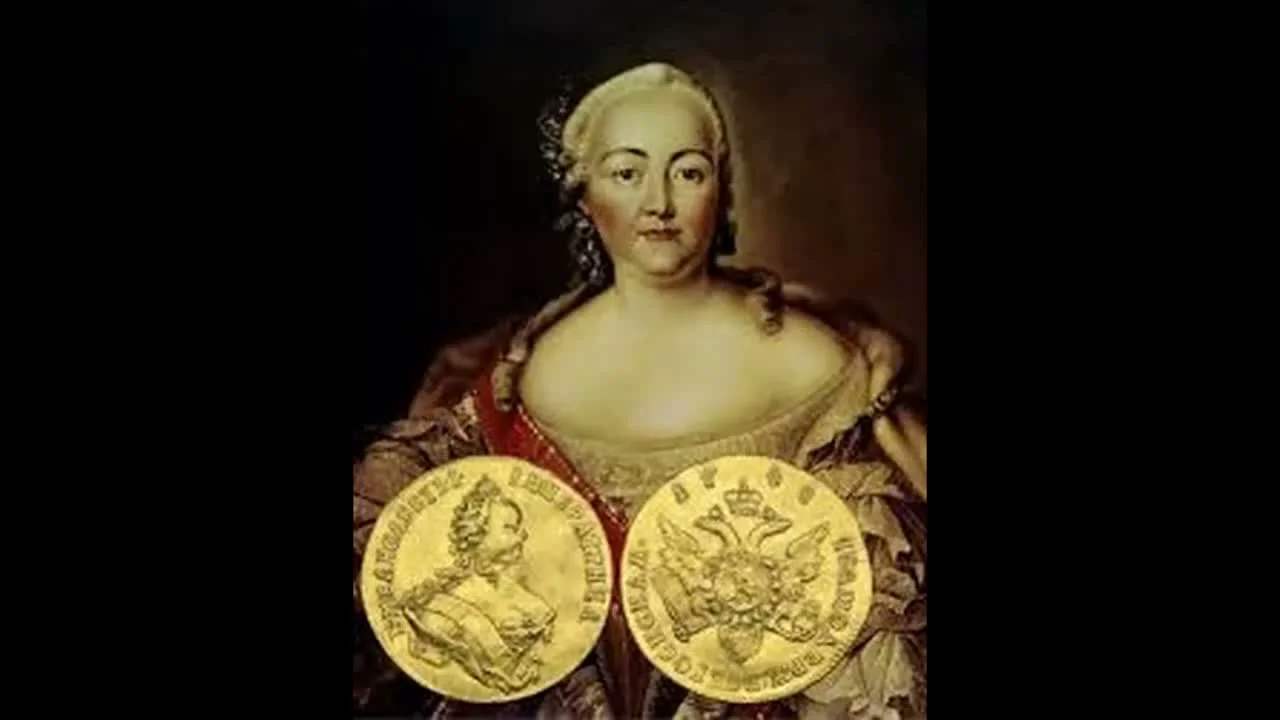
Gold Ruble of Elizabeth I's Era: Types, Characteristics, and Value
During the reign of Empress Elizabeth I, gold rubles of two main types were issued. The first type was serial coins intended for general circulation. The second was trial specimens minted for palace use. These coins have many varieties, differing by mint and design details.
History of ThingsCollector's Guide
Read More →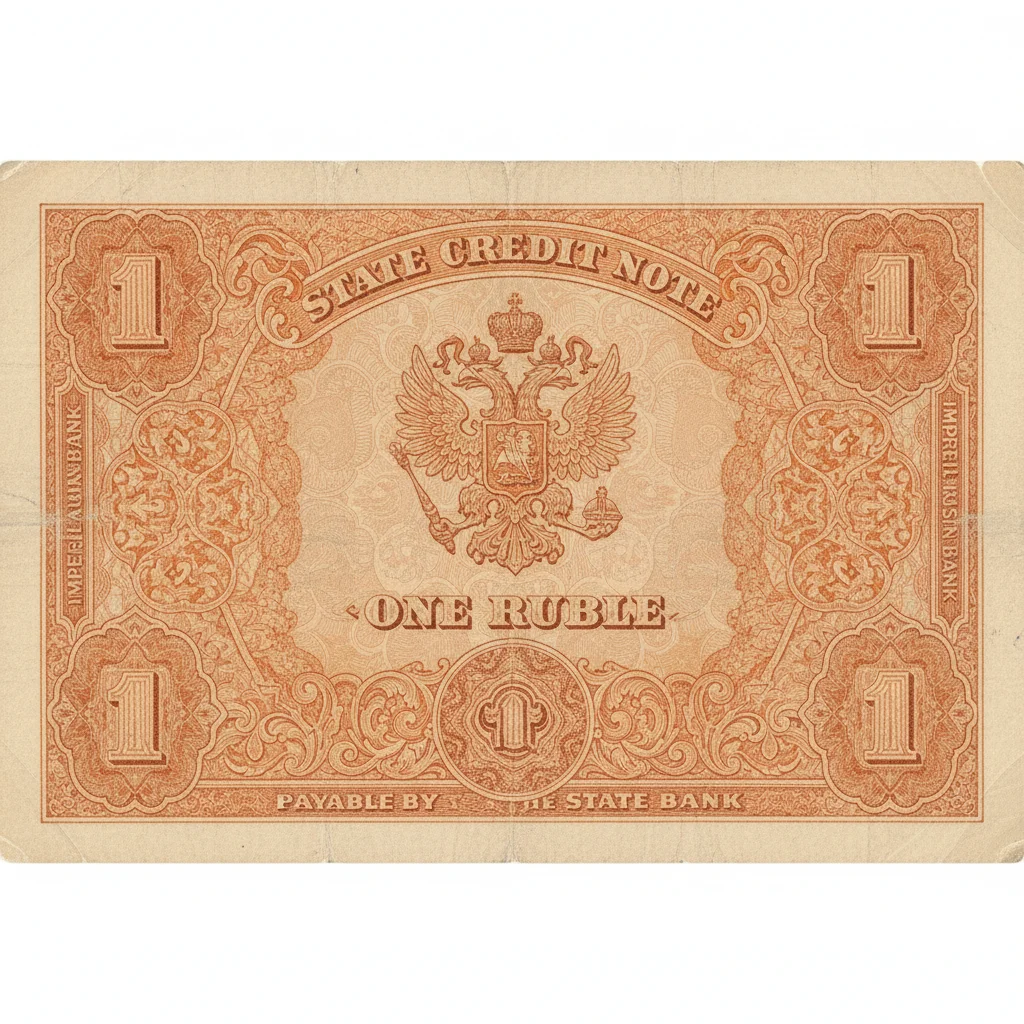
The Purchasing Power of the Tsarist Ruble: Myths and Reality
One of the common myths is the idea of the extremely high purchasing power of the pre-revolutionary ruble. This myth, actively promoted since the late 1980s, is based on recalculating the ruble's value through its gold content.
History of ThingsInvestments
Read More →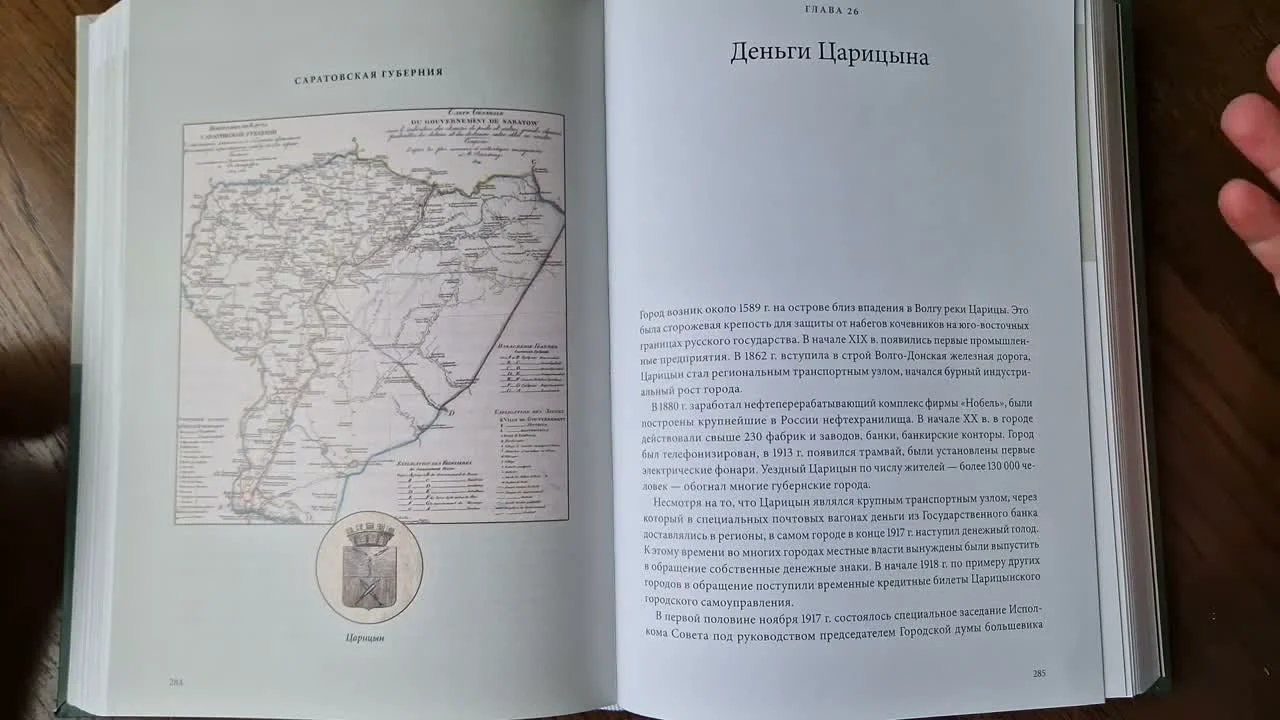
The Local Money of Tsaritsyn: A History of Temporary Credit Notes
During the Civil War, the city of Tsaritsyn, later known as Stalingrad and now Volgograd, was a district town within the Saratov Governorate. Despite its status, it was a large and developing center that, like many other settlements in the former Russian Empire, faced serious economic difficulties.
History of ThingsCollector's Guide
Read More →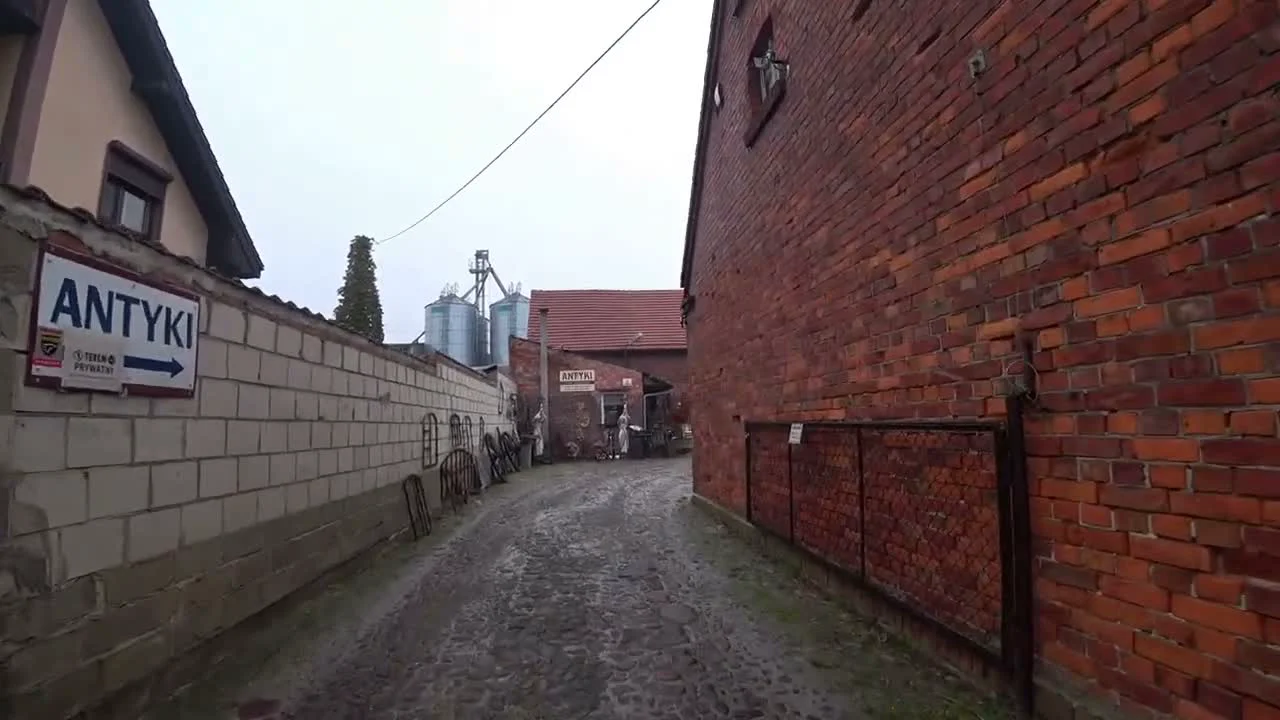
The Antiques Village: Treasures and Secrets of the Polish Market
Near the Polish city of Poznań lies a unique village that has become a real hub for lovers of antiquity. Most of its residents are involved in the antiques trade in one way or another, buying and selling old items. This place attracts connoisseurs from all over the region and even from other countries.
Collector's GuideHistory of Things
Read More →
What is a Chronograph in a Watch: Types, How It Works, and How to Set It Up
The chronograph as we know it today appeared in the early 20th century. Initially, this feature gained great popularity in aviation and sports, where precise measurement of short time intervals was required.
Collector's GuideHistory of Things
Read More →