
Collector's Guide
Step-by-step instructions for beginners. Term dictionaries, storage guides, legal and tax advice.
Articles (310)
Page 4 of 16
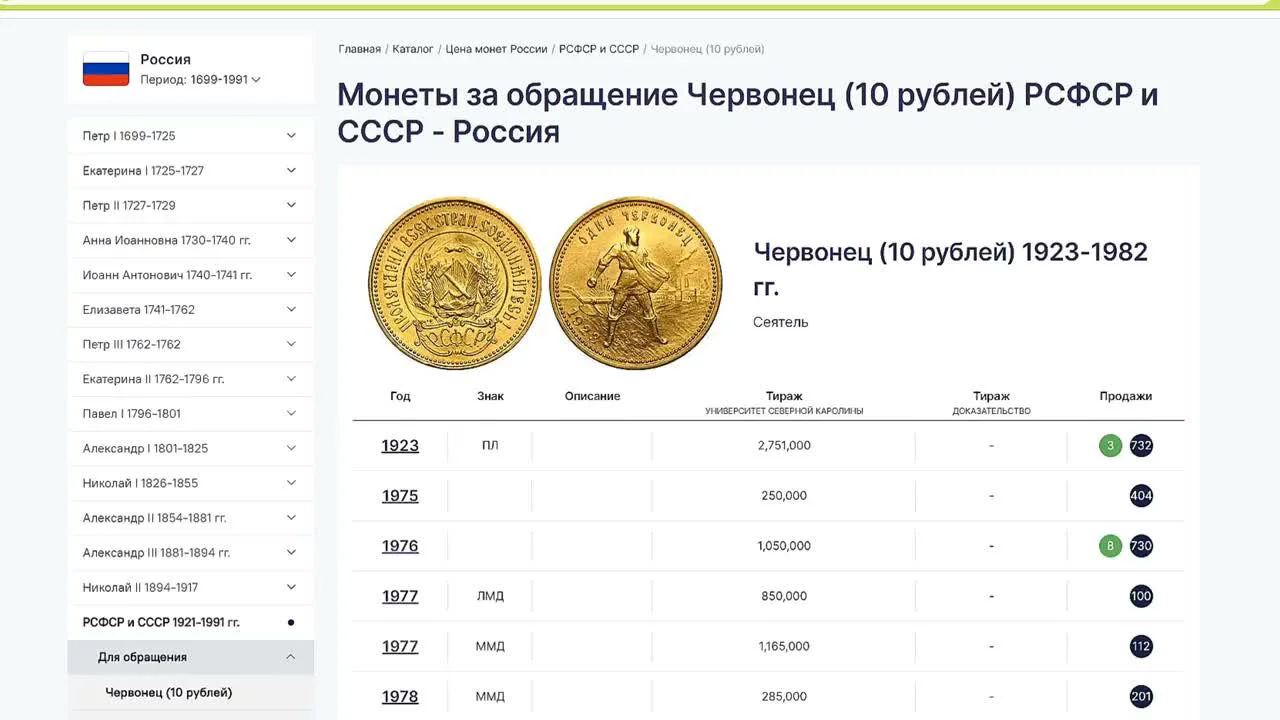
Collectible Gold Coins of the USSR: Alternatives to the 'Chervonets-Sower'
Recently, there has been a significant increase in gold prices, which has sparked heightened interest in investment and collectible coins. One of the most popular coins in this context has become the gold 'Chervonets-Sower'. Many novice investors and collectors, after acquiring a few of these coins, wonder: what other gold coins from the Soviet period might be interesting for investment?
InvestmentsCollector's Guide
Read More →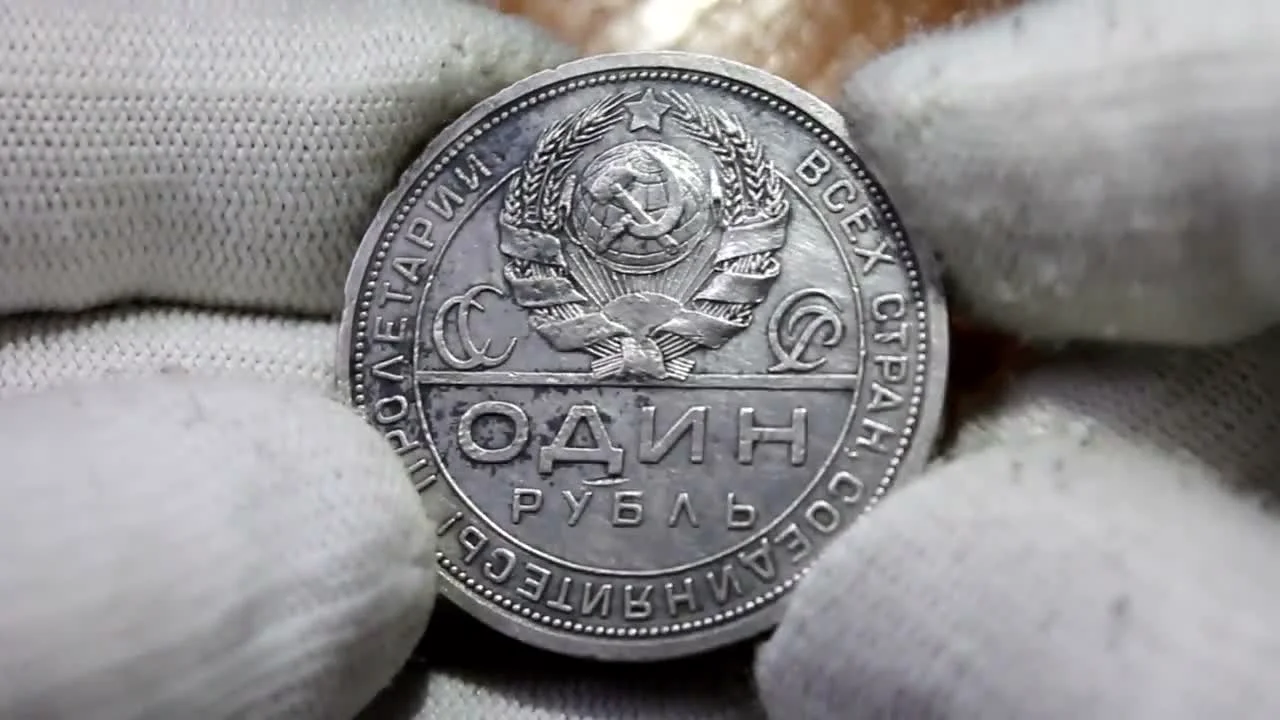
Varieties and Value of the 1924 USSR Silver Ruble
The 1924 silver ruble is an iconic coin of the early Soviet period. This genuine currency is made of 900-fineness silver and weighs exactly 20 grams.
Collector's GuideHistory of Things
Read More →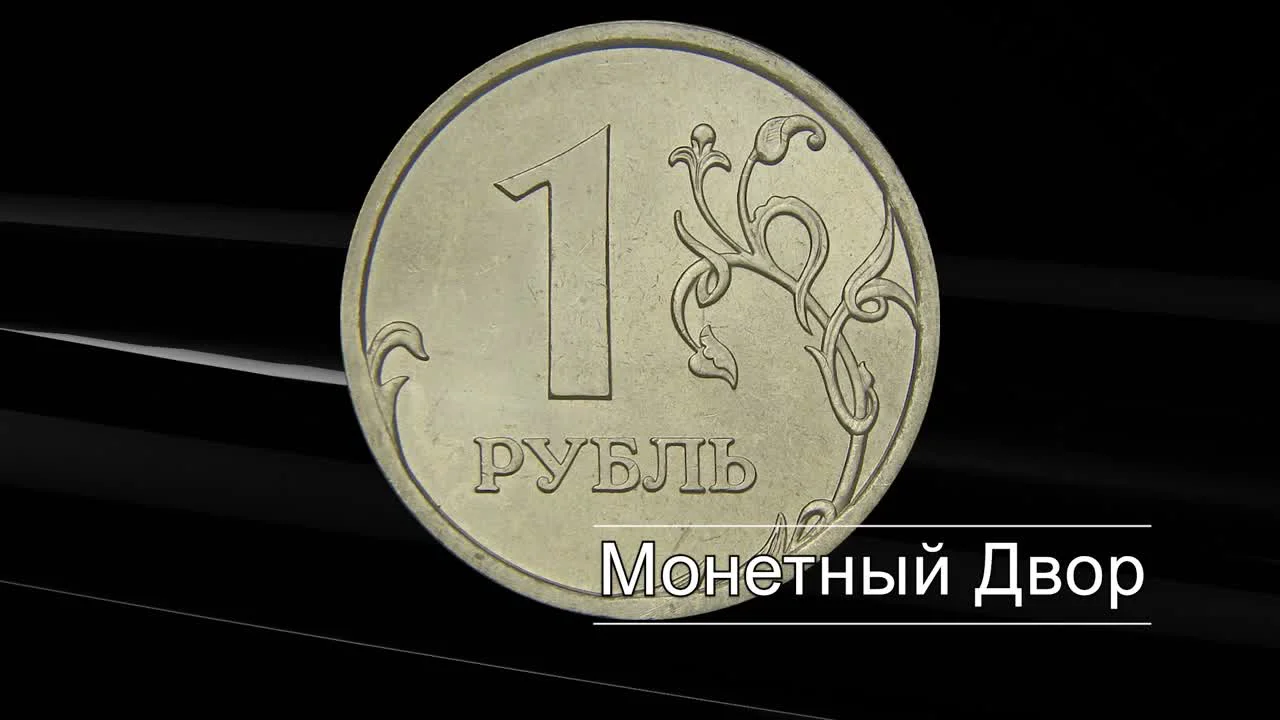
Valuable Varieties of the 1 Ruble 2007 Coin
Among the 1 ruble coins of 2007 issued for mass circulation, there is a special variety that is valued by numismatists far above its face value. These coins were minted at the Moscow and Saint Petersburg Mints.
Collector's Guide
Read More →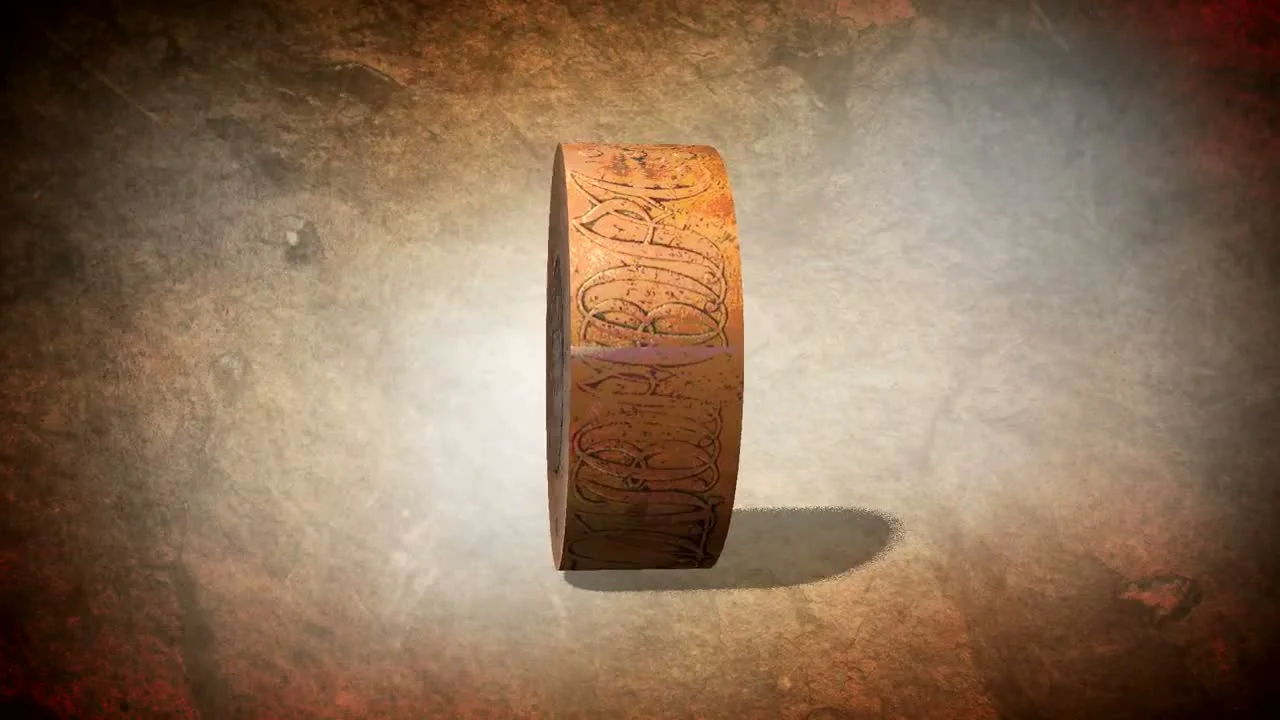
The Sestroretsk Ruble: History of the Largest Coin of the Russian Empire
Among the millions of diverse coins in the world, there are specimens that are striking in their size and weight. One of these is the Sestroretsk ruble — the largest coin of the Russian Empire, weighing up to one kilogram. This coin is a true dream for treasure hunters and collectors, but the chances of finding it are extremely slim due to its exceptional rarity.
History of ThingsCollector's Guide
Read More →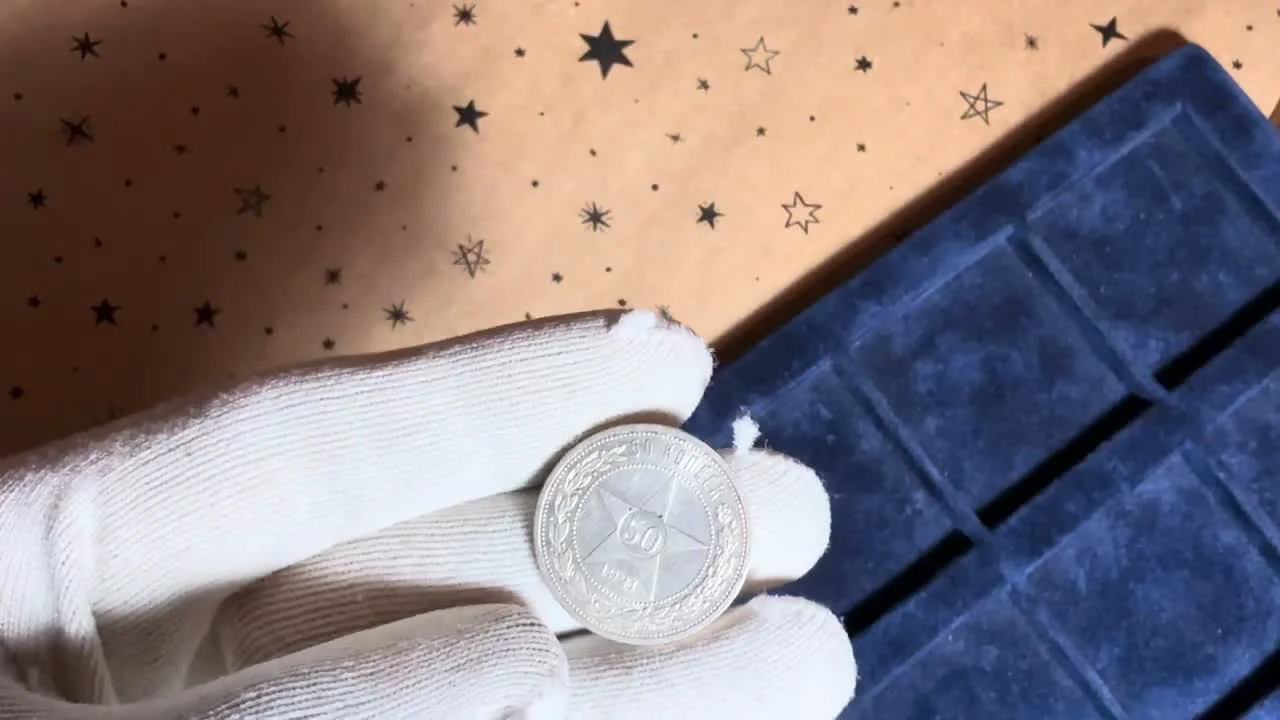
Investment Prospects in USSR Silver Poltinniks: An Analysis of Prices and Rarity
Investing in silver through numismatics offers interesting prospects, and Soviet poltinniks from the 1920s are a promising area. To assess their potential, it's worth considering coins issued from 1921 to 1927. Collecting these coins, starting, for example, at the end of August 2025, can show certain results within just 3.5 months.
InvestmentsCollector's Guide
Read More →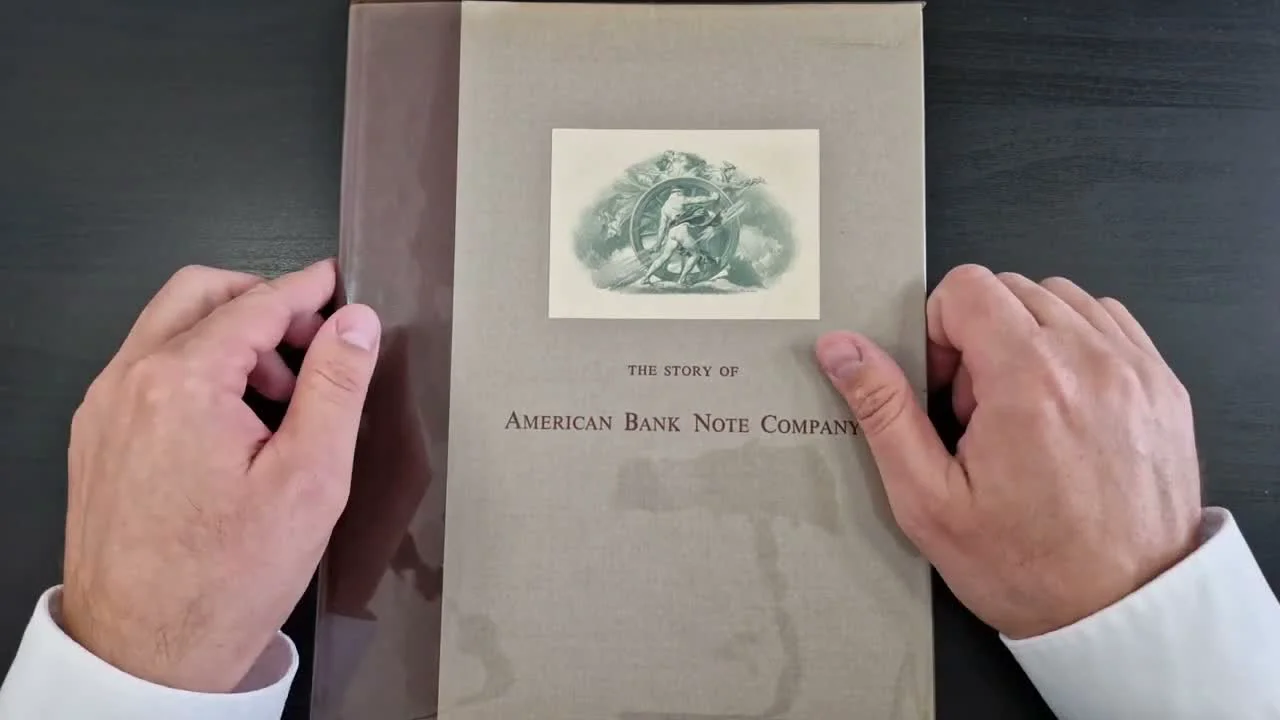
The History of American Bank Note Company in a Rare 1959 Edition
This is about the book 'The Story of American Bank Note Company.' It is a corporate publication released in 1959 to commemorate the centennial of the company, which was founded in 1859 through the merger of several smaller American banknote manufacturers.
History of ThingsCollector's Guide
Read More →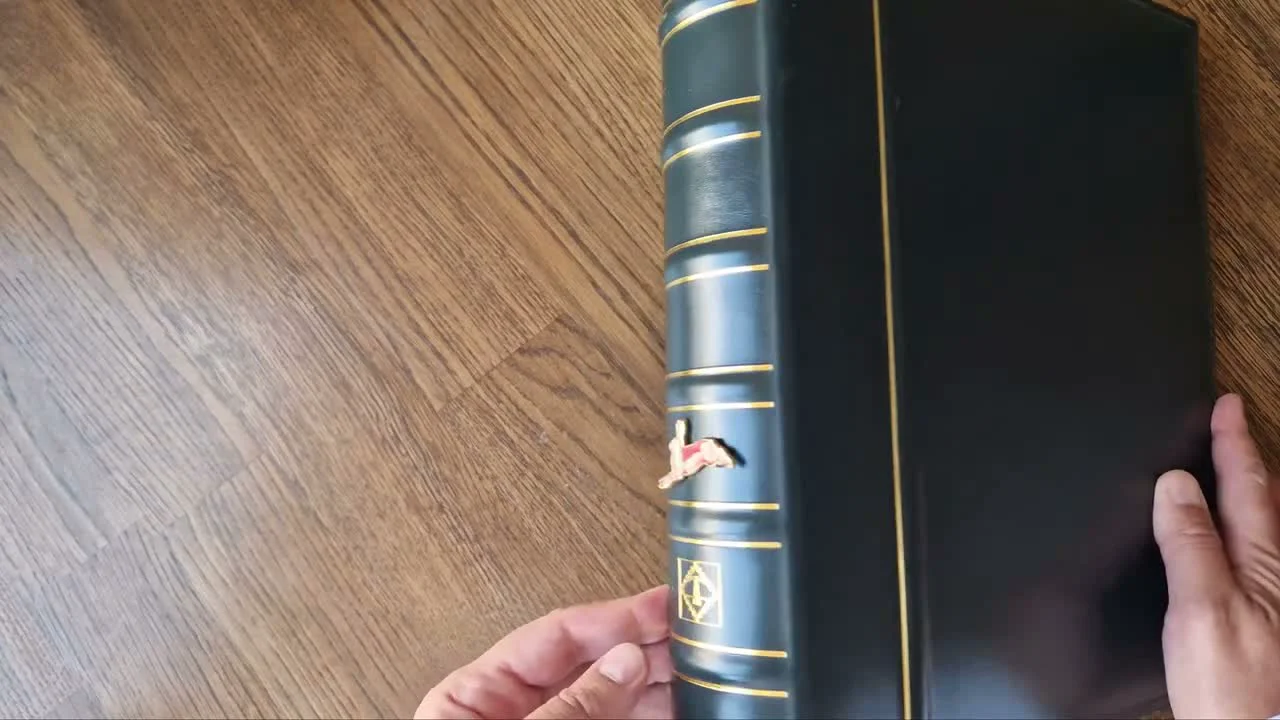
Belarusian Banknote Collection of the 1990s: From 'Zaychiki' to Millions
The core of the Republic of Belarus banknote collection is a 'Grande' format album. To identify the album, a special symbol is placed on its spine—a pin in the shape of a hare. This pin is part of the 'Pins from Minsk' series, which was released based on the motifs of the first Belarusian banknotes.
Collector's GuideHistory of Things
Read More →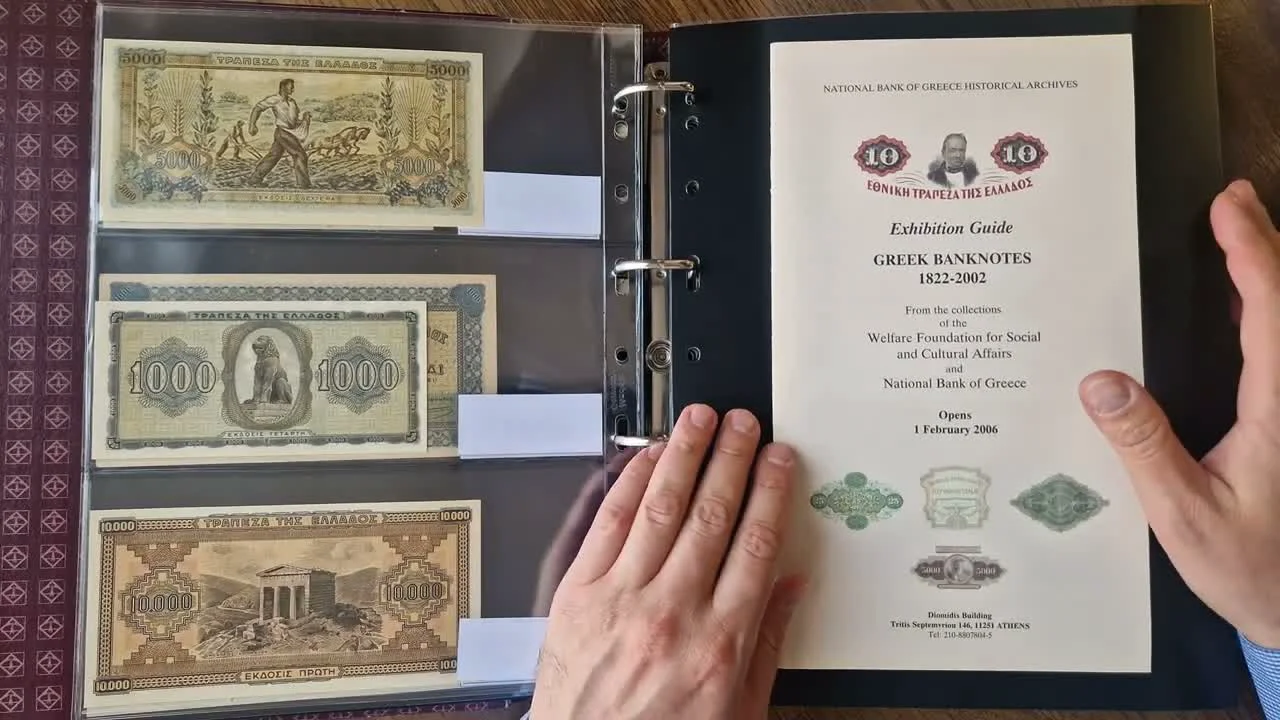
Greek Banknotes 1822–2002: A Review of the Athens Exhibition
In Athens, at the historical archive of the National Bank of Greece, an exhibition dedicated to Greek banknotes is being held. The exposition covers a significant historical period from 1822 to 2002. Opened on February 1, 2006, it continues to be an important cultural site for anyone interested in the history of money.
History of ThingsCollector's Guide
Read More →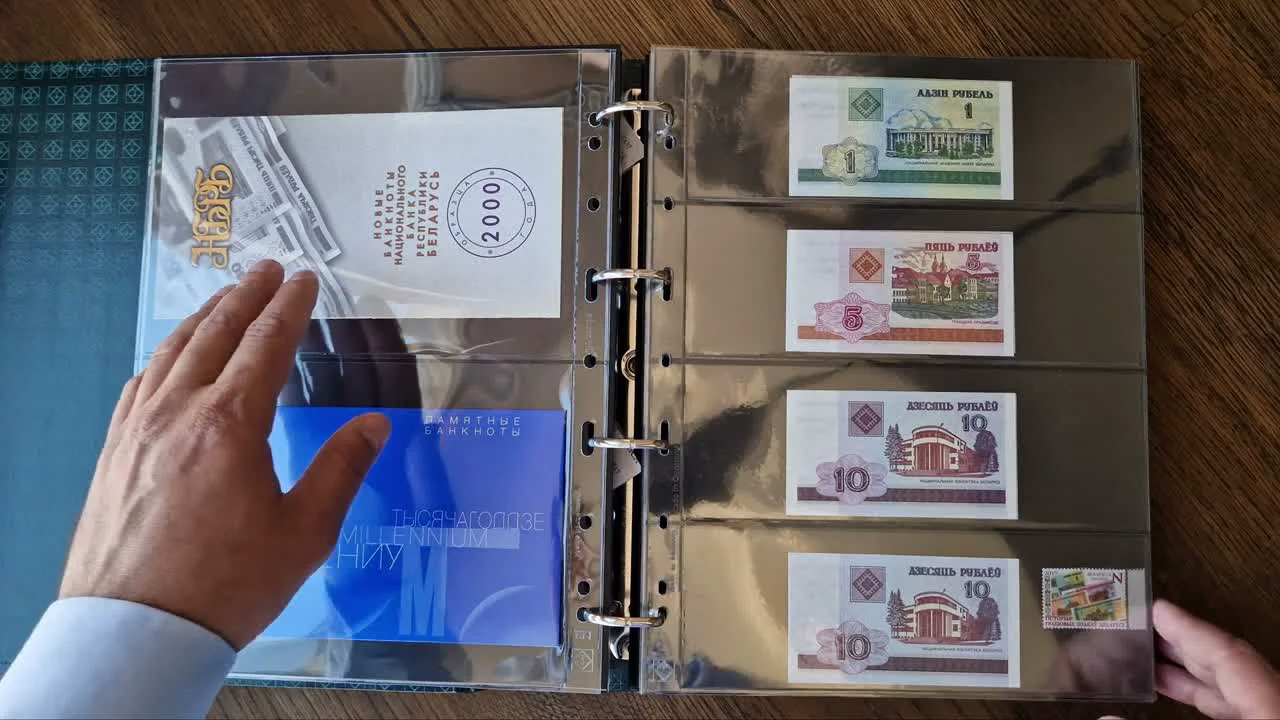
Banknotes of Belarus of the 2000s: Millennium, Commemorative Issues, and Rare Varieties
The collection of Belarusian banknotes from the 2000s begins with commemorative issues dedicated to the new millennium. This period was marked by the release of a special brochure from the National Bank, announcing the transition to new currency notes.
Collector's GuideHistory of Things
Read More →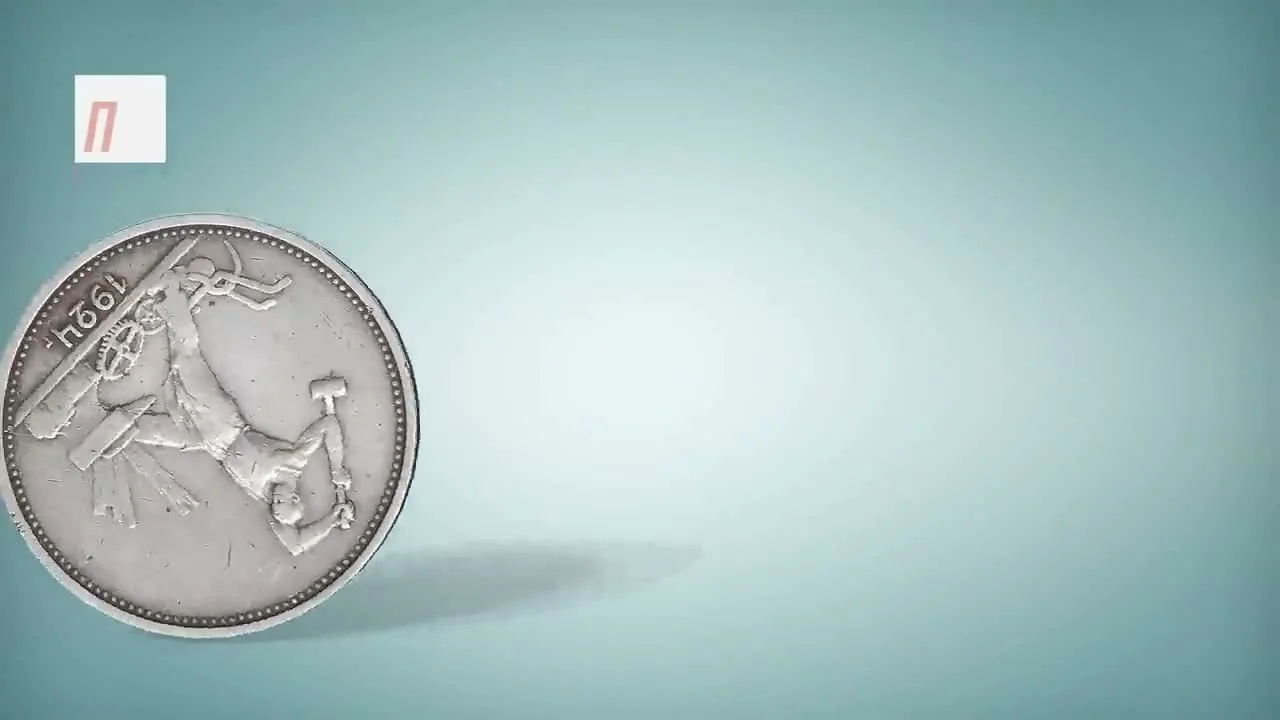
The Actual Value and Rare Varieties of the 1924 Poltinnik
In early 1924, during the final stage of a monetary reform, new silver coins featuring the USSR coat of arms were issued. The goal of the reform was to restore the ruble's purchasing power to its pre-revolutionary level. These coins supplemented the existing stocks from 1921-1923 and entered circulation alongside them.
Collector's GuideHistory of Things
Read More →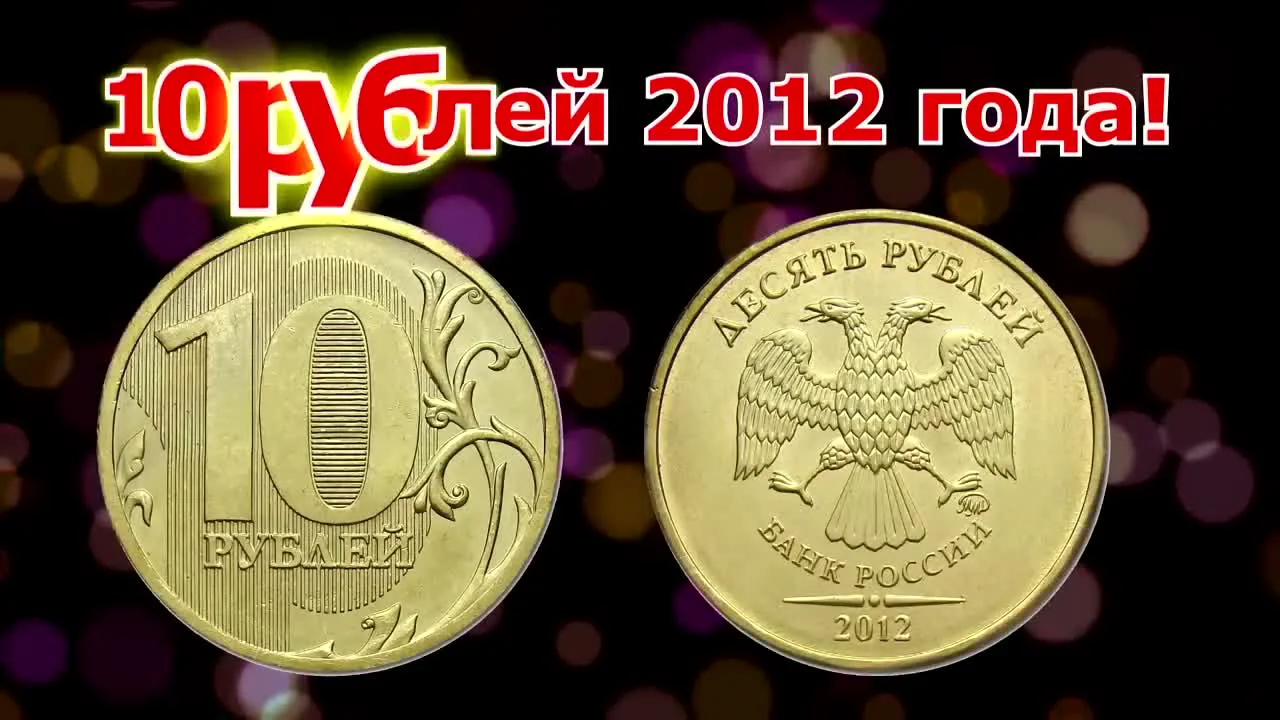
How to Identify Valuable Varieties of the 2012 10-Ruble Coin
Among all 10-ruble coins issued in 2012, there are only four official varieties. Despite their apparent uniformity, three of these four variants are rare and are valued by collectors at significantly more than their face value.
Collector's GuideExpertise
Read More →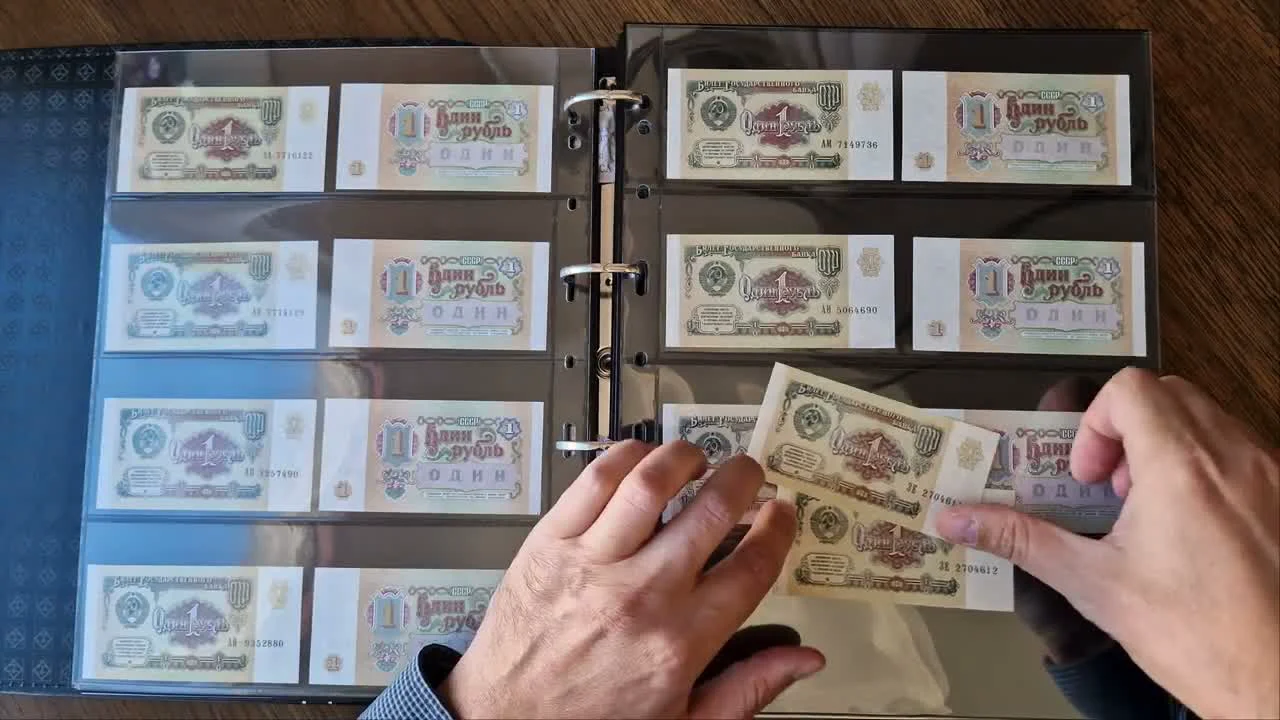
A Special Feature of Banknote Collecting: Pairs with Consecutive Serial Numbers
One of the interesting features in collecting paper currency, or notaphily, is acquiring banknotes in pairs with consecutive serial numbers. This principle applies to notes with unique sequential numbering, for example, banknotes of Russia and the USSR, starting from the "Shipovshchina" period.
Collector's Guide
Read More →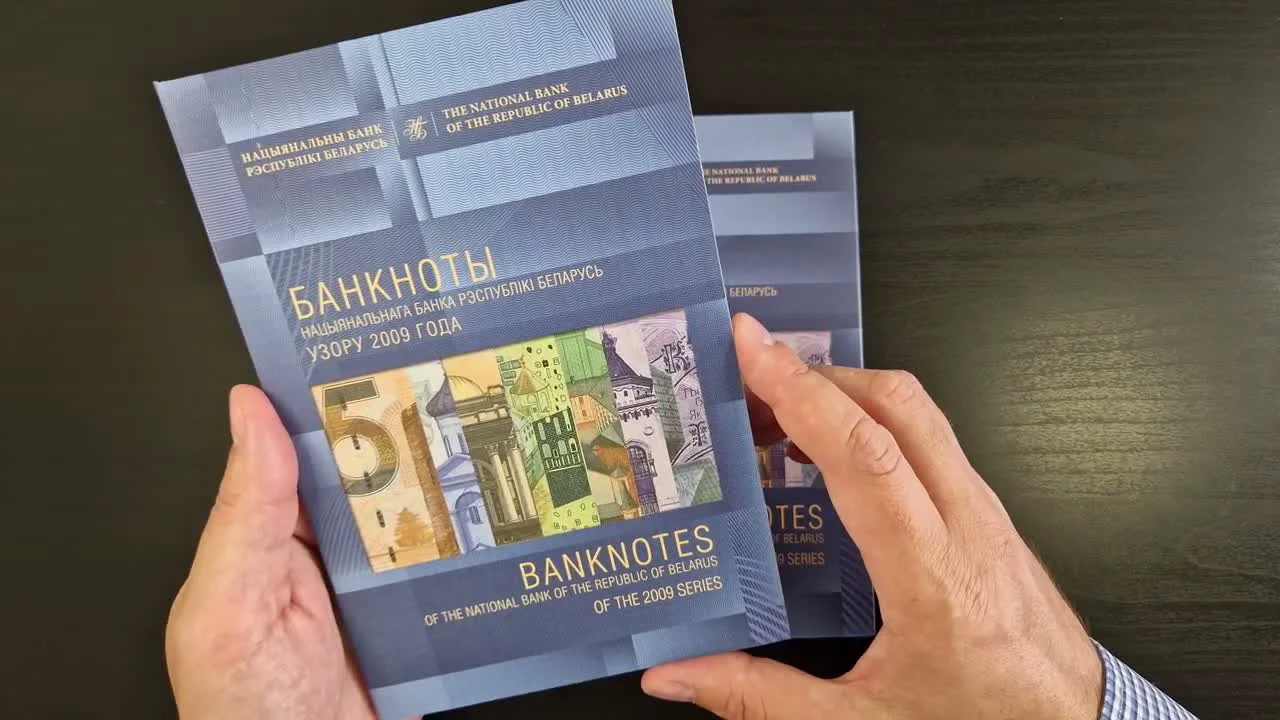
Collecting Belarusian Banknotes: From Circulating Currency to Rare Issues
The question of a banknote collection's value is not as simple as it first seems. It can be viewed from several perspectives. First, there are the personal costs the collector incurred to build the collection. Second, there is the current market value for which a similar collection could be assembled from scratch.
Collector's Guide
Read More →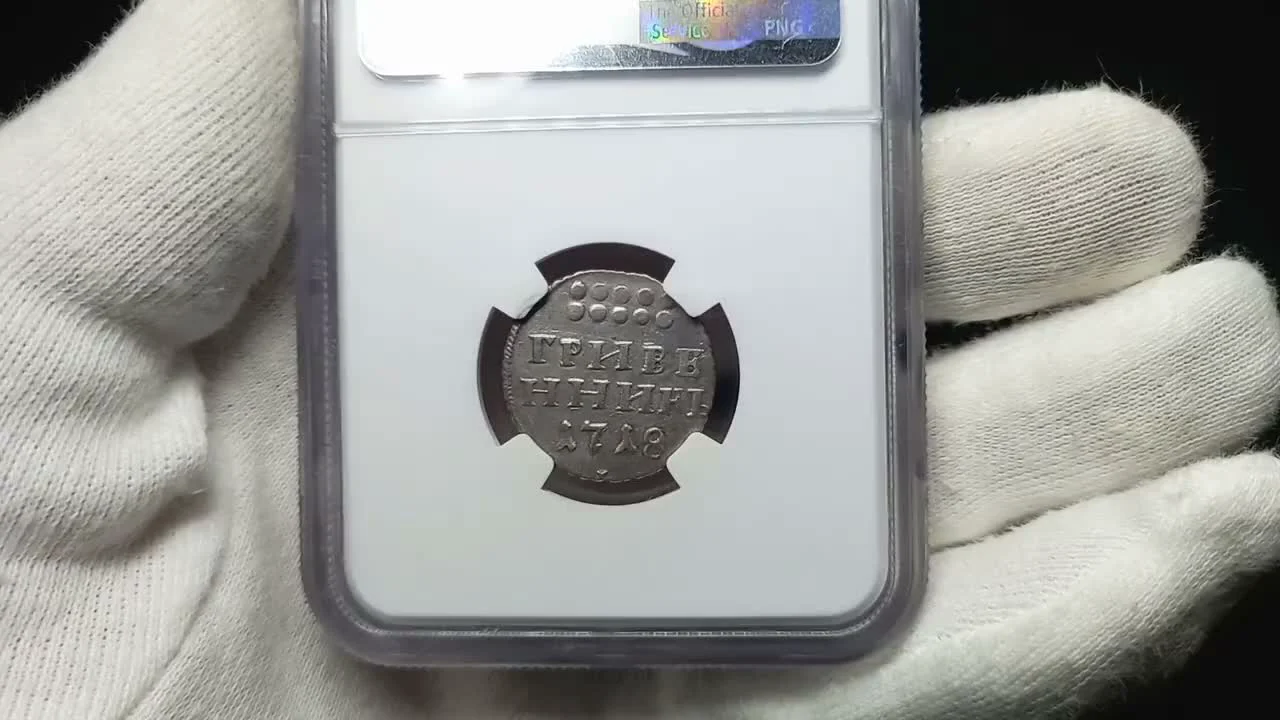
Polishing Peter I's Grivennik: How to Remove Scratches from a Rare Coin
An interesting specimen came in for work: a 1718 grivennik of Peter I, encapsulated in a slab by the American grading company NGC. Such coins, especially in good condition, are of significant interest to numismatists.
ExpertiseCollector's Guide
Read More →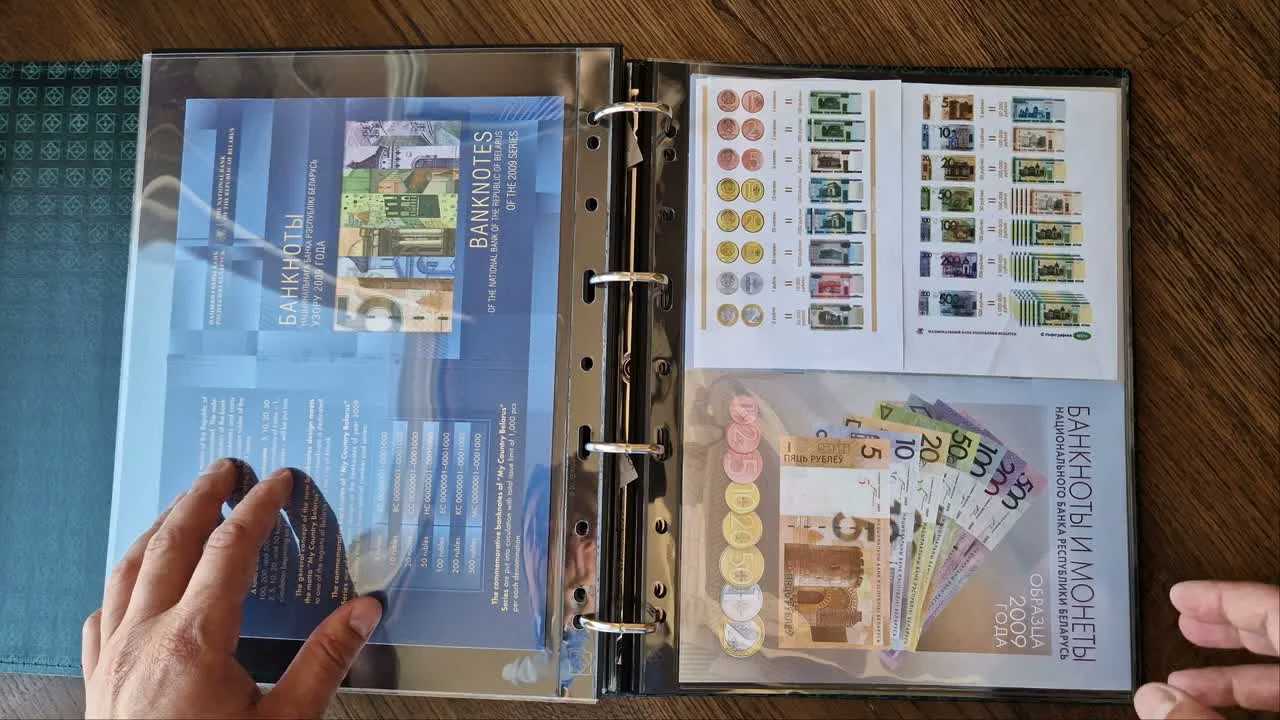
Banknotes of Belarus of the 2009 Series: A Collector's Album Review
The modern stage of currency circulation in Belarus is associated with the 2009 series banknotes, which were introduced into circulation in 2016. This period is of interest to collectors due to the existence of special issues and related materials.
Collector's Guide
Read More →
The Economics of Contemporary Art: Branding, Scarcity, and the Paradoxes of Price
The world of contemporary art operates under its own unique economic laws, where traditional concepts of value and scarcity are redefined. Here, the key role is played not only by the artistic merit of the works but also by factors such as branding, rarity, and the influence of the so-called 'gatekeepers' of the art market.
InvestmentsCollector's Guide
Read More →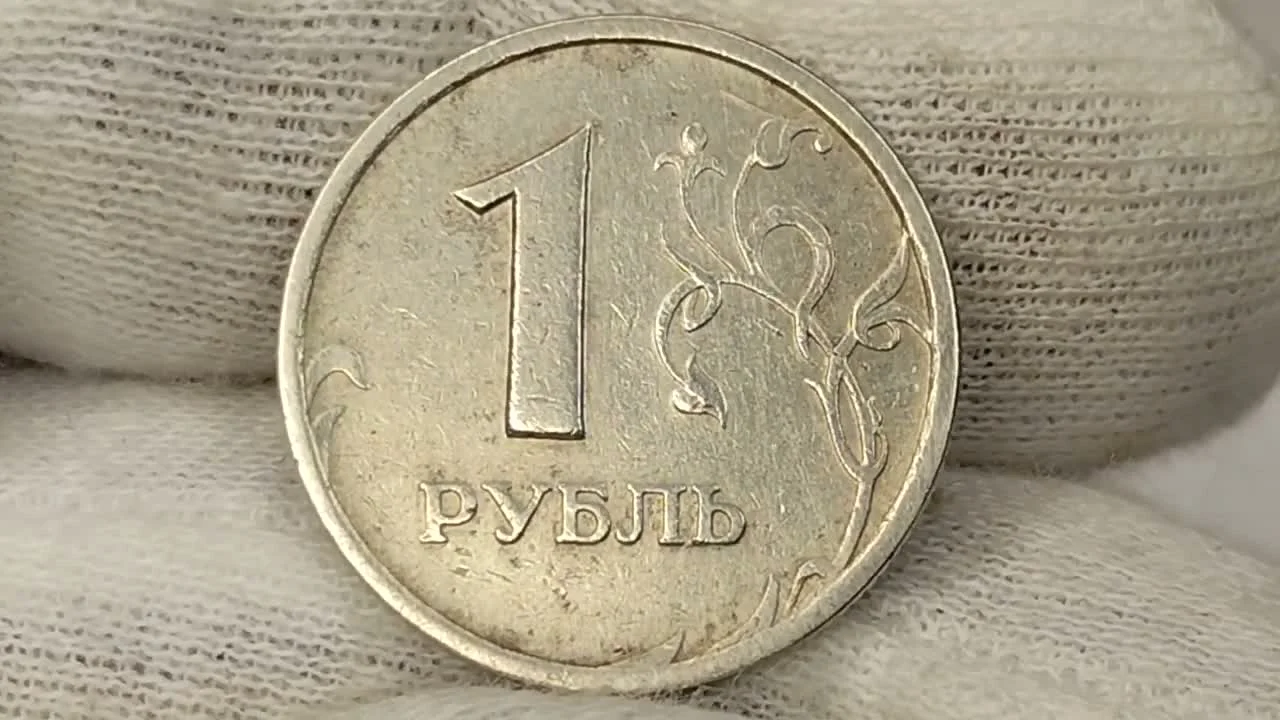
Value of the 1 Ruble 1997 Coin (SPMD): Varieties and Rare Errors
The 1 Ruble coin of 1997 was minted at the Saint Petersburg Mint (SPMD). Its reverse features a large numeral '1' shifted to the left of center, with the inscription 'РУБЛЬ' (RUBLE) underneath. The design is complemented by a plant ornament on the right and partially on the left.
Collector's GuideExpertise
Read More →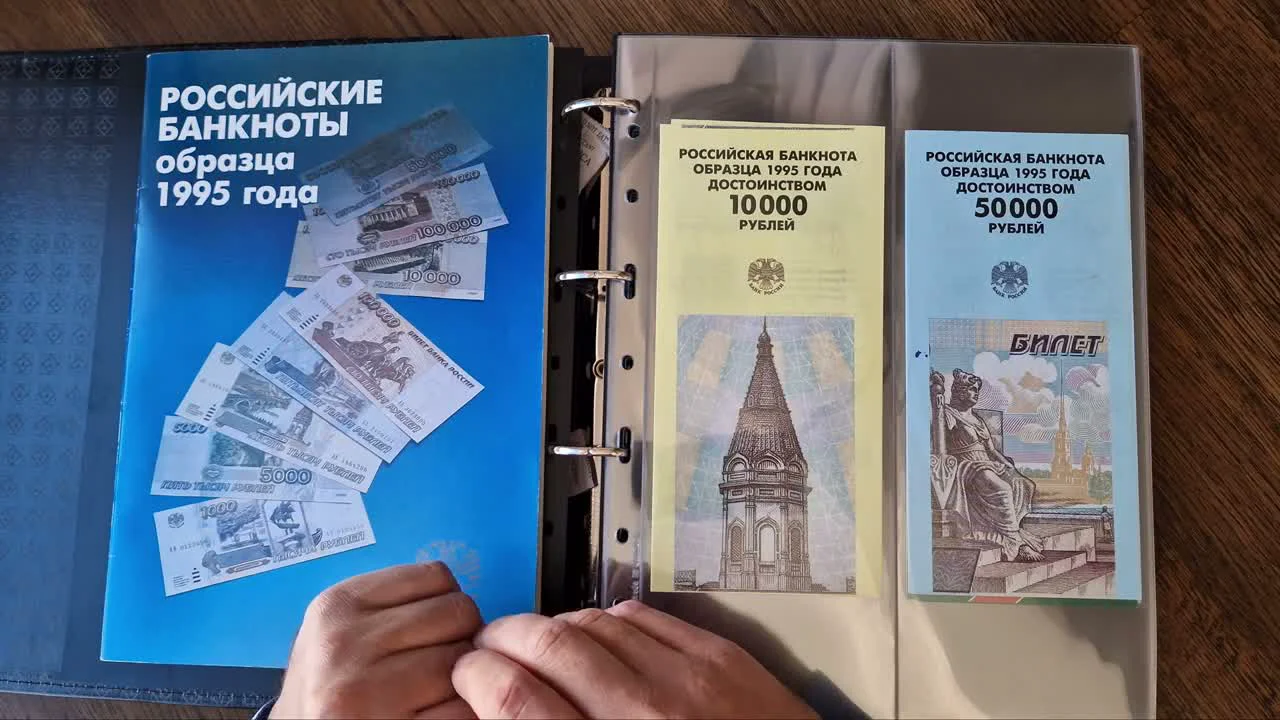
A Collection of Modern Russian Banknotes: From Central Bank Booklets to the 5 Ruble Note of 1997
The collection of modern Russian banknotes, presented in the album, begins in 1995 with the introduction of the so-called "city series." In addition to the banknotes themselves, the collection is supplemented with official printed materials from the Bank of Russia, such as brochures and booklets, which gives it additional informational value.
Collector's GuideHistory of Things
Read More →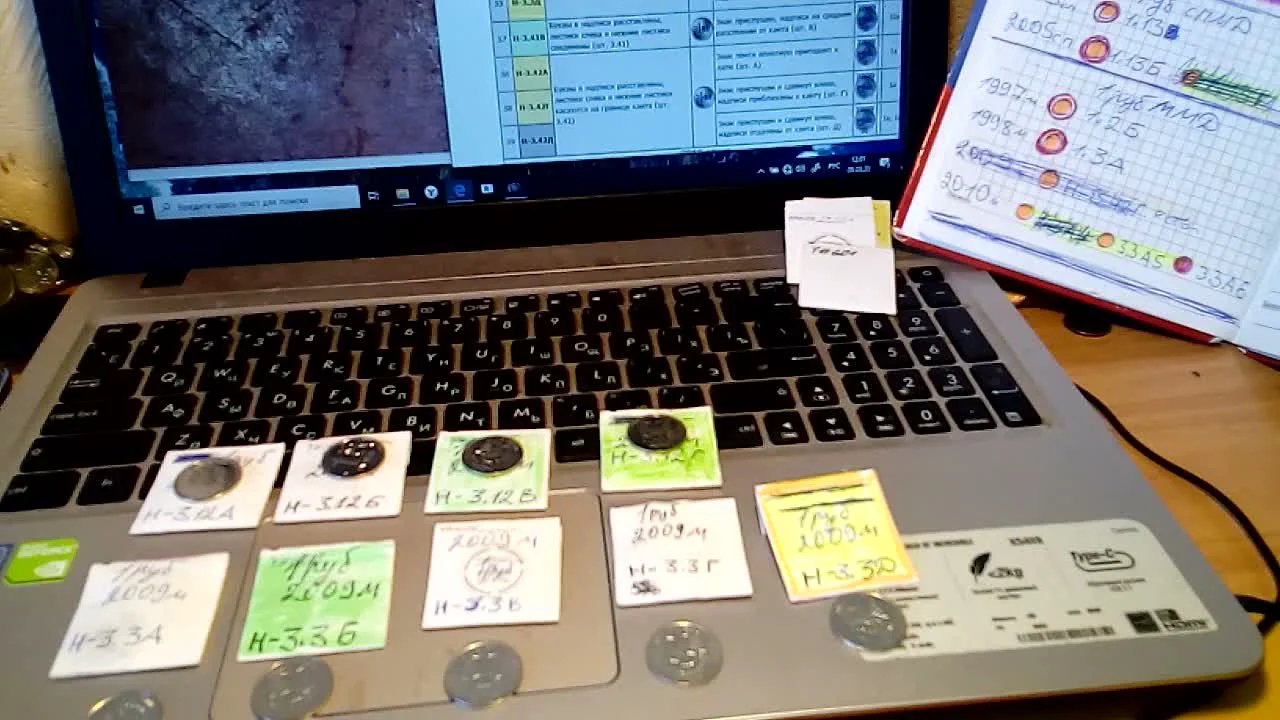
Varieties of the 1 Ruble 2009 MMD Coin: A Complete Identification Guide
In 2009, the Moscow Mint (MMD) issued steel 1 ruble coins with plating, which have 13 official varieties. These variants differ in the details of the obverse and reverse dies, making them an interesting object for collectors.
Collector's GuideExpertise
Read More →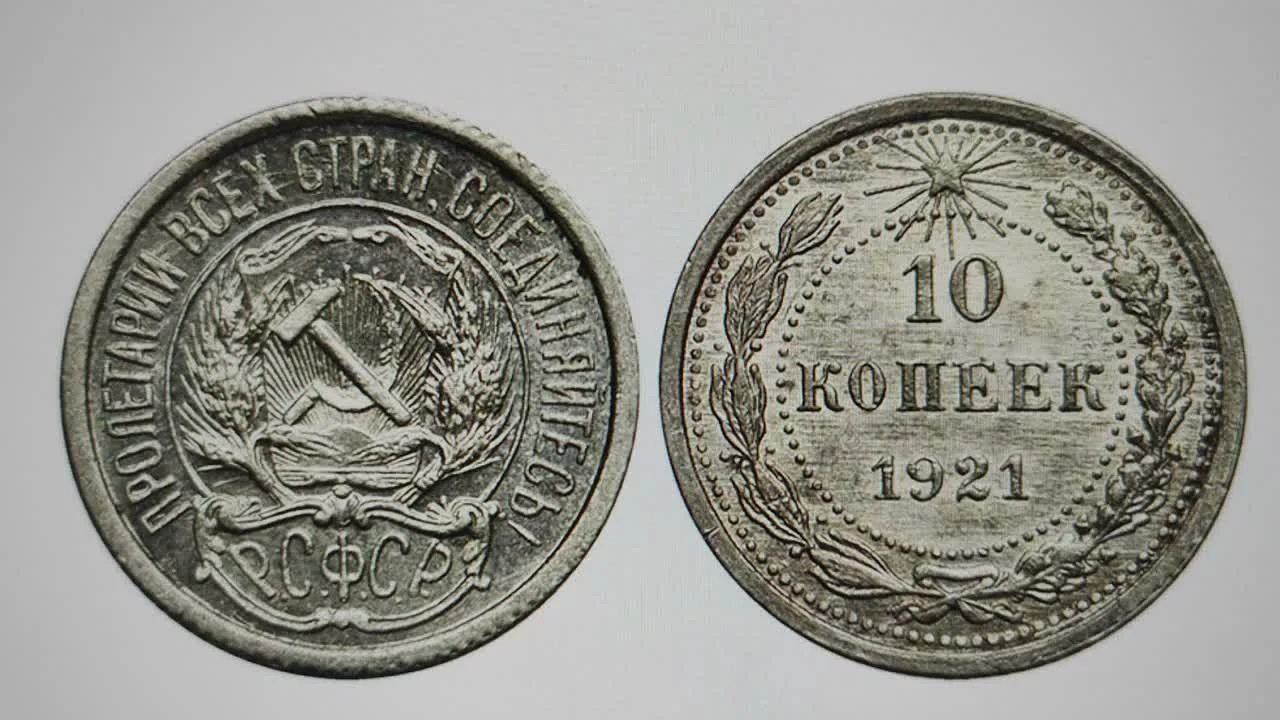
10 Kopeks 1921: Silver Symbol of a New Era for the RSFSR
The 10 kopek coin of 1921 has a kind of 'dual soul.' On the one hand, its design still carries the legacy and 'breath' of the bygone empire, while on the other, it is a full-fledged symbol of the new government, a coin of the RSFSR.
Collector's GuideHistory of Things
Read More →