Value and Varieties of Polushka Coins of the Russian Empire from 1736–1745 - AUCBURG | AUCBURG
Value and Varieties of Polushka Coins of the Russian Empire from 1736–1745
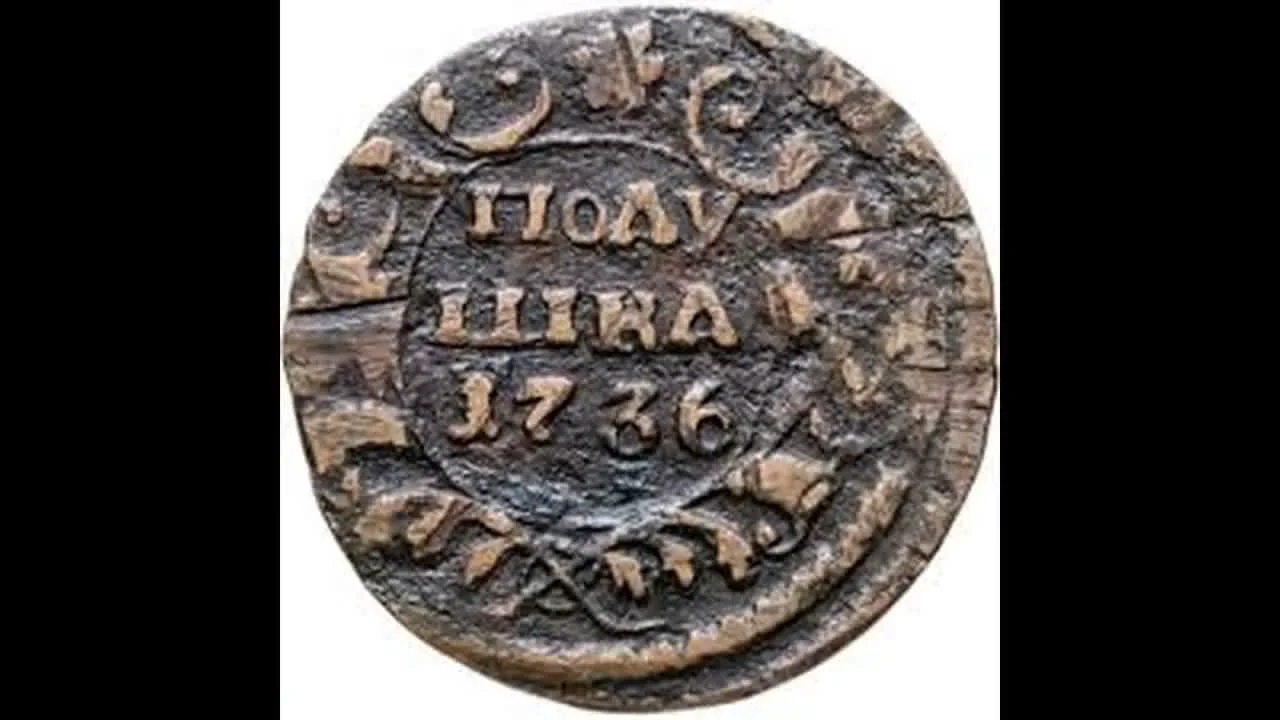
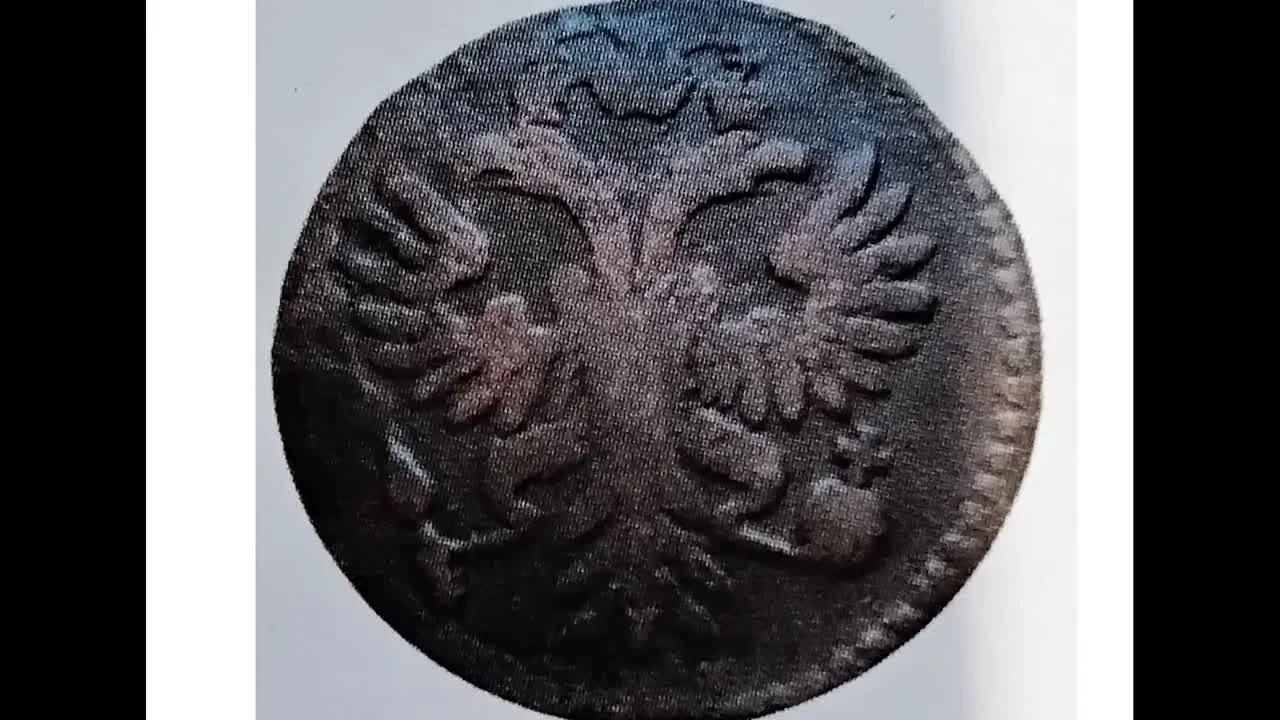
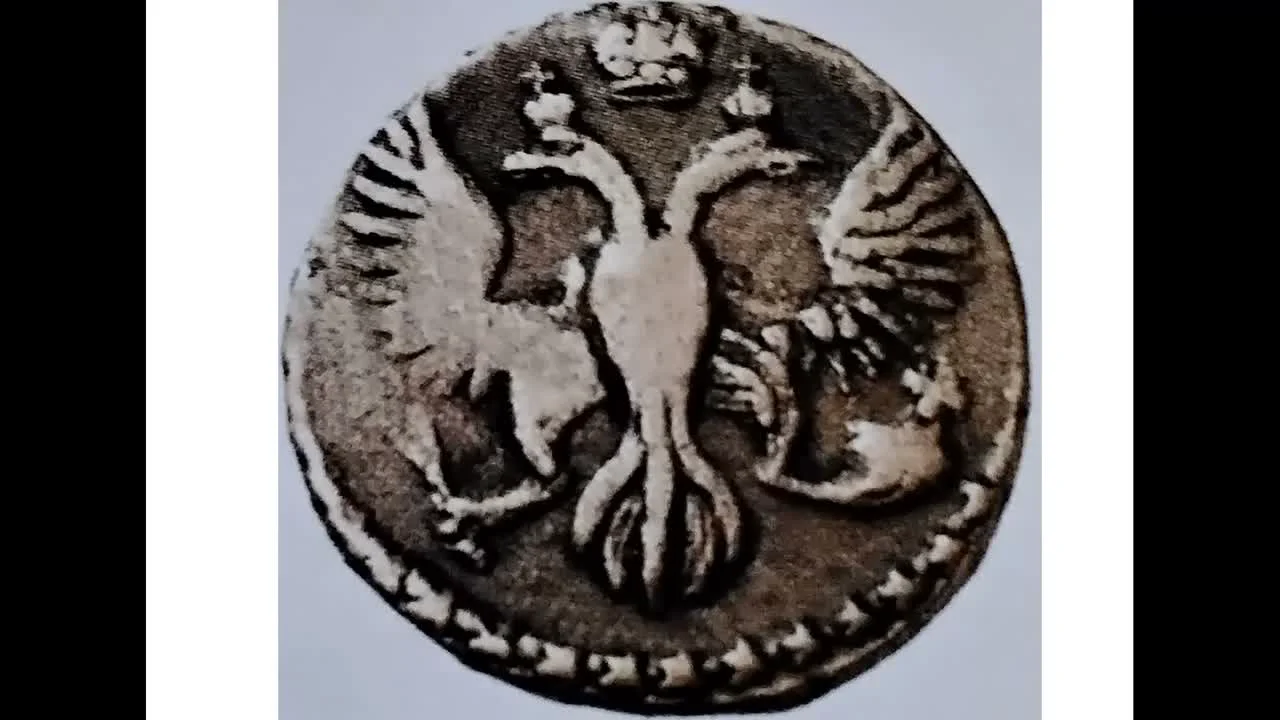
In 1736, two main types of Polushka coins were issued, minted at different mints and distinguished by the depiction of the eagle on the reverse. These differences significantly affect the collectible value and market price of the coins.
In 1736, two main types of Polushka coins were issued, minted at different mints and distinguished by the depiction of the eagle on the reverse. These differences significantly affect the collectible value and market price of the coins.
The first variety was minted at the Yekaterinburg Mint, and the second at the Moscow Mint. The key difference lies in the type of eagle: coins from Yekaterinburg feature the second type of eagle, while Moscow coins have the first type, making them much rarer and more expensive.
The 1737 Polushka: Three Mints
Mint
Eagle Type
Features
Approximate Value
Moscow
First type
Wide chest, 8-9 feathers on wings
1,000 RUB
Yekaterinburg
Second type
Narrow or oval chest, 7-8 feathers
400 RUB
Saint Petersburg
Third type
Smaller wings, fluffier tail
1,000 RUB
Polushka coins of 1737 were issued at three mints simultaneously: Moscow, Yekaterinburg, and Saint Petersburg. Each of these varieties had its own unique type of eagle, making them easy to identify.
The Moscow Mint used the first type of eagle with a wide chest. The Yekaterinburg Mint struck coins with the second type of eagle, which had a narrow or oval chest. In Saint Petersburg, a third type of eagle was introduced, distinguished by smaller wings and a fluffier tail.
The 1737 Polushka: Three Mints
The 1738 Polushka: Difference in the Edge
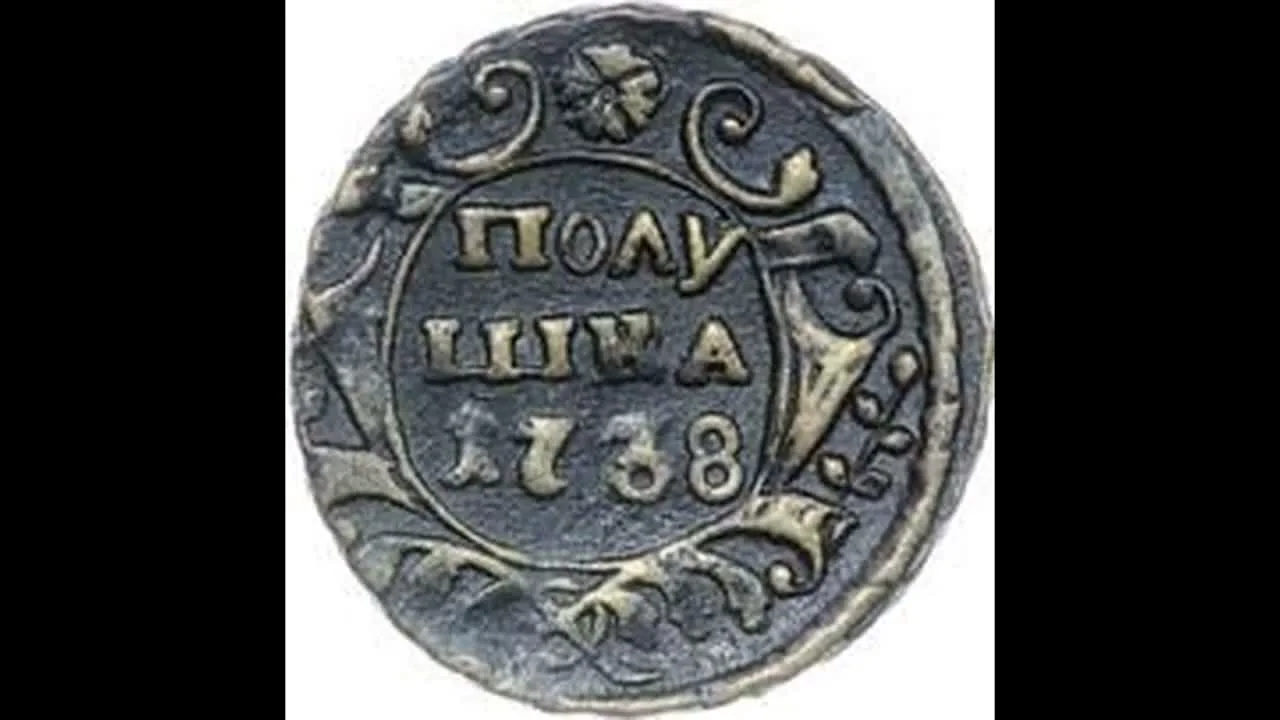
In 1738, two varieties of the Polushka were issued. Both coins had the same depiction of the third type of eagle, characterized by smaller wings and a fluffy tail. The main difference between them was the design of the edge (gurt).
The direction of the cord-like pattern on the edge determines the coin's rarity and value.
Corded edge to the right. This is the more common and cheaper variety, with a value of about 200 rubles.
Corded edge to the left. This coin is much rarer, and its price exceeds 3,000 rubles.
The 1738 Polushka: Difference in the Edge
Overview of Polushkas from 1739–1743
Year
Variety
Approximate Value
1740
Third crown is smaller, carnation-style rosette
1,200 RUB
1740
Third crown is larger, carnation-style rosette
2,500 RUB
1740
Six-petal rosette
400 RUB
Year
Variety
Approximate Value
1741
Large third crown
1,100 RUB
1741
Small crown
1,600 RUB
1741
Carnation-style rosette
1,300 RUB
From 1739 to 1743, the issuance of Polushkas continued with various, albeit minor, differences. The 1739 coins had several varieties distinguished by the size of the rosette, but these details did not significantly affect the price, which was around 2,000 rubles in good condition.
The 1740 and 1741 Polushkas were minted with the third type of eagle and had three main varieties each, differing in the size of the crown and the type of rosette.
The 1742 Polushka is uncommon, and its value exceeds 3,000 rubles. The 1743 coin had many minor differences and featured the third type of eagle; its price is around 2,000 rubles.
Overview of Polushkas from 1739–1743
Polushkas of 1744 and 1745: A New Type of Eagle
Mint
Features
Approximate Value
Yekaterinburg
Its own ornament pattern
Around 1,000 RUB
Moscow
Its own ornament pattern
1,200 RUB
Saint Petersburg
Its own ornament pattern
10,000 RUB
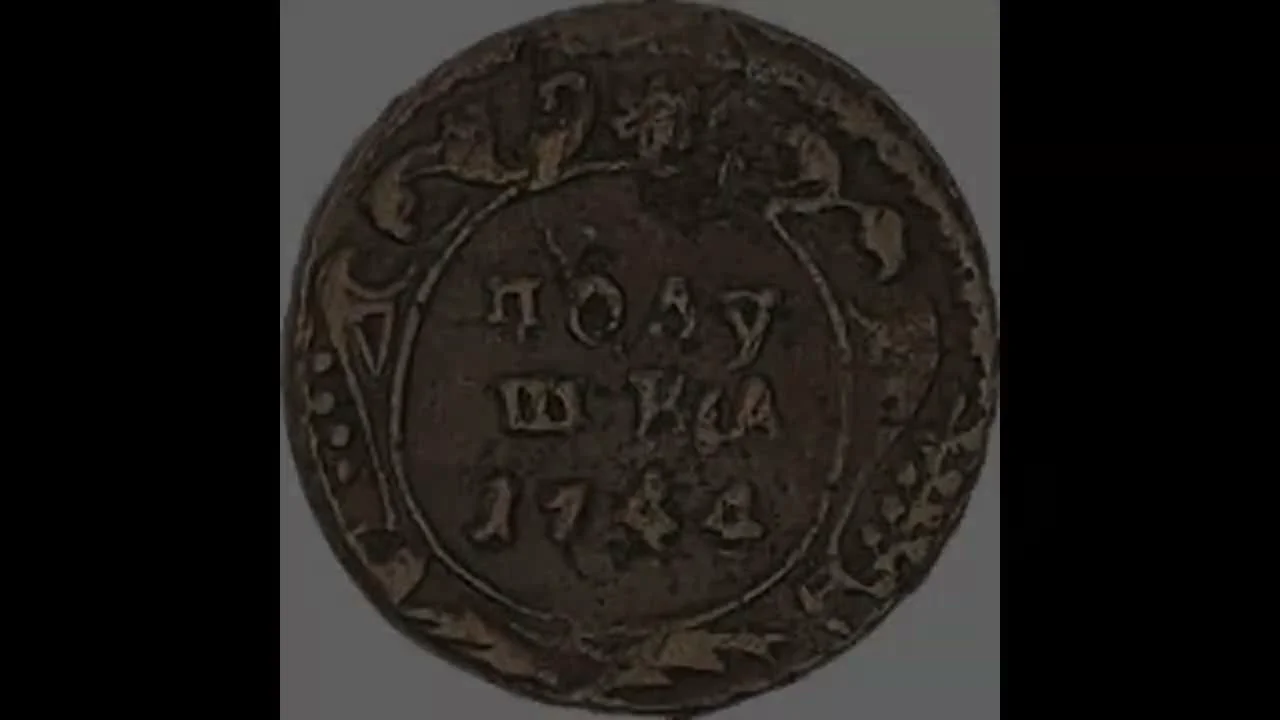
Starting in 1744, a new, fourth type of eagle appeared on Polushkas. This eagle is described as more 'slender' and is noticeably different from previous types. Due to this change, the 1744 Polushka is valued higher, with its price around 8,000 rubles, despite the presence of minor differences in details.
In 1745, coins with the fourth type of eagle were issued at three mints. The differences between them lay in the pattern of the ornament around the denomination and date. The value of these coins heavily depends on the minting location.