The Economics of Contemporary Art: Branding, Scarcity, and the Paradoxes of Price - AUCBURG | AUCBURG
The Economics of Contemporary Art: Branding, Scarcity, and the Paradoxes of Price
The world of contemporary art operates under its own unique economic laws, where traditional concepts of value and scarcity are redefined. Here, the key role is played not only by the artistic merit of the works but also by factors such as branding, rarity, and the influence of the so-called 'gatekeepers' of the art market.
The world of contemporary art operates under its own unique economic laws, where traditional concepts of value and scarcity are redefined. Here, the key role is played not only by the artistic merit of the works but also by factors such as branding, rarity, and the influence of the so-called 'gatekeepers' of the art market.
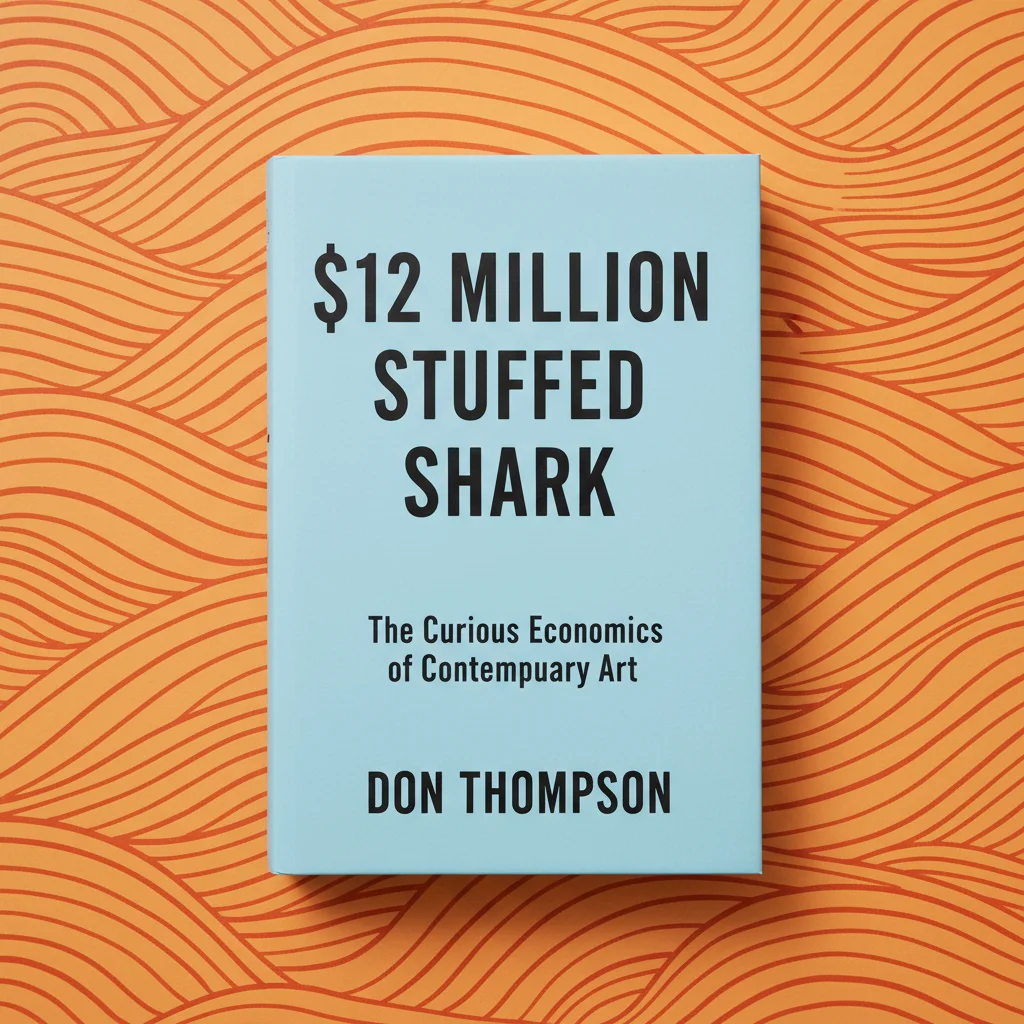
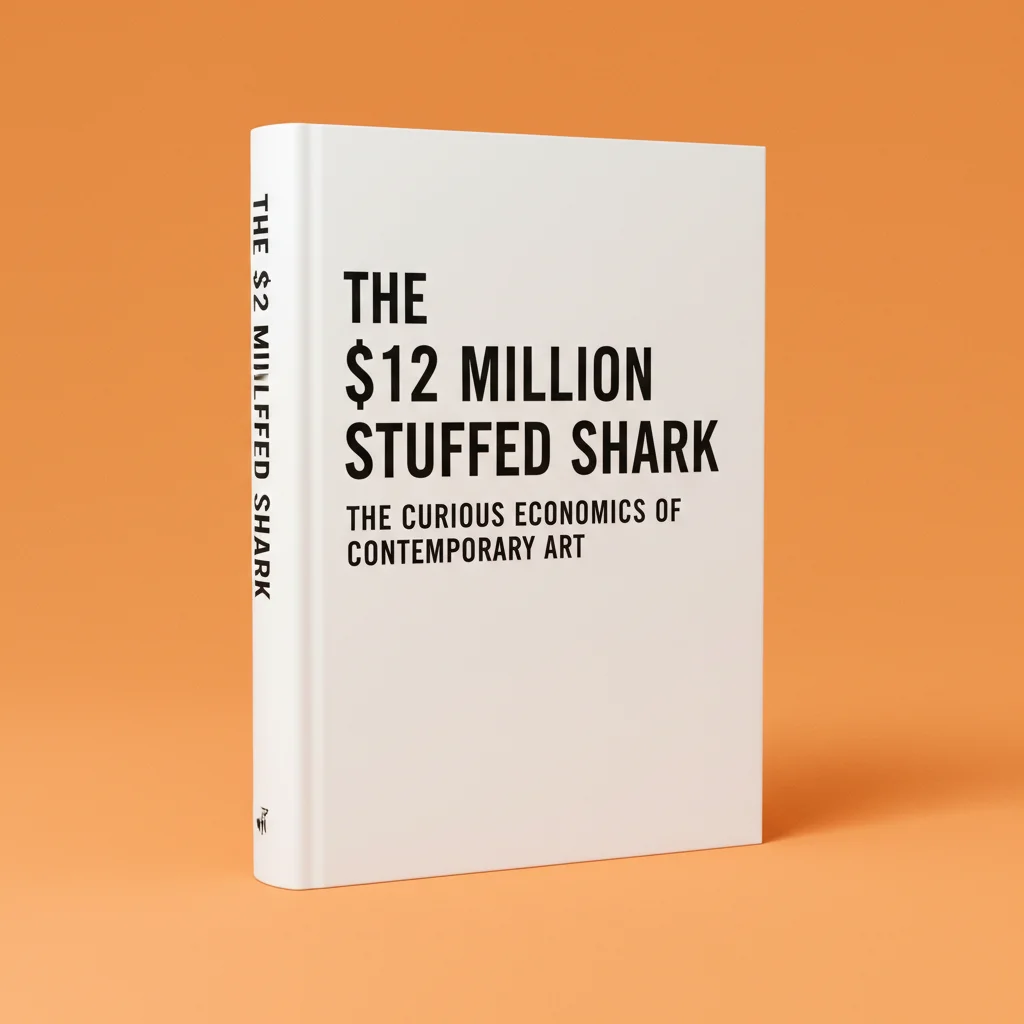
Don Thompson's book 'The $12 Million Stuffed Shark' explores this phenomenon. It analyzes the paradox where art prices soar to incredible heights, often remaining incomprehensible even to seasoned collectors. Influential players are the driving force behind this process.
Prestigious galleries, such as Gagosian.
Leading auction houses, like Sotheby's.
They are the ones capable of turning seemingly ordinary works into multi-million dollar treasures. Gradually, art is transforming from a form of cultural self-expression into a full-fledged investment tool, which raises many questions about its true value.
The Power of Brand in the Art World
Category
Examples
Artists
Andy Warhol, Damien Hirst
Collectors
Charles Saatchi
For many, contemporary art remains a mystery, causing bewilderment or even disdain. However, its value is determined not only by artistic merit. Branding plays a huge role in pricing, becoming a transformative force in the art market.
The prestige of renowned galleries like Gagosian or auction houses like Sotheby's lends an aura of legitimacy and high value to artworks. This mechanism is similar to how fashion labels turn ordinary clothes into status symbols. It's not just institutions that become brands, but the market participants themselves.
Their names alone attract attention and money. For example, On Kawara's minimalist paintings featuring dates fetch high prices precisely because of the artist's brand. Ultimately, for ultra-wealthy collectors, buying art is not just a monetary investment but an assertion of their cultural influence and social status.
The Power of Brand in the Art World
The Allure of Scarcity
In the art world, scarcity and rarity create immense value, much like precious metals such as gold and diamonds. Over time, works of classical art become increasingly rare as they settle in museums and private collections, which steadily increases their price.
A notable example is a work by Paul Gauguin, whose value soared from £969,000 in 1998 to $4.9 million in less than a decade. As the number of historical masterpieces on the market is limited, contemporary art has come into focus, beginning to occupy the niche of prestigious investments.
Works by artists like Andy Warhol and Jackson Pollock break sales records. Pollock's painting 'No. 5, 1948' was sold for a staggering $140 million. Nevertheless, the art market remains a specialized sector, with annual sales significantly lower than the turnover of giants like Apple.
The Allure of Scarcity
The Power of Art Dealers
In the competitive world of contemporary art, dealers act as crucial 'gatekeepers' who shape artists' careers and determine their success. They decide which creators will gain prominence, and their decisions can drastically impact an artist's life.
Elite dealers like Gagosian and White Cube are at the top of this hierarchy. Below them are mainstream dealers who provide emerging talents with their first big opportunities, although this comes with financial risks. The statistics are harsh: four out of five galleries close within their first five years of operation.
Galleries typically operate on a consignment basis, splitting the sales profit with the artist 50/50. Additional income comes from the secondary market (resale of works) and managing ancillary rights, such as rights for reproductions and exhibitions. For example, Andrew Wyeth's 'Helga' series generated millions of dollars primarily from the sale of rights, far exceeding the income from the sale of the paintings themselves.
The Power of Art Dealers
The Price Paradox of Art
Museums often view artworks as financial assets, where monetary value sometimes overshadows cultural significance. This conflict was vividly demonstrated in 1997 when Russian artist Alexander Brener sprayed a green dollar sign on Kazimir Malevich's painting 'Suprematism' at the Stedelijk Museum.
Brener called his act a performance, criticizing the art world's obsession with money, which he believed undermines the diversity and depth of art. This view resonates with many contemporary artists. Today, price often determines the perceived artistic value of a work. As Andy Warhol once said, art and money are inseparable.
Meanwhile, a vast number of valuable artworks remain hidden from the public. For instance, there are about 120,000 paintings in UK storage facilities. This underscores their role as financial assets, not just public treasures. A telling example is the Louvre, which struck a $575 million deal with the Louvre Abu Dhabi for the right to use its name and loan artworks, a sum exceeding the construction budget for the new museum itself ($115 million).
The Price Paradox of Art
The Illusion of Art Investment
Gallerist Mary Boone once compared buying art to lottery tickets, alluding to the element of chance. While some collectors feel a personal connection to their acquisitions, others view art purely as a financial investment, expecting its value to grow. However, this belief is often deceptive.
The art market is known for its volatility. The 1980s saw a boom in Impressionist art, with prices for works by Gauguin and Renoir skyrocketing, but after the 1990 recession, the market crashed and took 15 years to recover. Even prestigious institutions like the Whitney Museum don't always turn a significant profit. The sale of Picasso's 'Boy with a Pipe' brought the museum a modest annual return of 7% within its overall collection, while other works recorded losses.
There is the so-called Mei Moses Art Index, which tracks the returns of artworks resold at auction. Although it shows a positive trend, this index does not account for important factors: unsold lots, private sales, and associated costs like taxes and fees. In reality, art investments often yield lower returns compared to the stock market and involve higher risks.
The Illusion of Art Investment
Artful Investing: Strategies for the Collector
Building a profitable contemporary art collection requires a combination of strategic thinking and patience. To succeed in this complex market, investors are advised to follow several rules.
Immerse yourself in the art scene. Visit galleries and exhibitions in cultural hubs like London, New York, Berlin, and Paris to understand current trends.
Use advisory services. Investment banks often offer art advisory services that can provide expert assessments of artists and trends.
Focus on promising artists. Choose creators with a clear upward trajectory rather than betting on unknown names.
Build relationships with dealers. Establish contacts with reputable dealers, as they are key figures in the market.
Be prepared to wait. To access in-demand works, you sometimes have to get on waiting lists.
Start with moderate amounts. For initial investments, target works in the $30,000 to $75,000 price range.
Diversify. It's safer to own several works worth $50,000 each than one worth $500,000.
Be patient. A 'buy and hold' strategy often requires a holding period of 20-30 years.
Stay informed. Use platforms like Artnet to track market trends.
Invest in young and innovative artists. Their works often yield the highest returns in the long term.
Explore new markets. Pay attention to non-Western markets, such as China, where new promising artists are emerging.