
Collector's Guide
Step-by-step instructions for beginners. Term dictionaries, storage guides, legal and tax advice.
Articles (310)
Page 3 of 16

Inclusions in Amber: How to Assess the Value of Insects and Plants Frozen in Resin
Amber with inclusions provides a unique window into the prehistoric past. Inclusions are any organic or inorganic materials that were trapped in tree resin millions of years ago and became fossilized, surviving to this day. Most often, these are insects, arachnids, and plant fragments, but sometimes, truly unique finds are discovered.
Collector's Guide
Read More →
Storing and Caring for an Amber Collection: Rules for Preserving its Value
Amber, being a fossilized tree resin, is a soft and fragile material. Its organic origin makes it vulnerable to environmental factors. Improper conditions can lead to a loss of shine, color change, the appearance of cracks, and even the complete destruction of the stone.
Collector's Guide
Read More →
Amber Valuation: Factors Affecting the Price of Collectible Specimens
Amber, or 'the sun stone,' has been valued by collectors and jewelers for millennia. However, not all specimens are the same. Valuing amber is a complex process that depends on a combination of unique characteristics. It is important for a collector to be able to distinguish these nuances to understand which stone is common and which is a real treasure.
Collector's Guide
Read More →
Rare and Unique Amber Specimens: What Collectors Look For
Amber, the fossilized resin of ancient coniferous trees, has been valued by humanity for millennia. However, not every specimen becomes an object of desire for collectors. True value lies in pieces that possess a unique combination of factors: rarity, aesthetic appeal, and scientific significance.
Collector's Guide
Read More →
Documenting an Amber Collection: Cataloging and Specimen Tracking
Any serious collection, whether it be works of art or natural minerals, begins with systematization. Documenting an amber collection is not just a formality, but the foundation for its development and the preservation of its value. A properly organized catalog allows you to track the history of each specimen, its unique features, and changes in its value.
Collector's Guide
Read More →
Where to Buy Amber for a Collection: Reliable Sources and Places to Purchase
The search for amber for a collection begins with choosing the right place to buy. There are several proven channels, each with its own characteristics. These include specialized stores, themed exhibitions, and auctions where you can find rare and valuable specimens.
Collector's Guide
Read More →
How to Start Collecting Amber: A Beginner's Guide
Collecting amber opens up an amazing world where each piece is a frozen drop of ancient history. You should start your journey by learning the basics: what amber is, where it is mined, and what types exist. Don't rush to buy expensive and rare specimens right away. Start with small but interesting stones that evoke an emotional response in you.
Collector's Guide
Read More →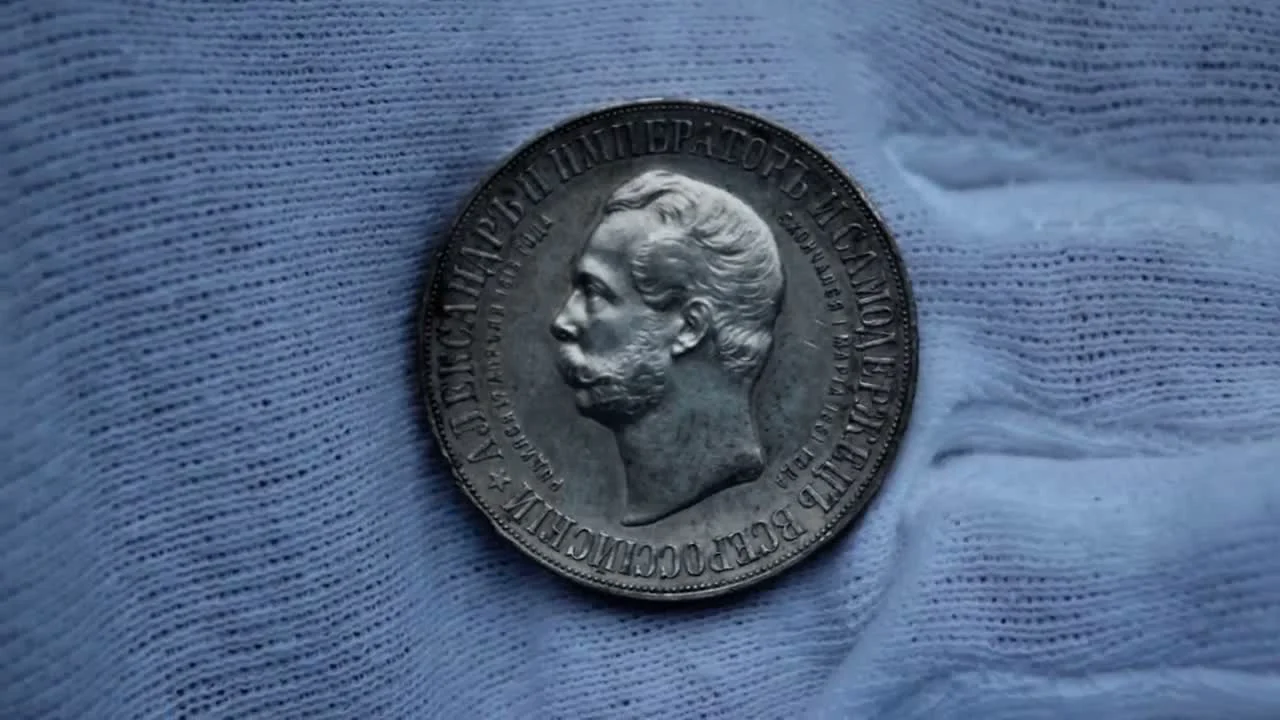
1898 Commemorative Ruble: In Honor of the Monument to Alexander II
Among the numismatic rarities of Tsarist Russia, the 1898 commemorative coin holds a special place. Its issue was dedicated to a significant event—the unveiling of the monument to Emperor Alexander II. This coin, minted in St. Petersburg, is not just a monetary token but a piece of history.
Collector's GuideHistory of Things
Read More →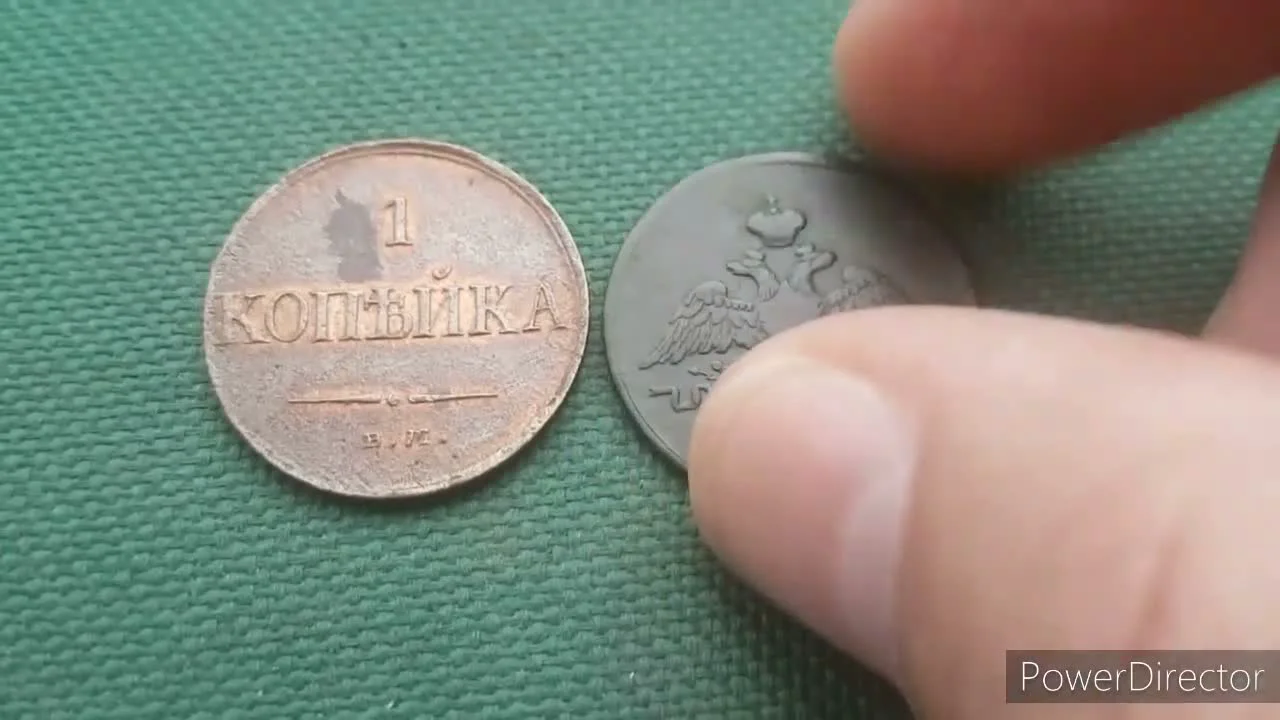
Copper Kopek of 1830–1839: The "Masonic" Eagle, Novodels, and Value
During the reign of Emperor Nicholas I (1825–1855), four different types of 1 kopek copper coins were issued. Coins of the so-called second type, minted from 1830 to 1839, are of particular interest to collectors. Their distinctive feature is the image of a double-headed eagle with its wings down.
Collector's GuideHistory of Things
Read More →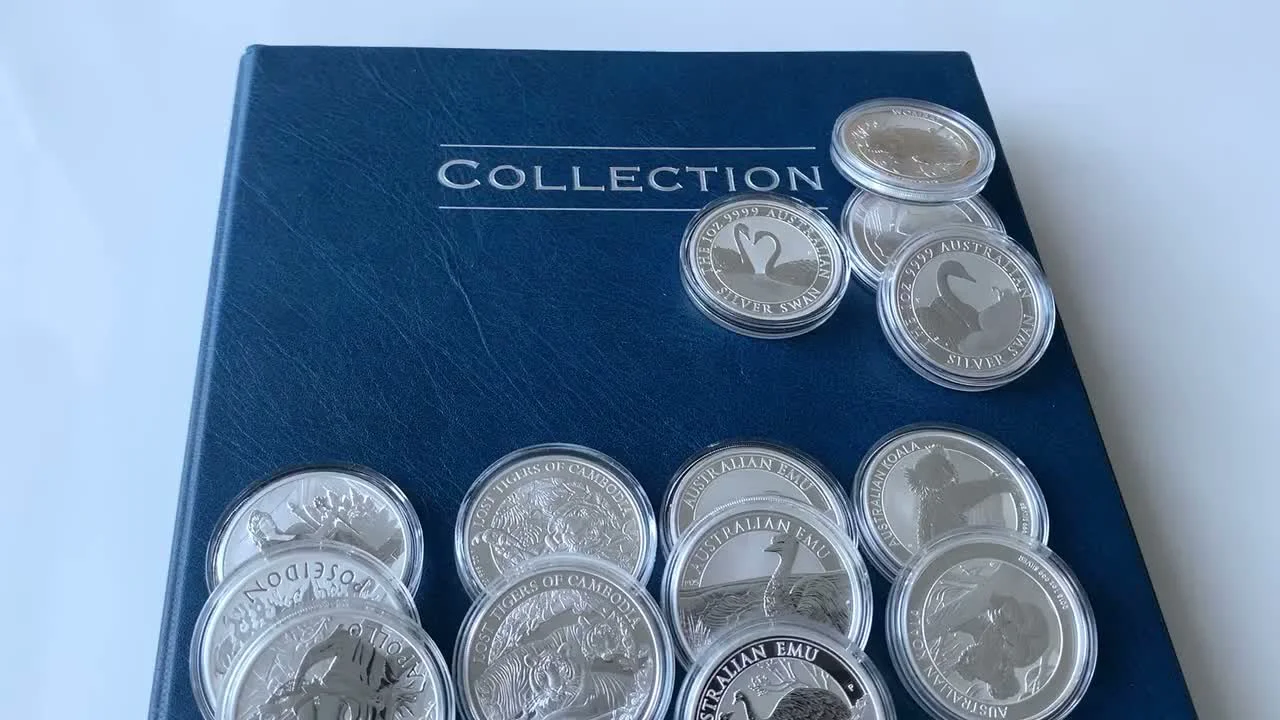
A Guide to Buying Bullion Coins: Where, How, and Is It Worth It?
When building a collection of bullion coins, it's worth paying attention to the products of the Australian Perth Mint. These coins stand out in the market for several key reasons, making them an attractive choice for investors.
InvestmentsCollector's Guide
Read More →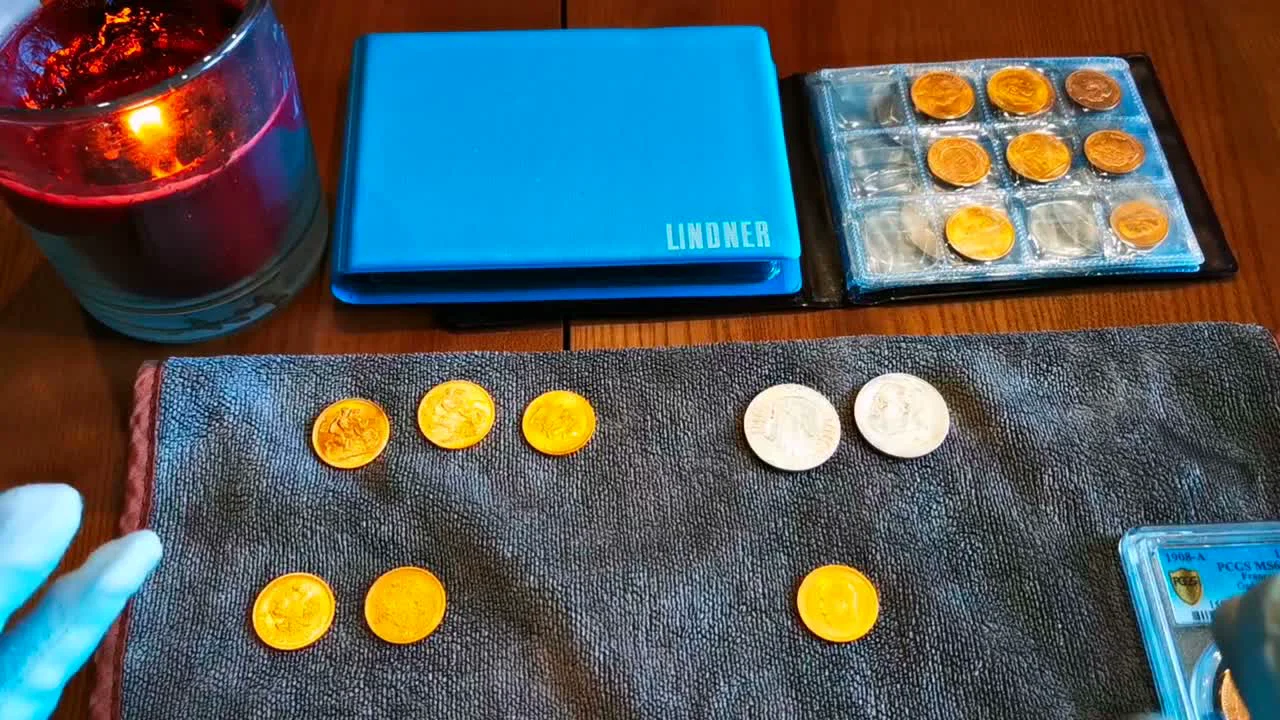
How to Recognize and Keep a Promising Coin: A Collector's Guide
When building a numismatic collection, many investors and collectors overlook the price dynamics of coins over the last 5-10 years. However, it is precisely this analysis that helps identify truly promising specimens. Rare and interesting items exist in any field, whether it be coins of Tsarist Russia, the Soviet period, the Latin Monetary Union, or American commemorative issues.
InvestmentsCollector's Guide
Read More →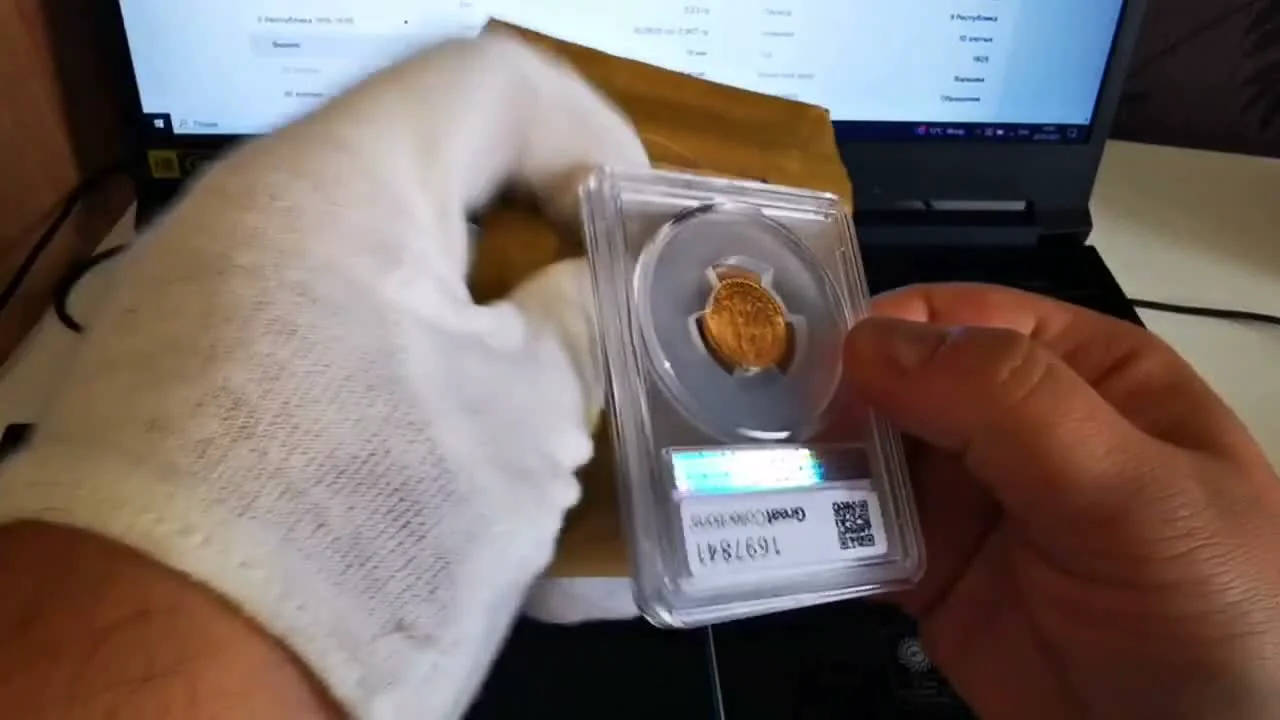
The 1925 10 Zloty Gold Coin: History and Investment Value
Adding to a numismatic collection is always an exciting process, especially when it involves a rare specimen that took over a month to arrive. One such addition was a coin that came from the United Kingdom, with a delivery time of over 32 days. This delay was due to the need for customs clearance, as the United Kingdom is no longer part of the European Union.
Collector's GuideInvestments
Read More →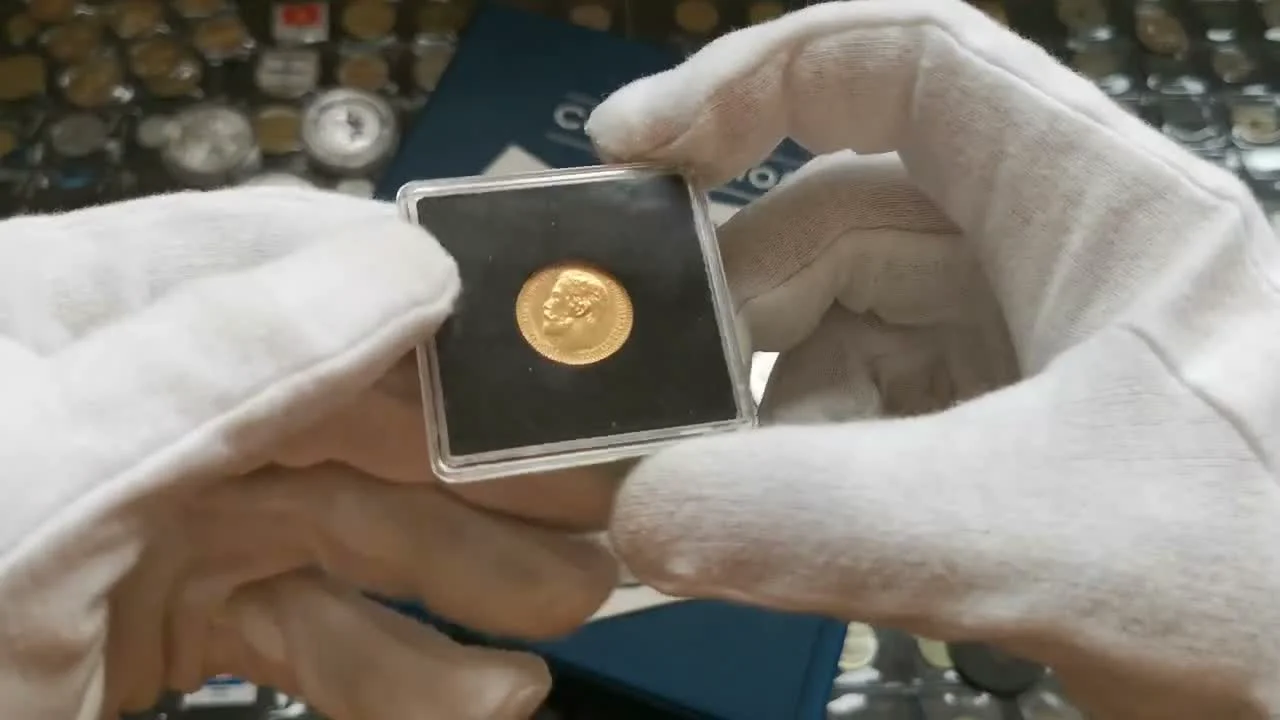
Gold Coins of the Nicholas II Era: 5 and 10 Rubles
Gold coins from the time of Nicholas II are considered some of the simplest and most common in the numismatics of the Russian Empire. Denominations of 5 and 10 rubles, which were minted in huge quantities and were in wide circulation, are often found in collections.
Collector's GuideHistory of Things
Read More →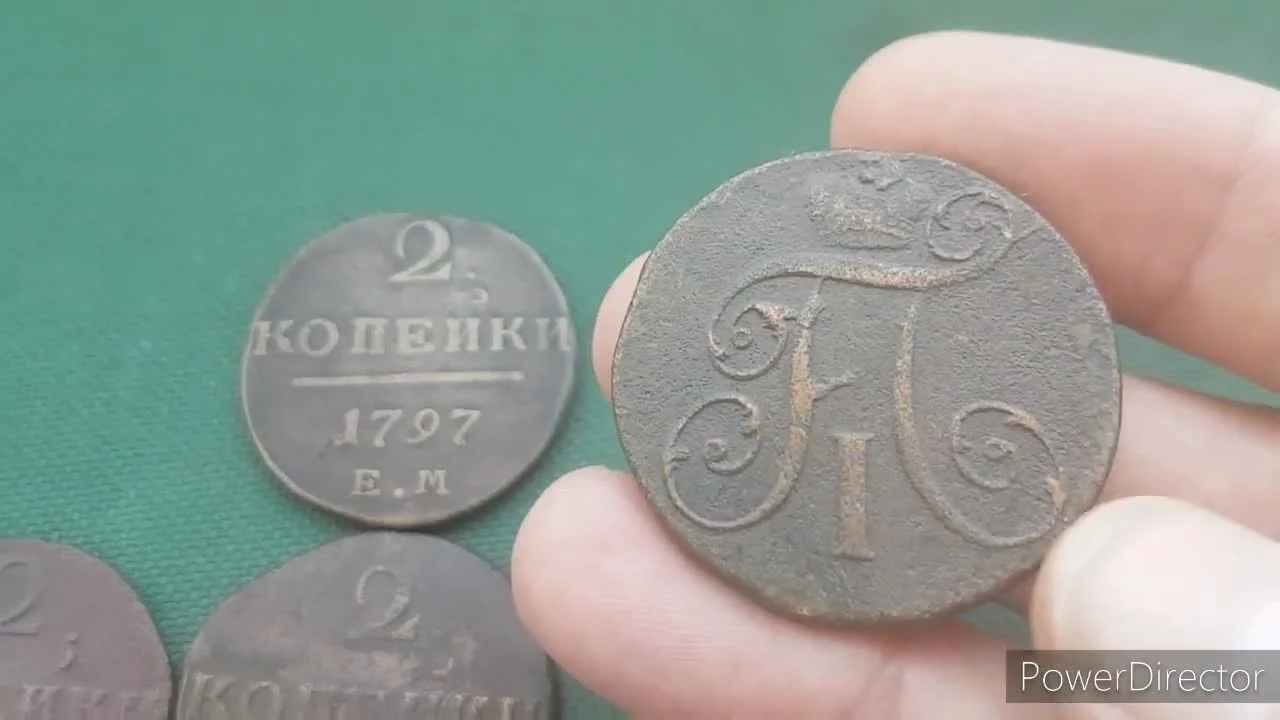
Copper 2 Kopeks of Paul I's Reign: Varieties and Value (1797-1801)
The two-kopek copper coins from the reign of Paul the First are among the most beautiful and interesting for collectors. Their mintage began in 1797 and continued for five years, up to and including 1801.
Collector's GuideHistory of Things
Read More →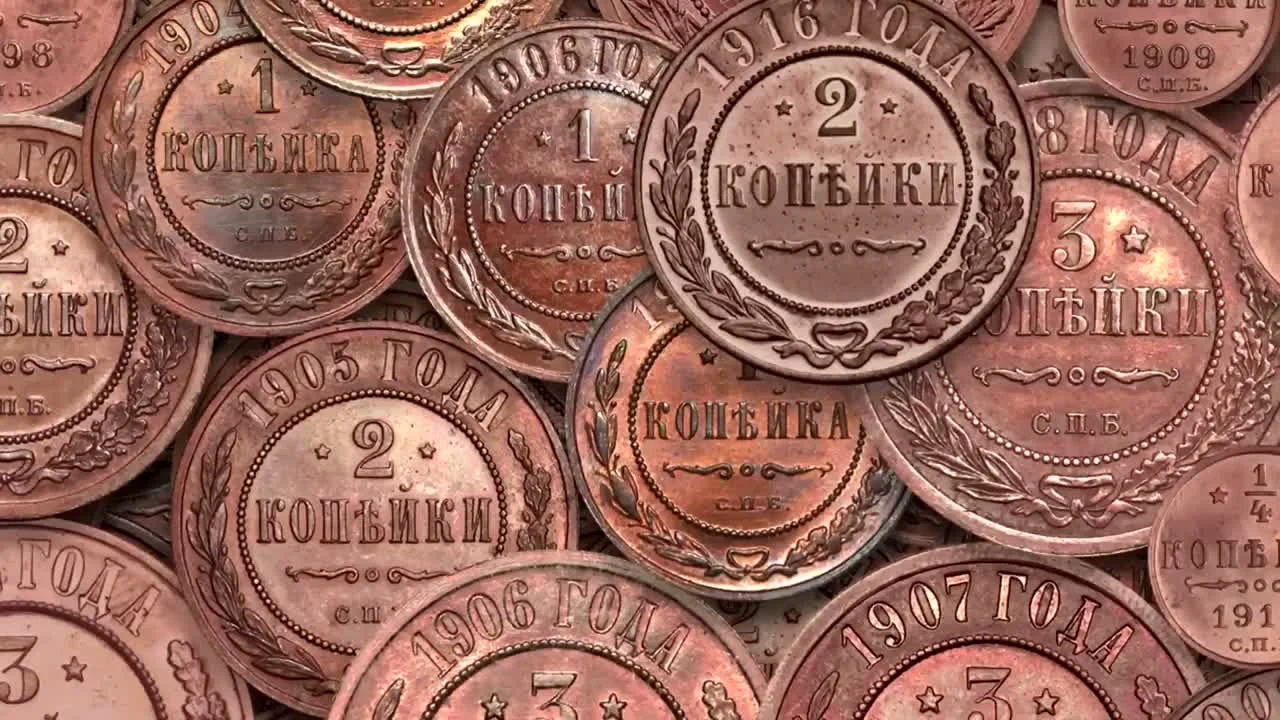
The Value of Copper Coins from the Era of Nicholas II: 1894–1917
When evaluating copper coins from the time of Nicholas II, several key factors must be considered. The main one is condition. The price is highly dependent on the coin's state, and specimens in superb condition can be worth 10 to 100 times more than coins in good condition.
Collector's GuideHistory of Things
Read More →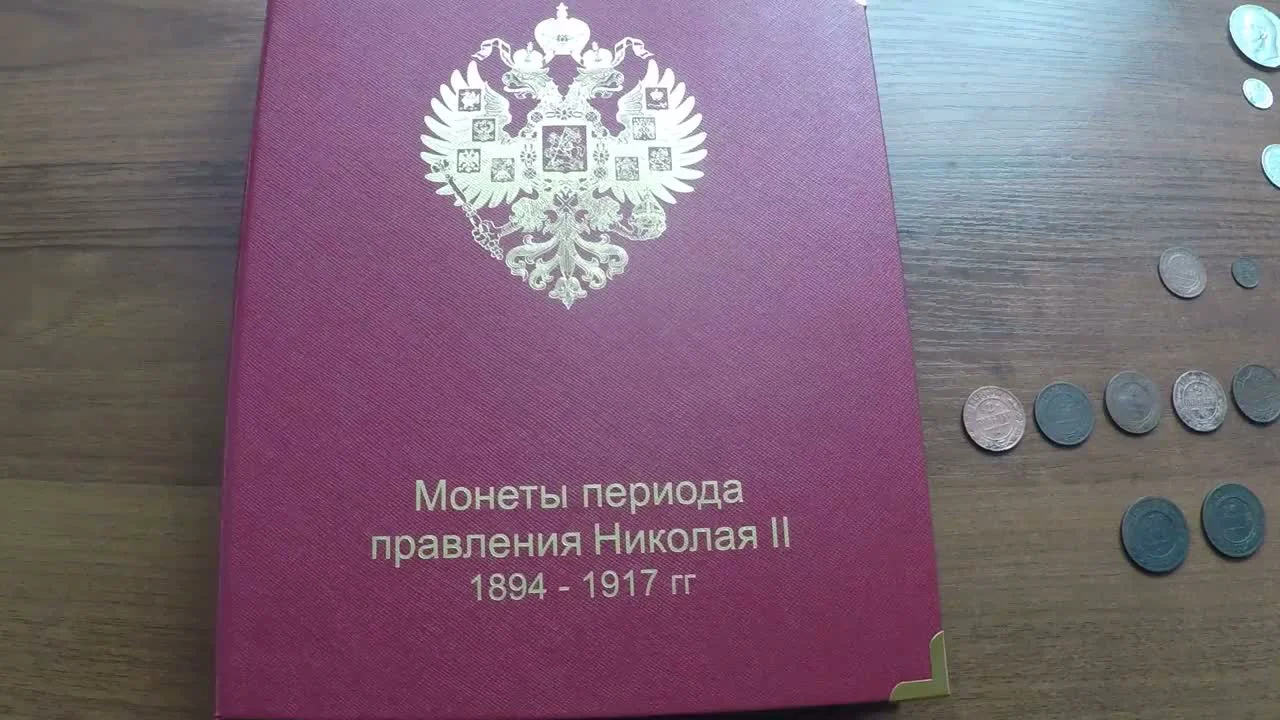
Nicholas II Coin Collection: An Overview and Value of a Year Set
For organizing numismatic collections, there are specialized albums, such as the 'Kolleksioner' (Collector) series. A special place within it is occupied by the volume dedicated to coins from the reign of Nicholas II, covering the period from 1894 to 1917.
Collector's GuideInvestments
Read More →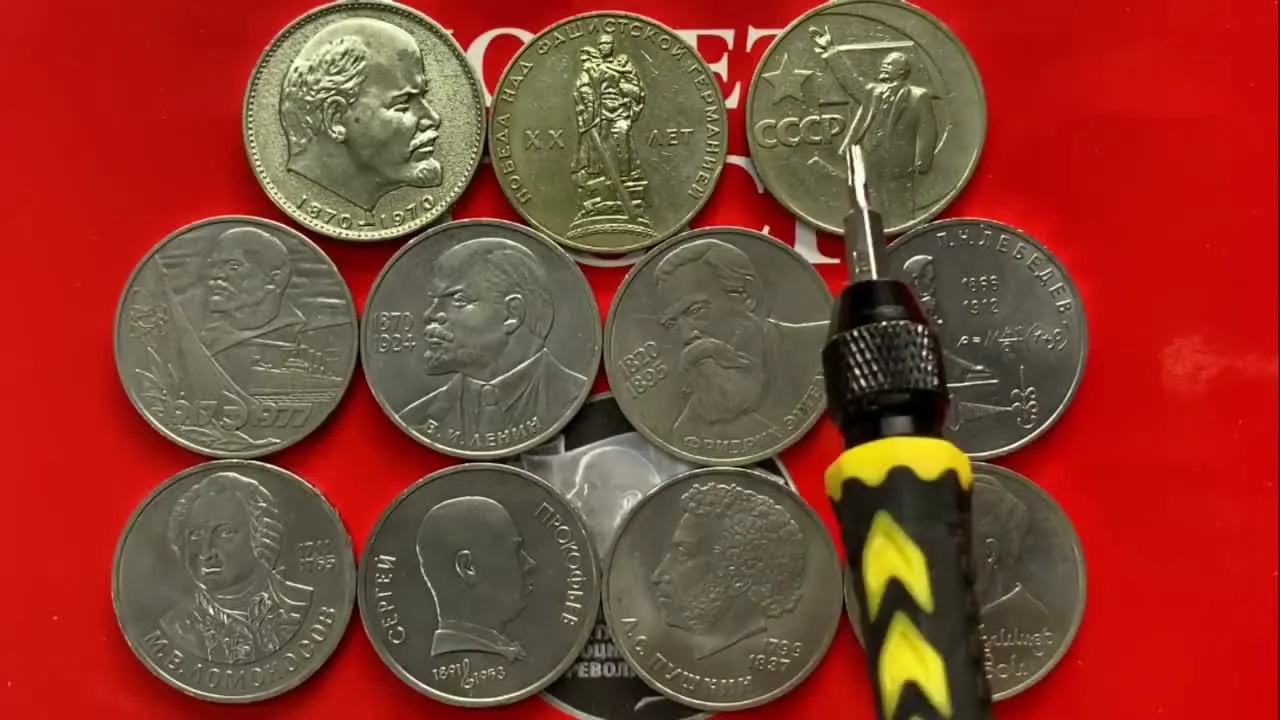
Rare and Expensive USSR Commemorative Rubles: Which Varieties Are Worth Thousands of Dollars
Among the many commemorative rubles of the Soviet Union, there are several common issues that are often found among the general population. It's important to understand that these coins themselves are not rare and are only of interest to collectors in exceptional condition.
Collector's GuideExpertise
Read More →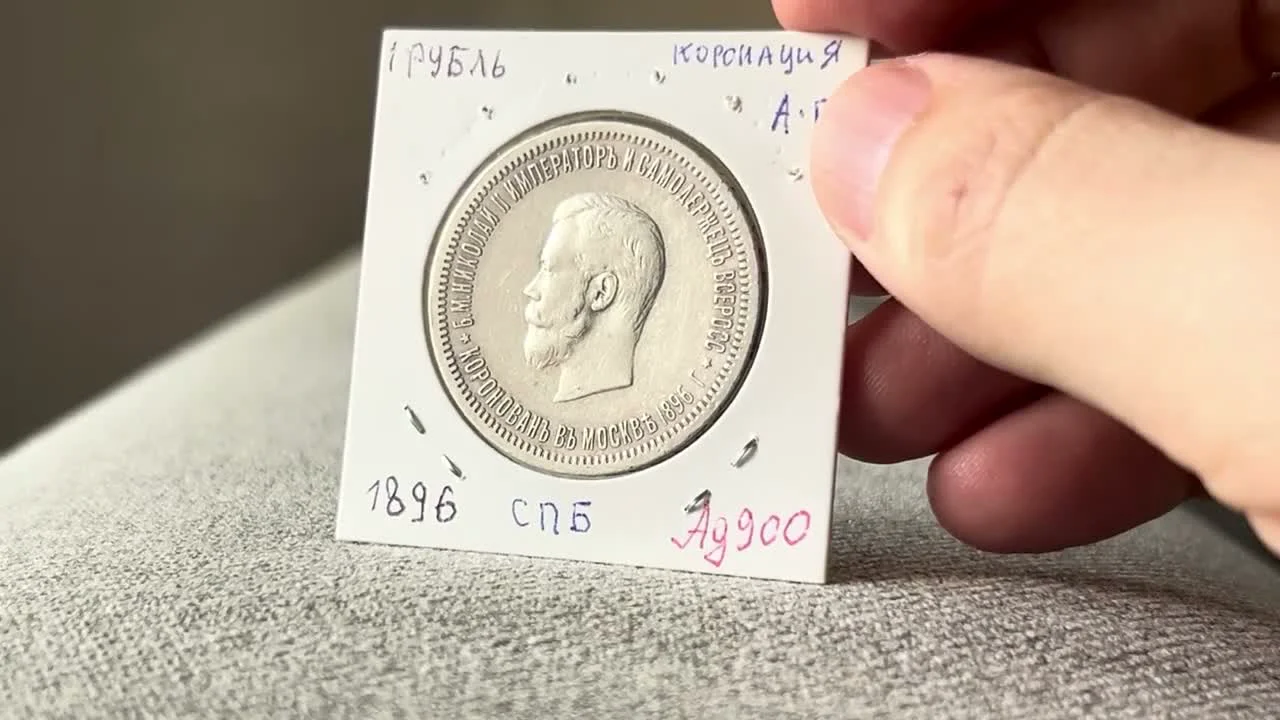
Edge Variety of the 1896 Coronation Ruble
The study of edge inscriptions on silver rubles of the Russian Empire from the late 19th century reveals interesting nuances for collectors. In particular, coins from the reigns of Alexander III and Nicholas II have differences that allow for the identification of rare varieties. One of the key markers for identifying such varieties is the style of the numerals in the edge inscription.
Collector's GuideExpertise
Read More →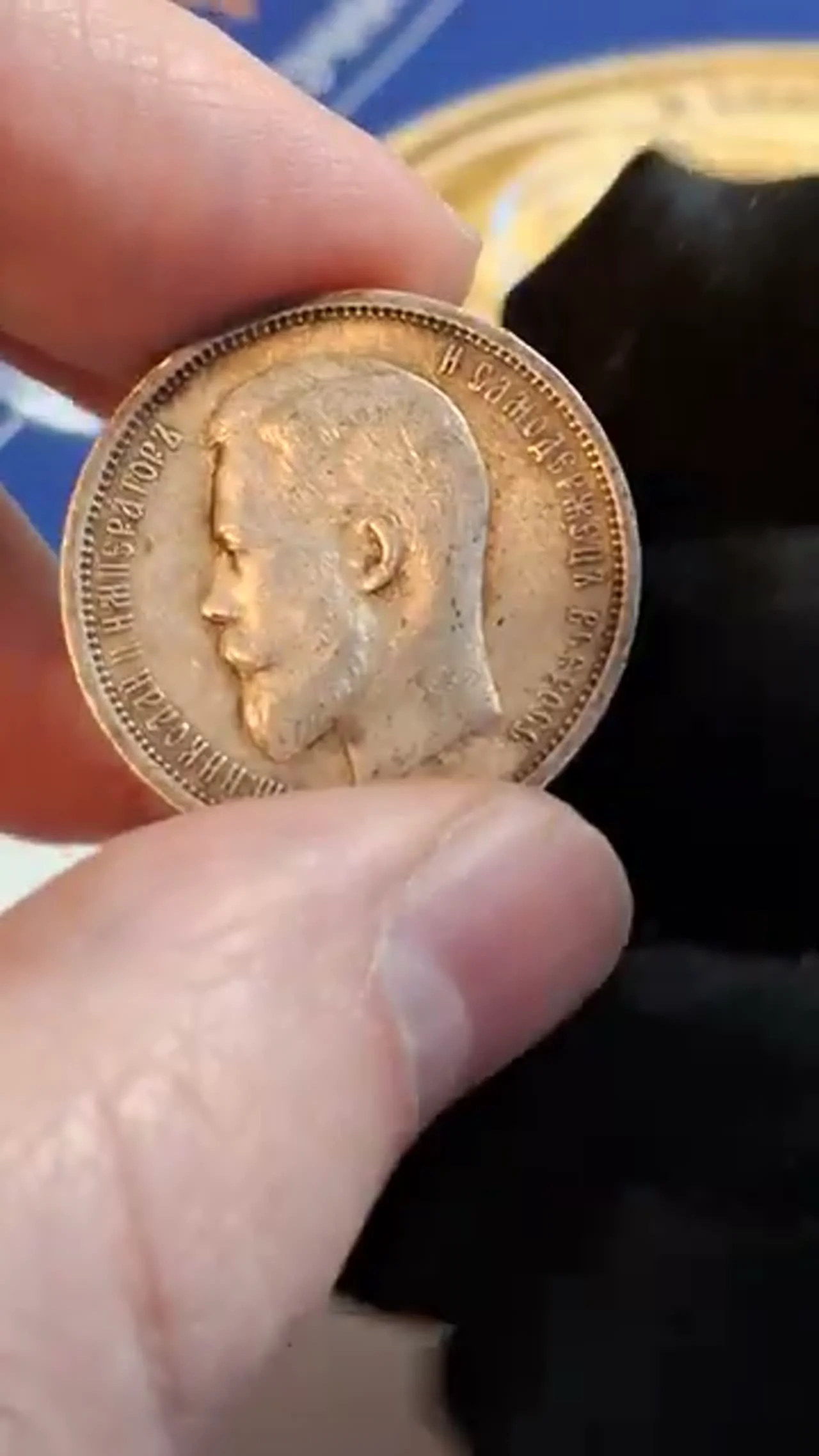
Investing in Tsarist Silver: Why You Should Buy Coins Amidst the 'Gold Rush'
A recent acquisition added three silver 50-kopek coins from the reign of Nicholas II to the collection. All coins are from common, non-rare years of issue and are in decent condition, making them an attractive asset.
InvestmentsCollector's Guide
Read More →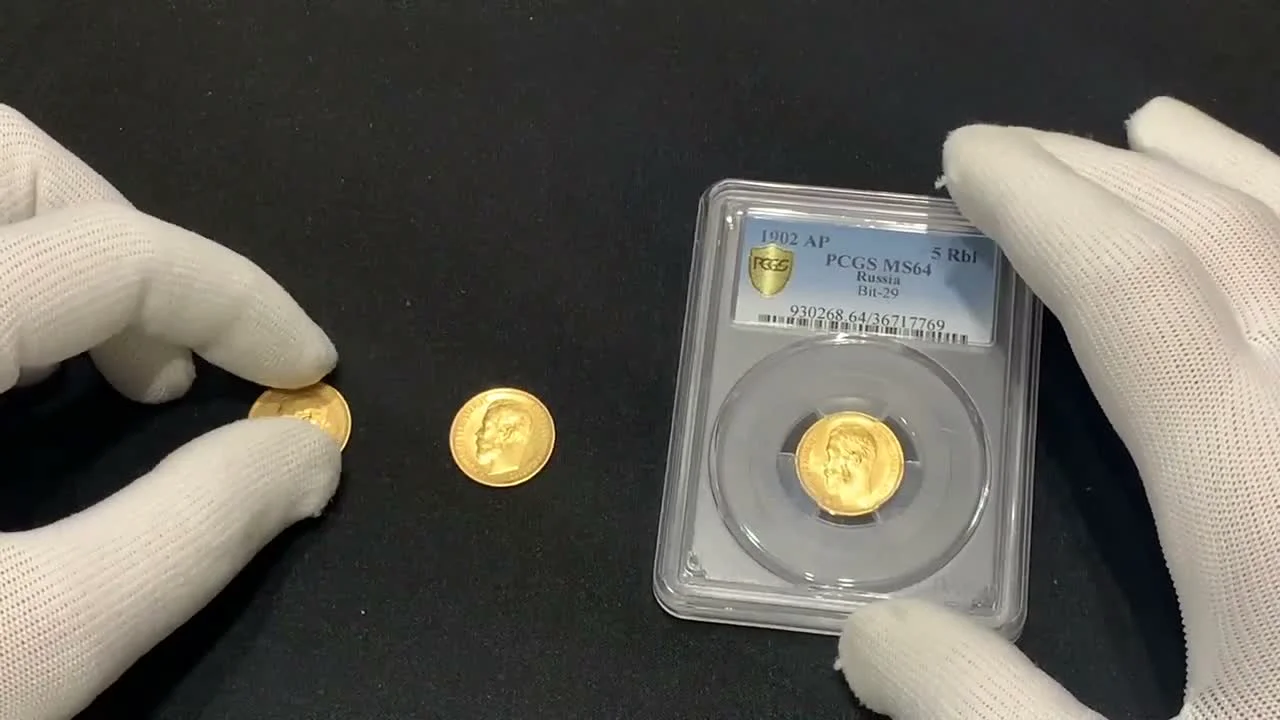
Investing in Nicholas II Gold Coins: Types and Goals
Purchases of gold coins can be divided into three main categories depending on the goal: collecting, investing, and saving. Each of these categories involves choosing coins with specific characteristics.
InvestmentsCollector's Guide
Read More →