Collecting Belarusian Banknotes: From Circulating Currency to Rare Issues - AUCBURG | AUCBURG
Collecting Belarusian Banknotes: From Circulating Currency to Rare Issues
The question of a banknote collection's value is not as simple as it first seems. It can be viewed from several perspectives. First, there are the personal costs the collector incurred to build the collection. Second, there is the current market value for which a similar collection could be assembled from scratch.
The question of a banknote collection's value is not as simple as it first seems. It can be viewed from several perspectives. First, there are the personal costs the collector incurred to build the collection. Second, there is the current market value for which a similar collection could be assembled from scratch.
A third aspect is the selling price. Here, there are also two paths: a quick sale of the entire collection at a discount, or a gradual sale of individual items at a higher price. The latter option, however, comes with the risk of being left with the least liquid specimens.
Specifics of Collecting Banknotes from Circulation
If you focus on collecting regular banknotes from circulation, the so-called 'circulating currency,' the process is relatively simple. In this case, rare commemorative issues are not considered, and the collection is formed from notes that were in wide circulation.
The rarest item in such a collection is typically the highest denomination banknote—the five-million ruble note. Complexity can be added if the collector decides to collect varieties, for example, based on the direction of security threads. Finding the first-issue 2000 banknotes with a brighter and wider security thread also presents a certain difficulty.
Specifics of Collecting Banknotes from Circulation
Overview of Commemorative Banknote Issues
Commemorative Issue
Denomination
Mintage (copies)
Millennium
20 rubles
2,500
10th Anniversary of the National Bank
20 rubles
5,500
20th Anniversary of the National Bank
20,000 rubles
3,000
Mir Castle (in a booklet)
50,000 rubles
1,000
My Country - Belarus (set)
Various
1,000
Commemorative banknotes issued in limited runs are of the greatest interest to notaphilists. In the history of modern Belarus, there have been five such issues, each with its own collectible value.
Despite their commemorative status, issues with print runs of several thousand copies, such as the 'Millennium' or those dedicated to the anniversaries of the National Bank, are considered relatively accessible and are often found for sale.
Overview of Commemorative Banknote Issues
The 'Mir Castle' Banknote Phenomenon
One of the rarest and most expensive items in Belarusian notaphily is the commemorative 'Mir Castle' banknote. It was issued in a special booklet with a mintage of only 1,000 copies, which immediately made it an object of heightened interest.
At the time of its release, its value was about $30. However, over time, due to its low mintage and high demand, the price of this banknote has increased significantly. Today, such a specimen can be found on the market for $500 to $600 or more, demonstrating a nearly twenty-fold increase in value.
The 'Mir Castle' Banknote Phenomenon
The 'My Country - Belarus' Set: Potentially the Rarest
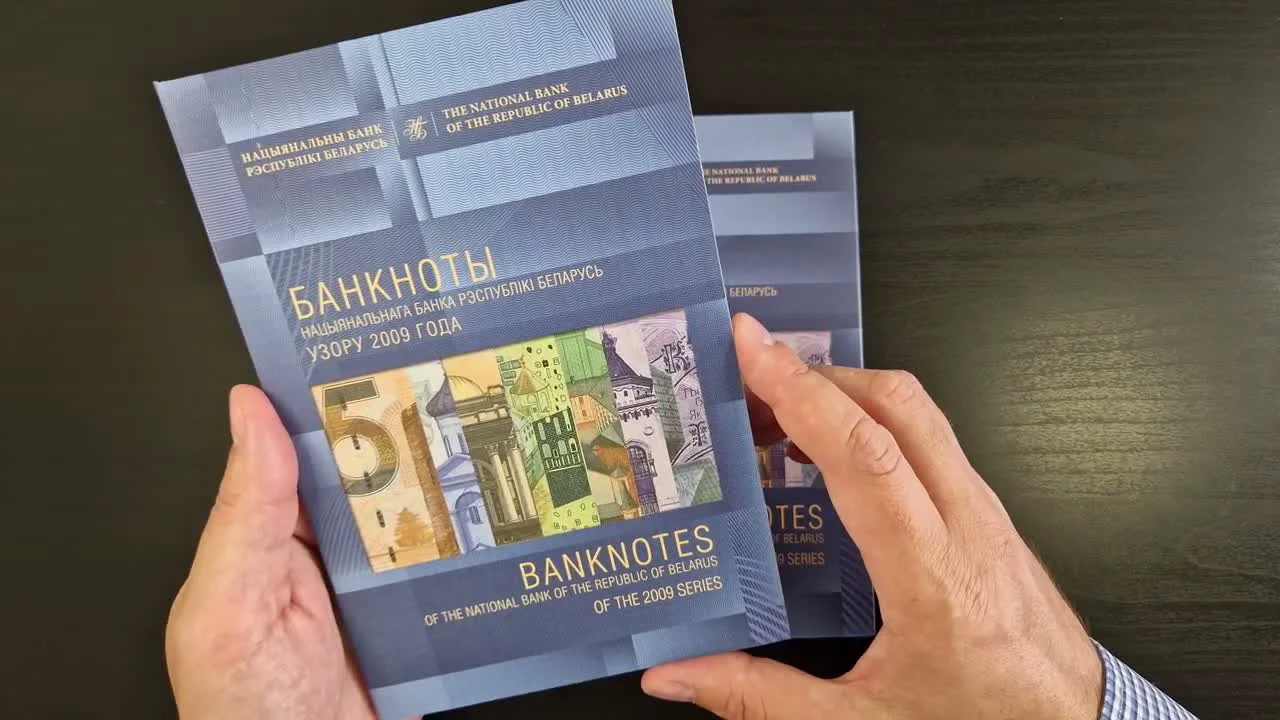
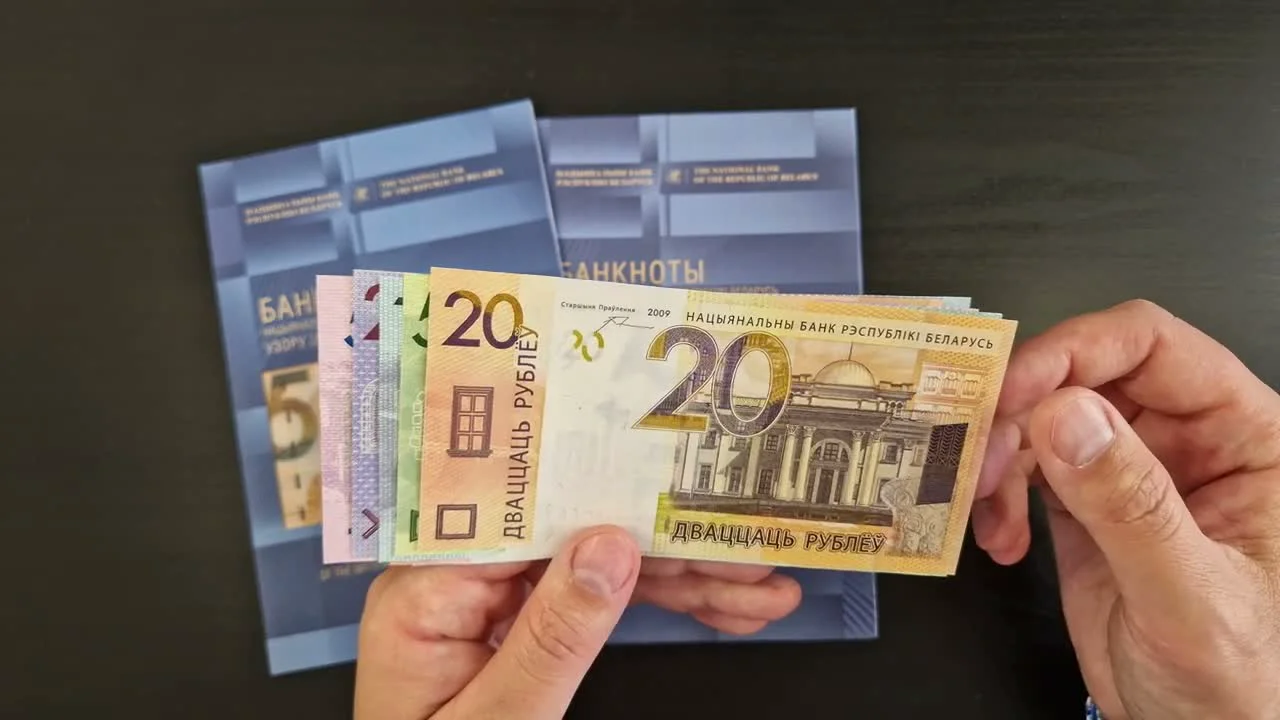
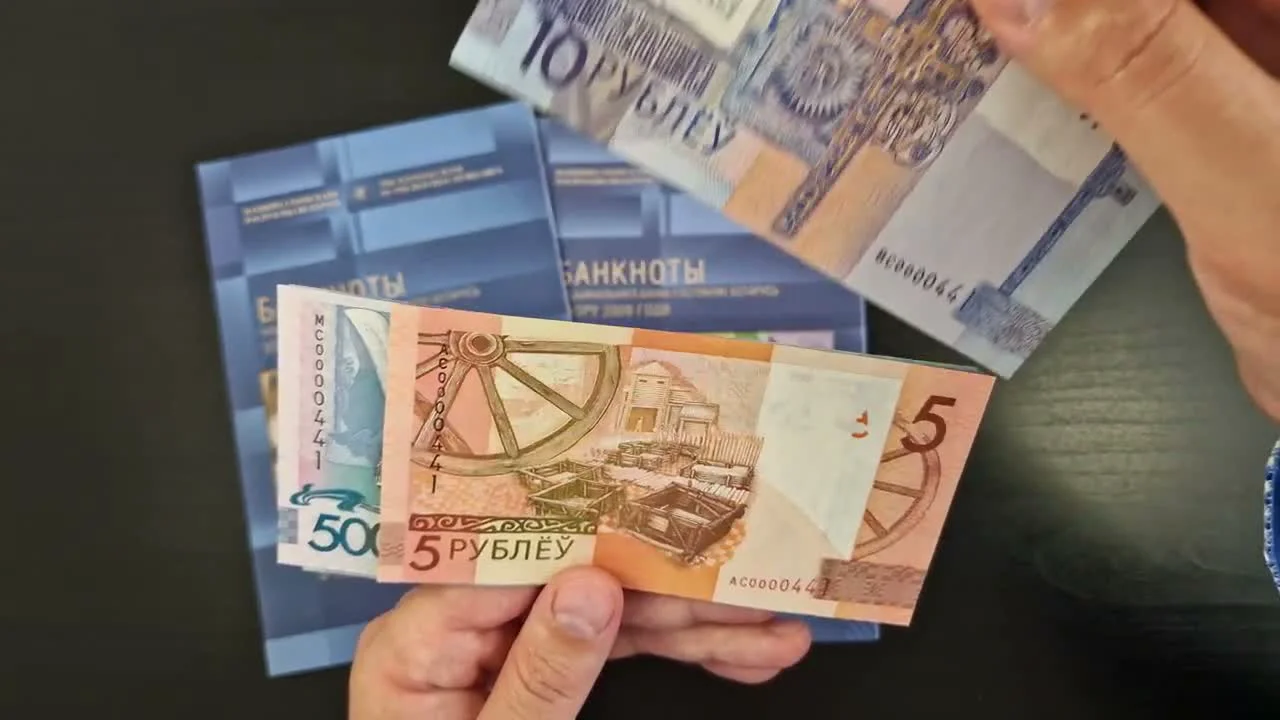
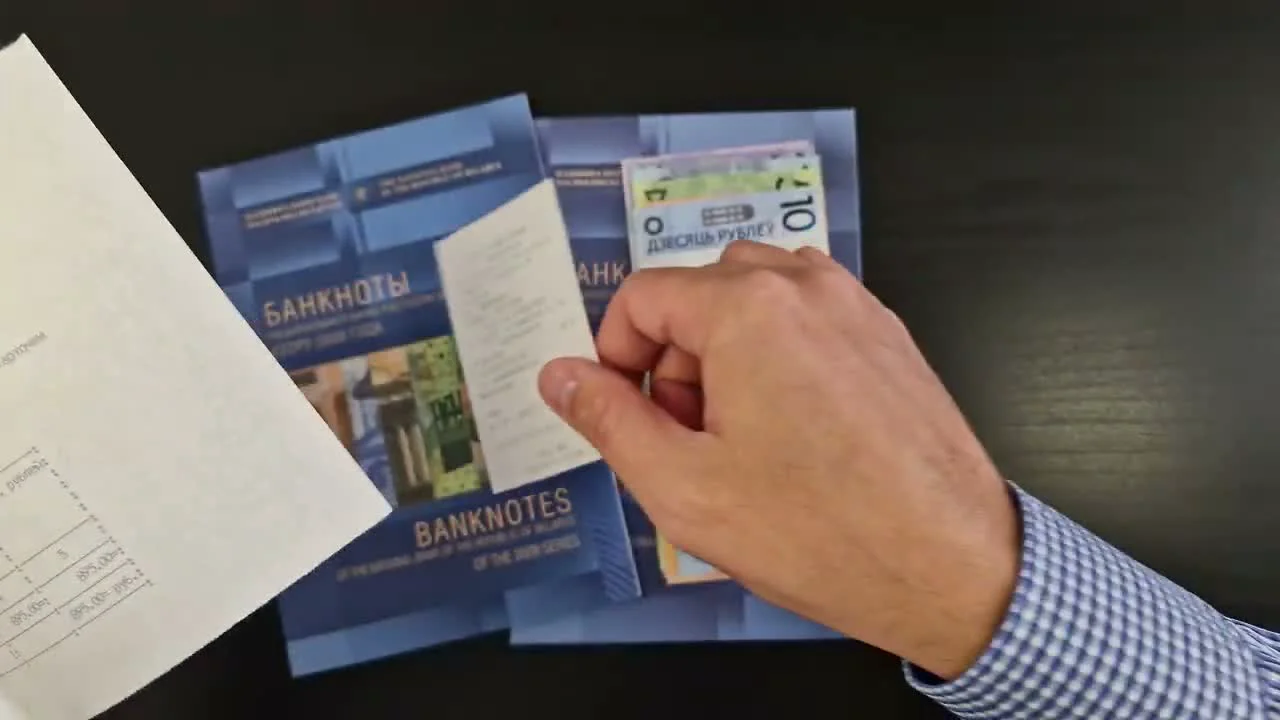
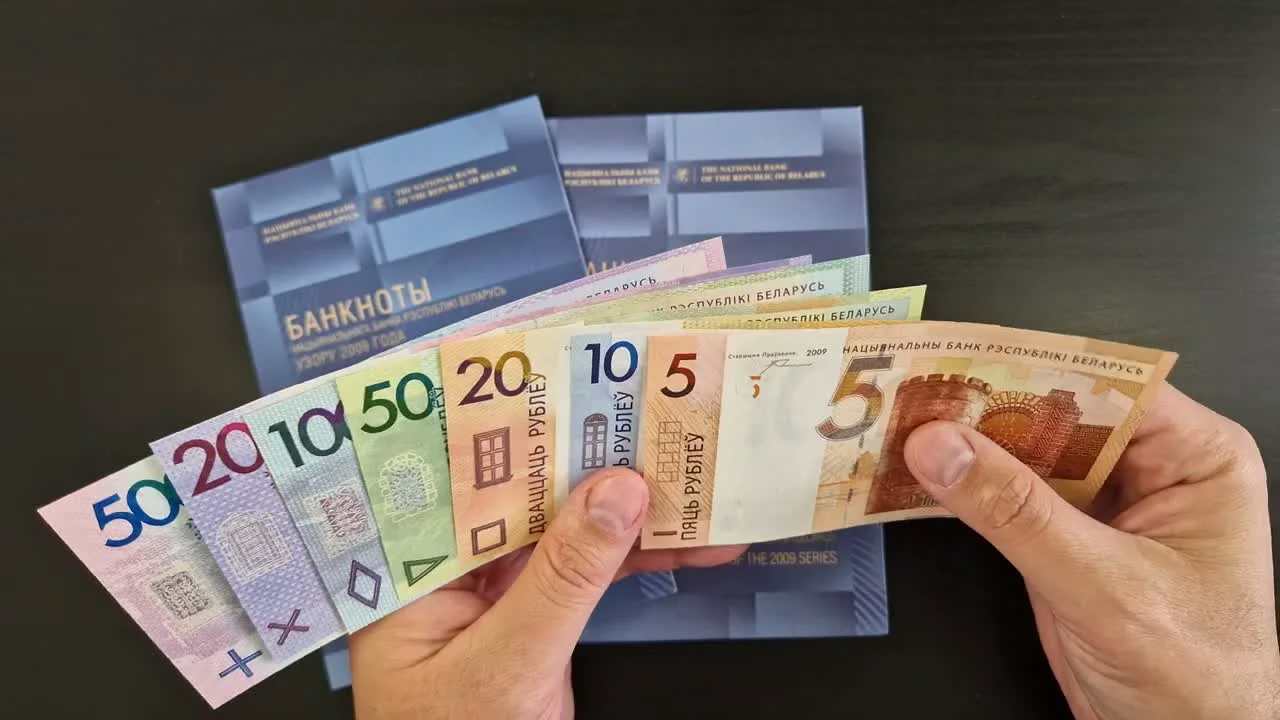
Despite the popularity of the 'Mir Castle' note, an even rarer item could be the 'My Country - Belarus' commemorative banknote set. It was also issued with a mintage of 1,000 copies, but its peculiarity is that many sets were broken up into individual banknotes.
Enthusiasts keep a record of the known serial numbers of these sets, and the data collected shows that a significant portion of them no longer exists in their original form. The fate of the first hundred sets (numbers 001-100) is completely unknown; it is speculated that they may have been included in combined sets with coins that never appeared on the market.
The 'My Country - Belarus' Set: Potentially the Rarest
Why Complete Sets are Becoming a Rarity
There are two main reasons why the 'My Country - Belarus' sets were widely broken up. The first is economic. The set was sold at almost face value: with a total banknote value of 885 rubles, the retail price was 895 rubles. The markup of just 10 rubles (about $5 at the time) was the fee for the folder itself.
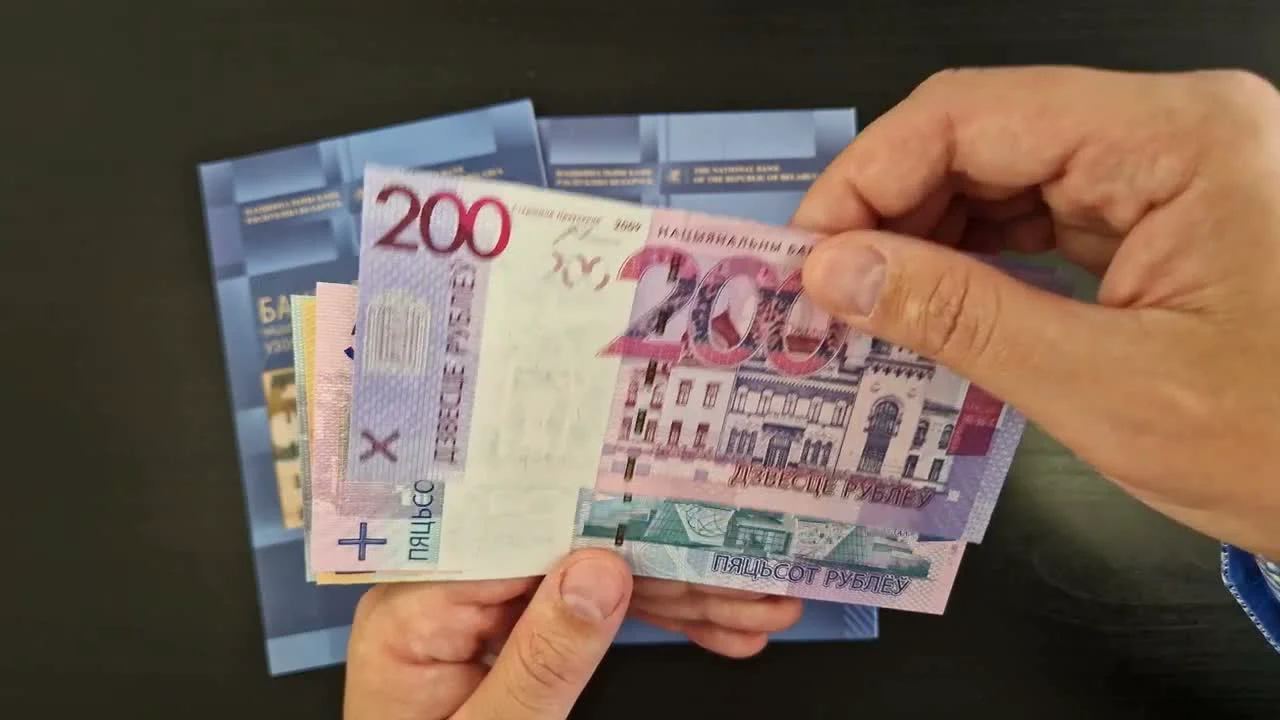
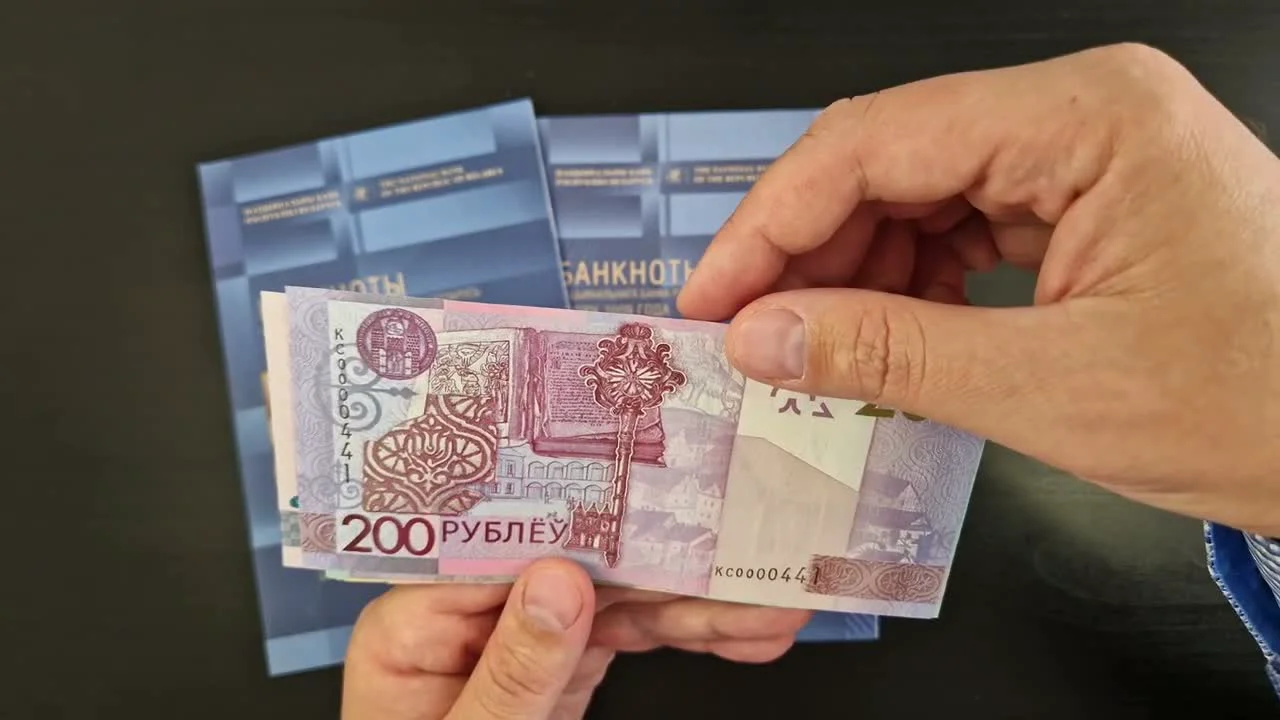
The second reason is quality. Some banknotes in the sets had defects (streaks, spots). Due to the low collector's premium, it was easier and more profitable for owners to spend the high-denomination notes (e.g., 200 and 500 rubles) than to keep an imperfect set. As a result, a large number of sets were irrevocably broken.
Why Complete Sets are Becoming a Rarity
Forecast for Collectors
Given that a large number of 'My Country - Belarus' sets were broken up, not many complete sets remain on the market. By rough estimates, out of the 1,000 sets issued, no more than 800 have survived intact, and possibly significantly fewer.
This situation creates unique prospects for collectors. Over time, a complete, unopened 'My Country - Belarus' set could become the rarest and most valuable item in modern Belarusian notaphily, surpassing even the famous 'Mir Castle' in value.