The 1925 10 Zloty Gold Coin: History and Investment Value - AUCBURG | AUCBURG
The 1925 10 Zloty Gold Coin: History and Investment Value
Adding to a numismatic collection is always an exciting process, especially when it involves a rare specimen that took over a month to arrive. One such addition was a coin that came from the United Kingdom, with a delivery time of over 32 days. This delay was due to the need for customs clearance, as the United Kingdom is no longer part of the European Union.
Adding to a numismatic collection is always an exciting process, especially when it involves a rare specimen that took over a month to arrive. One such addition was a coin that came from the United Kingdom, with a delivery time of over 32 days. This delay was due to the need for customs clearance, as the United Kingdom is no longer part of the European Union.
When shipping valuable items internationally, secure packaging is crucial. In this case, the coin was protected by several layers of thick cardboard, ensuring its safety during transit. Such multi-layered protection is an example of a high-quality approach to shipping collectible items.
This coin opens a new direction in collecting—the currency of Poland, specifically from the period of the Second Polish Republic. This era left behind many artifacts that are interesting from a numismatic perspective.
The 1925 10 Zloty 'Bolesław the Brave'
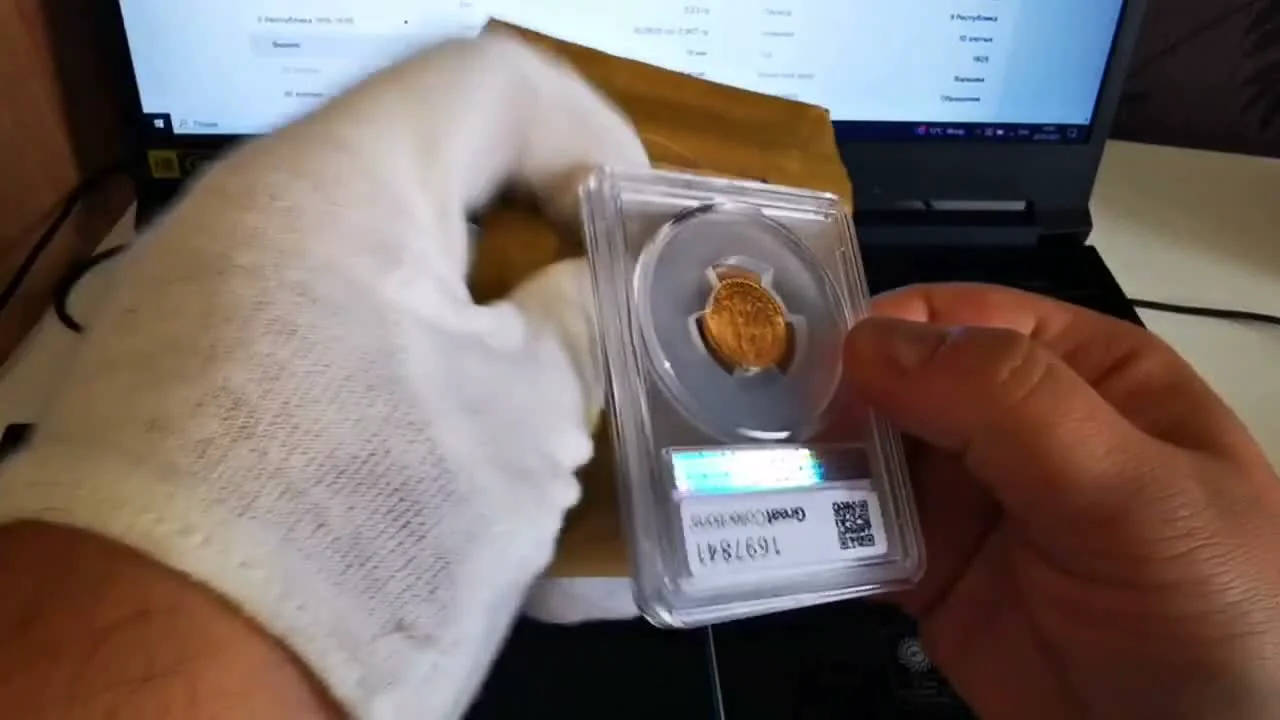
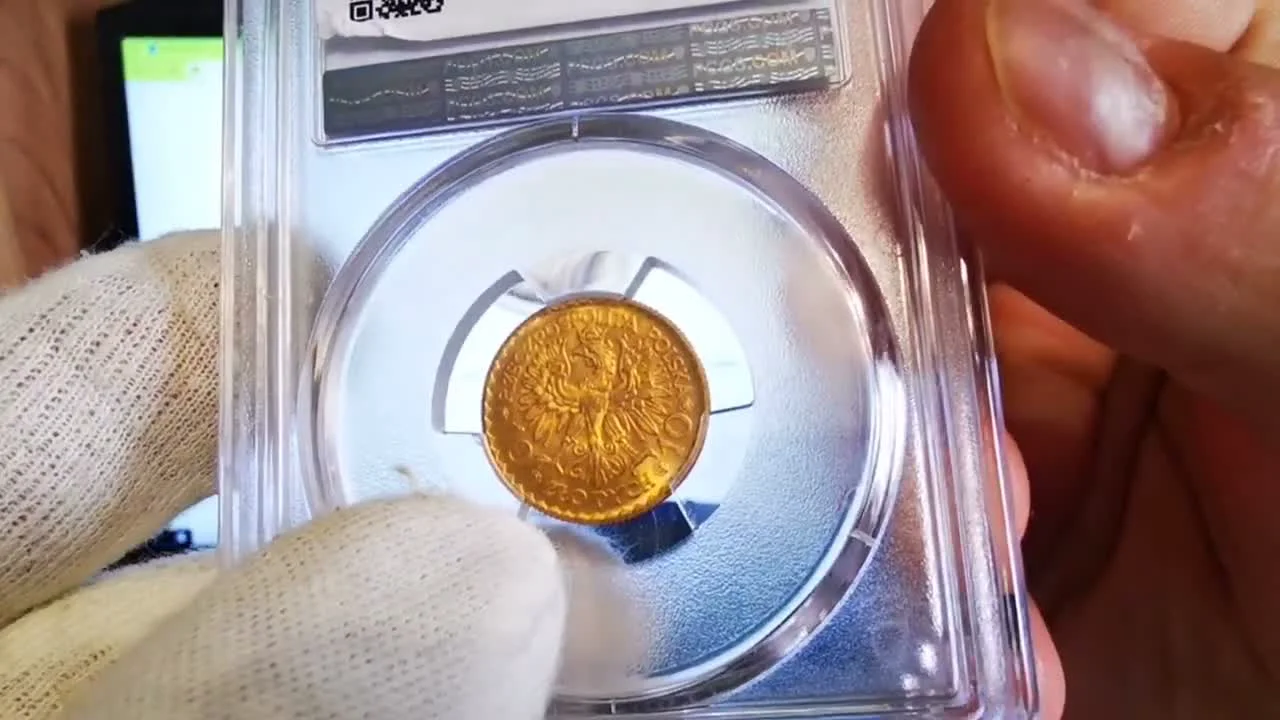
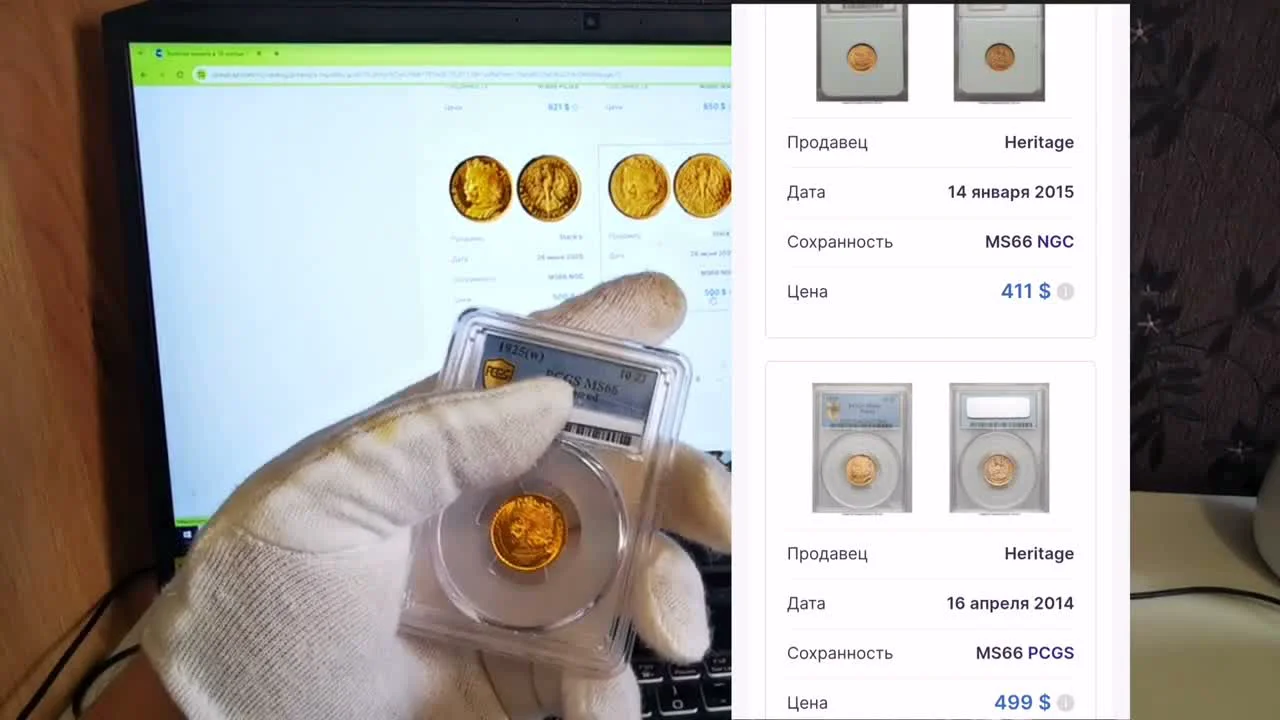
The centerpiece of the unboxing was the 1925 10 Zloty gold coin dedicated to Bolesław I the Brave. This specimen is in a PCGS slab and has a high grade of MS66, which indicates its excellent state of preservation.
The obverse of the coin features the profile of Bolesław I the Brave, the first king of Poland, who is highly respected in the country's history. Next to the portrait are two dates: 1025 and 1925. The first date is the year of Bolesław's coronation, and the second is the year the coin was minted, which also marks the 900th anniversary of this historic event.
Bolesław I was a successful strategist and conqueror. During his reign, the Polish state was significantly strengthened by annexing lands such as Slovakia, Moravia, Lusatia, and Red Ruthenia. This made Poland one of the most powerful kingdoms in Eastern Europe at the time.
1925 10 Zloty 'Bolesław the Brave'
Technical Specifications and Mintage
Characteristic
Value
Metal
Gold (.900)
Weight
3.23 g
Fine Gold
2.907 g (0.0935 oz)
Diameter
19 mm
Edge
Reeded
Mint
Warsaw
The 1925 10 Zloty coin has an attractive design. Its reverse features the Polish crowned eagle, surrounded by the inscription 'RZECZPOSPOLITA POLSKA' (Republic of Poland) and the denomination. It has the following characteristics:
The coin's low mintage of just 50,350 pieces adds to its special value. This factor makes it quite rare and sought-after by collectors, especially in a high state of preservation.
Technical Specifications and Mintage
How Grading Affects the Coin's Value
The value of low-mintage coins, such as the 1925 10 Zloty, is directly dependent on their condition (grade). The price difference between specimens of varying preservation can be enormous. The higher the grade, the more valuable the coin becomes.
AU (About Uncirculated) condition: prices range from $700-750.
MS65 condition: the value rises to $850-950.
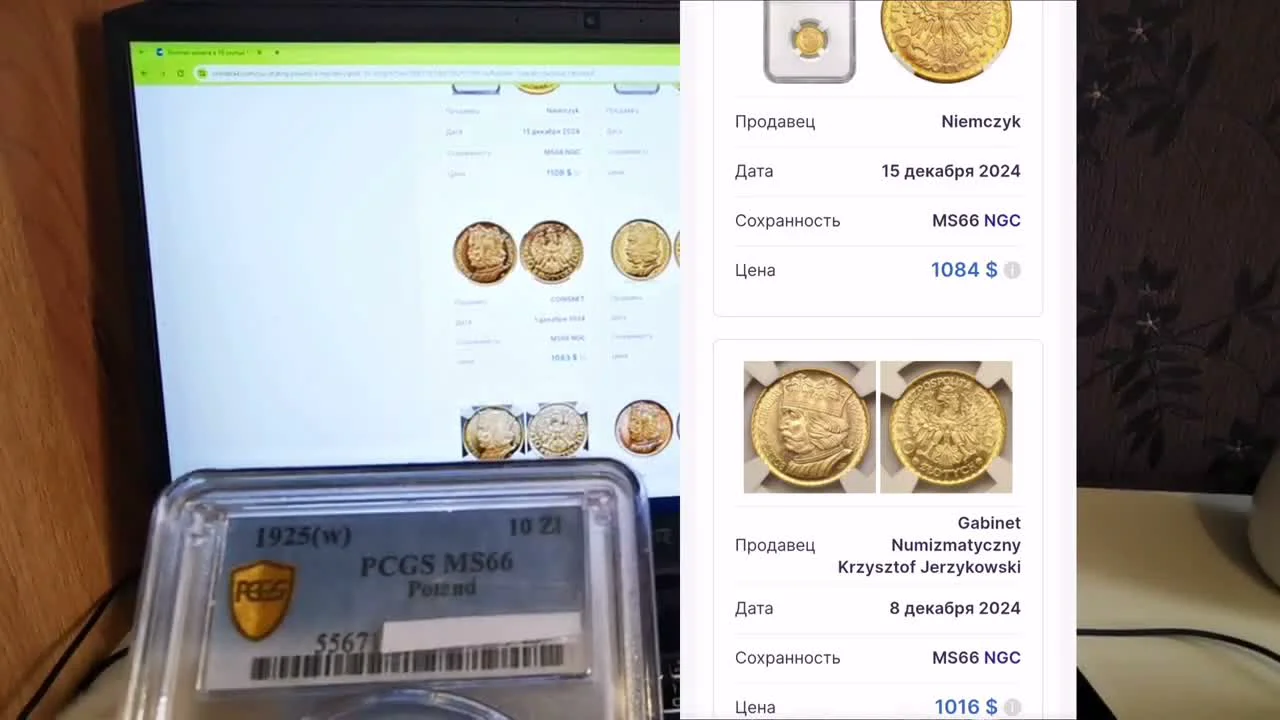
MS66 condition: prices are in the $1000-1350 range. The difference from the previous grade is about €250-300.
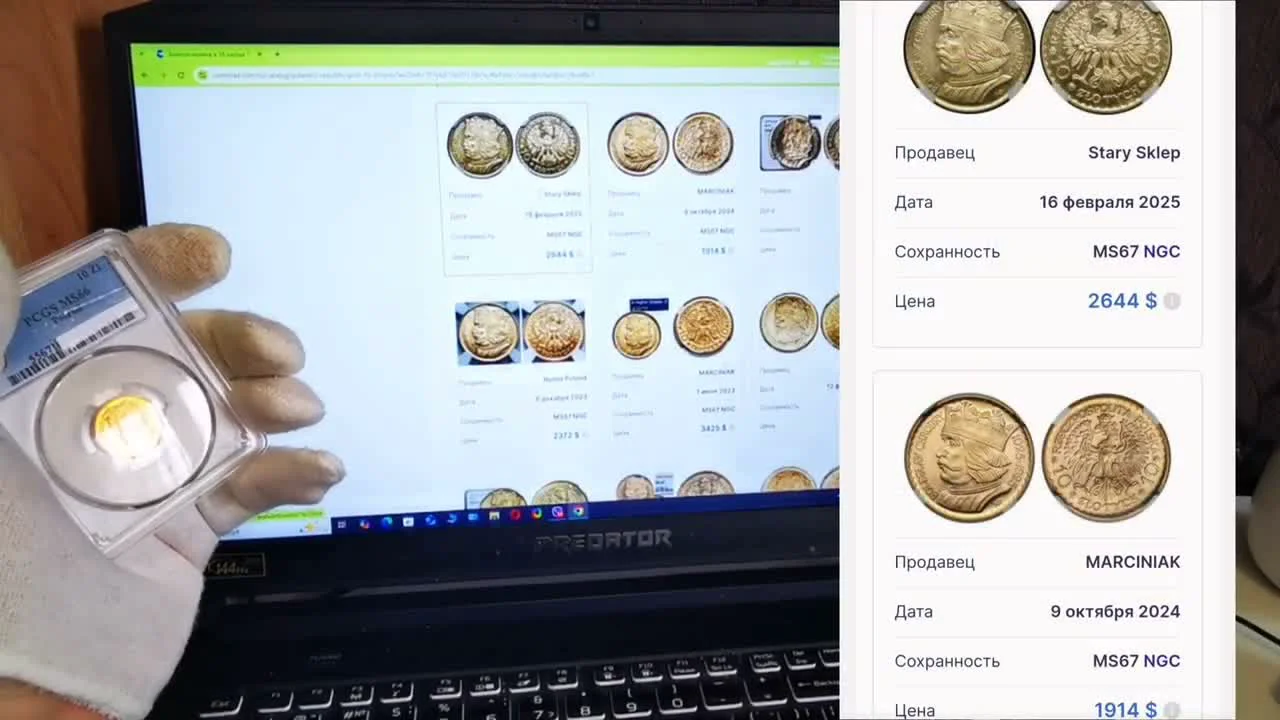
MS67 condition (top grade): prices soar to $1900-2600 and higher.
Thus, each step up the grading scale significantly increases the market value of the coin, making high-preservation specimens like MS66 particularly attractive for investment.
How Grading Affects the Coin's Value
Investment Potential and Price Dynamics
An analysis of auction results over the past 10 years shows a significant increase in the value of the 1925 10 Zloty gold coin. While in 2013-2015, an MS66-graded coin could be purchased for $400-500, today its price has increased approximately threefold.
This trend confirms that rare numismatic items are a reliable asset for long-term investment. Despite possible market fluctuations, the general trend for such coins is an increase in value. Especially during periods of international tension, collectible coins serve as a good 'safe haven' for preserving capital.
Choosing such specimens for a collection with a 10-20 year planning horizon is a rational strategy. Current prices, which may seem high, will likely be perceived as very favorable a decade from now.