Investing in Tsarist Silver: Why You Should Buy Coins Amidst the 'Gold Rush' - AUCBURG | AUCBURG
Investing in Tsarist Silver: Why You Should Buy Coins Amidst the 'Gold Rush'
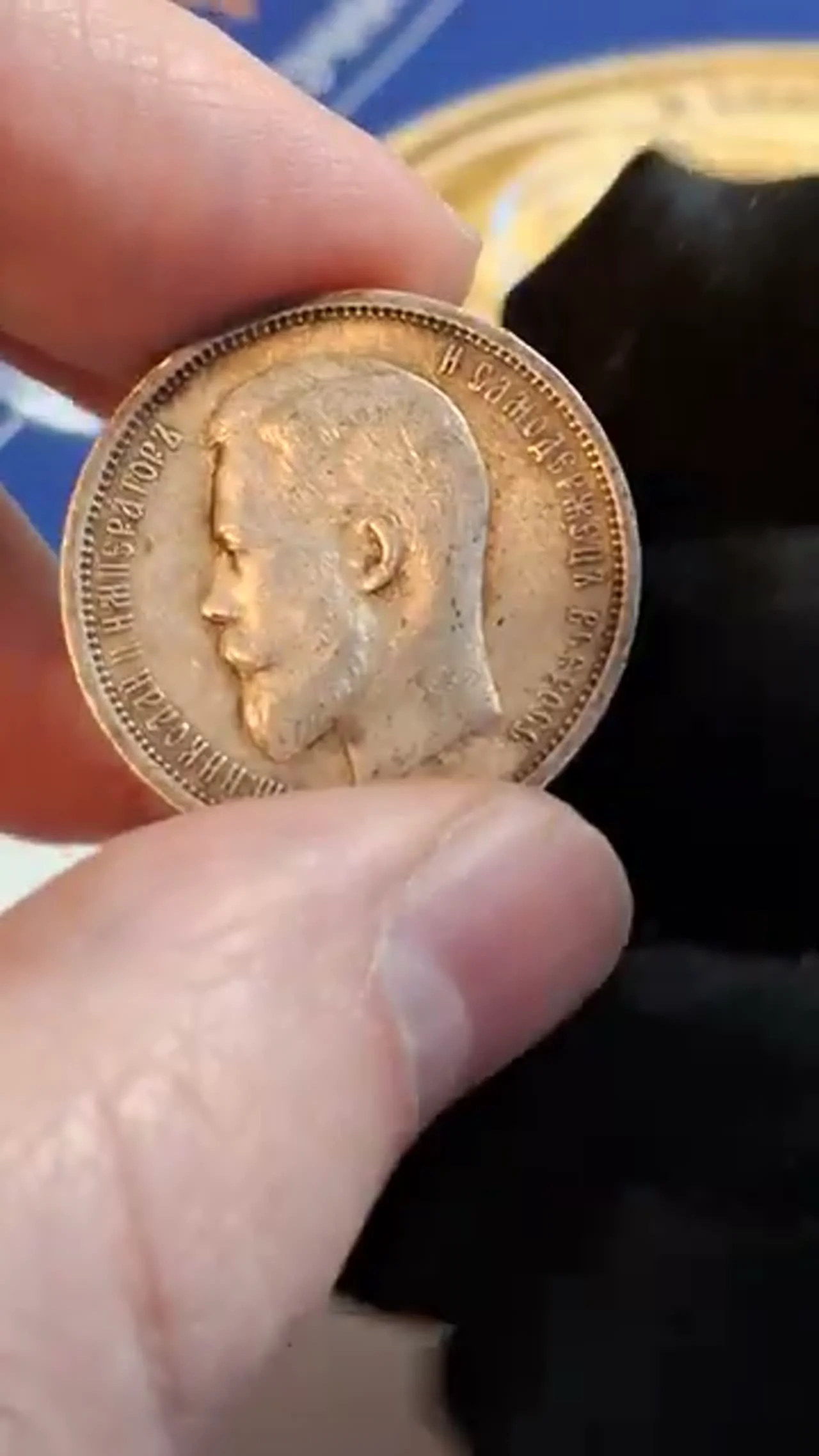
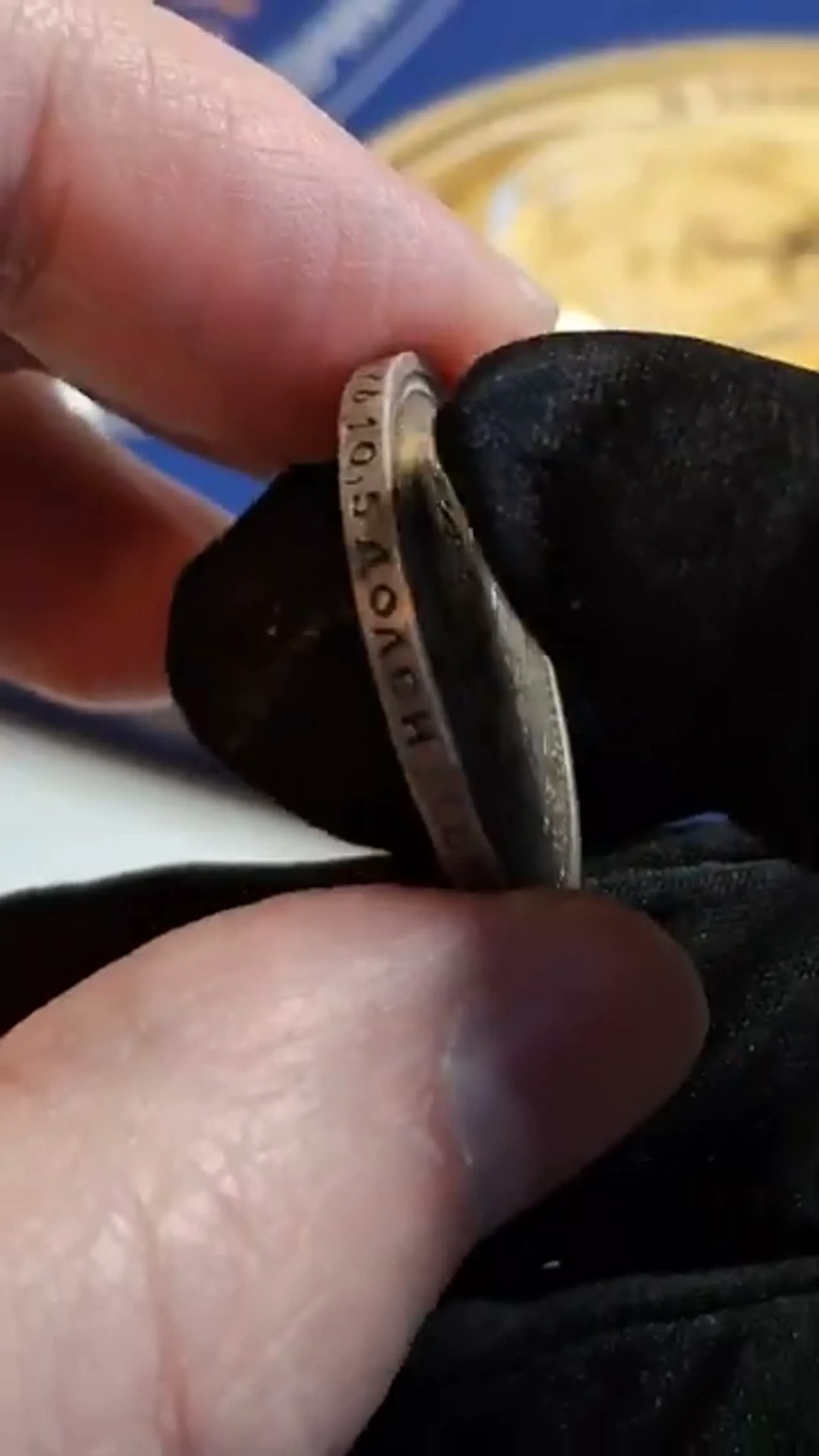
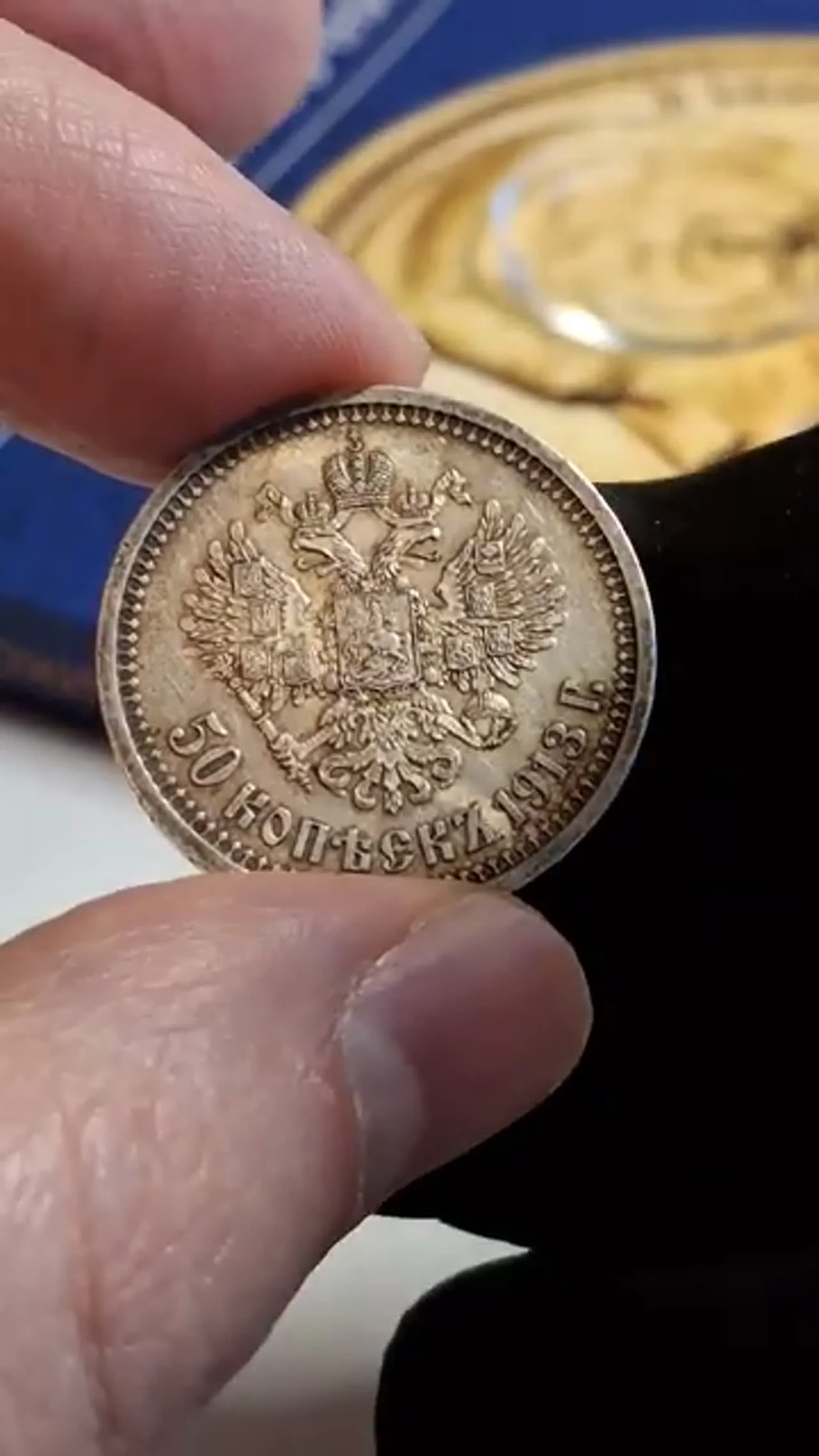
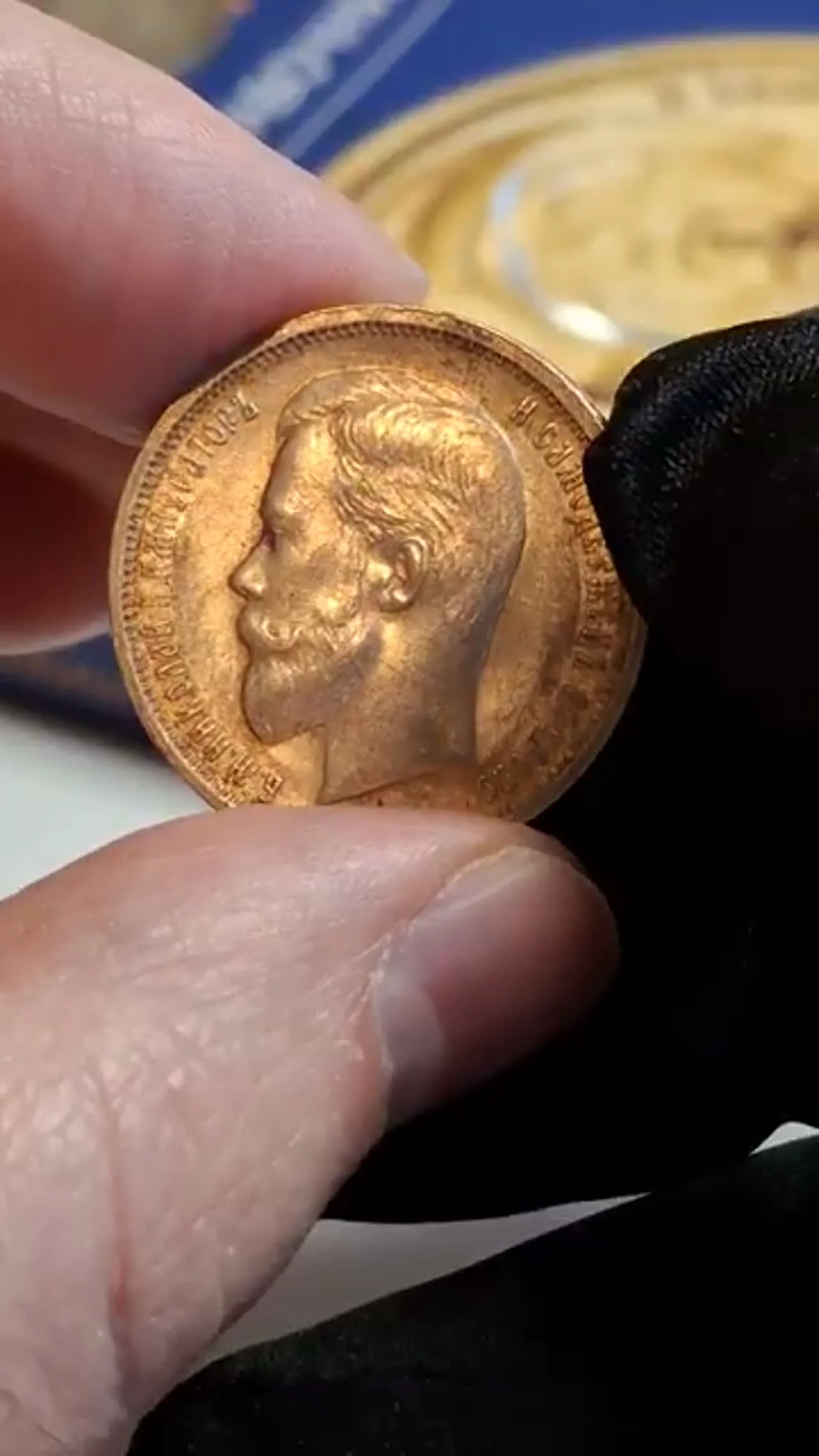
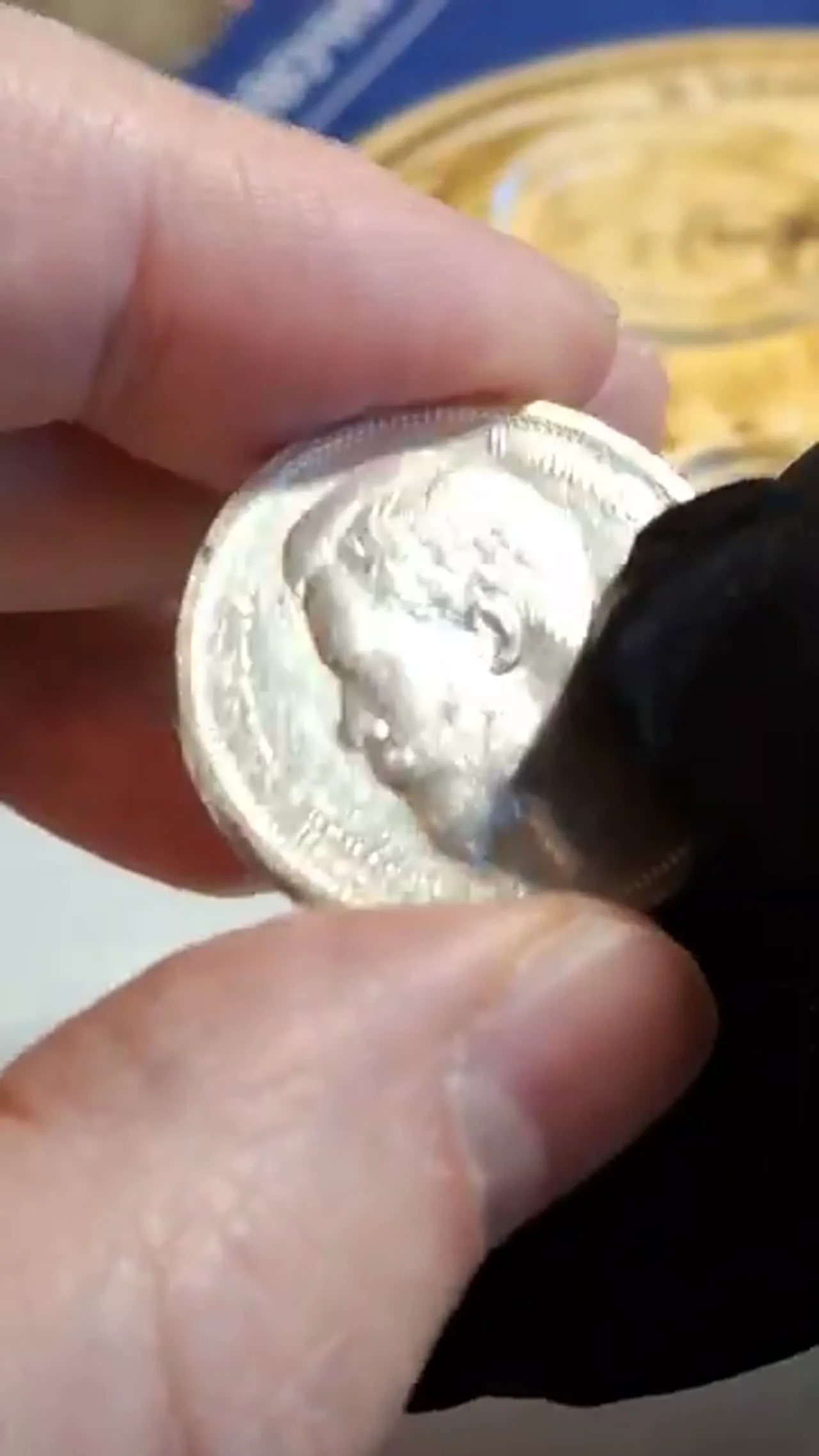
A recent acquisition added three silver 50-kopek coins from the reign of Nicholas II to the collection. All coins are from common, non-rare years of issue and are in decent condition, making them an attractive asset.
A recent acquisition added three silver 50-kopek coins from the reign of Nicholas II to the collection. All coins are from common, non-rare years of issue and are in decent condition, making them an attractive asset.
50 Kopeks 1912
50 Kopeks 1913 (VS)
50 Kopeks 1913
These coins were bought at below-market prices; for example, one of the pieces cost about 35 euros. Such purchases demonstrate the possibility of finding quality material at a favorable price by correctly analyzing current market trends.
Market Trends: Gold vs. Silver
Market Segment
Price Dynamics During a 'Gold Rush'
Common Silver
Prices may temporarily decrease or stagnate
Exclusive Silver (top-pop, rare)
Prices continue to rise actively
During so-called 'gold rushes,' when investors and collectors are buying gold en masse, the silver market behaves ambiguously. On one hand, prices for common, mass-market silver coins can temporarily dip due to a shift in demand. This creates favorable conditions for their purchase.
On the other hand, exclusive silver coins show the opposite dynamic. At premium auctions, such as 'Katz,' the value of rare specimens continues to grow. This applies to coins in the highest grades, low-mintage issues, and so-called 'top-pops.' Such exclusive items have been and continue to be appreciating in value.
Market Trends: Gold vs. Silver
A Strategy for Buying Silver During Peak Demand
When there is a boom in the gold market, the prices of more affordable silver coins can drop. This opens a window of opportunity for those looking for good deals. During this time, it's possible to find quality specimens at below-average market prices.
Some collectors begin to shift their assets, selling silver to buy gold. This increases the number of interesting offers on the market. The strategy is to replenish silver holdings at precisely these moments when the attention of most market participants is focused on another metal.
Even if silver is not the main focus of a collection, buying quality pieces at a good price is always justified. This allows you to build a liquid reserve that can be used in the future.
A Strategy for Buying Silver During Peak Demand
Examples of Acquired Coins and Their Cost
Coin
Year
Features
Approximate Purchase Price
50 Kopeks
1913
Good condition, a 'workhorse' coin
35 euros
50 Kopeks
1912
Beautiful golden patina, proof-like field
35 euros
50 Kopeks
1913
Traces of cleaning, mint luster
27-28 euros
Each of the acquired coins has its own characteristics. For example, one of the 1912 50-kopek coins stands out with its beautiful golden patina and proof-like field, which indicates its good state of preservation. Such uncleaned coins are especially valued by collectors.
Another specimen, a 1913 coin, was likely cleaned but has retained its mint luster and adjustment marks. Despite this, the coin remains attractive, especially considering its low acquisition cost of around 27-28 euros.
Examples of Acquired Coins and Their Cost
Silver Coins as a Liquid Asset
Once the hype around gold subsides, silver will likely start gaining popularity again. Furthermore, as gold prices rise, some investors with limited budgets may turn their attention to more affordable silver, both for investment and collecting purposes.
Tsarist 50-kopek coins of Nicholas II are always in vogue and enjoy stable demand. They are not only a collector's item but also a reliable liquid asset. Such coins can serve as a 'trading stock'.
At numismatic shows or in deals with other collectors, if cash is short, popular silver coins can always be used for payment. They are readily accepted as payment, which makes them a convenient and solid asset.