How to Recognize and Keep a Promising Coin: A Collector's Guide - AUCBURG | AUCBURG
How to Recognize and Keep a Promising Coin: A Collector's Guide
When building a numismatic collection, many investors and collectors overlook the price dynamics of coins over the last 5-10 years. However, it is precisely this analysis that helps identify truly promising specimens. Rare and interesting items exist in any field, whether it be coins of Tsarist Russia, the Soviet period, the Latin Monetary Union, or American commemorative issues.
The overall rarity of the coin, its variety, or a specific year of issue. The rarer the specimen, the higher its potential value.
Preservation
The condition of the coin. Even a common coin can become rare and valuable if it is preserved in perfect (mint) condition, while most counterparts on the market show signs of circulation.
When building a numismatic collection, many investors and collectors overlook the price dynamics of coins over the last 5-10 years. However, it is precisely this analysis that helps identify truly promising specimens. Rare and interesting items exist in any field, whether it be coins of Tsarist Russia, the Soviet period, the Latin Monetary Union, or American commemorative issues.
To learn how to recognize such coins, you need to be guided by two key criteria. These principles will help distinguish ordinary numismatic material from truly valuable specimens with high potential for value growth.
A coin in perfect condition, with virtually no counterparts on the market, is a valuable asset. Selling such a specimen, even at a high price, is not always advisable, as its value can increase significantly over time.
Common Coins and Their Rare Counterparts
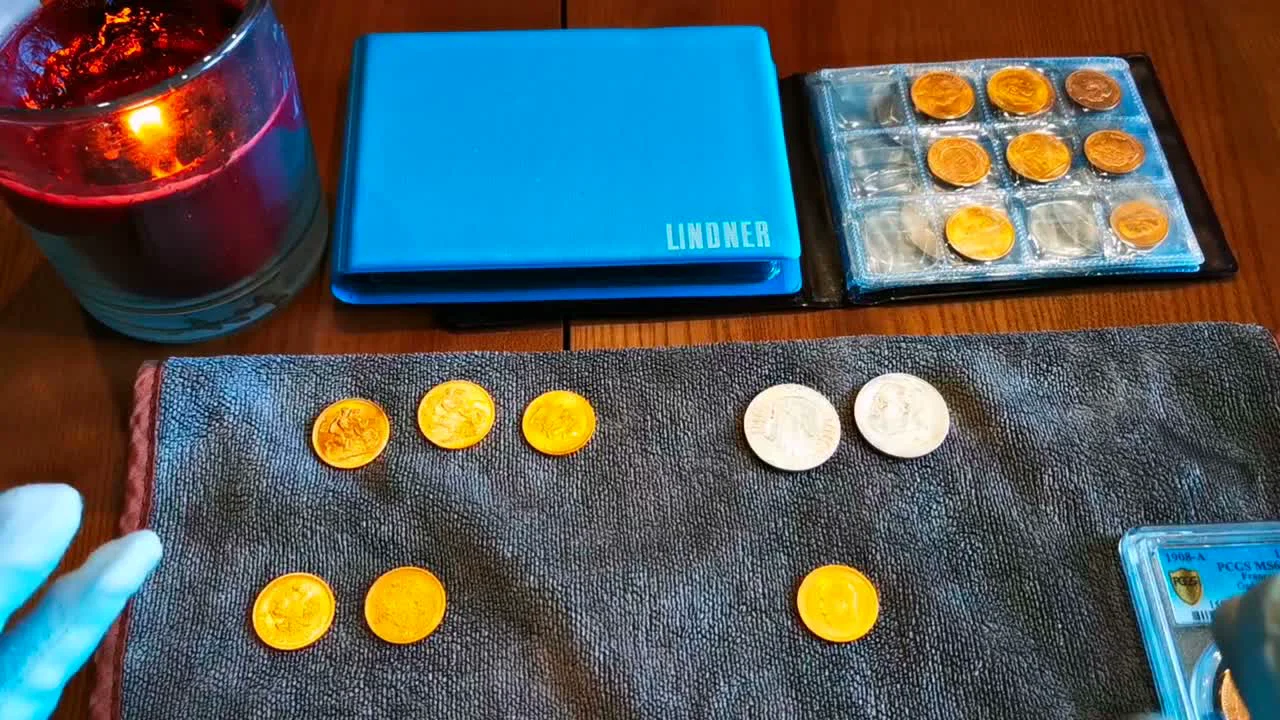
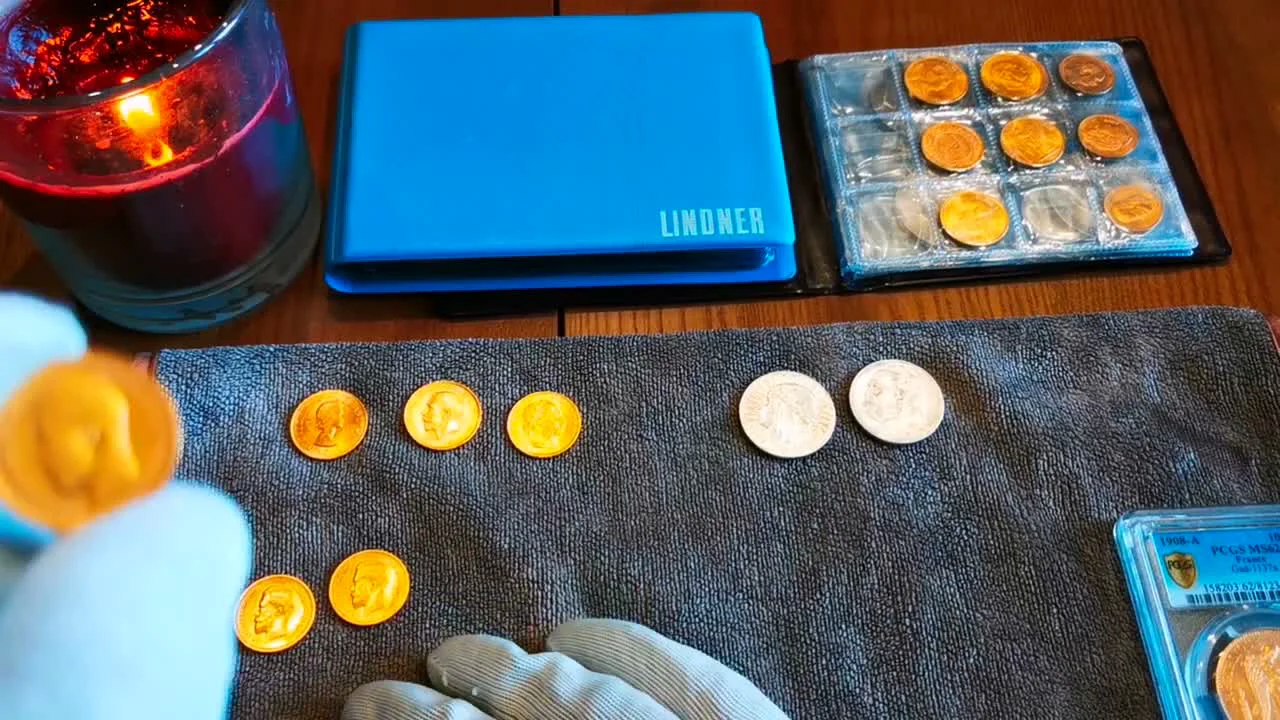
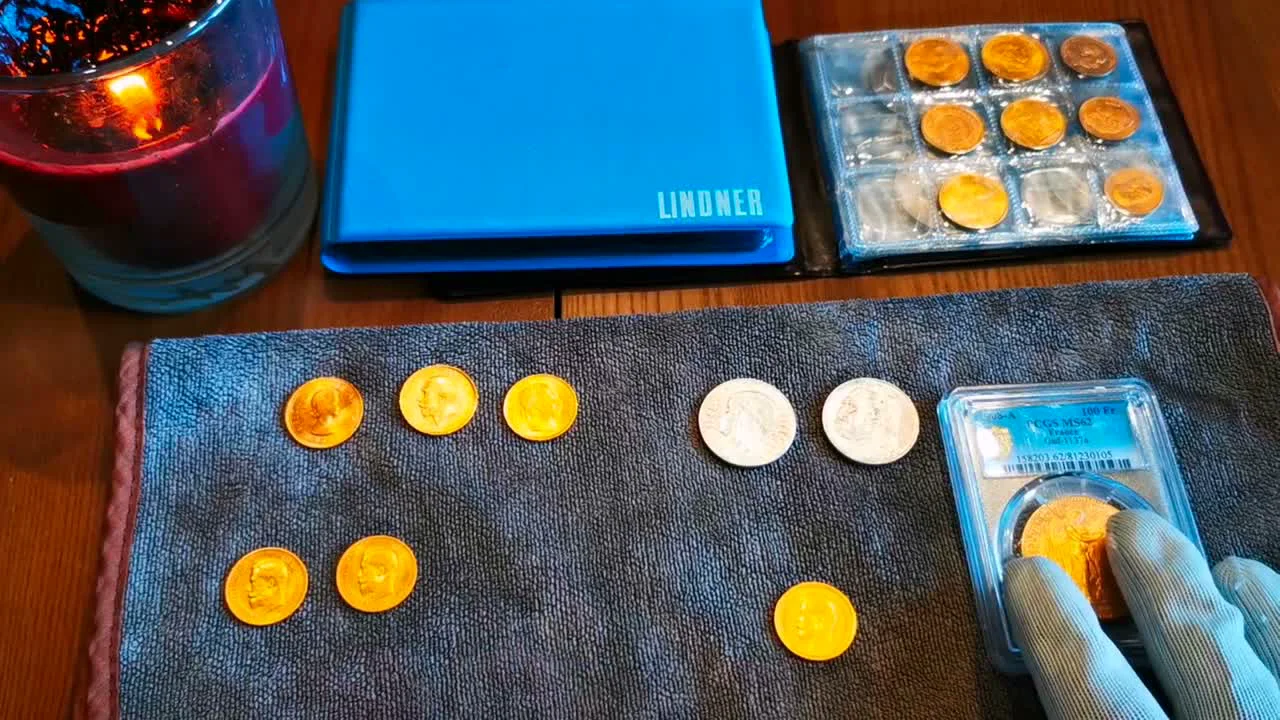
Standard gold coins, often purchased by collectors as an investment, are frequently found on the numismatic market. These include, for example, British sovereigns. A sovereign with a portrait of Elizabeth II (0.917 fineness, weight about 8g) is a very common coin. Sovereigns with George V in mint luster are rarer but still available.
Among the coins of Tsarist Russia, there are also popular but not particularly rare specimens, such as the 7.5 rubles of 1897. However, even such coins have rare varieties. An example is the same 7.5 ruble coin but with a wide rim. This variety is 20-30 times rarer than the common one.
When choosing between two coins—a common one in better condition and a rare variety in slightly worse condition—preference should always be given to rarity. For example, if the choice is between a common coin in MS (Mint State) condition and a rare variety in AU (About Uncirculated) condition, the latter will be a more profitable investment.
Common Coins and Their Rare Counterparts
Large Coins: Not All 'Ouncers' Are the Same
Among large gold coins, close to one ounce in weight, there are also leaders in terms of commonness and rarity. American 20-dollar coins (Double Eagles), both with the Liberty Head and the Saint-Gaudens design, are quite common. Thousands of such coins have been graded by grading companies in high conditions.
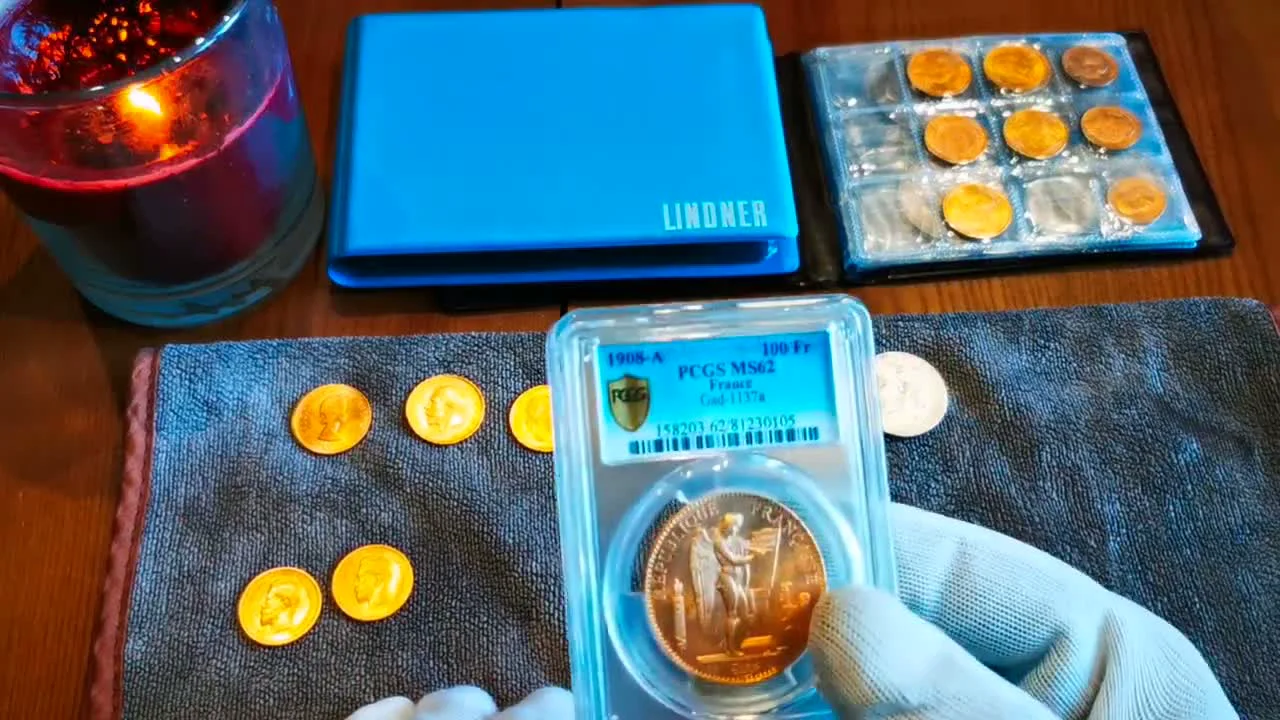
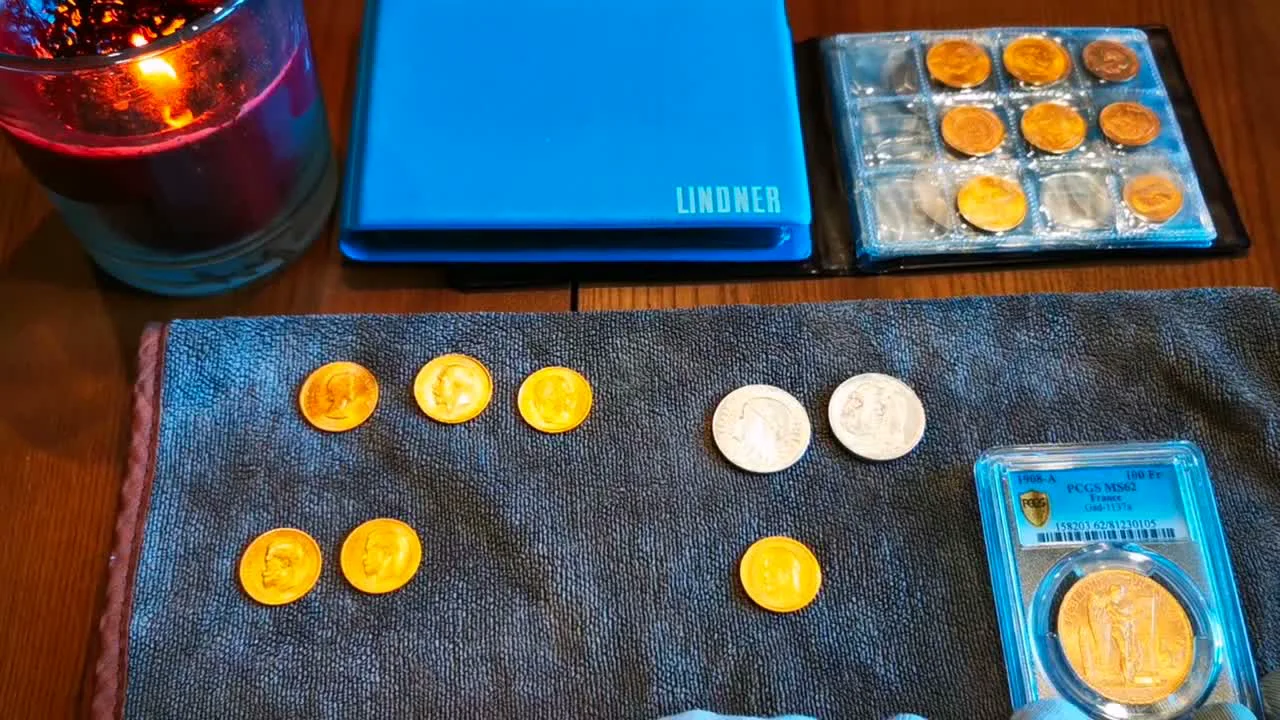
As an alternative, one can consider the French 100 francs gold coin of 1908, known as the 'Angel.' This coin, unlike its American counterparts, was in active circulation. It weighs 32.26 grams and is made of 900-fineness gold.
The rarity of this coin is confirmed by the statistics of grading companies. For example, only 21 such coins have been graded in MS62 condition, and 32 in higher grades. For comparison, the number of graded American 'Double Eagles' is in the thousands. The cost of an 'Angel' in this condition on the Ukrainian market ranges from $2,500 to $2,700.
Large Coins: Not All 'Ouncers' Are the Same
Polish Coins: When Condition is Everything
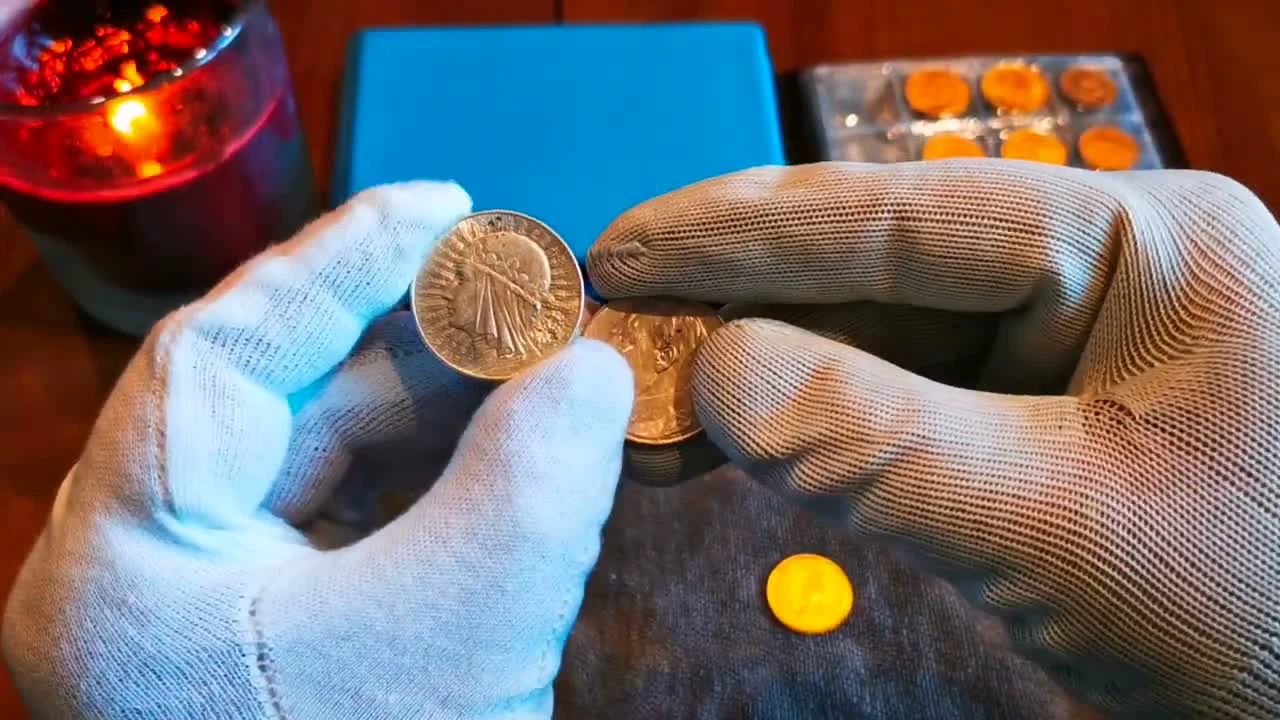
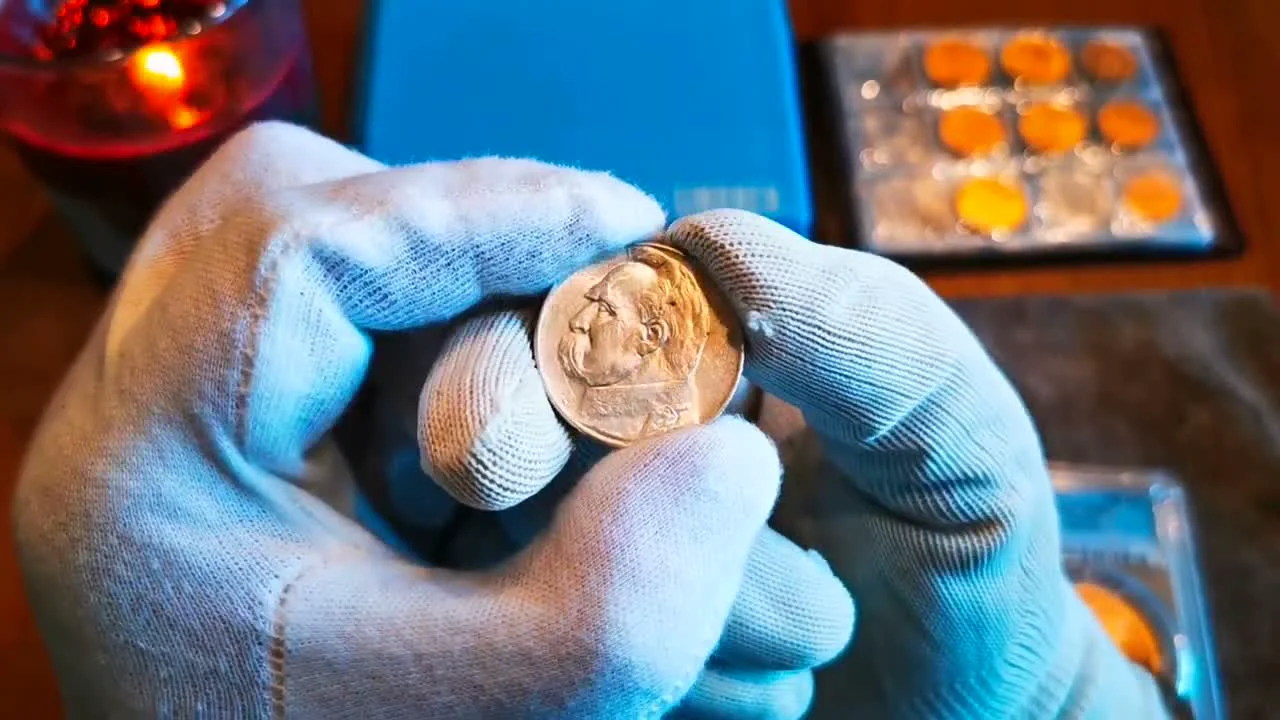
An example of how preservation affects value can be seen in the silver coins of the Second Polish Republic. Coins of 2 and 5 zloty denominations with the 'Polonia's Head' or 10 zloty with Piłsudski are very often found in heavily worn condition. Finding them in mint luster is a great rarity.
An important indicator of preservation on 'Polonia' coins is a detail known as the 'koniczynka' (clover) in the wreath. If its leaves are worn down, the coin has been in circulation for a long time. Even if the obverse of the coin is in AU condition, a reverse with well-preserved rays and luster can be close to MS, which significantly increases its value.
The demand for Polish coins in high grade is particularly strong in Europe. For example, a 2 zloty 'Polonia' coin in mint luster, purchased in Ukraine for $12, can be worth 150-200 zloty (about $40-50) in Poland. This creates a market where such coins are actively bought for resale in Europe.
Polish Coins: When Condition is Everything
Case Studies: German Marks and Tsarist Poltinniks
Practice shows that investments in rare varieties and coins in exceptional condition yield the greatest returns. For example, a 1895 poltinnik (50 kopeks) with a wide rim, bought in 2012 for $100, is now worth about $400, showing a four-fold increase. A common poltinnik from the same period would have at most doubled in price.
Another example is German coins. Prussian marks are common, but their value strongly depends on the mint. Coins minted in Berlin (A) or Hanover (B) are common, while coins from Frankfurt (C), Hamburg (J), and other mints are much rarer.
The clear difference is visible when comparing two 5-mark coins with Wilhelm I. A coin from 1876 from mint 'A' in good condition costs 150-180 euros. A coin in similar condition, but from 1875 and the rare mint 'C', is valued at 1500-2000 euros.
Case Studies: German Marks and Tsarist Poltinniks
Six Rules for Buying a Promising Coin
To build a valuable and promising collection, it is worth adhering to a few simple but effective rules. They will help you avoid common mistakes and make the right choice.
Don't chase popular trends. Don't buy what everyone else is buying. This often leads to overpaying for less promising specimens.
Choose a narrow focus. Become an expert in one specific area—be it the coins of a certain country, period, or even a single city. Deep knowledge will allow you to find real treasures.
Study your topic. Read catalogs, forums, and watch videos. Your goal is to know more about your chosen coins than the seller. This will help you recognize rare varieties and avoid overpaying.
Prioritize rarity and preservation. A rare coin in good condition will always be a more valuable asset than a common one, even if the latter is in perfect condition.
Buy for the long term. Numismatics is not a get-rich-quick scheme. Plan on holding onto your coins for 5, 10, or even 15 years.
Find a balance. Don't overpay, even for a rare coin. Market knowledge will help you determine a fair price and find good deals.
Six Rules for Buying a Promising Coin
Specialization as the Key to Success
One of the most effective approaches in collecting is narrow specialization. Instead of trying to collect everything, it's better to focus on one thing. There are collectors who have spent 40 years collecting thalers from just one German city and end up with the world's best collection on that topic.
This principle applies to any field. For example, the U.S. commemorative coin series has 144 types. Instead of trying to collect them all, you can focus on the rarest or most beautifully designed ones. For instance, the 1900 Lafayette dollar is a rare type, and the 1936 Oregon Trail half-dollar is valued for its artistic design.
It is this approach that allows you not to spread your budget thin, but to purposefully build a collection that will only increase in value over time. The main thing is to find your niche, study it, and patiently search for those 'diamonds' that others might overlook.