Investing in Nicholas II Gold Coins: Types and Goals - AUCBURG | AUCBURG
Investing in Nicholas II Gold Coins: Types and Goals
Purchases of gold coins can be divided into three main categories depending on the goal: collecting, investing, and saving. Each of these categories involves choosing coins with specific characteristics.
Purchases of gold coins can be divided into three main categories depending on the goal: collecting, investing, and saving. Each of these categories involves choosing coins with specific characteristics.
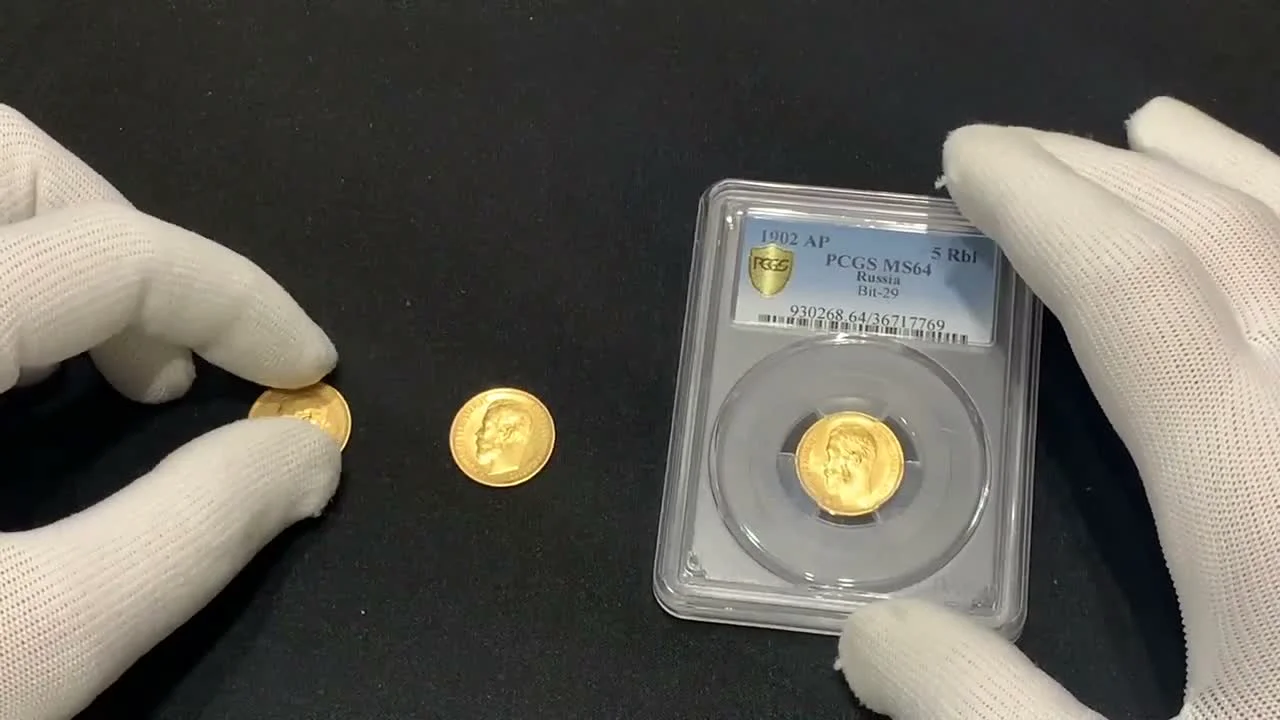
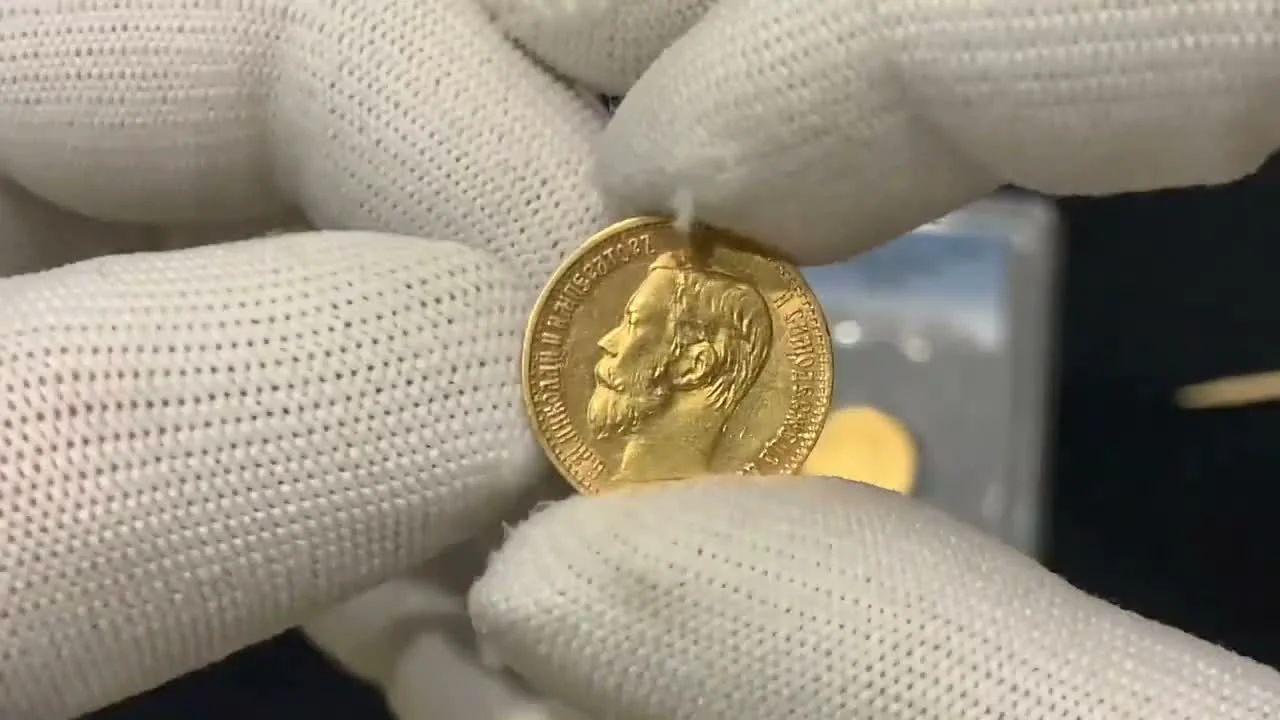
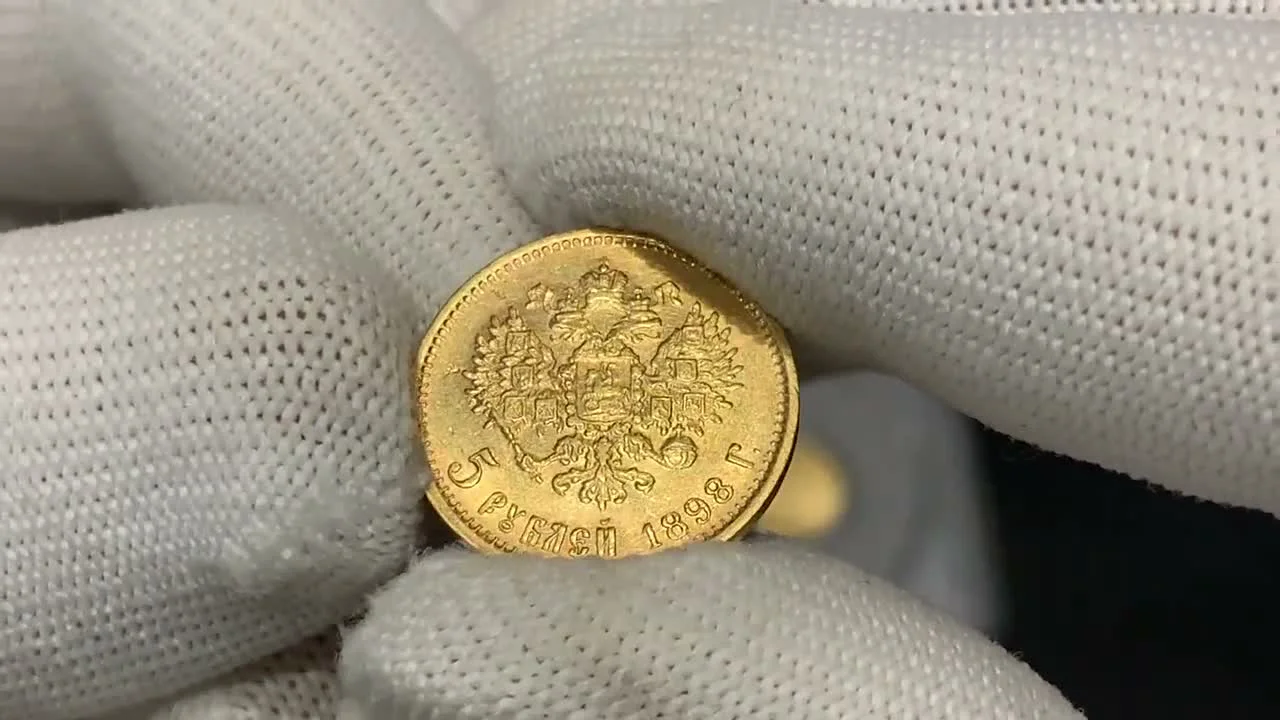
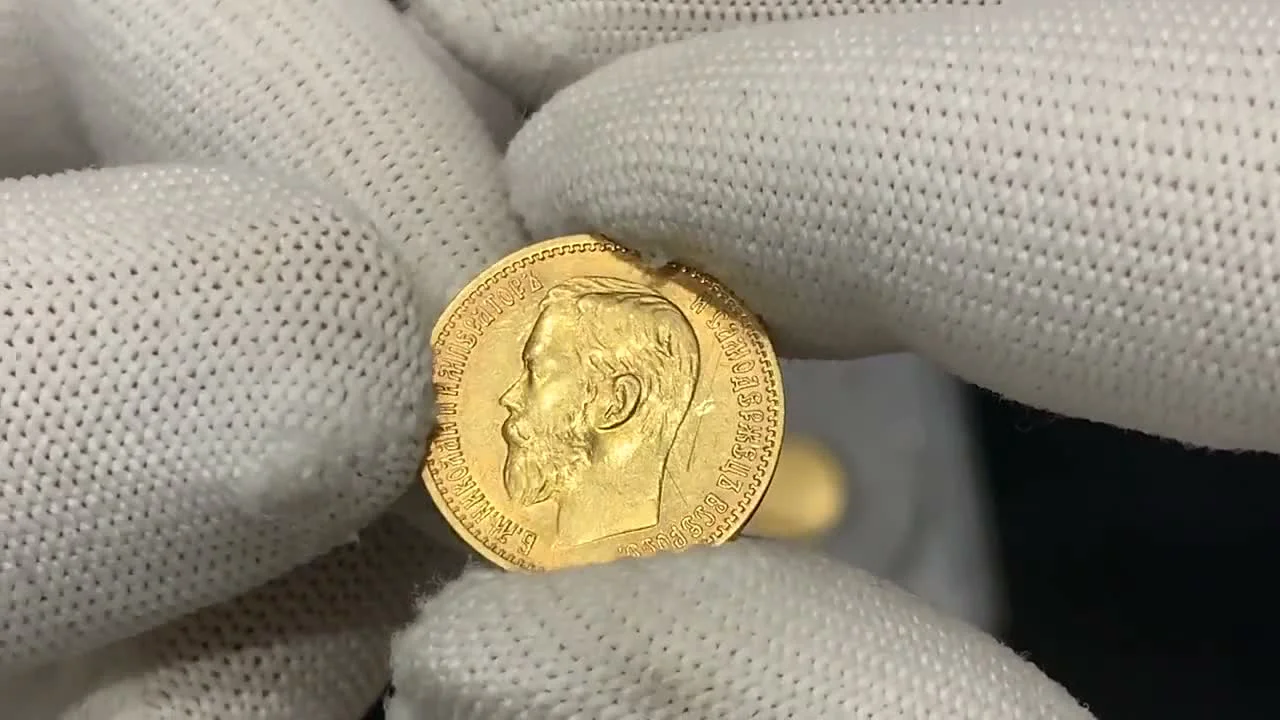
As an example, let's consider the five-ruble coins from the reign of Nicholas II. These coins were minted in large quantities, numbering several tens of millions, making them accessible to different categories of buyers. Depending on their condition and the purpose of the purchase, they can be classified into three main types.
Types of Five-Ruble Coins for Investment
Investments in five-ruble gold coins can be divided into three types based on the condition of the specimens.
Coins with defects. This type includes specimens with scratches, abrasions, and other signs of active circulation. They have no numismatic value and are purchased at a minimal price, close to the spot price of gold. Their main advantage is high liquidity, as they can be quickly sold at online auctions.
Coins with signs of circulation but no defects. Such coins were in circulation for some time, which may have caused them to lose their original mint luster. However, they retain a sharp relief and an attractive appearance. These specimens already have some numismatic value and are of interest to collectors. They can be sold for a higher price, but it may take more time.
Purely collectible coins. These are coins that have not been in circulation and have been preserved in perfect condition. They hold the highest numismatic value.
Types of five-ruble coins for investment
Grading and Its Importance for Collectible Coins
Term
Description
Slab
A special sealed plastic capsule for storing and certifying coins.
Grade
An assessment of a coin's condition on an international scale, for example, MS (Mint State).
PCGS, NGC
The names of leading American grading companies.
When buying collectible coins in perfect condition, especially online, it can be difficult to assess their authenticity and quality from photographs. Even the presence of mint luster is not always obvious in pictures. In such cases, it is recommended to trust the assessment of professionals.
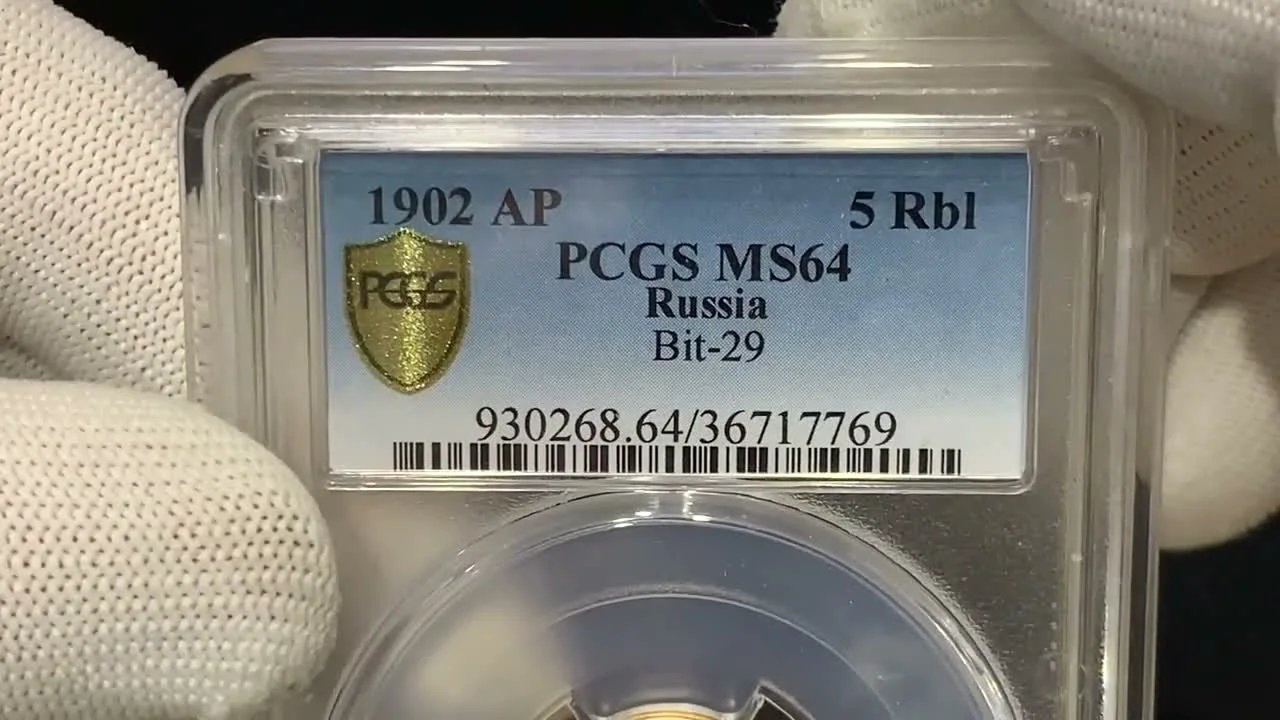
This task is performed by grading companies, which conduct an expert evaluation and place the coins in special protective capsules—slabs. Each slab is assigned a unique number, which can be used to check information about the coin, its grade, and the date it was slabbed on the company's website.
It is recommended to purchase coins in slabs with a grade of no less than MS62. This guarantees both the authenticity and the high quality of the specimen. Additionally, the presence of official photographs on the grading company's website helps to ensure that the slab contains the exact coin that was certified.
Grading and Its Importance for Collectible Coins
Target Groups: Collectors, Savers, and Investors
Each type of gold coin finds its own consumer niche, which exists within its own price range. Three main groups of buyers can be identified.
Collectors. This group, especially experienced collectors, aims to acquire coins in the highest possible quality, close to the condition of those just struck at the mint. They are willing to pay a high price for perfect specimens, often in slabs.
Savers. Their main goal is to protect their finances from inflation. To do this, they choose historical regular-issue coins with large mintages and signs of circulation. Such coins have high liquidity and cost only slightly more than the metal they contain.
Investors. Unlike savers, investors aim not only to preserve but also to grow their capital. Historical coins with a numismatic premium are suitable for them. Over the years, such coins become rarer, and their value increases faster than the price of gold.
Target Groups: Collectors, Savers, and Investors
Gold as a Reliable Asset in Unstable Times
Historically, gold has proven its ability to preserve value and protect savings from inflation. In the long run, its returns outperform any fiat currency. Today, even so-called hard currencies like the dollar and the euro are failing to cope with inflation, while gold maintains its strength.
Gold is a key element of a 'safety cushion.' Unlike bank deposits or currencies, which can be frozen or devalued in difficult times, gold remains a highly liquid asset. Historical gold coins, such as the 5 rubles of Nicholas II, are easily recognizable and do not require certificates for sale.
They can be quickly exchanged or, in an emergency, taken to a pawnshop for cash. This feature makes gold coins an indispensable tool for capital preservation in times of economic uncertainty.