
Collector's Guide
Step-by-step instructions for beginners. Term dictionaries, storage guides, legal and tax advice.
Articles (310)
Page 2 of 16
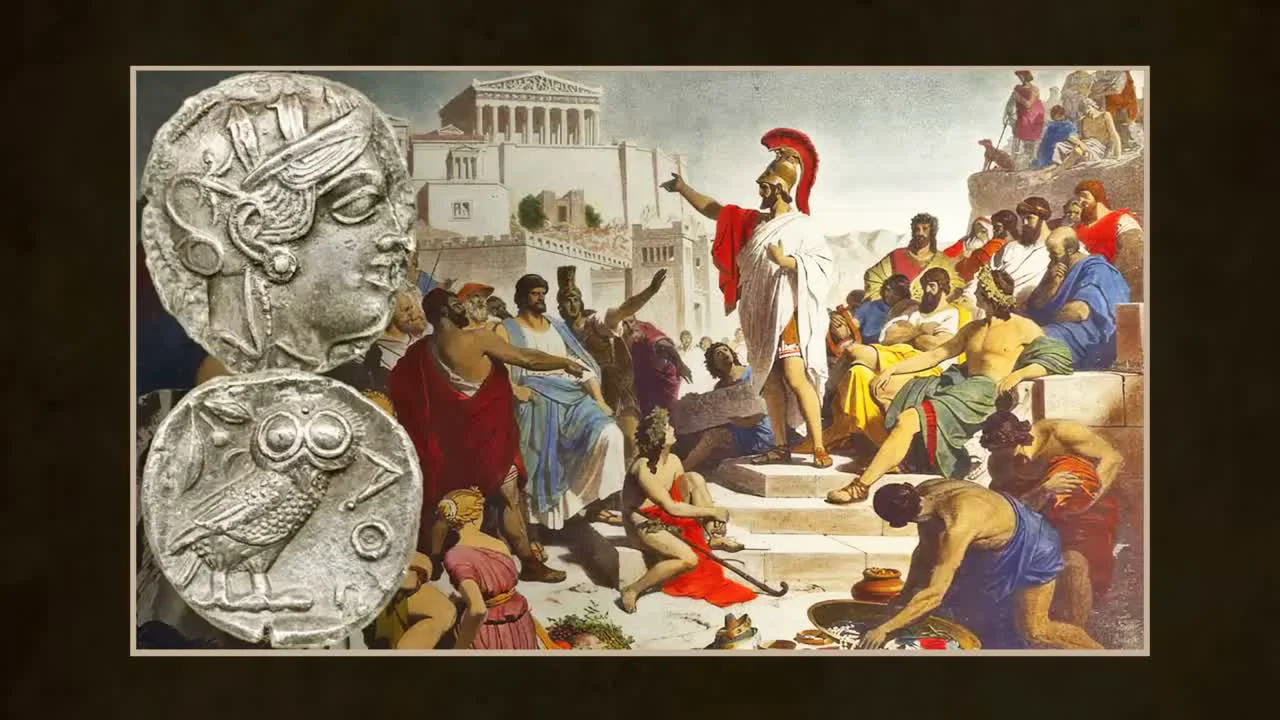
Почему так много древних монет сохранилось до наших дней?
Удивительно, как много монет, возраст которых достигает одной или двух тысяч лет, дошли до наших дней. Казалось бы, они должны были давно истлеть, но на самом деле их количество на рынке делает их доступными предметами коллекционирования, а не бесценными артефактами.
History of ThingsCollector's Guide
Read More →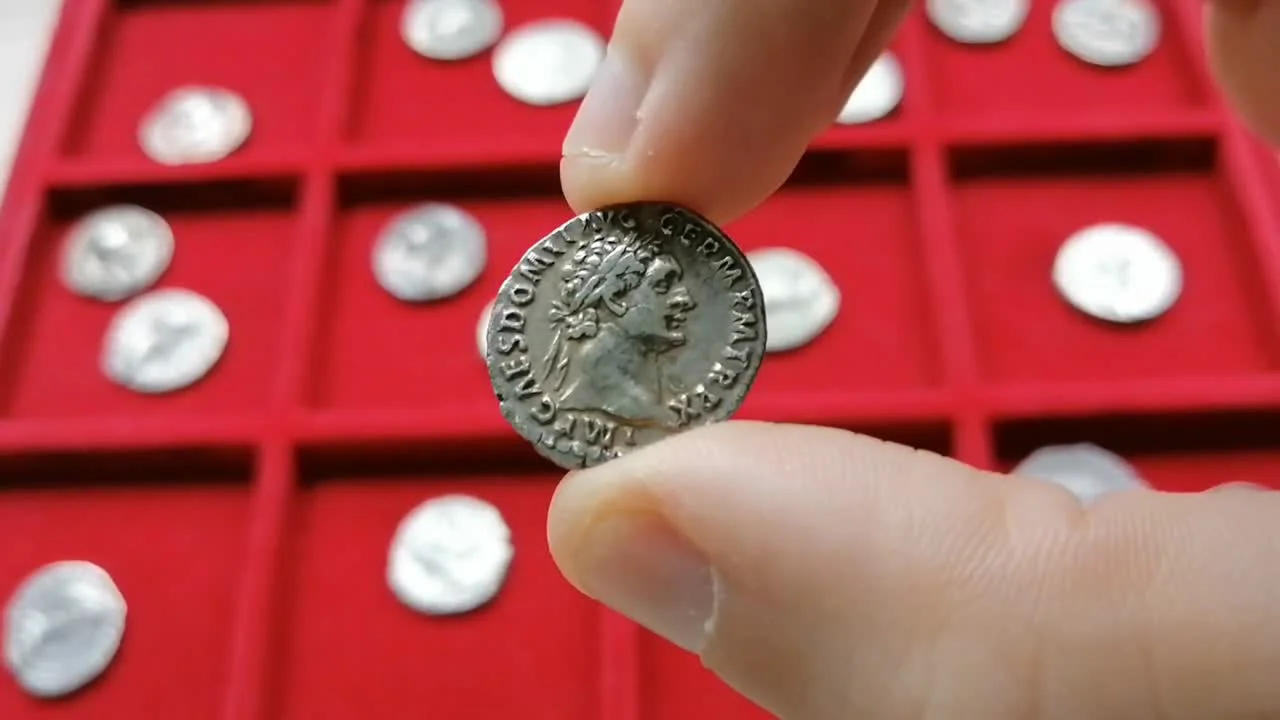
Как начать коллекционировать античные монеты: руководство для новичков
Многие начинающие коллекционеры античных монет задаются вопросом: «Что мне следует собирать?». На первый взгляд, это кажется странным, ведь выбор коллекции — глубоко личное дело, и никто не может диктовать, что именно вам должно нравиться. Однако за этим вопросом скрывается не поиск прямого указания, а скорее растерянность перед огромным выбором и желание понять, как организовать свою коллекцию.
Collector's Guide
Read More →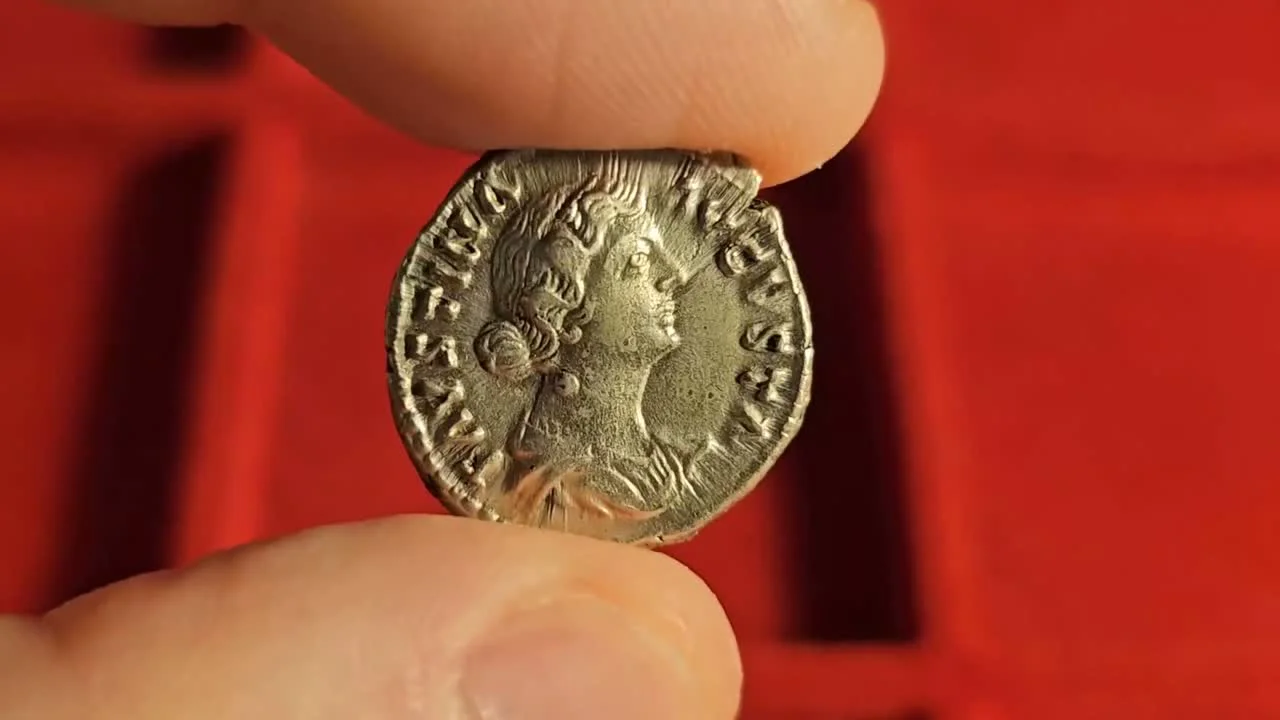
Как определить рыночную цену древних монет: практическое руководство
Определение стоимости древней монеты, такой как римский денарий, является более сложной задачей, чем оценка современных монет. В отличие от них, для античных экземпляров не существует единого и универсального каталога цен, подобного «Красной книге».
Collector's GuideExpertise
Read More →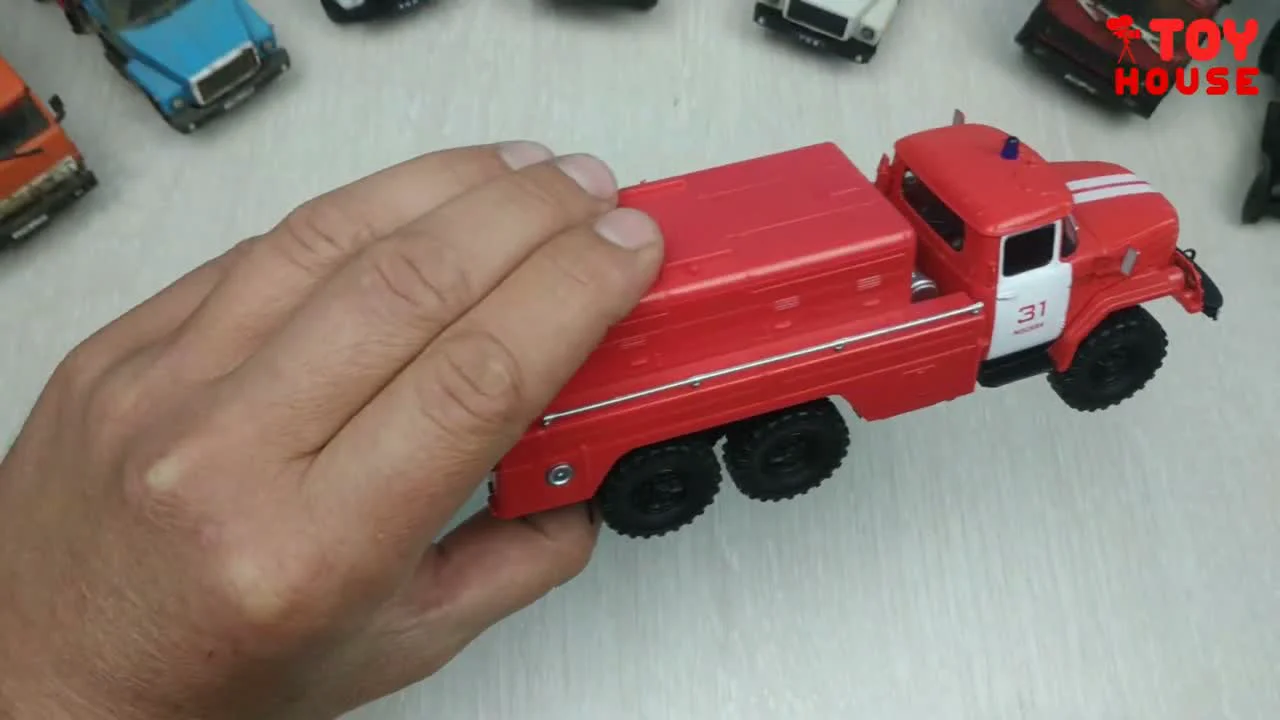
Коллекция грузовиков DeAgostini в масштабе 1:43: от пожарных до самосвалов
Обзор коллекции начинается с единственной модели, сохранившейся в оригинальной коробке — пожарной машины из серии "Автолегенды СССР - Грузовики" от DeAgostini. Примечательно, что DeAgostini выпускали грузовики как в отдельной серии, так и в рамках основной линейки "Автолегенды".
Collector's GuideHistory of Things
Read More →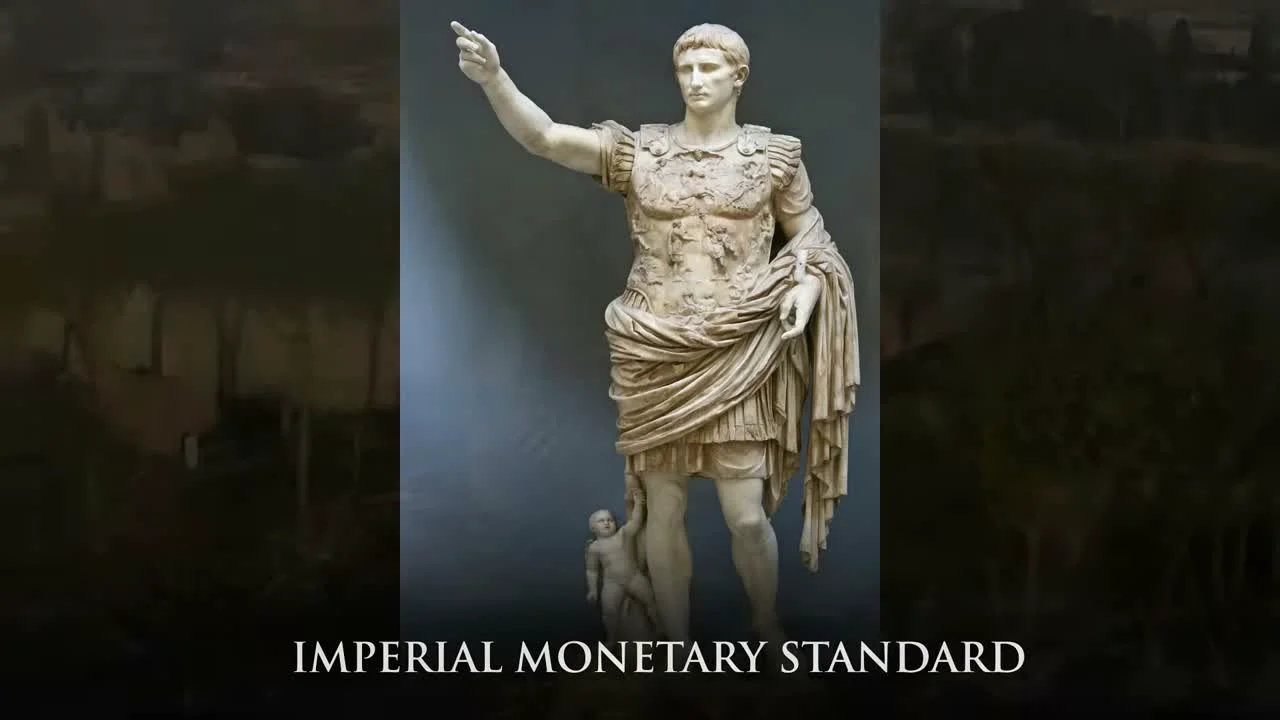
Денежная система Римской империи: от квадранса до ауреуса
После победы в битве при Акциуме и окончания гражданских войн Октавиан Август стал единоличным правителем Рима. Одной из его ключевых задач было наведение порядка в финансовой системе, которая находилась в хаосе. Он провел масштабную денежную реформу, создав стандартизированную систему, просуществовавшую несколько столетий.
History of ThingsCollector's Guide
Read More →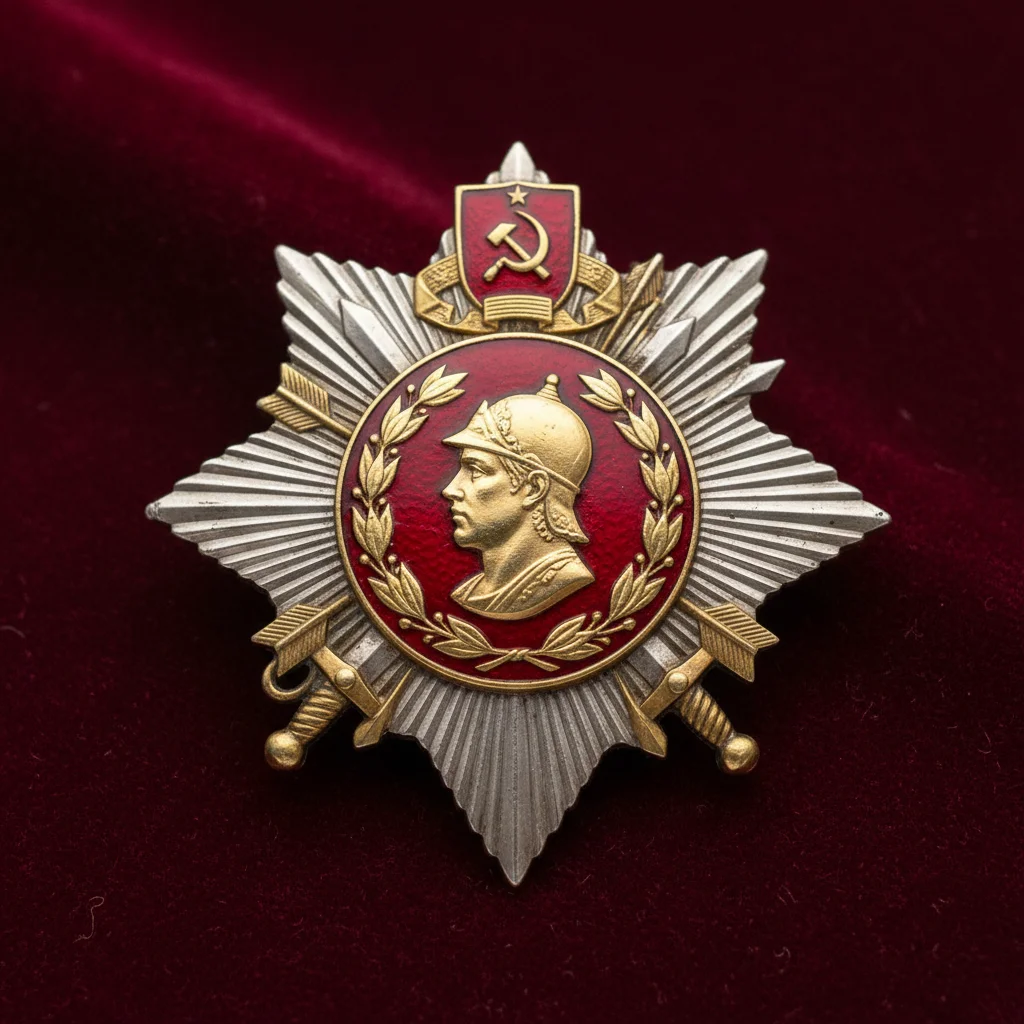
Why Collectors Sell Awards: A Breakdown of the Key Motives
The question of why collectors sell awards comes up quite often, as it's commonly believed that a collector is someone who buys. However, selling is an integral part of this hobby. This question was raised by a collector from Israel who was curious about why items, including valuable ones, leave collections.
Collector's GuideInvestments
Read More →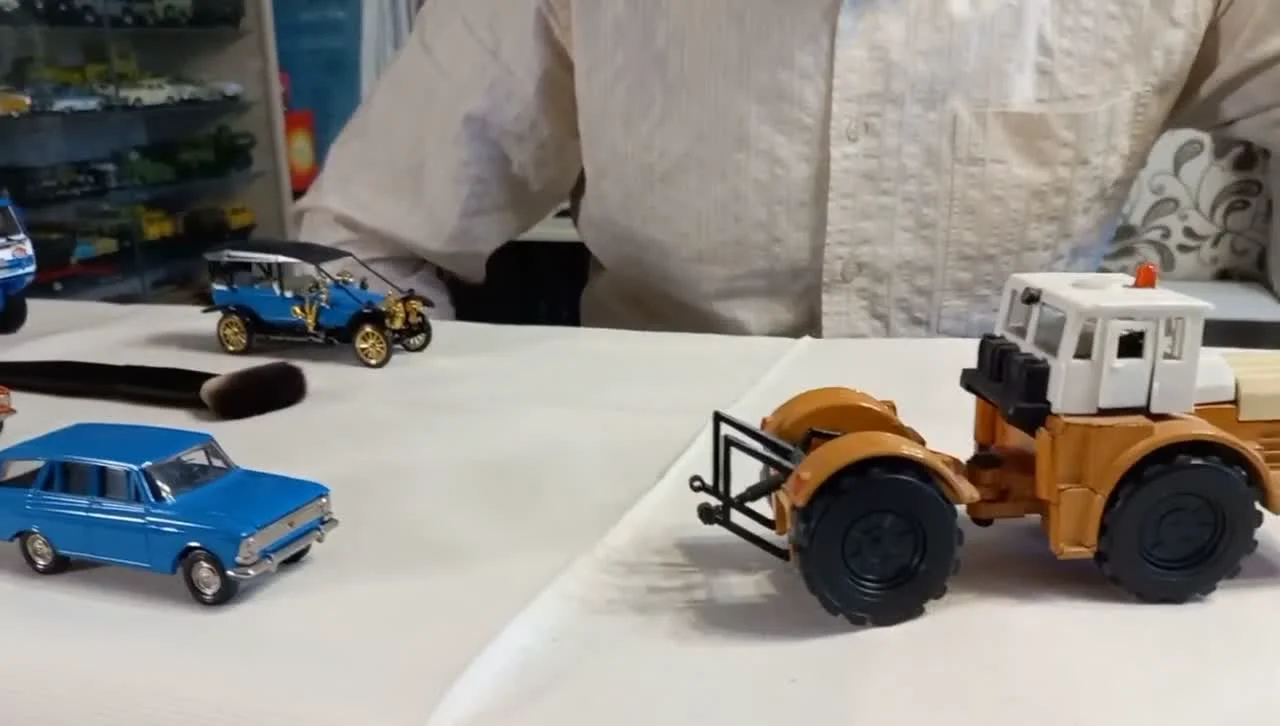
The Price of Collectible Models: Truth, Lies, and Investment Value
For many scale model collectors, the cost of their hobby is a sensitive topic, especially in conversations with family. The real price of a model is often concealed, and a more modest, 'family-friendly' price is announced at home. This little trick has become almost a tradition in the collector community.
Collector's GuideInvestments
Read More →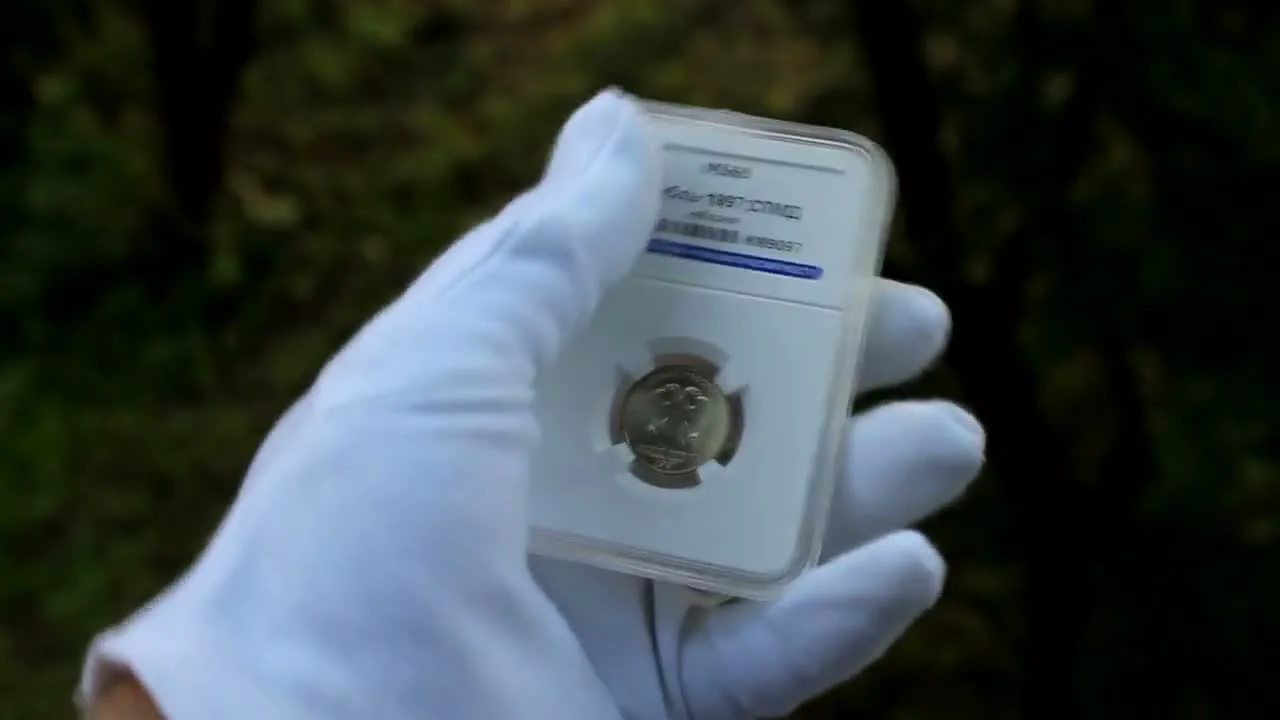
Coin Slabbing and Grading: Everything About the Advantages, Disadvantages, and the Assessment Process
Over the past ten years, the demand for coins packaged in a special protective case, known as a 'slab,' has grown significantly in the numismatic market. This is especially true for specimens of high value, historical significance, or excellent condition. Collectors are increasingly seeking not just to collect, but to properly and professionally preserve their treasures.
ExpertiseCollector's Guide
Read More →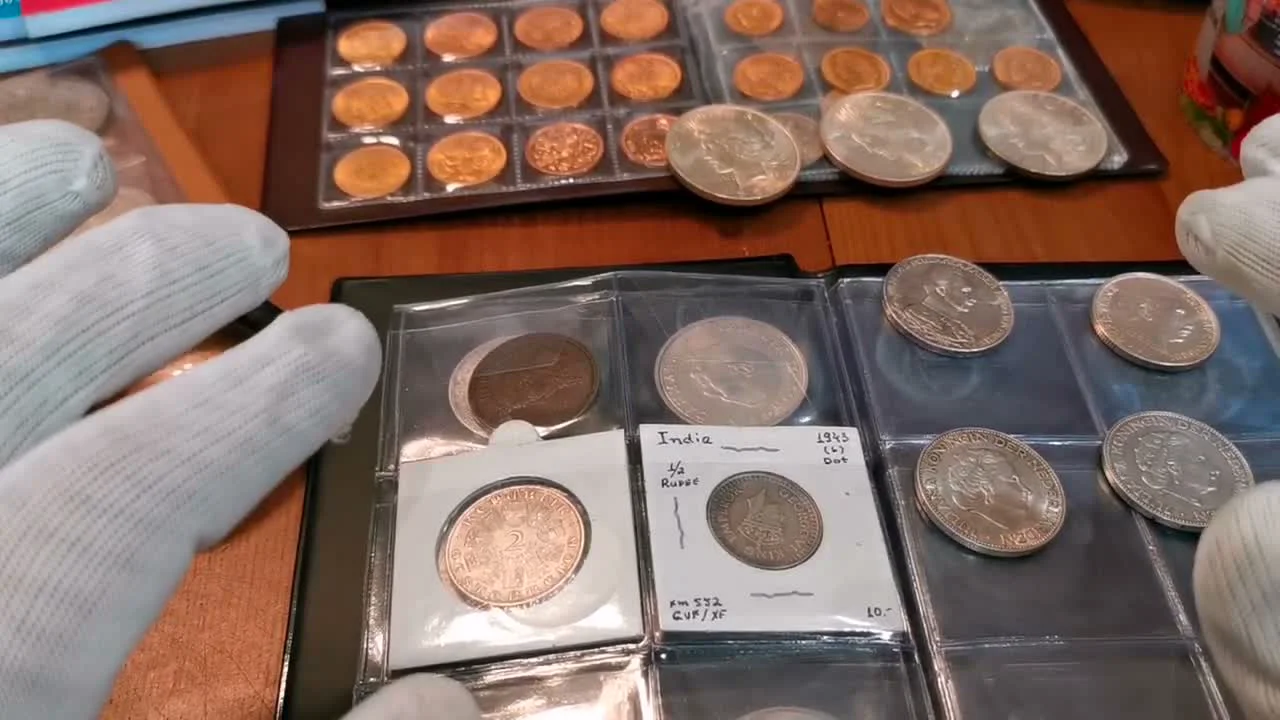
How to Distinguish Coin Cleaning from Natural Damage: A Detailed Breakdown
For coin collectors, it's important to be able to distinguish between natural damage from storage or transport and signs of artificial cleaning. The former, known as 'bag marks,' result from coins coming into contact with each other at the mint or in bags. The latter are the result of mechanical action intended to give the coin a shine, which irreversibly damages its surface.
ExpertiseCollector's Guide
Read More →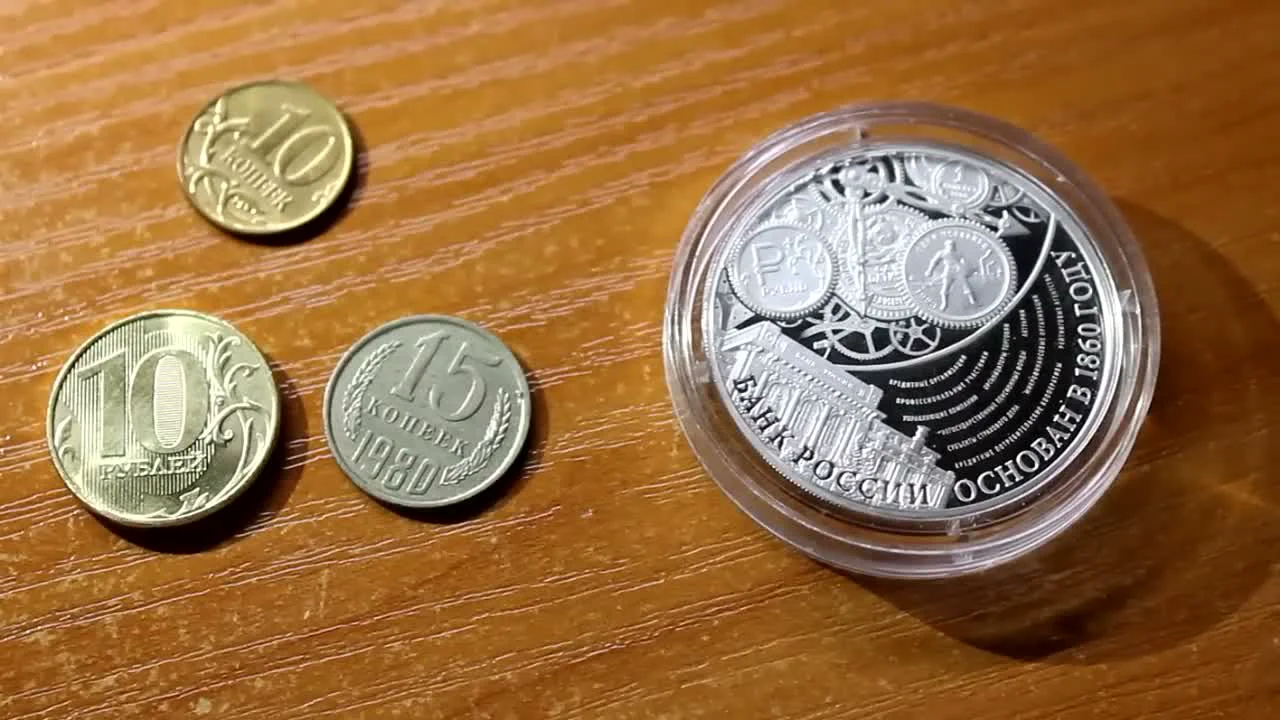
How and Where to Sell Coins: A Guide for Beginner Collectors
Many beginner collectors wonder where and how to best sell or buy coins. They are also curious why numismatists are willing to pay a certain price for specific specimens on various platforms.
Collector's GuideInvestments
Read More →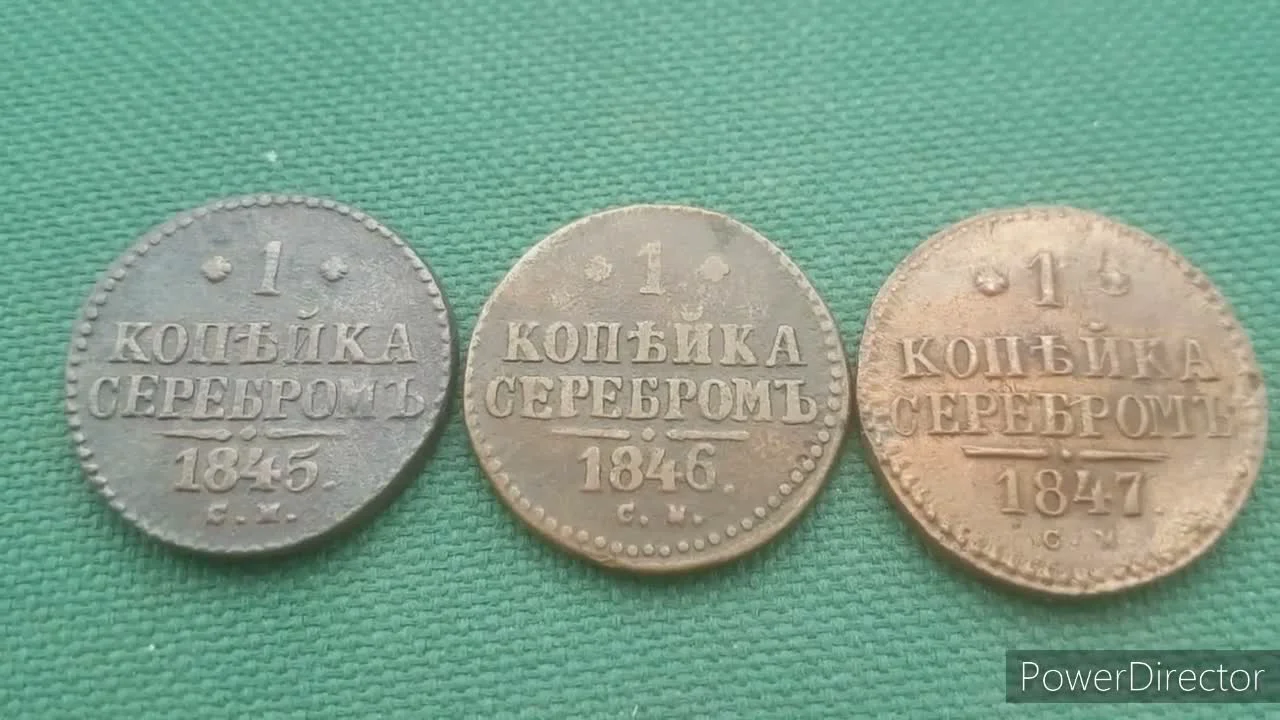
The Last Coins of the Suzun Mint: History and Price of the 1 Kopek of 1845-1847
In the history of Russian numismatics, coins that were the last for a particular mint hold a special place. These include the '1 kopek in silver' coins of 1845, 1846, and 1847 — the last coins struck at the Suzun Mint.
History of ThingsCollector's Guide
Read More →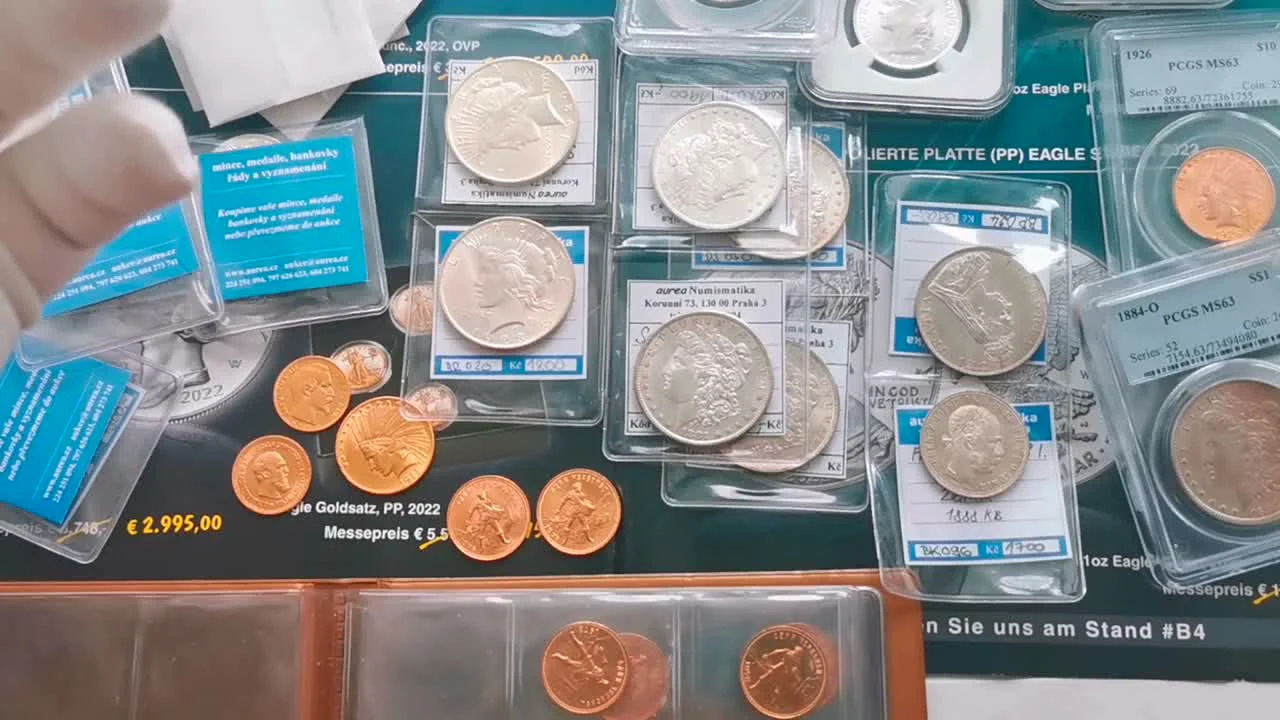
Coin Slabbing: When Is It Profitable and When Is It Not?
Recently, a clear trend has emerged among numismatics collectors and investors: buying coins with the intention of having them slabbed. Slabbing, which involves encapsulating a coin in a special protective holder (a slab) with a grade assessing its condition from a certification company, is seen as a way to increase the specimen's value.
InvestmentsCollector's Guide
Read More →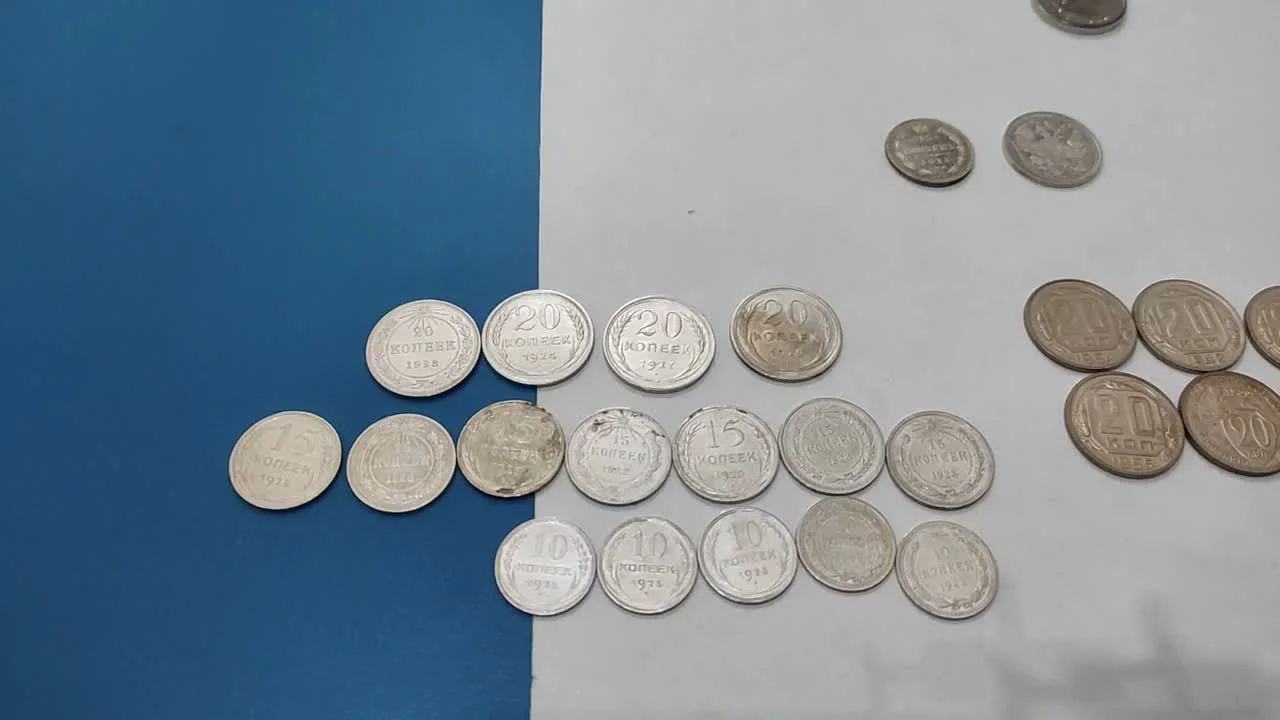
Investing in Soviet Billon Coins: Which Coins Are Worth Buying
The question of the advisability of investing in Soviet billon coins, both silver and non-precious metal ones, is quite relevant. The answer is ambiguous and requires detailed consideration, as the investment appeal of these coins heavily depends on the specific year of issue, denomination, and, most importantly, their state of preservation.
InvestmentsCollector's Guide
Read More →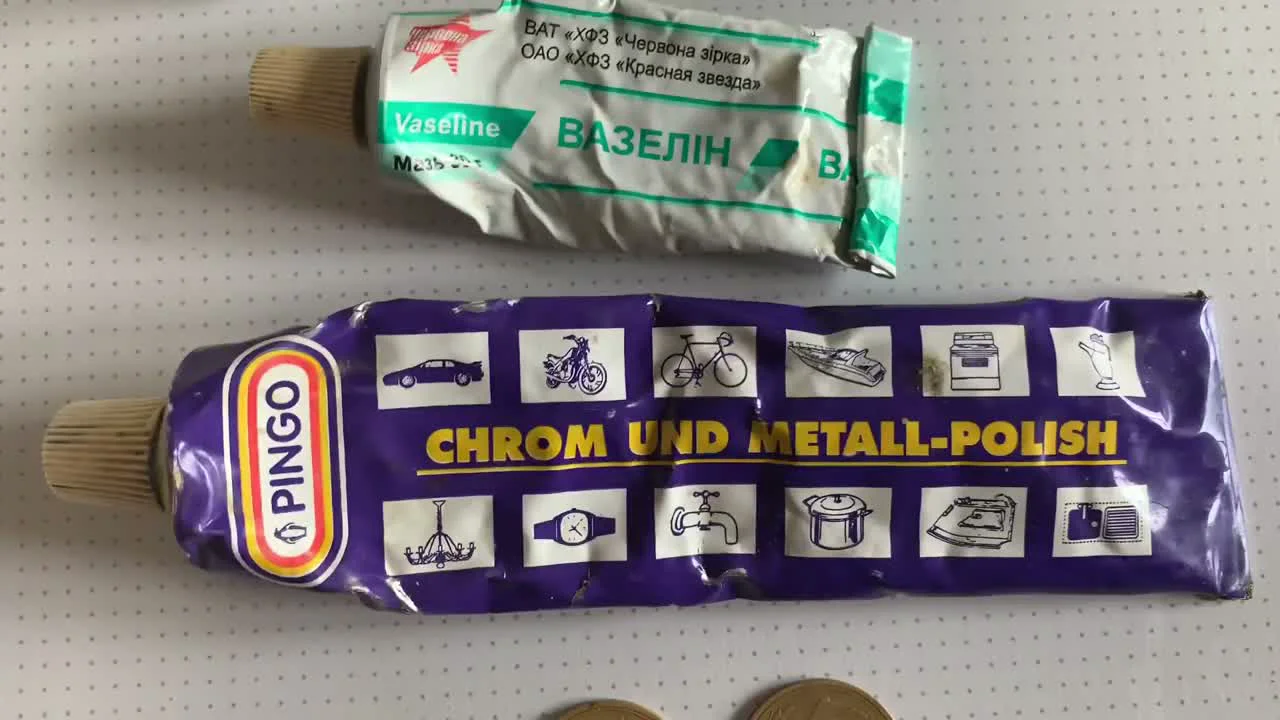
How to Clean a Soviet Bronze Coin at Home: A Simple and Effective Method
There are several ways to buy a coin at an auction and sell it at the same venue for double the price. One of the most effective methods is pre-sale preparation. This is a simple but effective approach that will be especially useful for novice collectors and those who want to make money by reselling coins.
Collector's GuideExpertise
Read More →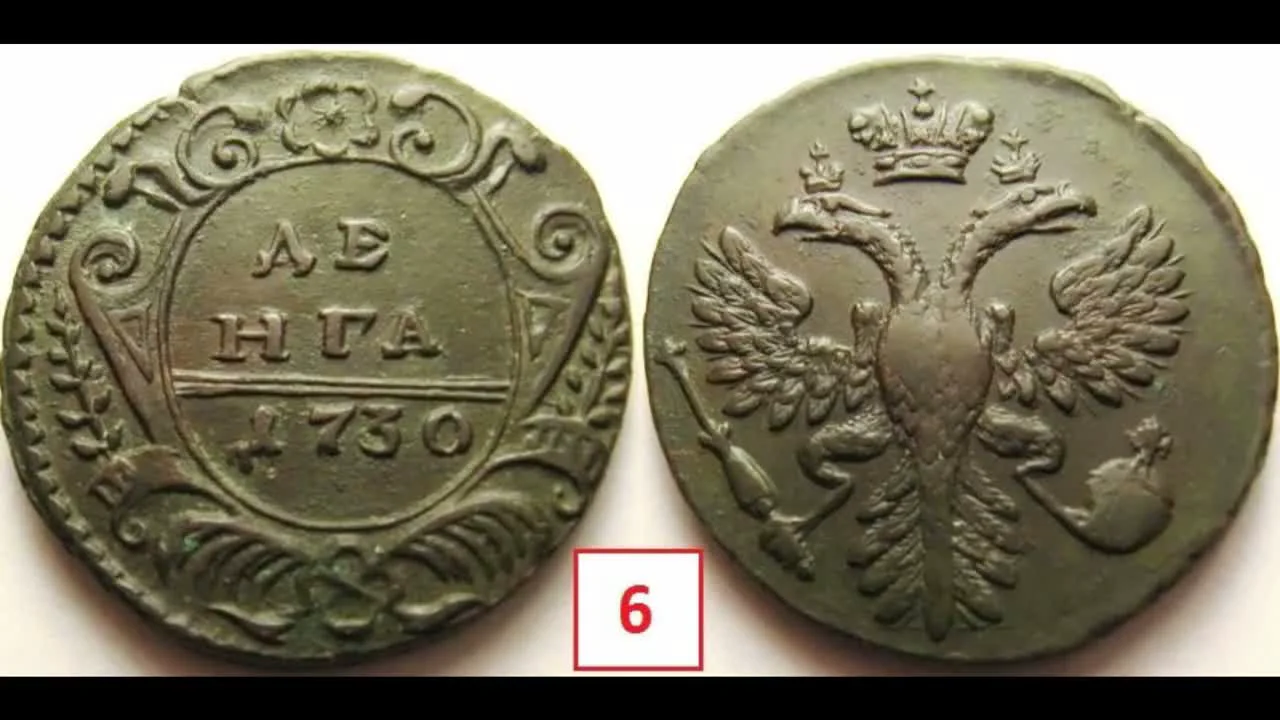
Denga Coin 1730-1756: A Guide to Varieties and Rare Types
The denga coin from the period 1730-1756 is one of the most common finds in fields and forests. The story of its mass appearance is linked to the monetary reform of Empress Anna Ioannovna, who decided to lower the coinage standard.
Collector's GuideHistory of Things
Read More →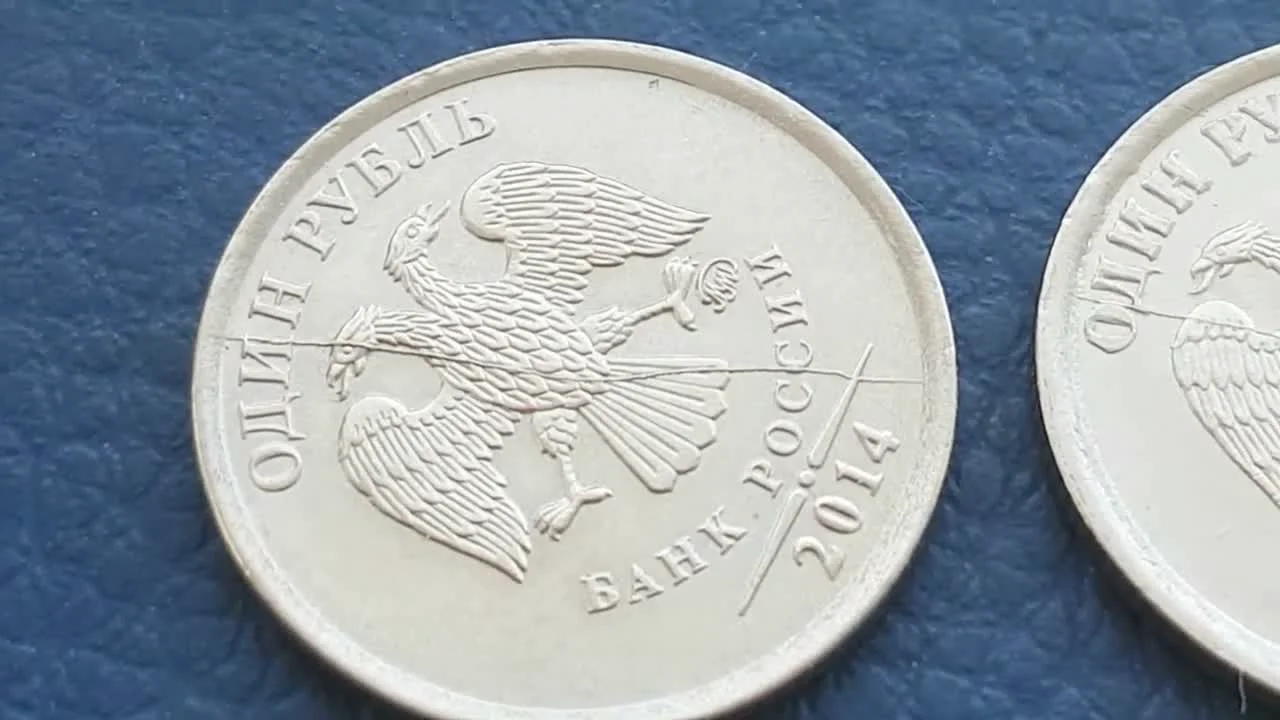
Die Crack: How a Minting Defect Affects a Coin's Value
A die crack is a type of mint error that has been known since ancient times, ever since humanity began minting coins. The reason for its occurrence is simple: no matter how durable the steel from which the die is made, it eventually wears out and cracks from the constant impacts and stresses during the minting process.
Collector's GuideExpertise
Read More →
Investing in Amber: Should Collecting Be Considered an Investment?
Amber, the fossilized resin of ancient coniferous trees, has long ceased to be just a material for jewelry. Today, it is increasingly viewed as an alternative investment asset capable of diversifying a portfolio and protecting capital from inflation. Its value lies in a unique combination of qualities: it is both a gemstone and a paleontological artifact, preserving particles of the prehistoric world.
Collector's Guide
Read More →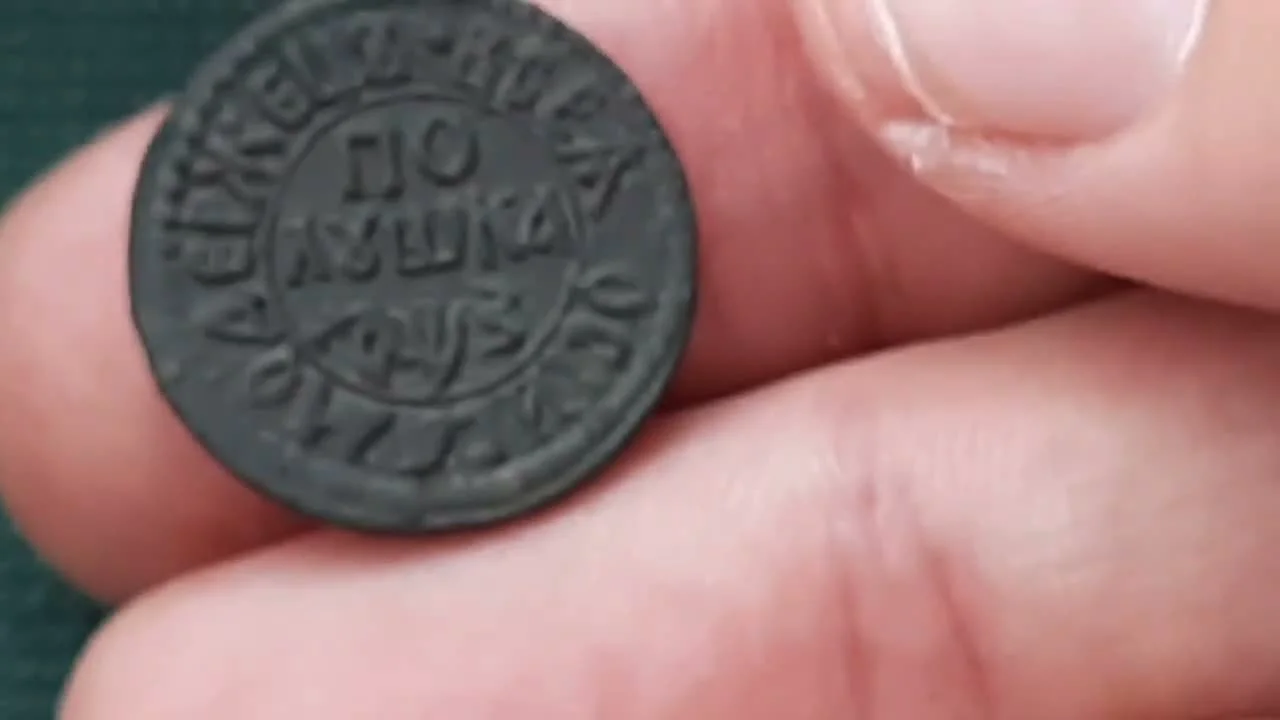
Autocrat or Commander: The Mystery of the Two Polushkas of Peter I from 1707
In the numismatics of the Petrine era, there is an interesting feature related to copper coins. In 1707, polushkas were issued which, despite being of the same denomination and year, bore different circular inscriptions reflecting the ruler's title.
History of ThingsCollector's Guide
Read More →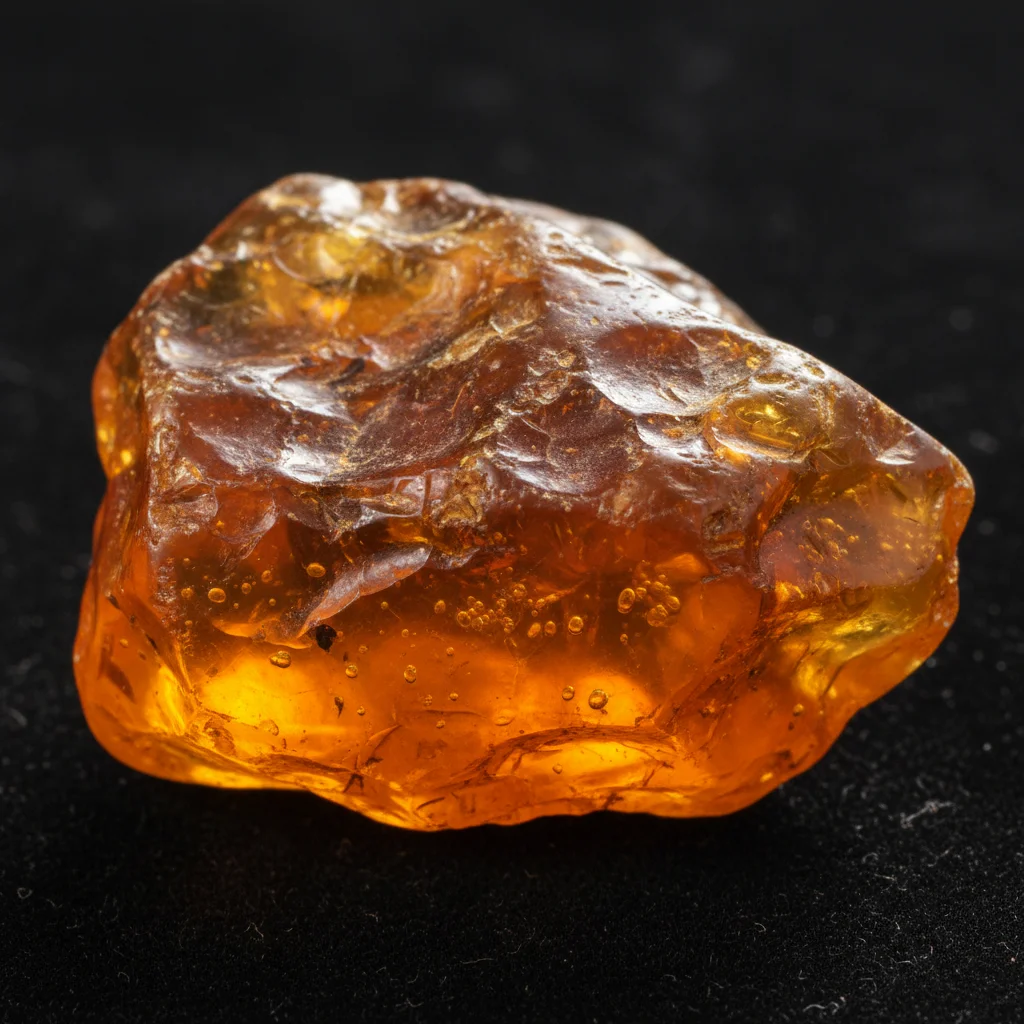
Authenticating Amber: Testing Methods and Signs of Fakes
The first step in authenticating amber begins with a simple visual and tactile analysis. Real amber, being fossilized resin, possesses unique properties. It is very lightweight, which immediately distinguishes it from glass or stone imitations that are significantly heavier for the same volume.
Collector's GuideExpertise
Read More →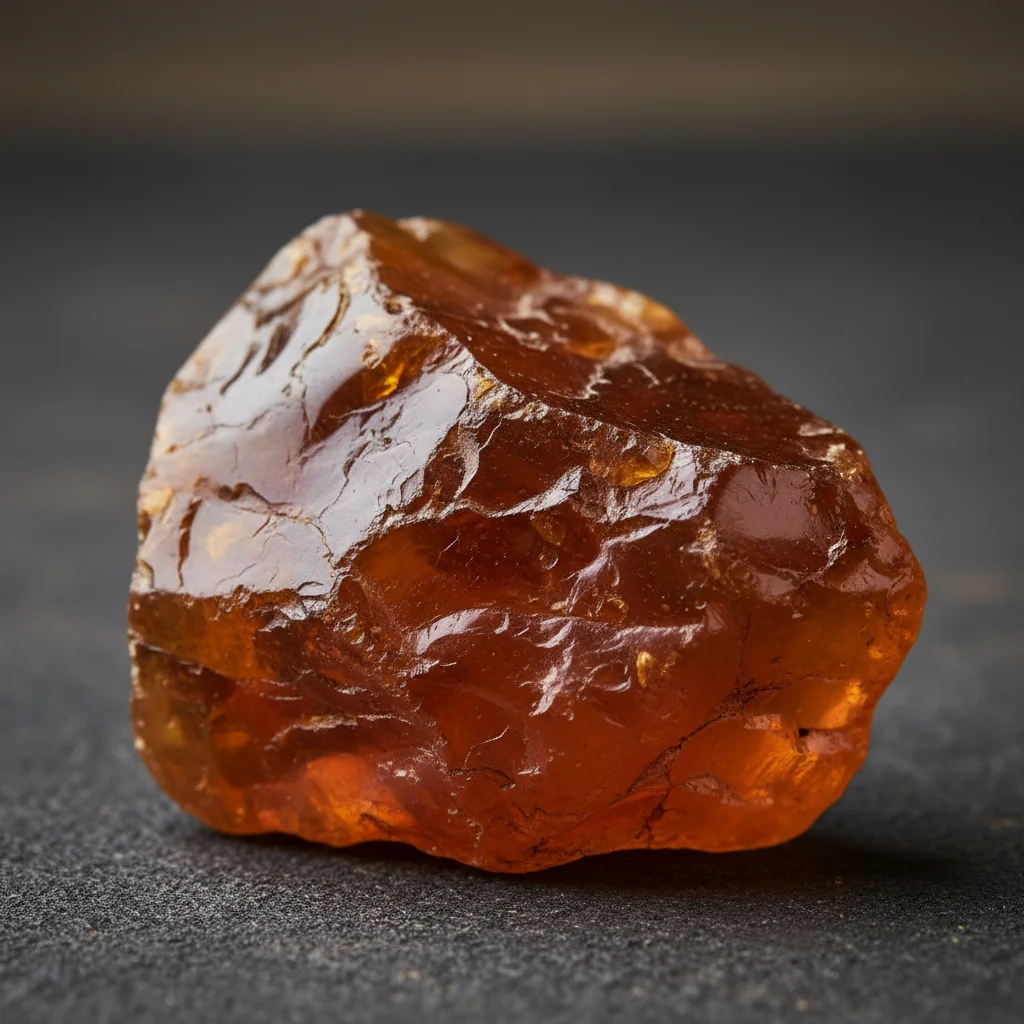
Types and Classification of Amber: From Baltic to Dominican
Amber, also known as 'sunstone,' is the fossilized resin of ancient coniferous trees. Its value and properties vary greatly depending on numerous factors that form the basis of its scientific and gemological classification. Understanding these criteria helps distinguish rare specimens from more common ones.
Collector's GuideExpertise
Read More →