
Expertise
Methods for determining authenticity, analysis of marks and signatures. Expert and restorer advice.
Articles (97)
Page 1 of 5
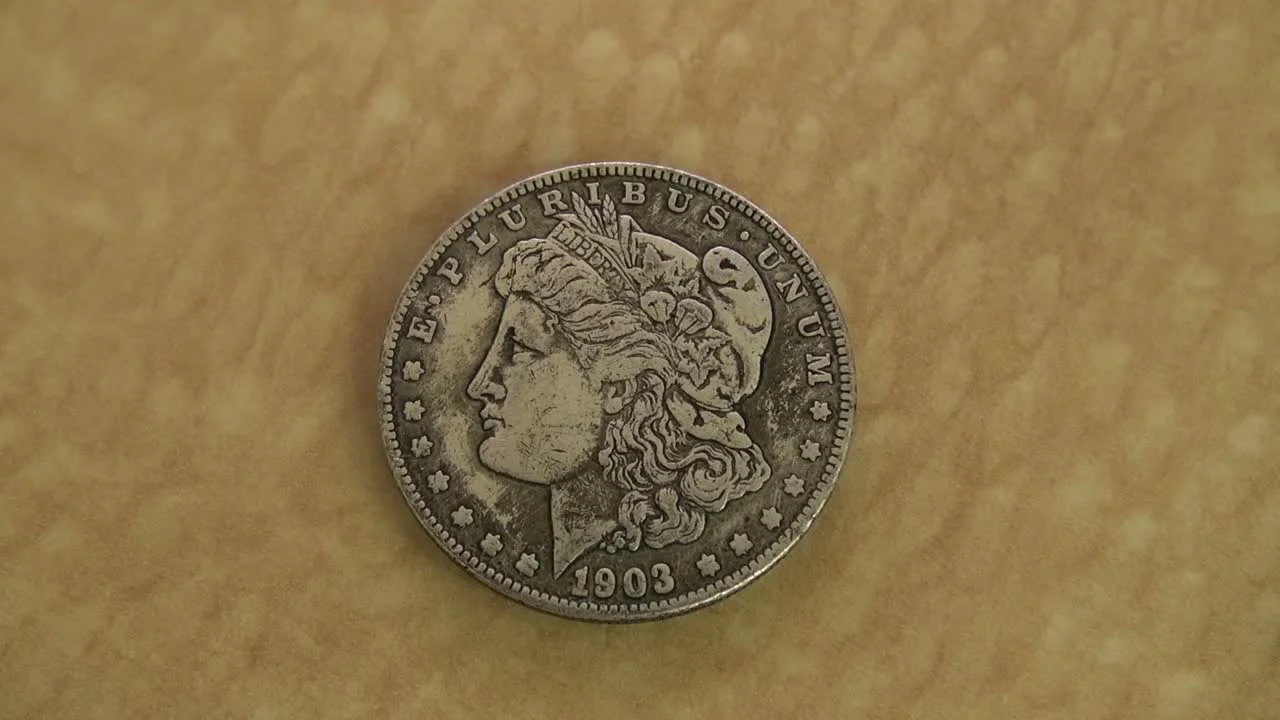
Как распознать качественную подделку серебряного доллара Моргана
В центре внимания — серебряный доллар Моргана 1903 года с клеймом «S», что означает его чеканку в Сан-Франциско. Эта монета является ключевой датой с небольшим тиражом, составляющим примерно 1,24 миллиона экземпляров, что делает ее довольно востребованной среди коллекционеров, хотя и не самой редкой.
ExpertiseCollector's Guide
Read More →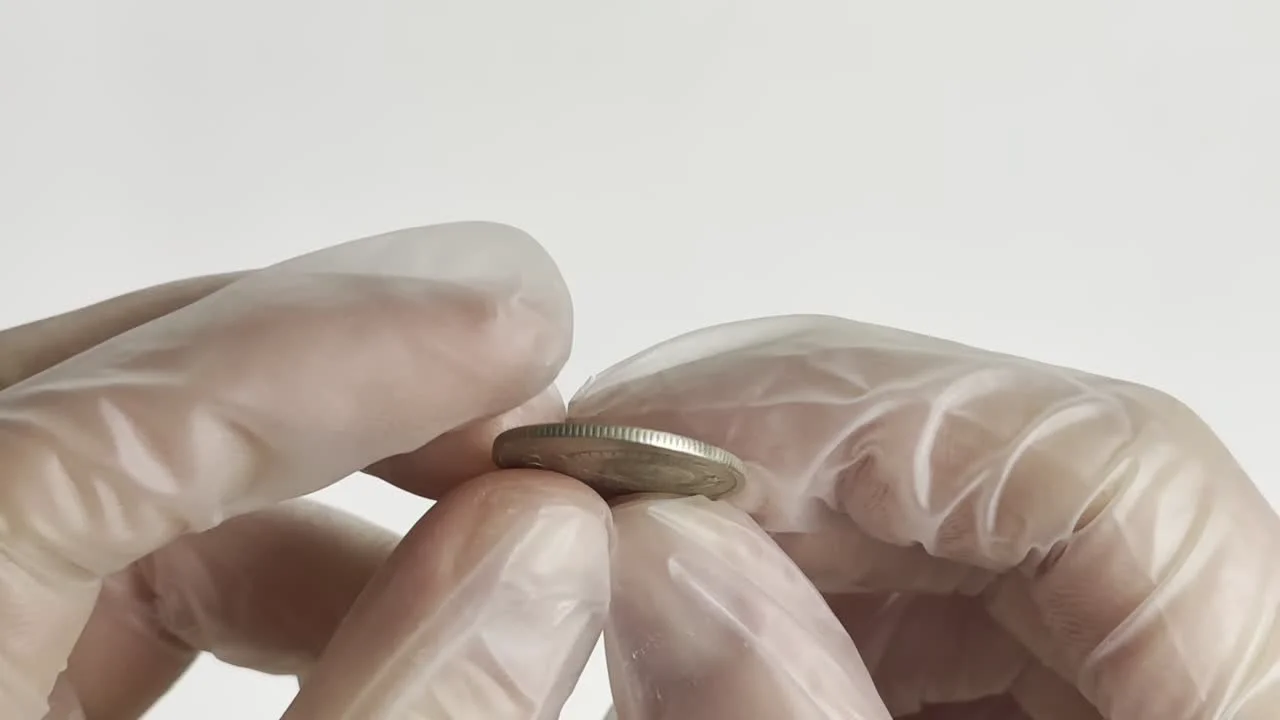
Реальная цена 20 копеек 1961 года: от обиходной мелочи до сотен долларов
Монета номиналом 20 копеек 1961 года является одной из самых известных советских монет. Она появилась в результате денежной реформы Хрущёва, когда в оборот были выпущены новые, более лёгкие и современные деньги из медно-никелевого сплава.
Collector's GuideExpertise
Read More →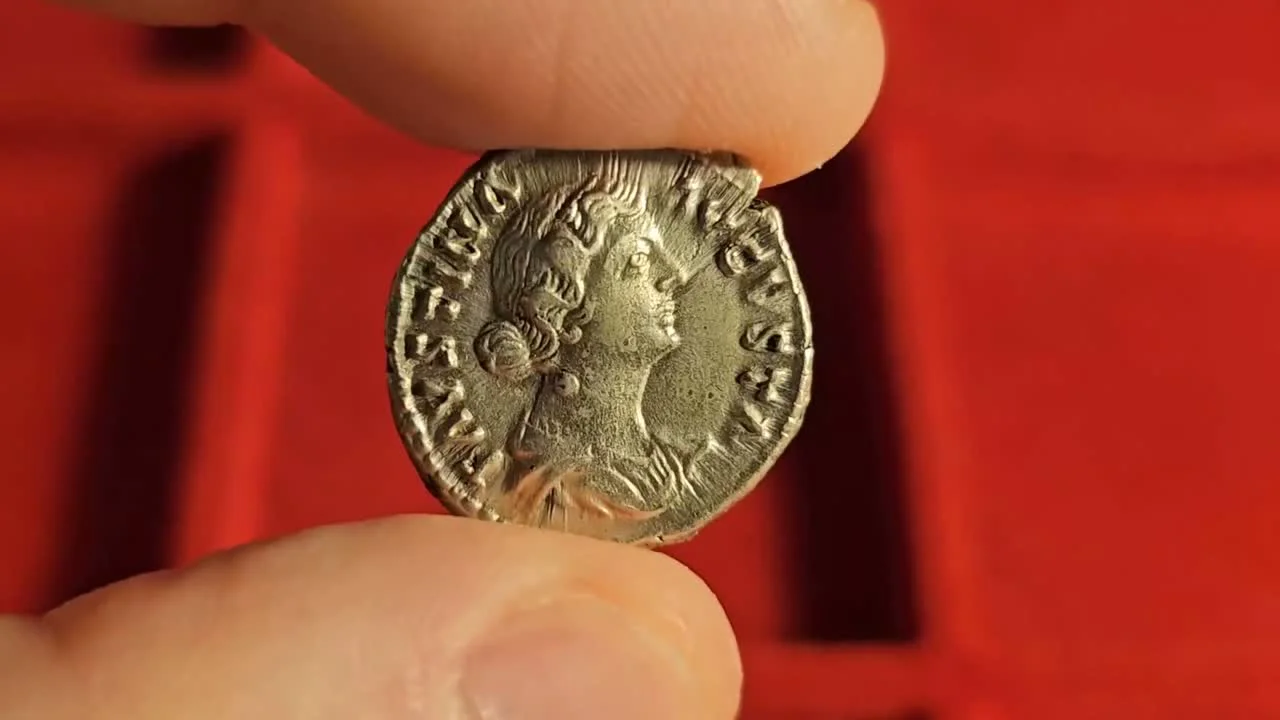
Как определить рыночную цену древних монет: практическое руководство
Определение стоимости древней монеты, такой как римский денарий, является более сложной задачей, чем оценка современных монет. В отличие от них, для античных экземпляров не существует единого и универсального каталога цен, подобного «Красной книге».
Collector's GuideExpertise
Read More →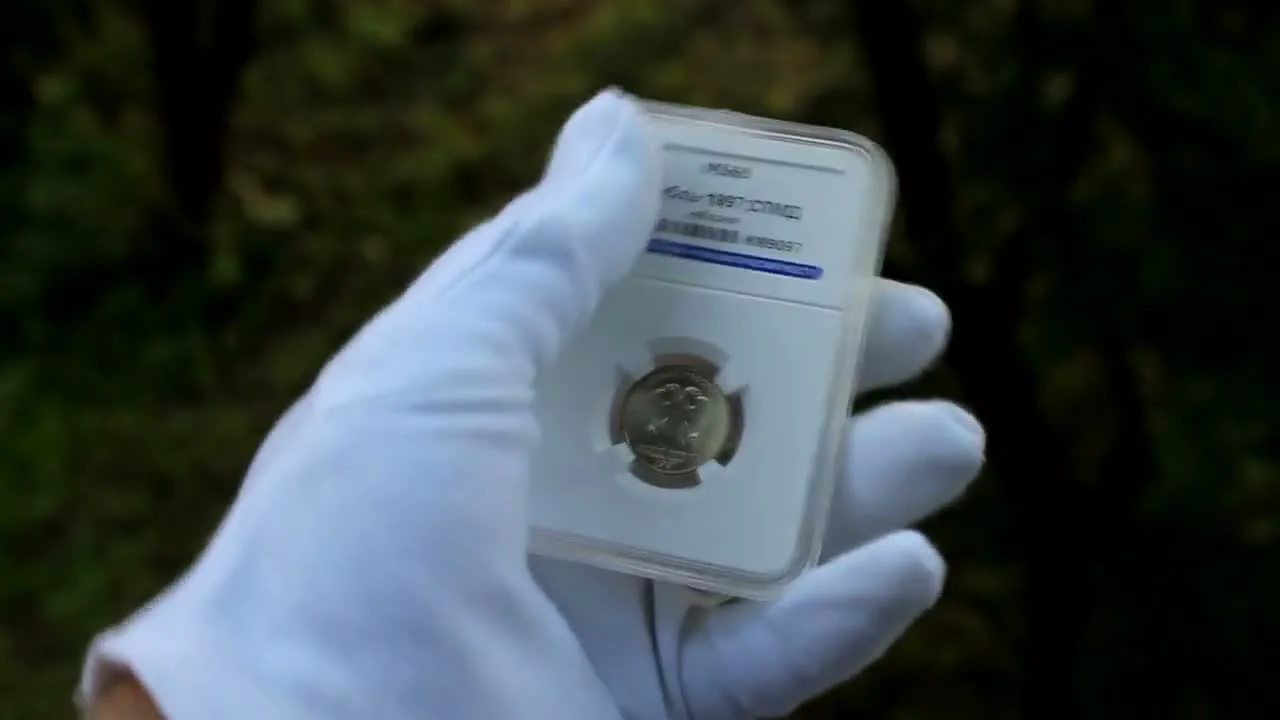
Coin Slabbing and Grading: Everything About the Advantages, Disadvantages, and the Assessment Process
Over the past ten years, the demand for coins packaged in a special protective case, known as a 'slab,' has grown significantly in the numismatic market. This is especially true for specimens of high value, historical significance, or excellent condition. Collectors are increasingly seeking not just to collect, but to properly and professionally preserve their treasures.
ExpertiseCollector's Guide
Read More →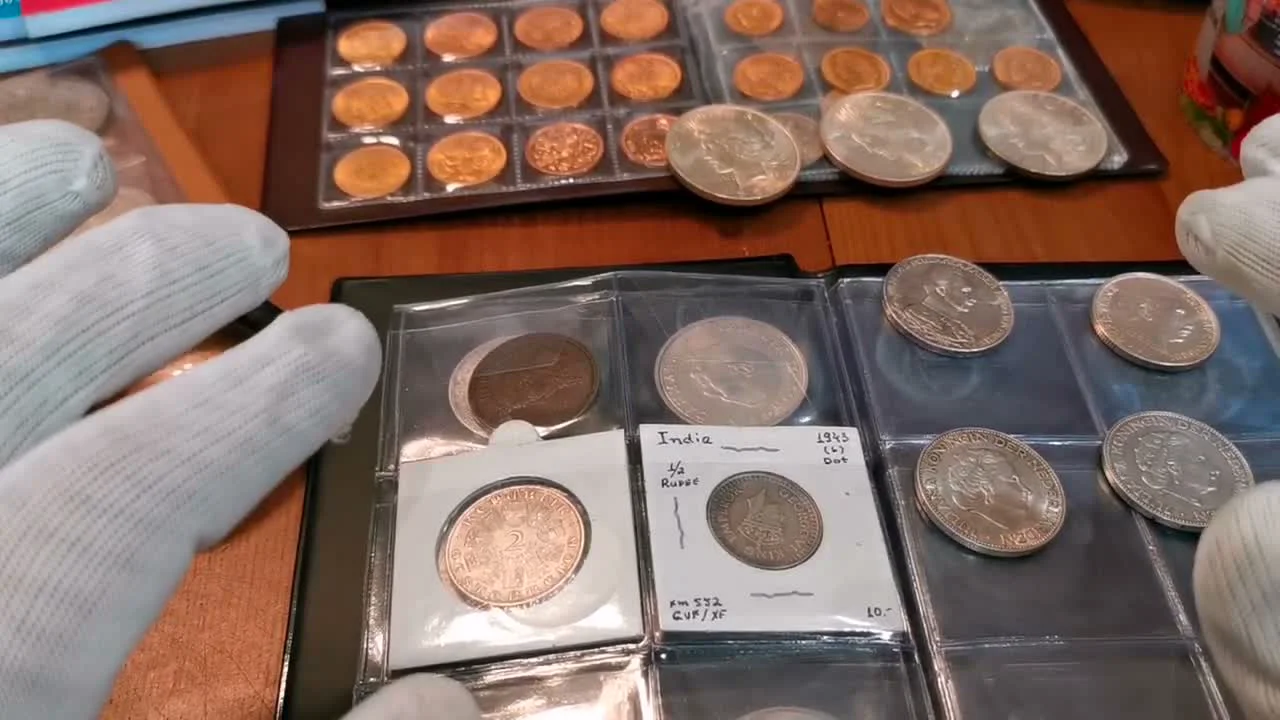
How to Distinguish Coin Cleaning from Natural Damage: A Detailed Breakdown
For coin collectors, it's important to be able to distinguish between natural damage from storage or transport and signs of artificial cleaning. The former, known as 'bag marks,' result from coins coming into contact with each other at the mint or in bags. The latter are the result of mechanical action intended to give the coin a shine, which irreversibly damages its surface.
ExpertiseCollector's Guide
Read More →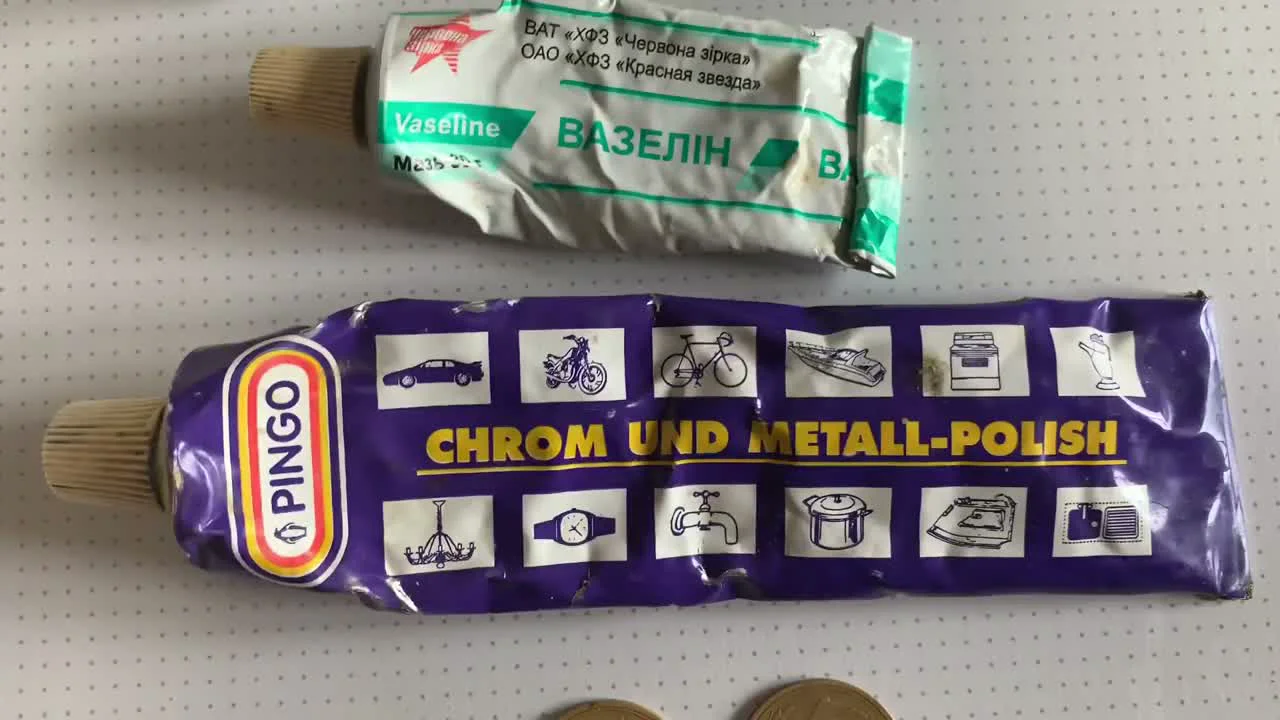
How to Clean a Soviet Bronze Coin at Home: A Simple and Effective Method
There are several ways to buy a coin at an auction and sell it at the same venue for double the price. One of the most effective methods is pre-sale preparation. This is a simple but effective approach that will be especially useful for novice collectors and those who want to make money by reselling coins.
Collector's GuideExpertise
Read More →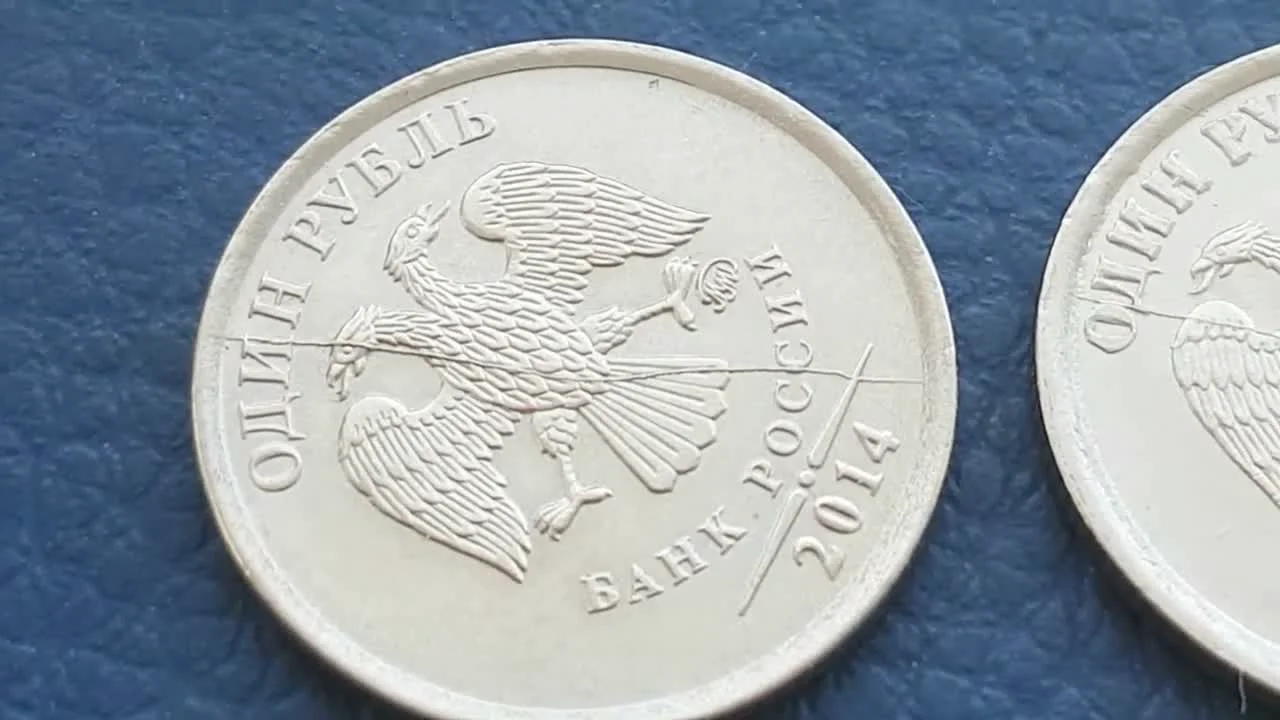
Die Crack: How a Minting Defect Affects a Coin's Value
A die crack is a type of mint error that has been known since ancient times, ever since humanity began minting coins. The reason for its occurrence is simple: no matter how durable the steel from which the die is made, it eventually wears out and cracks from the constant impacts and stresses during the minting process.
Collector's GuideExpertise
Read More →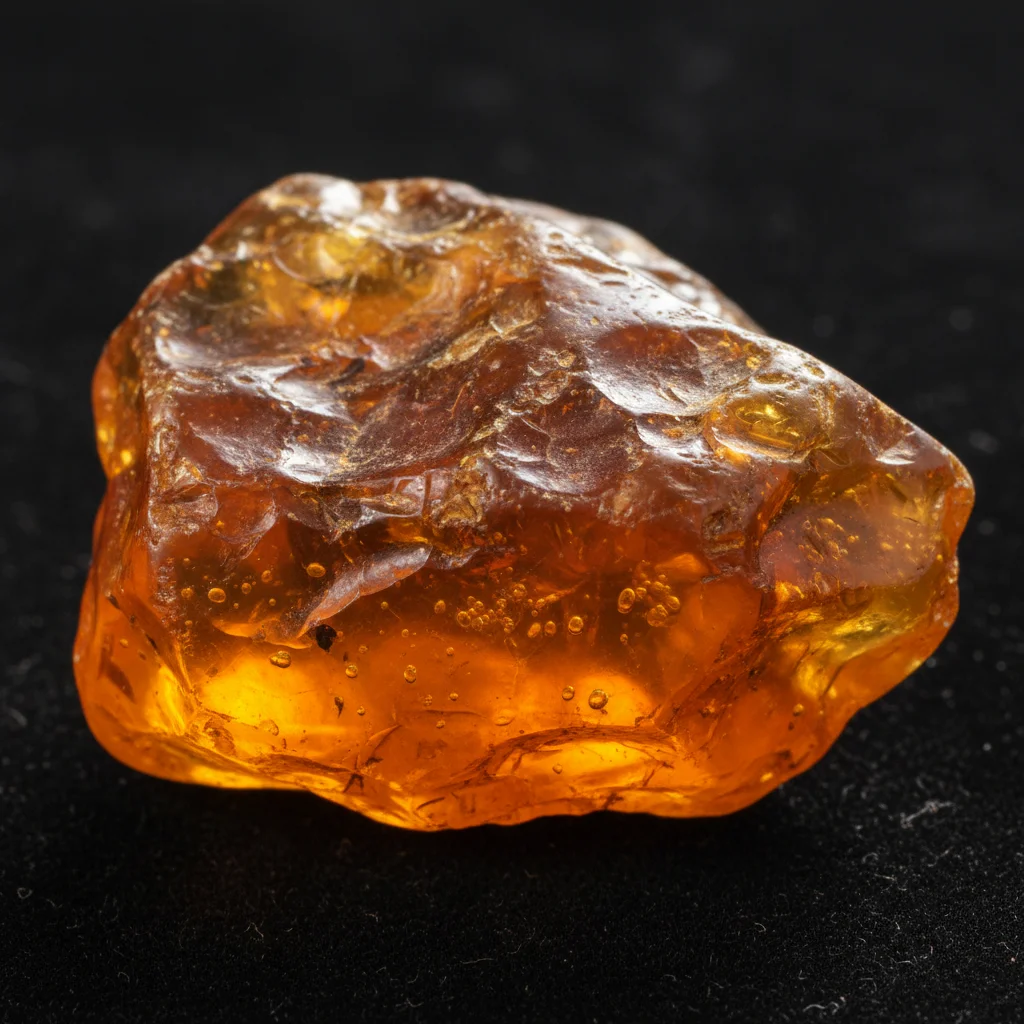
Authenticating Amber: Testing Methods and Signs of Fakes
The first step in authenticating amber begins with a simple visual and tactile analysis. Real amber, being fossilized resin, possesses unique properties. It is very lightweight, which immediately distinguishes it from glass or stone imitations that are significantly heavier for the same volume.
Collector's GuideExpertise
Read More →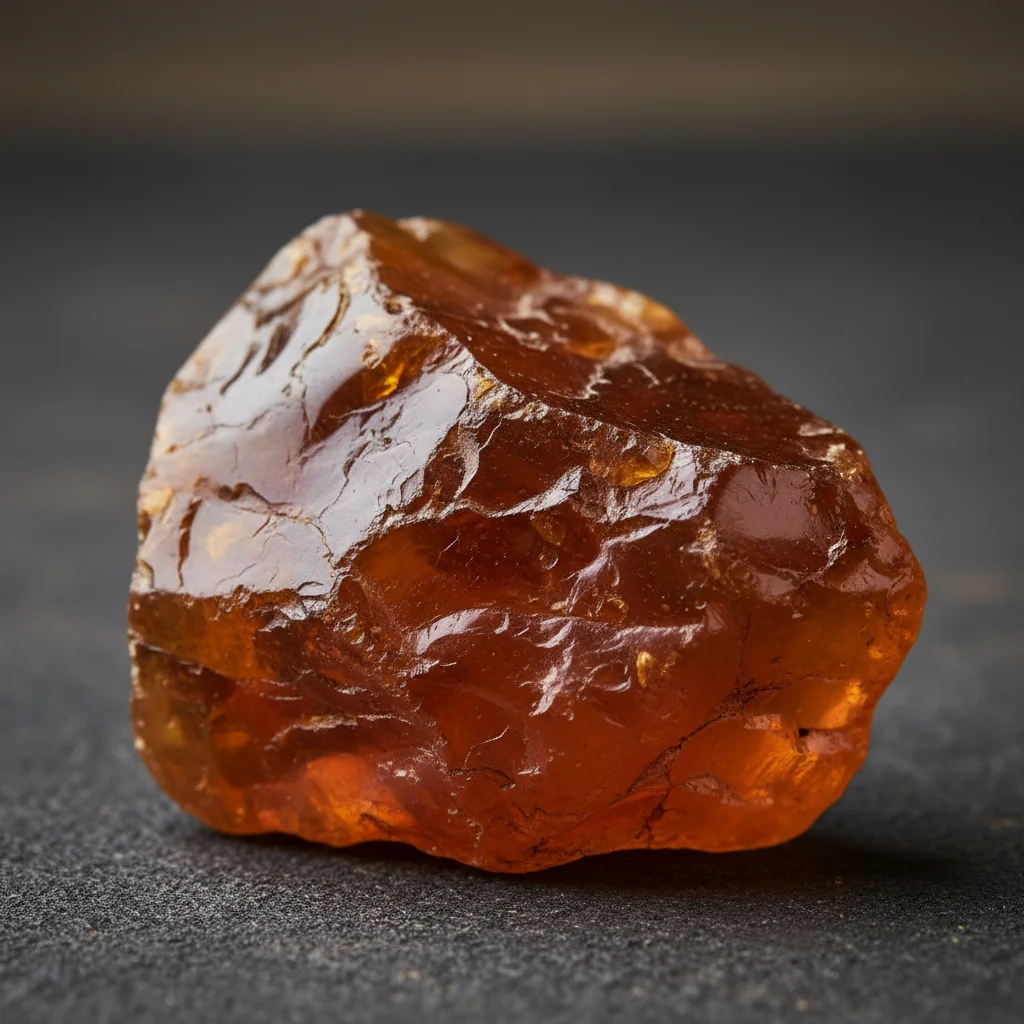
Types and Classification of Amber: From Baltic to Dominican
Amber, also known as 'sunstone,' is the fossilized resin of ancient coniferous trees. Its value and properties vary greatly depending on numerous factors that form the basis of its scientific and gemological classification. Understanding these criteria helps distinguish rare specimens from more common ones.
Collector's GuideExpertise
Read More →
Caution, Counterfeit: How to Distinguish a Fake Silver Coin from a Genuine One
The focus is on a 1927 silver coin with a denomination of 50 kopeks. Its obverse depicts the USSR coat of arms and the inscription 'one poltinnik,' while the reverse shows the figure of a worker with a hammer. A special feature of this specimen is its smooth edge, meaning there is no inscription on the coin's rim.
Expertise
Read More →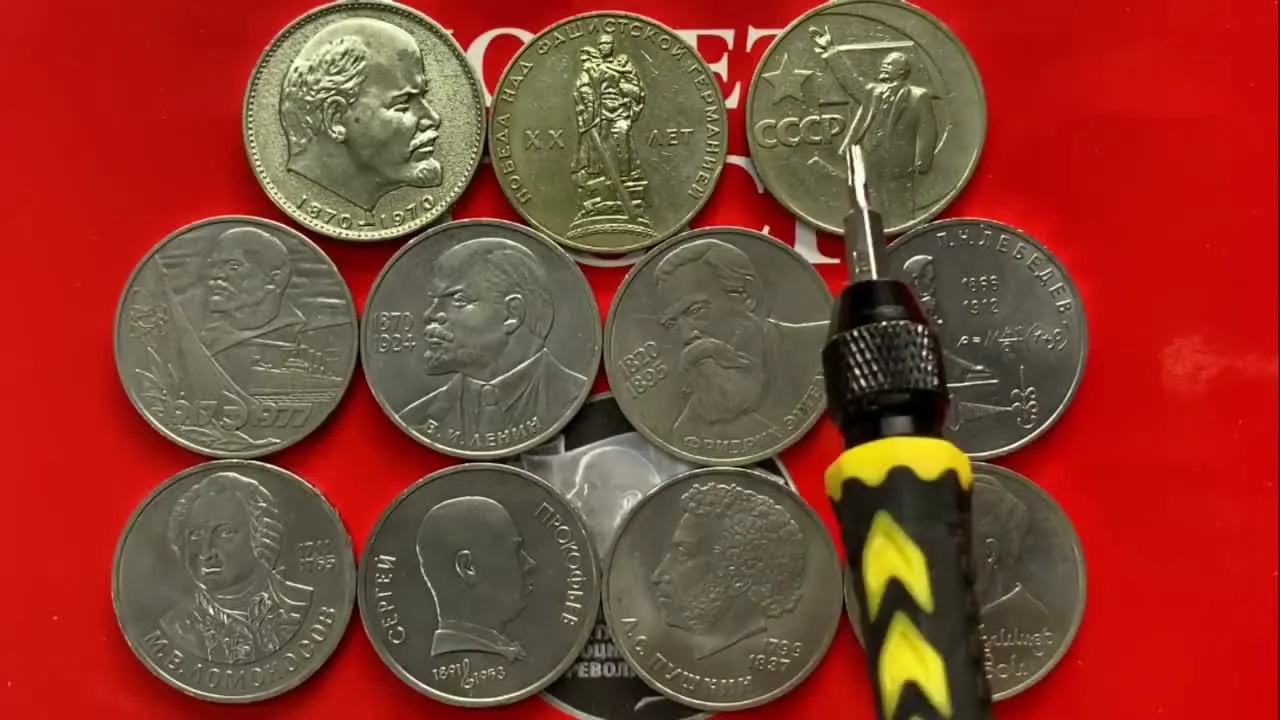
Rare and Expensive USSR Commemorative Rubles: Which Varieties Are Worth Thousands of Dollars
Among the many commemorative rubles of the Soviet Union, there are several common issues that are often found among the general population. It's important to understand that these coins themselves are not rare and are only of interest to collectors in exceptional condition.
Collector's GuideExpertise
Read More →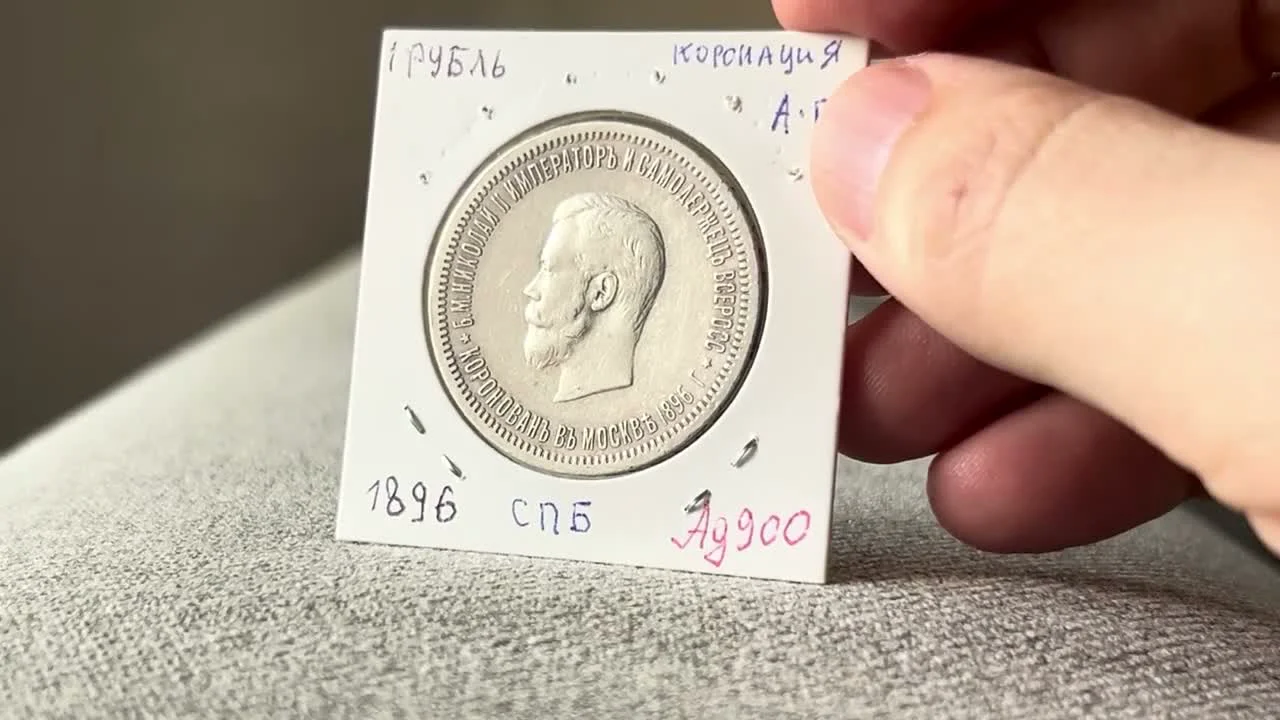
Edge Variety of the 1896 Coronation Ruble
The study of edge inscriptions on silver rubles of the Russian Empire from the late 19th century reveals interesting nuances for collectors. In particular, coins from the reigns of Alexander III and Nicholas II have differences that allow for the identification of rare varieties. One of the key markers for identifying such varieties is the style of the numerals in the edge inscription.
Collector's GuideExpertise
Read More →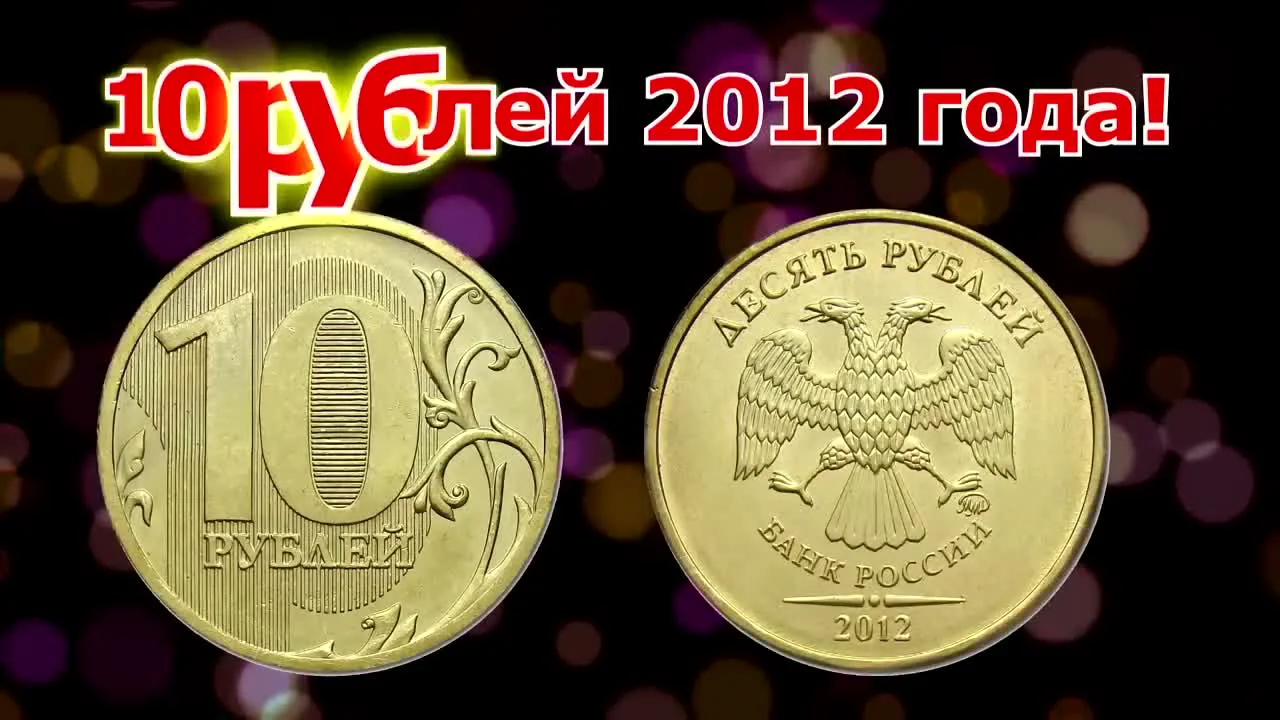
How to Identify Valuable Varieties of the 2012 10-Ruble Coin
Among all 10-ruble coins issued in 2012, there are only four official varieties. Despite their apparent uniformity, three of these four variants are rare and are valued by collectors at significantly more than their face value.
Collector's GuideExpertise
Read More →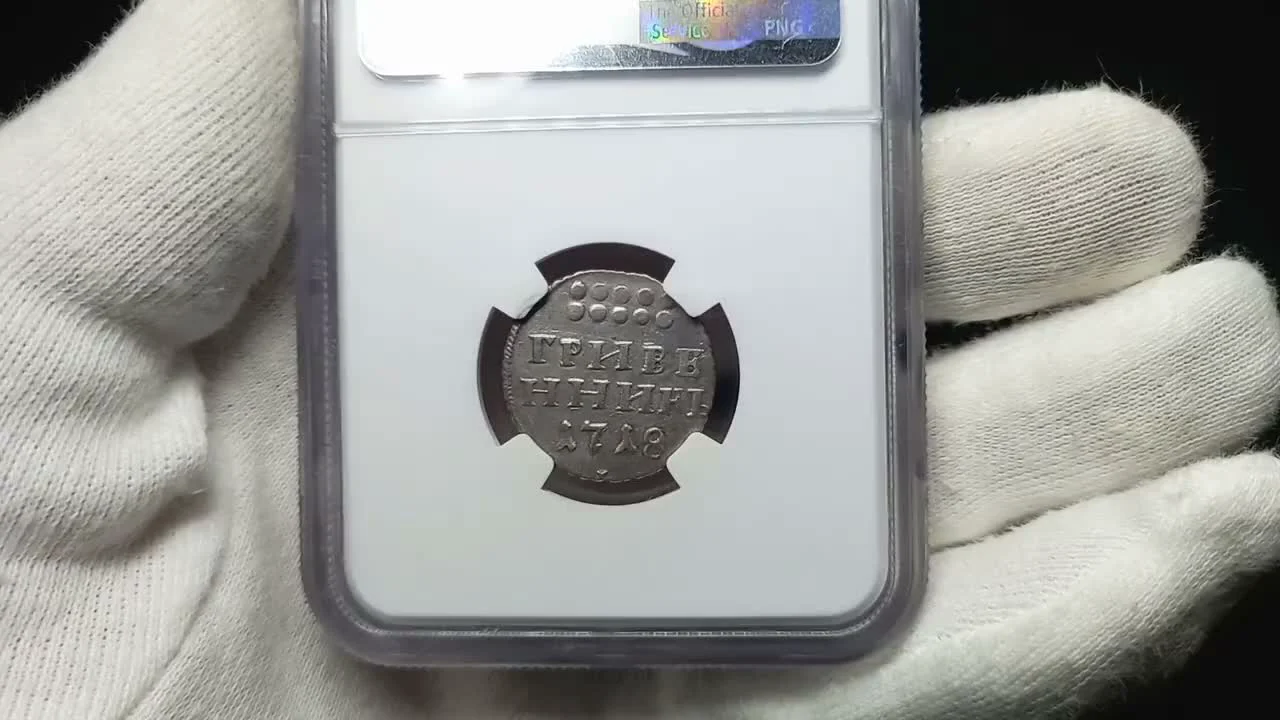
Polishing Peter I's Grivennik: How to Remove Scratches from a Rare Coin
An interesting specimen came in for work: a 1718 grivennik of Peter I, encapsulated in a slab by the American grading company NGC. Such coins, especially in good condition, are of significant interest to numismatists.
ExpertiseCollector's Guide
Read More →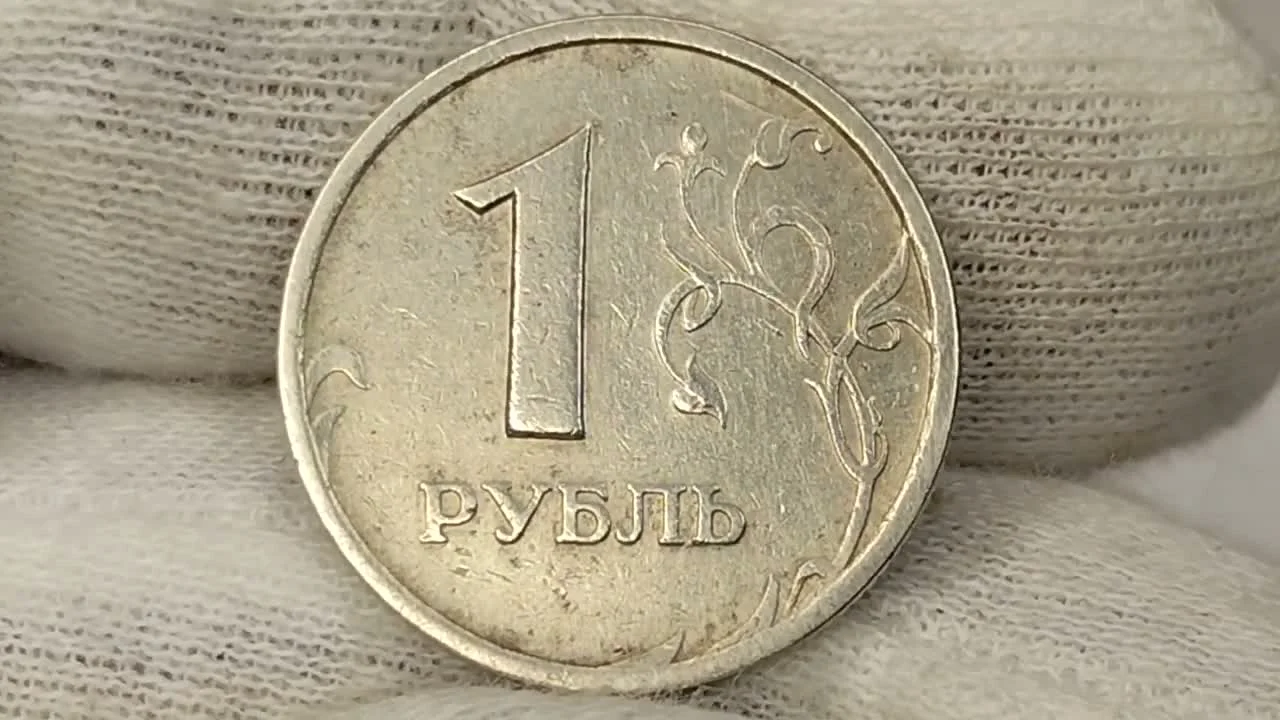
Value of the 1 Ruble 1997 Coin (SPMD): Varieties and Rare Errors
The 1 Ruble coin of 1997 was minted at the Saint Petersburg Mint (SPMD). Its reverse features a large numeral '1' shifted to the left of center, with the inscription 'РУБЛЬ' (RUBLE) underneath. The design is complemented by a plant ornament on the right and partially on the left.
Collector's GuideExpertise
Read More →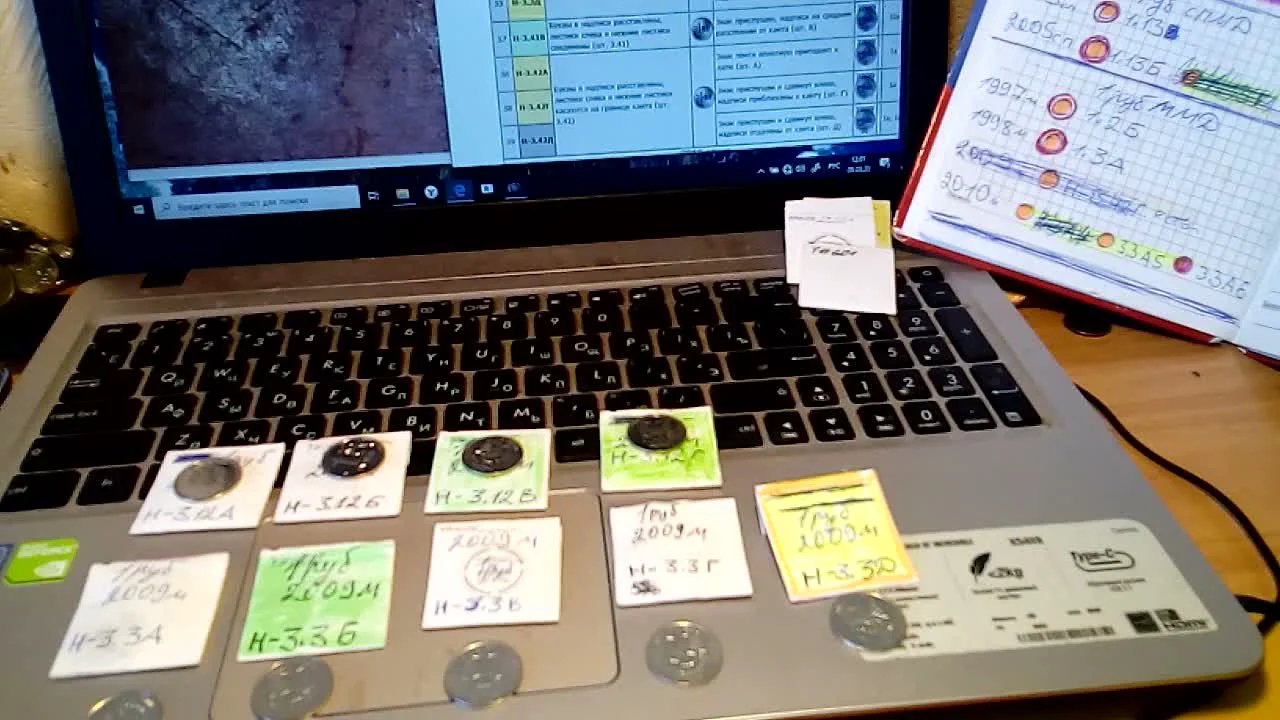
Varieties of the 1 Ruble 2009 MMD Coin: A Complete Identification Guide
In 2009, the Moscow Mint (MMD) issued steel 1 ruble coins with plating, which have 13 official varieties. These variants differ in the details of the obverse and reverse dies, making them an interesting object for collectors.
Collector's GuideExpertise
Read More →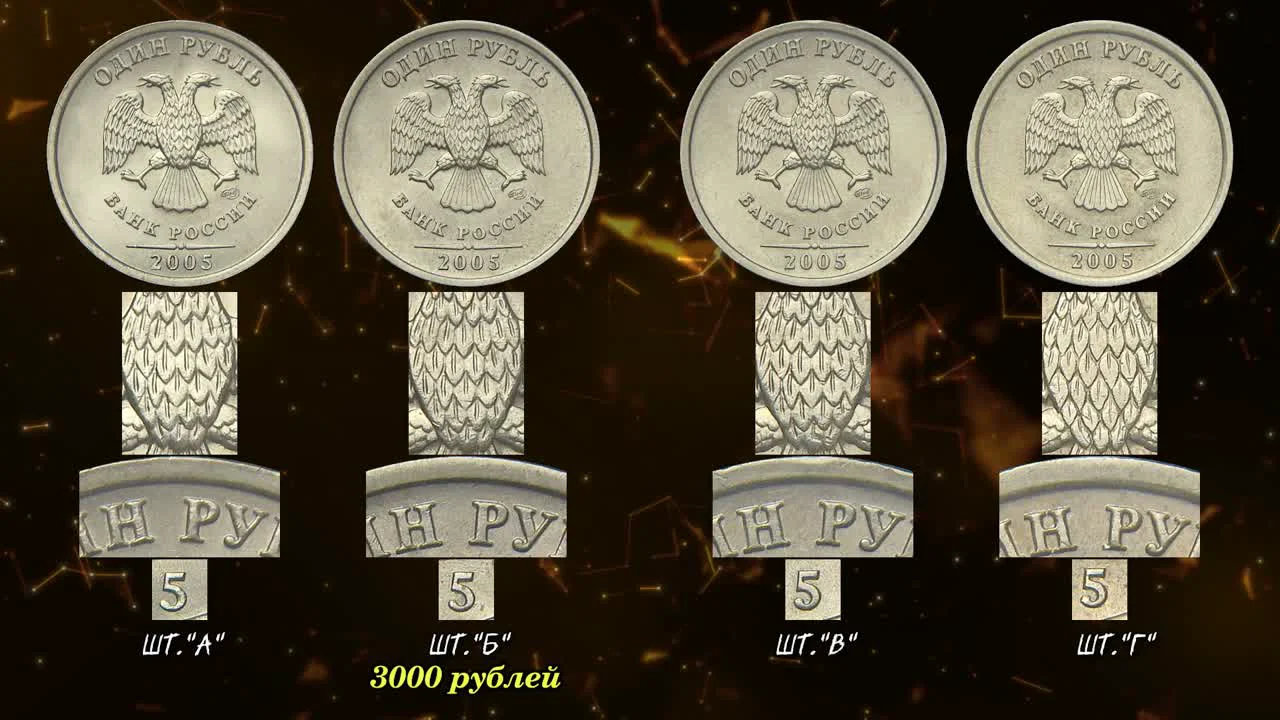
Varieties and Value of the 1 Ruble 2005 SPMD Coin
In 2005, 1-ruble coins were issued by both Russian mints. Among the specimens produced at the Saint Petersburg Mint (SPMD), there are rare varieties whose value among numismatists can reach 3,000 rubles and more.
Collector's GuideExpertise
Read More →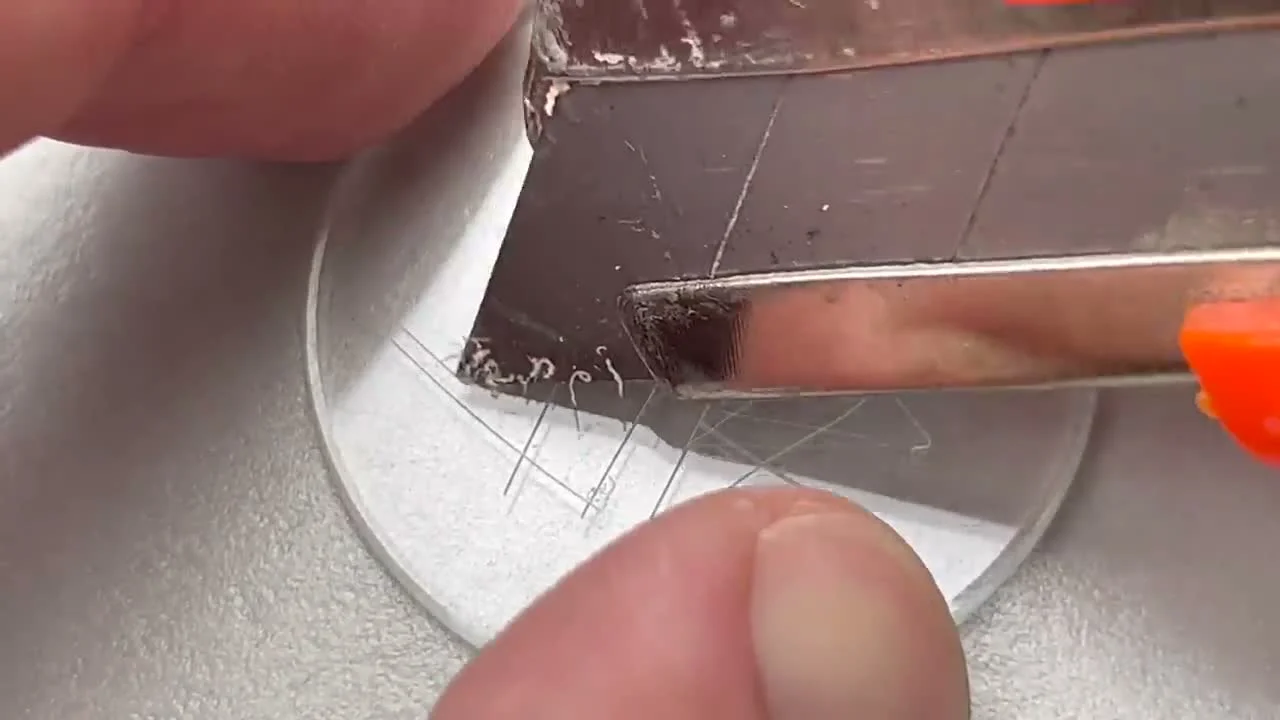
Which Watch Crystal is Better: Acrylic, Mineral, or Sapphire?
Every wristwatch has a crystal that protects the dial and hands. Although we look at it constantly, we rarely think about its properties. The watch industry uses three main types of crystals, each with its own unique characteristics.
Expertise
Read More →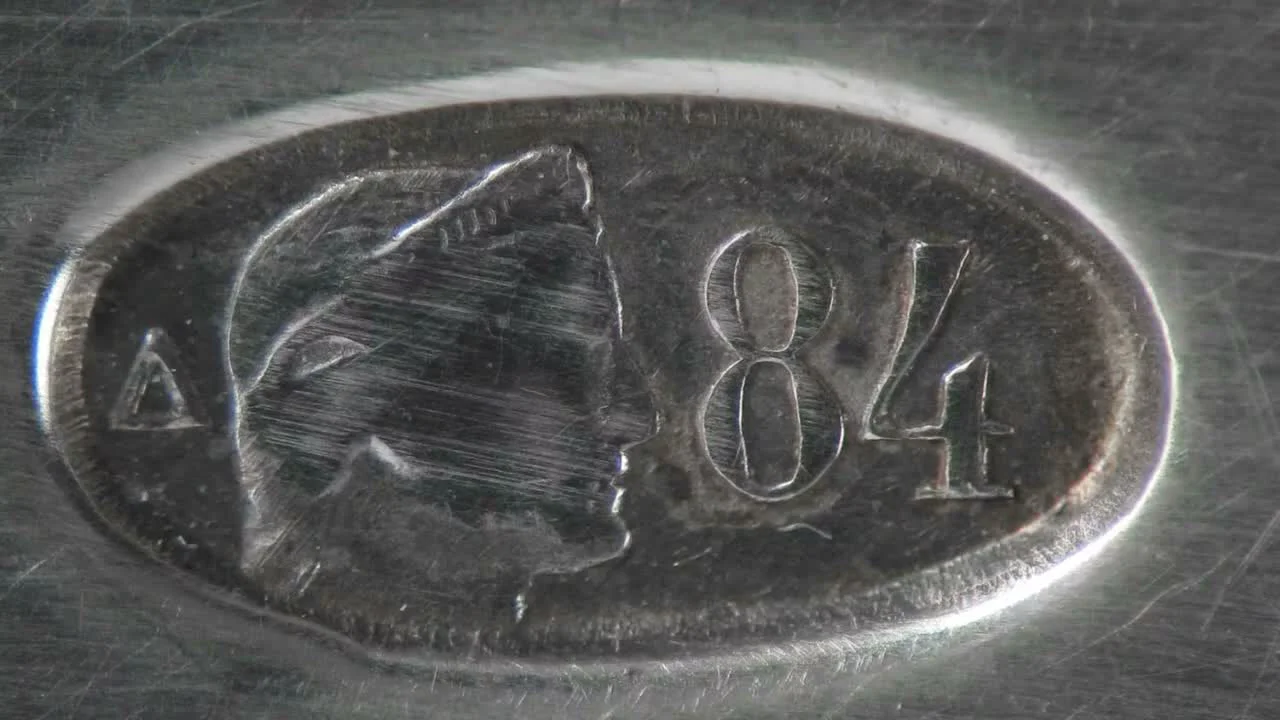
Signs of Authenticity and Forgery of Silver Hallmarks from 1908-1917
The last state hallmark of the Russian Empire, used from 1908 to 1917, is distinguished by its complex execution, which makes it difficult to forge even with modern technologies. The original hallmarks were created by engravers of the Mint, and their craftsmanship is still difficult to replicate.
ExpertiseCollector's Guide
Read More →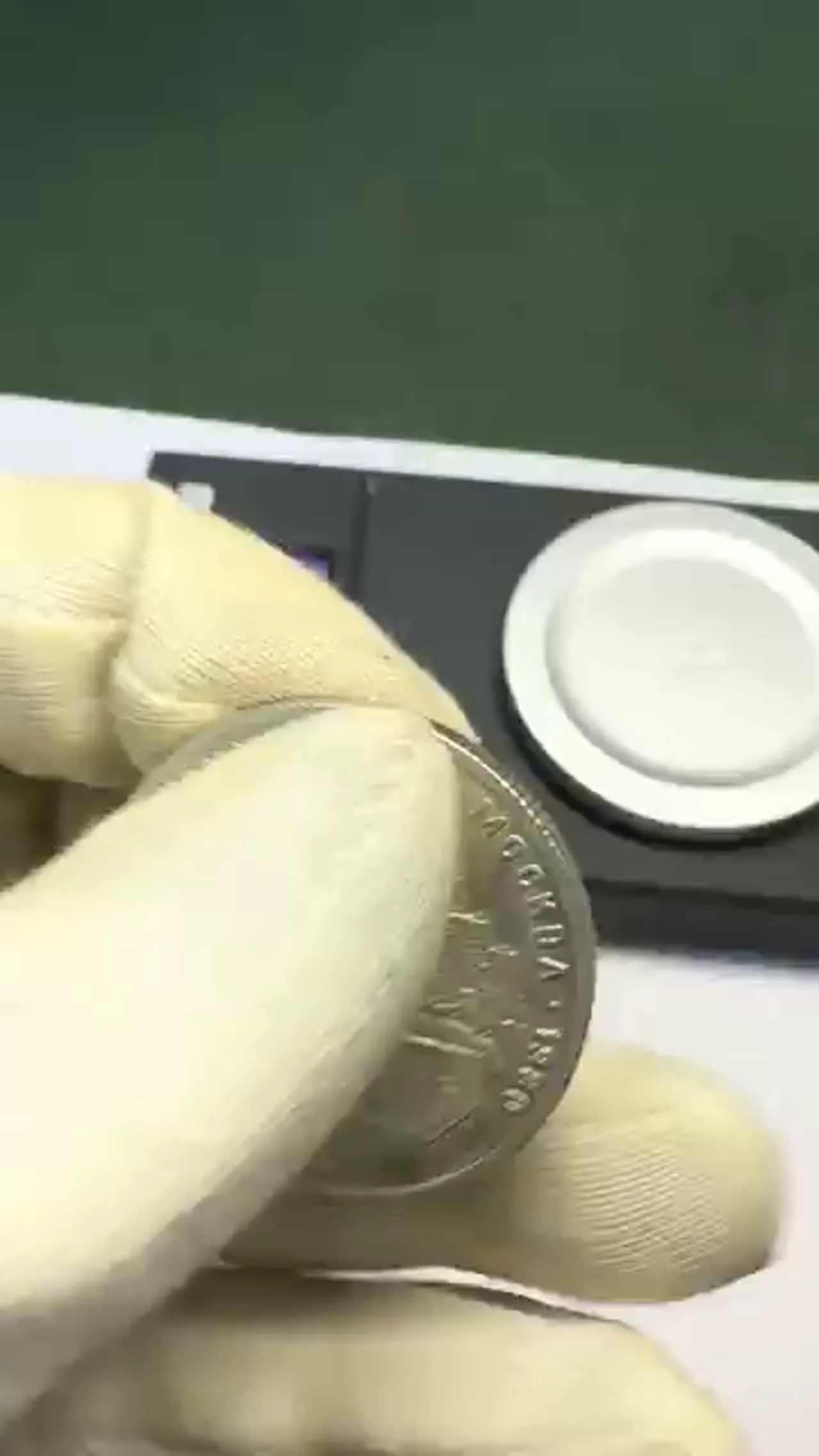
How to Spot a Fake 5 Ruble 'Olympics-80' Coin
Fairly high-quality copies of silver coins from the 'Olympics-80' series can be found on the market. At first glance, such a counterfeit can look convincing, especially if it is in an album or capsule as part of a complete coin set.
ExpertiseCollector's Guide
Read More →