How to Determine the Authenticity of a Silver Coin: Three Reliable Methods - AUCBURG | AUCBURG
How to Determine the Authenticity of a Silver Coin: Three Reliable Methods
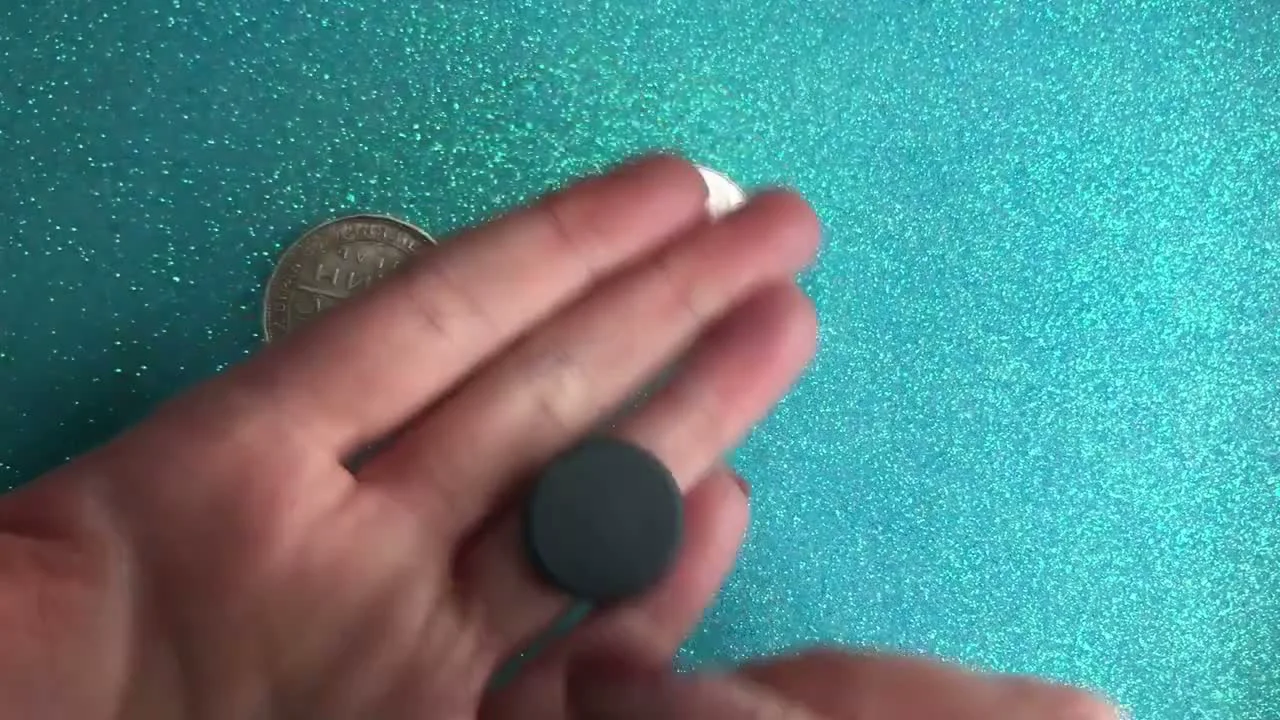
One of the quickest and easiest ways for an initial check of a silver coin is using a magnet. Genuine silver coins are not magnetic, which means they should not be attracted to a magnet.
One of the quickest and easiest ways for an initial check of a silver coin is using a magnet. Genuine silver coins are not magnetic, which means they should not be attracted to a magnet.
Counterfeits are often made from cheaper metals, such as steel, which is then plated with a thin layer of silver. Since steel is a ferromagnetic material, such a fake coin will react to a magnet. If the coin is attracted, no further testing is needed — you have a fake.
Precise Weight: The Key to Determining Authenticity
Coin
Year of Issue
Standard Weight
1 ruble
1924
20.0 g
50 kopeks
1922, 1924
10.0 g
20 kopeks
-
3.6 g
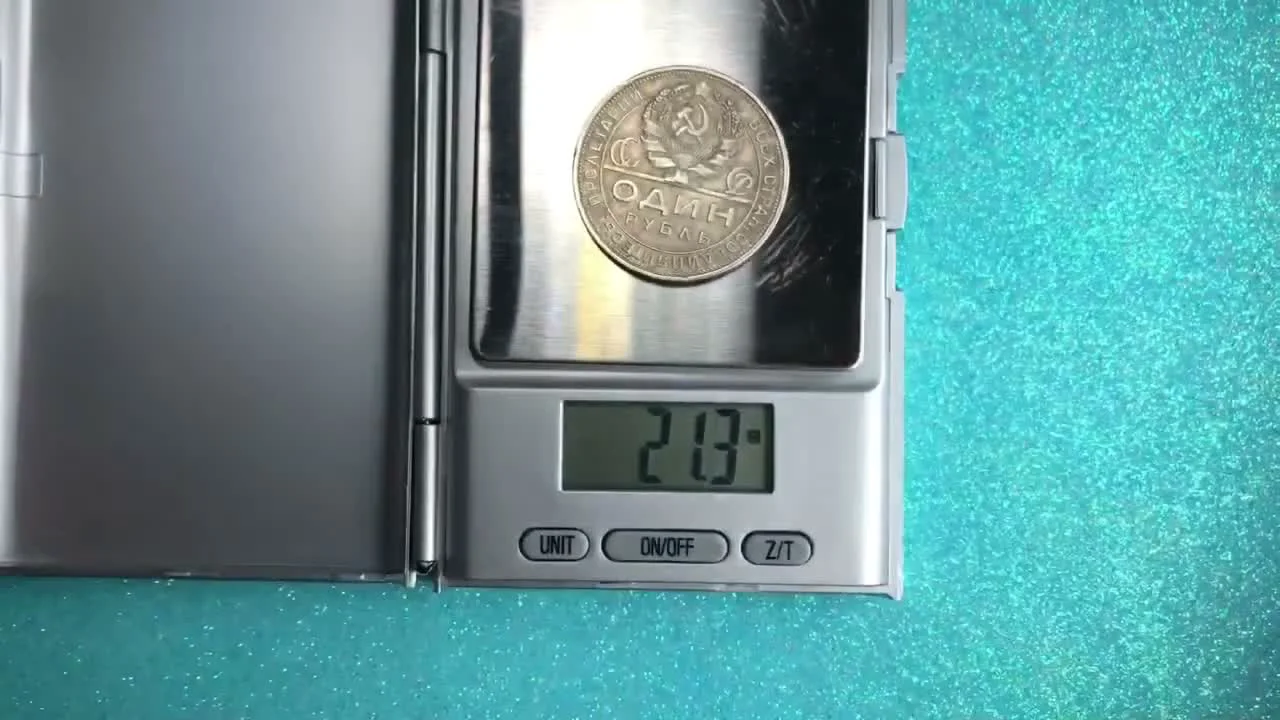
Weight is a critically important parameter when examining coins. The weight of a counterfeit almost always differs from the weight of an original specimen. To verify authenticity, it is necessary to use precise jewelry scales.
Every coin has a strictly established weight, which can be found in numismatic catalogs or on specialized websites. Deviations from the standard should raise suspicion. The weighing accuracy should be maximal, as if in a pharmacy.
Precise Weight: The Key to Determining Authenticity
Archimedes' Principle: A Scientific Approach for Numismatists
A more complex, but also more accurate, method of authentication is based on Archimedes' principle, which allows for determining the density of the metal. This method should be in the arsenal of every beginner numismatist. To conduct the experiment, you will need simple items: a glass of water, a scale, and a thread or tape to suspend the coin.
The verification process consists of several steps:
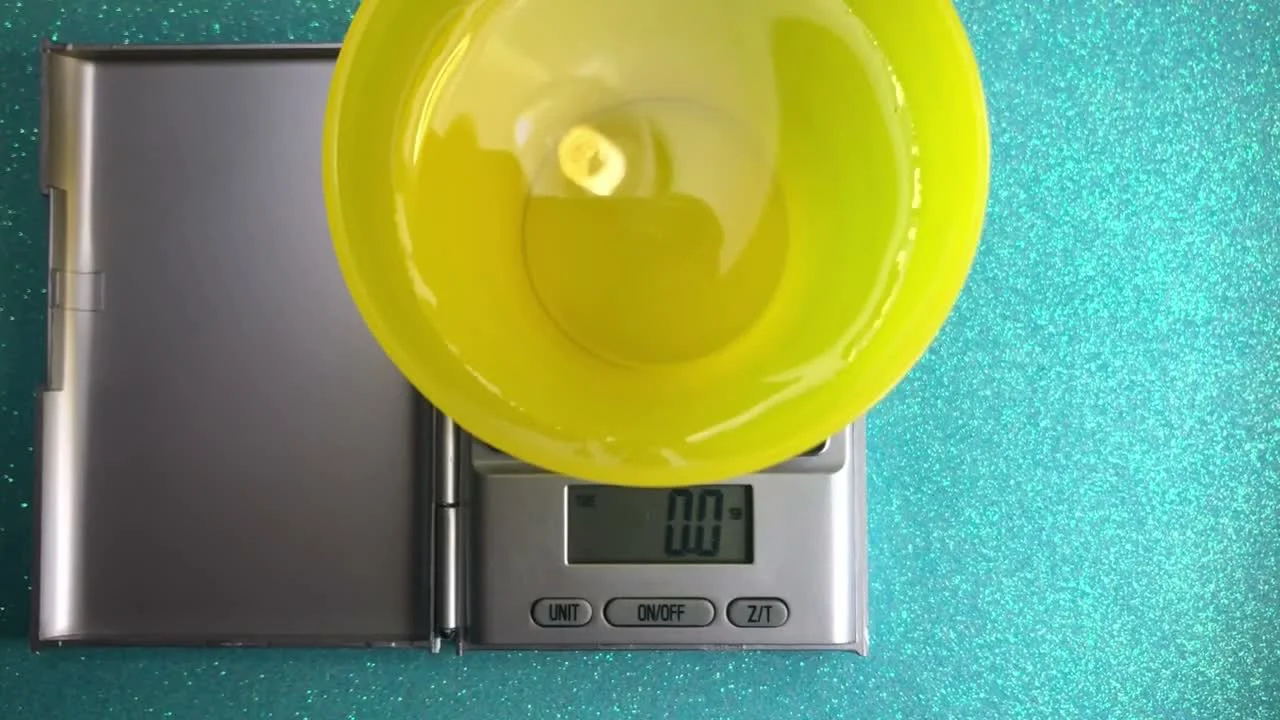
Place the glass of water on the scale. The amount of water should be sufficient for the coin to be fully submerged without touching the bottom.
Zero out the scale's reading (the 'tare' function).
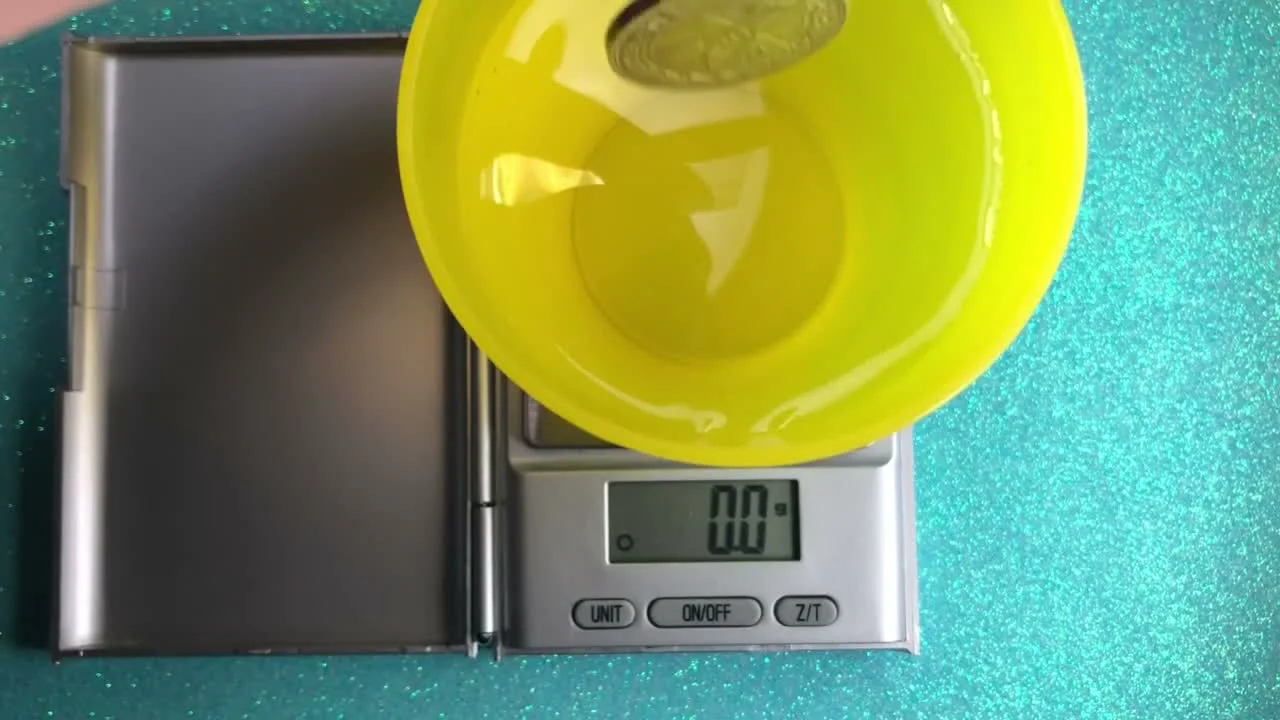
Suspend the coin with a thread or tape and completely lower it into the water. It is important that the coin does not touch the sides or bottom of the glass.
The scale will show an increase in weight — this is the weight of the water displaced by the coin.
Archimedes' Principle: A Scientific Approach for Numismatists
Practical Calculation of Metal Density
After measuring the weight of the coin and the weight of the displaced water, you can calculate the metal's density using a simple formula: Density = Coin Weight / Displaced Water Weight. The resulting value is compared with the standard density of silver. For example, for a 1 ruble coin weighing 20 g that displaced 2 g of water, the calculation would be: 20 / 2 = 10. This value corresponds to the density of silver.
For comparison, you can use a table of densities for various metals. The density of silver is about 9-10 g/cm³, while steel is 7-9 g/cm³. This method is also suitable for determining the fineness.
The 1924 Soviet ruble has a fineness of 900, and its precise density should be 10.30 g/cm³. The discrepancy with the obtained value (10) is explained by the margin of error of regular, not laboratory, scales. In a similar way, you can check other coins and even jewelry, provided they do not have stones or hollow parts.