
Collector's Guide
Step-by-step instructions for beginners. Term dictionaries, storage guides, legal and tax advice.
Articles (310)
Page 6 of 16
Collecting as a Hobby: The Psychology of the Passion for Gathering
At the heart of the passion for collecting often lies an ancient "hunter's instinct." A modern collector, like their ancestors, experiences the thrill of the hunt—searching, tracking, and finally, "capturing" the desired item. This search turns into a fascinating adventure, full of research and unexpected discoveries.
Collector's Guide
Read More →
Modern Collecting Trends: What's Popular Now?
In recent years, there has been a noticeable decline in interest in classic antique furniture. Pieces in Baroque, Empire, or Rococo styles, once symbols of status and luxury, are increasingly rare in modern interiors. The main reason for this is the shift in lifestyles and aesthetic preferences.
Collector's Guide
Read More →
The Most Common Mistakes for Beginners and How to Avoid Them
Starting out in the world of collecting is often accompanied by enthusiasm and the desire to immediately build an impressive collection. However, it is at this stage that beginners encounter typical mistakes that can lead to wasted money and disappointment. The main ones are chasing quantity over quality and buying items in poor condition with the faint hope of restoring them.
Collector's Guide
Read More →
Collection Insurance: Why You Need It and How It Works?
For many, collecting is not just a hobby, but a serious capital investment. Paintings, sculptures, antique furniture, and other valuable items are expensive assets, the loss of which can cause significant financial damage. A standard home or apartment insurance policy typically does not cover the full value of such objects.
Collector's Guide
Read More →
Books Every Collector Should Read: Our Selection
For any serious collector, a personal library begins with foundational publications, and catalogues raisonnés hold the foremost place among them. These monumental works represent a complete and exhaustive compilation of all known works by a specific artist, compiled by authoritative experts.
Collector's Guide
Read More →
Creating the Perfect Display: How to Exhibit Your Collection at Home?
The first step to creating a home exhibition is choosing the right place to store and display your collection. A display case or shelving unit serves not only for aesthetic presentation but also for protecting valuable items from dust, humidity, and accidental damage. Several key factors should be considered when making a choice.
Collector's Guide
Read More →
Legal Aspects of Collecting: Import, Export, and Ownership of Cultural Property
For the state, items of historical, artistic, or other cultural significance are of particular importance. Therefore, their circulation is strictly regulated. The main document in this area is the Law of the Russian Federation No. 4804-1 'On the Export and Import of Cultural Property'. It provides a clear definition and establishes the criteria by which an item is assigned to this category.
Collector's Guide
Read More →
How to Avoid Becoming a Victim of Scammers: Common Fraud Schemes in the World of Collecting
One of the oldest and most common scams in collecting is the sale of high-quality copies disguised as genuine rarities. Modern technology allows for the creation of counterfeit antiques that can be difficult for even an experienced eye to distinguish from the original. Coins, stamps, paintings, porcelain, and jewelry are especially common targets for forgery.
Collector's Guide
Read More →
Collector's Terminology: What Are Provenance, Patina, and Grading?
Provenance (from the French provenance — origin, source) is the documented history of ownership of an art or collectible object. It traces the artifact's journey from its creation to its current owner.
Collector's Guide
Read More →
Where to Find Items for Your Collection: From Flea Markets to Online Auctions
For every collector, the search for a new item is not just a purchase, but a real hunt, full of excitement and anticipation. Today, the world offers many ways to expand a collection, each with its own features, advantages, and disadvantages. From the dusty stalls of flea markets, where you can find an unexpected treasure, to digital platforms that connect sellers and buyers from all over the world.
Collector's Guide
Read More →
Storage and Care Rules: How to Protect Your Collection from Time?
Every collector knows that owning valuable items is only half the battle. The main task is to preserve them for posterity, protecting them from the relentless influence of time. There are three main factors that pose the greatest threat to any collection: ultraviolet radiation, humidity fluctuations, and unstable temperature. These invisible enemies can cause irreparable damage.
Collector's Guide
Read More →
Digitizing a Collection: The Best Programs and Apps for Cataloging
For many collectors, a notebook or an Excel spreadsheet seems like a familiar and sufficient tool for keeping track of their treasures. However, as a collection grows, this approach quickly reveals its shortcomings. Paper records are easy to lose or damage, and it's difficult to store photos and the detailed history of each item in spreadsheets.
Collector's Guide
Read More →
A Collector's Guide to Taxes: Everything About Personal Income Tax, Deductions, and Customs Duties
From a legal standpoint, any sale of collectible items, whether they are coins, paintings, or stamps, is considered income. This income is subject to personal income tax (PIT) at a rate of 13% for residents of the Russian Federation. However, the obligation to pay tax does not always arise.
Collector's Guide
Read More →
How to Choose Your Niche in Collecting: From Coins to Contemporary Art
The world of collecting is vast and diverse, offering everyone a chance to find their own thing. For some, it's a way to preserve history; for others, an exciting hunt for rare items; and for a third group, a serious tool for alternative investments. The most important thing is to find a field that sparks genuine interest, as passion is the driving force for in-depth study of the subject.
Collector's Guide
Read More →
10 Key Tips for a Novice Collector: Where to Start Your Journey?
The first and most important step in any collector's journey is choosing a focus. Don't chase trends or potential profit. The most valuable and interesting collections are born from genuine passion. Think about what truly interests you: history, art, technology, nature?
Collector's Guide
Read More →
Aspects juridiques de la collection : importation, exportation et possession de biens culturels
Pour un collectionneur, chaque objet est unique, mais pour l'État, il peut constituer un bien culturel. La législation russe, en particulier la loi fédérale n° 4804-1 « Sur l'exportation et l'importation des biens culturels », en donne une définition claire. Ces biens comprennent les objets mobiliers du monde matériel, indépendamment de leur date de création, qui ont une importance historique, artistique, scientifique ou autre valeur culturelle. Il peut s'agir de peintures, de sculptures, d'icônes, d'objets d'arts décoratifs et appliqués, de découvertes archéologiques, de livres anciens, de monnaies, d'ordres et de médailles, d'instruments de musique uniques et bien plus encore.
Collector's Guide
Read More →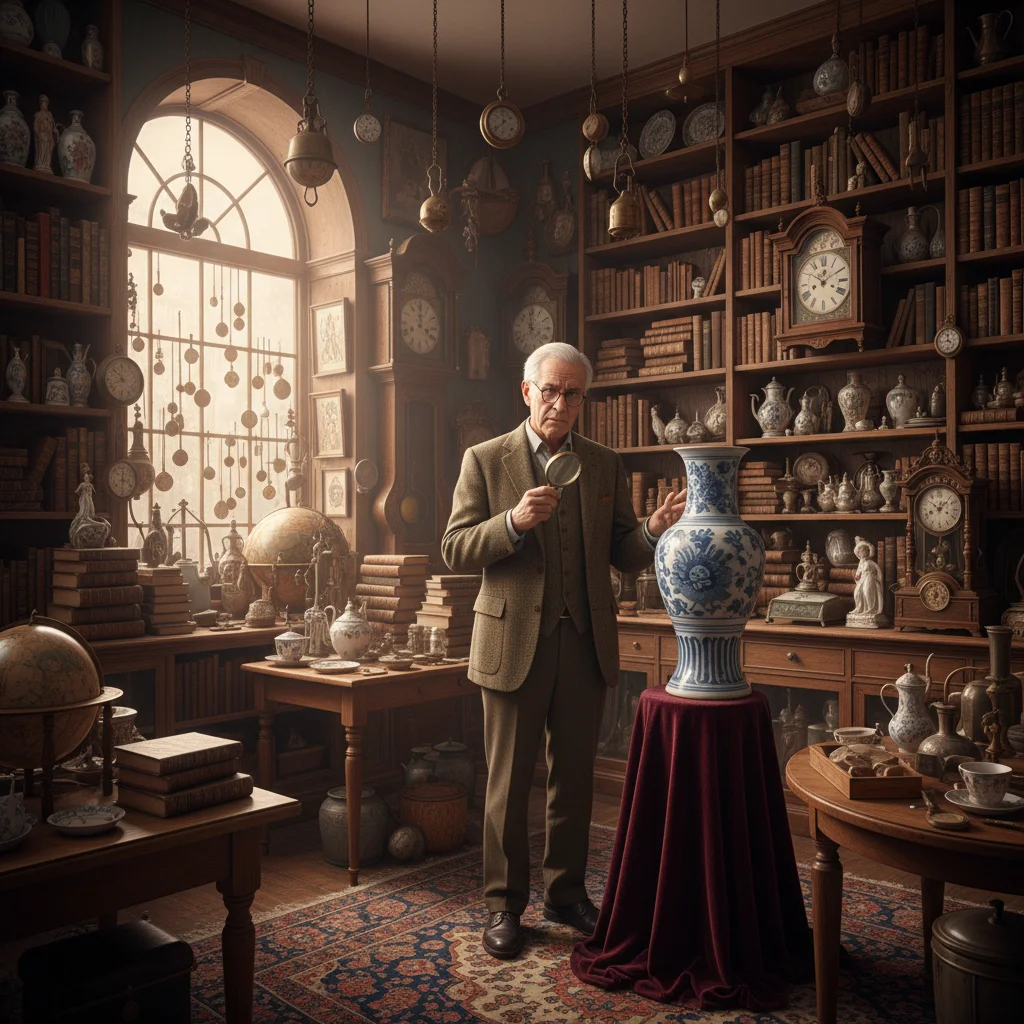
Как не стать жертвой мошенников: основные схемы обмана в мире коллекционирования
Мир коллекционирования полон удивительных открытий, исторических загадок и азарта погони за редким экземпляром. Однако там, где вращаются значительные суммы денег и эмоции, неизбежно появляются и те, кто хочет нажиться на чужой страсти нечестным путем. Мошенничество на антикварном рынке старо как сам рынок, но с развитием интернет-торговли его схемы стали более изощренными и массовыми. Отличить подлинный предмет от качественной подделки, а добросовестного продавца от афериста становится все сложнее. Понимание основных уловок и методов обмана является ключевым элементом безопасности для любого коллекционера, независимо от его опыта и сферы интересов. Предупрежден — значит вооружен. Знание — это лучший инструмент, который поможет сохранить не только деньги, но и веру в любимое хобби, защитив от разочарований и обидных потерь.
Collector's GuideExpertise
Read More →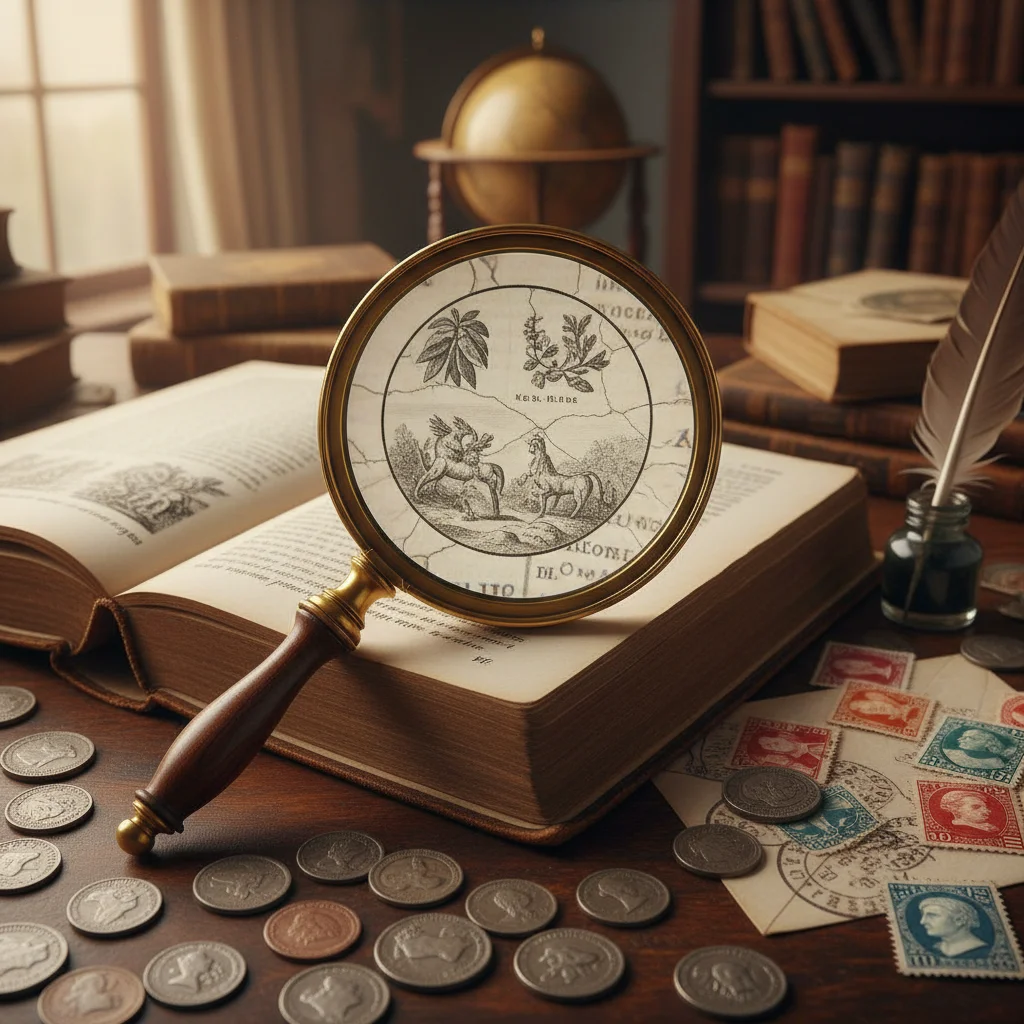
Терминология коллекционера: что такое провенанс, патина и грейдинг?
Мир коллекционирования — это не просто хобби, а целая вселенная со своими законами, правилами и, что самое важное, собственным языком. Для новичка каталоги аукционов и описания лотов могут показаться набором загадочных слов. Однако термины вроде «провенанс», «патина» и «грейдинг» — это не попытка запутать, а необходимость. Они служат для точной и однозначной характеристики предмета, его истории, состояния и, в конечном счете, его ценности. Владение этой терминологией позволяет говорить на одном языке с экспертами, дилерами и другими коллекционерами.
Collector's GuideExpertise
Read More →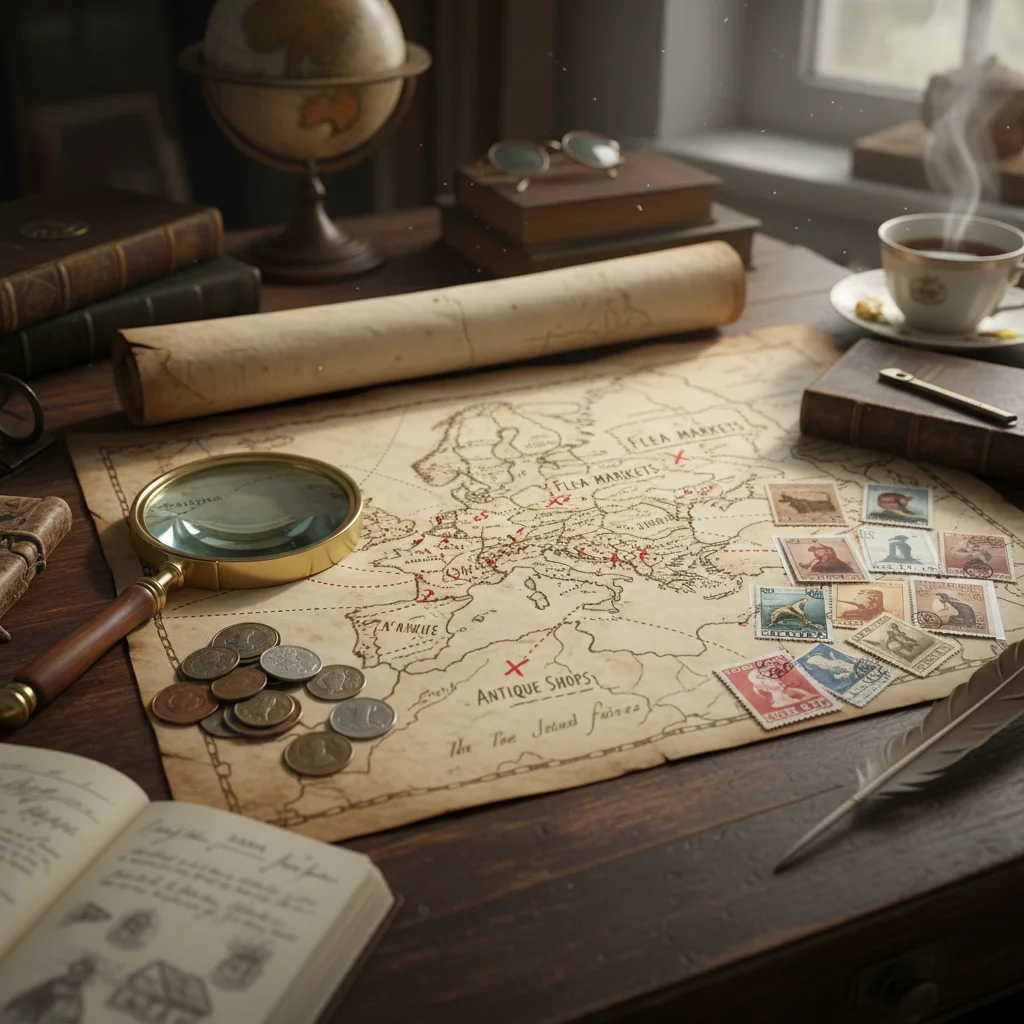
Где искать предметы для коллекции: от блошиных рынков до онлайн-аукционов
Коллекционирование — это не просто обладание предметами, а страстный процесс, в центре которого находится азарт поиска. Для каждого увлеченного человека, будь то филателист, нумизмат или ценитель винтажных игрушек, выбор места для поиска новых экспонатов является решающим. Эти 'охотничьи угодья' определяют не только характер будущих находок, но и сам опыт коллекционирования. Будет ли это неспешная прогулка по рядам блошиного рынка, полная случайных открытий, или напряженная борьба на последних секундах онлайн-аукциона — зависит только от выбранной площадки.
Collector's Guide
Read More →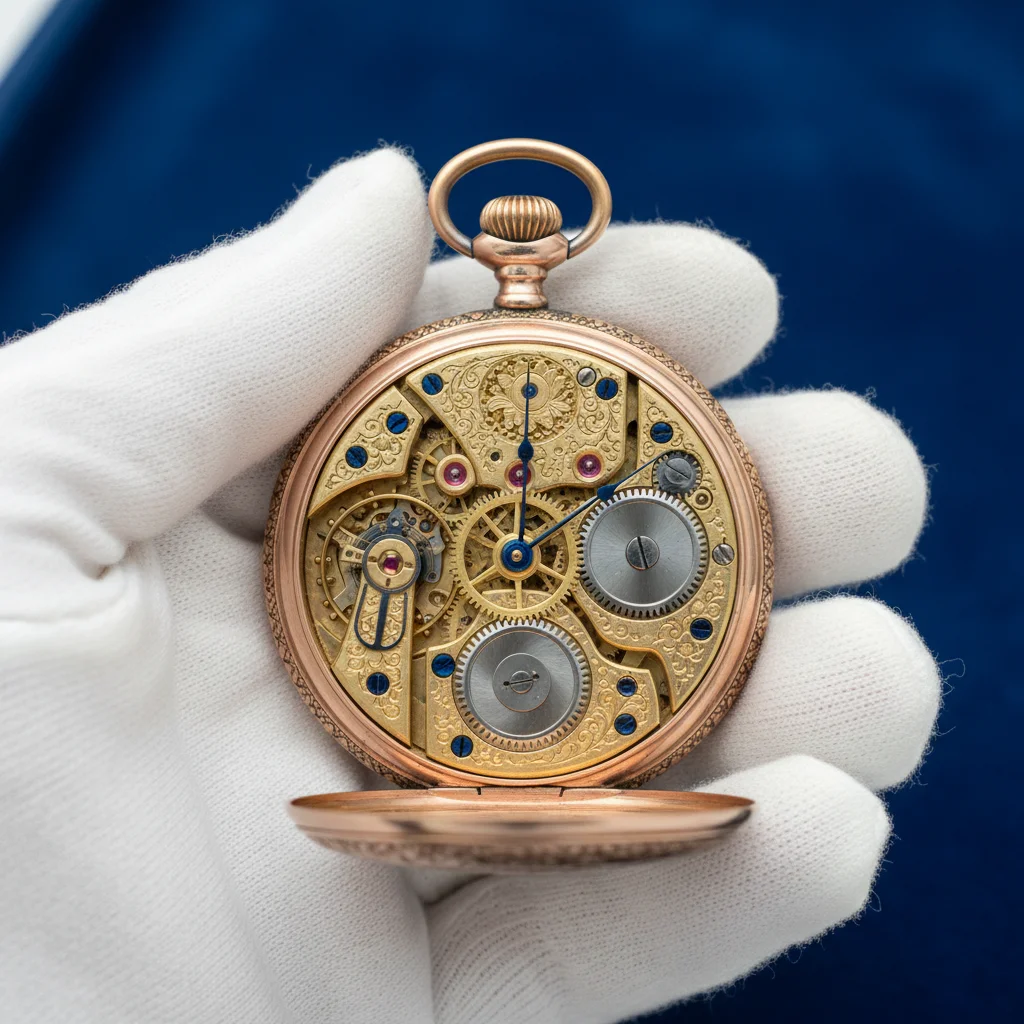
Правила хранения и ухода: как защитить свою коллекцию от времени?
Любая коллекция, будь то собрание редких марок, антикварной мебели или произведений искусства, является не только предметом гордости, но и активом. Ценность этого актива напрямую зависит от его физического состояния. Предмет в идеальном, или, как говорят коллекционеры, «мятном» состоянии, может стоить в десятки раз дороже своего аналога с потертостями, выцветшими красками или следами коррозии. Время неумолимо, и естественные процессы старения материалов неизбежны, однако задача коллекционера — максимально замедлить их.
Collector's GuideInvestments
Read More →