Creating the Perfect Display: How to Exhibit Your Collection at Home? - AUCBURG | AUCBURG
Creating the Perfect Display: How to Exhibit Your Collection at Home?
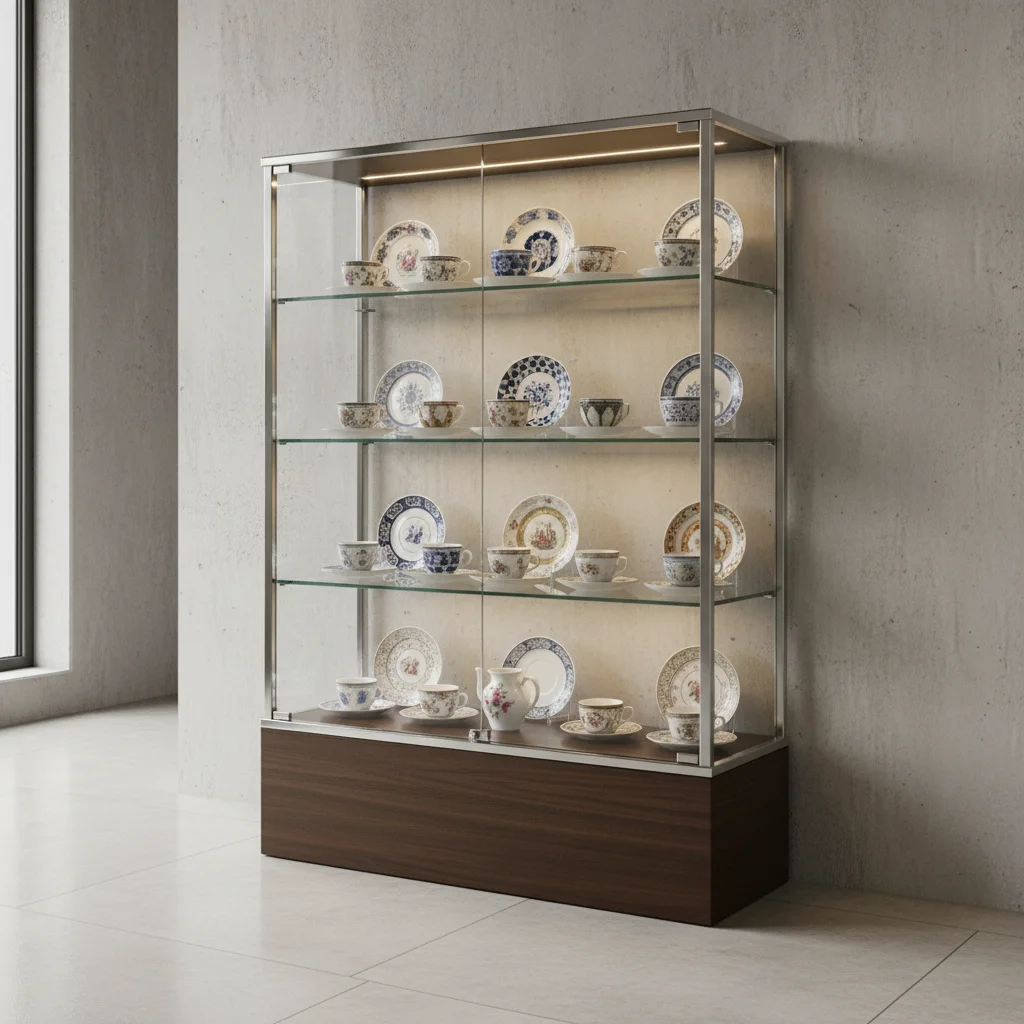
The first step to creating a home exhibition is choosing the right place to store and display your collection. A display case or shelving unit serves not only for aesthetic presentation but also for protecting valuable items from dust, humidity, and accidental damage. Several key factors should be considered when making a choice.
Choosing a Display Case: Secure Storage for Your Treasures
The first step to creating a home exhibition is choosing the right place to store and display your collection. A display case or shelving unit serves not only for aesthetic presentation but also for protecting valuable items from dust, humidity, and accidental damage. Several key factors should be considered when making a choice.
It is important that the display case matches both the style of the collection and the overall interior design. For classic items, wooden cabinets with glass doors are suitable, while for modern artifacts, minimalist structures made of metal and glass work well. The airtightness of the display case is crucial for protecting exhibits from dust and humidity fluctuations.
Material: Wood, glass, metal—the choice depends on the interior style and the collection itself.
Protection: The presence of tightly fitting doors to protect from dust and UV filters on the glass to prevent fading.
Strength: Shelves must support the weight of the exhibits without sagging.
Visibility: The design should provide a good view of the collection from all necessary angles.
The Art of Light: Proper Lighting for Exhibits
Lighting Type
Advantages
Disadvantages for Collections
LED
Low heat emission, no UV radiation, long lifespan
Relatively high initial cost
Halogen
Bright light, good color rendering
High heat emission, presence of UV radiation (requires filters)
Incandescent
Warm, cozy light
High heat emission, low energy efficiency, color distortion
Lighting plays one of the key roles in the perception of a collection, but incorrect light can cause irreparable harm. The main task is to find a balance between effective presentation and safety for the exhibits. Direct sunlight is detrimental to most materials, so the collection should be placed away from windows.
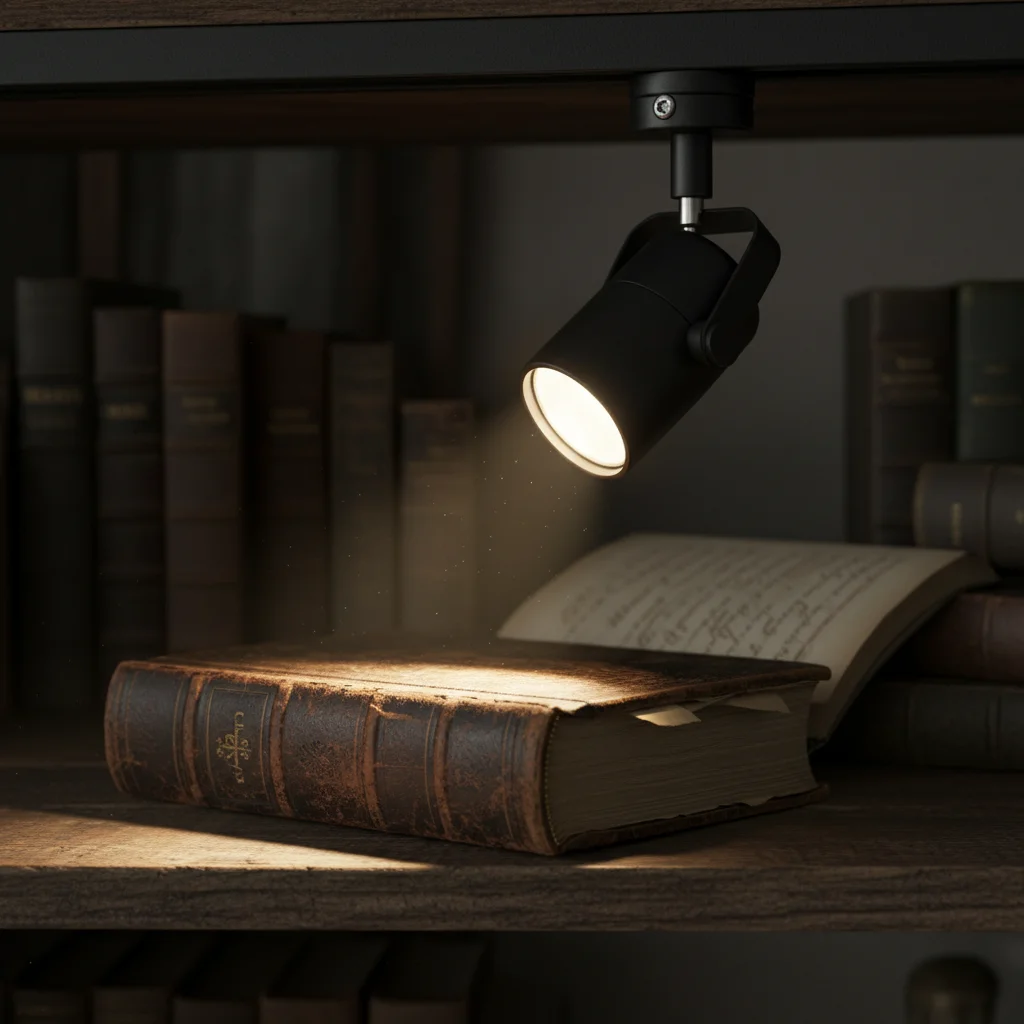
For artificial lighting, LED lamps are the best choice. They emit virtually no heat or ultraviolet radiation, unlike halogen or incandescent lamps, which can damage paintings, textiles, or paper over time. It is also important to choose the right color temperature and direction of light to highlight the details and texture of the items without creating glare.
It is recommended to use spotlights or track lighting, which allow you to direct the light beam precisely onto the object. This creates a museum-like effect and focuses attention on the most important elements of your home exhibition.
The Art of Light: Proper Lighting for Exhibits
Principles of Hanging Pictures: From Chaos to Harmony
Proper picture hanging can transform any space. There are several time-tested principles used by both museum curators and interior designers. The main rule is to create visual balance and logic in the composition.
The most common method is the museum hang. It suggests that the center of a picture or the central axis of a group of pictures should be at the viewer's eye level, which is approximately 145-152 cm from the floor. This creates the most comfortable perception of artworks.
Focal Point: Determine the visual center of the composition. This is usually the largest or brightest work, around which the others are grouped.
Axis Alignment: Align the pictures along a central horizontal or vertical axis, or by the top or bottom edges of the frames.
Spacing: Maintain a consistent distance between frames (usually 5-10 cm) so that the composition looks cohesive rather than scattered.
Balance and Symmetry: Group works by size, color, or theme, creating a composition that is symmetrical or asymmetrical but balanced.
Before drilling into the walls, it is recommended to lay out the future composition on the floor or cut out paper templates the size of the pictures and attach them to the wall to evaluate the result.
Principles of Hanging Pictures: From Chaos to Harmony
Antiques in a Modern Interior: The Art of Combining Eras
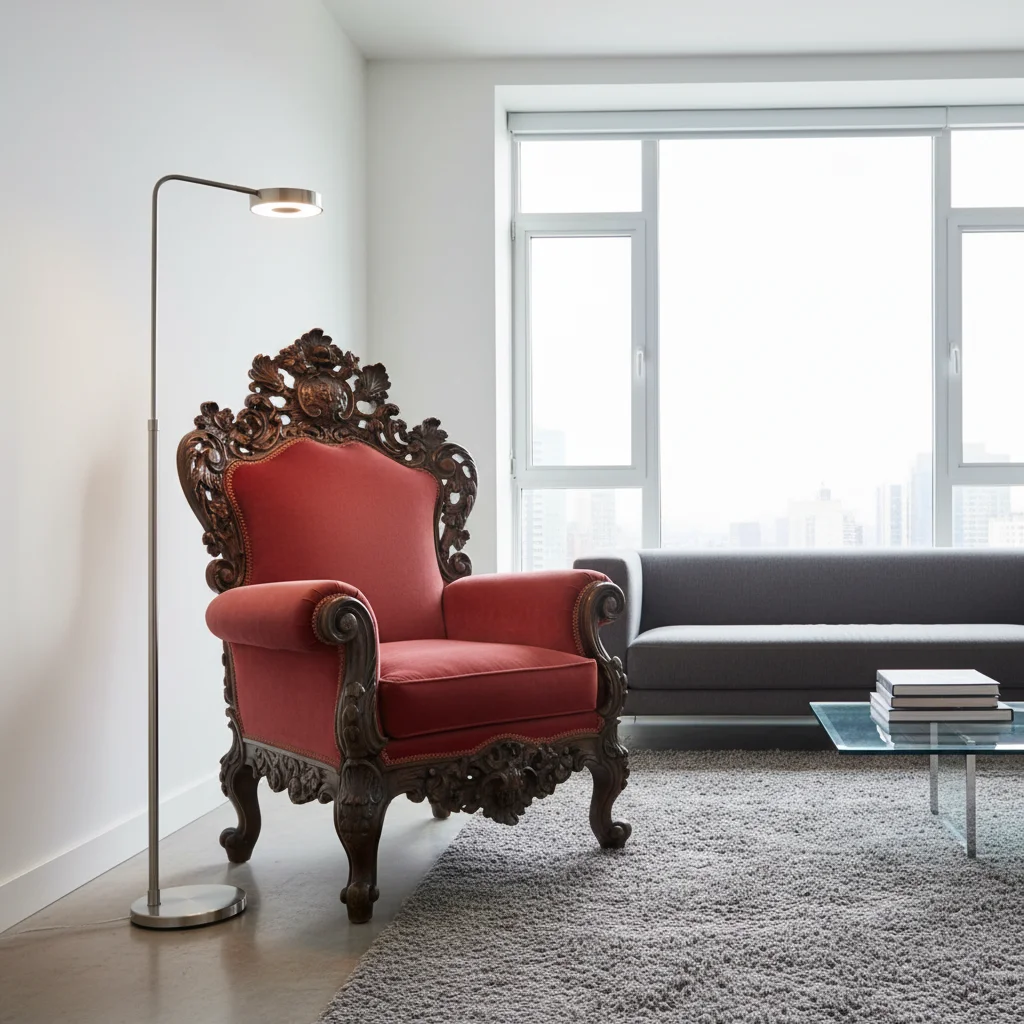
Integrating antiques into modern design is a way to add personality, depth, and history to a space. To avoid the 'grandmother's apartment' effect and create a harmonious interior, it's important to follow the principle of contrast and balance.
An antique item should become an accent, not get lost among other things. For example, an old chest of drawers or a mirror in a carved frame will look spectacular against a minimalist, neutral-colored wall. Do not overload the space with antiques—often one or two expressive pieces are enough to set the right tone.
Modern furniture with simple forms and concise materials (metal, glass, smooth wood) creates an ideal backdrop for richly decorated antique items. This approach allows each element—both old and new—to be fully revealed. It is important that the antique item is functional or carries a clear decorative value, becoming the focal point of the room.