Digitizing a Collection: The Best Programs and Apps for Cataloging - AUCBURG | AUCBURG
Digitizing a Collection: The Best Programs and Apps for Cataloging
For many collectors, a notebook or an Excel spreadsheet seems like a familiar and sufficient tool for keeping track of their treasures. However, as a collection grows, this approach quickly reveals its shortcomings. Paper records are easy to lose or damage, and it's difficult to store photos and the detailed history of each item in spreadsheets.
For many collectors, a notebook or an Excel spreadsheet seems like a familiar and sufficient tool for keeping track of their treasures. However, as a collection grows, this approach quickly reveals its shortcomings. Paper records are easy to lose or damage, and it's difficult to store photos and the detailed history of each item in spreadsheets.
Modern collection cataloging software offers a fundamentally new level of organization. They allow you to create a structured database where each item has its own entry with photos, a description, acquisition history, value, and other important information. It's not just a list, but a complete digital archive of your collection.
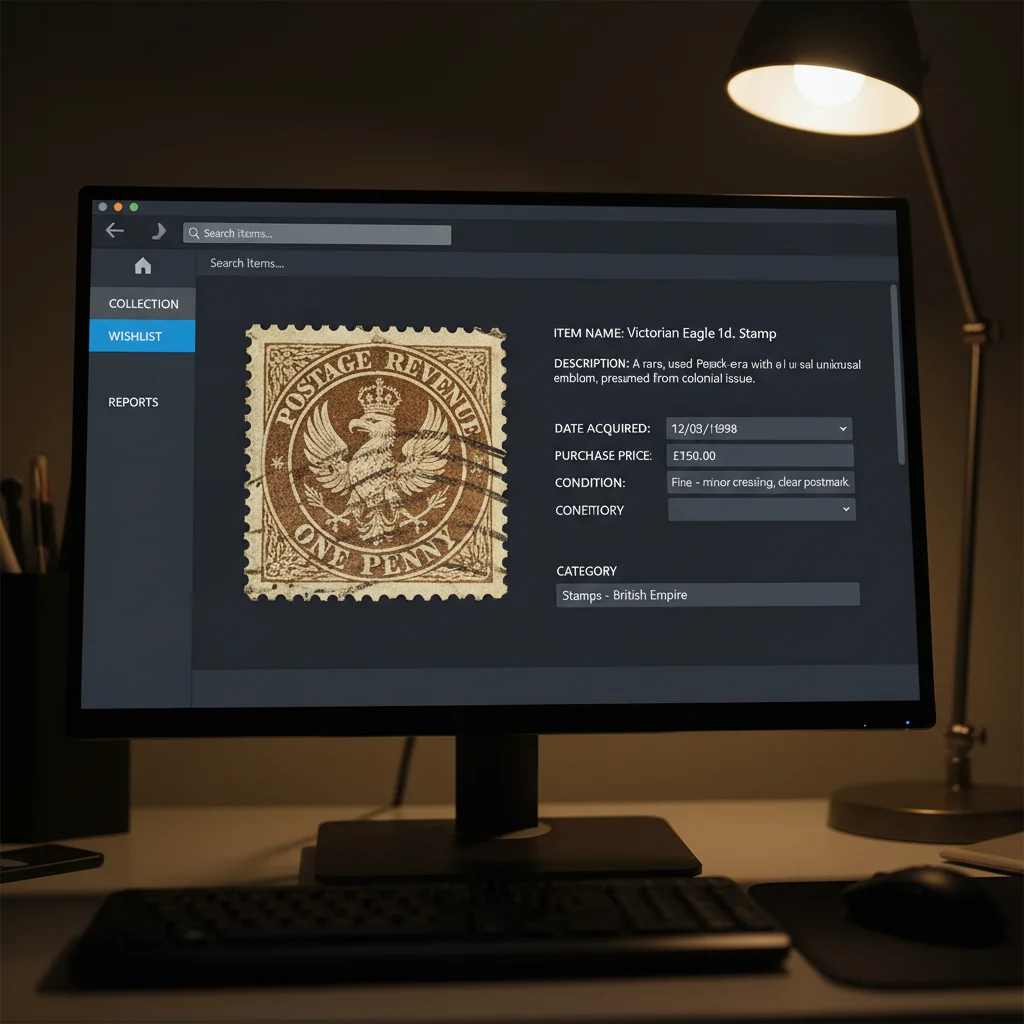
Desktop Programs: Maximum Control and Functionality
For those who prefer to work on a computer and store their data locally, desktop programs remain the best choice. They offer the broadest functionality and flexibility in customizing your catalog. You are not dependent on an internet connection and have complete control over your database.
These applications often have powerful tools for sorting, filtering, and searching by any parameter. Key advantages of desktop solutions include:
The ability to create an unlimited number of custom fields.
Advanced data import and export functions (e.g., to CSV or PDF).
Generation of detailed reports and statistics for the collection.
A high level of data security and privacy.
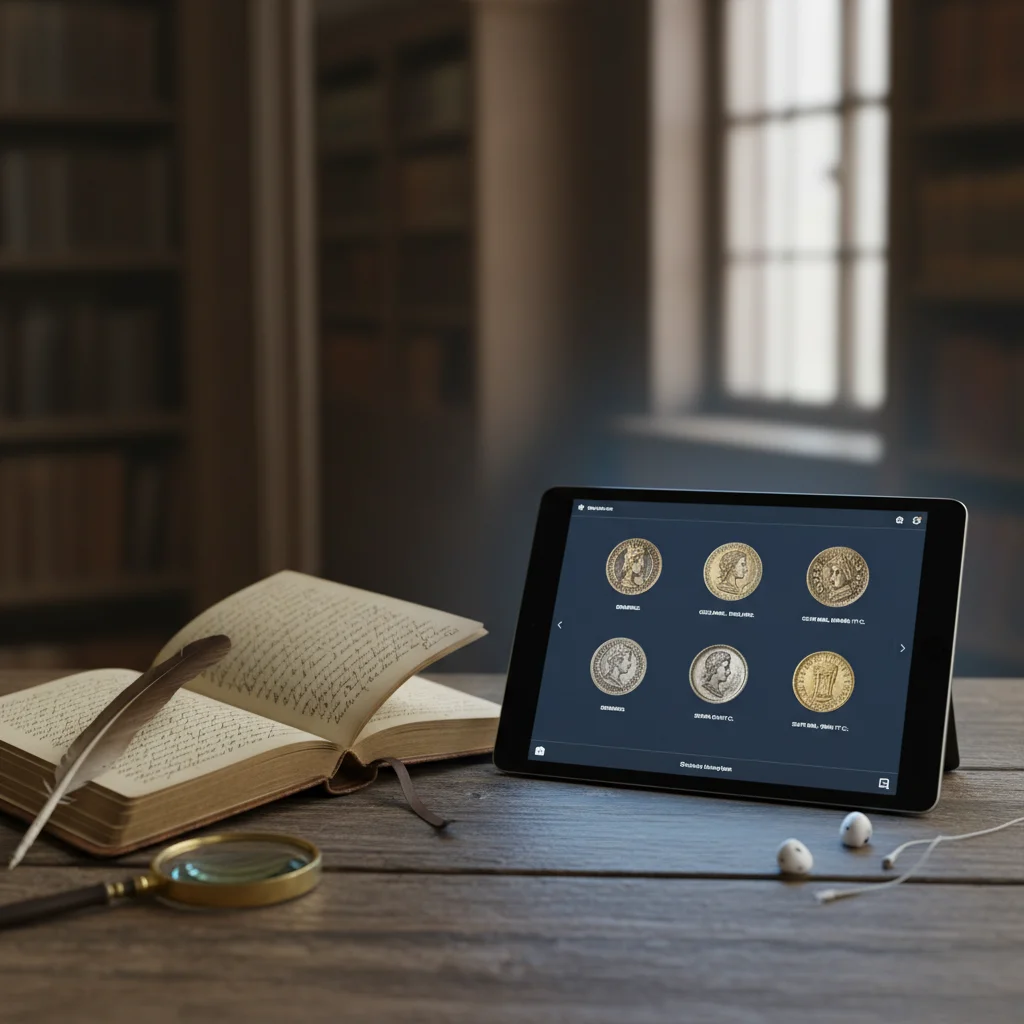
Desktop Programs: Maximum Control and Functionality
Online Services: Accessibility and Community
Web services for collectors are gaining popularity due to their accessibility. Your catalog is stored in the cloud, allowing you to access it from any device connected to the internet. This is the perfect solution for those who want to work with their collection both at home and on the go.
Many online platforms also build communities of like-minded people around them. For example, specialized sites for numismatists or philatelists often contain built-in catalogs with pre-filled descriptions and images, which significantly speeds up the process of adding new items. You can compare your items with others, find out their market value, and connect with other collectors.
Online Services: Accessibility and Community
Mobile Apps: Your Catalog Always at Hand
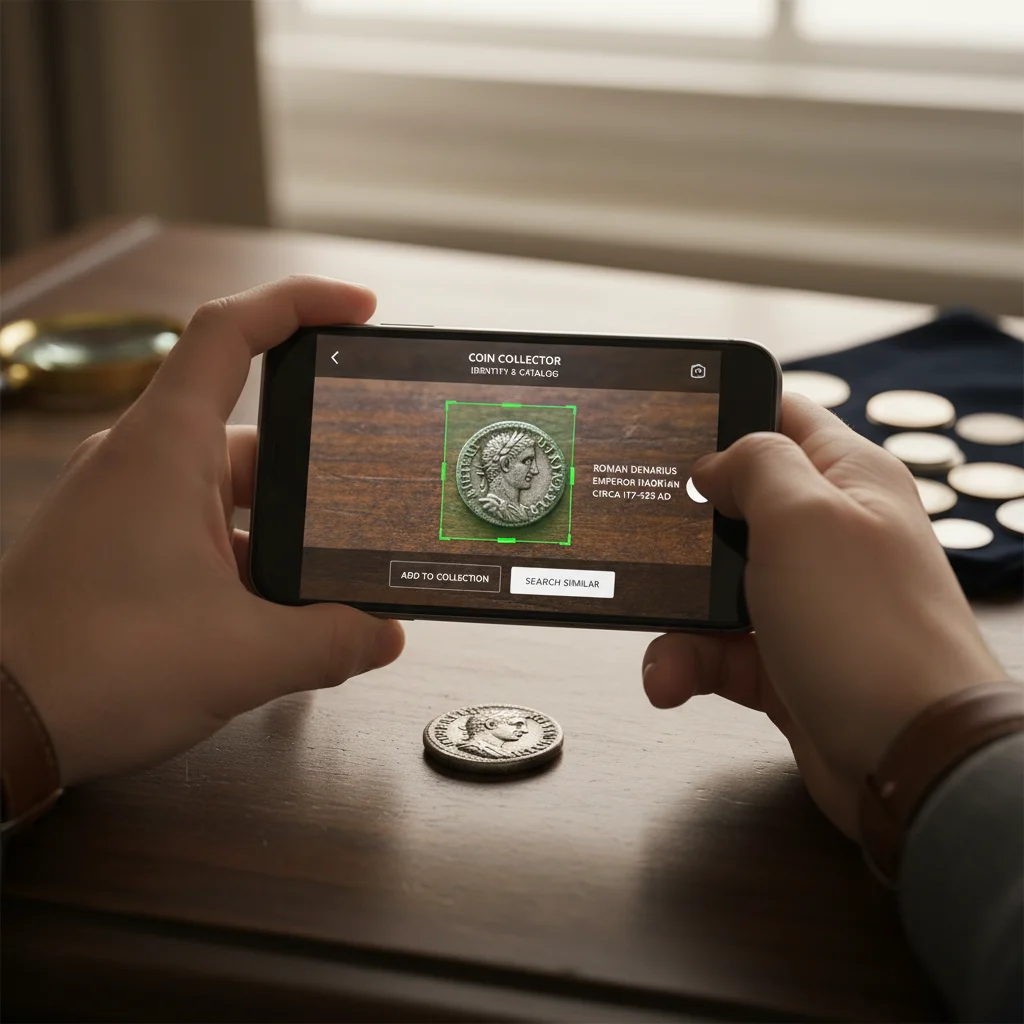
The smartphone has become an indispensable tool in a collector's life. Mobile apps allow you to add new items to your catalog right at the moment of purchase, whether at a fair or an antique shop. Just take a photo of the item, fill in a few fields, and it's already in your database.
Modern apps for collectors often use image recognition technology, which simplifies the identification of coins, stamps, or banknotes. Scanning a barcode or QR code is also a common feature for tracking books, wine, or comics. The main advantages are mobility and speed.
Mobile Apps: Your Catalog Always at Hand
Key Features to Look For
Feature
Description
Photos
The ability to attach multiple high-quality images for each item.
Custom Fields
The ability to create your own fields to record specific information (e.g., 'material', 'hallmark', 'restoration').
Search and Filtering
Convenient tools for quickly finding the desired item by any parameter.
Data Export
The function to save the catalog in PDF, CSV, or HTML formats for printing, creating backups, or transferring data.
Value Tracking
Fields to indicate the purchase price, current appraised value, and sales history.
When choosing a program or app to manage your collection, it's important to evaluate its functionality. Not all solutions are equally useful for different types of collecting. There are several key features that make a program truly convenient.
Pay attention to the flexibility of the settings and the ability to adapt the program to your needs. A good cataloging tool should be more than just a data repository; it should be a comprehensive collection management tool.
How a Digital Catalog Helps with Insurance and Sales
A well-compiled digital catalog is not only a convenient way to keep records but also an important document. When insuring a collection, it serves as official proof of its contents and value. Insurance companies require a detailed list of the insured property, and a ready-made catalog with photos and appraisals significantly simplifies this process.
When selling a collection or individual parts of it, the catalog becomes your main tool. It allows you to quickly provide a potential buyer with all the necessary information: high-quality photos, a detailed description, provenance, and documents confirming authenticity. This increases trust and helps to secure a more profitable deal.