Storage and Care Rules: How to Protect Your Collection from Time? - AUCBURG | AUCBURG
Storage and Care Rules: How to Protect Your Collection from Time?
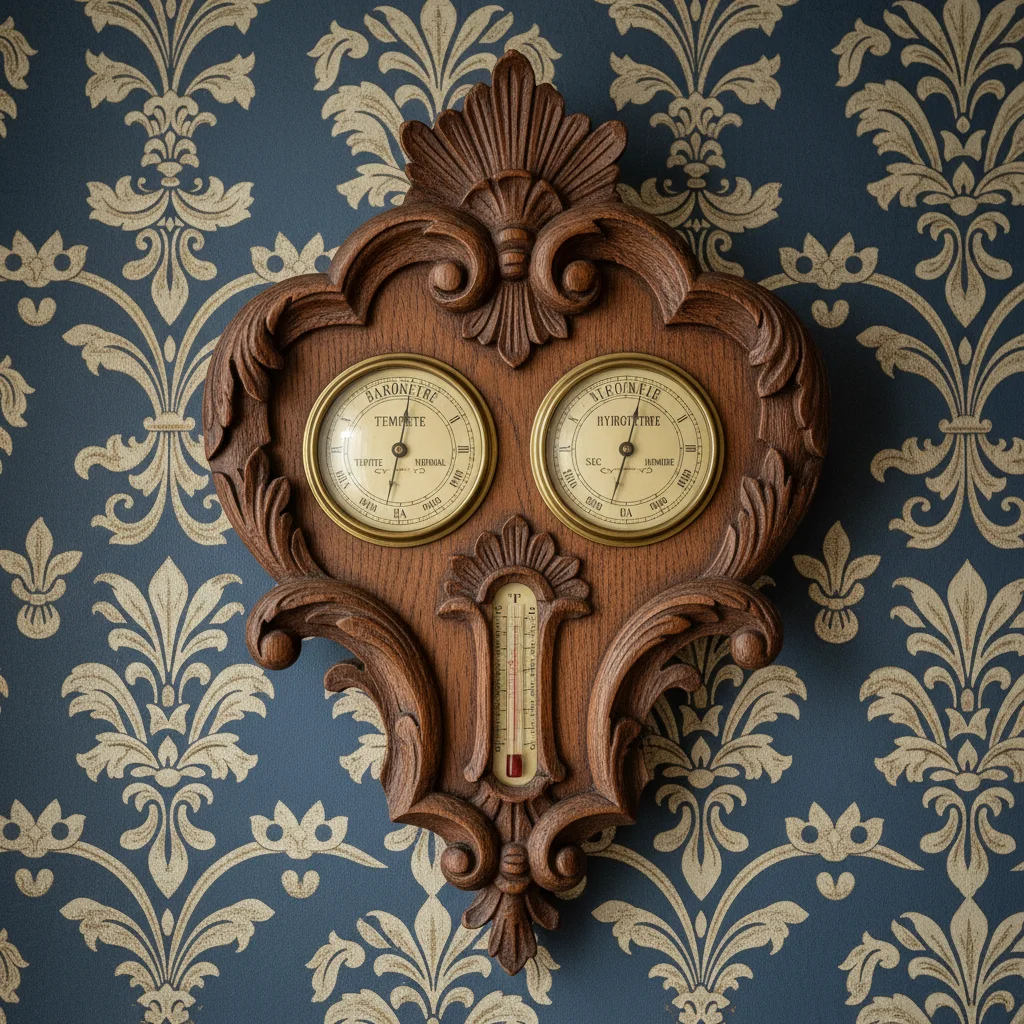
Every collector knows that owning valuable items is only half the battle. The main task is to preserve them for posterity, protecting them from the relentless influence of time. There are three main factors that pose the greatest threat to any collection: ultraviolet radiation, humidity fluctuations, and unstable temperature. These invisible enemies can cause irreparable damage.
The Three Main Enemies of a Collection: Light, Humidity, and Temperature
Factor
Impact on Collectible Items
Light (UV radiation)
Fading of pigments, yellowing of paper, breakdown of textile and wood structures.
Humidity
Appearance of mold, fungus, corrosion of metals, warping of paper and wood, dulling of porcelain.
Temperature
Cracking of varnish on paintings, brittleness of paper and parchment, warping of wood and bone.
Every collector knows that owning valuable items is only half the battle. The main task is to preserve them for posterity, protecting them from the relentless influence of time. There are three main factors that pose the greatest threat to any collection: ultraviolet radiation, humidity fluctuations, and unstable temperature. These invisible enemies can cause irreparable damage.
Direct sunlight causes colors to fade and materials to deteriorate. High humidity promotes the growth of mold and corrosion, while excessive dryness leads to cracking and warping. Abrupt temperature changes are also destructive, as they cause materials to contract and expand, leading to their breakdown. Understanding these risks is the first step toward creating ideal storage conditions.
Creating a stable microclimate in the room where the collection is housed is a key task. Controlling these three parameters will help significantly extend the life of valuable items and preserve their original appearance.
Ideal Conditions for Paintings: Protection from Light and Temperature Fluctuations
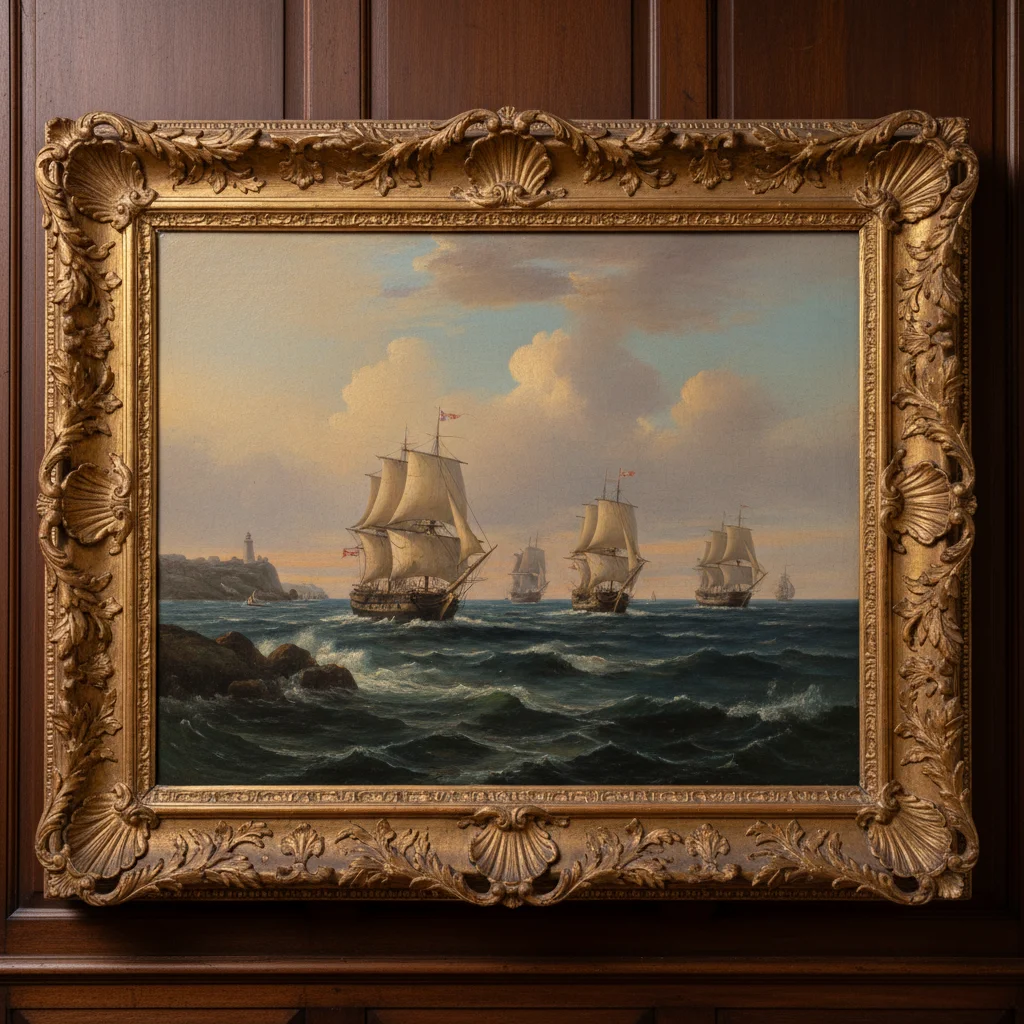
Paintings are particularly sensitive to environmental conditions. The paint layer, varnish, and canvas can be irreversibly damaged by improper storage. The main danger is light, especially direct sunlight. Ultraviolet radiation destroys pigments, causing bright colors to fade and lose their depth. Therefore, paintings should never be hung opposite windows or under the direct light of lamps.
The temperature and humidity regime is equally important. An ideal temperature is considered to be in the range of 18-22°C with a relative humidity of 45-55%. Sharp fluctuations in these indicators cause the canvas and the wooden stretcher to contract and expand. This causes the paint layer to crack, a phenomenon known as craquelure. Paintings should not be placed above fireplaces, near heating radiators, or air conditioners.
To ensure the proper storage conditions for paintings, several rules should be followed:
Avoid direct sunlight. Use curtains or special UV-protective films on windows.
Maintain a stable temperature. The optimal range is 18-22°C, without sudden spikes.
Control humidity. Use humidifiers or dehumidifiers to maintain a level of 45-55%.
Ensure air circulation. Do not hang paintings flat against a wall, especially an exterior one, to avoid moisture buildup.
Use proper lighting. LED lamps with low UV emissions are best for illumination.
Ideal Conditions for Paintings: Protection from Light and Temperature Fluctuations
Storing Coins: How to Avoid Corrosion and Patina
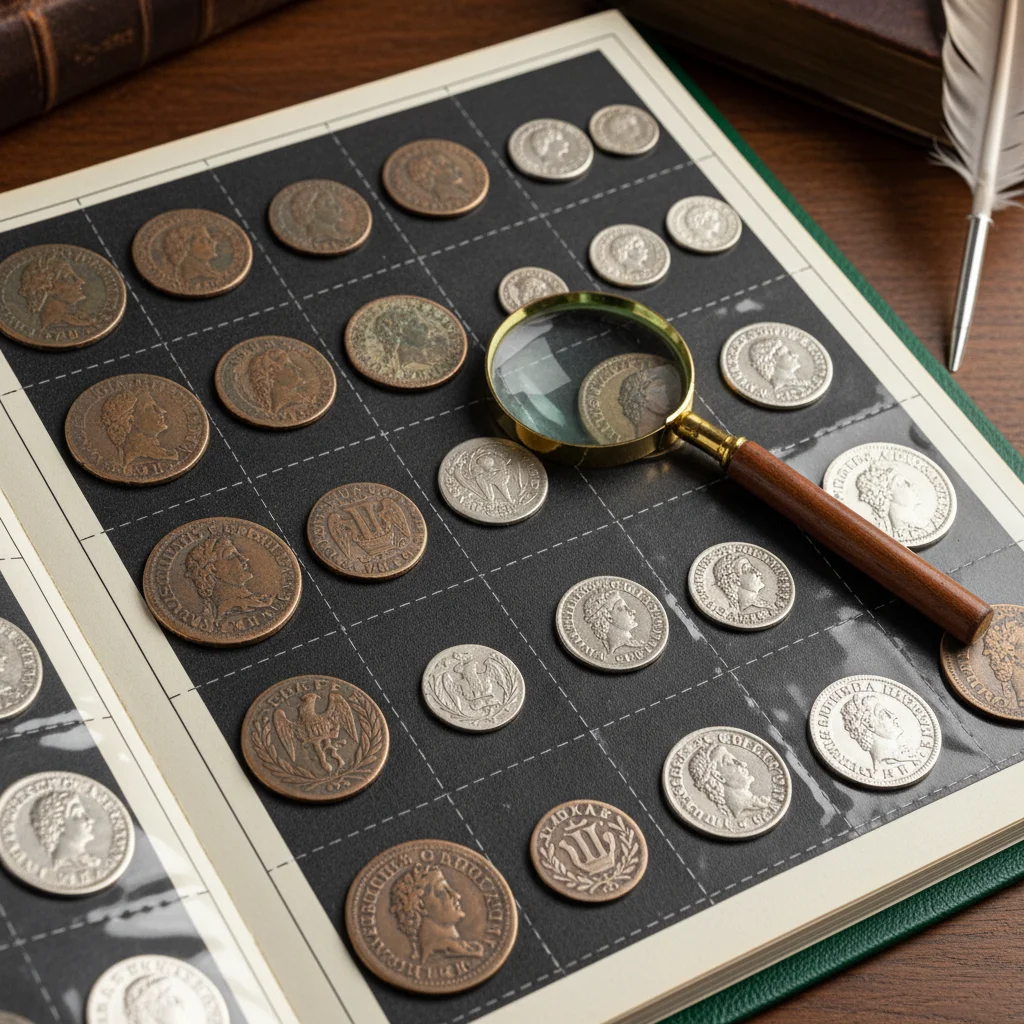
Numismatic collections require a special approach to storage, as metals are susceptible to oxidation and corrosion. The main enemies of coins are moisture and aggressive chemicals found in the air and on human skin. Even a simple touch with fingers can leave a greasy residue on the coin's surface, which over time will lead to spots and metal degradation.
Therefore, the first rule for a numismatist is to never handle coins with bare hands. Special tweezers with soft tips or cotton gloves should be used. This simple action will help prevent acids and oils, which can trigger the oxidation process, from getting on the coin's surface.
For the long-term storage of numismatics, there are several proven methods, each providing protection from the external environment:
Plastic capsules. Individual transparent containers that close tightly and protect the coin from air and mechanical damage.
Holders. Cardboard frames with a transparent window that are hermetically sealed or glued. They are convenient for making notes.
Slabs. Special airtight plastic containers used by grading companies for certified coins.
Coin cabinets (Münzkabinett). Special cabinets with sliding trays lined with velvet for storing coins, either in capsules or loose. They provide protection from light and dust.
A key factor is choosing materials that do not contain PVC (polyvinyl chloride). Over time, PVC breaks down, releasing substances that cause a greenish film to appear on coins, which is nearly impossible to remove.
Storing Coins: How to Avoid Corrosion and Patina
A Library for the Ages: Proper Care for Old Books
What to Do
What to Avoid
Store in closed cabinets
Store on open shelves in direct sunlight
Place books vertically
Stack books on top of each other (damages the binding)
Maintain stable humidity (40-50%)
Store in damp basements or dry attics
Ensure air circulation
Place books flush against a wall
Dust regularly with a soft brush
Use damp cloths to clean bindings
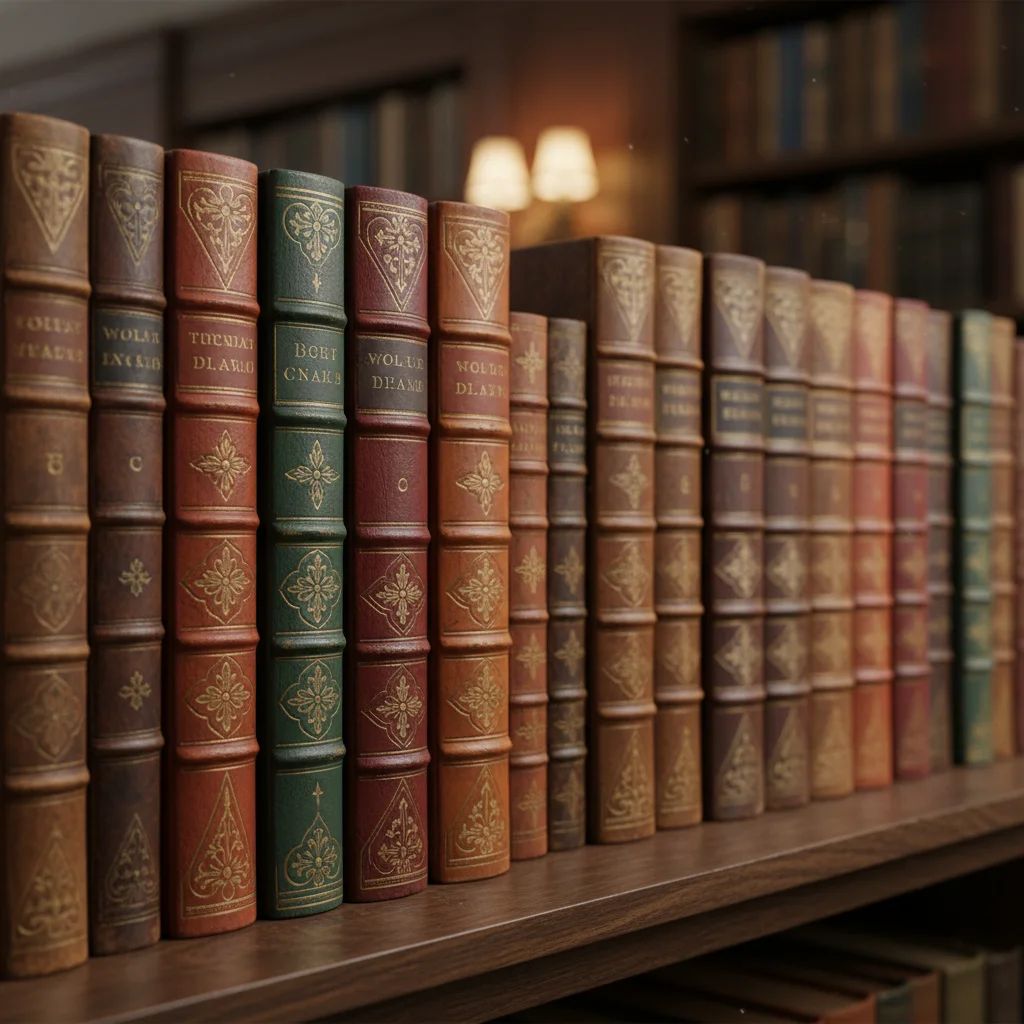
Old books are fragile artifacts whose paper and bindings require careful handling. Light, humidity, and temperature have the same destructive effect on them as on paintings. Paper yellows and becomes brittle over time due to ultraviolet radiation, and high humidity creates ideal conditions for mold growth and attracts book pests.
Books should be stored in closed cabinets, away from direct sunlight and heat sources. The optimal conditions are a temperature of around 16-20°C and a humidity of 40-50%. It is important to ensure good air circulation to prevent stagnation and mold formation. Books should be placed vertically on shelves, tightly enough to support each other but not so tight that they are difficult to remove without damaging the spine.
Following these simple rules will help keep your library in excellent condition.
Large-format books (folios) are best stored horizontally to reduce stress on the binding. Proper care for old books will allow you to preserve not only the text but also the spirit of the era captured in these unique items.
A Library for the Ages: Proper Care for Old Books
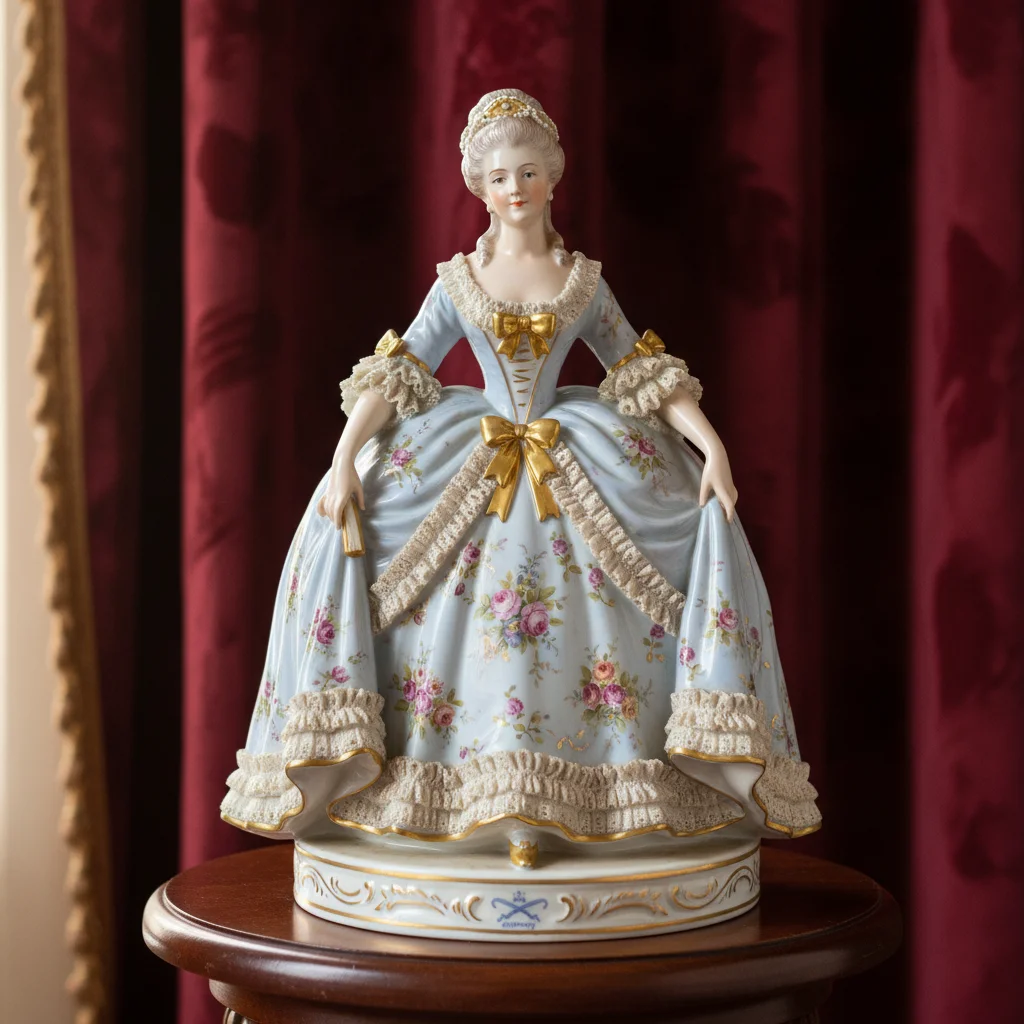
Caring for Porcelain: Secrets to Preserving Fragile Beauty
Porcelain, despite its apparent strength, is a very fragile material. The main risks to it are mechanical damage (chips, cracks) and sudden temperature changes. Over time, hard-to-remove stains can also appear on the surface, and gilding can wear off from improper cleaning.
Glass display cases or cabinets are best for exhibiting porcelain items. They protect the items from dust, accidental impacts, and vibrations. It is important to arrange items so they do not touch each other, especially those with thin, protruding parts. You should not stack cups or hang them on hooks by their handles, as this creates excessive stress and can lead to damage.
Cleaning porcelain requires a delicate touch. Here are a few tips on how to properly care for these fragile items:
Remove dust regularly with a soft brush or duster.
For washing, use warm, but not hot, water with a mild detergent.
Never wash antique porcelain in a dishwasher, especially if it has gilding or hand-painting.
Avoid abrasive cleaners and harsh sponges that can scratch the glaze and damage the decoration.
After washing, dry the item with a soft, lint-free cloth; do not let it air dry to avoid water spots.
Special attention should be paid to items with old cracks or signs of restoration. It is best not to wash such pieces at all, limiting care to dry dusting to avoid compromising the integrity of any repairs.
Caring for Porcelain: Secrets to Preserving Fragile Beauty