Investing in Soviet Billon Coins: Which Coins Are Worth Buying - AUCBURG | AUCBURG
Investing in Soviet Billon Coins: Which Coins Are Worth Buying
The question of the advisability of investing in Soviet billon coins, both silver and non-precious metal ones, is quite relevant. The answer is ambiguous and requires detailed consideration, as the investment appeal of these coins heavily depends on the specific year of issue, denomination, and, most importantly, their state of preservation.
The question of the advisability of investing in Soviet billon coins, both silver and non-precious metal ones, is quite relevant. The answer is ambiguous and requires detailed consideration, as the investment appeal of these coins heavily depends on the specific year of issue, denomination, and, most importantly, their state of preservation.
The Most Valuable Billon Coins: Rare Years
Coins from certain, rarer years of issue are of the greatest investment interest. These specimens are considered truly valuable and promising for investment.
10, 15, and 20 kopecks of the RSFSR from 1921. These coins are considered 'super cool' for investment.
10, 15, and 20 kopecks from 1931. These specimens are described as having an 'astronomical' price and are incredibly rare.
Having such coins in a collection or investment portfolio is a great stroke of luck. Their value only increases over time, especially if they are well-preserved.
The Most Valuable Billon Coins: Rare Years
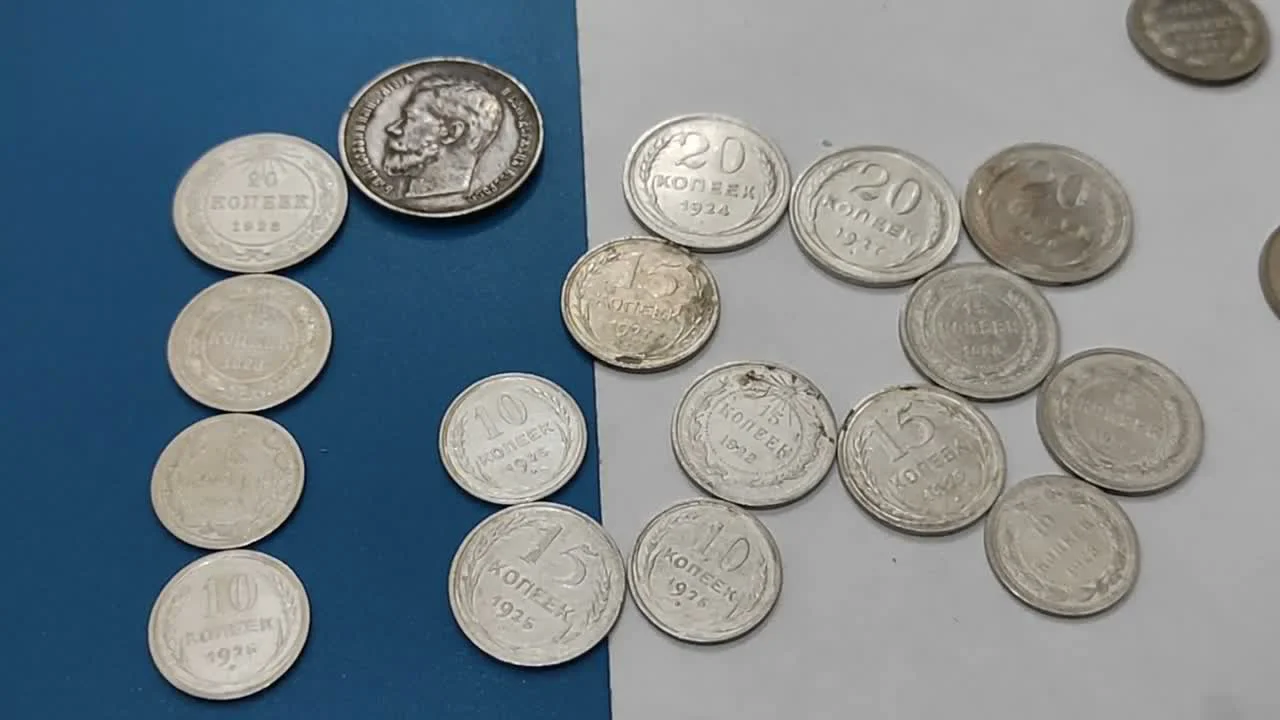
Investment Value of Common Coins (1922-1929)
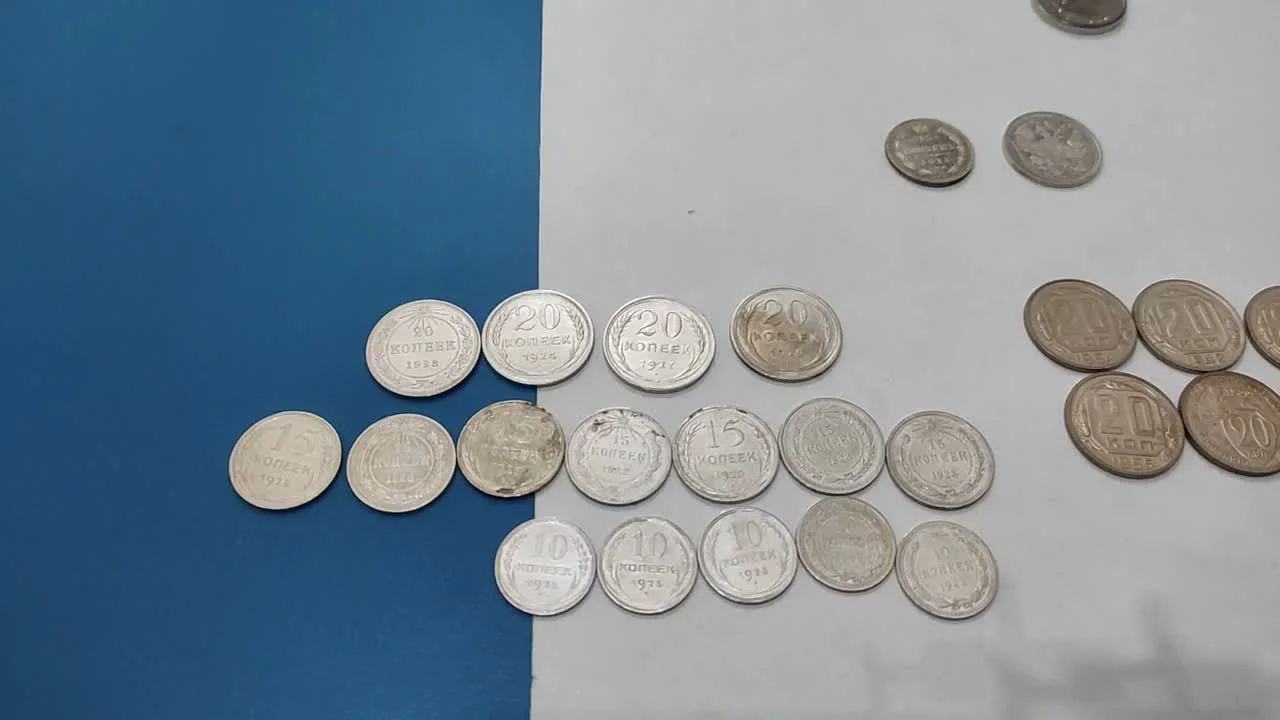
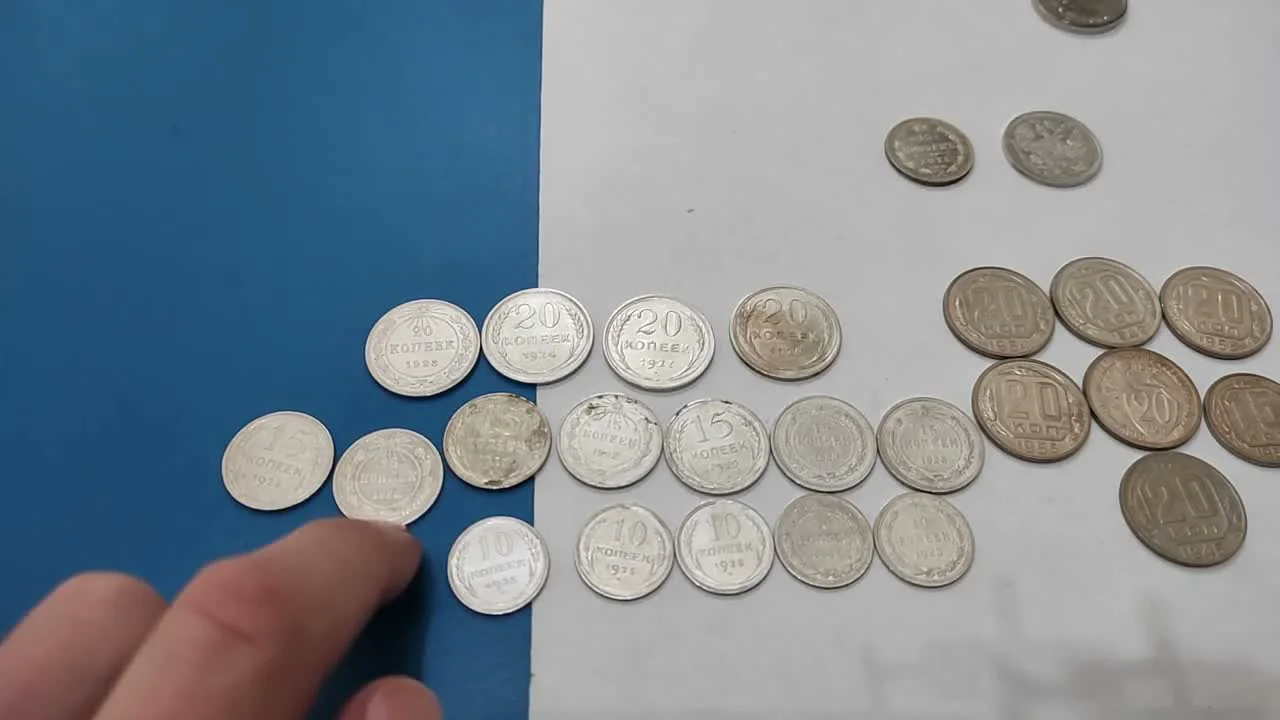
Investing in silver billon coins issued between 1922 and 1929 is highly questionable. These coins were minted in large quantities and are not rare. Their value hardly increases over the years.
The only condition under which such coins can be valuable is their 'amazing preservation.' Only specimens in perfect condition can be worth more than their metal value. Otherwise, they are more suitable for completing a 'year set' collection than for serious investment.
Investment Value of Common Coins (1922-1929)
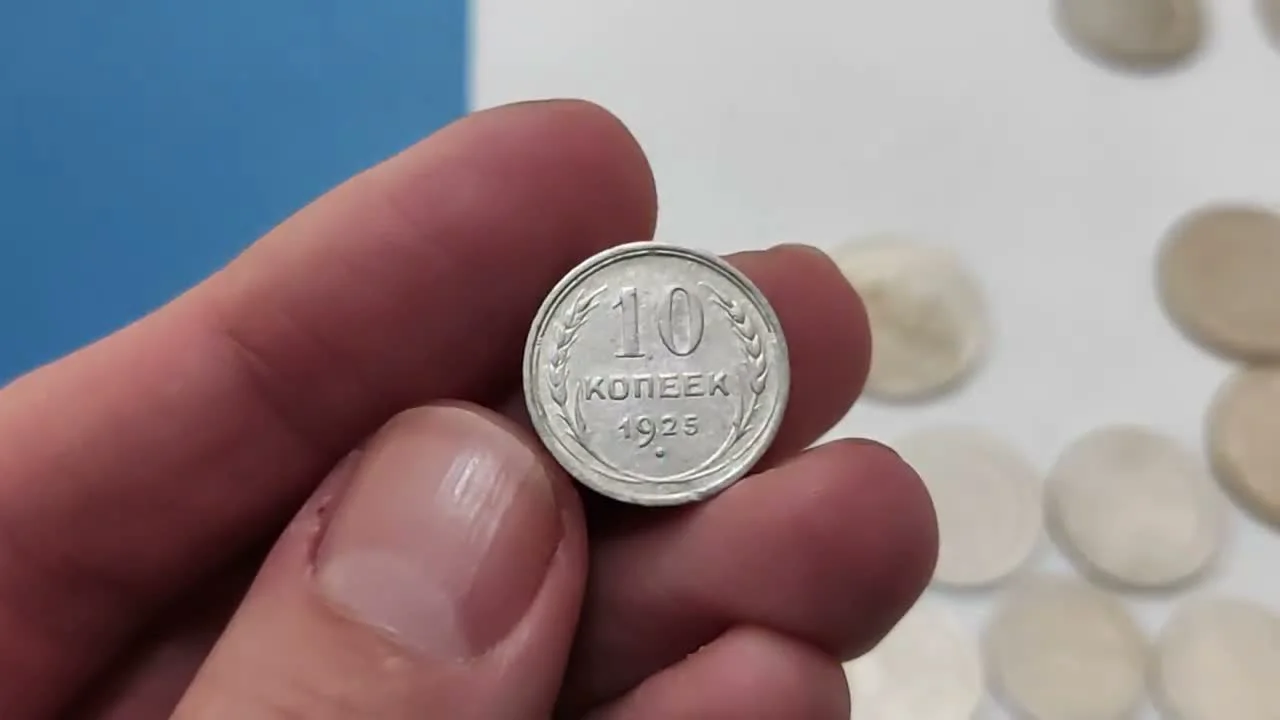
A Special Case: The 10 Kopecks of 1924
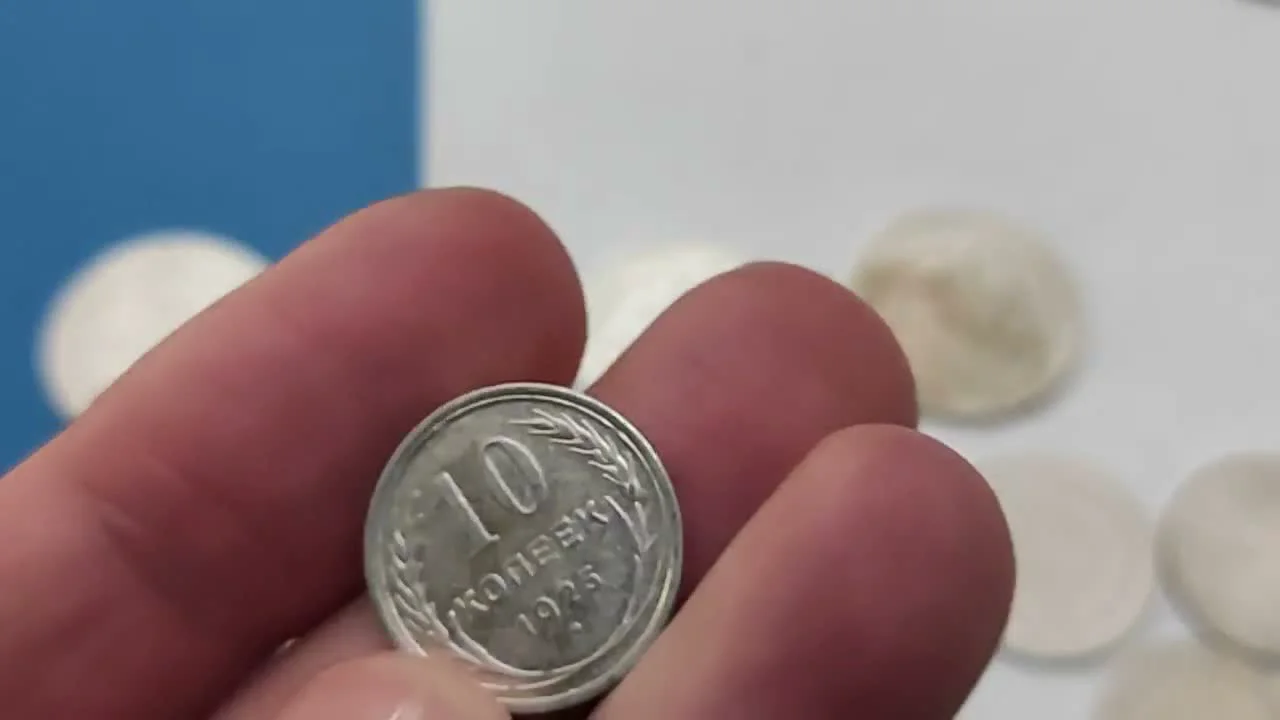
Among the common coins, there is one exception — the 10 kopecks of 1924. For unknown reasons, this coin is valued significantly higher than other common specimens from that period. It is a good starting point for those who want to begin investing in billon coins.
The value of this coin in good condition starts at around 150 hryvnias, if you are lucky enough to find such an offer. In perfect condition, the price will be significantly higher. This coin, along with the 1921 coins, is one of the few that can be considered for investment.
A Special Case: The 10 Kopecks of 1924
Errors and Varieties as a Separate Field
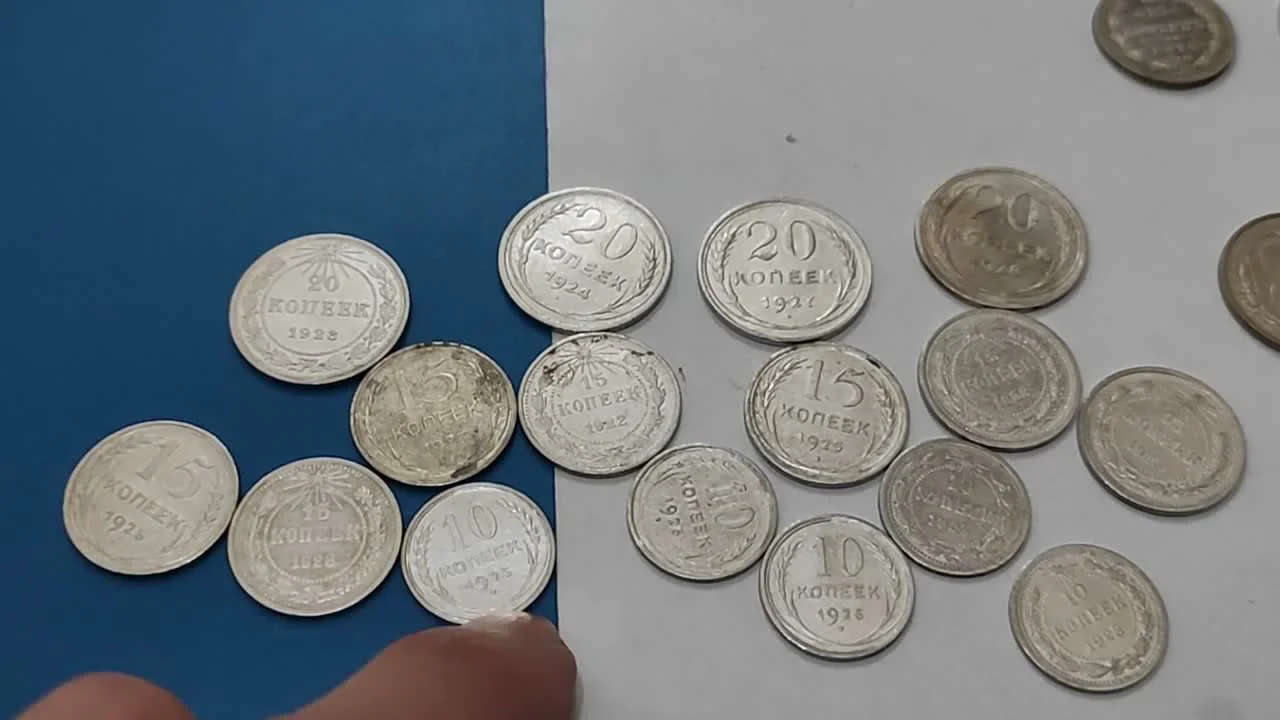
A separate and potentially profitable area for investment is searching for and collecting mint errors. Soviet billon coins have an interesting striking defect known as 'rays from the coat of arms.' This occurs when the sun's rays from the coat of arms on the obverse 'imprint' through and are visible on the reverse of the coin.
Such error specimens are not extremely rare, but they are uncommon and are in demand among collectors. Searching for these coins can become a separate investment strategy, as their value significantly exceeds the price of regular coins from the same year.
Errors and Varieties as a Separate Field
Difficulties and Risks: The Problem of Cleaning Hoard Coins
One of the main problems when dealing with common billon coins is their condition, especially if the coins are found in a hoard. They are often covered in heavy patina and corrosion, which requires professional cleaning. However, cleaning billon coins is an extremely unrewarding task.
One might spend a week carefully restoring a single coin to preserve its mint luster. Meanwhile, the value of a coin in poor condition is 30-40 hryvnias, and after cleaning, its price might only increase to 80-100 hryvnias. The effort invested does not pay off. Furthermore, 500-fineness silver is very delicate and easily damaged by chemicals, ruining the coin forever.
Difficulties and Risks: The Problem of Cleaning Hoard Coins
Alternative Investments in Soviet Silver
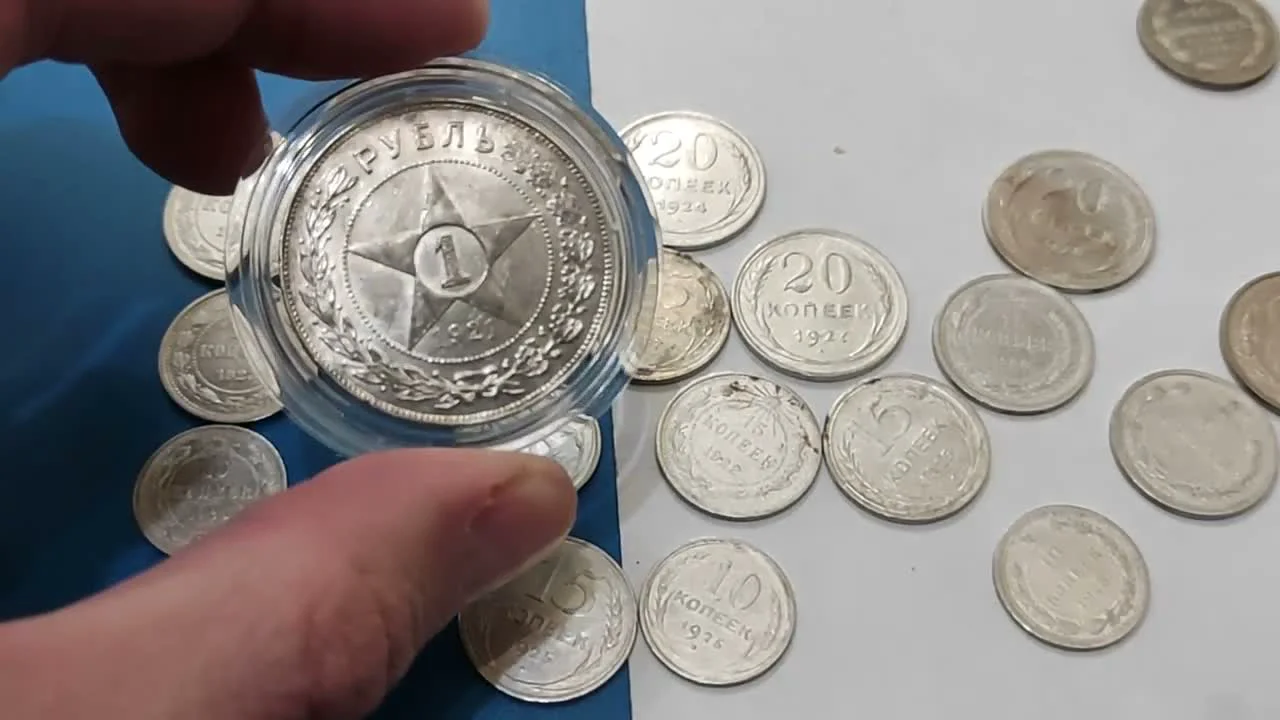
From an investment perspective, a more sensible alternative to buying several common billon coins could be acquiring one larger and more valuable silver coin from the same period. For example, a 50 kopeck ('poltinnik') or a one-ruble coin from 1921-1924.
These coins have several advantages:
Higher silver fineness (900).
Greater weight and size.
High aesthetic appeal.
Stable demand on the global numismatic market.
Investing in one such coin can be more profitable and liquid than buying several smaller, less valuable billon coins.
Alternative Investments in Soviet Silver
Is It Worth Investing in Later, Non-Silver Soviet Coins?
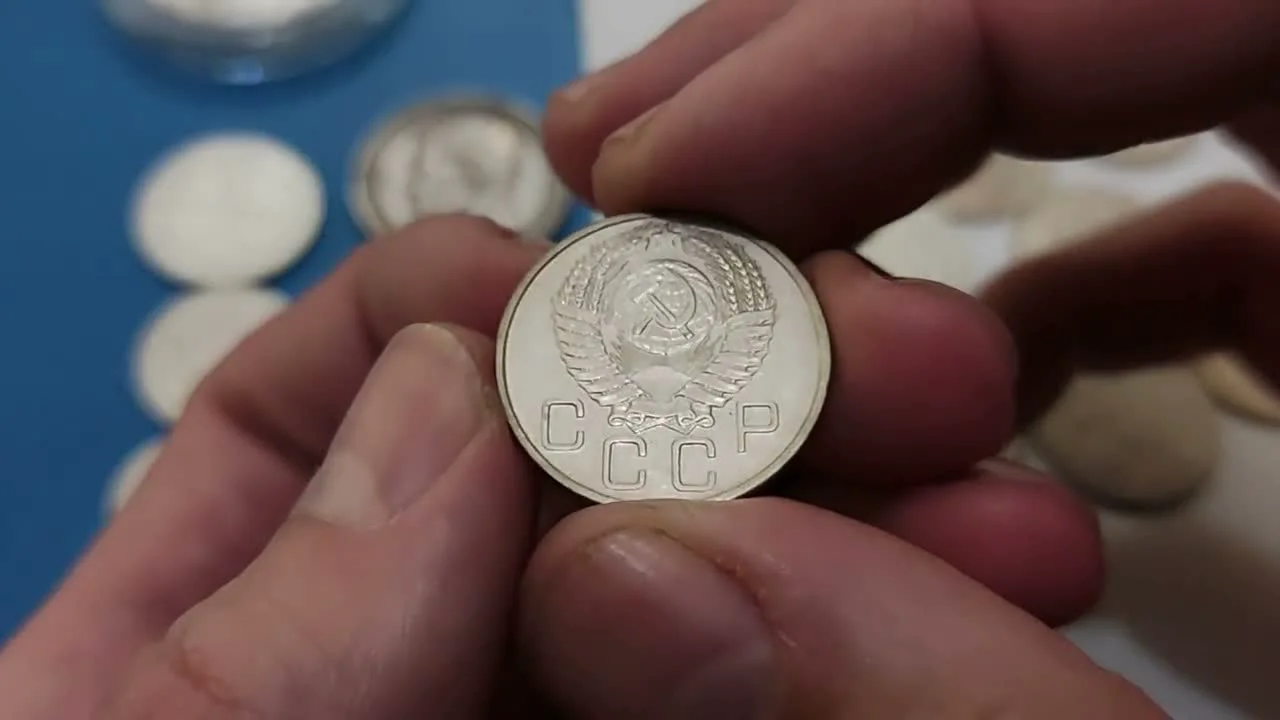
Later Soviet small-denomination coins (e.g., from the 1950s), which no longer contain silver, hold no investment interest. Their value is extremely low, and they are only of interest to a narrow circle of collectors who assemble USSR coins by year ('year sets').
Currently, interest in Soviet 'year sets' has declined, giving way to the numismatics of Ukraine and modern Russia. Therefore, investing in such coins is impractical. The only exceptions are very rare varieties or unique mint errors, which can be expensive.
Is It Worth Investing in Later, Non-Silver Soviet Coins?