A Guide to Selling Antiques: From Appraisal to a Successful Deal
Selling antiques attracts different categories of people. They can be conditionally divided into three main groups, each pursuing its own goals in this market.
•6 min read
11views
Loading...

Selling antiques attracts different categories of people. They can be conditionally divided into three main groups, each pursuing its own goals in this market.
Selling antiques attracts different categories of people. They can be conditionally divided into three main groups, each pursuing its own goals in this market.
The first group consists of professionals for whom trading antiques is their main source of income. They do this systematically and have in-depth knowledge of the market.
The second group is made up of semi-professionals. These include collectors who sell surplus items from their collections to use the proceeds to acquire new, more interesting specimens.
The third category includes people who have some old items at home and want to sell them. These could be items inherited or simply no longer needed, which the owner plans to dispose of in the near future.
| Resource | Description |
| www.kulturgutschutz-deutschland.de | Database of items related to the Nazi period. |
| www.kulturgutverlust.de | Police database of stolen or lost cultural property. |
Before listing an antique item for sale, it is crucial to pay attention to security and the legality of its origin. There are three key aspects that need to be checked.
To check items in Germany, you can use the following resources:
One of the most important elements of a successful sale, especially online, is a detailed and accurate item description. The more complete and truthful the information, the more professional you appear to the buyer, and the more interest your lot will generate. Before listing an item for sale, you need to study it.
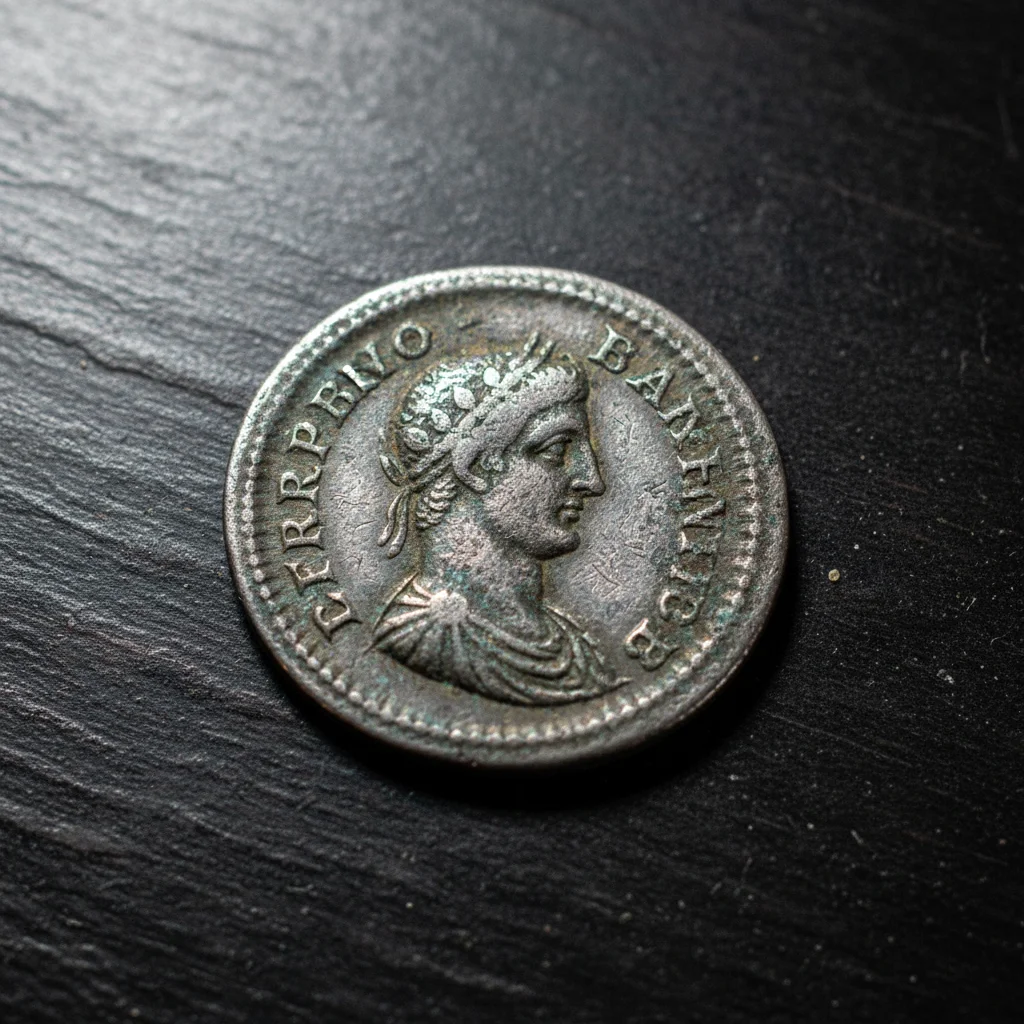
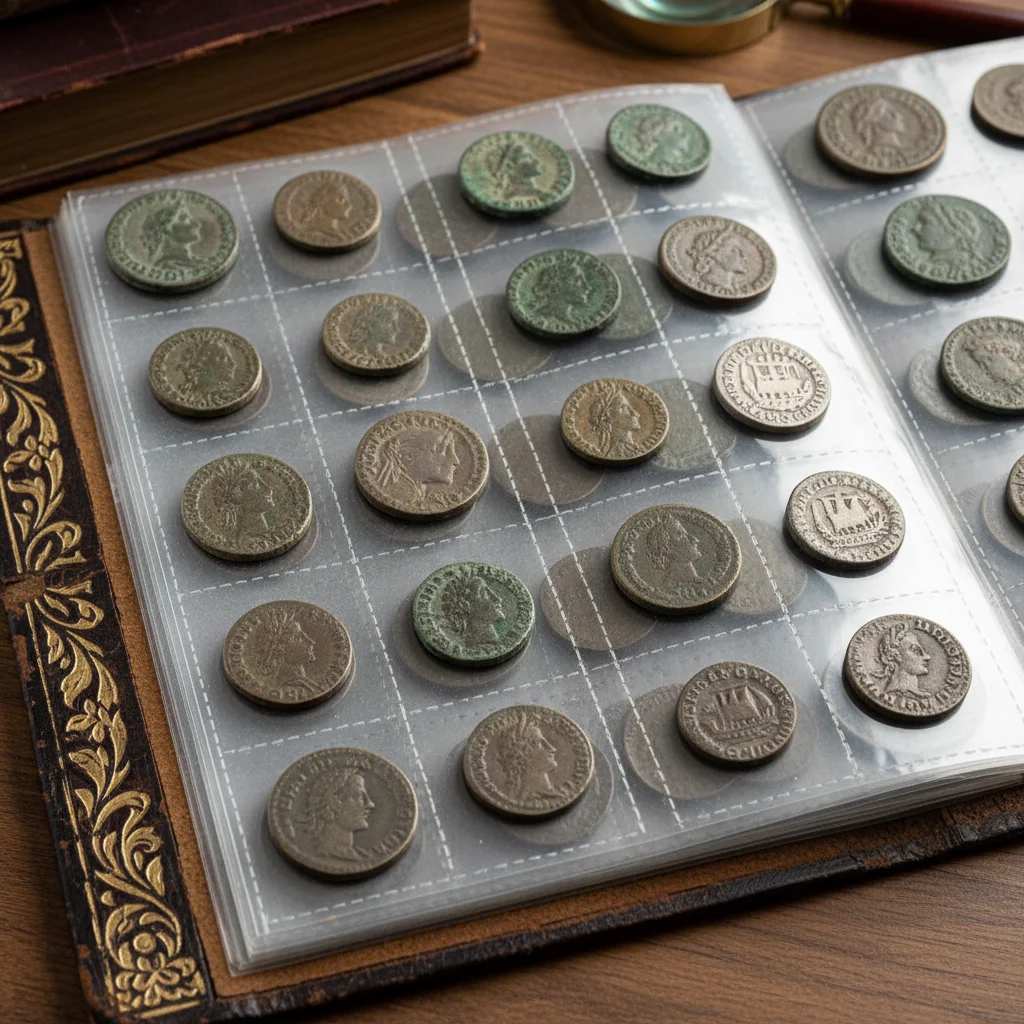
A quality description increases the value of an item. For example, for a coin, you can specify the following characteristics:
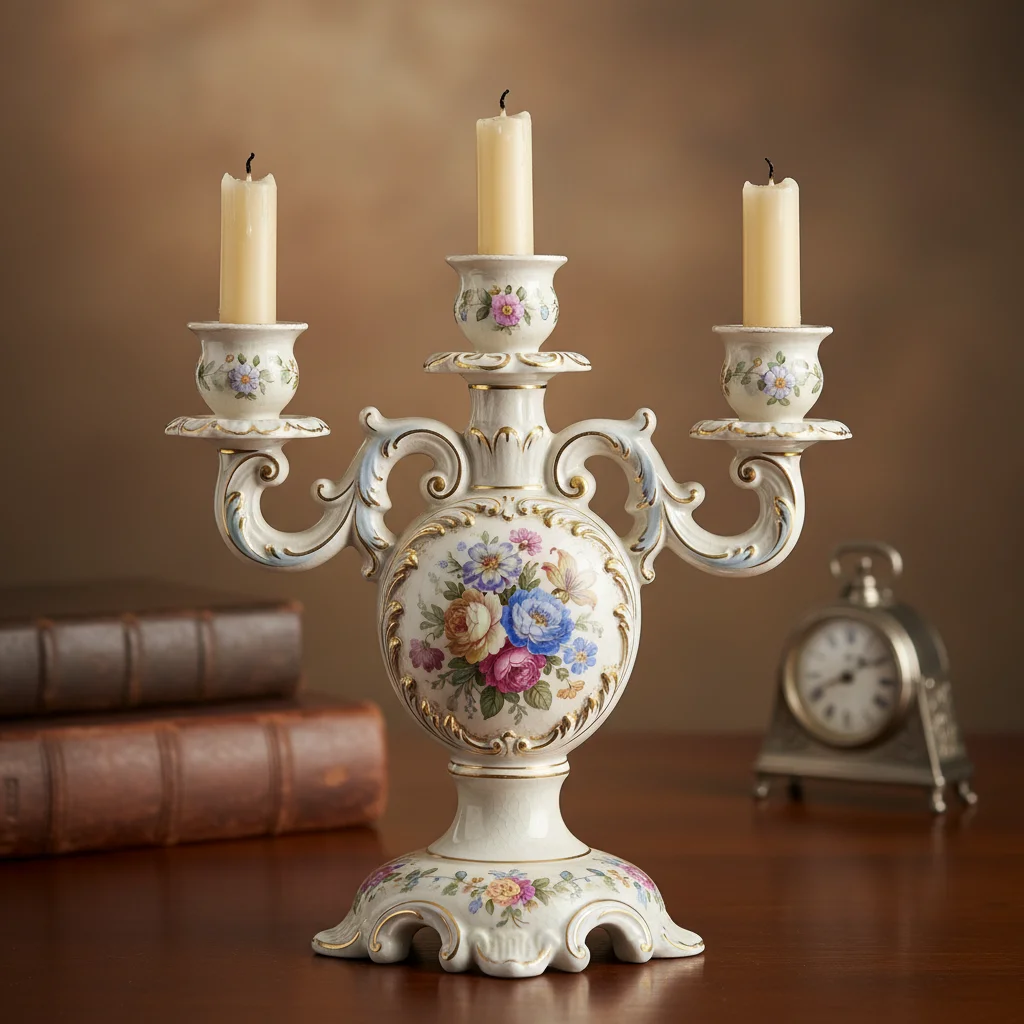
For an interior item, such as a porcelain candlestick, the description might include:
Photographs are the buyer's eyes in an online purchase. The higher the quality, the more detailed, and the more numerous the photos, the better. This is possibly even more important than the description.
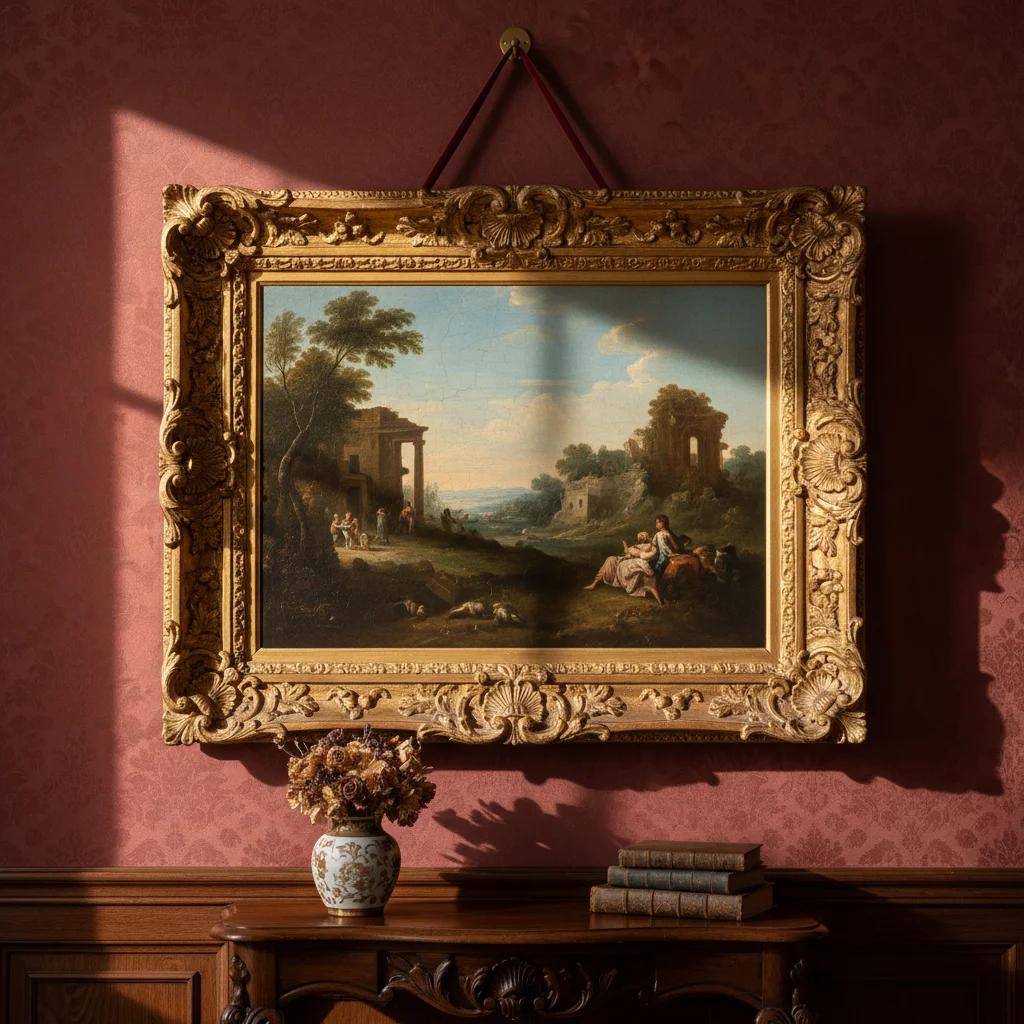
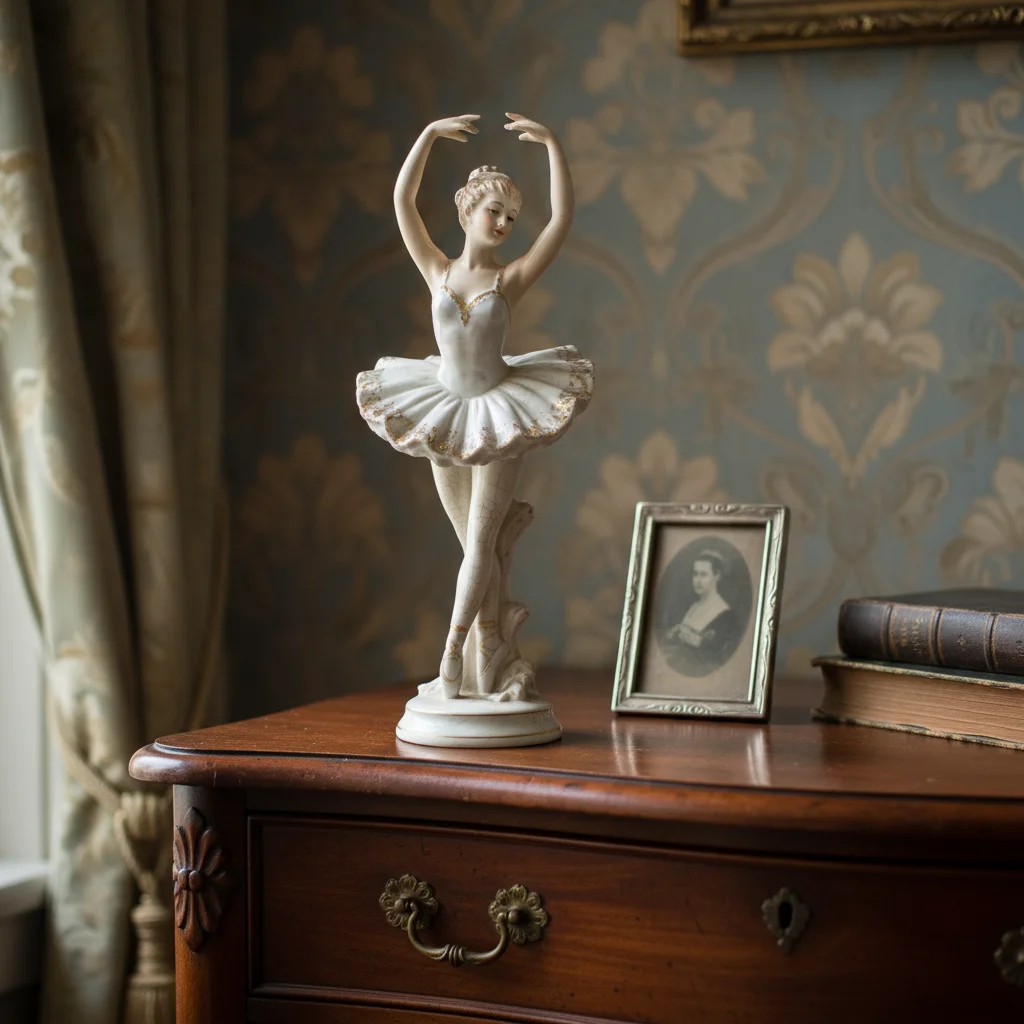
For decorative items like vases, mantel clocks, or porcelain figurines, it's recommended to take panoramic photos in an interior setting. This helps the buyer imagine how the item will look in their home. In addition to general shots, it's necessary to take detailed photos of marks and any flaws.
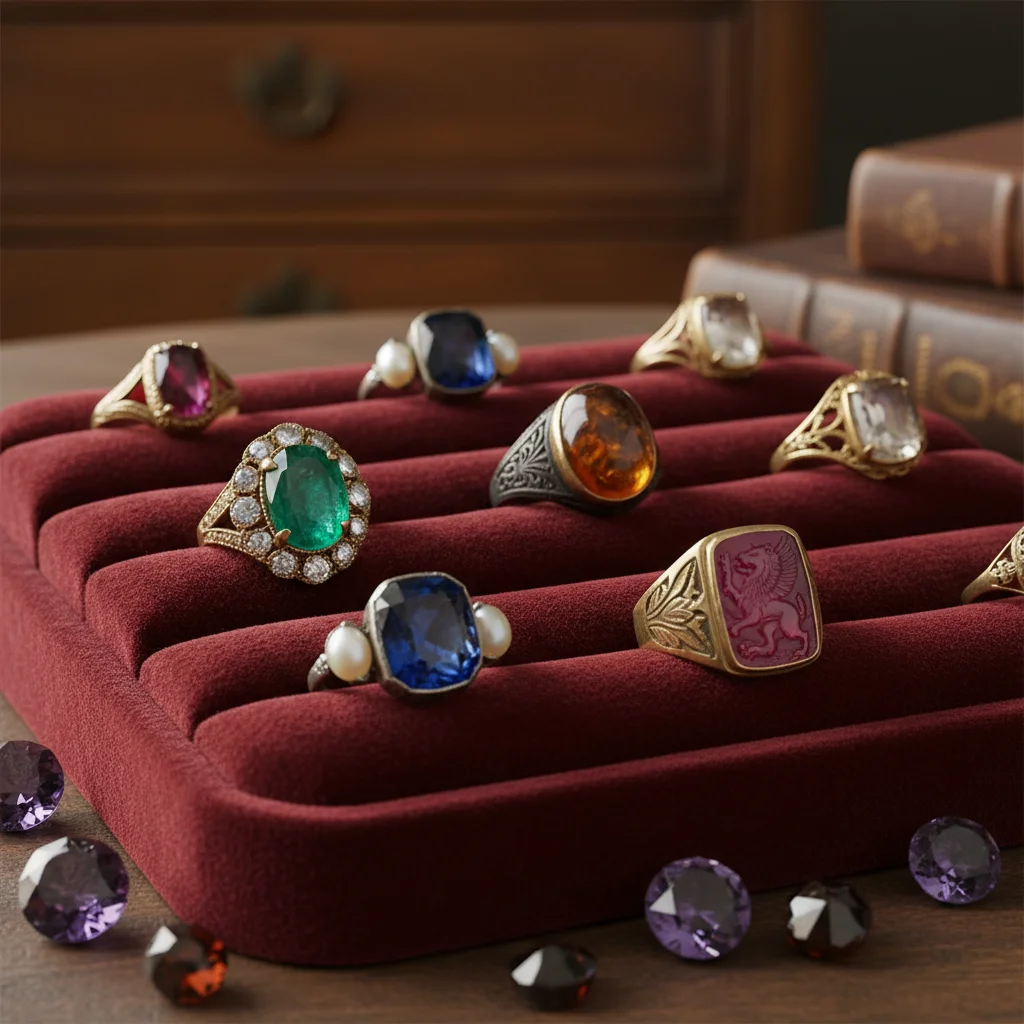
When selling jewelry, it should be photographed on a mannequin or on a hand/neck to show how it looks when worn. This approach isn't necessary for coins—clear shots of both sides, the edge, and possibly a photo at an angle to show the relief are sufficient.
Buyers tend to trust professional sellers more because they offer certain guarantees. These include the option to return the item, free shipping, combined shipping for multiple lots, and secure payment methods like PayPal with buyer protection.
For a private seller to compete successfully, they should try to match the service level of professionals as closely as possible. You can 'blur the line' between private and professional selling by offering similar conditions to buyers.
For example, you can guarantee a return within 14 days or if the item does not match the description (e.g., if a gold ring turns out not to be gold). It's also a good idea to offer free shipping by including its cost in the item's price beforehand—this is a good marketing move.
To stand out from other sellers and build a base of regular customers, it's useful to offer bonuses. This could be a discount for purchasing multiple items or offering combined shipping (Kombiversand), which allows the buyer to save on postage.
A good practice is to include a small bonus with the package. It doesn't have to be anything expensive—a promotional booklet on the topic or an inexpensive related item will do. Such a gesture makes the purchase more pleasant and helps the customer remember you as a seller.
It is also useful to maintain contact with buyers. Some time after the transaction, you can write to the client and offer new items related to their interests, which encourages repeat sales.

To trade successfully, it is important to offer goods of proper quality. Selling outright 'junk' is not recommended as it harms your reputation. You shouldn't expect an item bought for one euro to sell for ten thousand—such cases are rare exceptions.
If you have several similar items of varying quality, for example, identical coins in different conditions, you should start by selling the lower-quality specimens. This will allow you to gain experience. The best item should be listed last to get the maximum price for it.
When describing an item, it's important to be honest and not hide its flaws. If there are defects, they must be mentioned in the description and shown in detailed photographs. This approach builds trust and is important for long-term success in the market.
If you want to sell a truly valuable and expensive item, the best place for this is a specialized auction. Unlike general online marketplaces, these auctions attract a target audience willing to pay a high price for rare items.
Before listing the lot, you need to conduct market research: study information on forums, consult with antique shops. It's worth remembering that you should not sell an item at the same place where you received a consultation about it.
There are specific auctions for each type of antique: numismatic auctions for coins, art auctions for paintings. Auction houses charge a commission for their services, but it is there that you can get the maximum price for a worthwhile item. Although there are dishonest auctions, large and well-known platforms generally operate honestly.