
Collector's Guide
Step-by-step instructions for beginners. Term dictionaries, storage guides, legal and tax advice.
Articles (310)
Page 1 of 16
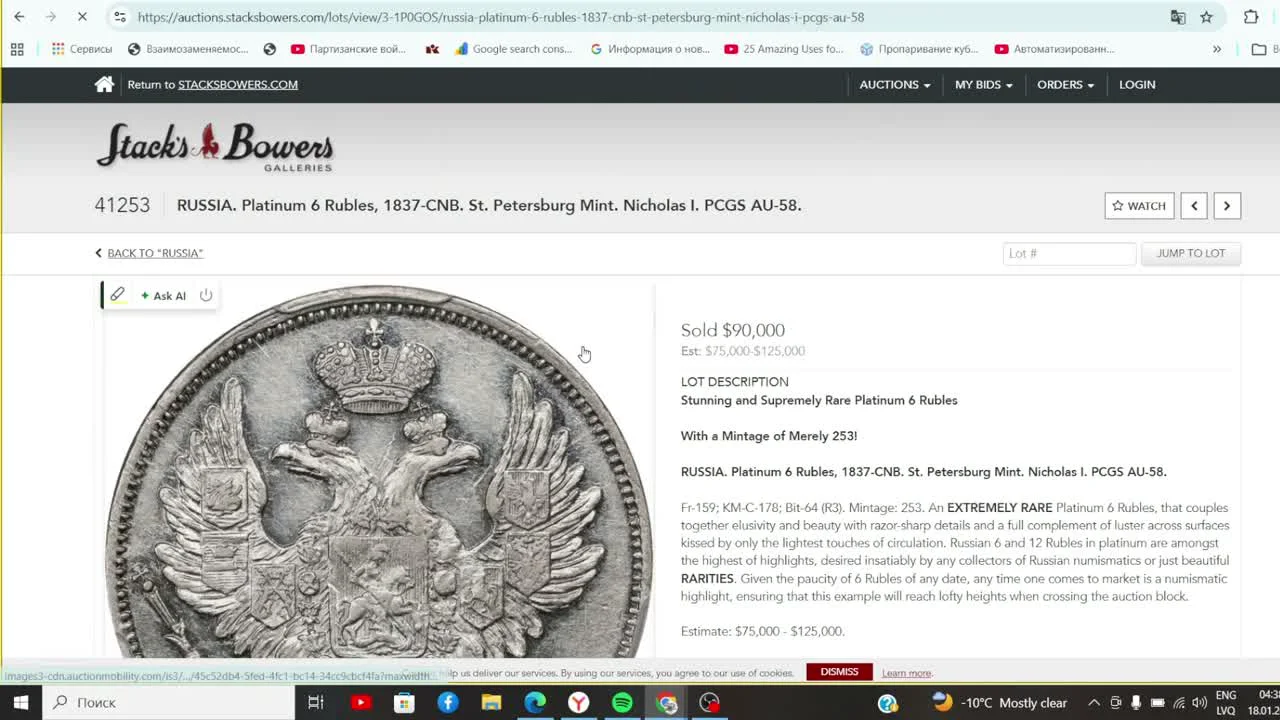
Обзор аукциона Stacks Bowers: Ценные и испорченные монеты Российской Империи
На аукционе Stacks Bowers, который состоялся 16 января 2026 года (17 января по европейскому времени), был представлен ряд интересных лотов. Одним из первых привлек внимание платиновый номинал в 6 рублей 1837 года.
Auction NewsCollector's Guide
Read More →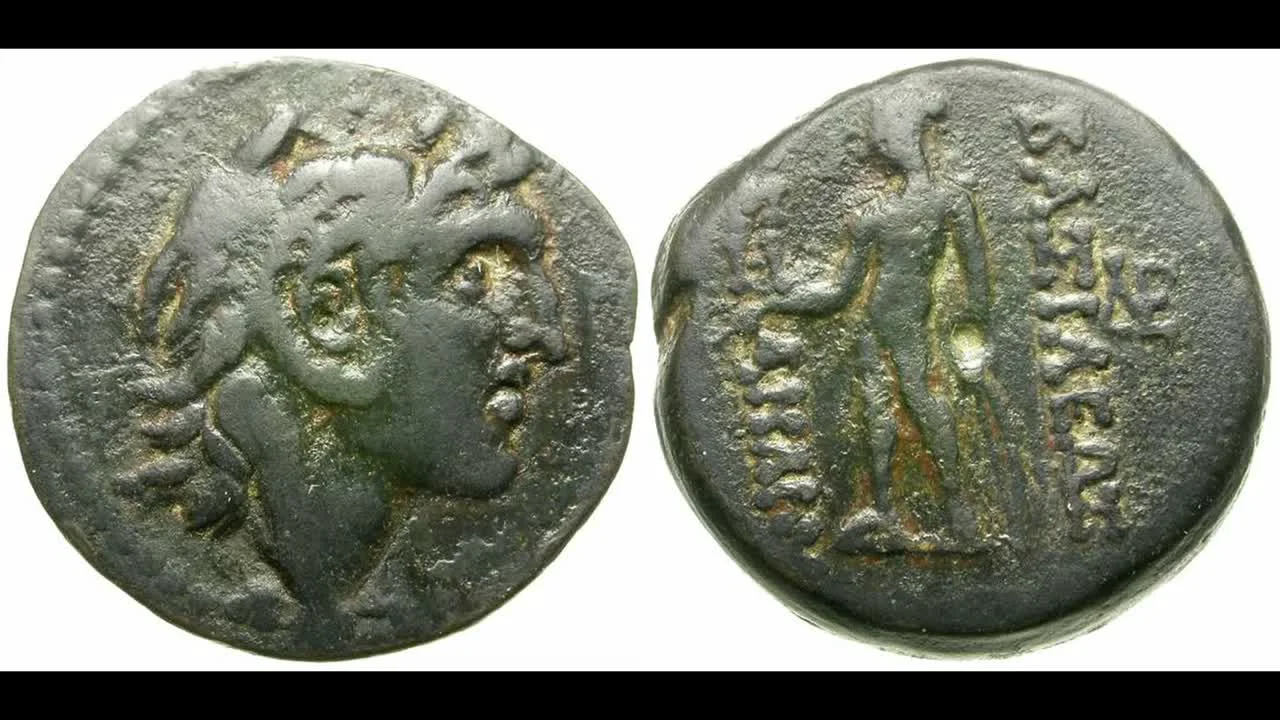
Доступные древнегреческие монеты: руководство для коллекционера
При бюджете около 50 долларов стоит сосредоточиться на поиске бронзовых монет наилучшего возможного качества. Альтернативно, можно выбрать монету правителя, чья история представляет для вас личный интерес. Это позволяет приобрести артефакт с интересным прошлым, не выходя за рамки скромного бюджета.
Collector's GuideInvestments
Read More →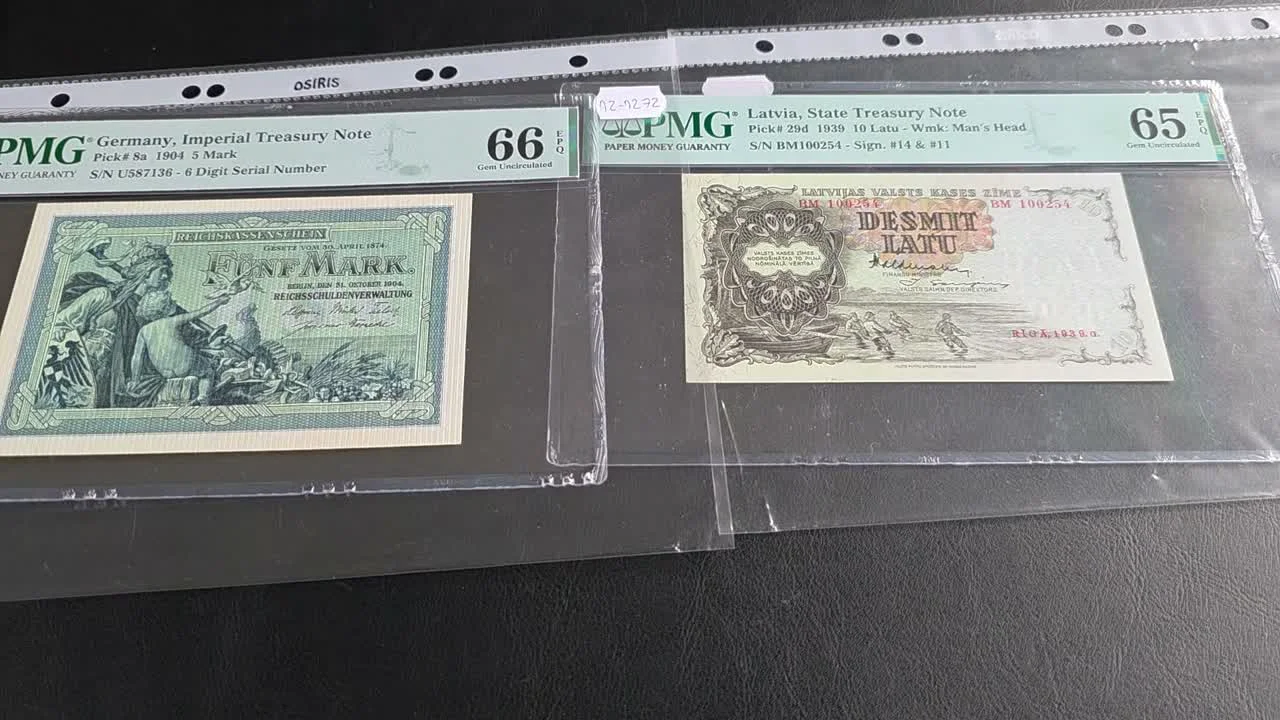
Досадная ошибка на 800 евро: как расширение коллекции привело к новому увлечению
Для многих коллекционеров путь начинается с нумизматики — собирания монет. Однако со временем появляется желание развиваться и изучать смежные области, например, бонистику. Это решение позволяет не только разнообразить коллекцию, но и глубже погрузиться в историю денежного обращения.
Collector's GuideHistory of Things
Read More →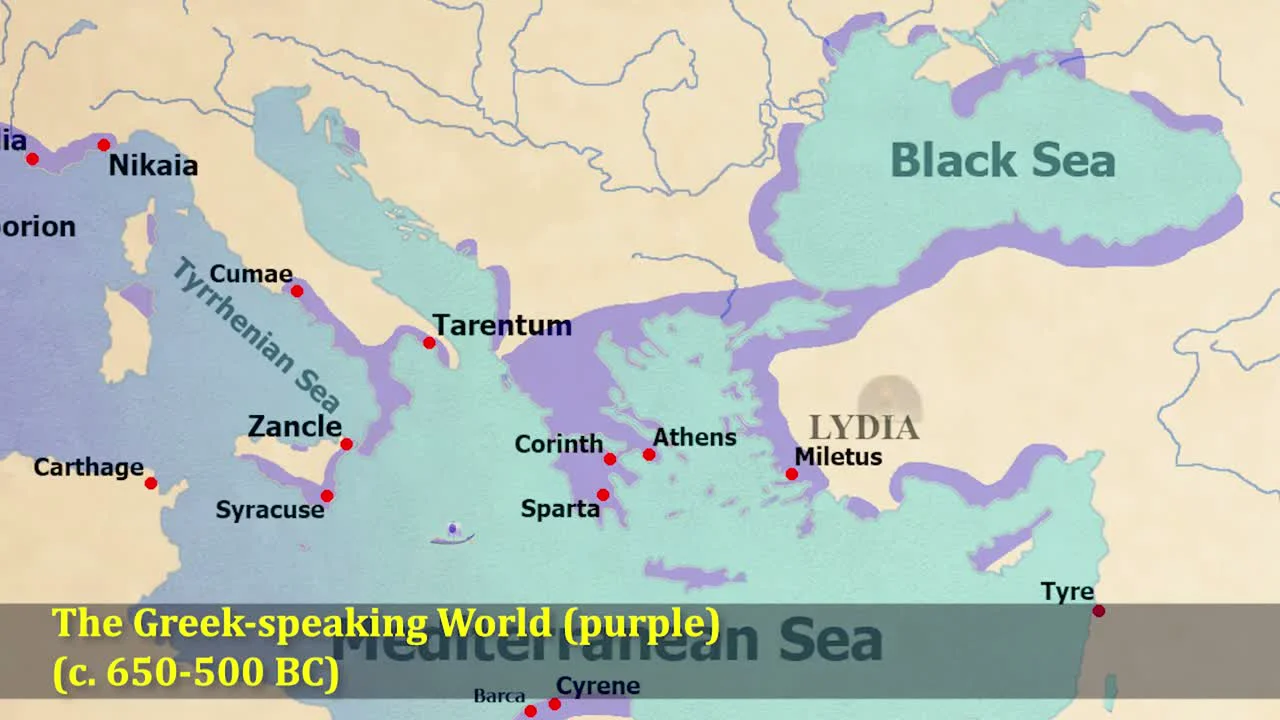
Краткая история древнегреческих монет
Вопреки распространенному мнению, чеканка монет была изобретена не в Греции и не в одной из ее многочисленных колоний. Первые монеты появились в негреческом царстве Лидия, расположенном в Западной Анатолии, примерно в 630-х годах до нашей эры.
History of ThingsCollector's Guide
Read More →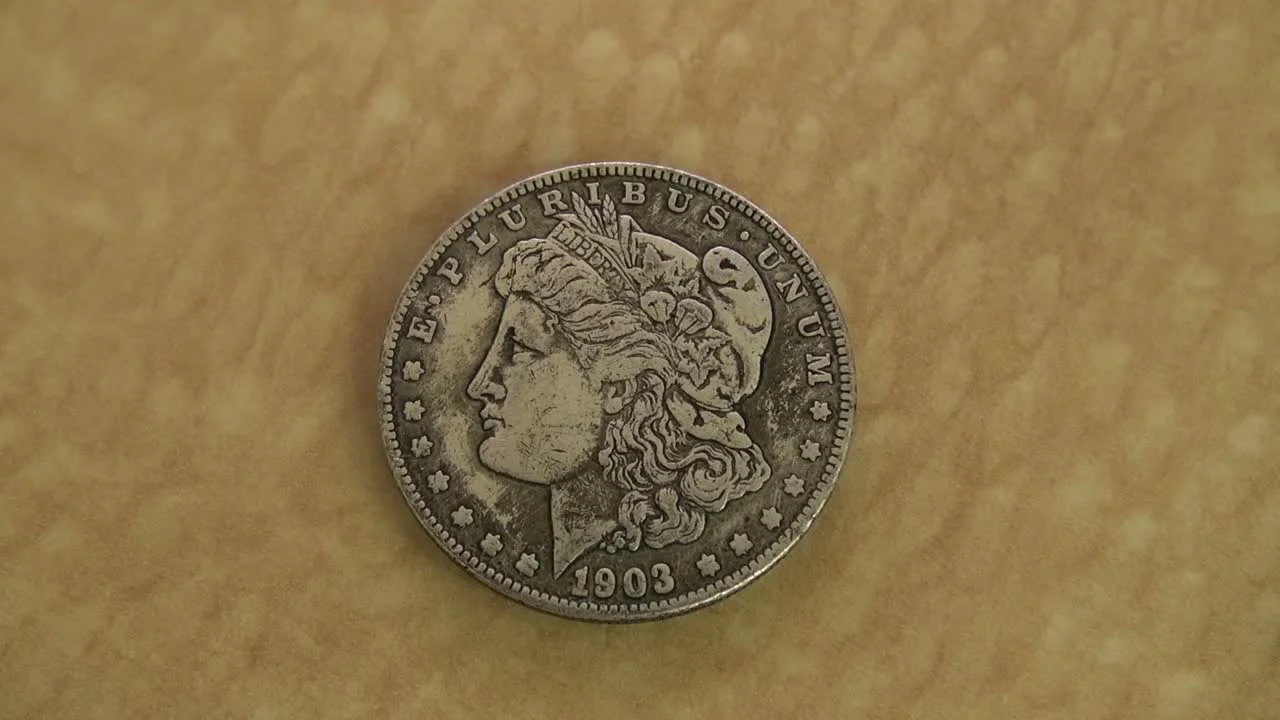
Как распознать качественную подделку серебряного доллара Моргана
В центре внимания — серебряный доллар Моргана 1903 года с клеймом «S», что означает его чеканку в Сан-Франциско. Эта монета является ключевой датой с небольшим тиражом, составляющим примерно 1,24 миллиона экземпляров, что делает ее довольно востребованной среди коллекционеров, хотя и не самой редкой.
ExpertiseCollector's Guide
Read More →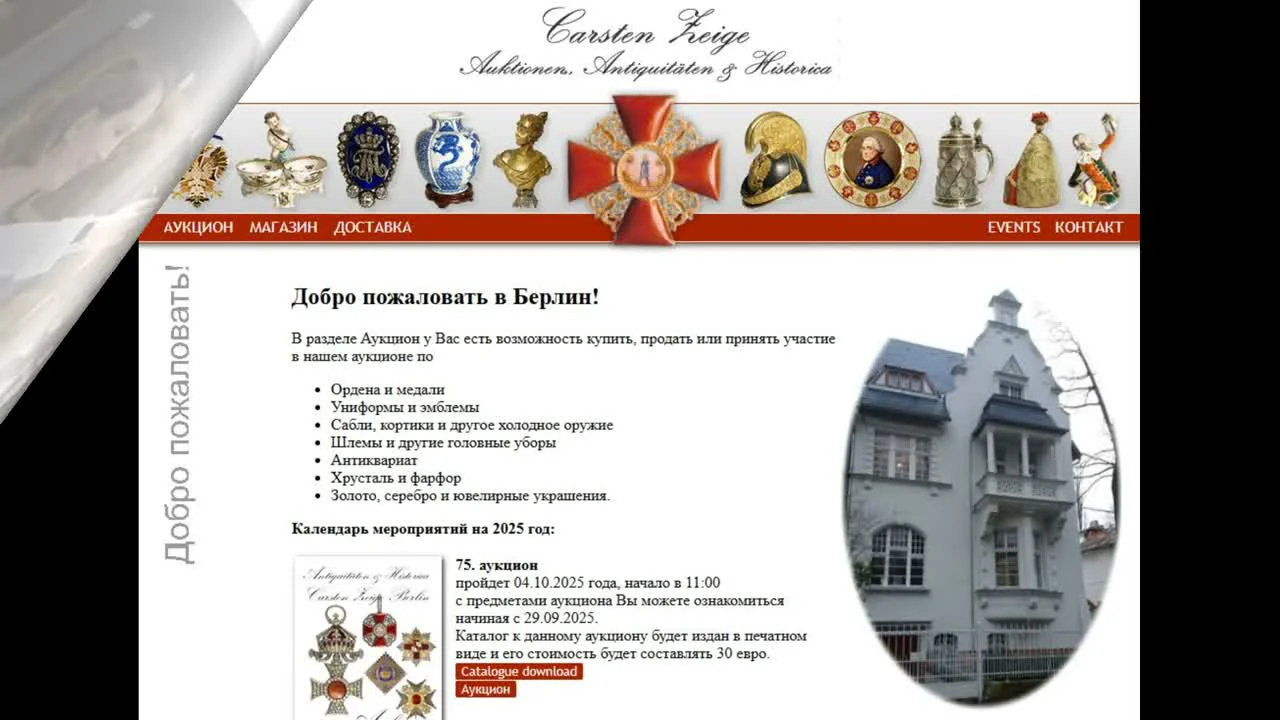
Итоги немецких аукционов: как изменились цены на русский антиквариат
Для понимания текущей ситуации на рынке русского антиквариата был проведен анализ итогов торгов двух крупных аукционных домов Германии — Hargesheimer и Carsten Freize. Этот обзор охватывает различные группы товаров, чтобы составить представление о том, выросли или упали цены на предметы коллекционирования.
Auction NewsCollector's Guide
Read More →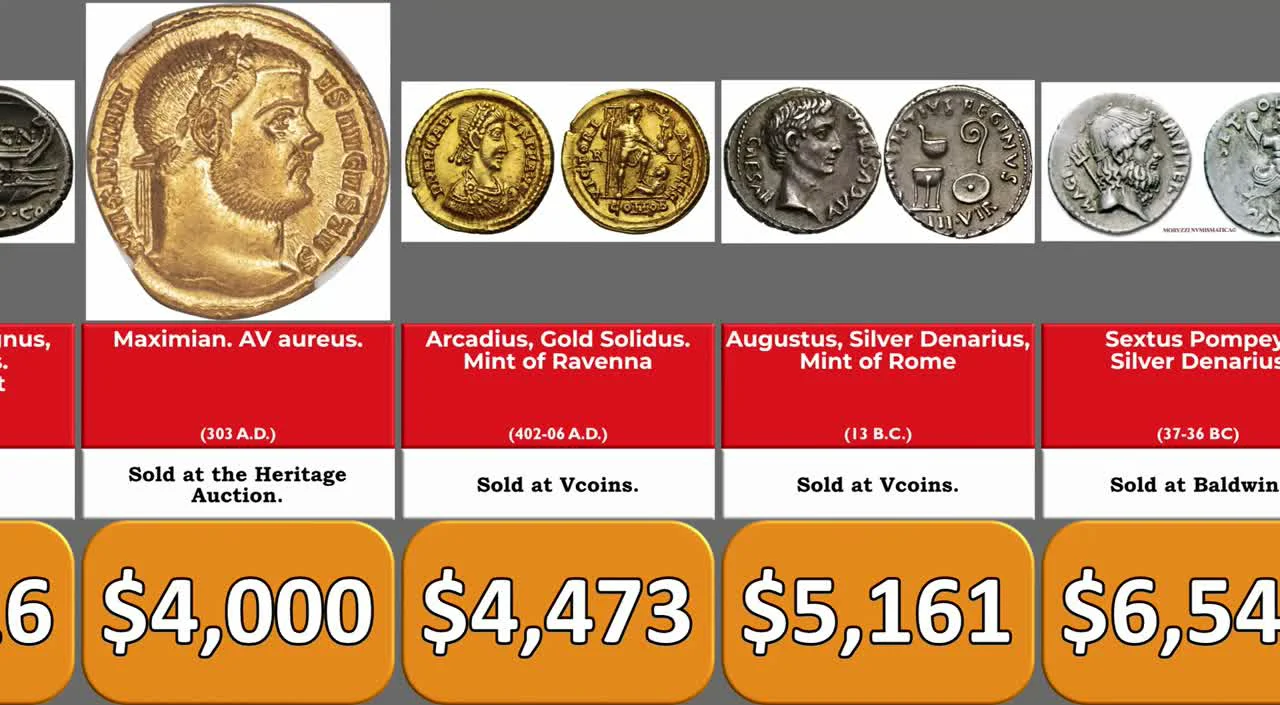
Обзор ценных римских монет для коллекционеров
Мир древнеримской нумизматики охватывает сотни лет истории, от республиканского периода до падения империи. Ценность монет варьируется в широких пределах: от нескольких десятков до десятков тысяч долларов. Стоимость определяется такими факторами, как редкость экземпляра, материал (бронза, серебро, золото), состояние сохранности и историческая личность, изображенная на монете.
Collector's GuideHistory of Things
Read More →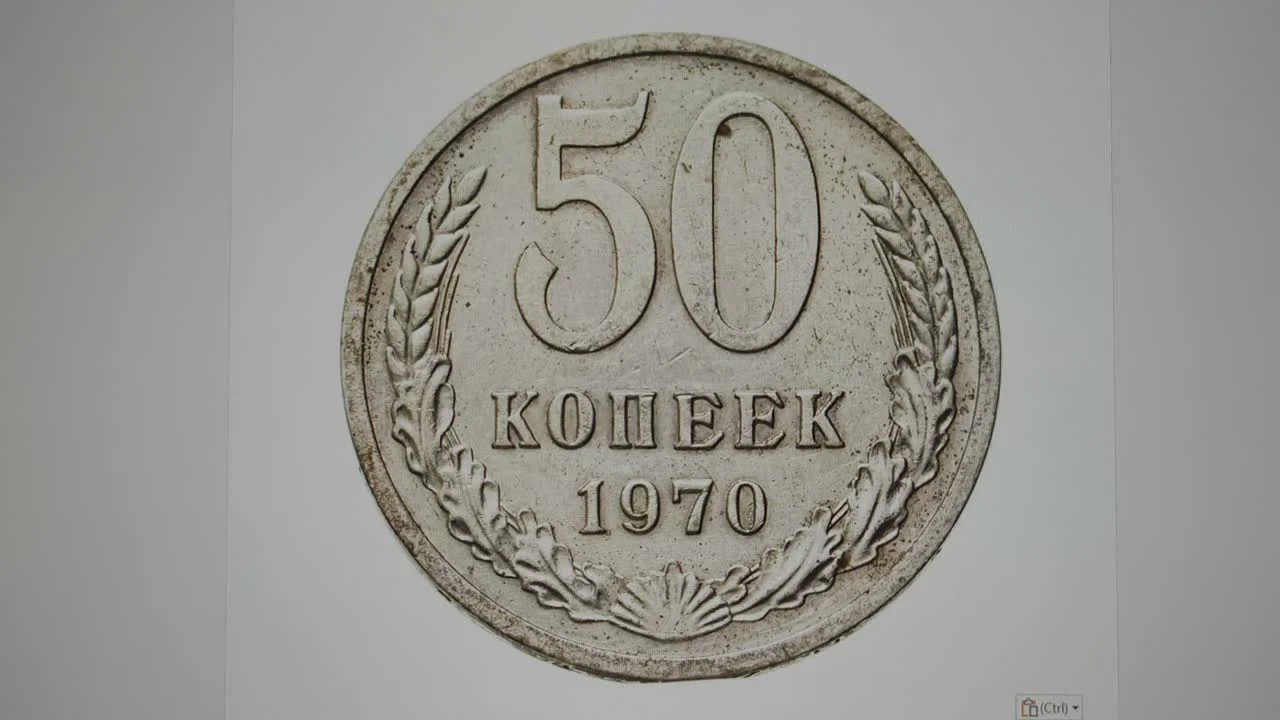
50 копеек 1970 года: Детальный обзор советской монеты
Монета 50 копеек 1970 года выпуска — это настоящая классика денежного обращения позднего Советского Союза. В те времена эта монета имела значительную покупательную способность. На нее можно было приобрести различные товары и услуги, ставшие символами той эпохи.
Collector's GuideHistory of Things
Read More →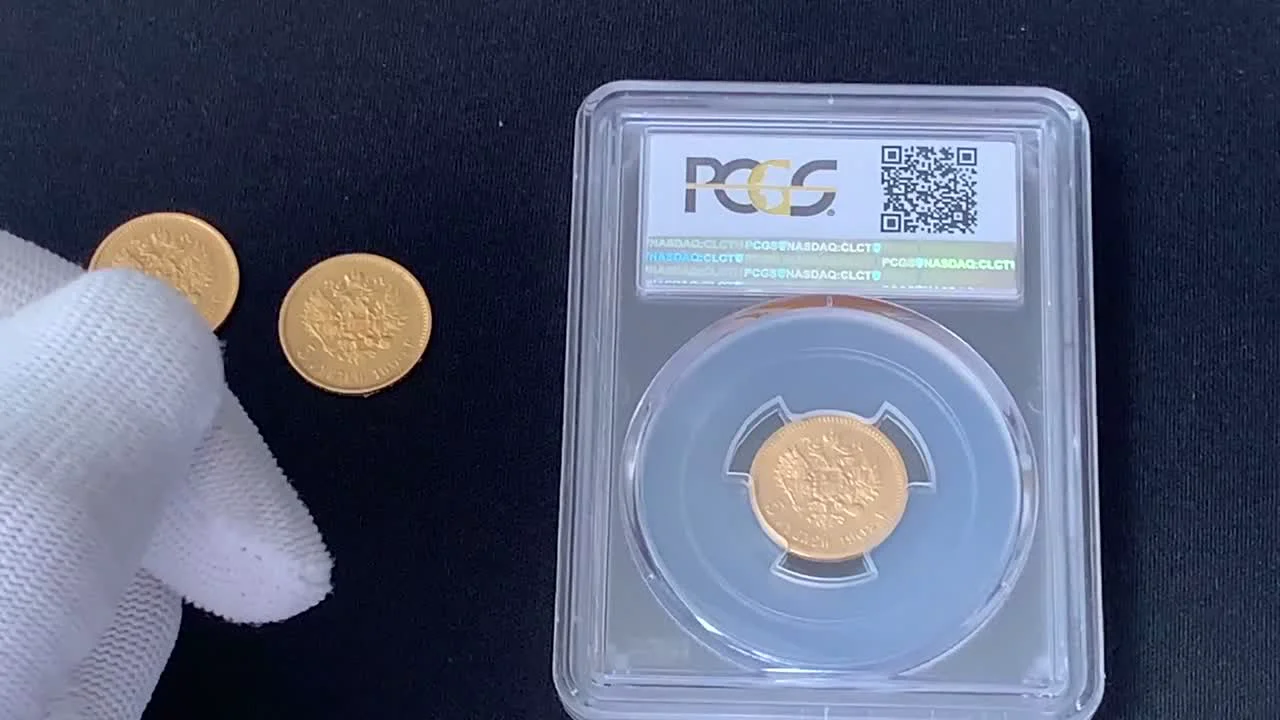
Как безопасно купить золотую монету в интернете: алгоритм проверки
Приобретение золотых монет в интернете, например, на электронных аукционах, может быть единственным доступным вариантом для инвесторов, проживающих вдали от крупных городов. Однако такие покупки связаны с риском столкнуться с подделкой. Чтобы минимизировать этот риск, был разработан специальный алгоритм действий, позволяющий оценить подлинность монеты по фотографиям.
InvestmentsCollector's Guide
Read More →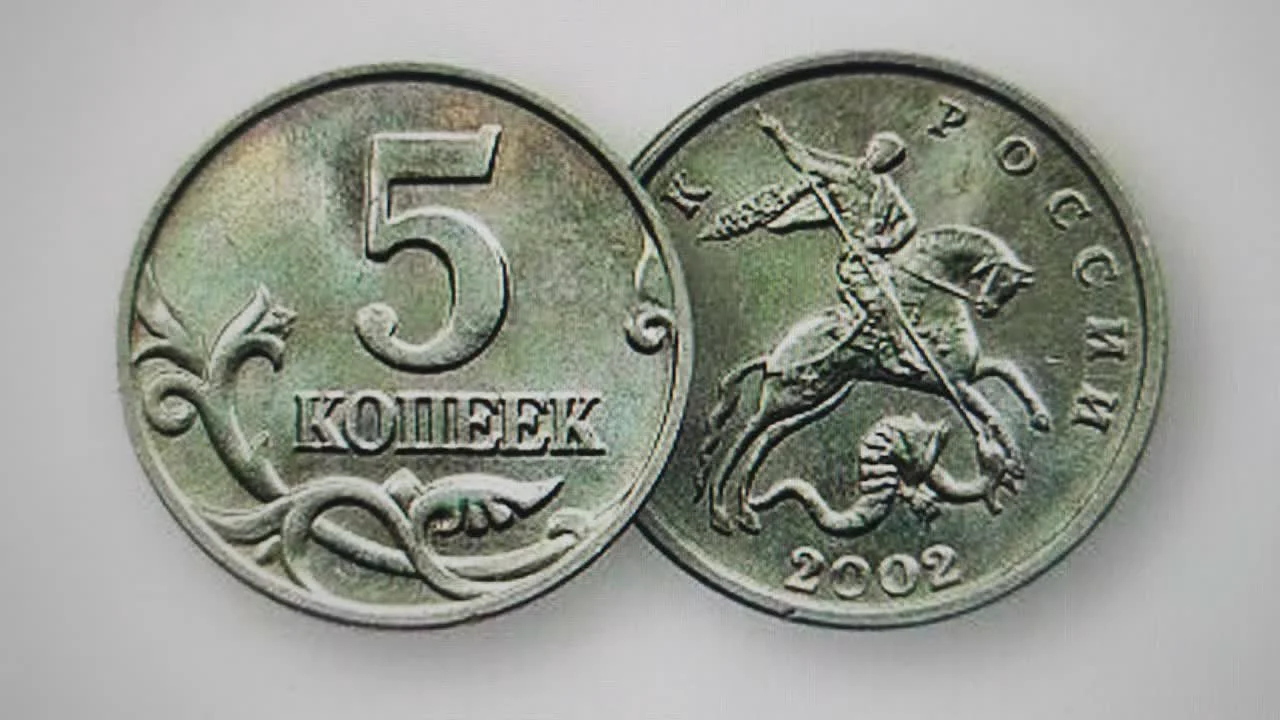
5 копеек 2002 года: характеристики и стоимость
Монета 5 копеек 2002 года, выпущенная в Российской Федерации, обладает рядом четких физических характеристик. Она изготовлена из медно-цинкового сплава, известного как латунь, что придает ей характерный золотисто-желтый цвет.
Collector's Guide
Read More →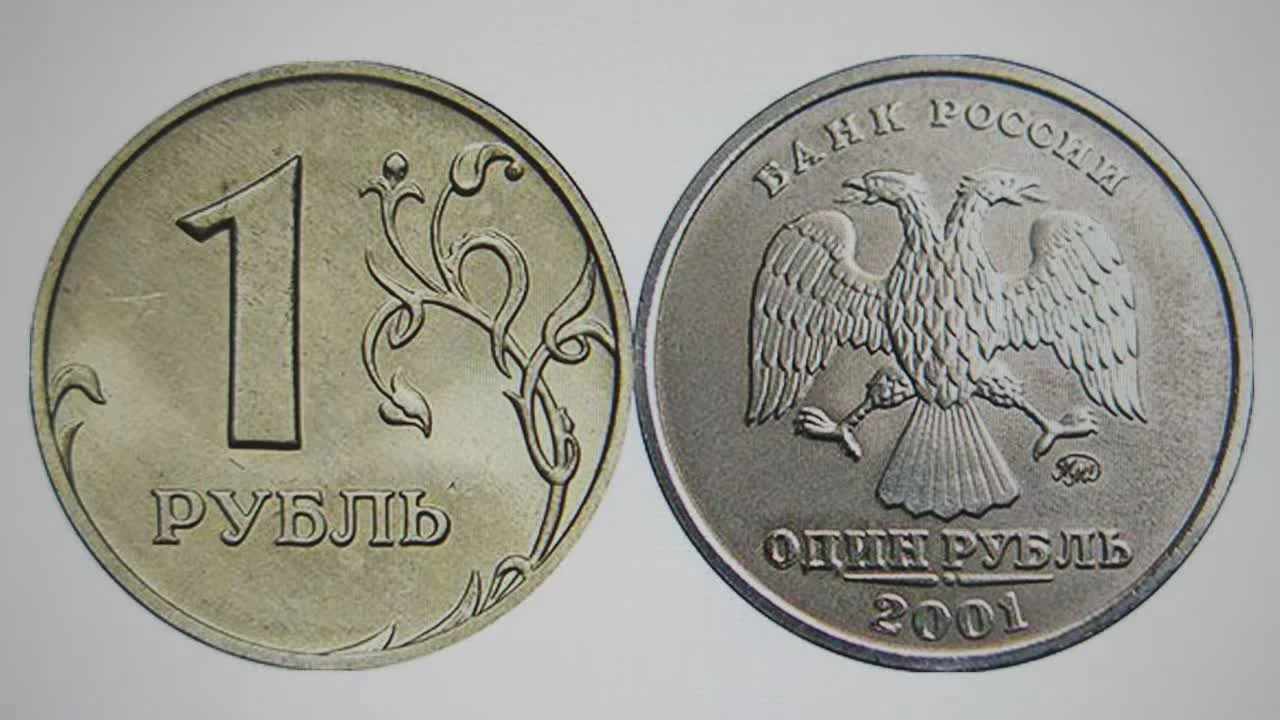
Монета 1 рубль 2001 года: характеристики и коллекционная ценность
Российская монета номиналом 1 рубль, выпущенная в 2001 году, обладает рядом стандартных технических характеристик. Она изготовлена из никелированной стали, что придает ей характерный серебристый цвет и обеспечивает долговечность.
Collector's GuideHistory of Things
Read More →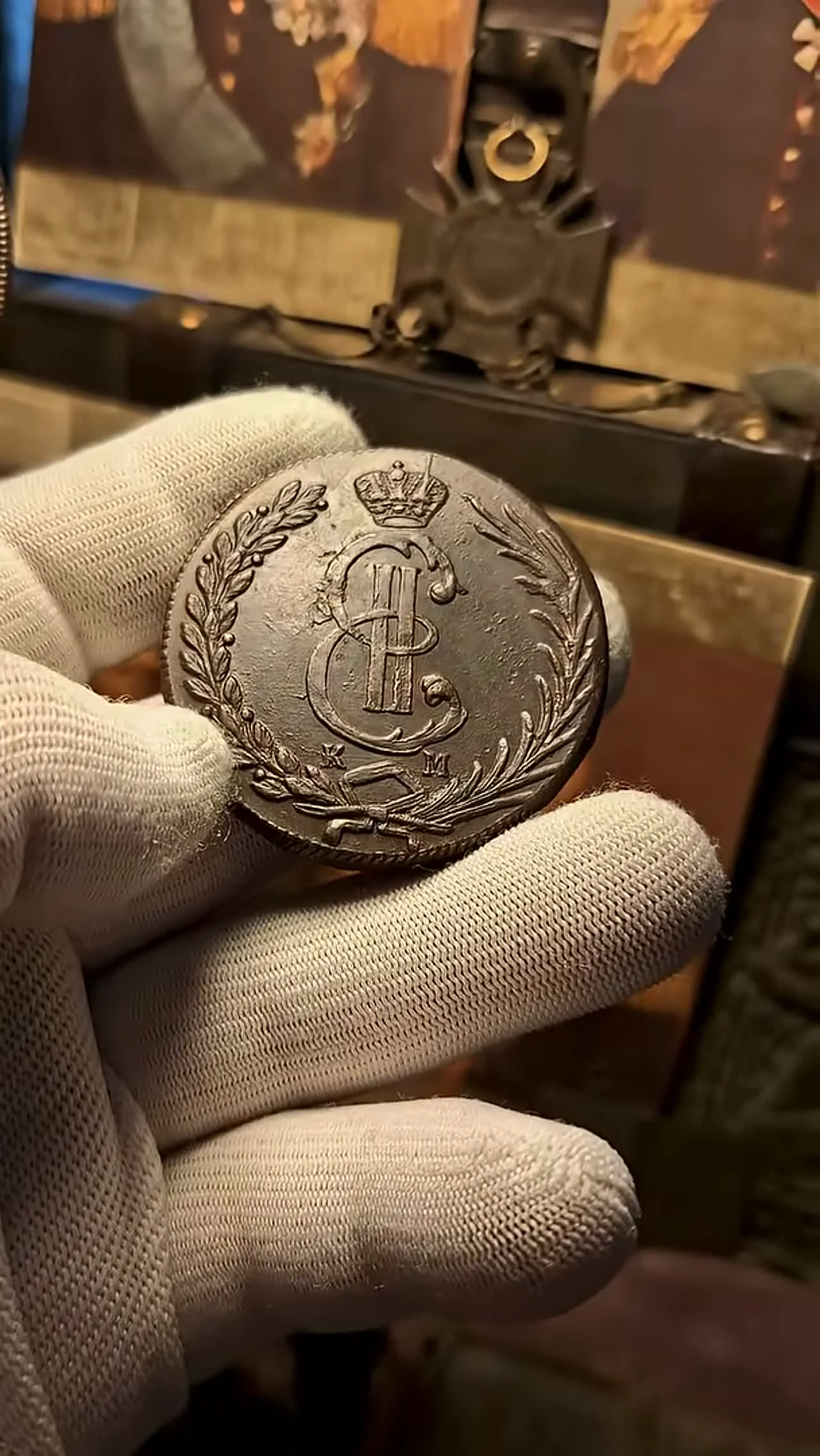
Сибирский гигант: самая большая и тяжелая монета Российской империи
В истории нумизматики Российской империи существует экземпляр, выделяющийся своими размерами и весом. Речь идет о самой большой и тяжелой монете, выпущенной в эпоху правления императрицы Екатерины Великой. Этот денежный знак известен как сибирский гривенник.
History of ThingsCollector's Guide
Read More →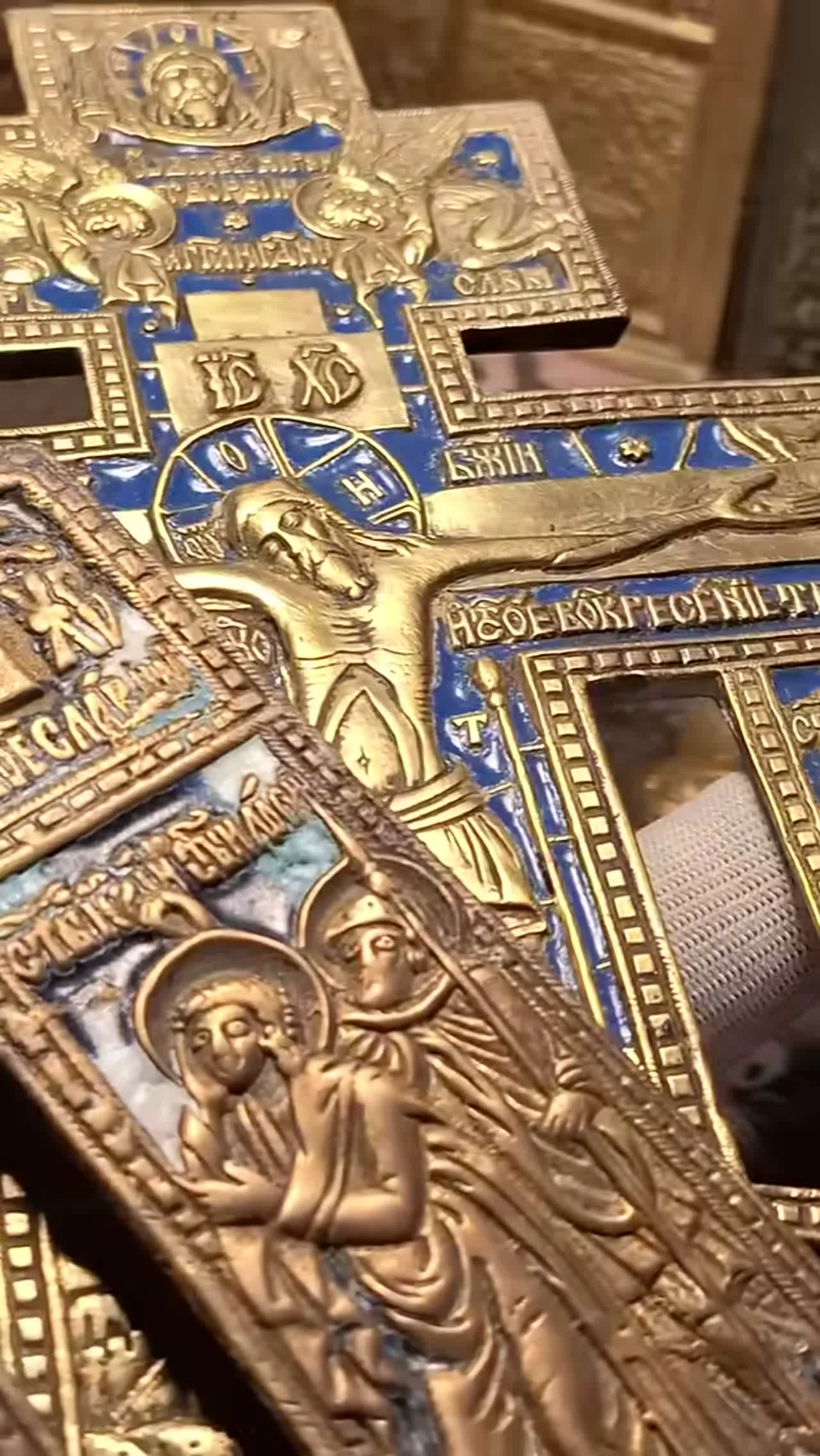
Старинные напрестольные кресты 19 века с эмалью
Существуют прекрасные образцы старинных крестов, датируемых XIX веком, которые отличаются сохранностью оригинальных эмалей. Эти артефакты представляют собой два различных типа исполнения, различающихся в первую очередь по количеству и палитре использованной эмали.
History of ThingsCollector's Guide
Read More →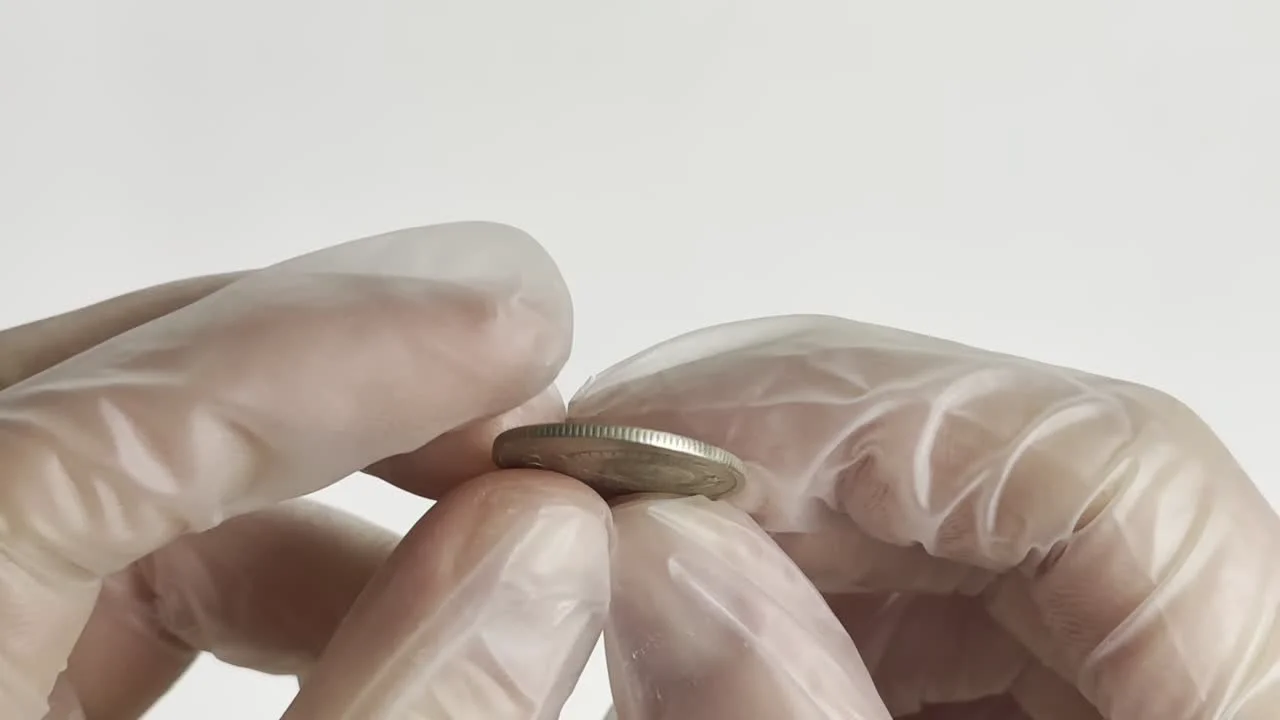
Реальная цена 20 копеек 1961 года: от обиходной мелочи до сотен долларов
Монета номиналом 20 копеек 1961 года является одной из самых известных советских монет. Она появилась в результате денежной реформы Хрущёва, когда в оборот были выпущены новые, более лёгкие и современные деньги из медно-никелевого сплава.
Collector's GuideExpertise
Read More →
Стоимость советских монет 20 копеек 1961-1991: Полное руководство по редким годам
Советские монеты номиналом 20 копеек, выпускавшиеся с 1961 по 1991 год, сохранились практически в каждой семье. Этот номинал был очень популярен, и таких монет осталось много. Они являются частью последней советской денежной реформы 1961 года, когда рубль был действительно крепкой и стоящей валютой.
Collector's GuideHistory of Things
Read More →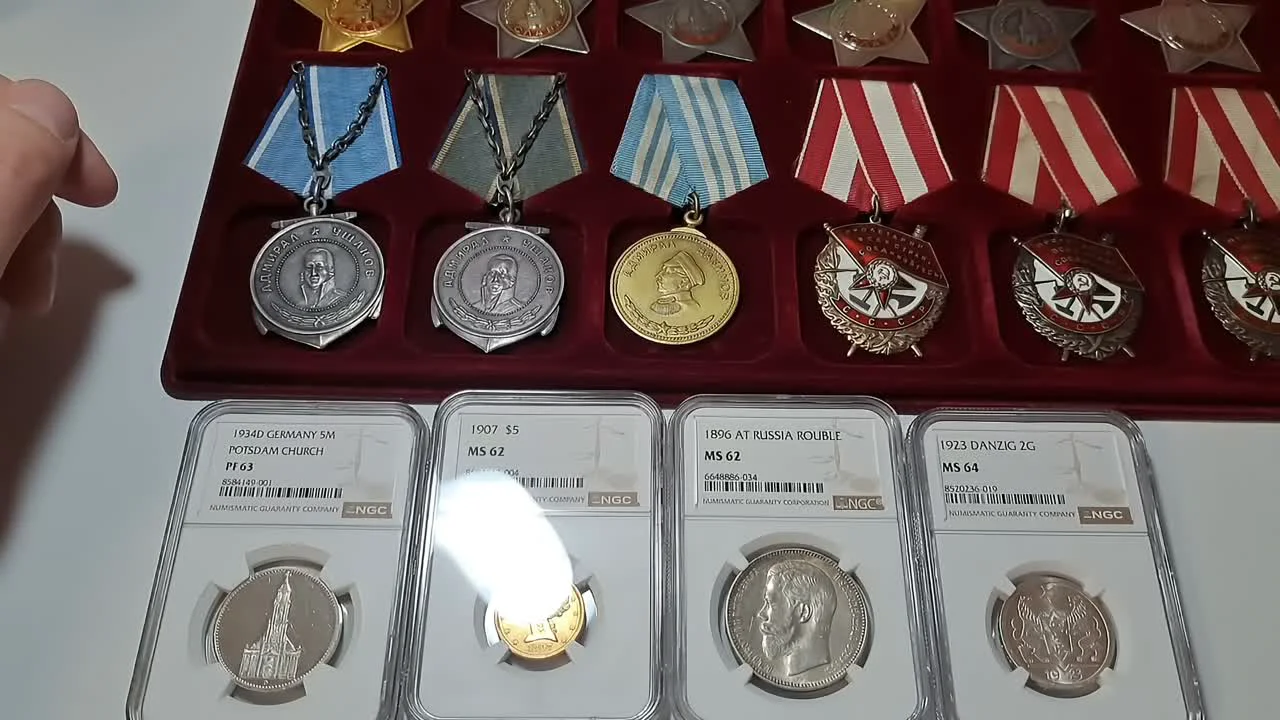
Итоги 2025 года: как изменился рынок нумизматики и фалеристики
2025 год оказался непростым для мира нумизматики и фалеристики. Основной причиной стал значительный скачок цен на драгоценные металлы, включая золото, серебро и платину. Этот рост привел к тому, что за те же деньги коллекционеры теперь могут приобрести гораздо меньшее количество предметов.
InvestmentsCollector's Guide
Read More →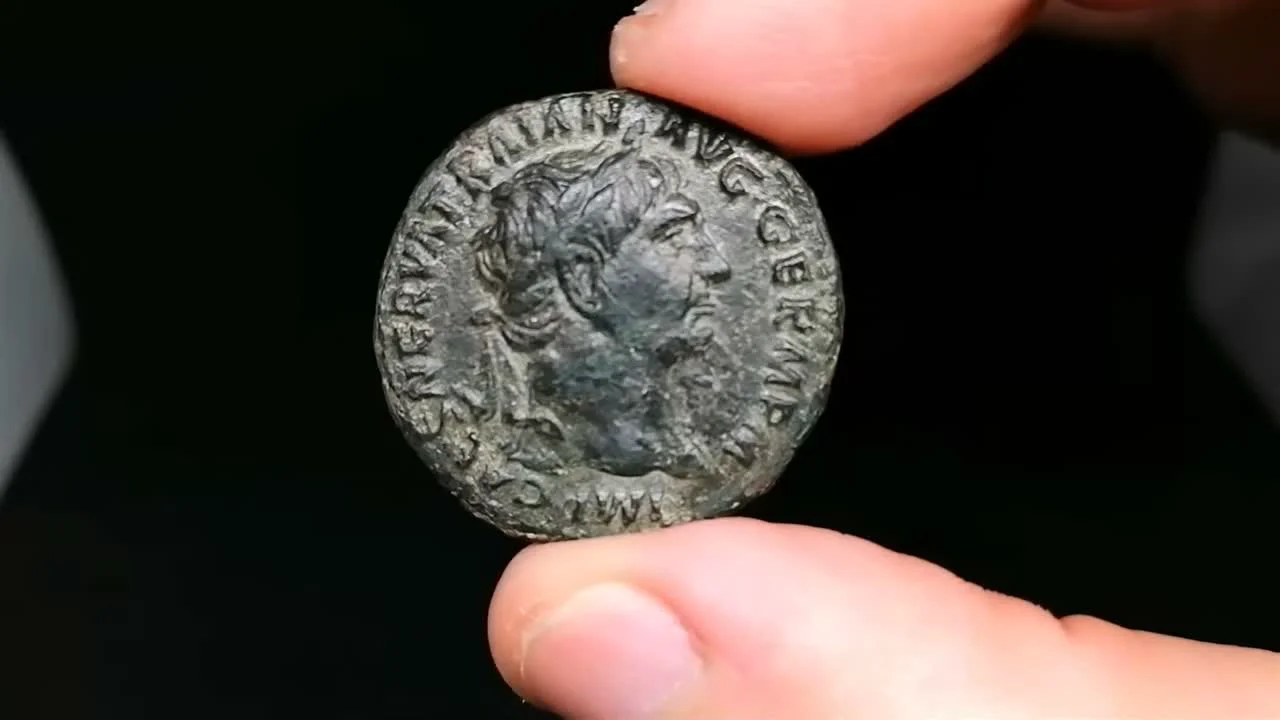
Как долго римские монеты оставались в обращении?
Чтобы понять, как долго древние монеты находились в обращении, начнем с монет из недрагоценных металлов. К ним относятся бронза, медь, латунь и другие дешевые сплавы. По сути, это были «деньги для масс», которые использовались в повседневной жизни.
History of ThingsCollector's Guide
Read More →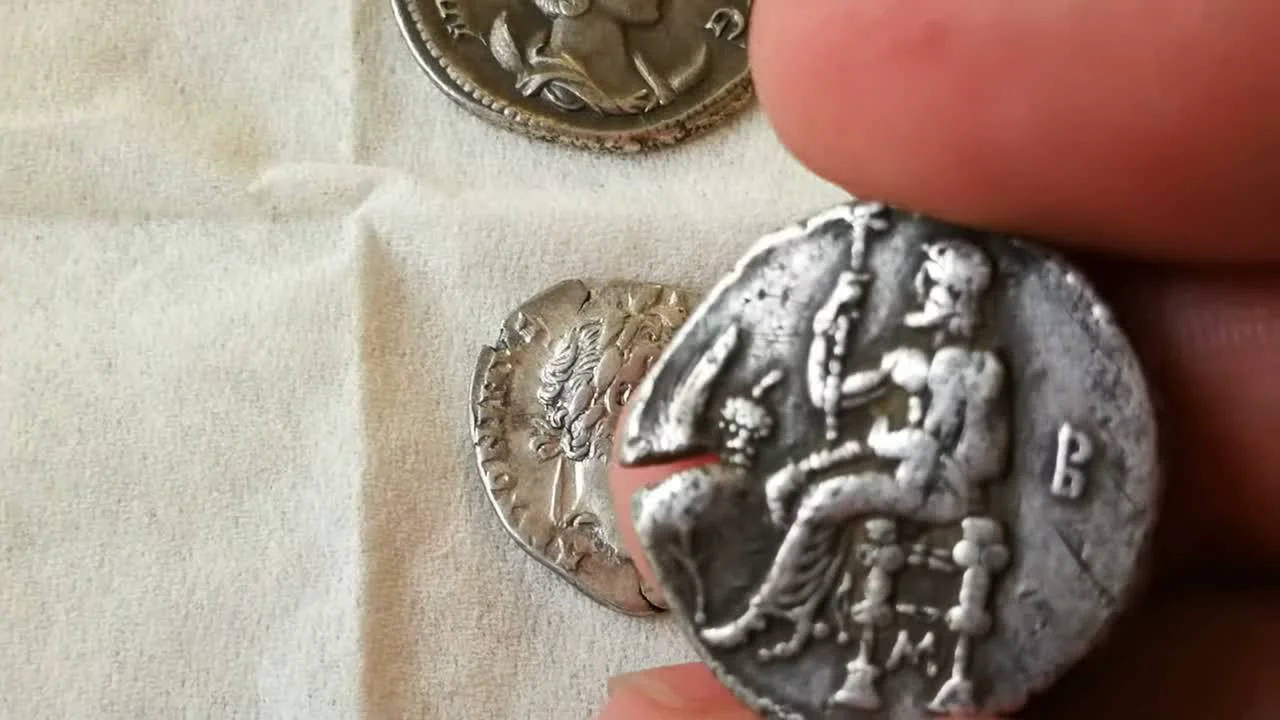
Путешествие по древней чеканке: сокровища греческих и римских серебряных монет
Путешествие в мир нумизматики начинается со статера из Тарса в Киликии, отчеканенного около 330 года до н.э. Эта монета является прекрасным образцом древнего искусства, демонстрируя высокий уровень мастерства гравёров того времени.
Collector's GuideHistory of Things
Read More →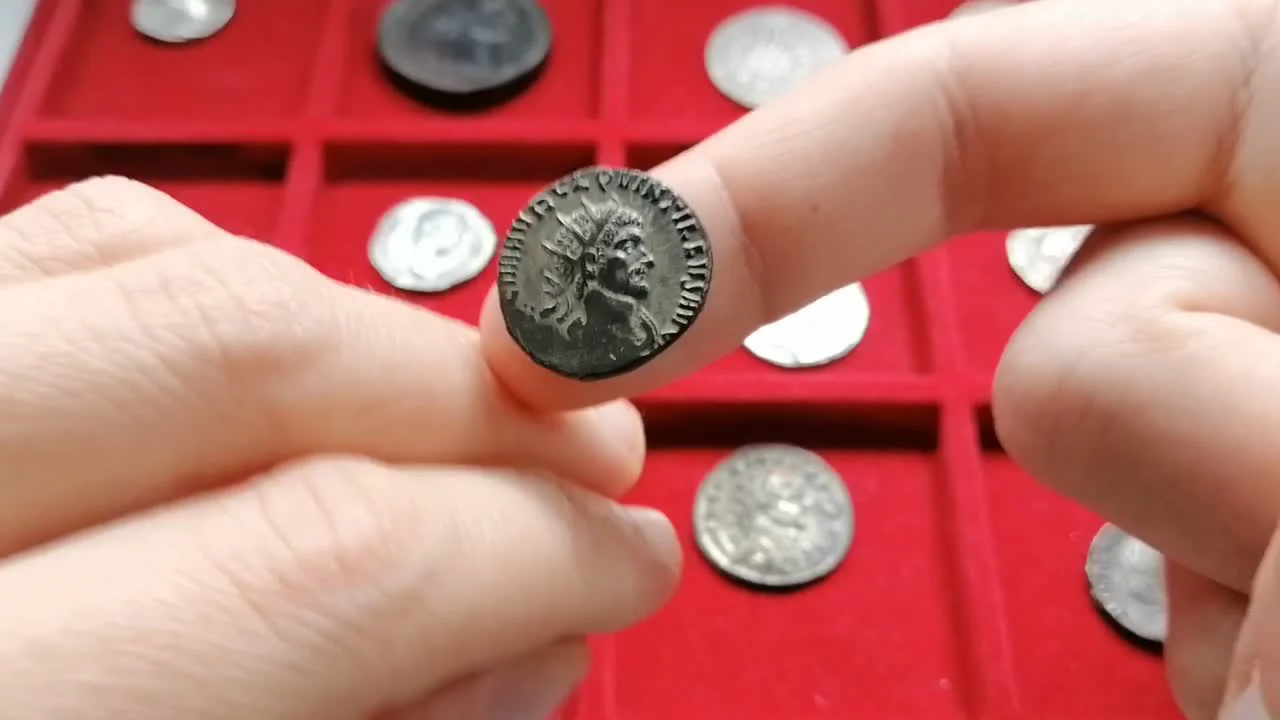
Советы для успешного коллекционирования монет
Коллекционирование монет — это марафон, а не спринт. Это долгий и методичный процесс, который включает в себя исследования, изучение исторических книг, наблюдение за рынком и общение с другими нумизматами. Чтобы стать хорошим коллекционером и нумизматом, требуются годы.
Collector's Guide
Read More →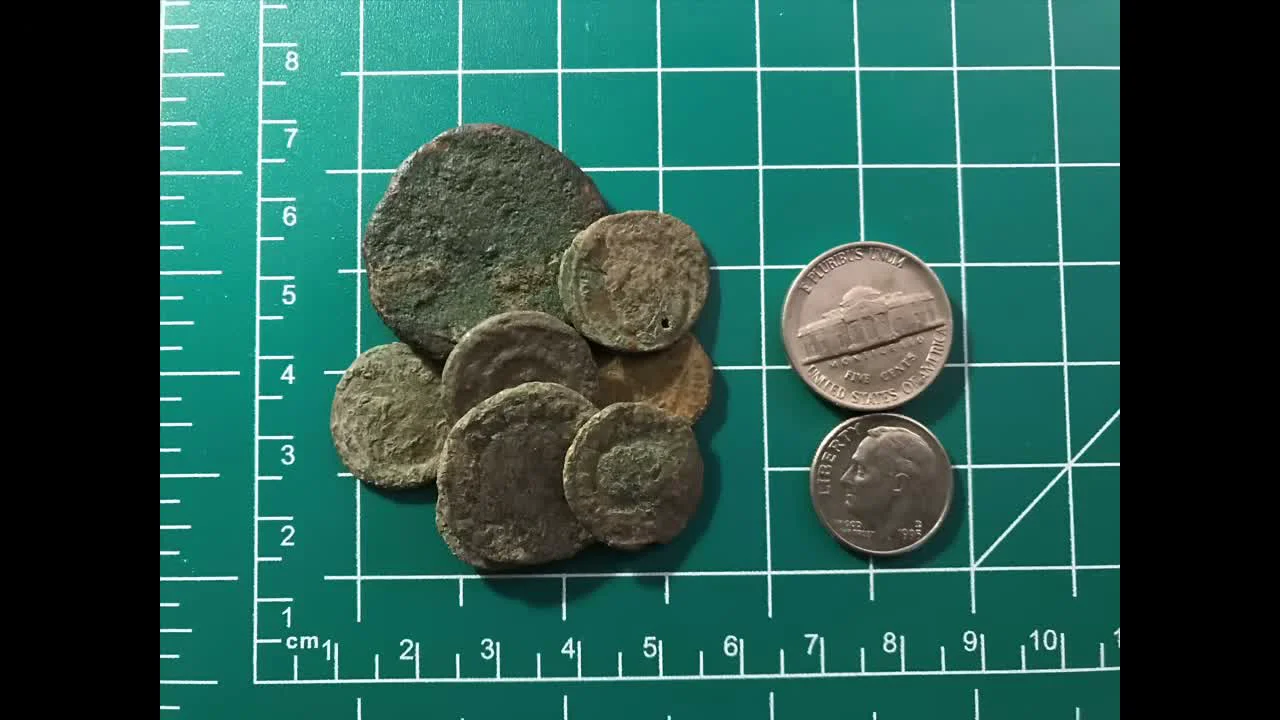
Искусство чистки римских монет: от грязного металла до исторического артефакта
Большинство неочищенных монет, поступающих на рынок, представляют собой мелкие бронзовые изделия III-IV веков нашей эры, по размеру сопоставимые с современными мелкими монетами. Их стоимость и потенциальная ценность после чистки сильно различаются в зависимости от первоначального состояния и качества.
Collector's GuideHistory of Things
Read More →