
History of Things
Fascinating stories about cult objects, brands and their creators. Emotional longreads about things with soul.
Articles (119)
Page 1 of 6
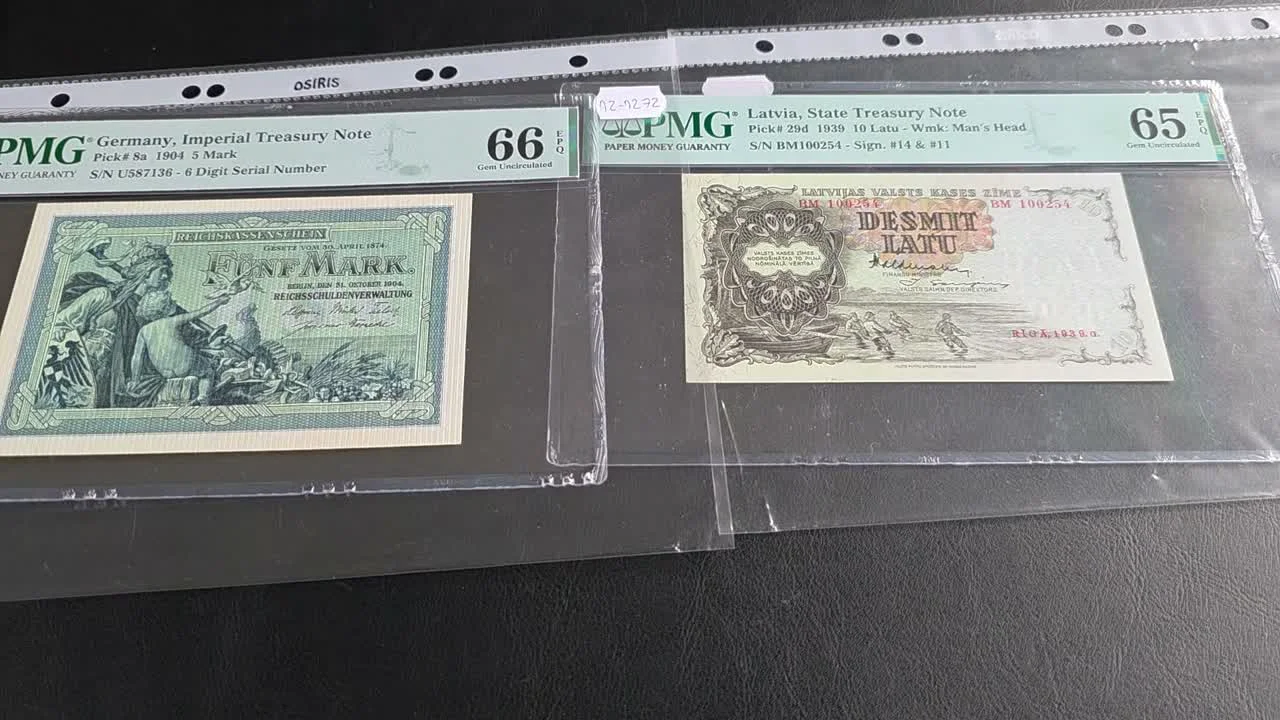
Досадная ошибка на 800 евро: как расширение коллекции привело к новому увлечению
Для многих коллекционеров путь начинается с нумизматики — собирания монет. Однако со временем появляется желание развиваться и изучать смежные области, например, бонистику. Это решение позволяет не только разнообразить коллекцию, но и глубже погрузиться в историю денежного обращения.
Collector's GuideHistory of Things
Read More →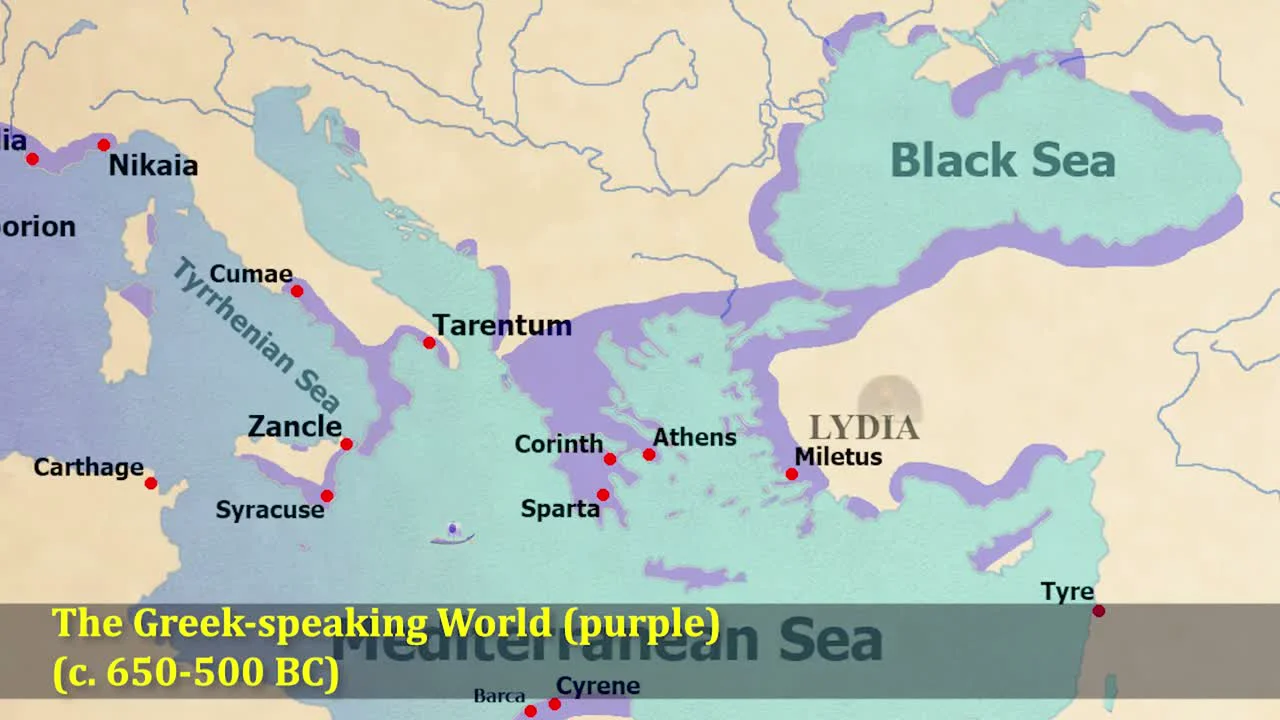
Краткая история древнегреческих монет
Вопреки распространенному мнению, чеканка монет была изобретена не в Греции и не в одной из ее многочисленных колоний. Первые монеты появились в негреческом царстве Лидия, расположенном в Западной Анатолии, примерно в 630-х годах до нашей эры.
History of ThingsCollector's Guide
Read More →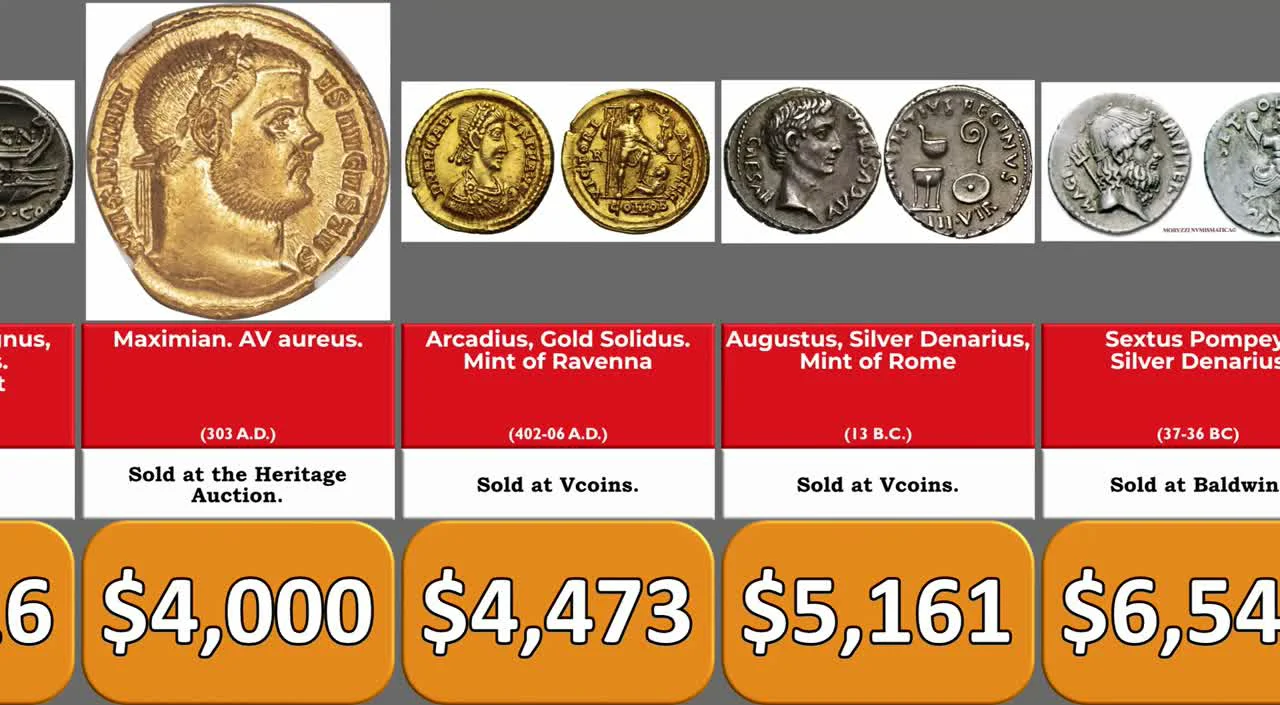
Обзор ценных римских монет для коллекционеров
Мир древнеримской нумизматики охватывает сотни лет истории, от республиканского периода до падения империи. Ценность монет варьируется в широких пределах: от нескольких десятков до десятков тысяч долларов. Стоимость определяется такими факторами, как редкость экземпляра, материал (бронза, серебро, золото), состояние сохранности и историческая личность, изображенная на монете.
Collector's GuideHistory of Things
Read More →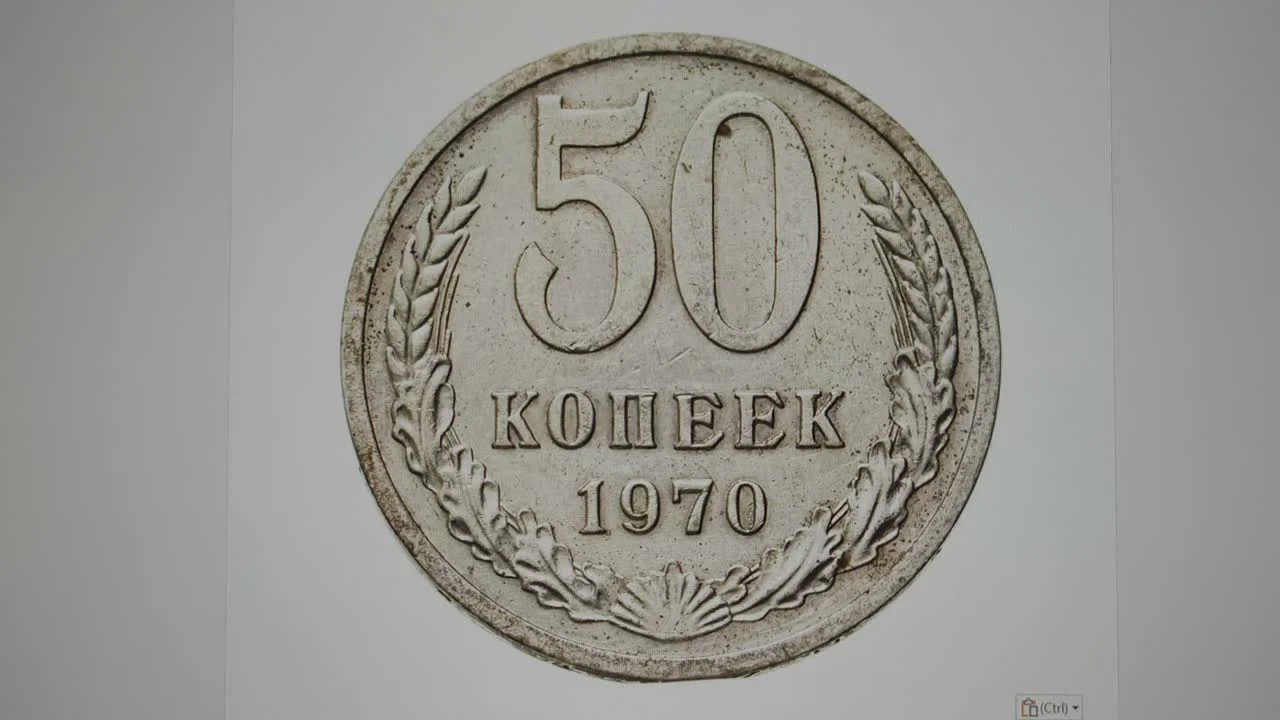
50 копеек 1970 года: Детальный обзор советской монеты
Монета 50 копеек 1970 года выпуска — это настоящая классика денежного обращения позднего Советского Союза. В те времена эта монета имела значительную покупательную способность. На нее можно было приобрести различные товары и услуги, ставшие символами той эпохи.
Collector's GuideHistory of Things
Read More →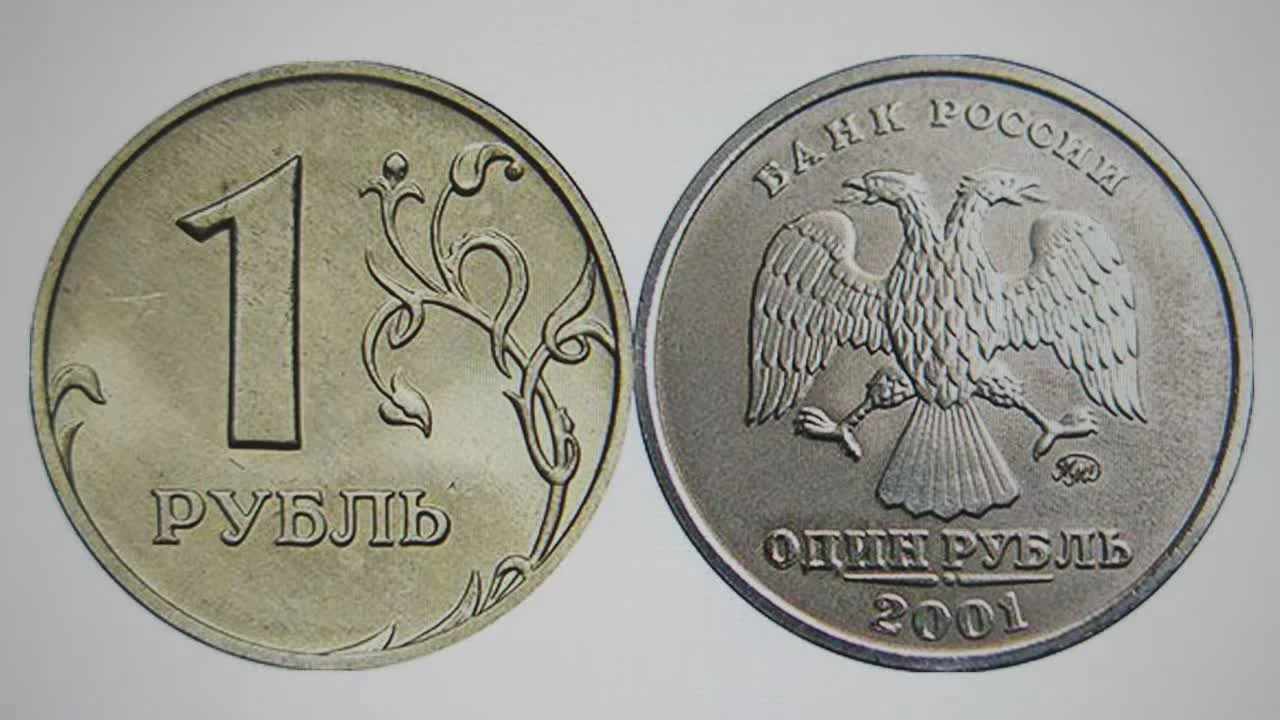
Монета 1 рубль 2001 года: характеристики и коллекционная ценность
Российская монета номиналом 1 рубль, выпущенная в 2001 году, обладает рядом стандартных технических характеристик. Она изготовлена из никелированной стали, что придает ей характерный серебристый цвет и обеспечивает долговечность.
Collector's GuideHistory of Things
Read More →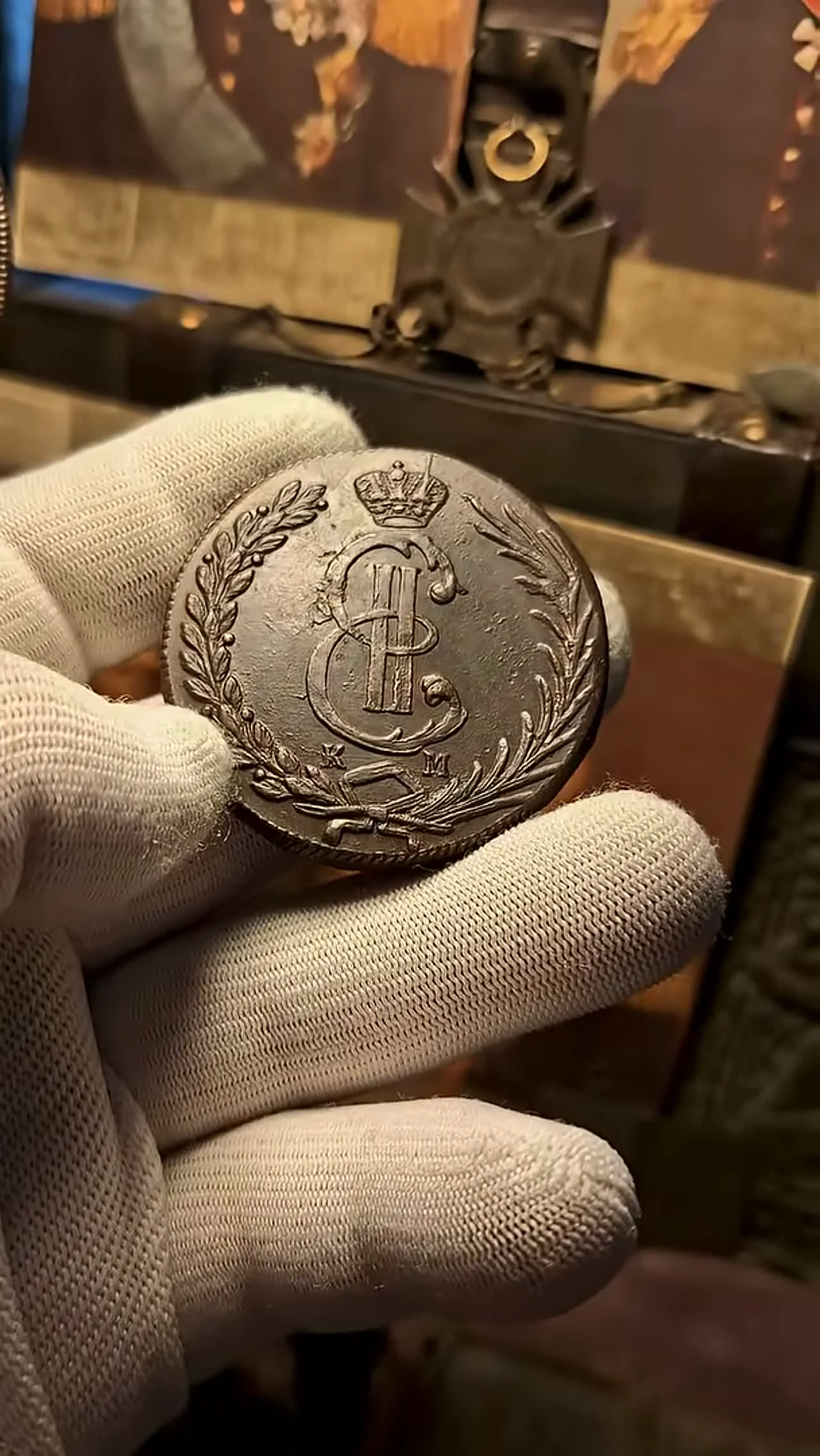
Сибирский гигант: самая большая и тяжелая монета Российской империи
В истории нумизматики Российской империи существует экземпляр, выделяющийся своими размерами и весом. Речь идет о самой большой и тяжелой монете, выпущенной в эпоху правления императрицы Екатерины Великой. Этот денежный знак известен как сибирский гривенник.
History of ThingsCollector's Guide
Read More →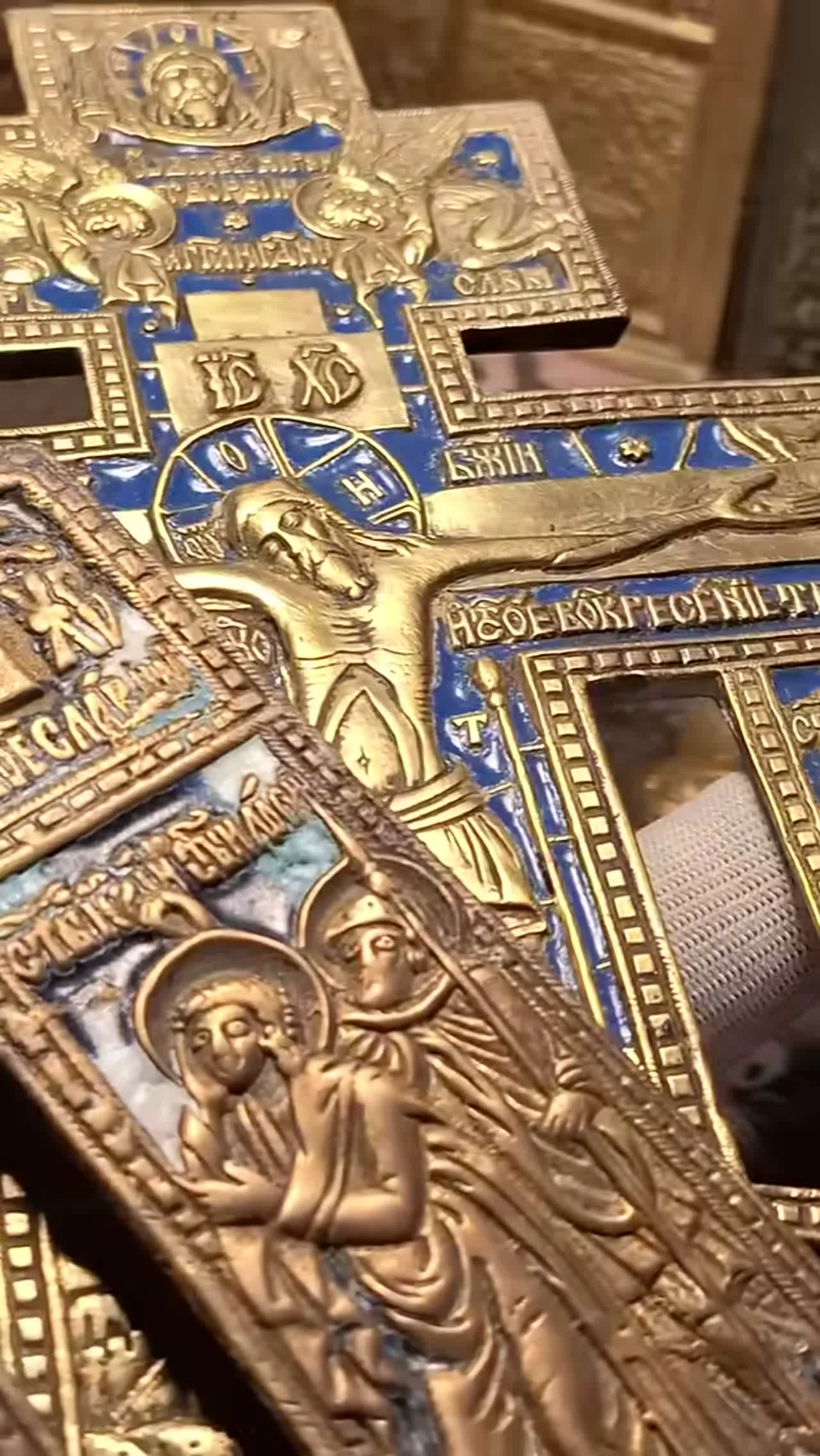
Старинные напрестольные кресты 19 века с эмалью
Существуют прекрасные образцы старинных крестов, датируемых XIX веком, которые отличаются сохранностью оригинальных эмалей. Эти артефакты представляют собой два различных типа исполнения, различающихся в первую очередь по количеству и палитре использованной эмали.
History of ThingsCollector's Guide
Read More →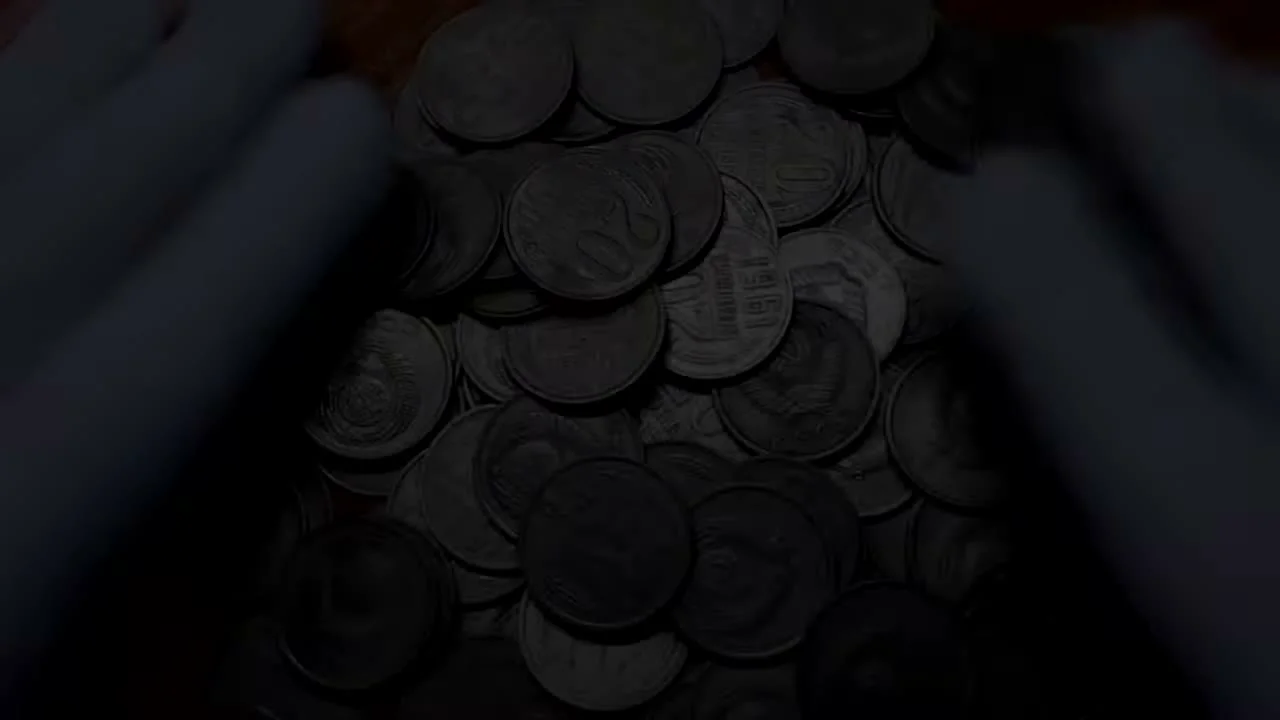
Стоимость советских монет 20 копеек 1961-1991: Полное руководство по редким годам
Советские монеты номиналом 20 копеек, выпускавшиеся с 1961 по 1991 год, сохранились практически в каждой семье. Этот номинал был очень популярен, и таких монет осталось много. Они являются частью последней советской денежной реформы 1961 года, когда рубль был действительно крепкой и стоящей валютой.
Collector's GuideHistory of Things
Read More →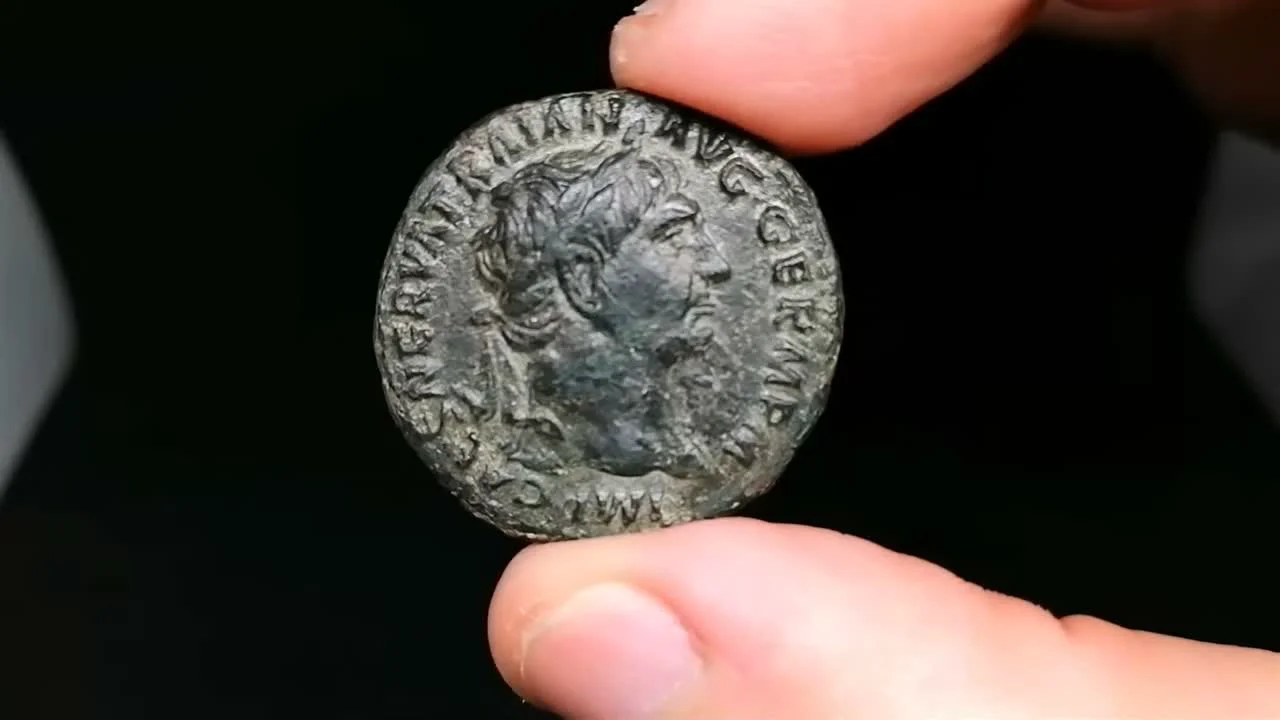
Как долго римские монеты оставались в обращении?
Чтобы понять, как долго древние монеты находились в обращении, начнем с монет из недрагоценных металлов. К ним относятся бронза, медь, латунь и другие дешевые сплавы. По сути, это были «деньги для масс», которые использовались в повседневной жизни.
History of ThingsCollector's Guide
Read More →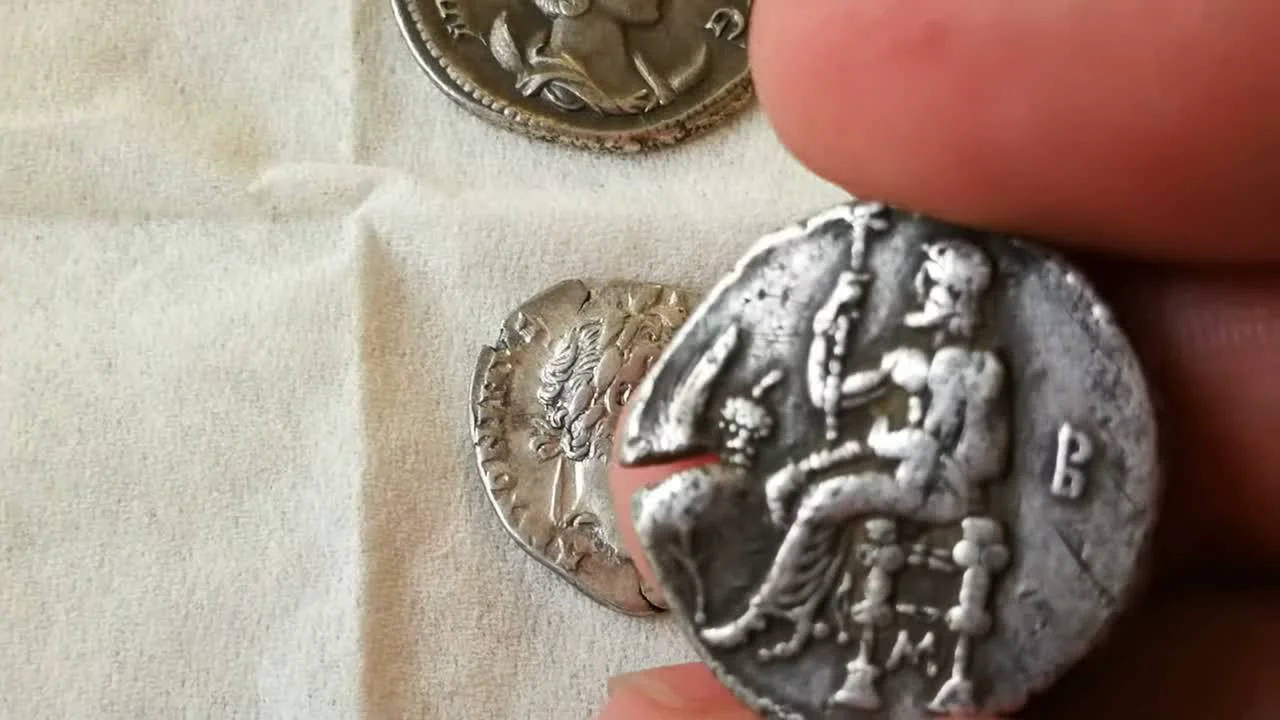
Путешествие по древней чеканке: сокровища греческих и римских серебряных монет
Путешествие в мир нумизматики начинается со статера из Тарса в Киликии, отчеканенного около 330 года до н.э. Эта монета является прекрасным образцом древнего искусства, демонстрируя высокий уровень мастерства гравёров того времени.
Collector's GuideHistory of Things
Read More →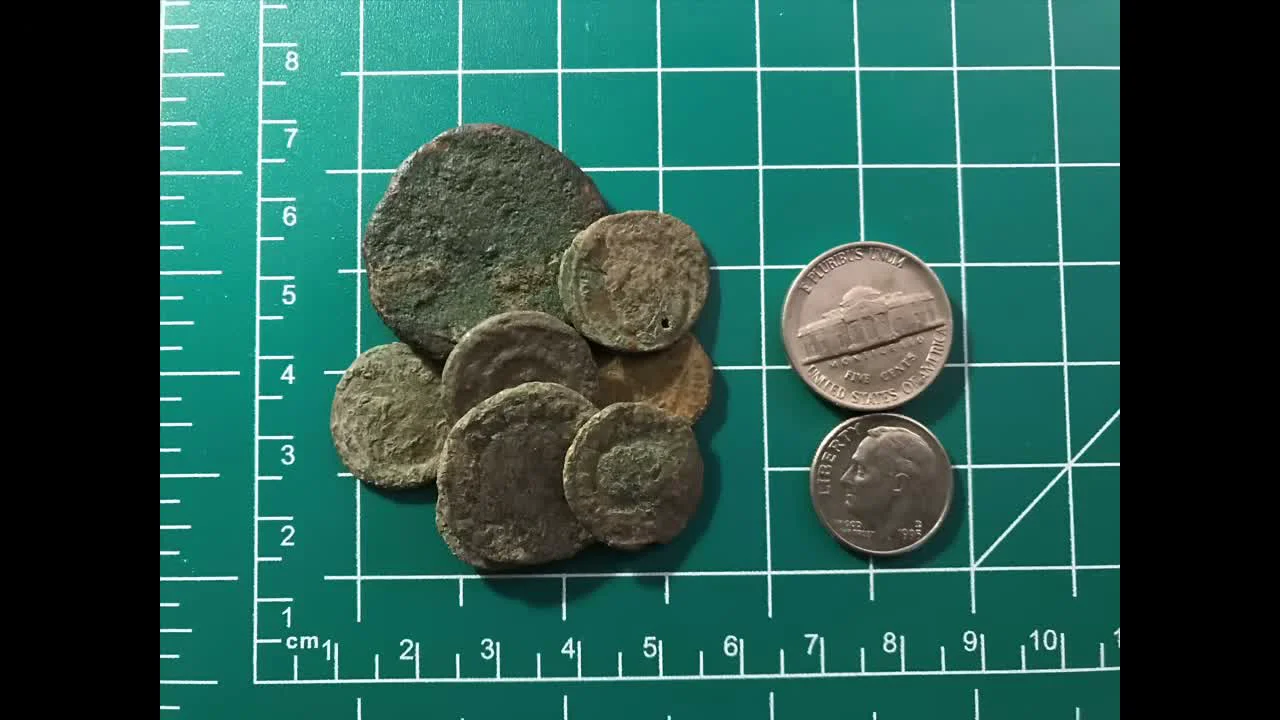
Искусство чистки римских монет: от грязного металла до исторического артефакта
Большинство неочищенных монет, поступающих на рынок, представляют собой мелкие бронзовые изделия III-IV веков нашей эры, по размеру сопоставимые с современными мелкими монетами. Их стоимость и потенциальная ценность после чистки сильно различаются в зависимости от первоначального состояния и качества.
Collector's GuideHistory of Things
Read More →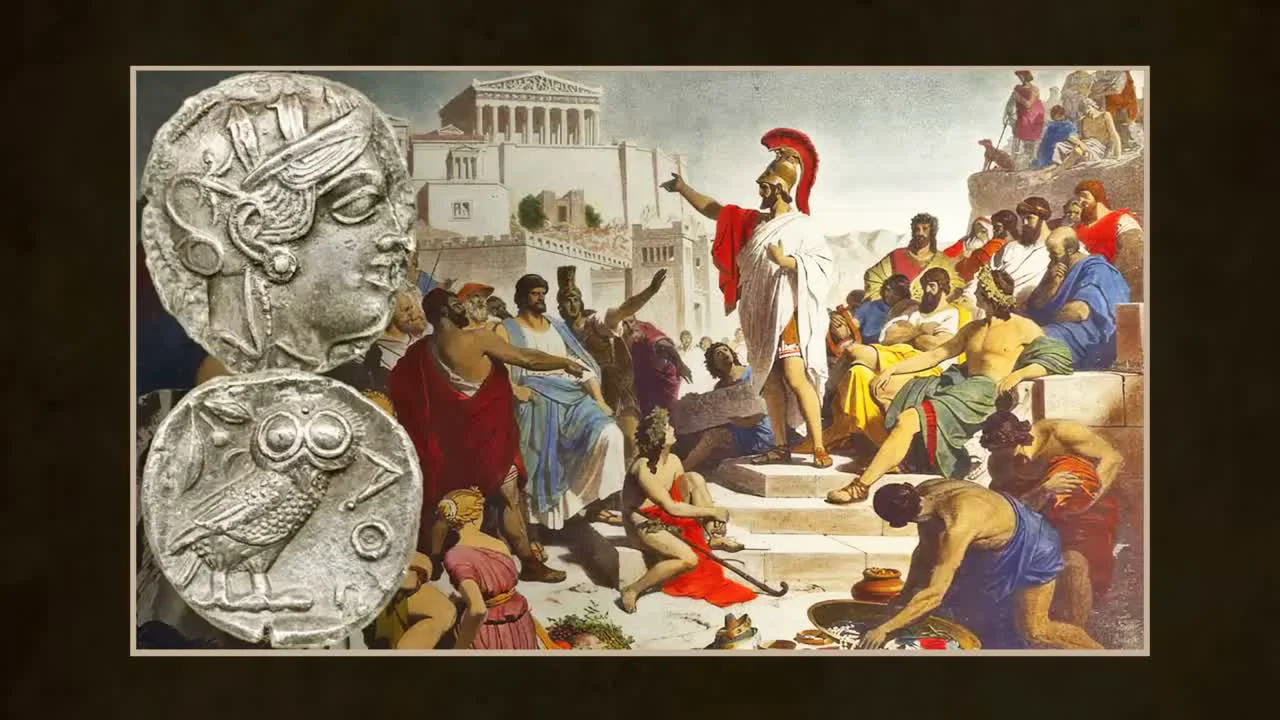
Почему так много древних монет сохранилось до наших дней?
Удивительно, как много монет, возраст которых достигает одной или двух тысяч лет, дошли до наших дней. Казалось бы, они должны были давно истлеть, но на самом деле их количество на рынке делает их доступными предметами коллекционирования, а не бесценными артефактами.
History of ThingsCollector's Guide
Read More →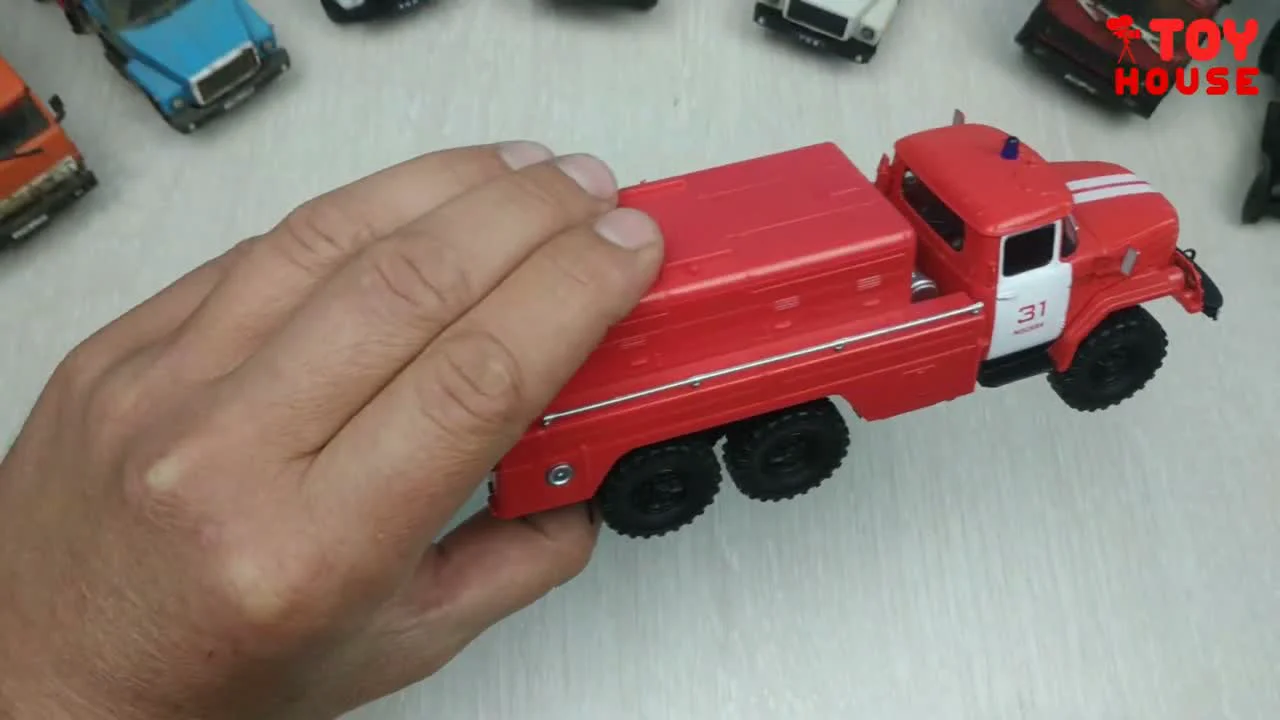
Коллекция грузовиков DeAgostini в масштабе 1:43: от пожарных до самосвалов
Обзор коллекции начинается с единственной модели, сохранившейся в оригинальной коробке — пожарной машины из серии "Автолегенды СССР - Грузовики" от DeAgostini. Примечательно, что DeAgostini выпускали грузовики как в отдельной серии, так и в рамках основной линейки "Автолегенды".
Collector's GuideHistory of Things
Read More →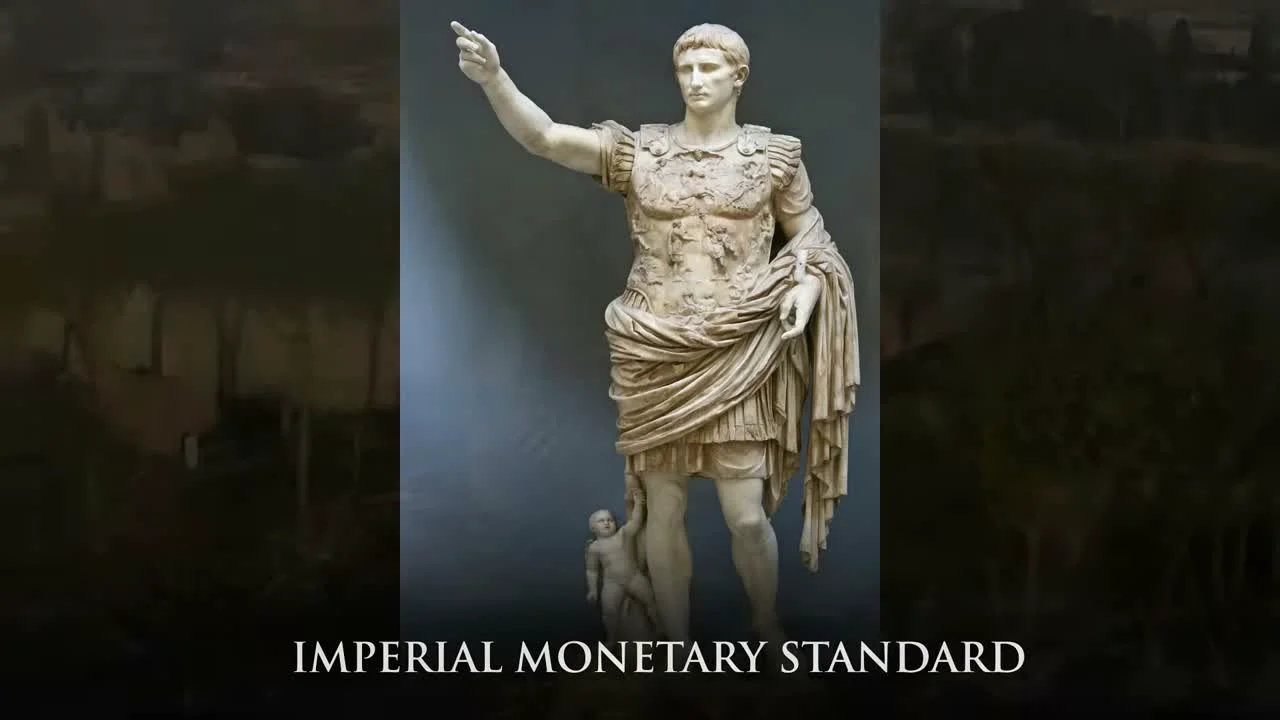
Денежная система Римской империи: от квадранса до ауреуса
После победы в битве при Акциуме и окончания гражданских войн Октавиан Август стал единоличным правителем Рима. Одной из его ключевых задач было наведение порядка в финансовой системе, которая находилась в хаосе. Он провел масштабную денежную реформу, создав стандартизированную систему, просуществовавшую несколько столетий.
History of ThingsCollector's Guide
Read More →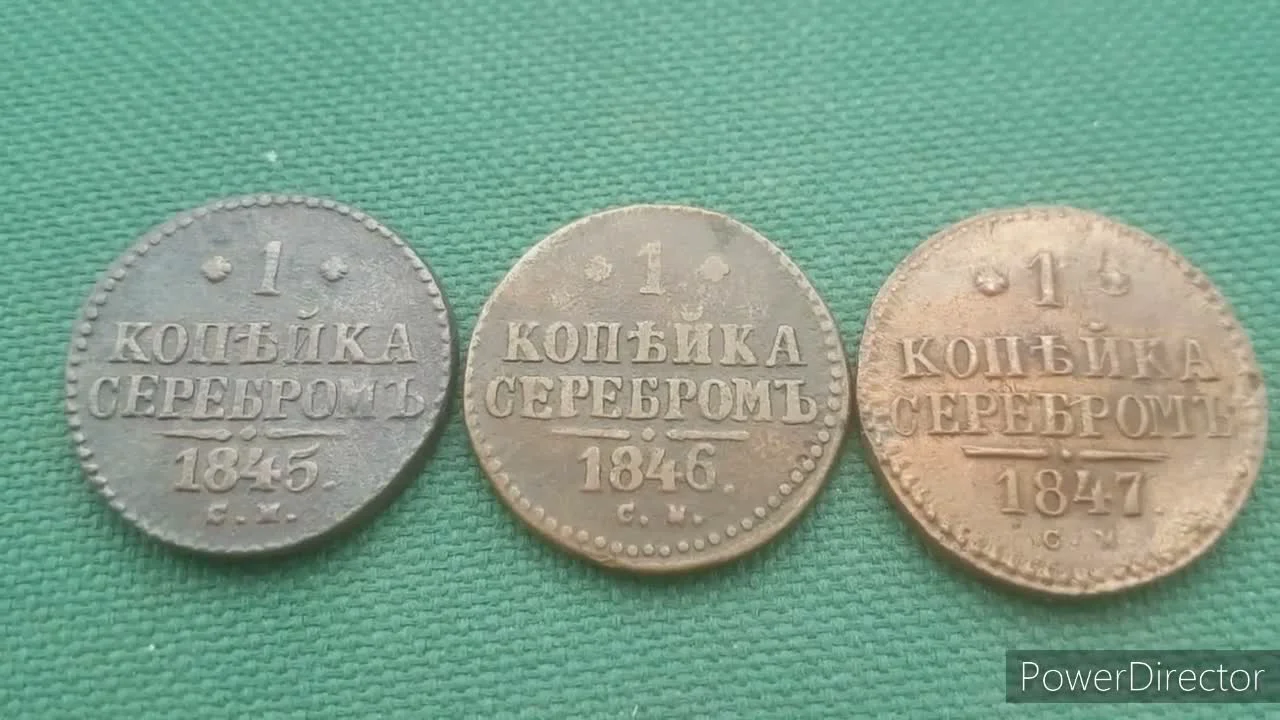
The Last Coins of the Suzun Mint: History and Price of the 1 Kopek of 1845-1847
In the history of Russian numismatics, coins that were the last for a particular mint hold a special place. These include the '1 kopek in silver' coins of 1845, 1846, and 1847 — the last coins struck at the Suzun Mint.
History of ThingsCollector's Guide
Read More →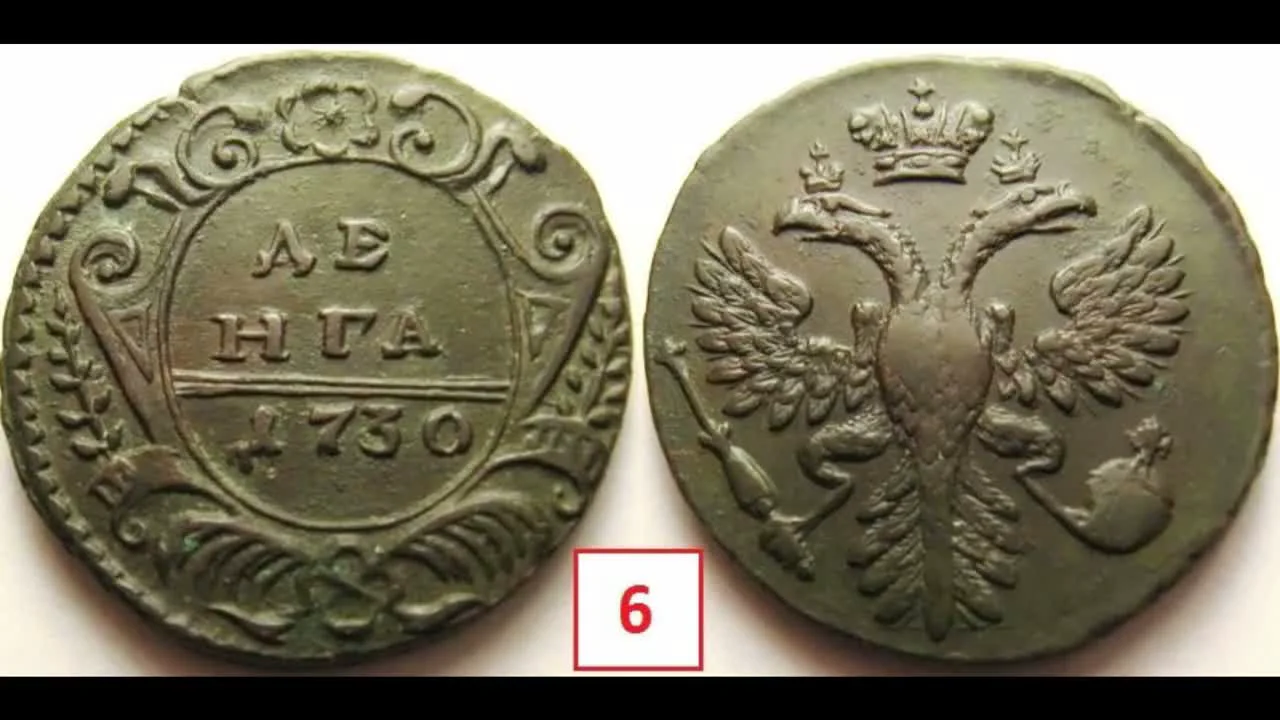
Denga Coin 1730-1756: A Guide to Varieties and Rare Types
The denga coin from the period 1730-1756 is one of the most common finds in fields and forests. The story of its mass appearance is linked to the monetary reform of Empress Anna Ioannovna, who decided to lower the coinage standard.
Collector's GuideHistory of Things
Read More →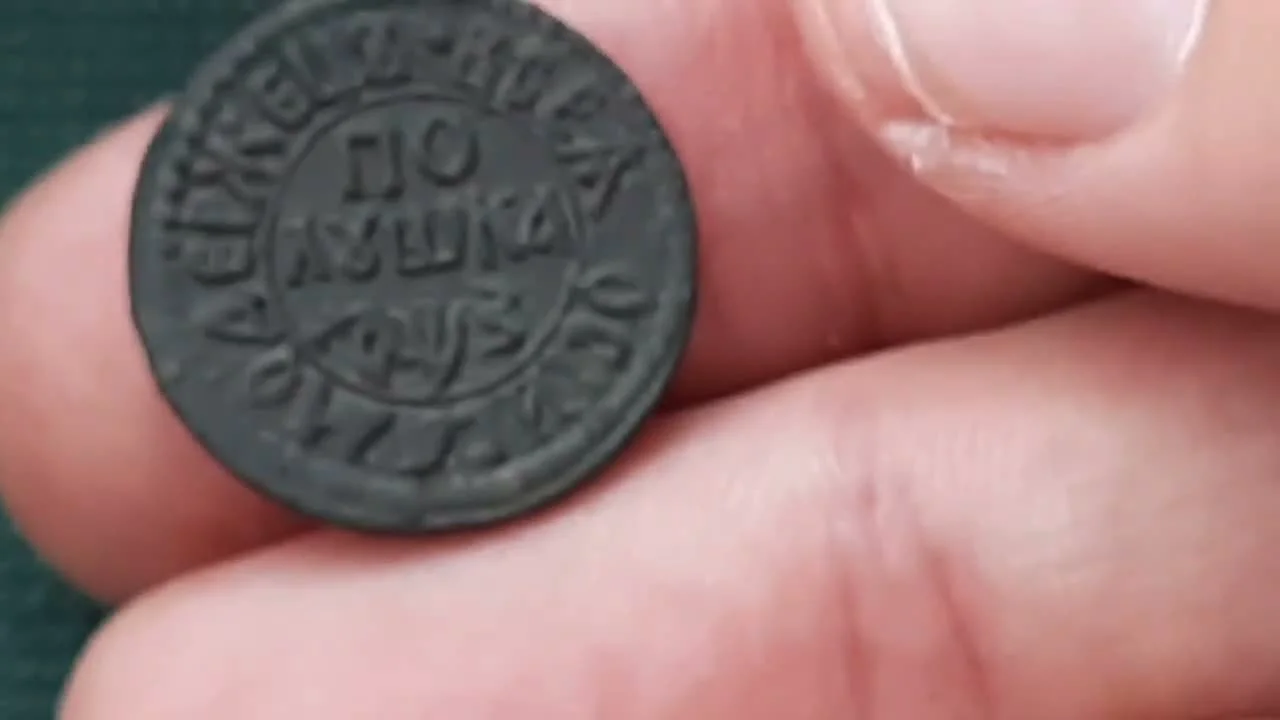
Autocrat or Commander: The Mystery of the Two Polushkas of Peter I from 1707
In the numismatics of the Petrine era, there is an interesting feature related to copper coins. In 1707, polushkas were issued which, despite being of the same denomination and year, bore different circular inscriptions reflecting the ruler's title.
History of ThingsCollector's Guide
Read More →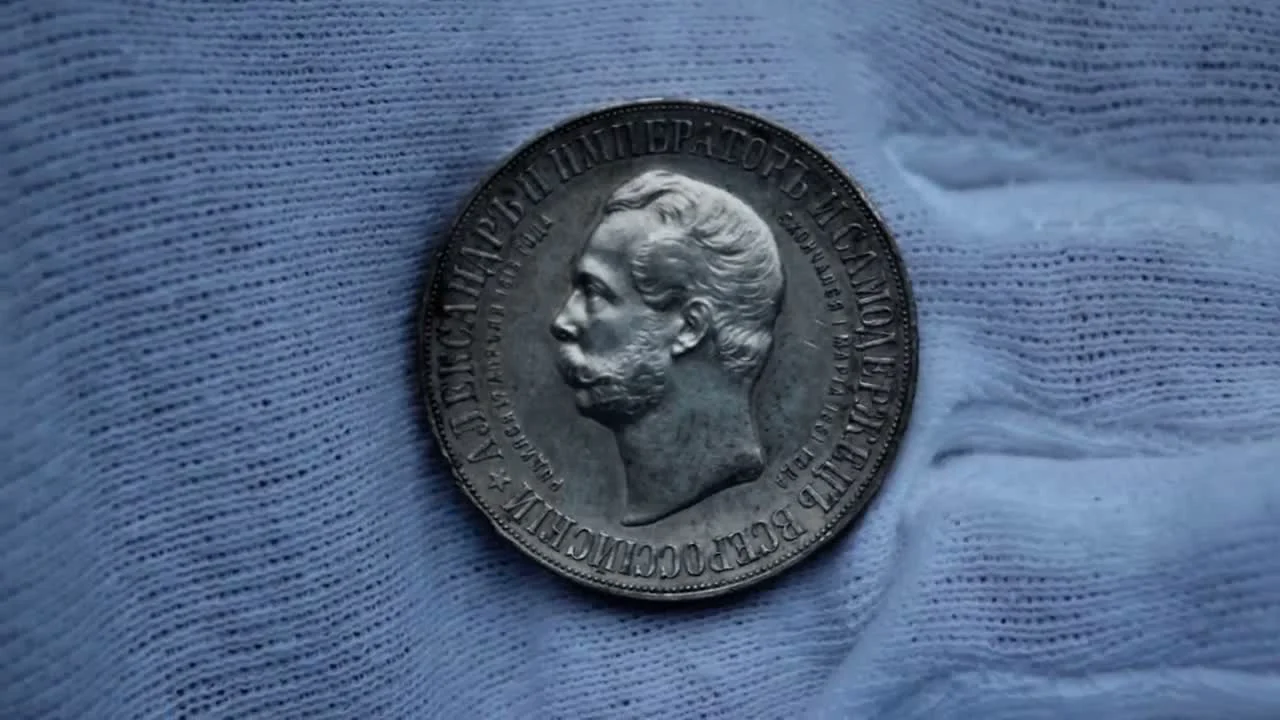
1898 Commemorative Ruble: In Honor of the Monument to Alexander II
Among the numismatic rarities of Tsarist Russia, the 1898 commemorative coin holds a special place. Its issue was dedicated to a significant event—the unveiling of the monument to Emperor Alexander II. This coin, minted in St. Petersburg, is not just a monetary token but a piece of history.
Collector's GuideHistory of Things
Read More →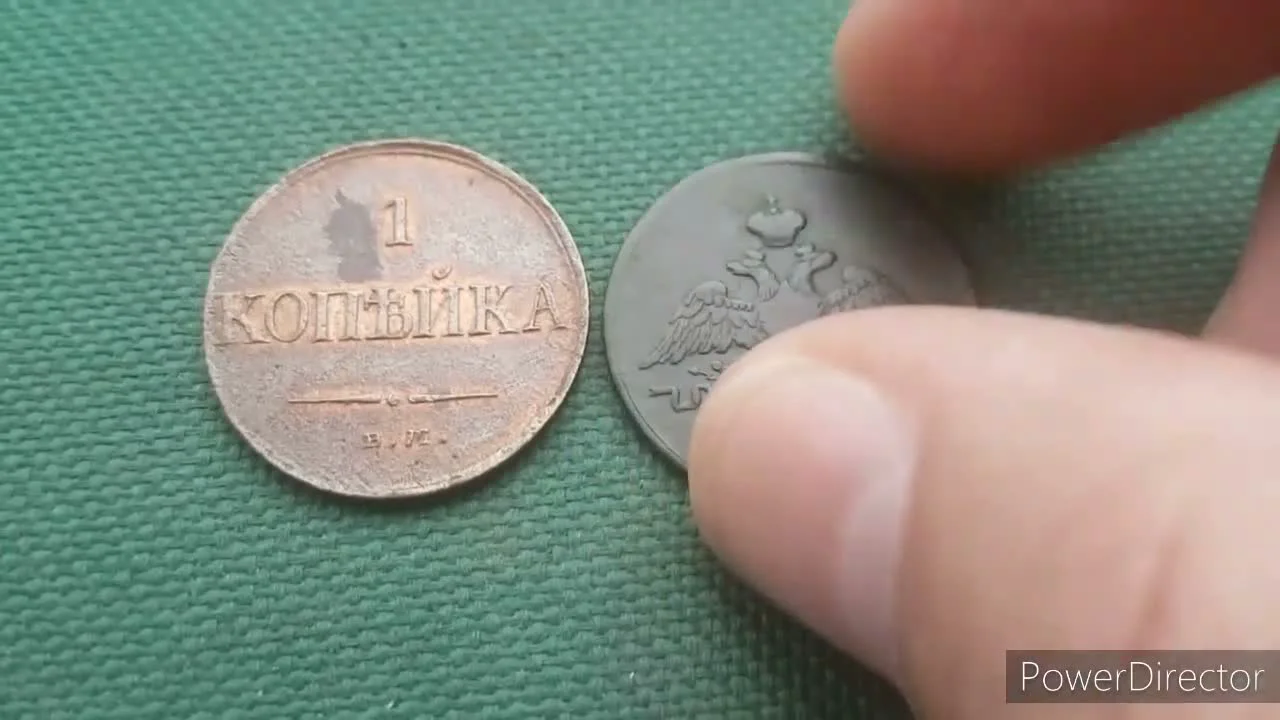
Copper Kopek of 1830–1839: The "Masonic" Eagle, Novodels, and Value
During the reign of Emperor Nicholas I (1825–1855), four different types of 1 kopek copper coins were issued. Coins of the so-called second type, minted from 1830 to 1839, are of particular interest to collectors. Their distinctive feature is the image of a double-headed eagle with its wings down.
Collector's GuideHistory of Things
Read More →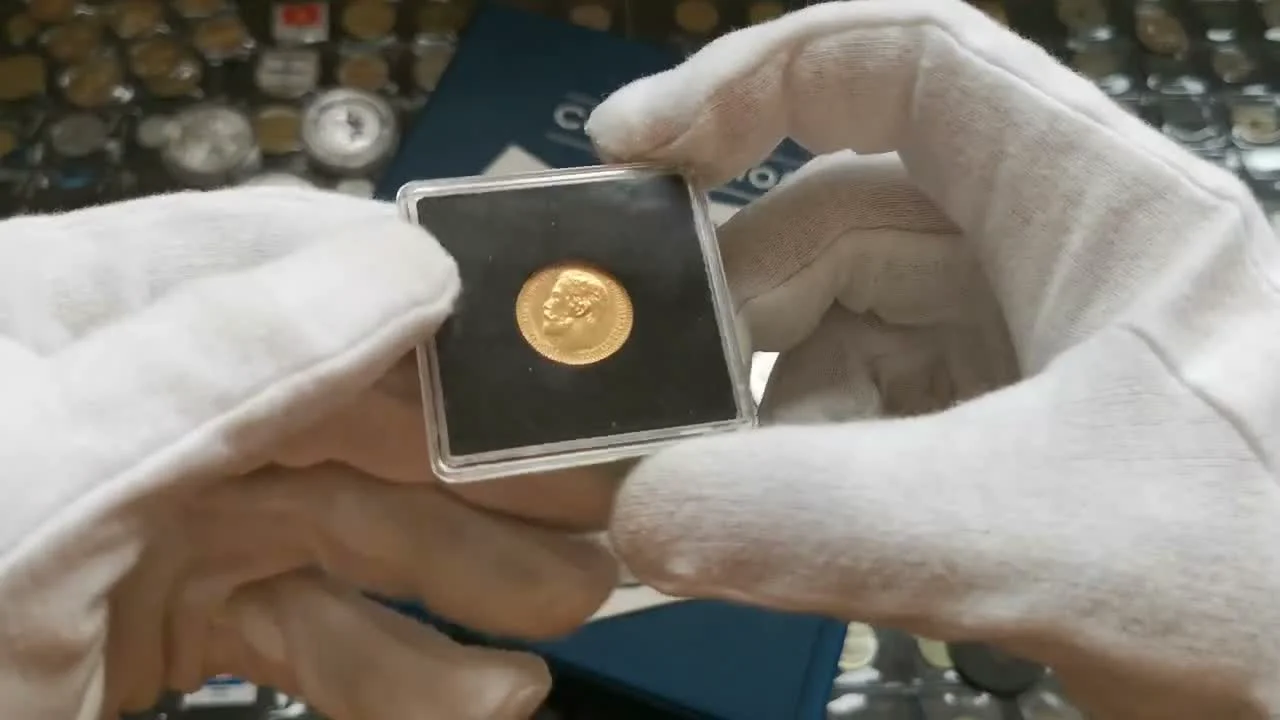
Gold Coins of the Nicholas II Era: 5 and 10 Rubles
Gold coins from the time of Nicholas II are considered some of the simplest and most common in the numismatics of the Russian Empire. Denominations of 5 and 10 rubles, which were minted in huge quantities and were in wide circulation, are often found in collections.
Collector's GuideHistory of Things
Read More →