How to Make a Collection Pay for Itself: An Example of a Smart Coin Purchase at Auction - AUCBURG | AUCBURG
How to Make a Collection Pay for Itself: An Example of a Smart Coin Purchase at Auction
One approach to collecting is to combine purchases for yourself with those for subsequent resale. This strategy allows you to cover the cost of items you want to keep in your personal collection. A clear example is an auction purchase consisting of several coins and medals.
One approach to collecting is to combine purchases for yourself with those for subsequent resale. This strategy allows you to cover the cost of items you want to keep in your personal collection. A clear example is an auction purchase consisting of several coins and medals.
The method is simple: a portion of the acquired lots, which have high liquidity or investment appeal, are put up for sale. The proceeds cover the cost of the items the collector decides to keep and may even generate additional profit for future acquisitions.
The First Lots: Medals and a Thaler
The purchase included a variety of items, each with its own unique features. Several interesting pieces stand out among them.
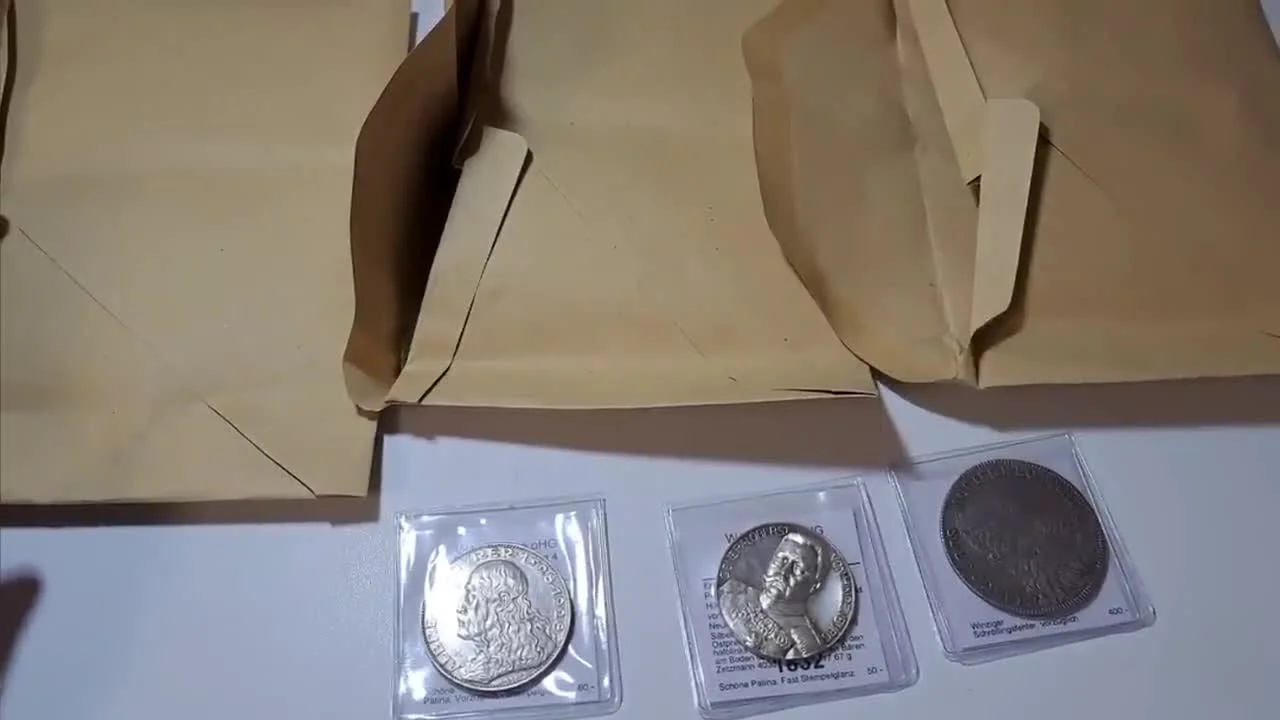
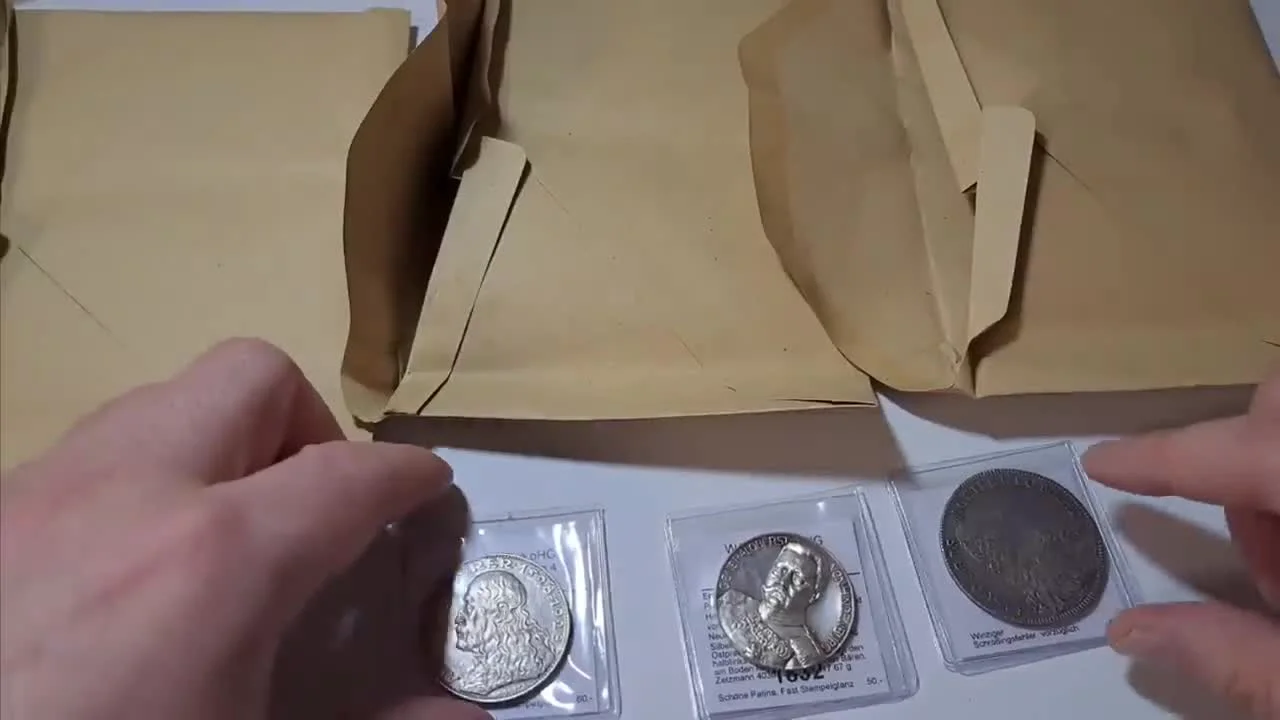
A medal from the Weimar Republic period, dedicated to Albrecht Dürer. It is a skillfully crafted piece, but it shows signs of cleaning, which can affect its collectible value.
A Hindenburg medal. This specimen is in better condition than the previous one, with no signs of cleaning and a light patina.
A thaler. This coin was most likely purchased for resale. It lacks mint luster and has also been cleaned. Nevertheless, for a thaler, the condition is quite strong, allowing one to expect a small profit upon sale.
The first lots: medals and a thaler
The 'Crowd' Coin - An Investment in a High Grade
Term
Description
Grade
An assessment of a coin's state of preservation on a special scale, assigned by experts.
Slab
A special plastic capsule in which a coin is sealed after grading. The slab displays all the information about the coin and its grade.
Coins that have undergone grading attract special attention in the purchase. Grading is the process of assessing and certifying a coin's authenticity and condition by a specialized company.
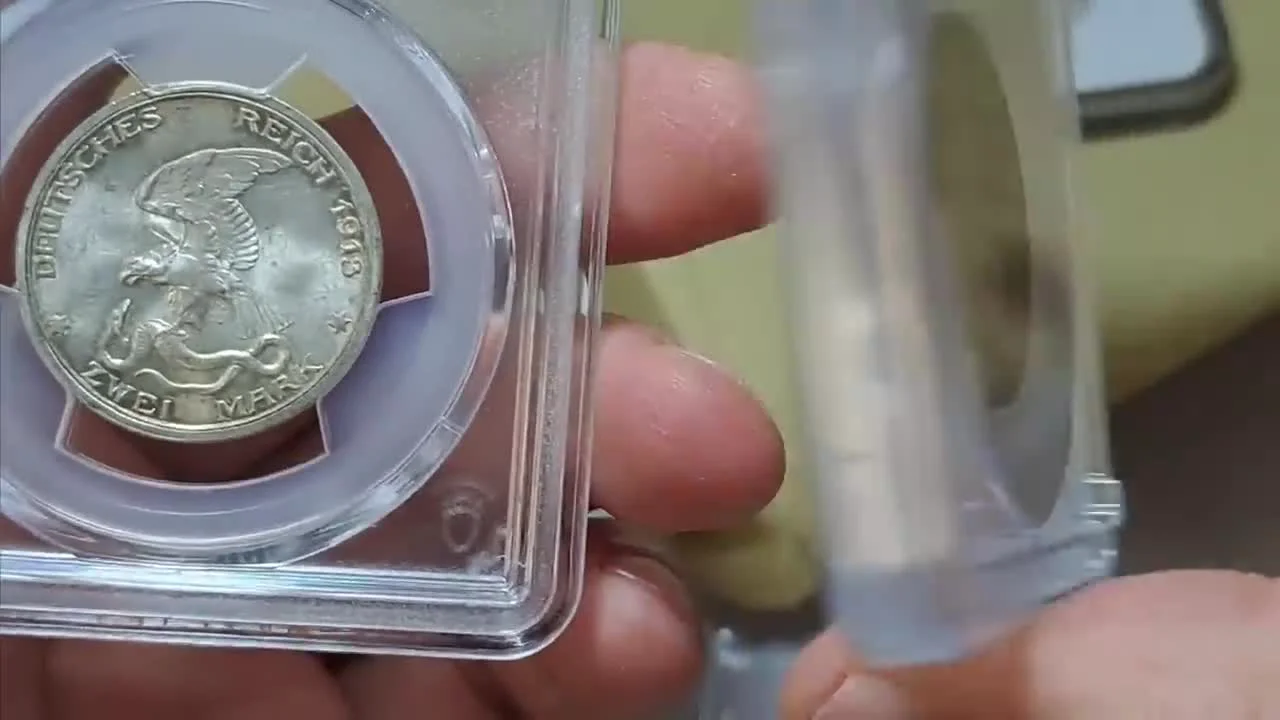
An example of a successful investment is the 2 Mark coin from 1913, known as the 'Crowd'. It is a fairly common coin, but this particular specimen has been slabbed by PCGS and has a very high grade of MS 66. It is this high grade that makes the coin attractive for resale. It is considered advisable to buy such coins with a grade of MS 65 or higher, and such a specimen will easily find a buyer.
The 'Crowd' coin - an investment in a high grade
The Centerpiece: A Medal in Honor of the King of Belgium
Presumably, the main lot, for which the entire purchase was made, was a large silver medal. It is a massive specimen, likely weighing over 100 grams, which will most probably remain in the buyer's personal collection.
The obverse of the medal depicts Leopold I, the first King of the Belgians. The reverse is dedicated to the 1847 exhibition (the video mentioned 1843 in error). This beautiful and impressive medal is the very item whose costs are intended to be covered by the other lots purchased for resale.
The centerpiece: a medal in honor of the King of Belgium
The Rare 'University of Tübingen' Coin
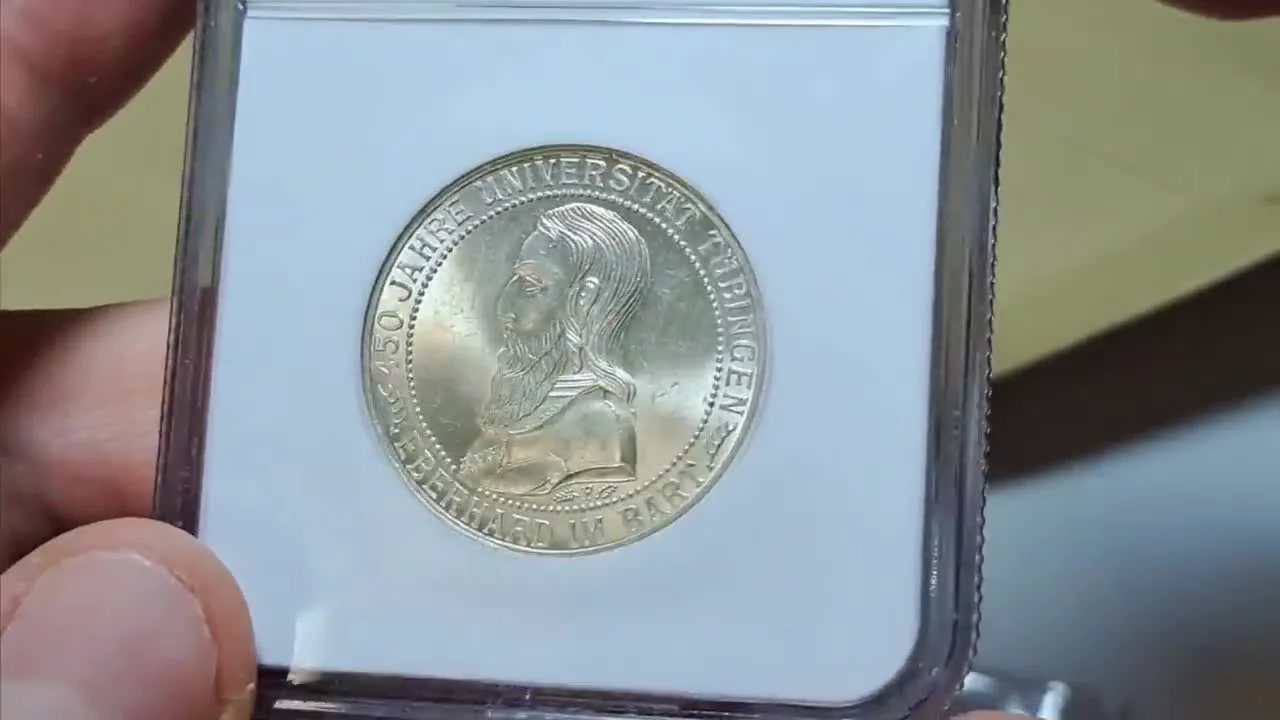
Another interesting item is a 3 Mark coin from 1927, 'University of Tübingen,' from the Weimar Republic period. It is in an old NGC slab with a grade of MS 63. Although the grade might not seem very high, it is excellent for this particular coin.
The value of this specimen is due to its rarity—the mintage was only 50,000 pieces. The Weimar Republic is a very popular theme among collectors, and rare coins in good condition are always in demand. Therefore, a coin with a grade of MS 63, despite its formally not-so-high rating, is a very liquid and profitable acquisition that will 'sell like hotcakes'.
The rare 'University of Tübingen' coin
Repeating the Strategy and Conclusions
The package also contained another 'Crowd' coin, also in a high grade of MS 66 from PCGS. The presence of two equally high-graded and liquid coins confirms the thoughtful nature of the strategy: they were bought specifically for resale.
This professional approach allows collectors who are not millionaires to expand their collections. A large portion of the purchased lots is sold to cover the cost of one or two of the most desired items. This not only compensates for the expenses but also provides funds for future auctions.