How to Identify a High-Quality Counterfeit of the 1892 Alexander III Ruble - AUCBURG | AUCBURG
How to Identify a High-Quality Counterfeit of the 1892 Alexander III Ruble
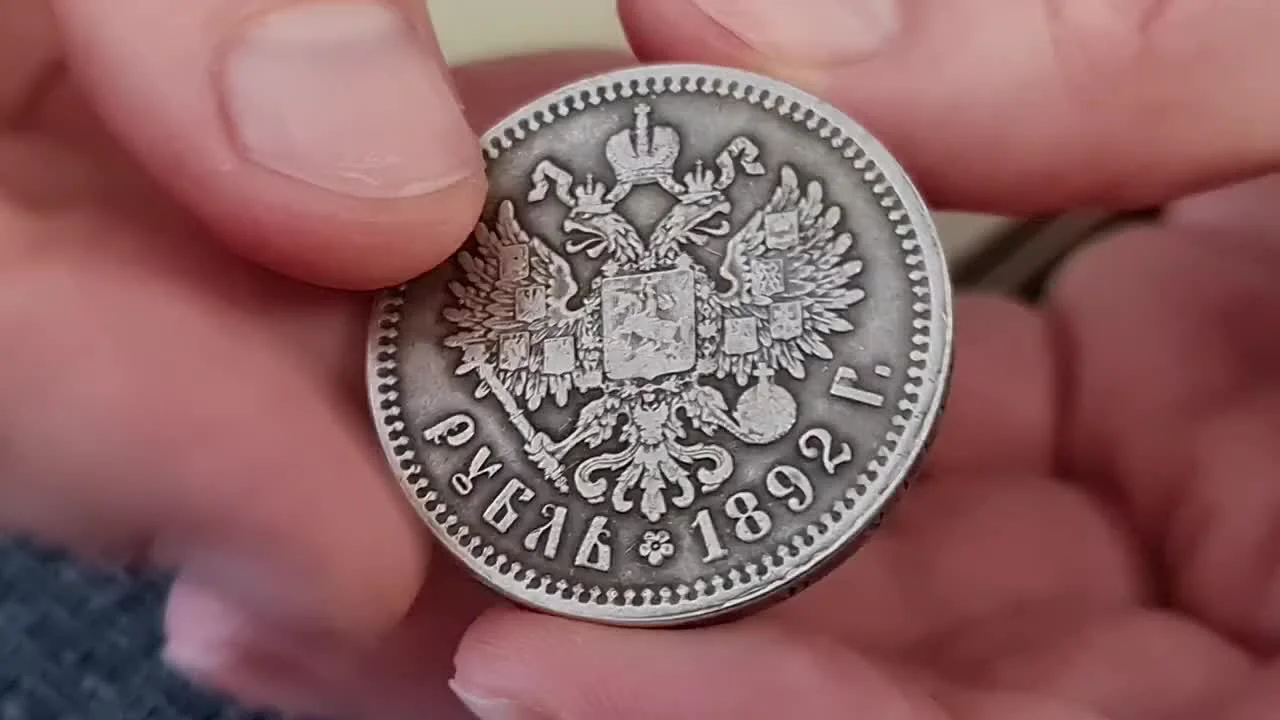
The story began when a person bought a silver Alexander III 1892 ruble for 26,000. Immediately after the purchase, another collector approached him and offered to buy the coin for 50,000, which raised the first suspicions.
The story began when a person bought a silver Alexander III 1892 ruble for 26,000. Immediately after the purchase, another collector approached him and offered to buy the coin for 50,000, which raised the first suspicions.
A heated discussion about the specimen's authenticity began at the collector's club. The main doubt was caused by the number '2' in the date—it looked unnatural, 'crooked and slanted.' The overall appearance, including the emperor's portrait and the coat of arms, was of high quality, making it difficult to determine its authenticity at first glance.
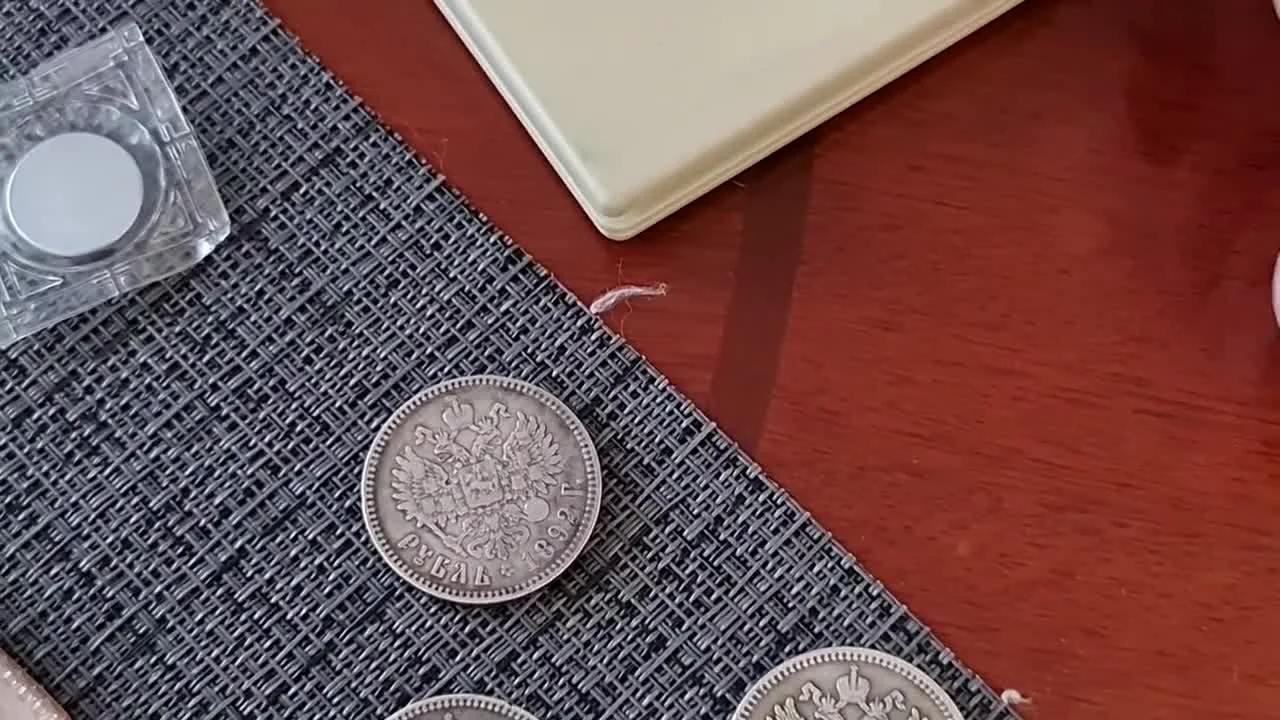
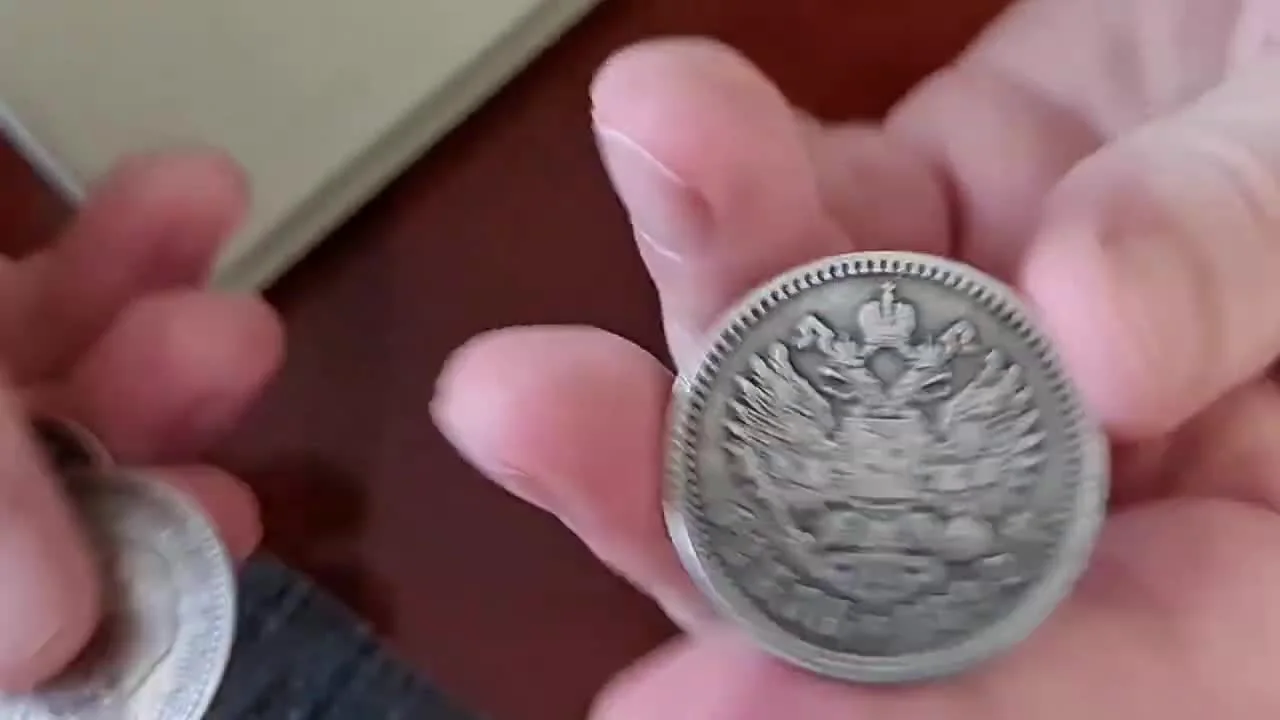
To resolve the dispute, it was decided to compare the questionable coin with guaranteed authentic specimens from another collection. Two coins from the same year, 1892, and one from 1891 were used for the comparison.
Initial Check: Magnet and Weight
Coin
Weight (grams)
Original #1
19.6
Original #2
19.5
Specimen being tested
20.2
The first step was to check for magnetic properties using a neodymium magnet. The coin was not magnetic, which is a good sign, but not definitive proof of authenticity, as high-quality forgeries made of non-magnetic alloys (like brass) with silver plating will also not react to a magnet.
The next stage was weighing. For comparison, the original coins were placed on the scale first, followed by the specimen being tested. The results showed a significant discrepancy in weight.
The weight of the suspicious coin was 0.6-0.7 grams heavier than the authentic ones. Such a deviation is critical and indicates a failure to meet minting standards.
Initial Check: Magnet and Weight
Detailed Examination: Thickness and Edge Inscriptions
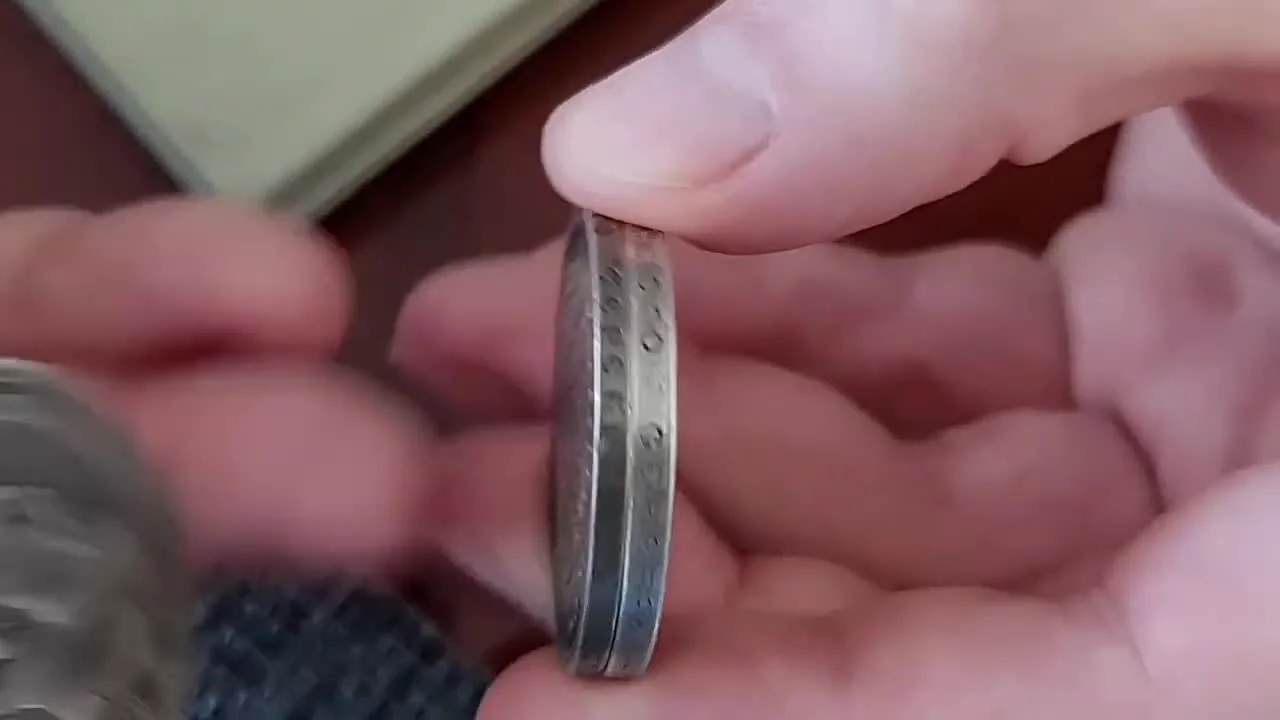
A visual comparison of the portrait and the coat of arms revealed no significant differences, aside from natural wear. However, key discrepancies were found when examining the coin's edge (gurt). Comparison with the originals revealed several critical differences.
Thickness. The forgery was noticeably thicker than the original coins.
Letter 'А'. In the initials of mintmaster Apollon Grashof (АГ), the letter 'А' on the copy was slightly slanted.
Inscription. The word 'ЧИСТАГО' (CHISTAGO) on the forgery was slightly longer.
Number '4'. The design of the number '4' in the weight description differed from the original.
Initials. The initials (АГ) in parentheses on the forgery were narrower.
Interestingly, during the sound test, the forgery rang very well, almost like real silver. This is what could have misled many collectors who rely on this verification method.
Detailed Examination: Thickness and Edge Inscriptions
Verdict: A High-Quality Copy
Based on the combination of features, especially the discrepancies in weight, thickness, and details of the edge inscription, a definitive conclusion was reached—the coin is a very high-quality, but still a forgery.
The buyer paid 26,000 for the copy, while its actual value, considering the quality of its execution, does not exceed 1,000 tenge. This case serves as an important lesson for all collectors.
The only reliable way to verify expensive coins is by direct comparison with a standard, 100% authentic specimen. When buying valuable items, it is essential to be extremely careful, not to rush, and if there are any doubts, to seek help from professionals who have handled originals and know all their intricacies.