How to Identify a Counterfeit 1899 10-Ruble Gold Coin - AUCBURG | AUCBURG
How to Identify a Counterfeit 1899 10-Ruble Gold Coin
Recently, the numismatic market has seen an increase in the number of copies and forgeries that dishonest sellers pass off as originals. Counterfeits of the 1901 ten-ruble coin are particularly common, so special vigilance should be exercised when handling it.
Prevalence of Counterfeits and the Importance of Authentication
Recently, the numismatic market has seen an increase in the number of copies and forgeries that dishonest sellers pass off as originals. Counterfeits of the 1901 ten-ruble coin are particularly common, so special vigilance should be exercised when handling it.
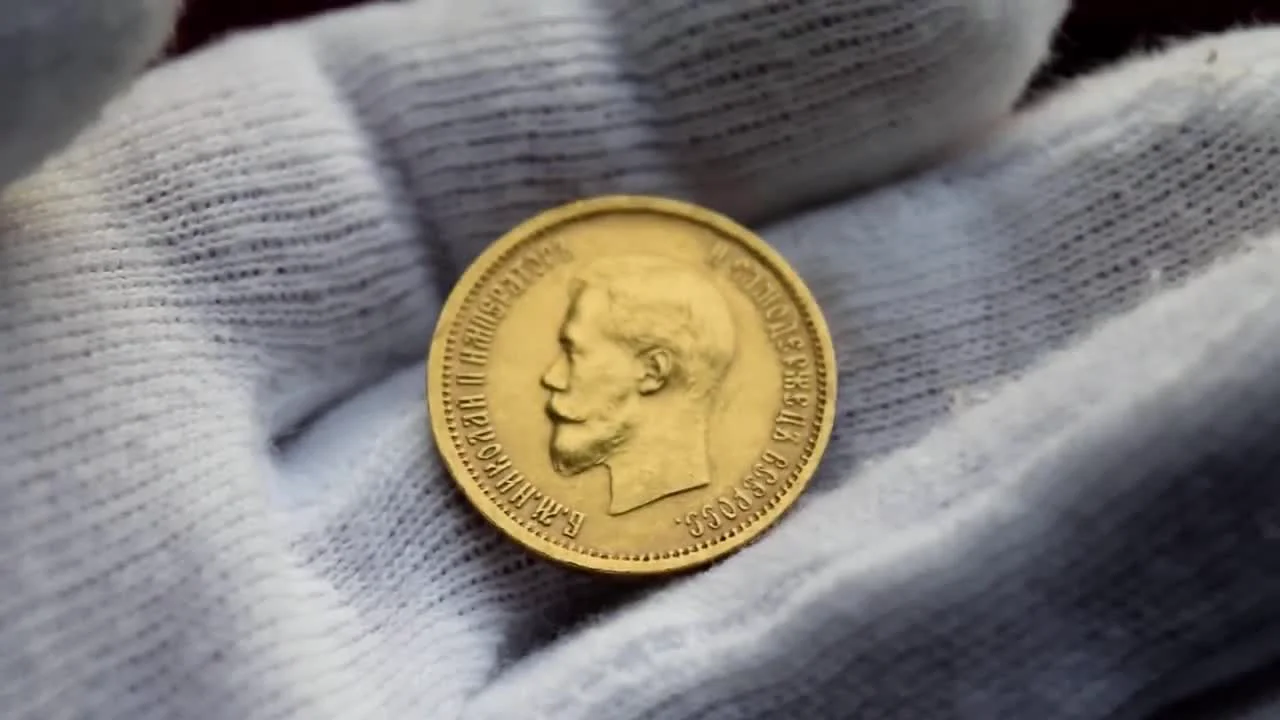
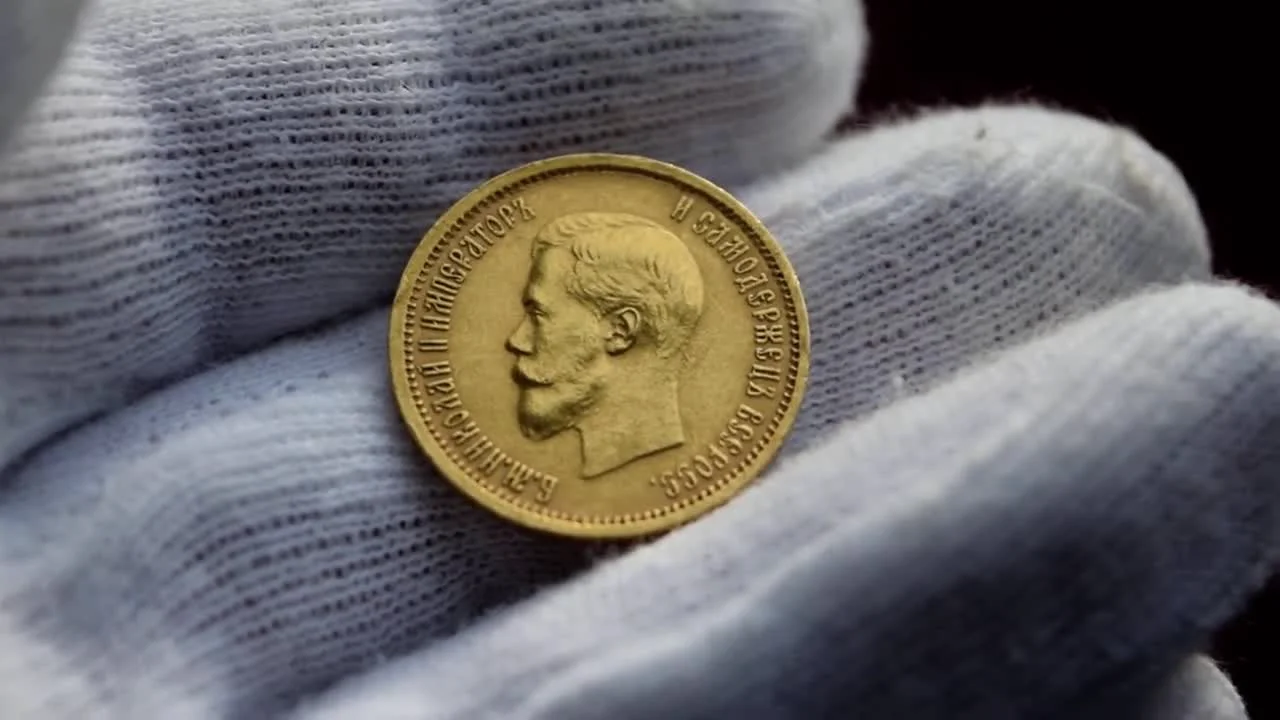
To learn how to identify a counterfeit, it's important to study what an authentic specimen looks like. As an example, we can examine a 10-ruble gold coin from 1899 in good condition. This specimen has no significant wear, allowing for a clear view of all key details.
Obverse: Key Details of the Portrait and Inscriptions
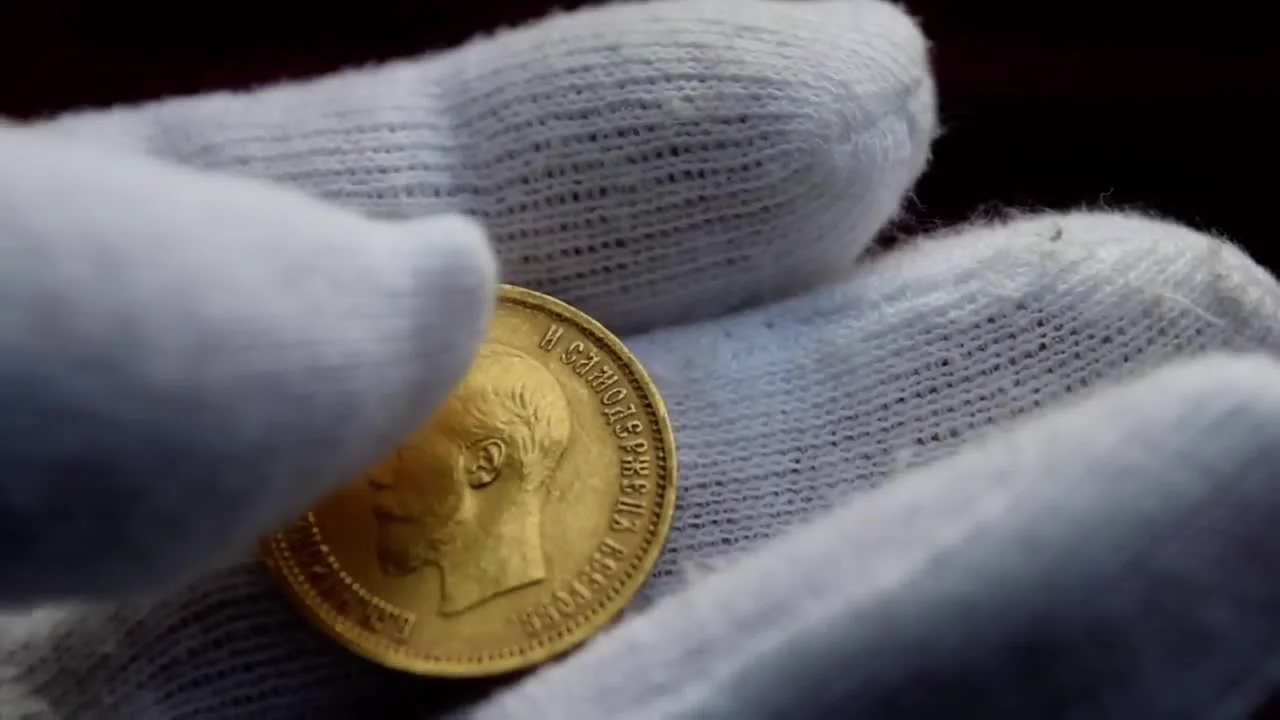
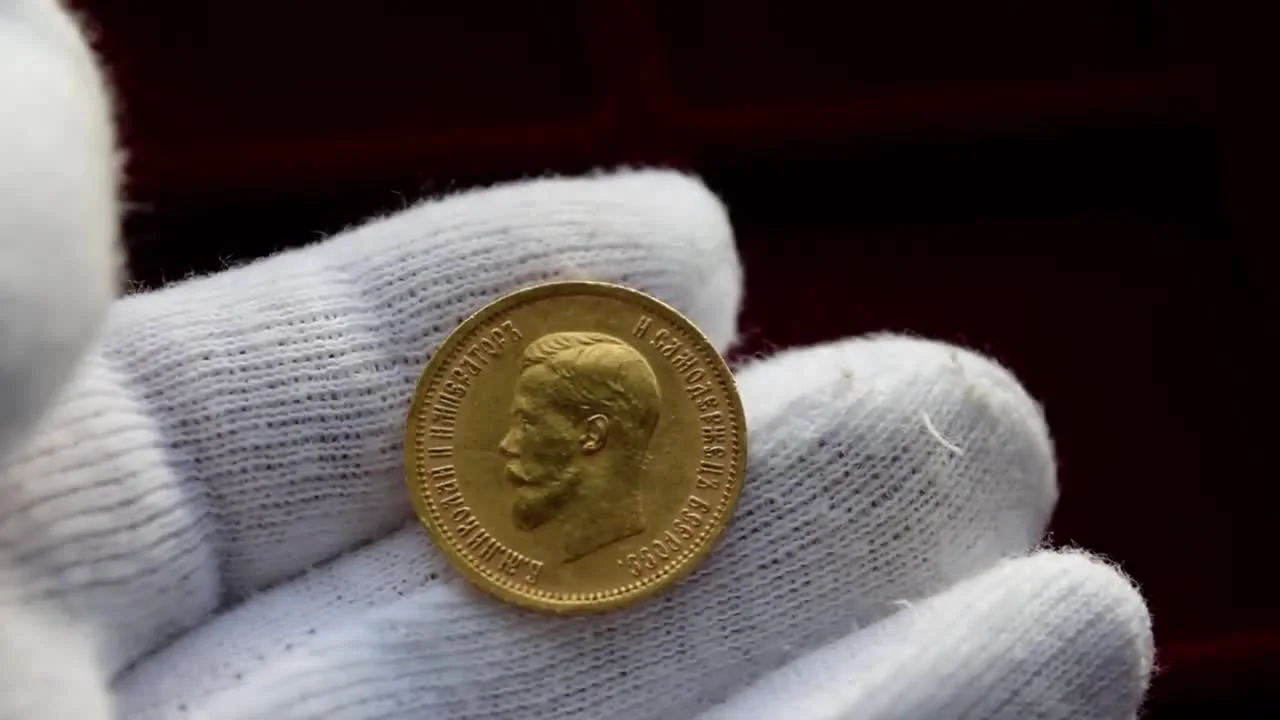
When examining a coin for authenticity, the first thing to pay attention to is the detail of the image on the obverse. On an original coin, all elements are executed with high precision and clarity.
All facial features, including the nose and eyes, are well-defined and distinct.
The mustache, beard, and hair have a clear structure; almost every single hair is visible.
The inscription around the coin's circumference is even; the letters do not 'dance' or have different slants.
The rim (the border along the edge) and the protective denticles along it are perfectly even.
The coin has a pleasant golden luster, which is often absent in copies where the gilding may be of poor quality or missing entirely.
Obverse: Key Details of the Portrait and Inscriptions
Types of High-Quality Gold Counterfeits
Feature
Description
Error on the edge
Instead of the original mintmaster's initials 'ФЗ' (FZ), fakes may have other letters, such as 'АГ' (AG).
Purpose of the error
This was done so that 'insider' collectors could distinguish the copy from the original.
Besides simple copies, there are also higher-quality forgeries made of gold. Such specimens were produced, for example, in Italy and Poland. Their main feature is that they are made of a lower-purity gold, such as 750 (18k) or even 700 fineness, whereas the original has a 900 fineness (21.6k).
Such coins often have intentional differences so that experienced numismatists can recognize them. One such feature is an error in the edge inscription.
Types of High-Quality Gold Counterfeits
Reverse: Detailing of the Coat of Arms
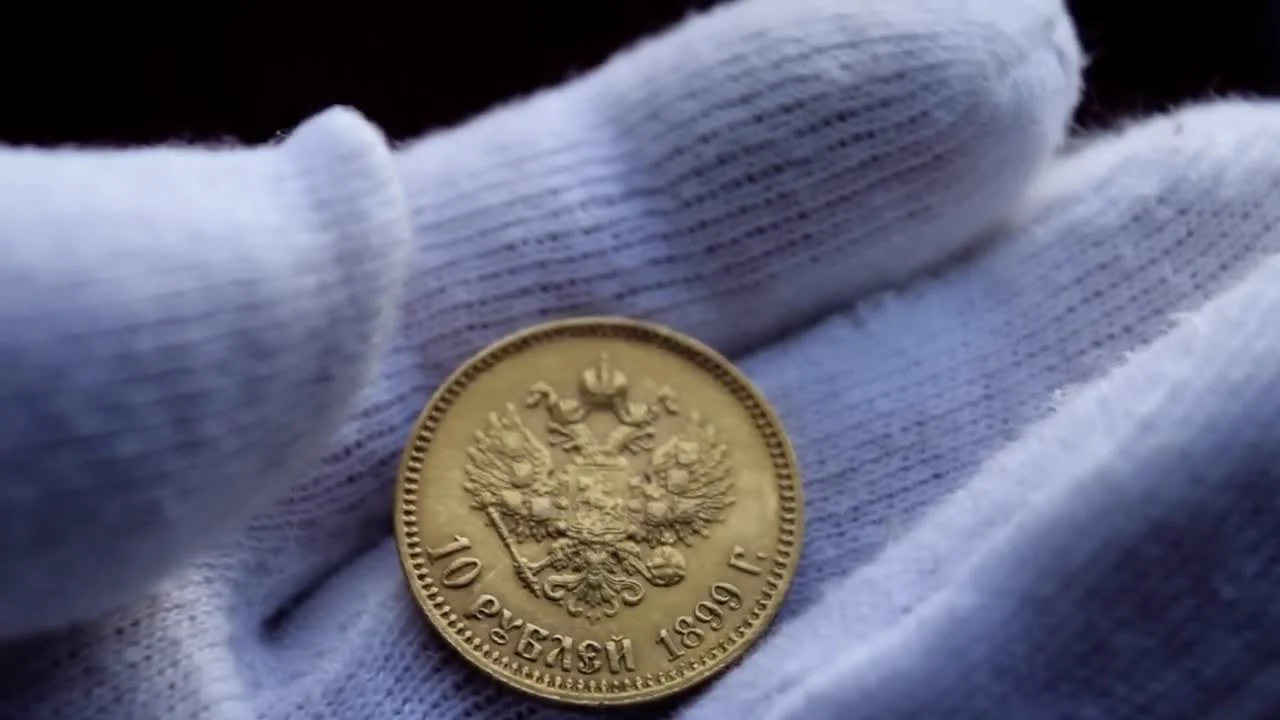
The reverse of the coin depicts the coat of arms of the Russian Empire. As with the obverse, high detail is important here. On an authentic coin, the coat of arms is in high relief and not worn down, indicating good preservation.
The small coats of arms on the wings of the double-headed eagle. On counterfeits, they are often missing or poorly detailed.
The image of Saint George the Victorious in the central shield. On the original, a background of fine lines is visible behind his figure.
To examine these elements in detail, it is recommended to use a magnifying glass (loupe). If all small details are present and well-executed, this is a strong argument for the coin's authenticity.
Reverse: Detailing of the Coat of Arms
The Edge of the Coin — An Important Indicator of Authenticity
The edge inscription is one of the most difficult elements to counterfeit. It is often by the edge that a copy can be unmistakably identified. On an original coin, the letters on the edge are very thin and not deeply impressed.
On fakes, however, the letters are usually enormous, being 2-3 times thicker than the originals. They are also very deeply impressed into the metal. Furthermore, on copies, the letters often 'dance': one might be close to the top edge, another to the bottom, disrupting the straight line of the inscription. On the original, the letters are thin, even, and neat, although they might be slightly off-center.
The Edge of the Coin — An Important Indicator of Authenticity
Weight — The Decisive Factor in Determining Authenticity
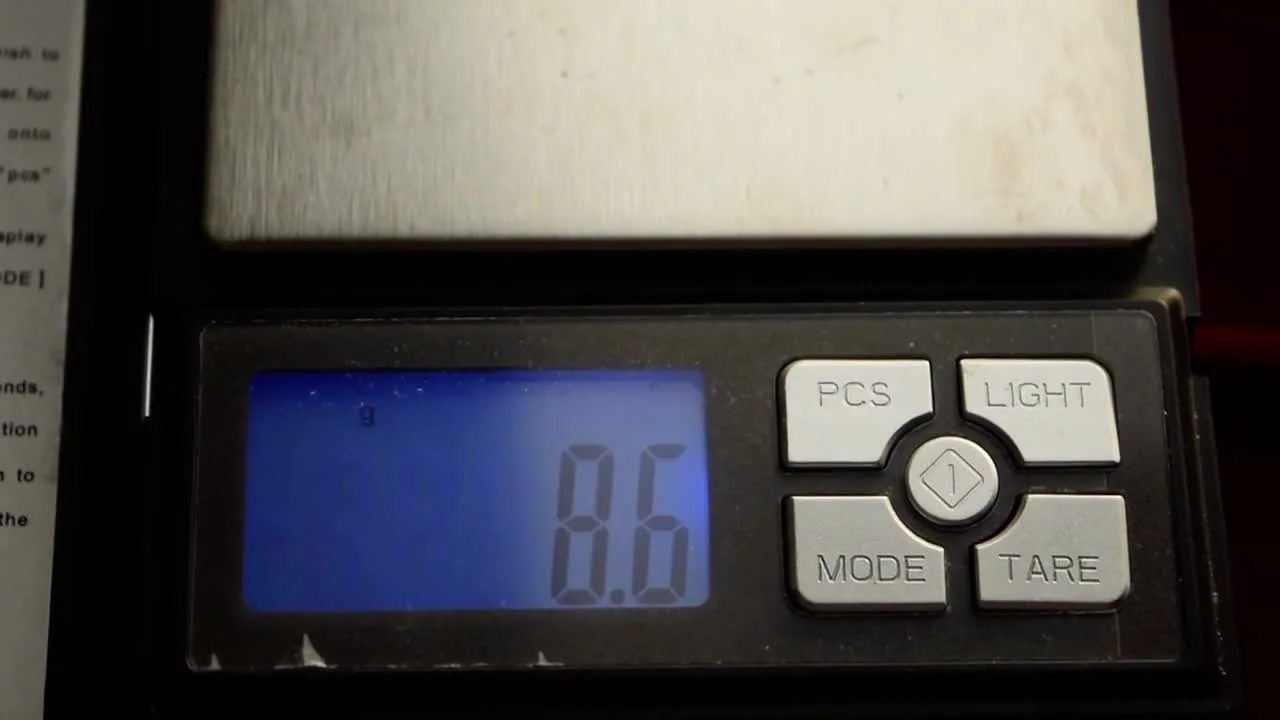
The most important criterion that helps to dispel doubts is the weight of the coin. The standard weight for a 10-ruble gold coin of this period is 8.6 grams.
A coin with minor wear may weigh 8.5 grams.
A heavily worn specimen with nicks may weigh 8.4 grams, but such cases are extremely rare.
If the coin's weight differs significantly from the standard (e.g., 8.8 grams) or, conversely, is 8.5 grams while in perfect condition, this is a serious reason to doubt its authenticity. With experience also comes a tactile sense—gold feels different in the hand than other metals.
Weight — The Decisive Factor in Determining Authenticity
General Recommendations for Collectors
The main rule when buying antiques is that if there is even the slightest doubt about an item's authenticity, it is better to refuse the deal. It is recommended to purchase valuable specimens from trusted sellers, on specialized forums, or at collector societies.
When buying, always ask the seller for a guarantee of authenticity. A reputable seller should guarantee a refund if the item turns out to be not original. To check the fineness, you can consult a jeweler, but under no circumstances should you allow them to make cuts or test the metal with acid, as this will damage the collectible item.